B2B SaaS Lead Generation Tactics That Still Work in 2026
The playbook for growing a software company has completely shifted. If your sales pipeline relies on the legacy strategies of a few years ago, you are likely watching your customer acquisition costs skyrocket while your calendar remains empty. The digital landscape has evolved significantly. Buyers now conduct roughly 70 percent of their research anonymously before ever filling out a contact form.
Are traditional customer acquisition methods dead? Not quite. But the execution has changed completely. To succeed today, you must pivot from high-volume noise to high-precision strategy.
If you are asking yourself, is b2b saas lead generation tactics profitable in the current market, the answer is yes. However, profitability requires moving away from spray and pray automation and moving toward data-driven, hyper-personalized campaigns.
Let us look at the top strategies that actually move the needle this year, what they cost to run, and the structural foundations required to build a highly profitable conversion engine.
The New Reality of Inbound and Outbound Channels
In 2026, pipeline growth is won on data quality and precise buyer intent rather than sheer message volume. B2B software decision-makers are protected by advanced email spam filters and possess an incredibly high resistance to generic sales pitches.
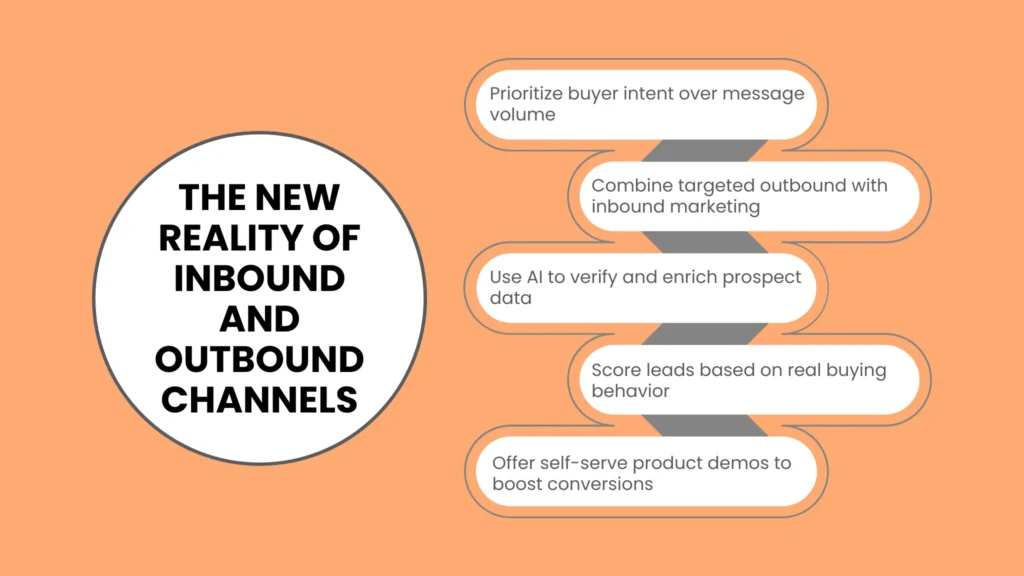
Modern marketing execution requires blending hyper-targeted outbound outreach with robust lead generation strategies for saas that capture buyers exactly when they are looking to solve a problem.
AI-Driven Data Enrichment: Top-performing teams no longer guess email addresses. They use advanced intent data platforms to verify prospect data instantly, checking job titles and employee status before a single message drops.
Behavioral Lead Scoring: Instead of treating every ebook download like a hot sales lead, mature marketing teams use behavioral scoring models. A prospect looking at your pricing page and viewing an integration doc triggers immediate sales routing, while top-of-funnel blog visitors are routed into soft educational nurturing.
Self-Serve Interactive Demos: Buyers do not want to sit through a mandatory 30-minute discovery call just to see what your product interface looks like. Embedding interactive walkthrough tools directly on your landing pages allows prospects to experience immediate product value, significantly lifting conversion rates.
Technical SaaS Accounting Software for Small Business Requirements
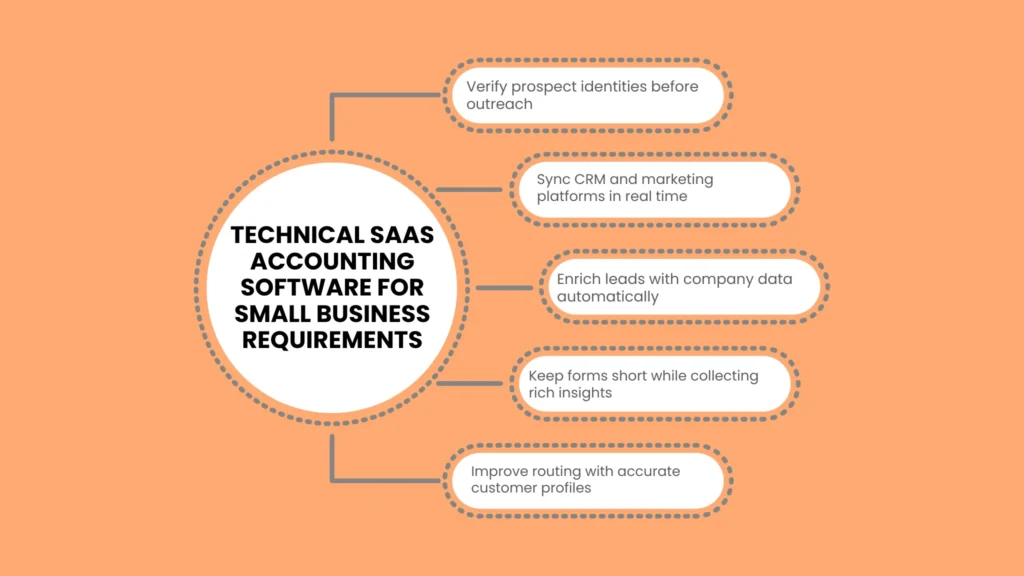
To execute these high-converting tactics without breaking your operational workflow, you must implement a modern technology stack. The foundational b2b saas lead generation tactics requirements focus heavily on integration and data accuracy.
Clean Identity Verification Tools
You must utilize data verification layers to clean your outbound prospecting lists. Sending emails to dead inboxes or professionals who changed companies months ago will destroy your domain sender reputation, sending your corporate emails straight to the spam folder.
Bi-Directional CRM Synchronization
Your marketing automation platform and your primary CRM must speak to each other in real time. When an ideal customer profile account exhibits high-intent behavior on your website, your sales representatives need automated notifications within minutes, not days.
Contextual Enrichment APIs
Your website capture forms should remain incredibly short, asking only for a corporate email address. Behind the scenes, an enrichment API should instantly pull the prospect’s company headcount, estimated annual revenue, current software tech stack, and geographic location to route the account to the correct sales expert.
Breakdown of B2B SaaS Lead Generation Tactics Cost
Building a scalable outbound and inbound program requires distinct investments in technology, data, and content asset creation. The monthly b2b saas lead generation tactics cost scales based on the size of your total addressable market and the speed at which you want to build pipeline.
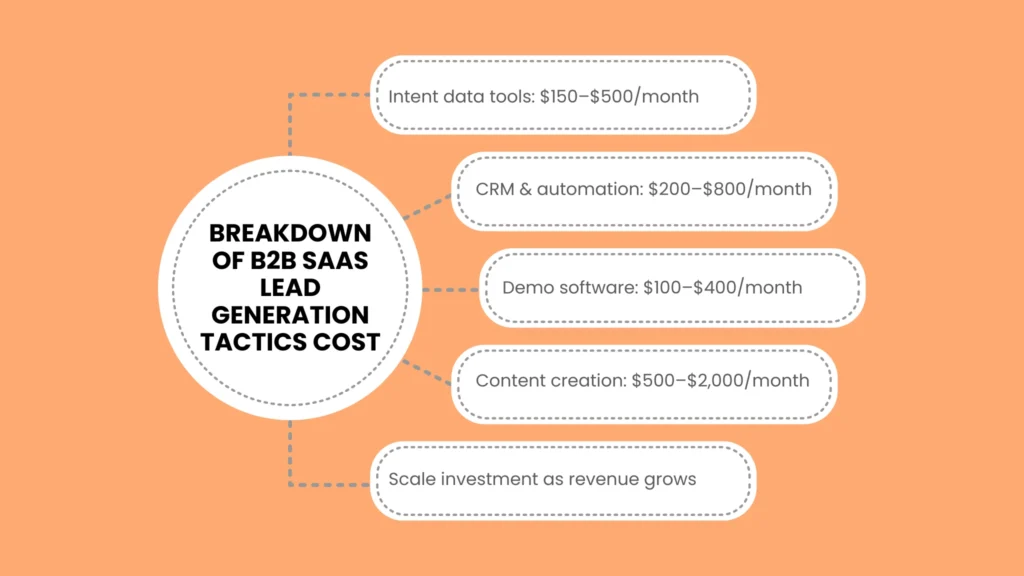
The following table provides an estimated budget breakdown based on current industry operational averages:
| Operational Expense Category | Estimated Monthly Cost | Primary Tactical Purpose | Business Impact Level |
| Intent Data & Data Enrichment | $150 to $500 | Sourcing verified accounts, tracking buyer intent, cleaning contact data. | Critical for outbound precision. |
| Marketing Automation & CRM | $200 to $800 | Handling email workflows, lead scoring, and multi-channel drip sequences. | Core foundation of the funnel. |
| Interactive Content & Demo Software | $100 to $400 | Building self-serve product tours and custom ROI calculators. | High lift on landing page conversions. |
| Expert Content Production | $500 to $2,000 | Authoring highly technical case studies, whitepapers, and problem-solving guides. | Long-term compounding organic asset. |
Most early-stage software companies start lean by leveraging basic data enrichment and a standard CRM, scaling up their budget as revenue per account increases.
Impact on the B2B SaaS Lead Generation Tactics Profit Margin
Every dollar channeled into customer acquisition directly influences your long-term corporate valuation. Optimizing your core tactics shields your b2b saas lead generation tactics profit margin from the inefficiencies that sink unoptimized startups.
When you align your product value closely with your specific ideal customer profile, your conversion rates from marketing qualified lead to sales qualified lead can climb from a standard 13 percent average to over 30 percent. This structural optimization halves your cost per acquisition.
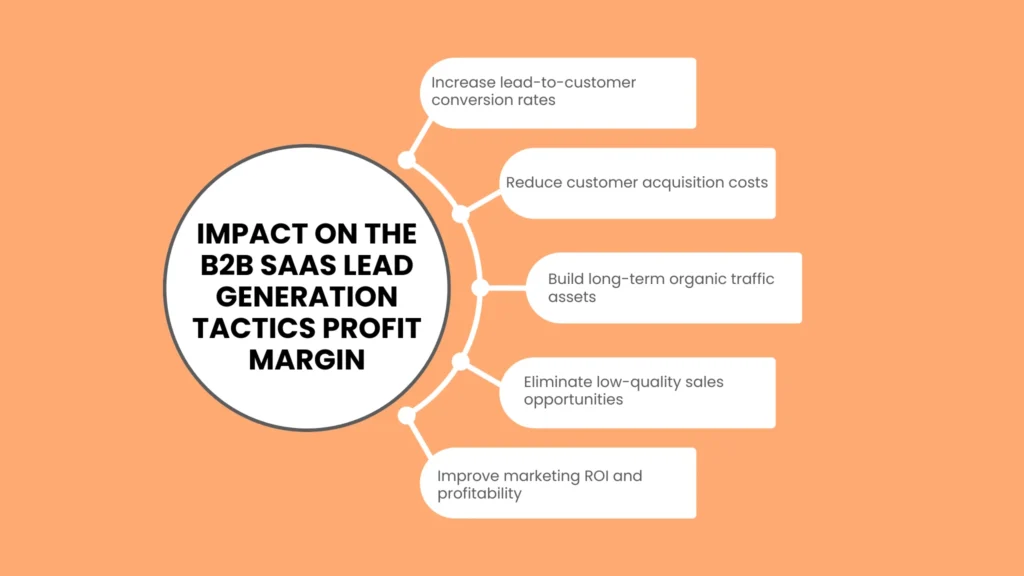
Furthermore, driving pipeline through high-quality inbound educational content creates a compounding growth asset. Unlike paid search ads that stop delivering traffic the moment your daily ad spend budget runs dry, a deeply helpful, SEO-optimized case study continues to attract high-value enterprise buyers month after month without additional creation costs.
Reducing the time your sales representatives waste chasing unverified, low-intent leads drops your internal overhead dramatically. Higher conversion velocity means your marketing spend acts as a multiplier for your net profitability.
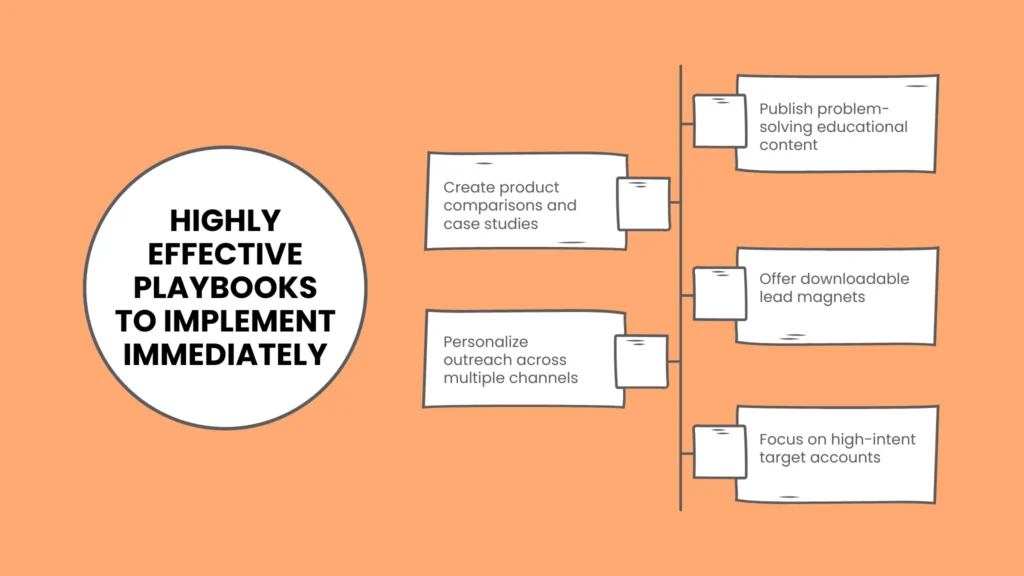
Highly Effective Playbooks to Implement Immediately
If you want to maximize your pipeline efficiency today, focus your growth team on executing these two specific playbooks.
The Problem Centric Inbound Funnel
Stop publishing generic top-of-funnel articles that merely define industry terms. Modern software buyers search Google for specific structural answers.
Create detailed product comparison guides, step-by-step implementation frameworks, and real-world customer case studies that prove exact ROI. Pair these articles with down-to-earth lead magnets, such as downloadable configuration checklists or calculation spreadsheets, to naturally capture contact information.
Multi Channel Intent-Driven Outbound
Never send an ice-cold email pitch out of nowhere. Instead, use your data tools to track accounts showing spikes in public research behavior regarding your niche.
Reach out across two or three channels over a two-week period. Drop a thoughtful, value-first comment on their executive’s LinkedIn post, follow up with a highly personalized email referencing a specific operational pain point, and offer a short video link demonstrating how your software solves that exact problem.
Conclusion
Generating pipeline for software assets in the modern digital landscape requires a commitment to radical relevance, flawless data hygiene, and friction-free user experiences. By investing in the right operational tools, setting transparent budgets, and prioritizing high-intent accounts, you protect your margins while building a highly predictable customer acquisition engine.
Building a venture from the ground up requires absolute clarity across your entire operational framework. If you are looking for deep architectural blueprints on structuring your operations, scaling your marketing technology stack, and launching highly sustainable corporate systems, check out our comprehensive growth toolkits at reliablestartup.
Frequently Asked Questions
What is the most critical metric for evaluating pipeline performance?
While tracking total lead volume is helpful, the most critical metric to monitor is the conversion rate from sales qualified lead to closed-won revenue. High traffic and massive form submission numbers mean nothing if the leads do not match your ideal customer profile and fail to convert into paying customers.
Should we choose a product-led growth model or sales-led outreach?
The choice depends entirely on your target contract value and product complexity. If your software costs 50 dollars a month and features instant setup, a product-led growth model with self-serve free trials is ideal. If your contract value exceeds 10,000 dollars annually and requires custom data migrations, an account-based, sales-led outreach model is required.
How long does it take for inbound content marketing to generate pipeline?
Organic content strategies typically require three to six months of consistent optimization to begin ranking on major search engines and driving qualified traffic. However, these assets carry a long-term compounding return on investment, generating inbound pipeline long after the initial production costs are paid.
Is cold email outreach completely dead for customer acquisition?
Mass-blast cold email campaigns using unverified lists and generic templates are completely dead. However, highly targeted outbound outreach built on precise firmographic data, verified emails, and deeply personalized problem-solving value propositions remains one of the fastest ways to build enterprise pipeline.