Tyre Recycling Business Insurance Guide: How to Protect Your Plant
Did you know that thousands of scrap tyres catch fire every single year across commercial sites? Starting a scrap tyre processing operation is fantastic for the planet and your wallet, but it comes with serious operational hazards. Getting the right tyre recycling business insurance is your ultimate shield against devastating fires, equipment breakdowns, and third-party liabilities. In simple terms, this coverage acts as a financial safety net that pays for structural damages, legal fees, and lost income if an unexpected crisis hits your facility.
At reliablestartup, we help new commercial founders navigate these tricky financial waters so you can build a resilient, profitable business from day one.
Key Takeaways
Essential coverage for tyre recycling plants
Fire hazard and environmental risk management
Tailored policies for heavy machinery safety
Cost factors and practical saving strategies
AI Overview
Setting up a tyre recycling business comes with high operational risks, including serious fire hazards, heavy equipment breakdowns, and environmental liabilities. Securing proper tyre recycling business insurance ensures your plant stays protected against unexpected property damage and legal claims. By combining comprehensive waste facility insurance with tailored recycling plant liability insurance, business owners can safeguard their assets and implement strong tyre recycling risk management practices.
Why Is Insurance for Tyre Recycling Plants So Hard to Get?
Have you ever wondered why insurance brokers hesitate when you mention scrap tyres? It boils down to one major word: fire. Tyres burn extremely hot and are notoriously hard to put out once they catch fire. Insurance carriers view tyre piles as massive fuel sources waiting for a spark.
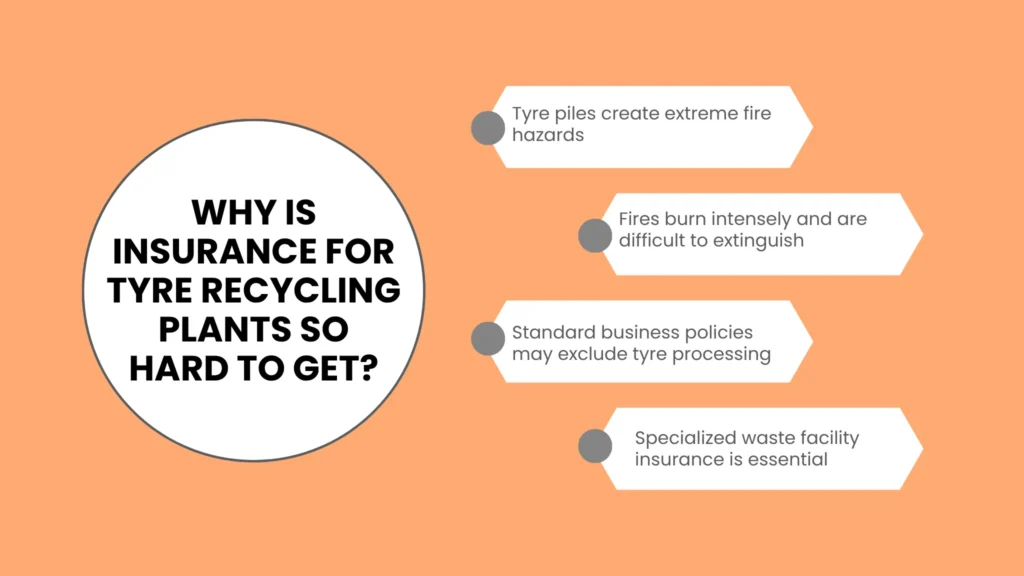
Because of this intense risk, standard business policies will not cover your operations. You need specialized waste facility insurance designed explicitly for high-hazard material processing. Without specialized coverage, a single spark could shut your doors forever.
Core Insurance Coverages You Actually Need
Let us break down the exact policies your recycling site needs to stay protected.
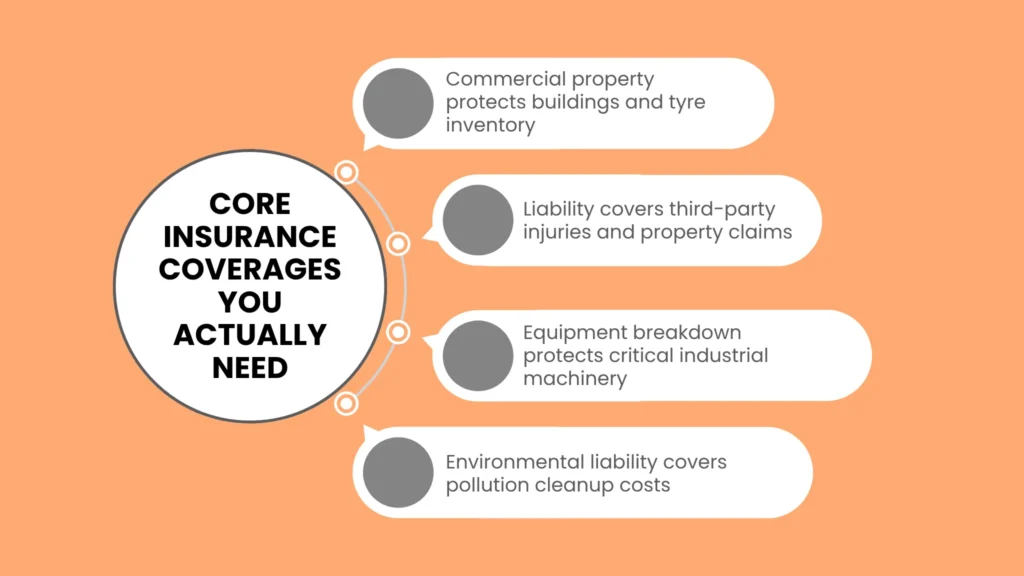
Commercial Property Insurance
This pays for damages to your physical building, office, and stored raw materials. It protects your inventory from fire, severe weather, and vandalism. Make sure your policy explicitly includes outdoor storage piles, not just indoor space.
Recycling Plant Liability Insurance
What happens if a visitor gets hurt or a neighbouring building is damaged? This is where recycling plant liability insurance saves your business. It handles legal defense costs, medical expenses, and court settlements. Without it, a single lawsuit can wipe out your cash flow.
Equipment Breakdown Coverage
Your heavy industrial shredders and granulators are the heart of your operation. If a main motor burns out, standard property policies standardly will not pay for repairs. Equipment coverage steps in to fix mechanical breakdowns fast.
Environmental Impairment Liability
Tyre fires release toxic oil runoff and heavy black smoke into the air and soil. Standard liability plans usually exclude chemical cleanup and pollution costs. Environmental insurance pays for mandatory land remediation and local government fines.
Essential Coverage Comparison
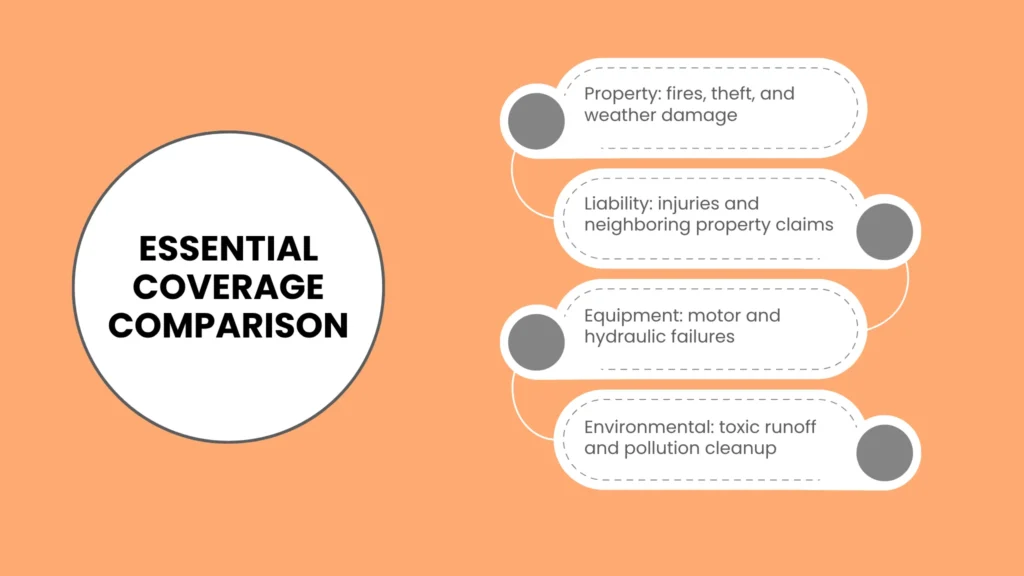
| Policy Type | Main Focus Area | Typical Risk Covered |
| Commercial Property | Buildings and raw tyre inventory | Structure fires, windstorms, and theft |
| Recycling Plant Liability Insurance | Third-party injuries and property claims | Visitor slips, toxic fumes impacting neighbours |
| Equipment Breakdown | Heavy machinery repair and replacement | Shredder motor burnout, hydraulic failure |
| Environmental Liability | Soil, air, and water pollution cleanup | Toxic run-off from fire suppression efforts |
Smart Tyre Recycling Risk Management Strategies
Buying policies is only half the battle when securing your operations. In fact, insurers will not even quote you without solid safety protocols. Here is how effective tyre recycling risk management keeps your premiums affordable:
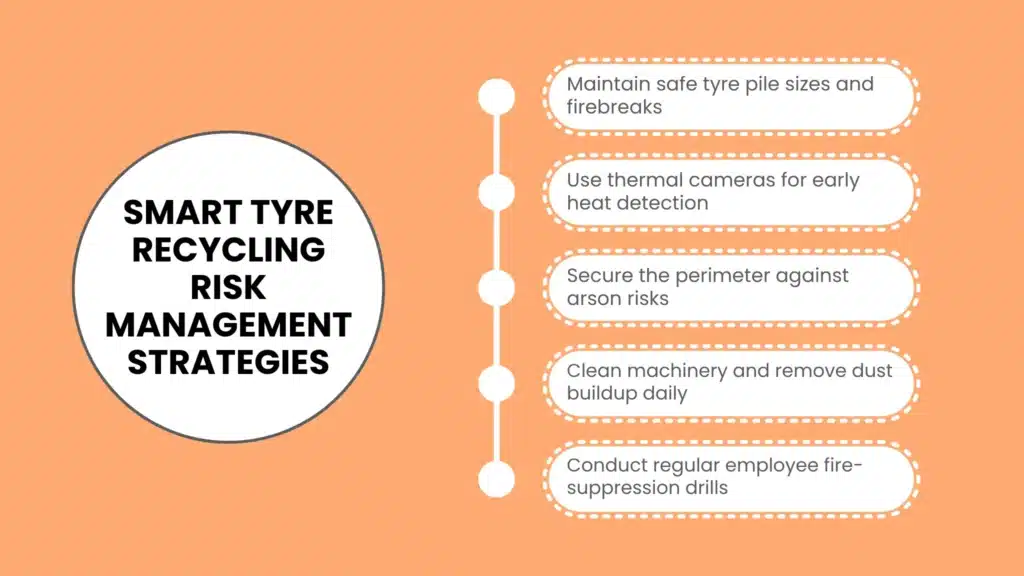
Maintain Strict Pile Sizes: Keep outdoor tyre stacks below state height limits and separated by wide fire breaks.
Install Thermal Imaging Cameras: Early heat detection systems catch hotspots before open flames start.
Fence and Secure the Perimeter: Prevent arson by installing bright security lighting, guard dogs, and 24/7 CCTV.
Enforce Daily Equipment Sweeps: Clean dust accumulation off shredder motors every single night.
Train Staff on Suppression: Conduct monthly fire drills so every employee knows how to react fast.
Showing underwriters that you practice daily tyre recycling risk management proves your site is a safe bet.
How Much Does Coverage Usually Cost?
To be realistic, insurance for high-risk operations is rarely cheap. Annual premiums generally start around a few thousand dollars and scale upwards fast. Your actual cost depends on several practical facility factors:
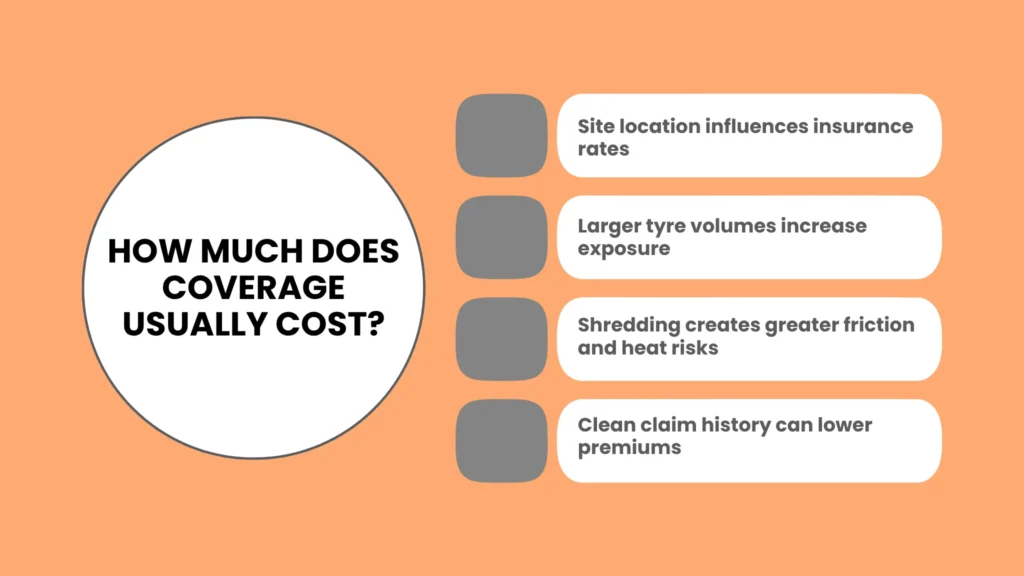
Site Location: Proximity to local fire stations impacts your rate significantly.
Volume of Material: Storing 50,000 tyres costs far more to insure than storing 5,000.
Processing Methods: Shredding creates high friction heat, increasing risk compared to simple sorting.
Past Claim History: A clean safety record keeps your annual premiums much lower.
Working with specialists like reliablestartup helps you compare quotes and locate hidden policy discounts.
Steps to Get Approved for Waste Facility Insurance
Getting an insurance carrier to say “yes” requires careful preparation on your part. Follow this simple road map to get approved quickly:
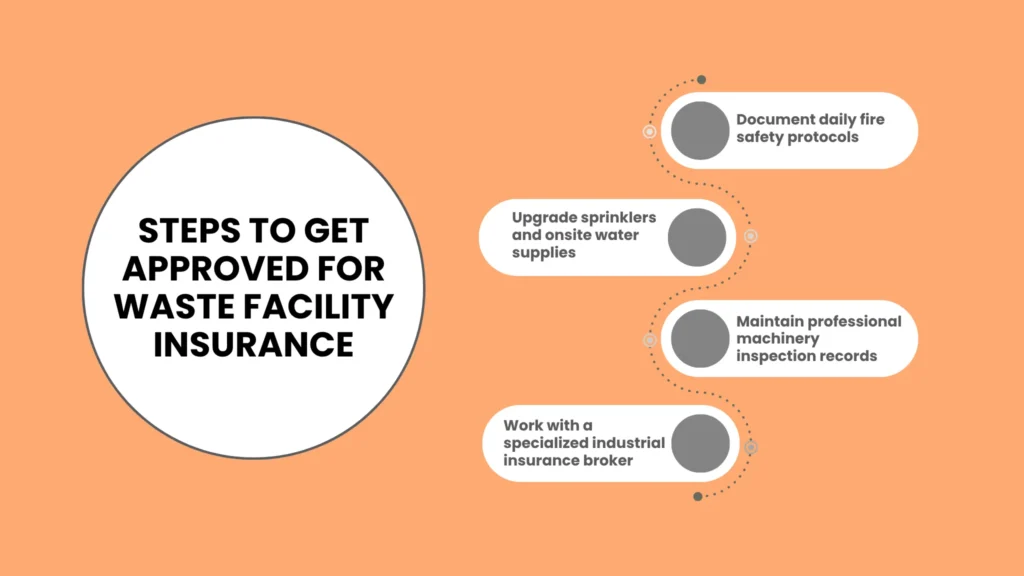
Document Your Safety Controls: Write down your daily site fire safety protocols clearly.
Upgrade Fire Suppression: Install heavy-duty sprinkler systems and onsite water tanks.
Audit Your Machinery: Show proof of regular professional machinery maintenance logs.
Partner with a Specialized Broker: Avoid general agents who do not understand industrial recycling risks.
Securing strong waste facility insurance becomes much smoother when you prove your plant is organized and proactive.
Final Thoughts on Securing Your Business
Building a sustainable business takes hard work, strategy, and proper risk control. Unexpected disasters can happen to any facility, but proper protection keeps you standing. By pairing reliable waste facility insurance with smart tyre recycling risk management, you safeguard your investments for years to come.
Take time to review your facility’s safety measures and talk with an experienced commercial broker today. For more actionable guides and startup resources, keep checking back with us at reliablestartup!
Frequently Asked Questions
What primary insurance does a tyre recycling startup need immediately?
Startups need general liability, commercial property, and specialized environmental cleanup policies from day one.
Why do standard insurance companies reject tyre processing plants?
Standard insurers reject tyre sites because tyre fires burn exceptionally hot and are costly to extinguish.
How does proper risk management reduce monthly insurance premiums?
Implementing thermal cameras, clear firebreaks, and daily machinery cleaning proves lower risk to underwriters.
Does general liability cover environmental pollution from tyre fires?
No, general liability policies exclude pollution claims, requiring a separate environmental impairment policy.
Can I insure leased shredding machinery and rubber granulators?
Yes, equipment breakdown and commercial property policies can be customized to cover leased industrial machinery.