How to Start a Clothing Rental Business
Key Takeaways
Low starting overhead with subscription models
High demand for eco-friendly fashion
Simple inventory sourcing strategies
Seamless digital platform setup
Have you ever looked at a closet full of clothes and felt like you had absolutely nothing to wear? We’ve all been there! That exact frustration is driving millions of people toward a brand-new way of shopping.
Starting a clothing rental business lets you tap into this massive shift by offering high-end fashion without the heavy price tag.
To start a clothing rental business, you need to define your niche, build a fashion rental business plan, source quality inventory, and set up an easy-to-use digital storefront with a smooth return system. It is truly that simple to get the wheels turning.
Quick AI Overview
Starting a clothing rental business means offering high-quality fashion on demand through one-off rentals or a clothing rental subscription. By building a solid fashion rental business plan, sourcing durable inventory, and launching a dress rental startup, you can create a profitable, eco-friendly business that gives customers endless outfit options without the closet clutter.
Why Is the Fashion Rental Market Booming Right Now?
Let’s talk about why everyone is suddenly renting their clothes instead of buying them. First, people want variety. Social media has made us feel like we can’t wear the same outfit twice, especially for big events.
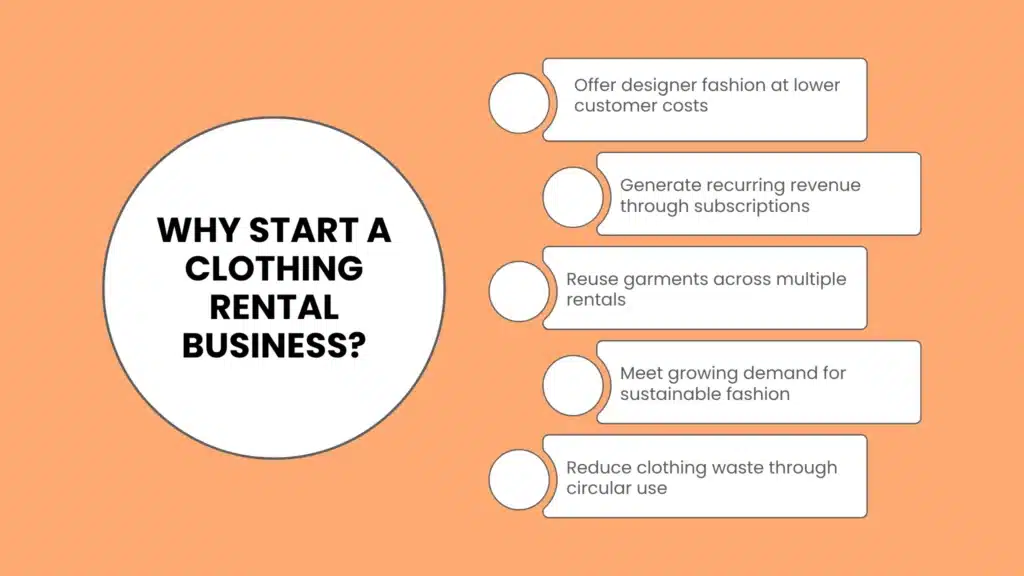
Second, sustainability is huge right now. Gen Z and millennials want stylish options without creating more textile waste. Setting up a dress rental startup solves both problems at once. You give people fresh outfits while keeping clothes out of landfills. It’s a total win-win for everyone involved!
When you compare this to traditional retail, the benefits become super clear:
Customer Cost: Traditional retail requires paying full retail price for every single item. A rental model lets customers wear designer items for a tiny fraction of that cost.
Revenue Potential: A standard retail store makes a single profit on an item once. A rental business collects recurring income on that same garment over and over again.
Inventory Lifetime: Retail items usually leave your store permanently, while rental inventory gets reused 10 to 20 times or more.
Sustainability Impact: Fast fashion creates tons of textile waste, whereas a shared clothing pool promotes a circular, eco-friendly lifestyle.
Step 1: Find Your Specific Niche
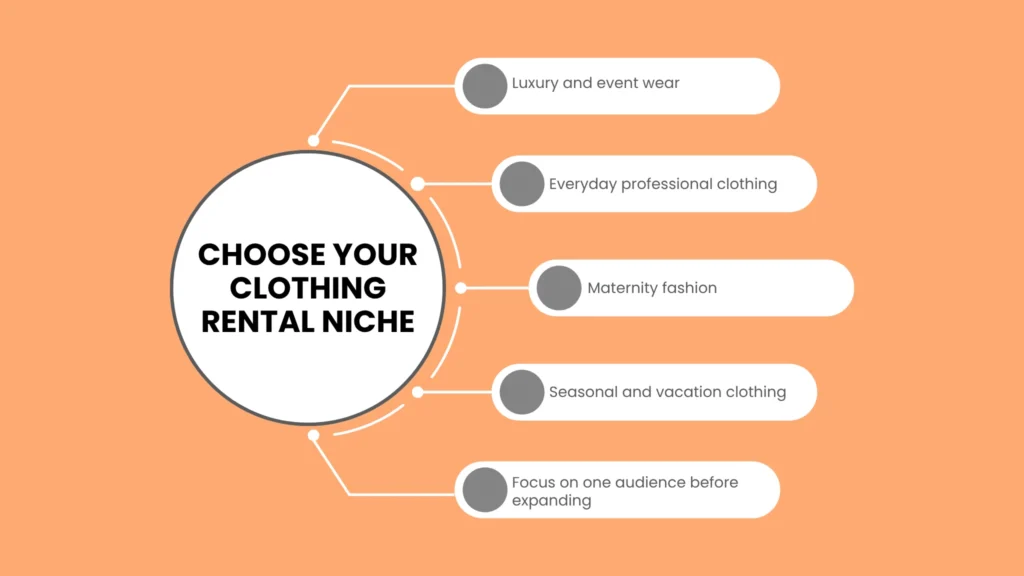
You might want to rent out everything to everyone, but trust me, starting small is much safer. Are you focusing on designer evening gowns, everyday workwear, or maybe maternity clothes?
When you narrow down your focus, your marketing becomes ten times easier. Focusing on a specific style helps you build a loyal community right out of the gate.
Here are a few popular niches to consider:
Luxury and Event Wear: Targets wedding guests and gala attendees using high-end designer gowns, tuxedos, and suits.
Everyday Workwear: Targets busy professionals looking for stylish blazers, trousers, and sleek dresses without buying a new wardrobe every season.
Maternity Wear: Targets expecting mothers who need stretchable, trendy bump wear that they only plan to use for a few months.
Seasonal and Vacation Items: Targets travelers and festival attendees looking for resort wear, winter coats, or themed outfits.
Step 2: Write Your Fashion Rental Business Plan
Before buying a single piece of clothing, you need a clear roadmap. A standard fashion rental business plan covers your startup costs, target market, cleaning logistics, and pricing strategy.
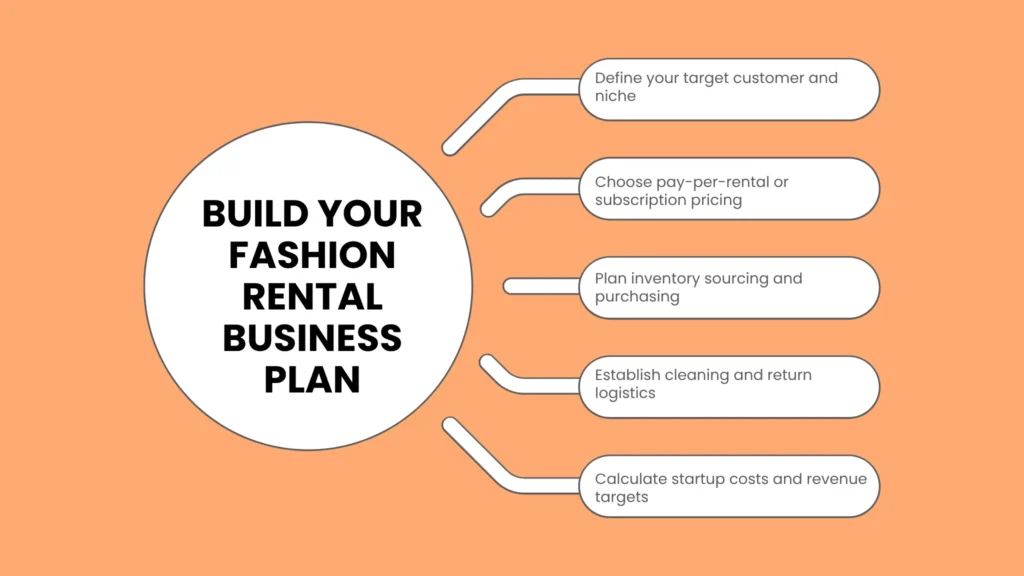
How will you make money? Most founders choose between two core models:
Pay-per-rental (great for event wear)
Monthly clothing rental subscription (ideal for everyday clothes)
Generally, offering a clothing rental subscription brings in predictable monthly revenue, which keeps your cash flow healthy. Resources over at reliablestartup can help you map out these early business strategy steps effortlessly.
Step 3: Source Your Initial Inventory
Now for the fun part: picking out the clothes! But wait, how do you get inventory without breaking the bank?
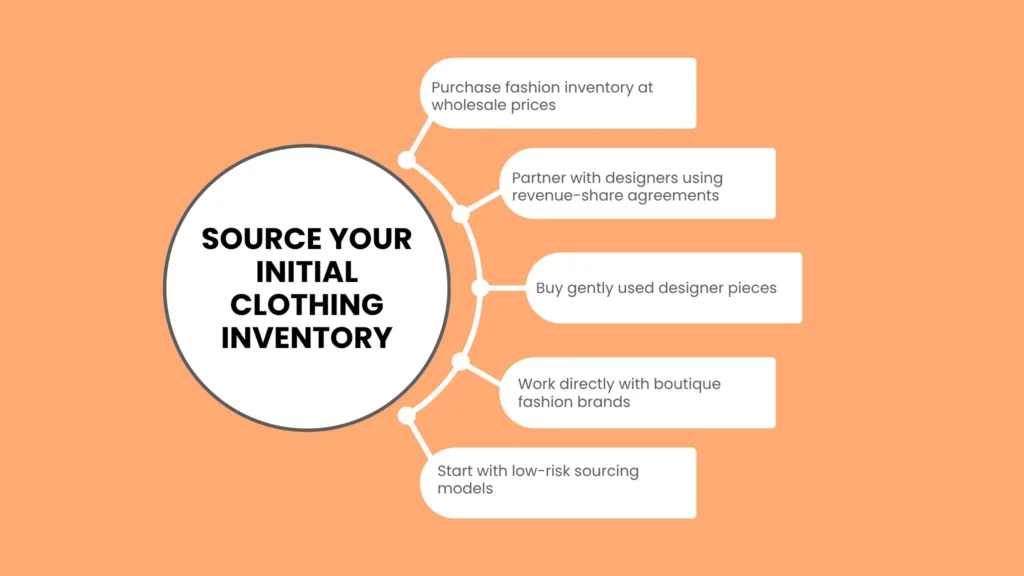
Here are the most common ways new founders source their clothes:
Buy inventory upfront at wholesale prices from fashion brands.
Partner with designers on a revenue-share model (low upfront cost!).
Buy gently used designer items from verified consignment platforms.
Work directly with boutique brands looking for extra exposure.
In most cases, starting with a revenue-share model keeps your initial risks super low while you test what sells.
Step 4: Handle the Behind-the-Scenes Logistics
Let’s be real for a second: a clothing rental business is secretly a logistics business disguised as a fashion company! You have to think about how clothes move back and forth continuously.
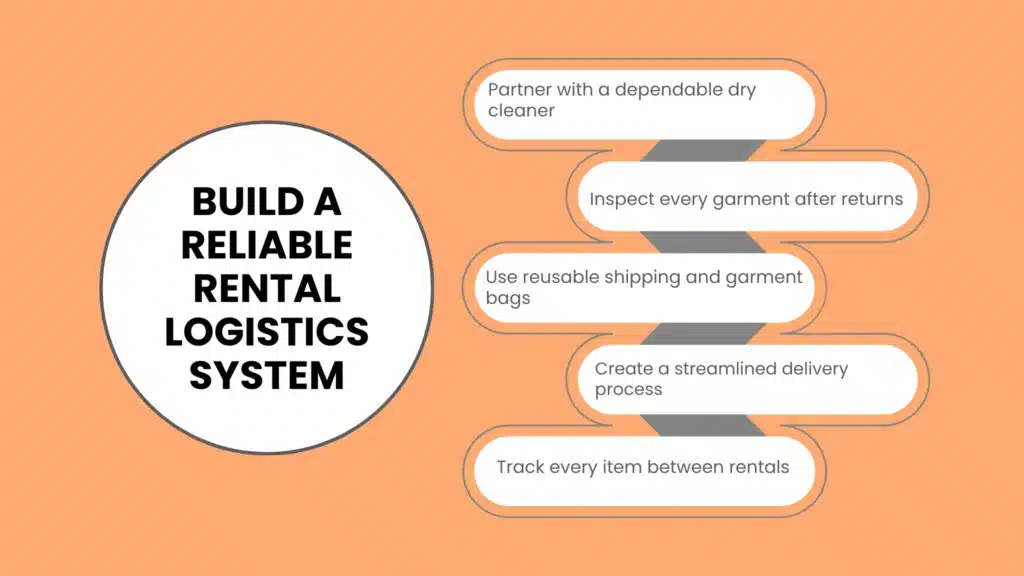
Where will you store the clothes? How will you clean them between uses? Partnering with a reliable dry cleaner is crucial. Your inventory needs to come back looking brand new every single time.
You also need sturdy, reusable shipping bags to keep your delivery process smooth and green.
Step 5: Build Your Digital Storefront
Your website is your main storefront, so it needs to look fantastic and run smoothly. Standard online stores won’t work out of the box because you need rental calendar software. Your platform must handle booking dates, manage subscription billing, and track returned items seamlessly.
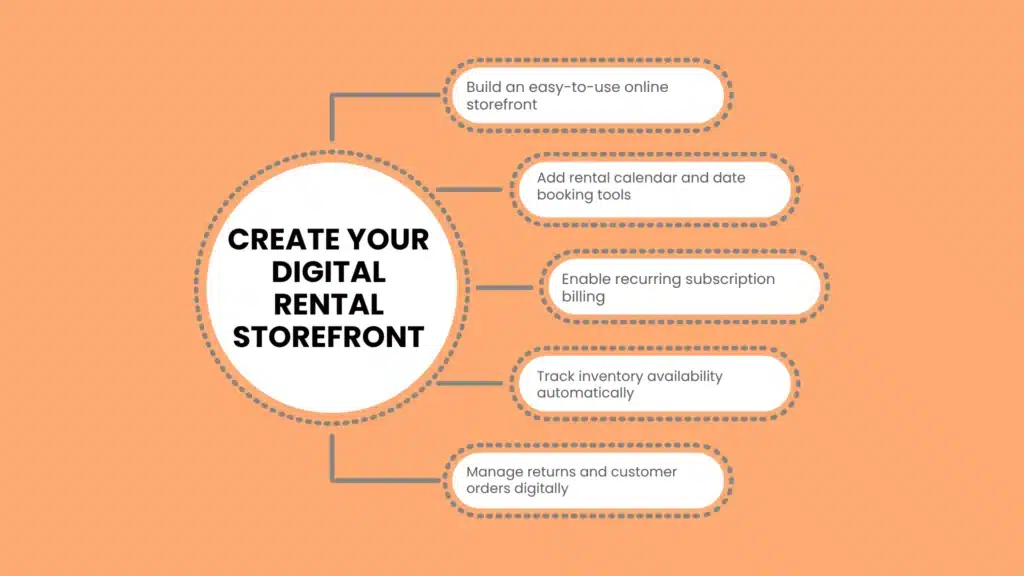
Platforms like Shopify have built-in apps designed specifically for a dress rental startup. If you feel overwhelmed by tech options, guides on reliablestartup break down the simplest website tools for new entrepreneurs.
Step 6: Set Clear Rules for Damage and Returns
What happens if someone spills coffee on an expensive dress? It happens! You need clear, friendly terms of service on your website so customers know what to expect.
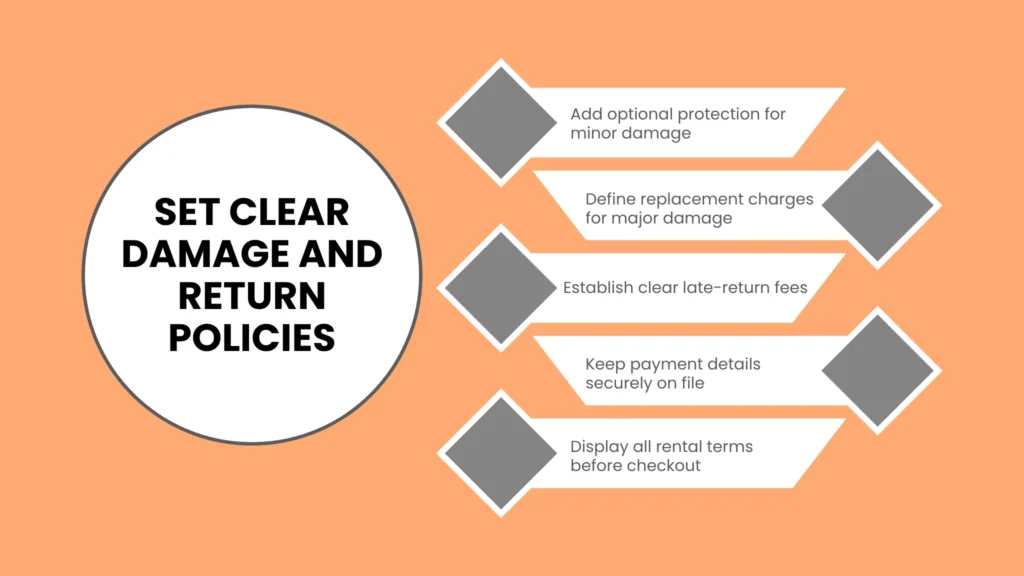
Here is how successful rental platforms manage everyday wear and tear:
Minor Stains or Small Tears: Offer a built-in $5 rental insurance fee at checkout so customers can return items as-is without worrying about extra fees.
Major Destruction or Loss: Keep a credit card on file to bill the full retail replacement value if an item is completely ruined or never returned.
Late Returns: Charge a daily fee ($10 to $20 per day) to encourage customers to drop items off in pre-paid shipping bags on time.
Transparency builds immense trust, based on available data from successful rental platforms across the industry.
Step 7: Market Your Business and Launch Big
Now that your site is live, how do you get your very first customers?
Social media is going to be your best friend here. Short video unboxings, try-on hauls, and style transformation reels work amazingly well on Instagram and TikTok.
Influencer partnerships are another goldmine for a dress rental startup. Send a free rental box to local micro-influencers in exchange for a video review. Their followers will naturally check out your site, giving you instant credibility and traffic!
Essential Startup Cost Breakdown
Wondering how much money you actually need to get started? Expenses vary widely depending on whether you launch a dress rental startup from home or rent a warehouse space.
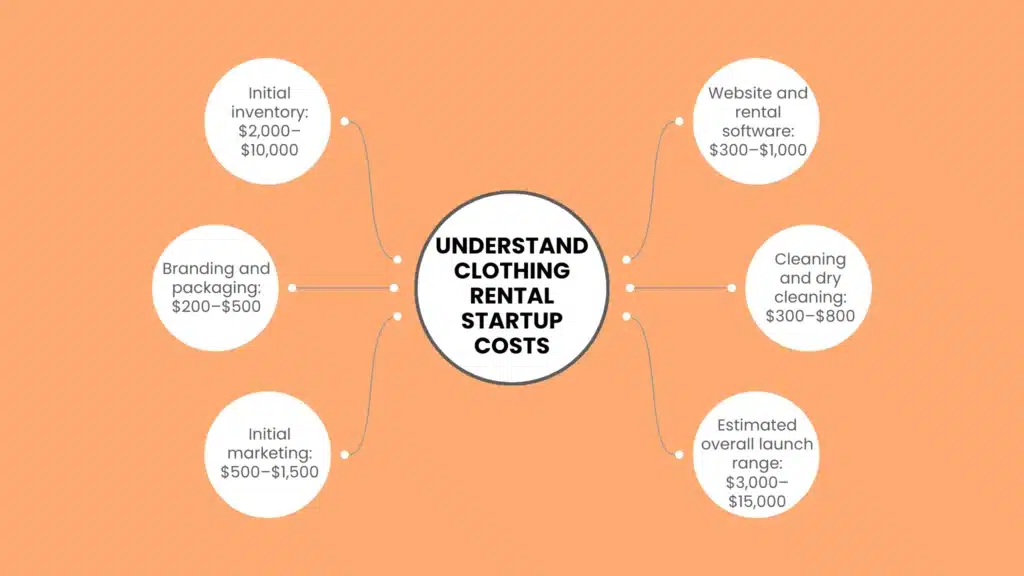
Here is an estimated breakdown of what your initial investments might look like:
Initial Inventory: $2,000 to $10,000 (depending on your sourcing model)
Website and Rental Software: $300 to $1,000
Branding and Packaging: $200 to $500
Cleaning Supplies and Dry Cleaning: $300 to $800
Initial Marketing and Influencer Outreach: $500 to $1,500
Starting from your extra bedroom or garage is a great way to save money early on!
Final Thoughts on Launching Today
Building a clothing rental business takes effort, but the payoff can be huge. You get to run a stylish, sustainable business while building steady recurring revenue through a clothing rental subscription model.
Take it step by step: write a simple fashion rental business plan, pick a tight niche, and get your first batch of inventory. Whenever you need practical startup advice, check out reliablestartup to help power your journey!
Frequently Asked Questions
How much money do I need to start a clothing rental business?
Estimated startup costs range between $3,000 and $15,000 depending on your inventory sourcing and website setup choices.
How do clothing rental businesses handle damaged clothes?
Most rental companies charge a small insurance fee to cover minor repairs, while major damage is billed to the user.
Is a clothing rental subscription model profitable?
Yes, subscription models create predictable monthly revenue while generating multiple rental fees from a single garment over time.
How do I wash clothes between rentals?
In most cases, businesses partner with local dry cleaners or use industrial steam cleansers to sanitize items safely between rentals.