How to Start a Dumpster Rental Business in the USA (Step-by-Step Profit Guide)
Launching a specialized dumpster rental business usa structure is quickly becoming one of the most lucrative blue-collar opportunities today. The waste management sector continues to see sustained growth due to ongoing residential remodeling and commercial construction projects. Aspiring entrepreneurs are discovering that managing physical container assets yields exceptional returns compared to standard service industries. The February 2026 Google Core Update emphasizes that operational business blueprints must deliver highly accurate, actionable strategies instead of generic surface level tips.
This structured breakdown outlines exactly how to start dumpster rental operations from the ground up. We analyze equipment acquisition, landfill tipping fees, routing workflows, and target consumer demographics. Following these steps helps new business owners avoid expensive logistical errors. This guide will help you build a reliable dumpster rental income stream while protecting your initial asset capital.
The Reality of Dumpster Rental Profit Margins
Many operators enter the waste disposal market assuming it simply requires dropping off metal boxes. The underlying business model is actually driven entirely by volume logistics and weight management. A single-truck operation managing fifteen containers can realistically generate $120,000 to $250,000 in annual owner earnings based on available marketplace data.
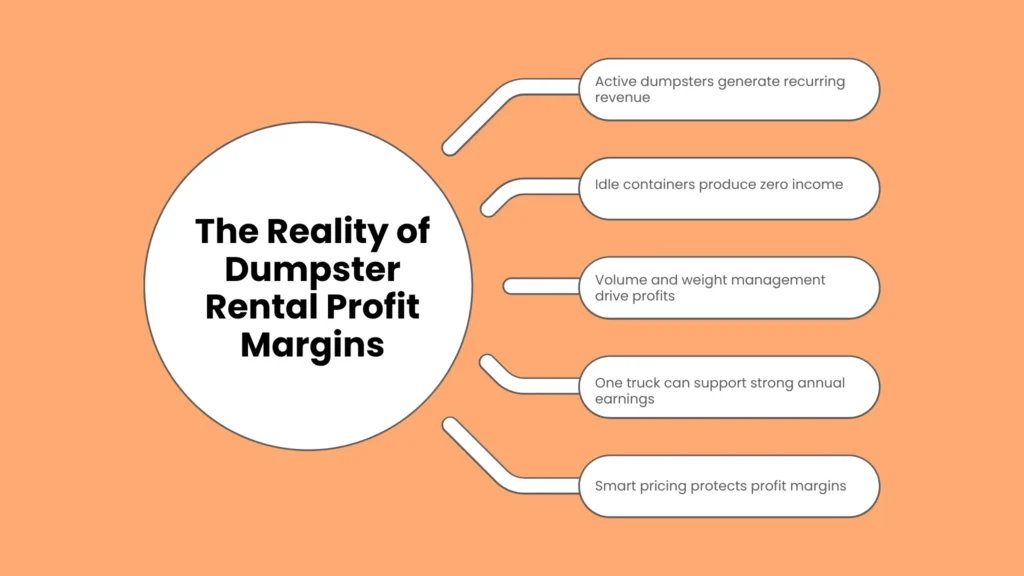
Your gross profitability relies heavily on keeping your containers deployed out in the field. Idle inventory sitting in your storage yard generates zero revenue while active assets yield continuous cash flow. Understanding how to structure your delivery rate cards ensures you cover fuel costs and municipal landfill fees from day one.
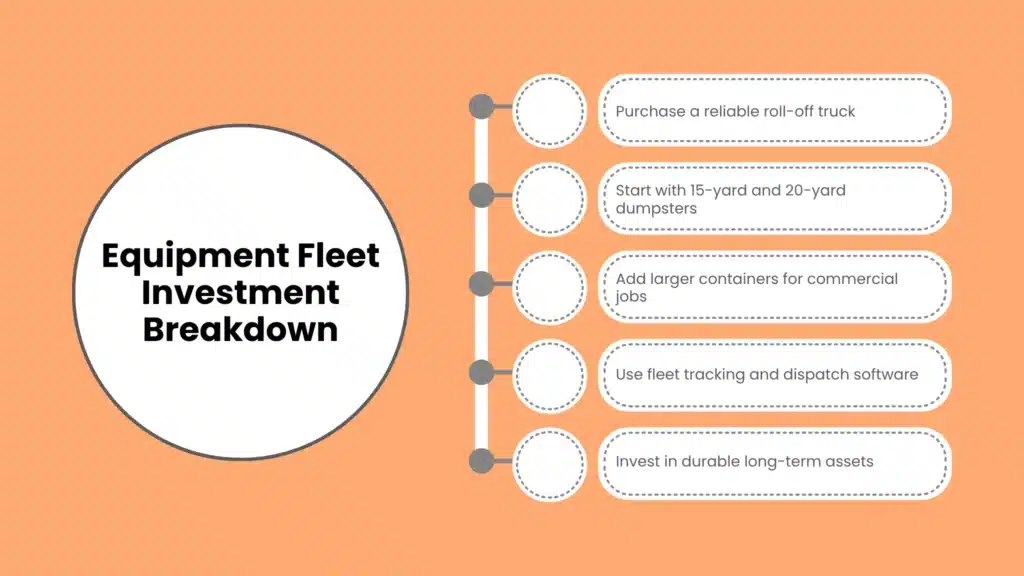
Equipment Fleet Investment Breakdown
Succeeding in this space requires investing in durable physical infrastructure. The table below features standard startup hardware needs for an entry-level waste dumpster rental startup fleet.
| Equipment Asset Type | Quantity Needed | Primary Functional Role | Estimated Unit Cost |
| Used Roll-Off Truck | 1 Unit | Primary transport vehicle for drop-offs and pickups | $45,000 to $85,000 |
| 15-Yard Dumpsters | 8 Units | Sized perfectly for residential cleanouts and roofers | $4,500 each |
| 20-Yard Dumpsters | 5 Units | Standard mid-size choice for general contractors | $5,200 each |
| 30-Yard Dumpsters | 2 Units | Large-scale containers for major commercial demoliiton | $6,000 each |
| Fleet Tracking Software | 1 Subscription | Live GPS routing, dispatching, and digital billing | $150 per month |
Core Operations: Launching a Roll-Off Dumpster Business
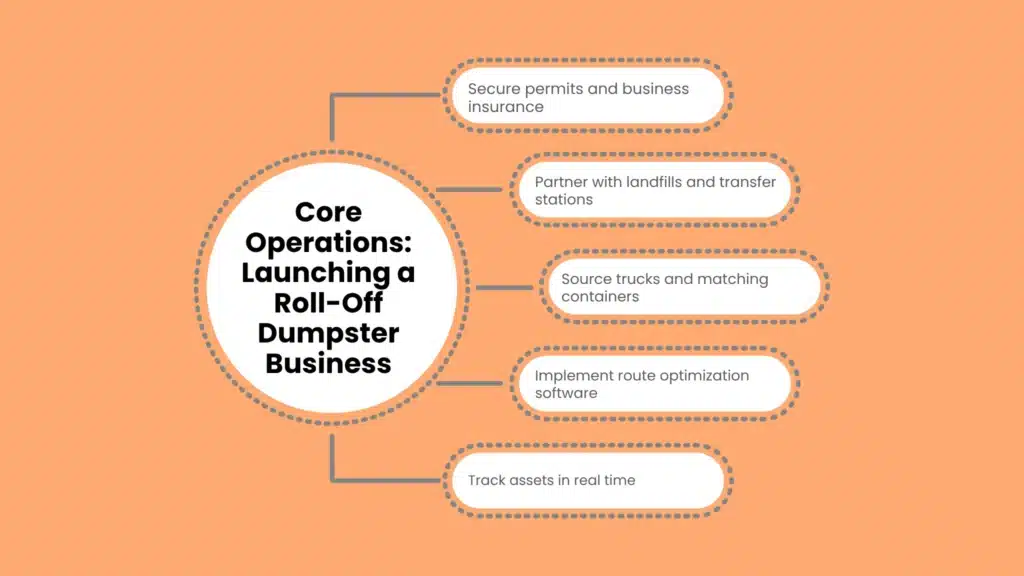
Step 1: Secure Municipal Permits and Commercial Insurance
Before purchasing your first steel container you must establish your legal operating foundation. Check with your local city and state environmental protection agencies regarding specific solid waste hauling licenses.
Secure comprehensive commercial auto liability insurance along with a robust general liability policy. Hauling heavy steel loads down residential streets carries inherent operational risks. Protecting your company against potential property damage claims ensures long-term business survival.
Step 2: Establish Landfill and Transfer Station Partnerships
Landfill tipping fees represent your single largest ongoing operational expense. Visit regional recycling centers and municipal waste transfer stations to negotiate commercial dump rates.
Most facilities charge haulers a flat gate fee plus a specific rate per ton of debris. Securing favorable contract pricing protects your margins against heavy materials like concrete or wet plaster. Always clarify which hazardous items are strictly prohibited by local municipal environmental regulations.
Step 3: Source Your Roll-Off Truck and Container Inventory
Your truck functions as the absolute backbone of your daily operations. A reliable pre-owned medium-duty truck equipped with a hydraulic hoist system is perfect for new business owners. Your roll-off truck is the backbone of daily operations — if you’re new to managing commercial vehicles, reviewing our guide on how to start a truck rental business will help you understand fleet maintenance, driver management, and vehicle cost structures before committing capital.
When purchasing container inventory buy matching hook-lift or cable-pull styles that align with your specific truck hoist. Standardizing your hardware choices allows your driver to switch between container sizes seamlessly on daily routes. This flexibility keeps your service quick and responsive for clients.
Step 4: Implement Route Optimization and Asset Tracking Systems
Modern waste disposal companies rely on smart digital dispatch platforms to maintain real-time efficiency. Using dedicated logistics software allows you to view which containers have exceeded their rental duration limits instantly.
Automated routing systems schedule pickups geographically to minimize fuel consumption. Drivers can capture digital drop-off photos and electronic signatures directly on their mobile devices. This instant documentation protects your equipment while streamlining your billing workflow.
Strategic Marketing and Customer Acquisition
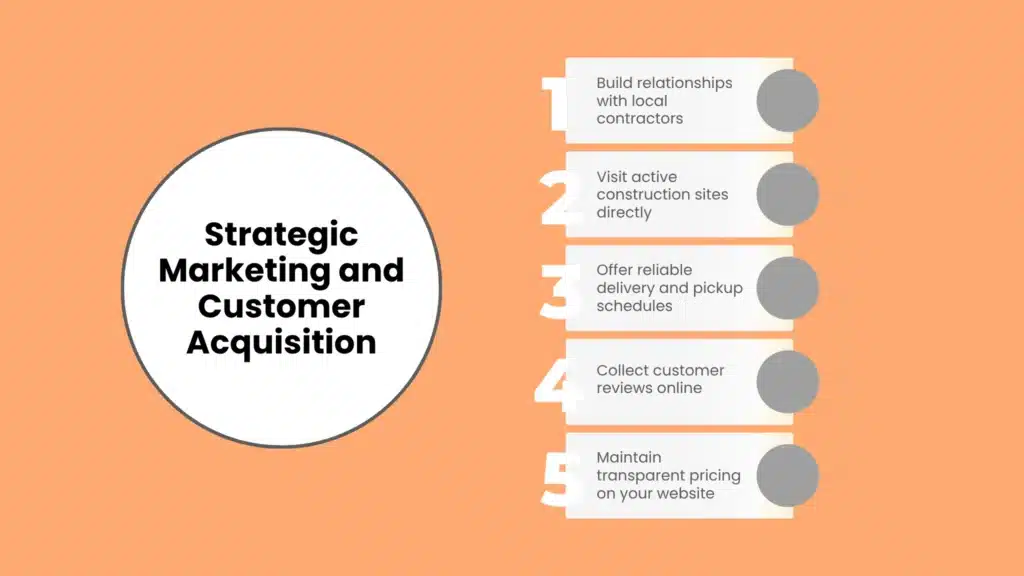
Building Strong Local Contractor Networks
Residential single-use rentals provide excellent short-term profit margins but contractor accounts deliver long-term operational stability. Roofers, kitchen remodelers, and local restoration companies require reliable waste hauling services every week.
Visit active construction job sites directly to distribute your commercial rate sheets. Offering guaranteed morning drop-offs or rapid container swaps wins steady business away from slow regional corporate competitors. A single active general contractor can easily generate several thousand dollars in predictable monthly revenue.
Dominating Local Map Search and Digital Bookings
Modern homeowners turn straight to online search engines when they need to clean out an estate or garage. Ensure your business profile is fully optimized for your specific geographical service territory.
Encourage every satisfied residential customer to leave a detailed online review mentioning your prompt delivery times. Maintain an updated website that clearly outlines what dumpster sizes can fit into a standard suburban driveway. Providing transparent upfront pricing structures helps you stand out from old-school haulers who hide extra fees.
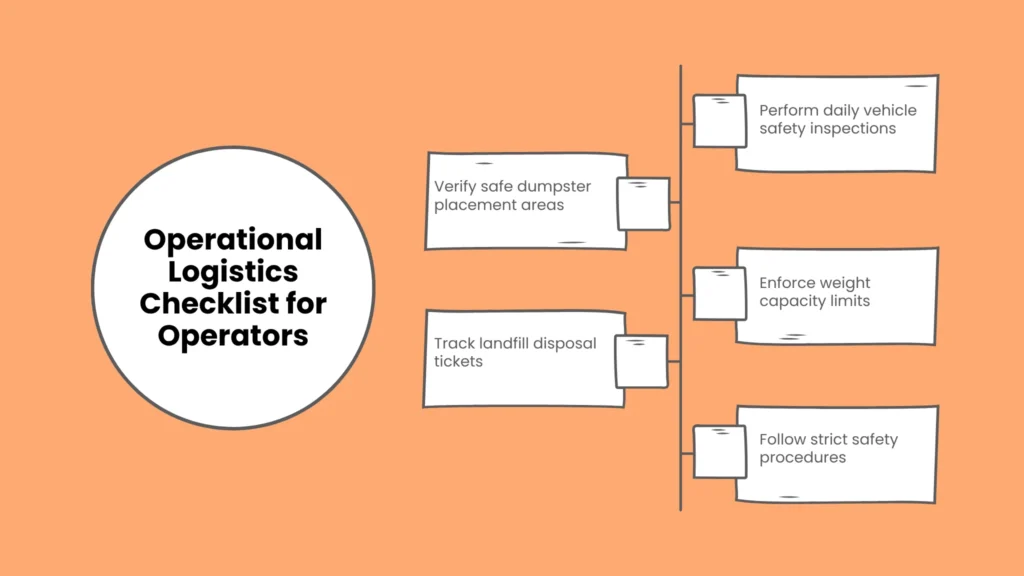
Operational Logistics Checklist for Operators
Managing daily route collection requires following strict safety and organizational protocols to maximize equipment longevity.
Maximizing Operational Growth with reliablestartup.com
Scaling an asset-heavy transportation company safely requires continuous research and testing. Successful haulers use dedicated entrepreneurial resource platforms to locate practical deployment strategies. Visiting reliablestartup.com gives you access to actionable guides on asset financing and equipment lease negotiations.
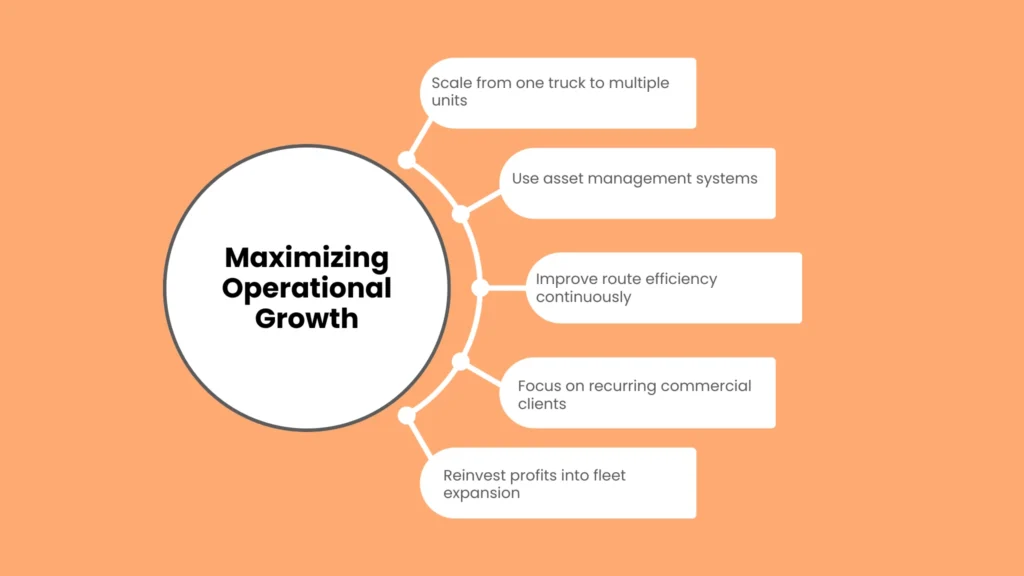
The platform provides proven asset management templates and contract language drafted specifically for modern equipment rental businesses. It shares real-world case studies on optimizing local marketing budgets to target premium commercial building companies. Learning from these field-tested frameworks allows your startup to grow efficiently without taking on toxic debt.
Conclusion
Building a successful dumpster rental business usa infrastructure provides an incredibly secure route toward generating long-term business equity. Expanding your assets from a single roll-off dumpster business setup into a multi-truck fleet yields excellent recurring returns. Protecting your underlying equipment through proactive maintenance and optimized route scheduling guarantees steady cash flow performance. Focus on delivering exceptional customer service and clear flat-rate pricing models that local builders can rely on completely. Discover advanced business launch frameworks at reliablestartup to future-proof your new venture.
Frequently Asked Questions
What are the ongoing costs for an active dumpster rental business usa?
Your primary daily expenses include fuel, commercial driver labor, and ongoing vehicle maintenance. You must also budget for variable landfill tipping charges, equipment storage yard rent, and targeted local online marketing ads.
How do I calculate the baseline dumpster rental income for a single truck?
Calculate your potential revenue by multiplying your total number of active containers by your average weekly utilization rate. For example, deploying twenty containers twice a month at an average price of $450 generates $18,000 in monthly revenue before variable disposal costs.
What container sizes should a new waste dumpster rental startup buy first?
Most residential and light commercial markets see the highest overall demand for 15-yard and 20-yard roll-off containers. These versatile intermediate sizes fit easily into standard home driveways while holding enough debris for roofers and remodelers.
Do I need a special commercial driver license to operate a roll-off truck?
It depends entirely on the Gross Vehicle Weight Rating of your chosen delivery truck. Trucks rated under 26,000 pounds can legally be operated with a standard driver’s license, while larger heavy-duty commercial vehicles require a Class B CDL.
How do operators handle unexpected landfill overage charges?
Successful businesses protect their profit margins by utilizing clear rental contracts that include specified weight allowances. If a customer fills a container with heavy dirt or concrete that exceeds the allowed limit, the additional per-ton landfill fee is charged directly to their credit card on file.