How to Start a Successful Rubber Mulch Business
Key Takeaways
High-profit recycling model turning scrap tires into cash
Simple setup process using standard grinding machinery
Dual income streams from drop-off fees and retail sales
Massive demand in landscaping and playground safety sectors
Ever looked at an old tire sitting in a scrap yard and wondered if someone was making money off it? Well, they are. Starting a rubber mulch business is one of the smartest ways to jump into the green recycling industry today.
You take a waste product that people pay you to haul away, grind it up, color it, and sell it at a premium price to homeowners, schools, and landscapers. It is practical, highly profitable, and surprisingly simple to set up if you follow the right steps.
Starting a rubber mulch business involves recycling scrap tires into durable ground covering for playgrounds and landscaping. Operators generate revenue twice: charging tipping fees to accept waste tires and selling processed rubber mulch to commercial or retail buyers. With basic grinding equipment and smart sourcing, this venture offers strong margins and steady local demand.
Why the Scrap Tire Market is Booming
Getting into rubber mulch manufacturing makes sense because the raw material is everywhere. Millions of passenger and truck tires are discarded every year, creating a constant supply of cheap feed material.
Landfill space is shrinking fast. Local governments actively support businesses that pull rubber out of the waste stream and reuse it effectively.
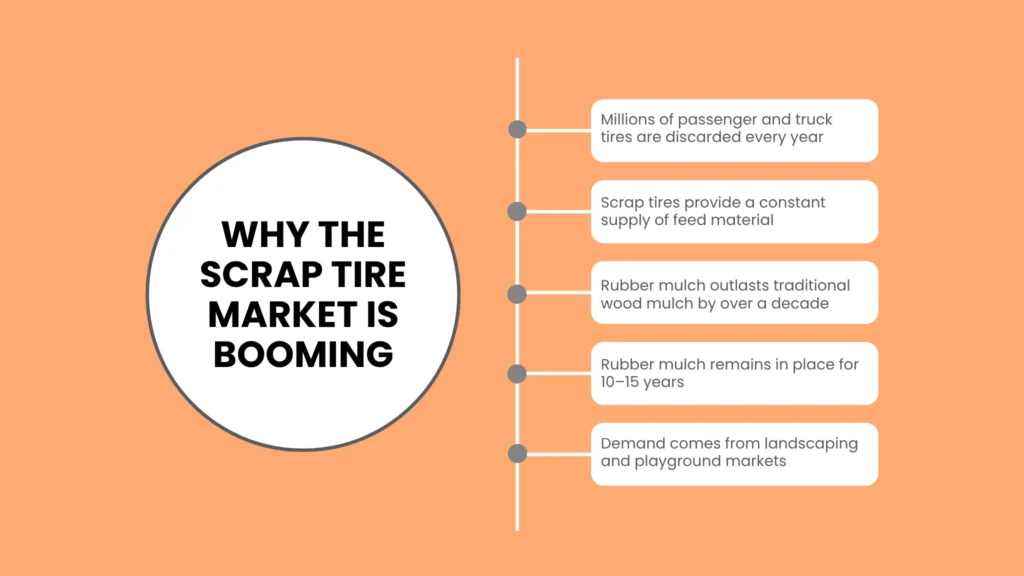
When you manage a rubber mulch business, you solve an environmental headache while producing a material that outlasts traditional wood mulch by over a decade.
Traditional wood mulch decomposes every single year, fades quickly under the sun, and attracts pests like termites and carpenter ants. Rubber mulch stays vibrant, resists weather damage, and remains in place for over ten to fifteen years without breaking down.
Step 1: Equipment and Rubber Mulch Manufacturing Essentials
To get started with rubber mulch manufacturing, you do not need a multi-million dollar facility right away. You can start small and scale up as your orders grow.
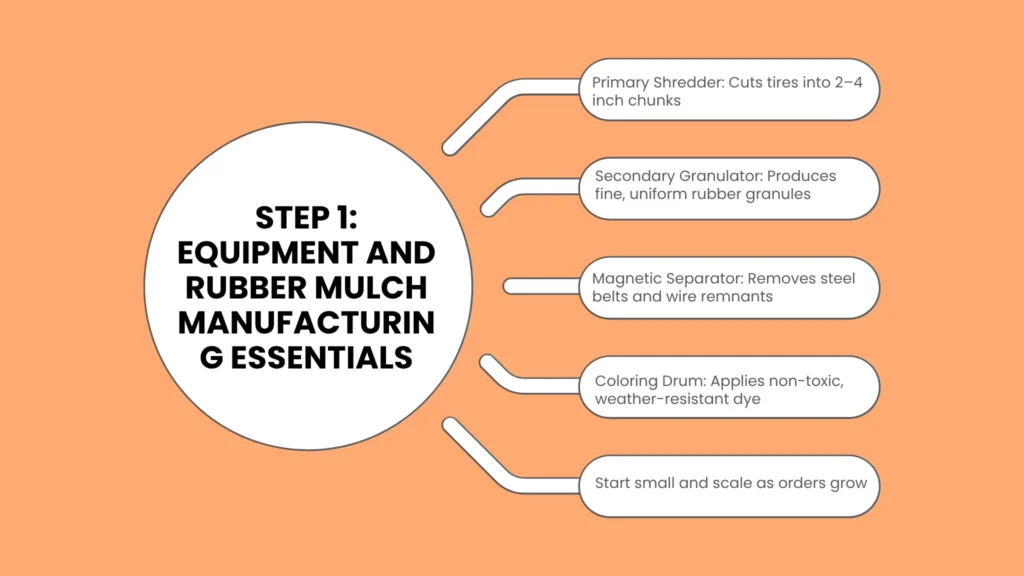
Your main equipment setup will focus on shredding the tires and removing steel wiring safely.
Crucial Processing Machinery
Primary Shredder: Cuts full passenger and commercial tires into smaller 2-inch to 4-inch chunks.
Secondary Granulator: Reduces those rubber chunks down to fine, uniform mulch granules.
Magnetic Separator: Pulls out steel belts and wire remnants, which is vital for product safety.
Coloring Drum: Applies non-toxic, weather-resistant dye to the clean rubber pieces.
If you are unsure how to lay out your production line safely, platforms like reliabstartup.com offer practical frameworks for planning industrial floor spaces efficiently.
Investing in high-quality machinery right from the start reduces long-term maintenance costs and prevents unexpected downtime during peak seasonal demands.
Step 2: Sourcing Tire Supply and Raw Materials
You cannot run a playground rubber mulch business without a steady supply of clean scrap tires. Fortunately, finding material is often the easiest part of the operational loop.
Reach out to local tire shops, auto mechanics, fleet operators, and municipal waste centers. Most tire retailers pay third-party haulers a tipping fee just to take old tires off their hands.
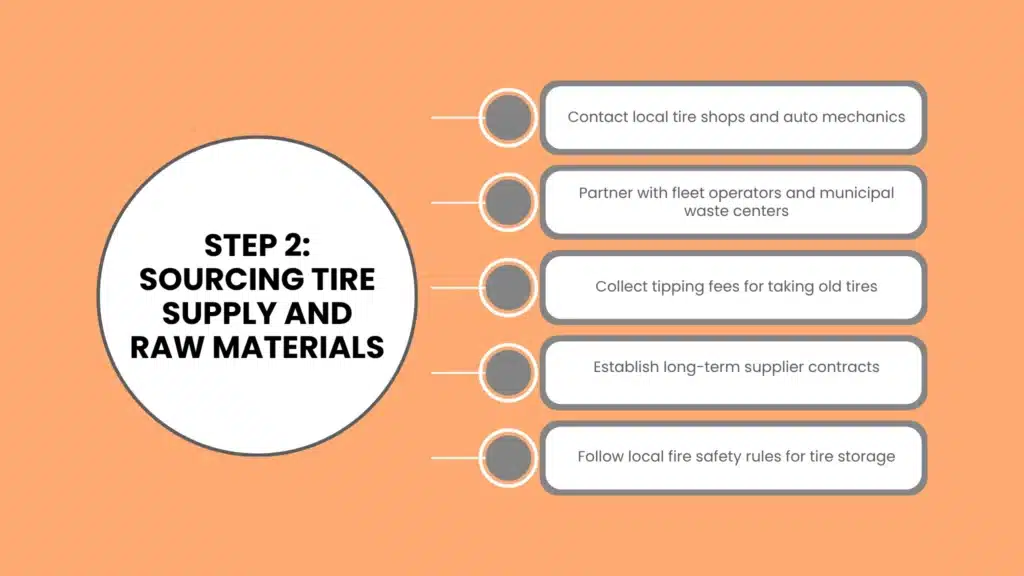
By offering competitive pickup rates, you actually get paid before you even start processing the material in your plant.
It is important to establish long-term contracts with these suppliers so your facility never runs out of raw feedstock.
Make sure your storage yard complies with local fire safety rules, as stacking large quantities of scrap tires requires specific spacing and ventilation.
Step 3: Selling Rubber Mulch and Finding Buyers
Once your production line is running smoothly, selling rubber mulch becomes your daily operational focus. You need to target buyers who appreciate the long-term value of rubber over organic alternatives.
Wood mulch decomposes every season and attracts unwanted pests, but rubber stays vibrant for years without requiring costly annual replacement.
Building direct relationships with local commercial contractors is generally the quickest route to securing steady monthly cash flow for your operation.
Top Target Markets for Your Product
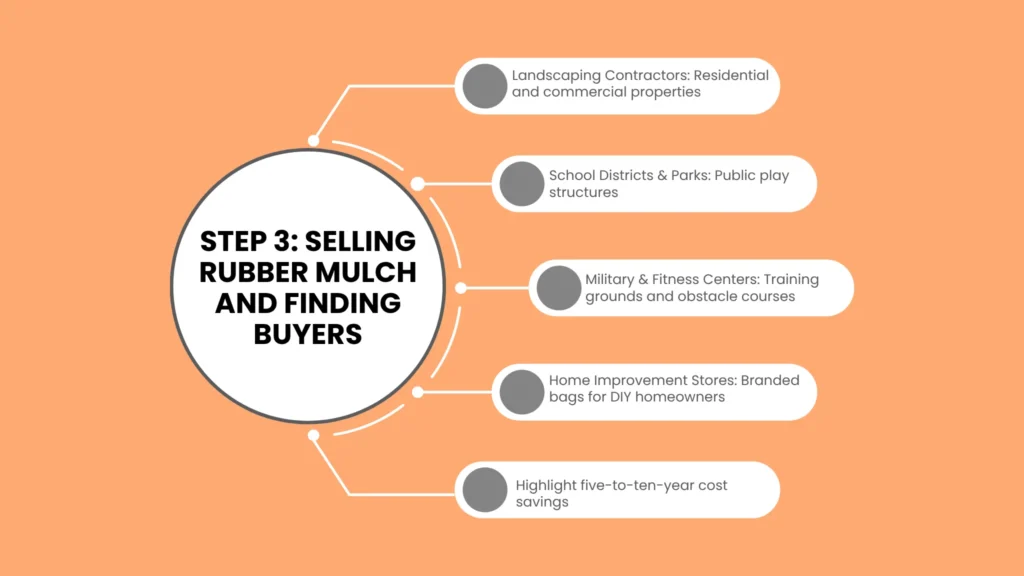
Landscaping Contractors: They buy bulk shipments for residential yards, office parks, and commercial properties.
School Districts & Parks: They require safe, impact-absorbing surfacing under swing sets and public play structures.
Military & Fitness Centers: They use coarse rubber granules for outdoor training grounds and obstacle courses.
Home Improvement Stores: You can package small branded bags for direct retail sales to DIY homeowners.
When selling rubber mulch, emphasize the long-term cost savings to your clients. While the upfront investment for rubber mulch is higher than wood, customers save significant money over a five-to-ten-year period because they never have to top it off or replace it annually.
Step 4: Mastering the Playground Rubber Mulch Business Niche
If you want the highest profit margins in this industry, shift your focus toward the playground rubber mulch business sector. Safety regulations for public playgrounds require specific fall-height protection, which rubber handles better than almost any other material on the market.
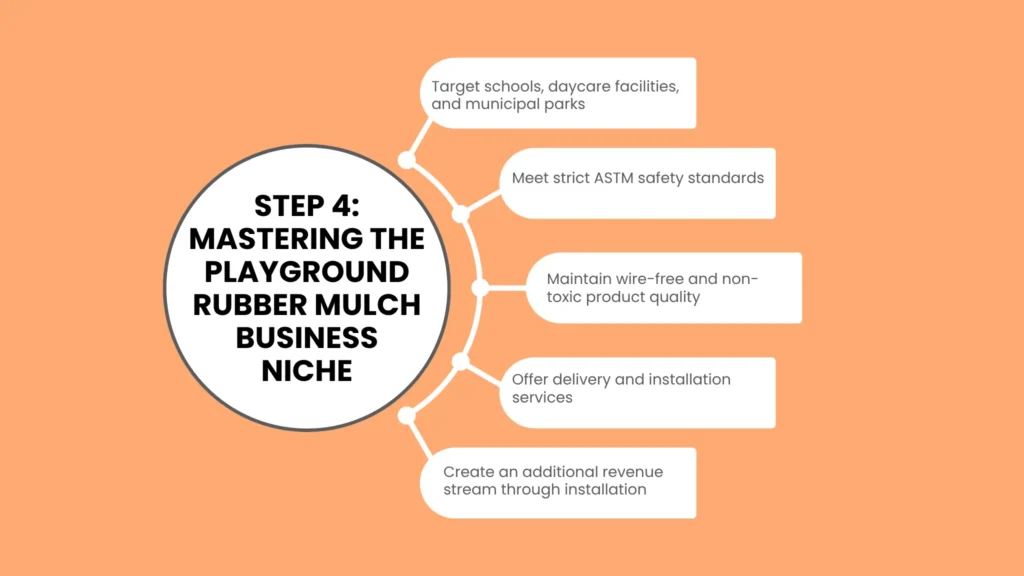
To succeed in this lucrative sub-market, your product must pass strict ASTM safety standards for wire-free purity and non-toxicity.
Schools, daycare facilities, and municipal parks pay top dollar for certified playground rubber mulch because it prevents serious injuries and significantly reduces overall maintenance budgets over time.
You can also offer installation services alongside product delivery. Providing an end-to-end solution where your team delivers and spreads the material creates an additional, high-margin revenue stream for your company.
Step 5: Setting Up Your Operations and Business Plan
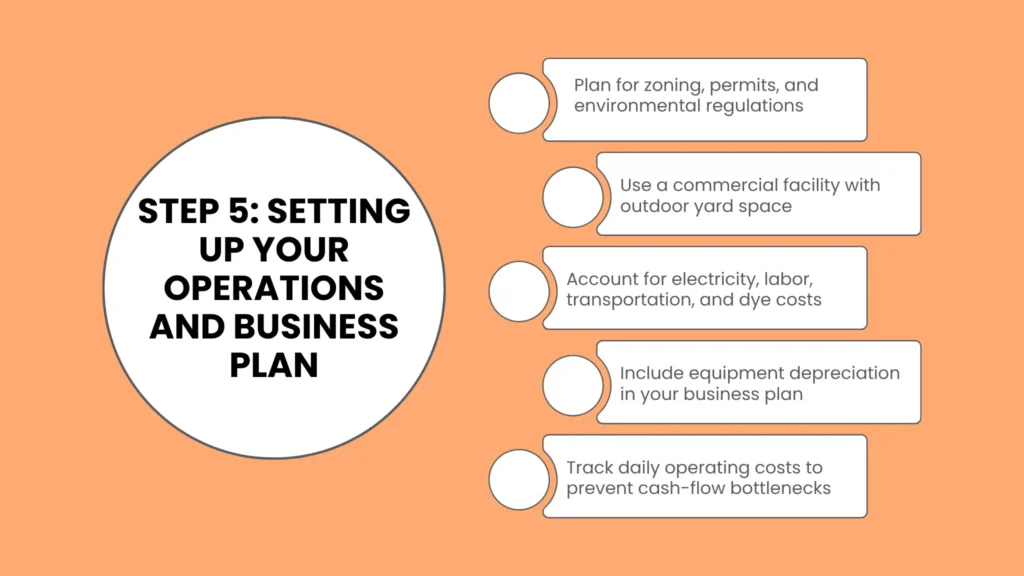
Starting any industrial recycling operation requires careful planning regarding zoning, permits, and environmental safety regulations.
Tire storage is strictly regulated in most regions due to fire safety codes and pest control management. You will need a commercial facility with a spacious outdoor yard and high-capacity electrical lines to run heavy processing equipment.
Working through startup guides on reliabstartup.com can help you double-check your business registration, liability insurance policies, and local fire permits before ordering your heavy machinery.
Taking the time to outline your daily operating costs early on prevents unexpected cash flow bottlenecks later when scaling up production.
A solid business strategy should account for equipment depreciation, electricity consumption, dye supplies, transportation costs, and labor expenses.
Understanding the Financials and Profit Margins
The economics of a rubber mulch business are unique because of the dual-revenue structure.
First, you earn revenue on the intake side by charging a fee per tire or per ton to collect waste tires from local businesses.
Second, after processing those tires into clean mulch, you sell the finished product at a retail or wholesale price per bag or per ton.
Processing costs generally depend on your machinery efficiency and local power rates. Maintaining your equipment blades and magnetic separators ensures your product remains top-tier while keeping operational downtime to a minimum.
Using resources on reliabstartup.com can assist you in calculating your break-even point and setting competitive pricing structures for both tipping fees and finished mulch sales.
Marketing and Growing Your Brand
To build a recognizable brand, create a clean website showcasing your product lines, color options, and safety certifications.
High-resolution photos showing before-and-after landscaping transformations or installed playground surfaces help build instant trust with potential buyers.
Collect testimonials from local contractors and park administrators who use your mulch. Word-of-mouth recommendations in the construction and landscaping industries carry immense weight and often lead to lucrative commercial supply contracts.
Attending regional trade shows, landscaping expos, and municipal purchasing fairs is another effective way to connect directly with bulk buyers looking for reliable, local suppliers.
Conclusion
Starting a rubber mulch business lets you turn local waste into a high-demand commercial product. By setting up efficient processing equipment, securing tire supply deals, and targeting high-value playground buyers, you can build a stable, scalable enterprise. Focus on consistent product quality and wire-free safety standards with ReliableStartup to keep your customer pipeline full for years to come.
Frequently Asked Questions
Is starting a rubber mulch business profitable for beginner entrepreneurs?
Yes, it is generally very profitable because you receive tipping fees for collecting raw tires and earn revenue selling finished mulch products.
How much space do I need for rubber mulch manufacturing?
You typically need a commercial warehouse or industrial yard of at least 5,000 to 10,000 square feet to accommodate equipment and tire storage safely.
Do I need special certifications for selling rubber mulch to schools?
Yes, selling rubber mulch to schools or parks usually requires ASTM certifications to prove the material is wire-free, non-toxic, and safe for fall protection.
Where can I find steady clients when selling rubber mulch locally?
Reach out directly to landscaping companies, municipal park boards, commercial daycare centers, and local hardware suppliers to secure long-term purchasing contracts.