How to Start a Coffee Shop: Step-by-Step Guide
Key Takeaways
Clear startup steps
Realistic cost breakdown
Practical business planning
Smart location choices
Expert equipment selection
Thinking about turning your love for fresh espresso into a thriving neighborhood spot?
Learning how to start a coffee shop is one of the most rewarding journeys you can take as an entrepreneur. To make it happen, you need a solid strategy, a realistic budget, and the right spot.
In most cases, success comes down to careful planning, choosing high-foot-traffic locations, and consistently delivering high-quality drinks. Let’s walk through everything you need to know about opening a cafe without getting overwhelmed.
AI Overview
Learning how to start a coffee shop requires a clear strategy, a structured business plan, and accurate budget estimation. Success depends on selecting a high-traffic location, obtaining local permits, acquiring commercial espresso equipment, and creating a memorable customer experience. While coffee shop startup cost varies by location, starting small helps manage early overhead while building a loyal community customer base.
Why Open a Coffee Shop Today?
Ever wonder why coffee shops remain so popular even when money gets tight?
People always crave their daily cup, but they also want a comfortable space to relax or work. Opening a cafe lets you build a welcoming community hub right in your neighborhood. It is a business model built on repeat local customers and steady daily routine.
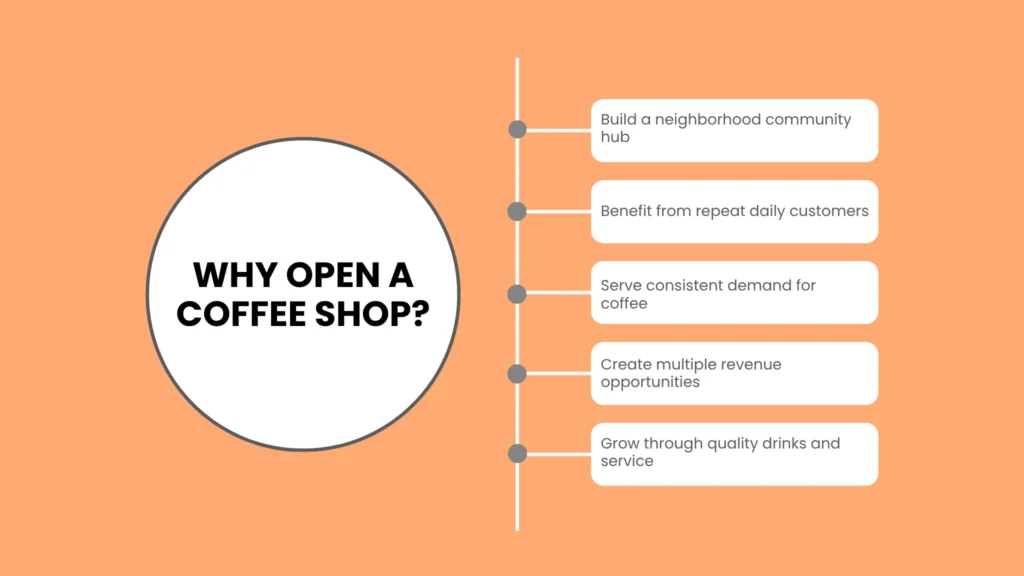
Data suggests the specialty coffee industry keeps growing every single year. According to market research, millions of people visit a local coffee house every morning. If you offer good drinks, friendly service, and a cozy vibe, people will keep coming back.
At reliablestartup, we see hundreds of new owners launch successful locations by keeping things simple early on.
Phase 1: Research and Planning
Every great cafe begins long before the first espresso shot is pulled.
You need a clear roadmap before spending a single dollar on equipment or rent.
Crafting a Solid Coffee Shop Business Plan
Your coffee shop business plan is your roadmap to long-term success.
It helps you organize your vision, understand your competition, and secure funding from banks or investors.
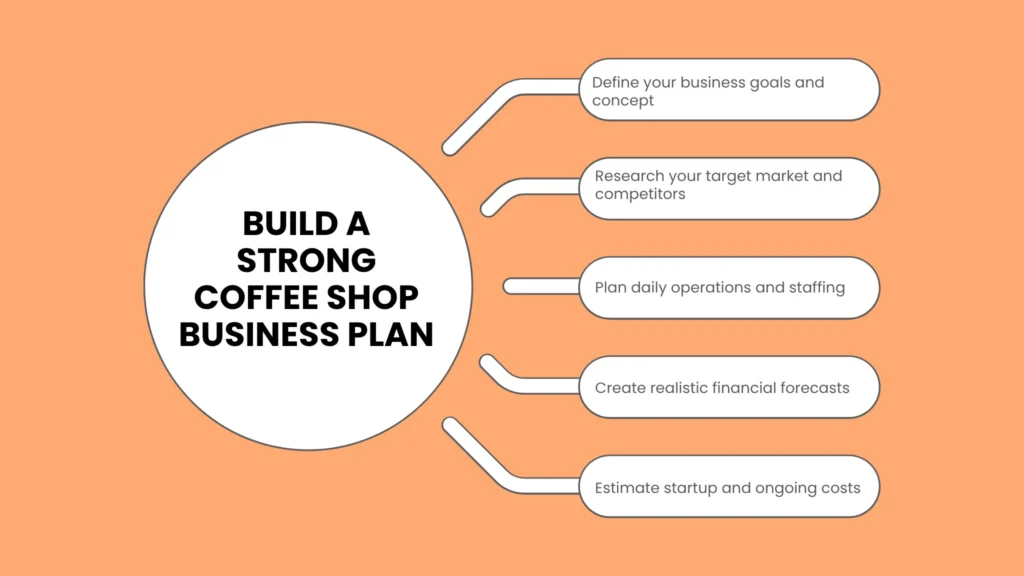
A complete plan generally includes:
Executive summary and business goals
Target market research and competitor analysis
Daily operating strategy and staffing plan
Financial forecasts and startup cost estimates
Taking time to write a detailed coffee shop business plan saves you from costly mistakes down the line. It forces you to look at real numbers rather than guessing.nsing
If you need templates or guides, reliablestartup offers great resources to help you draft your paperwork faster.
Understanding the Target Market
Who is going to buy your coffee every day?
Are you serving busy office workers rushing in at 7 AM?
Or are you hosting college students who linger for hours with laptops?
Knowing your target audience helps you set menu prices and design your seating layout. Take time to visit existing spots near your target area.
Notice what they do well and where they fall short. You can fill those gaps with your unique concept.
Phase 2: Understanding Financials and Costs
Money talk can be stressful, but getting clear on your numbers early is a total game-changer. Let’s break down what you actually need to spend.
Breakdown of Coffee Shop Startup Cost
How much money do you actually need to open those doors?
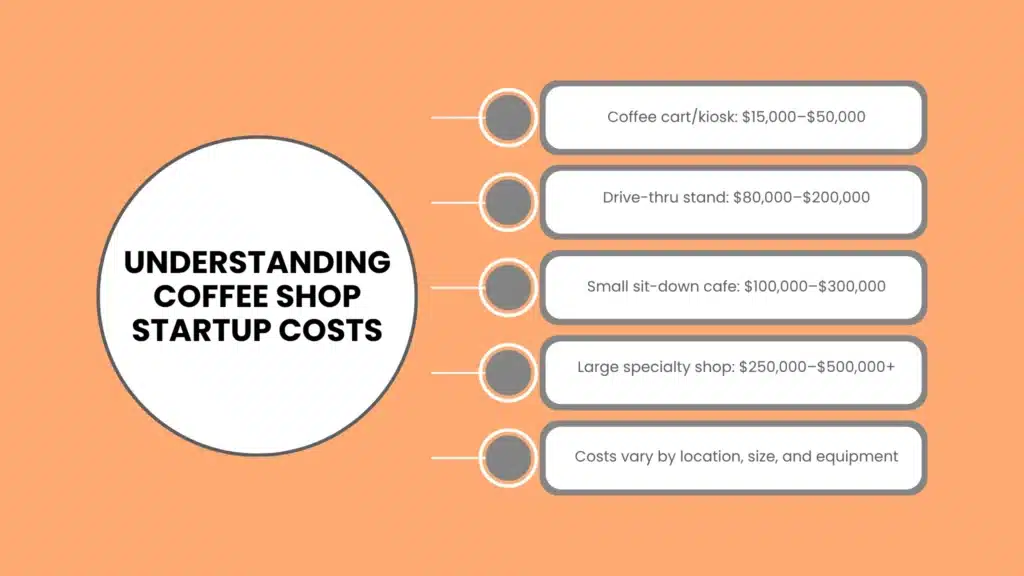
Your total coffee shop startup cost depends heavily on your location, shop size, and equipment choices.
A small drive-thru kiosk costs far less than a full-service sit-down bistro. Here is a quick look at general financial estimates across different store formats:
| Format Type | Average Size | Estimated Coffee Shop Startup Cost | Best Suitable For |
| Coffee Cart / Kiosk | 50 – 200 sq ft | $15,000 – $50,000 | Events, high-foot-traffic transit hubs |
| Drive-Thru Stand | 200 – 500 sq ft | $80,000 – $200,000 | Commuter routes, fast service |
| Small Sit-Down Cafe | 1,000 – 1,500 sq ft | $100,000 – $300,000 | Neighborhood spots, light food sales |
| Large Specialty Shop | 2,000+ sq ft | $250,000 – $500,000+ | Workspace cafes, in-house roasters |
Understanding every line item in your coffee shop startup cost breakdown prevents unpleasant financial surprises later.
Managing Ongoing Operating Expenses
In most cases, your main monthly bills will be lease payments, payroll, and supplies. Coffee beans, milk, cups, and syrups generally eat up about 25% to 30% of your total revenue.
Keeping labor costs balanced is equally critical during slower afternoon hours. Tracking these numbers daily keeps your margins healthy and your doors open.
Phase 3: Location, Design, and Permits
Location can make or break a retail shop faster than almost anything else.
You want a spot that naturally attracts thirsty customers throughout the morning rush.
Finding the Best Spot for Opening a Cafe
Finding the right space for opening a cafe requires patience and careful evaluation. Look for locations near transit stations, business parks, or busy downtown streets.
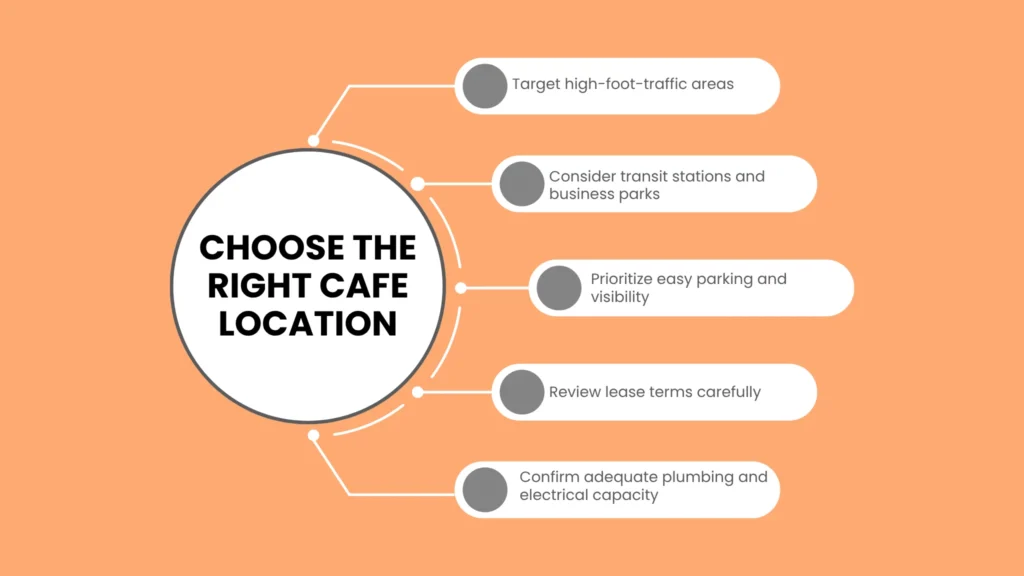
Easy parking and clear visibility from the road are huge advantages. Check the lease terms carefully before signing anything.
Make sure the building has adequate plumbing and electrical supply for commercial espresso gear.
Navigating Permits and Licensing
You cannot open without the right government approvals in place. Contact your local health department early to learn their specific codes.
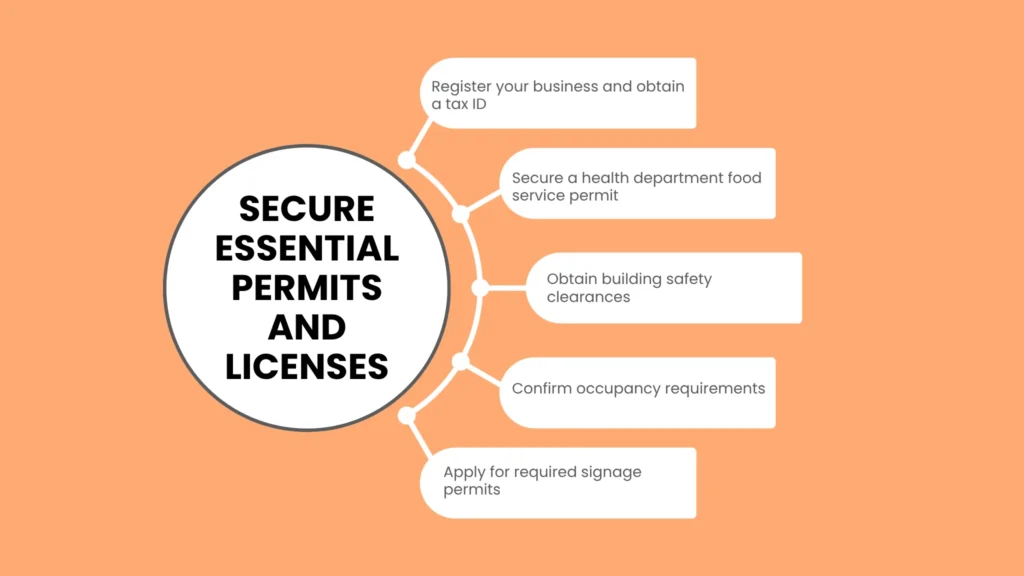
Standard requirements generally include:
Business registration and tax ID
Health department food service permit
Building safety and occupancy clearances
Signage permits from local city council
Getting these permits cleared early keeps your launch on schedule without unexpected delays.
Phase 4: Sourcing Equipment and Suppliers
Your coffee is only as good as the machines and beans you use to prepare it. Investing in dependable commercial gear is always worth the money.
Essential Equipment Checklist
You do not need every fancy tool on the market when starting out. Focus on core commercial equipment that handles heavy daily volume reliable.
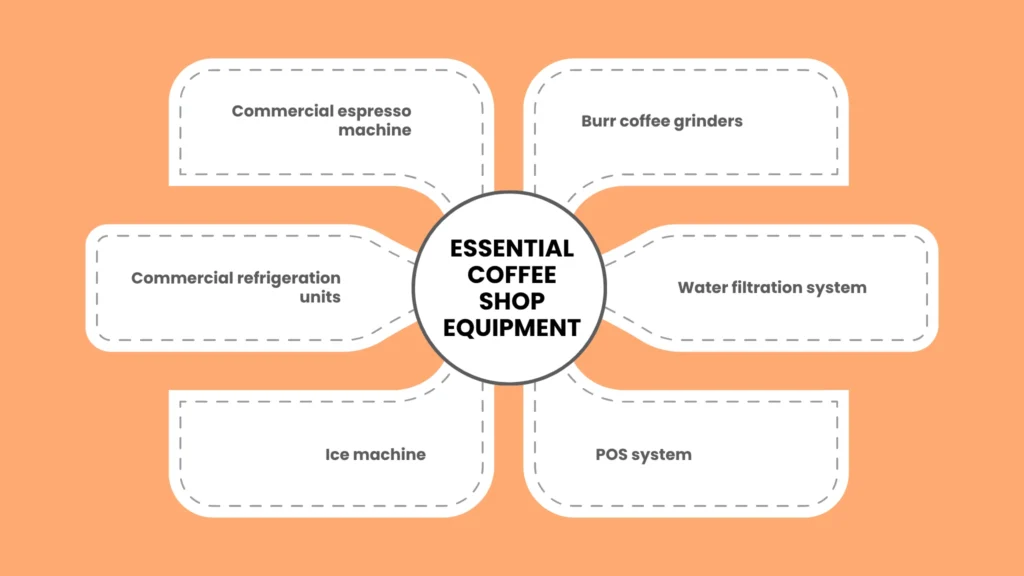
Here are the essential items every new owner needs:
Commercial Espresso Machine: The central heart of your entire drink preparation bar.
Burr Coffee Grinders: Dedicated grinders for espresso beans and batch drip coffee.
Refrigeration Units: Under-counter fridges for quick milk access and backroom storage.
Water Filtration System: Crucial for protecting machinery and ensuring great water taste.
Ice Machine: Necessary for cold brews, iced lattes, and summer drinks.
POS System: Modern digital register to process orders quickly and track daily inventory.
Buying durable gear cuts down on repair costs and keeps your service moving fast during rush hours.
Choosing the Right Beans and Vendors
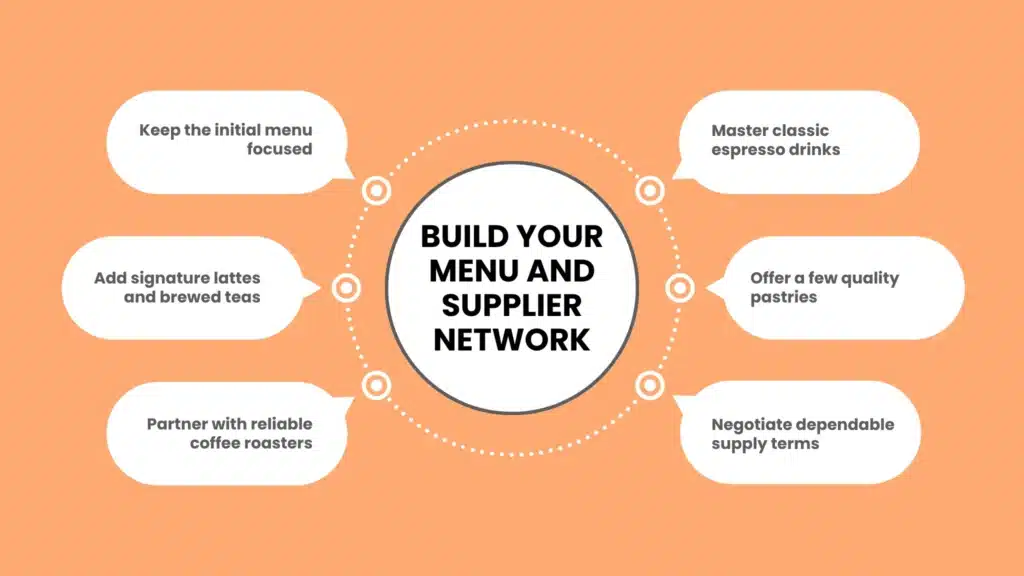
Partner with roasters who offer consistent quality and reliable delivery schedules. Order sample roasts and taste them with friends to build your core espresso blend.
Negotiate fair terms for paper products, dairy, and signature flavor syrups as well. Reliable vendors ensure you never run out of critical supplies during a busy weekend service.
Phase 5: Building Your Team and Menu
Great coffee brings people in, but exceptional service keeps them coming back day after day. Your staff represents your brand’s personality every morning.
Crafting a Focused Menu
Keep your initial menu simple, clean, and easy to read. A massive menu slows down customer ordering and creates kitchen bottlenecks.
Master classic espresso drinks, signature lattes, brewed teas, and a few high-quality pastries. You can always expand your food offerings once your daily drink service runs smoothly.
Hiring and Training Friendly Baristas
Hire people who are naturally warm, positive, and dependable. Coffee skills can be taught easily, but genuine hospitality comes from within.
Train your staff thoroughly on espresso extraction, milk steaming, and order speed. A skilled, friendly barista turns casual first-time visitors into loyal daily regulars.
Phase 6: Marketing and Opening Day
How do you get people excited before you turn on the espresso machine?
Building local buzz before opening day ensures instant foot traffic on day one.
Building Pre-Launch Buzz
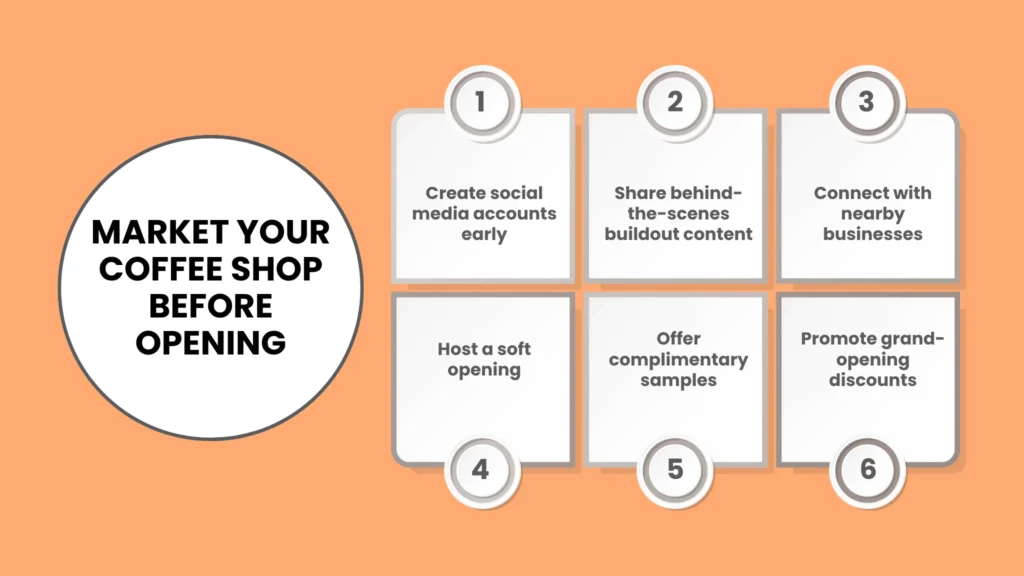
Start your social media accounts weeks before your official opening date. Share behind-the-scenes progress photos of your buildout and menu tasting sessions.
Connect with nearby business owners and offer them complimentary coffee during your soft launch. At reliablestartup.com, we always recommend hosting a soft opening for friends and family first.
It helps your team practice under real conditions without pressure.
Hosting a Successful Grand Opening
Make your grand opening feel like a fun neighborhood celebration. Offer free mini-samples, special drink discounts, or giveaways for the first fifty guests.
Here is a simple breakdown of marketing strategies to build initial momentum:
| Marketing Strategy | Implementation Idea | Expected Impact |
| Local Social Media | Post daily photos, reels, and opening updates | High engagement with local residents |
| Google Business Profile | Setup local maps listing with clear photos and hours | Essential for tourist and local search traffic |
| Soft Launch Event | Practice runs with friends, family, and neighbors | Smooths out workflow before official launch |
| Grand Opening Discounts | Buy-one-get-one deals for opening week | Drives rapid initial store foot traffic |
Keep the energy high and focus on giving every guest a warm, welcoming experience.
Phase 7: Managing Daily Operations and Growth
Once the initial excitement settles down, long-term success comes down to daily consistency. Consistently great service builds a solid foundation for steady growth.
Maintaining Consistent Quality
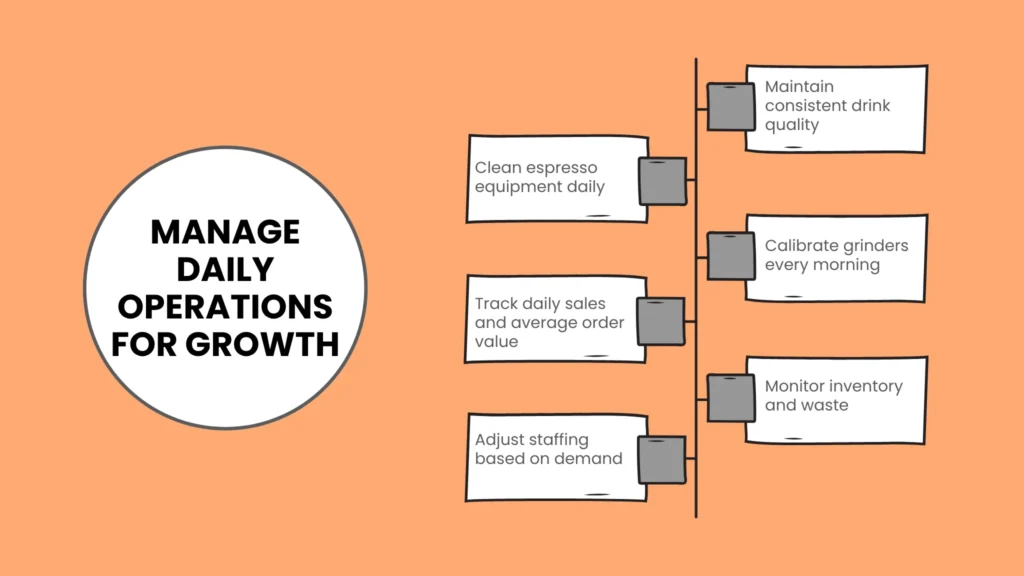
Never compromise on drink quality or store cleanliness. Clean your espresso group heads daily and calibrate your grinders every morning.
A customer should get the exact same great latte whether they visit on a Monday or a Saturday. Consistency builds deep consumer trust over time.
Monitoring Financial Health
Keep a close eye on your daily sales figures, average order value, and waste logs. Knowing your numbers allows you to adjust staffing schedules and inventory orders quickly.
Small operational improvements each week add up to major profit margins over a full year.
Conclusion
Learning how to start a coffee shop takes hard work, smart planning, and real passion. By taking time to craft a detailed coffee shop business plan, keeping a close eye on your coffee shop startup cost, and focusing on location, you build a strong setup for success.
Opening a cafe isn’t just about selling caffeine; it’s about creating a cozy space where your community loves to gather every single day. Take it step by step, stay consistent with your quality, and enjoy the journey of building your dream business.
Frequently Asked Questions
What is the average coffee shop startup cost?
Based on available data, opening a cafe costs between $80,000 and $300,000 on average. Final figures depend heavily on physical size, equipment selection, store layout, and geographical rental rates.
How long does it take to write a coffee shop business plan?
Drafting a clear coffee shop business plan generally takes two to four weeks. This timeline gives you enough time for thorough market research, location analysis, and accurate financial forecasting.
Is opening a cafe profitable in today’s market?
Opening a cafe is generally profitable when managed properly. Average profit margins range from 10% to 15%, provided you manage food waste, labor costs, and monthly occupancy expenses efficiently.
What equipment is essential for learning how to start a coffee shop?
You need a commercial espresso machine, coffee grinders, water filtration system, refrigeration units, ice machine, and POS counter system. Investing in durable equipment ensures smooth, reliable daily service.