Mobile Mechanic Business: Tools, Insurance, and First Clients
Key Takeaways
Low overhead costs compared to traditional brick-and-mortar repair shops
Essential tool selection maximizes workspace efficiency inside your van
Comprehensive insurance coverage shields against high-liability risks
Strategic mobile mechanic pricing balances competitive rates with profitability
Simple local marketing tactics secure a steady stream of initial clients
Have you ever spent hours waiting in a cold repair shop lobby just to get an oil change or brake pad replacement? You are definitely not the only person who finds that traditional setup frustrating. Launching a mobile mechanic business is one of the most lucrative, fast-growing opportunities in the automotive service industry today. Vehicle owners, gig drivers, and commercial fleet managers increasingly prefer on-site repairs at their homes or offices.
You do not need to lease an expensive multi-bay garage or hire a large staff to build a thriving enterprise. With a well-equipped service vehicle, the right insurance coverage, accurate pricing, and a focused outreach plan, you can turn your mechanical skills into a profitable operation step by step.
A mobile mechanic business provides on-site automotive repair and diagnostic services directly at a customer’s home, workplace, or breakdown location. Launching a successful mobile auto repair startup requires securing high-grade diagnostic tools, designing an organized mechanic van setup, obtaining proper liability insurance, and setting clear mobile mechanic pricing.
By combining technical expertise with digital convenience, independent mechanics can build a loyal client base with significantly lower overhead costs than fixed repair shops.
What Is a Mobile Mechanic Business and How Does It Work?
Ever wonder how mobile repair technicians complete complex engine diagnostics and brake jobs right in a driveway? They bring a complete, scaled-down garage directly to the customer. When you operate a mobile auto repair startup, you act as a full-service technician without the high rent and electricity bills of a physical shop.
The process begins when a customer schedules an appointment online or calls with a specific mechanical issue. Once you arrive at their location, you perform an initial inspection, confirm the required repairs, and present a clear digital quote. Finally, you complete the service using specialized portable tools, safely dispose of waste fluids, collect payment electronically, and head to your next call. Entrepreneurs interested in other mobile service opportunities can also explore starting a parking lot striping business.
Designing the Ultimate Mechanic Van Setup
Your work vehicle is your mobile workshop, parts warehouse, and brand billboard all wrapped into one. An organized, ergonomic mechanic van setup saves you valuable time on every job site and sends a clear message of professionalism to your customers.
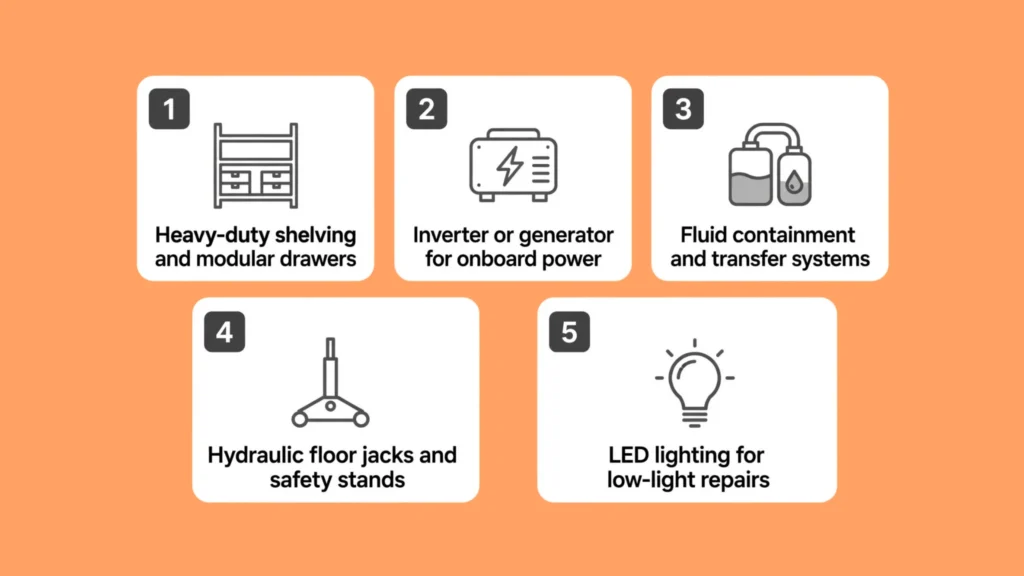
Taking time to plan your storage layout prevents tools from rolling around during transit and maximizes every square inch of internal space. Here are the critical components you need to include when outfitting your service vehicle:
Heavy-Duty Shelving and Modular Drawers: Industrial steel racking keeps socket sets, wrenches, power tools, and hardware bins securely locked down while driving.
Onboard Power and Compressed Air: A heavy-duty inverter or gas generator powers portable air compressors, battery chargers, and impact wrenches cleanly.
Fluid Transfer and Containment Systems: Sealed containers, spill response kits, and vacuum fluid extractors make oil and coolant changes clean and leak-free.
Portable Hydraulic Floor Jacks and Stands: Low-profile floor jacks and heavy-duty safety jack stands raise vehicles safely on various driveway surfaces.
Bright LED Work Lighting: Battery-powered floodlights and magnetic under-hood light bars ensure clear visibility during evening or early morning calls.
Essential Diagnostic Tools and Hand Equipment
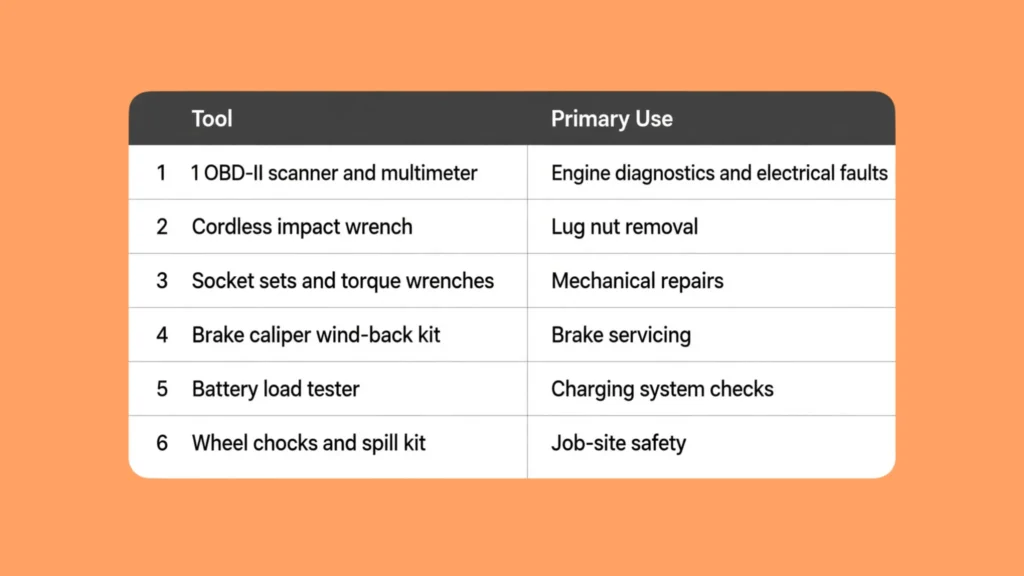
Investing in high-quality diagnostic devices and durable hand tools is essential for handling modern vehicle electronics and mechanical systems. Modern vehicles require smart OBD-II scanners to quickly isolate engine codes, electrical faults, and sensor failures on-site. Starting with a targeted tool collection allows you to perform roughly 80% of routine maintenance jobs without carrying excess weight.
| Tool Category | Specific Equipment | Primary Application |
| Diagnostics | Professional OBD-II Bluetooth scanner, multimeter | Isolates check engine codes and electrical shorts |
| Power Tools | 1/2-inch cordless impact wrench, 3/8-inch cordless ratchet | Speeds up lug nut removal and engine bolt disassembly |
| Hand Tools | Metric and standard socket sets, torque wrenches, pliers | Handles general mechanical repairs and precise torque specs |
| Specialty Gear | Brake caliper wind-back kit, battery load tester | Performs complete brake jobs and charging system checks |
| Safety Equipment | Wheel chocks, oil drain pans, chemical spill kit | Maintains job site safety and environmental compliance |
Securing Proper Business Insurance and Licenses
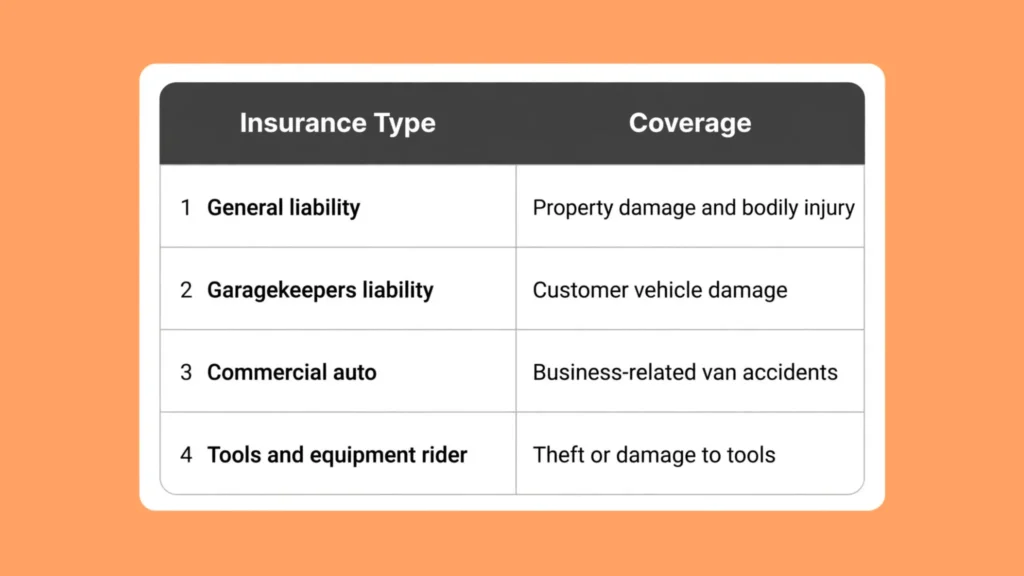
Operating on customer driveways and commercial parking lots presents unique safety and liability risks that require proper legal protection. Skipping adequate insurance to save money can instantly ruin a promising mobile auto repair startup if a vehicle is damaged during service.
Property owners want peace of mind knowing you are fully licensed and insured before you start wrenching on their premises. Understanding key coverage options helps you protect your business assets and build long-term credibility:
| Insurance Type | What It Covers | Why It Is Essential |
| General Liability | Property damage or bodily injury on the job site | Protects against accidental damage to a customer’s home or vehicle |
| Garagekeepers Liability | Damage to a customer’s vehicle while under your care | Covers accidental vehicle damage during test drives or repairs |
| Commercial Auto Insurance | Vehicle accidents involving your service van | Replaces standard personal auto policies that exclude business use |
| Tools & Equipment Rider | Theft or damage to portable tools stored in your van | Reimburses high-value diagnostic units and power gear if stolen |
Establishing Fair Mobile Mechanic Pricing Structures
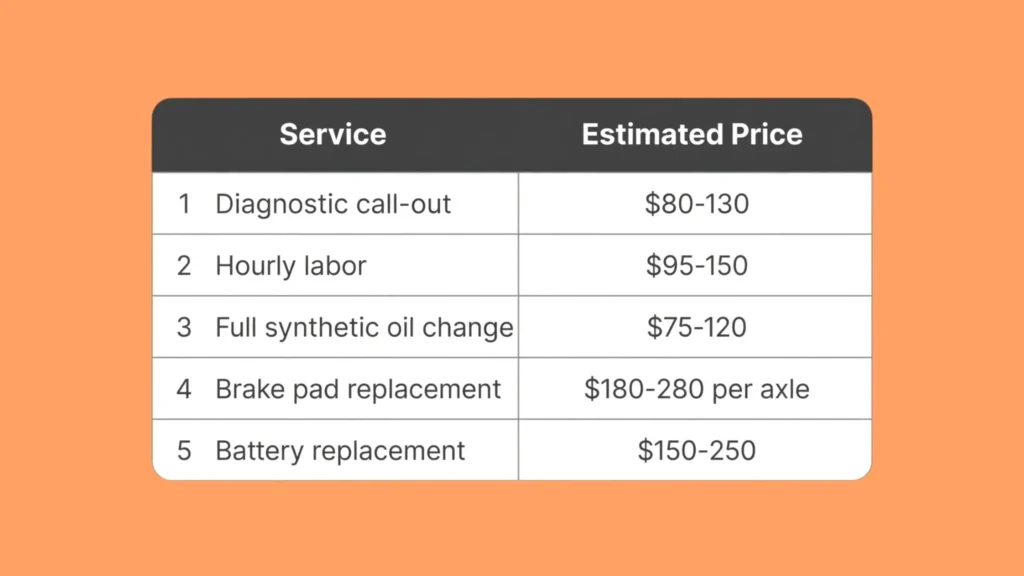
Setting accurate mobile mechanic pricing requires balancing low overhead benefits with the added convenience you deliver directly to the customer’s door. If you charge too little, customers may assume your service quality is low; if you charge too much, they will default back to brick-and-mortar shops.
Most successful mobile technicians charge a flat service fee or call-out rate to cover travel costs, fuel, and travel time. Keeping track of local market rates ensures your pricing stays competitive while maintaining strong profit margins. Based on available data, here is a general breakdown of estimated pricing expectations for typical mobile services:
| Service Category | Typical Charge Structure | Estimated Price Range |
| Diagnostic Call-Out Fee | Flat fee (credited toward repair) | $80 – $130 |
| Hourly Labor Rate | Per billable labor hour | $95 – $150 |
| Full Synthetic Oil Change | Flat rate (parts + labor) | $75 – $120 |
| Standard Brake Pad Replacement | Per axle (parts + labor) | $180 – $280 |
| Battery Replacement | Flat rate (includes disposal) | $150 – $250 |
Landing Your First Clients and Building Momentum
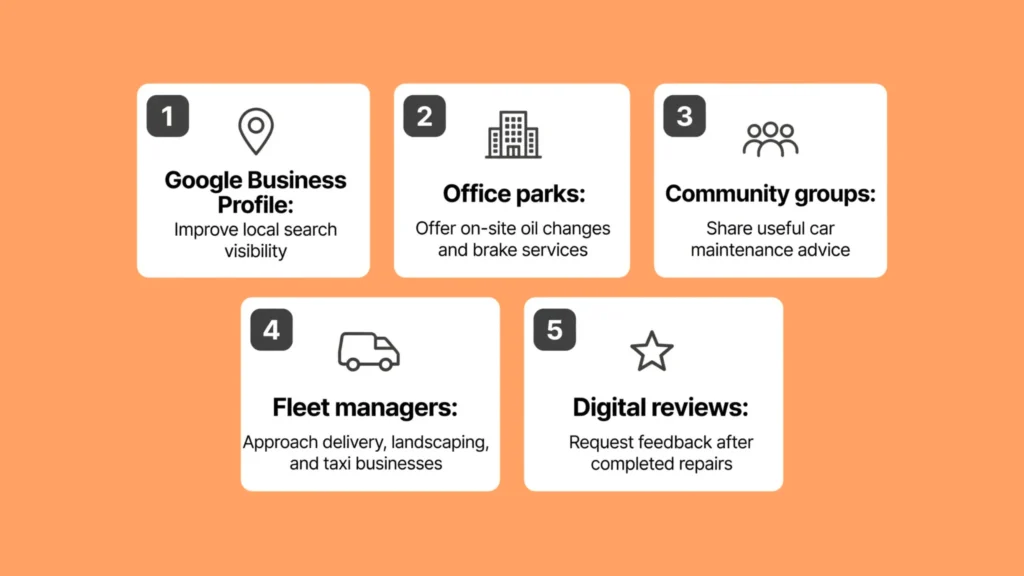
Winning your initial wave of customers does not require a massive marketing budget if you focus on local outreach. Your goal is to quickly build trust, gather positive digital reviews, and encourage word-of-mouth referrals across your community.
Convenience is your biggest selling point, so highlight how you save busy professionals and families hours of wasted time. Here are proven strategies for filling your appointment book during your initial months of operation:
Claim Your Google Business Profile: Set up an optimized local profile so neighborhood customers searching for mobile repairs can easily find you.
Offer On-Site Services at Local Offices: Contact corporate office parks and offer employees convenient brake or oil services while they work.
Leverage Neighborhood Social Groups: Share helpful car care advice on local community pages like Nextdoor and Facebook without overly salesy tactics.
Partner with Independent Fleet Managers: Connect with local delivery fleets, landscapers, and taxi companies that need fast on-site vehicle uptime.
Request Immediate Digital Reviews: Ask every satisfied customer to leave a quick Google review right after you hand over their keys.
Managing Environmental Safety and Local Regulations
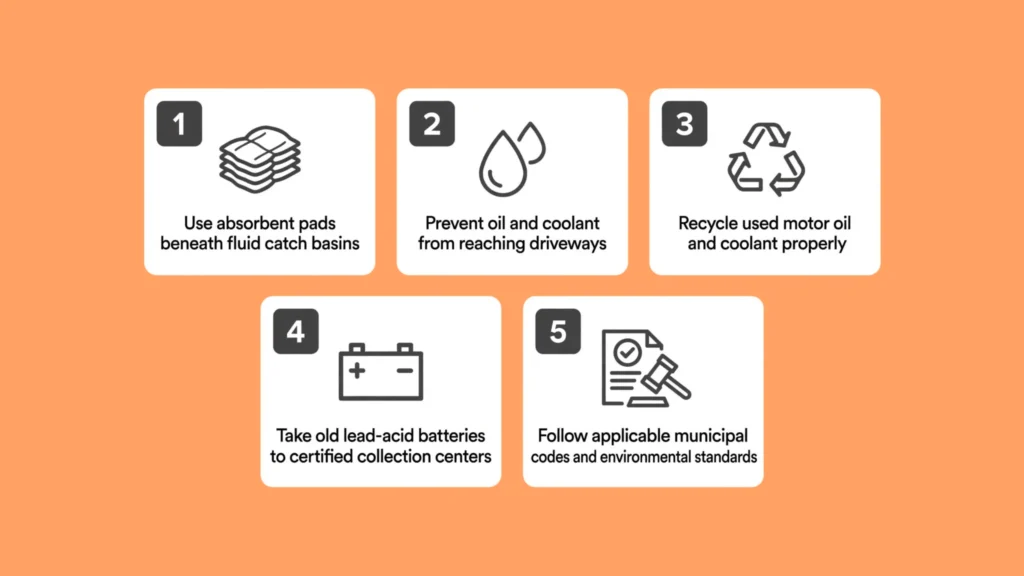
Servicing vehicles on residential driveways requires strict adherence to environmental protection standards and local municipal codes. Dipping motor oil or toxic fluids onto a client’s pristine driveway will instantly destroy your reputation and invite heavy city fines. Always use wide absorbent pads under fluid catch basins and double-check all seals before pouring new fluids into engine bays.
Guides on business creation available at reliablestartup.com emphasize that maintaining clean, eco-friendly work habits builds immense trust with property owners. Properly recycling used motor oil, coolant, and old lead-acid batteries at certified collection centers keeps your enterprise compliant and sustainable.
How to Scale Your Mobile Auto Repair Startup Efficiently?
Once your daily schedule stays booked solid, you can start exploring options for expanding your geographic coverage and revenue streams. Transitioning from a single technician into a multi-van fleet lets you serve entire municipal areas and tackle large fleet contracts simultaneously. Equipping your service vehicles with modern cloud management software allows you to send instant digital invoices and accept contactless payments.
Offering routine maintenance subscriptions to local small businesses helps create steady monthly cash flow even during slow seasons. As you expand, exploring other service-based opportunities, such as starting a loan signing agent business, can provide another potential revenue stream. Growth strategies provided at reliablestartup.com also recommend reinvesting early profits into specialized diagnostic training to handle high-margin hybrid and electric vehicle systems.
Frequently Asked Questions
What tools are most important for a mobile mechanic van setup?
In most cases, you need a professional OBD-II diagnostic scanner, cordless impact wrenches, metric hand tools, floor jacks, and a reliable power inverter.
How much does insurance cost for a mobile mechanic business?
Generally, comprehensive coverage including general liability, garagekeepers, and commercial auto insurance costs between $1,500 and $3,500 annually depending on location.
How do mobile mechanics set their labor rates?
Technicians typically calculate labor based on local shop rates, adding a flat diagnostic call-out fee to cover fuel, vehicle wear, and travel time.
Can I service hybrid and electric vehicles on-site?
Yes, provided you complete high-voltage safety training, obtain insulated tools, and follow proper manufacturer isolation procedures.
Conclusion
Starting a mobile mechanic business is a rewarding, high-margin venture that transforms traditional auto repair into a convenient, customer-focused service. By outfitting an organized mechanic van setup, securing proper liability insurance, setting profitable mobile mechanic pricing, and focusing on local client acquisition, you can create a thriving business from the ground up.
Stay focused on delivering exceptional work, maintain pristine environmental safety on every job site, and lean on trusted business resources like reliablestartup.com to scale your mobile auto repair startup effectively. As your business grows, learning about starting a bookkeeping business from home can also provide useful insights into managing finances, tracking expenses, and maintaining organized business records.
About The Author