How to Register a Small Business in the USA: A Friendly Guide
Key Takeaways
Fast choice: LLC registration vs Sole Proprietorship
Simple steps to start a business legally in the USA
Essential EIN and tax registration tips
Easy state filing processes explained
Starting a new venture feels super exciting, right? But then you hit a wall of legal terms and suddenly panic sets in. Don’t worry! Learning how to register a small business isn’t as scary as it looks on paper.
To start a business legally in the USA, you just need to pick a business structure, choose your home state, get an EIN from the IRS, and file your official registration documents with the Secretary of State.
Think of this process like booking a trip. You pick a destination, buy your ticket, and get your passport ready. Step by step, you can complete your business registration USA task without losing your mind!
AI Overview
Registering a small business in the USA involves choosing a business structure like an LLC, picking a state, and obtaining an Employer Identification Number (EIN). You must also file formation documents with state authorities and apply for local licenses. Following these clear steps ensures your enterprise is fully compliant, protected, and ready to start a business legally with total peace of mind.
Why Is Business Registration USA So Important?
Ever wondered why people make such a huge deal out of registering their companies? Can’t you just start selling stuff and call it a day?
Well, you could, but you would miss out on huge protections. Registering protects your personal assets, like your car or personal bank account, if something goes wrong.
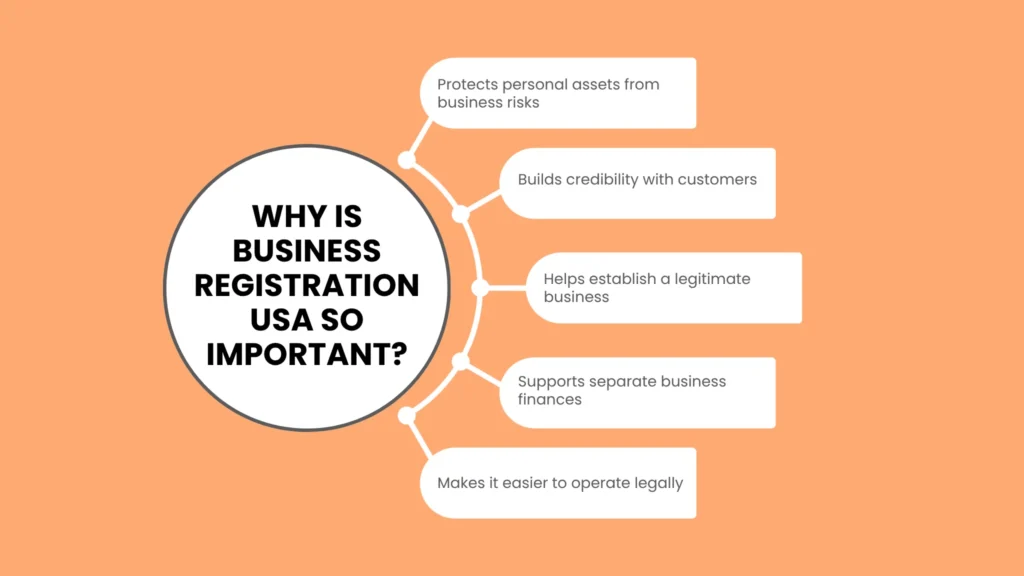
Plus, it gives you instant credibility with customers. People trust a real company far more than a random cash-only operation.
Starting out with a service like reliablestartup helps smooth out these early bumps so you can focus on making money instead of reading long legal texts.
Step 1: Pick the Right Structure for Your Small Business
Before you file any paper, you need to pick a business type. This choice determines your taxes and your personal legal risk. Most folks end up choosing between a Sole Proprietorship and an LLC. Let’s compare them side-by-side so you can decide what fits your goals best.
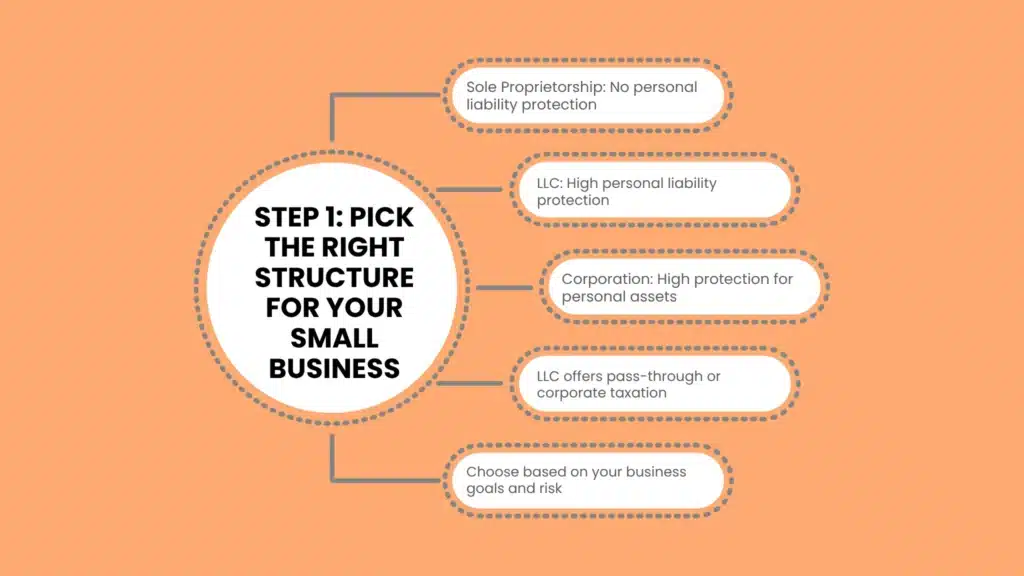
| Business Structure | Personal Liability Protection | Tax Style | Best For |
| Sole Proprietorship | None (Personal assets at risk) | Pass-through (Self-employment tax) | Low-risk, solo side hustles |
| LLC (Limited Liability) | High (Protects personal assets) | Pass-through or Corporate | Most small business owners |
| Corporation (C-Corp) | High (Protects personal assets) | Double taxation (unless S-Corp) | High-growth startups seeking investors |
Why LLC Registration Is the Fan Favorite
If you ask ten founders how they started, eight will tell you they chose LLC registration. Why is that?
Because an LLC gives you a personal shield against business debts. If your business gets sued, your personal savings stay safe in most cases. It is also simple to manage compared to big corporations. You don’t need fancy board meetings or endless paperwork.
Step 2: Choose Your Business Name and Reserve It
Got a catchy name in mind? That’s awesome! But hold your horses for just a second. You need to make sure nobody else in your state is using that exact name. A quick search on your state’s Secretary of State website will reveal if it’s open.
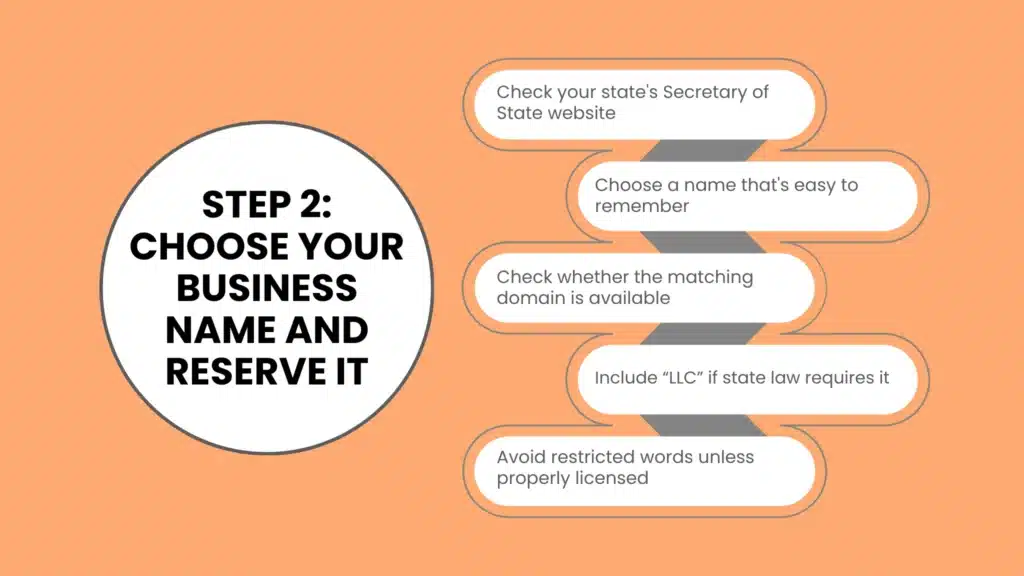
Make it easy to spell and remember.
Check if the matching web domain is available.
Ensure it includes an indicator like “LLC” if required by state law.
Avoid restricted words like “Bank” or “University” unless licensed.
Once you find a clear name, reserve it quickly so no one grabs it while you prep your files!
Step 3: File Your Formation Documents
Now comes the official part of how to register a small business. You have to file paperwork with your state government. If you are setting up an LLC, this paper is usually called the “Articles of Organization.” For a corporation, it is called the “Articles of Incorporation.”
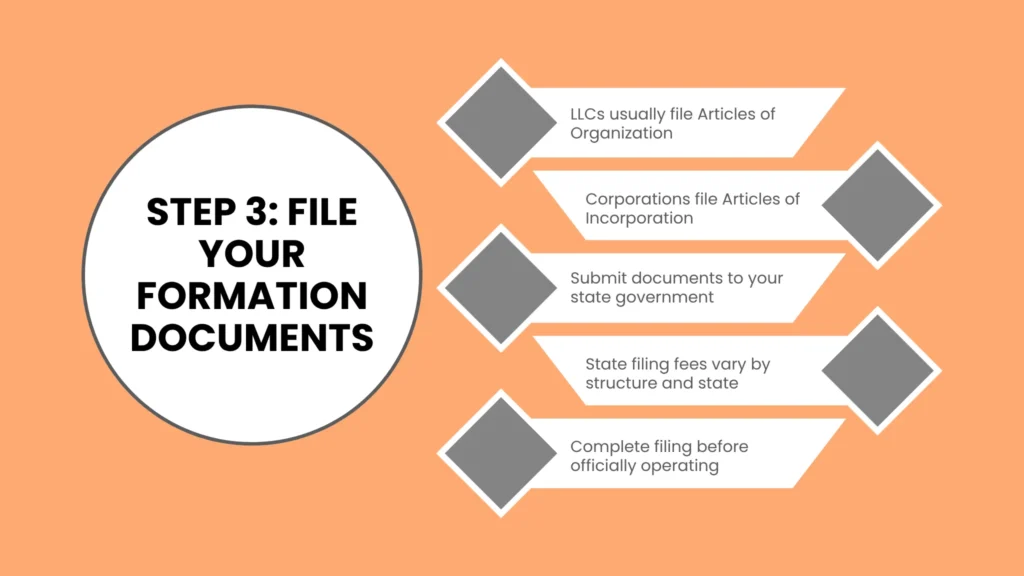
There is a small state filing fee, usually ranging between $50 and $300 based on available data. Many new founders use reliablestartup at this point to handle the filing details. It saves you from making easy mistakes on government forms.
Step 4: Get Your EIN (Employer Identification Number)
What is an EIN? Think of it as a Social Security Number for your company. The IRS issues this nine-digit number for free, and you need it to start a business legally in the United States.
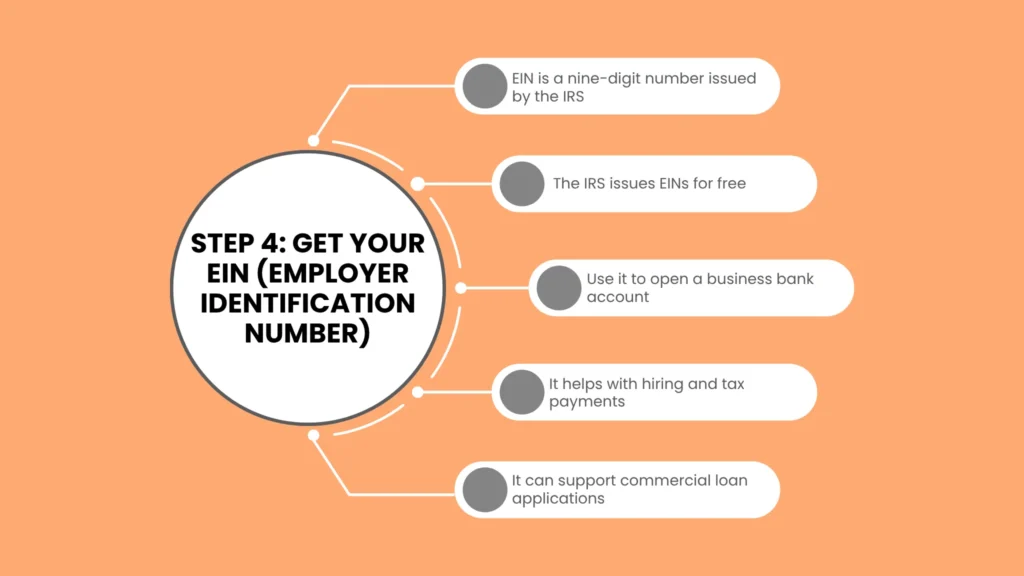
Why do you need an EIN?
To open a business bank account.
To hire employees down the road.
To pay federal and state taxes.
To apply for commercial loans.
Getting an EIN takes only a few minutes on the official IRS portal online.
Step 5: Set Up a Separate Business Bank Account
Please do not mix your personal money with your business funds! That is a major headache waiting to happen at tax time. Mixing funds can also destroy the legal protection provided by your LLC registration. Courts call this “piercing the corporate veil.”
Take your EIN, Articles of Organization, and ID to a bank to open a dedicated checking account. Keep every business dollar going into and out of this dedicated account. It makes bookkeeping a total breeze!
Step 6: Grab Local Permits and Tax Registration
Filing with your state isn’t always the final step. Depending on what you sell, your city or county might want a piece of the action too.
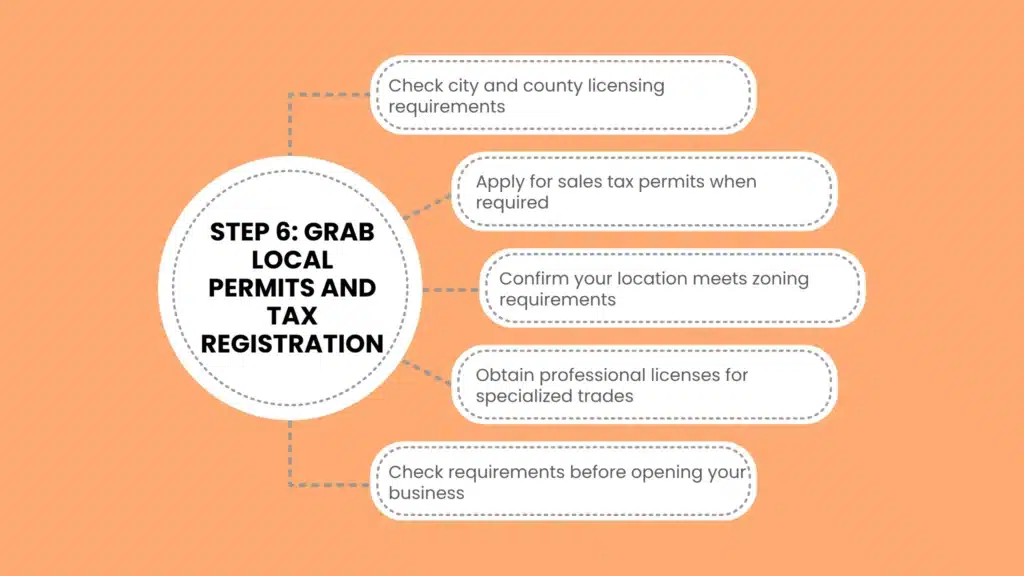
For example, restaurants, hair salons, and construction firms need special local licenses before opening their doors.
| License / Permit Type | Issued By | Purpose |
| General Business License | City or County Government | Allows you to operate in the local city limits |
| Sales Tax Permit | State Department of Revenue | Allows you to collect sales tax from buyers |
| Zoning Permit | Local Zoning Board | Confirms your store location is legally zoned for retail |
| Professional License | State Licensing Board | Required for specialized trades like plumbing or medical |
Check with your local city hall to see what specific permits apply to your trade. It is always better to ask early than pay fines later!
Common Mistakes to Avoid During Business Registration USA
It is easy to get confused when reading through legal requirements. Here are a few traps you should actively avoid:
Skipping the Operating Agreement: Even if your state doesn’t require it, write one! It sets clear rules for who owns what.
Ignoring State Annual Reports: Most states require an annual report and a small renewal fee to keep your company in good standing.
Forgetting Federal Beneficial Ownership Info (BOI): Many new US businesses must now report beneficial owners to FinCEN after registering.
Taking a bit of extra time now prevents massive legal headaches next year!
Using a reliable helper like reliablestartup keeps your team on top of these annoying annual deadlines automatically. Now that you know how to register a small business, you can take action today with total confidence. Go bring your dream project to life!
Conclusion
Learning how to register a small business in the USA is a straightforward, step-by-step process when broken down clearly. By choosing the right legal structure (like an LLC), filing your official formation documents, obtaining an EIN from the IRS, and securing local permits, you lay a solid foundation for your company’s protection and future growth.
Taking the time to handle these requirements correctly from the start ensures your enterprise stays compliant, avoids unnecessary legal hurdles, and gives you total confidence to focus on building a successful business.
Frequently Asked Questions
How much does it cost to register a small business?
Filing fees generally range between $50 and $500 depending on your home state and structure.
Can I register my small business online by myself?
Yes, most US states allow you to submit registration paperwork directly through their official portal.
Do I need a lawyer for LLC registration in USA?
No, you can complete LLC registration yourself or use an affordable online registration platform.
What is the fastest way to start a business legally?
File your documents online, grab an instant EIN, and apply for local licenses right away.