How to Start a Pressure Washing Business: Step-by-Step Guide
AI Overview
Starting a pressure washing business requires clear planning, basic high-pressure gear, safety insurance, and targeted local outreach. New business owners can start small with home driveways and quickly grow into commercial jobs. With low initial costs and solid daily rates, this service business offers immediate cash flow and scaling options for motivated founders.
Key Takeaways
Low starting investment with high margin potential
Essential gear choices vs costly extra equipment
Smart pricing models for local neighborhood jobs
Simple marketing methods that bring repeat clients
Ever looked at a dirty driveway and thought about how satisfying it would be to spray it clean? You are not alone. Turning that satisfaction into a real income stream is easier than you think. Learning how to start a pressure washing business gives you a direct path to working for yourself without needing a huge office or a massive team.
To launch a pressure washing business, you need basic commercial gear, proper legal permits, liability insurance, and a simple local marketing setup. Most new operators start with a small trailer setup and expand services as their client base grows.
With low setup costs and high local demand, running a power washing startup is one of the most practical routes to financial independence today.
Why Start a Pressure Washing Business Today?
Have you ever wondered why so many people are diving into home services right now? It comes down to basic demand. Houses get dirty, driveways collect oil, and decks accumulate grime every single season.
Homeowners often lack the time or heavy gear to clean outdoor surfaces properly. That is where your new power washing startup steps in to save their weekend.
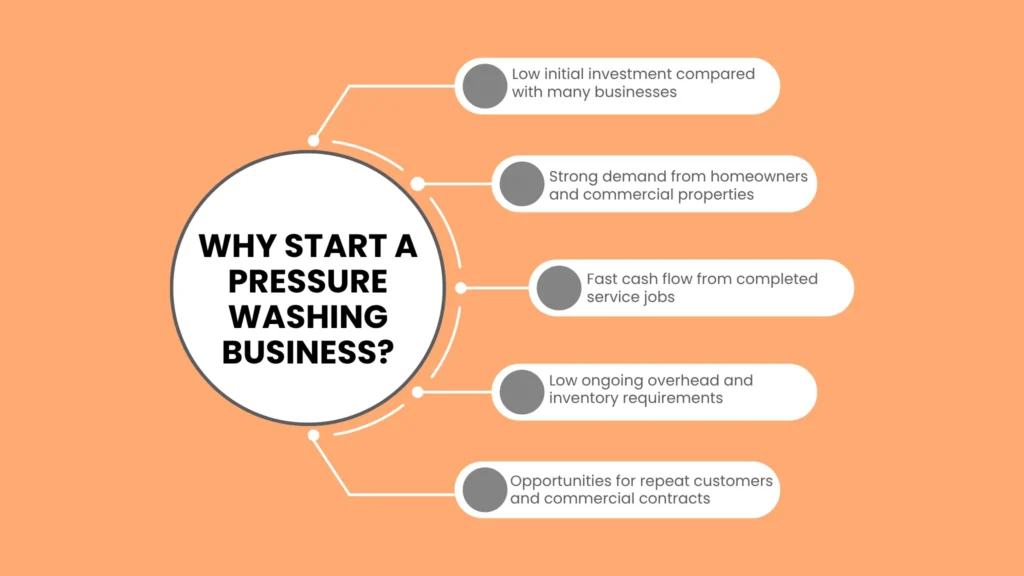
The beauty of this trade lies in its fast feedback loop. You show up, clean the surface, and the visual difference is night and day. Satisfied customers pay you right on the spot.
Building a business from scratch feels daunting, but service brands make it simple. Resources at reliablestartup help new owners structure their daily operations with confidence from day one.
Initial Gear and Pressure Washing Equipment Cost
How much does it actually cost to get your rig up and running? You do not need to buy the most expensive trailer on day one. Starting lean helps you stay profitable early on.
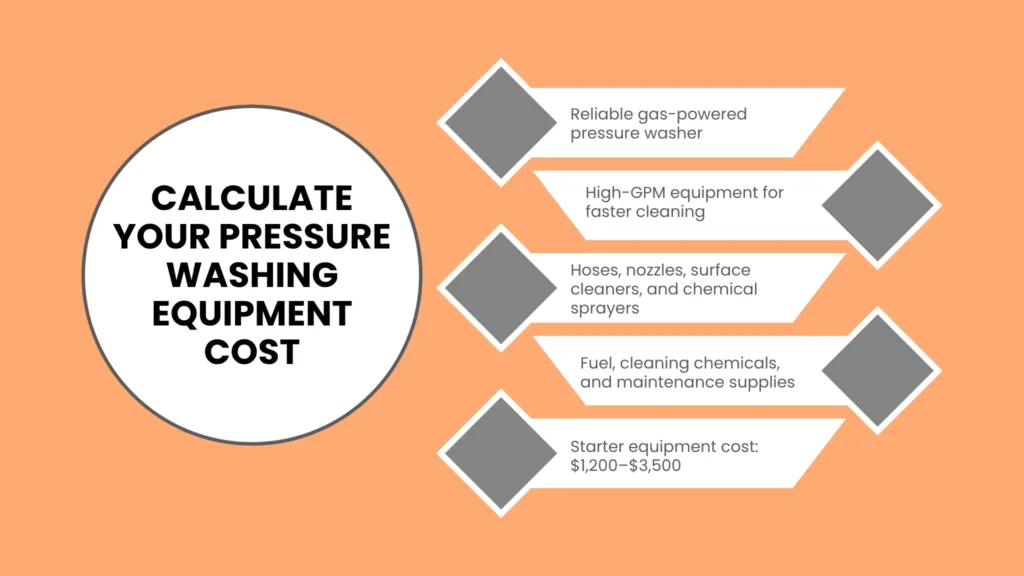
Your primary purchase will be a reliable, gas-powered machine with solid pressure and flow metrics. Look for high Gallons Per Minute (GPM) ratings, as water flow cleans faster than raw pressure alone.
Calculating your total pressure washing equipment cost upfront keeps you from overspending before your first paycheck. Generally, a complete starter kit stays between $1,200 and $3,500 based on your local market choices.
Setting Up Your Operations and Legal Structure
Before you start spraying down local sidewalks, you need to get your business details sorted out. Operating legally builds immediate trust with your prospective customers.
First, pick a simple, memorable name for your business. Check your state registries to ensure no one else is using it in your territory.
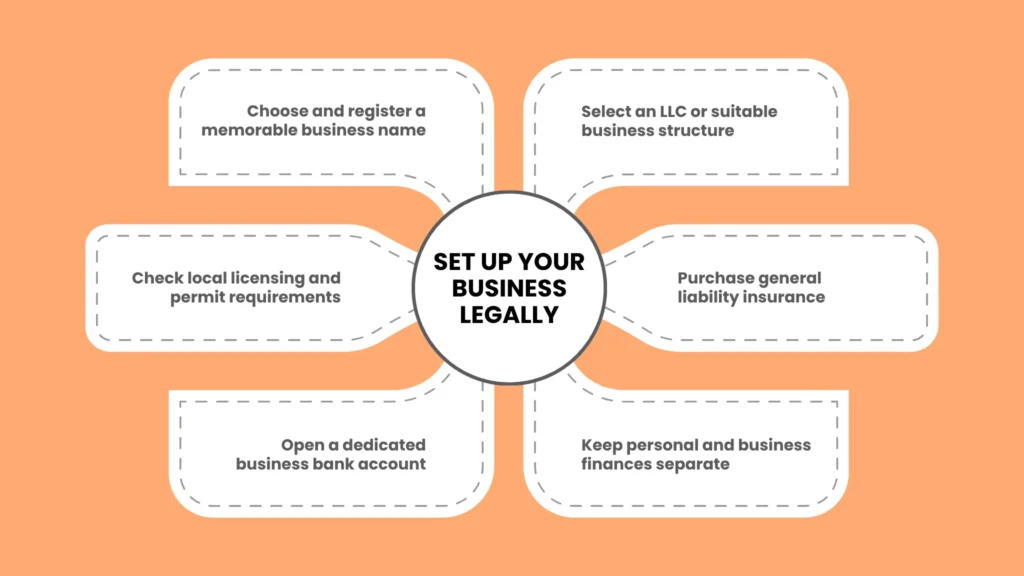
Registering as a Limited Liability Company (LLC) is a standard step for most home service providers. It protects your personal savings if something unexpected happens on a job site.
Insurance is your safety net. High-pressure water can strip paint or damage soft wood if used incorrectly. A solid general liability policy gives both you and your property clients true peace of mind.
Opening a dedicated business bank account keeps your personal funds separate from your business cash. It makes tax season smooth and straightforward.
If you want step-by-step business structure guides, platforms like reliablestartup break down legal requirements into clear, doable steps.
Master Your Pressure Washing Pricing Guide
How do you set rates that bring in profits without scaring away homeowners? Pricing can feel tricky when you are just starting out.
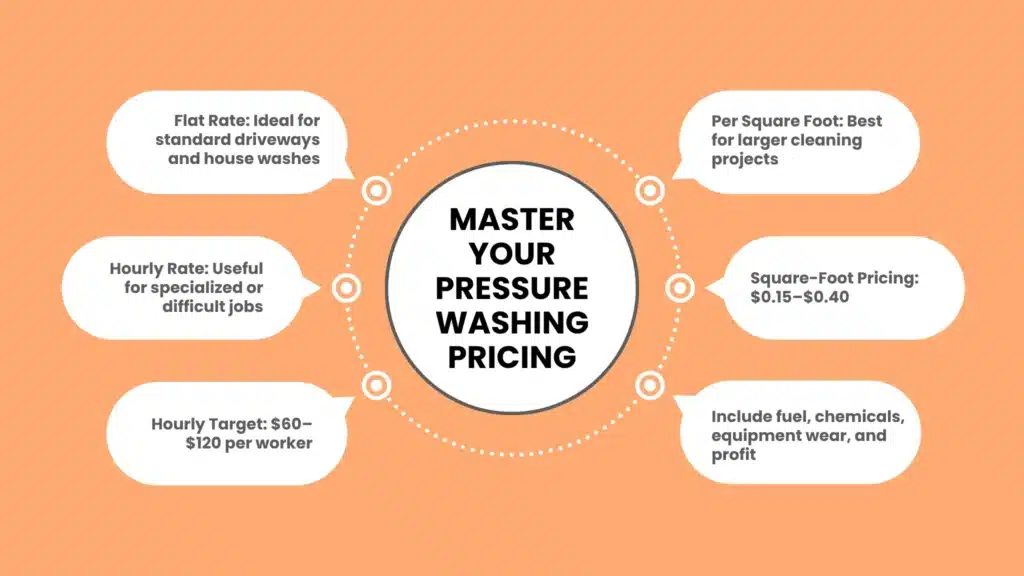
Most power washing startup owners use one of three core pricing setups depending on the property type. Using a structured pressure washing pricing guide prevents undercharging for long, complex jobs.
Flat Rate Pricing: Great for standard driveways or single-story house washes where square footage is easy to guess.
Per Square Foot Pricing: Typically ranges from $0.15 to $0.40 per square foot based on dirt levels and surface difficulty.
Hourly Rate Pricing: Best for custom jobs, delicate wood restoration, or heavy commercial oil stains. Aim for $60 to $120 per hour per worker.
Always factor in chemical costs, fuel, vehicle wear, and your target profit margin when quoting jobs. Giving written estimates keeps expectations clear for everyone involved.
Finding Your First Paying Customers
You have the gear and your prices are set. Now, how do you get your phone to ring? Local marketing does not need to be expensive or complicated.
Start with your personal circle. Tell friends, family, and neighbors that you are open for business and offer them a neighborly discount for your first few projects.
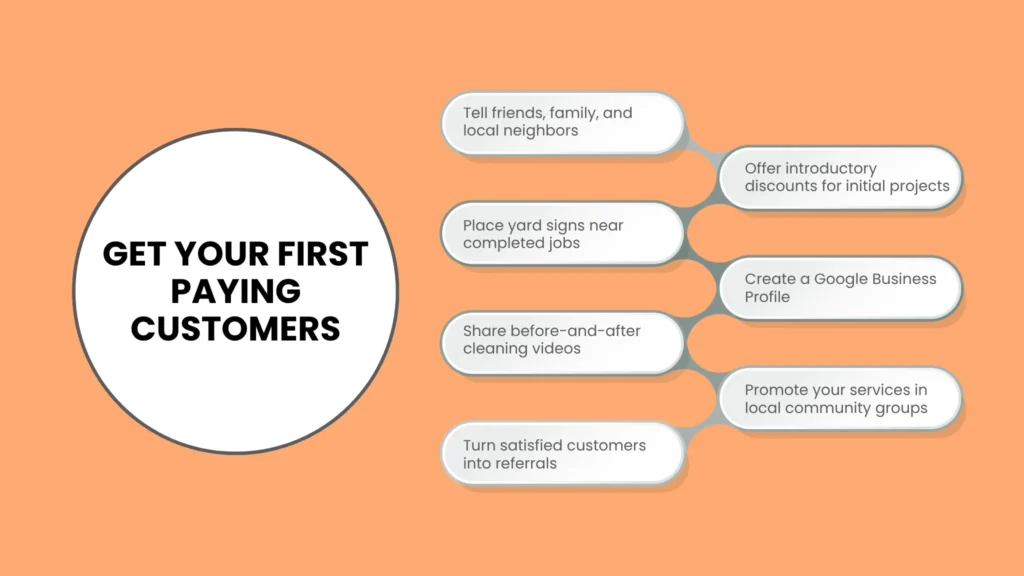
Physical marketing still works incredibly well for home services. Placing neat yard signs near completed jobs generates high-converting calls from neighbors who saw your actual work.
Creating a Google Business Profile is a non-negotiable step. When locals search for driveways cleaning nearby, your local profile should pop up with high-quality photos.
Don’t ignore social platforms. Posting short before-and-after video clips on local community pages visually proves your service quality instantly.
Essential Safety Protocols and Best Practices
Working with high water pressure requires constant care and respect. A single slip can damage property or cause personal injury quickly.
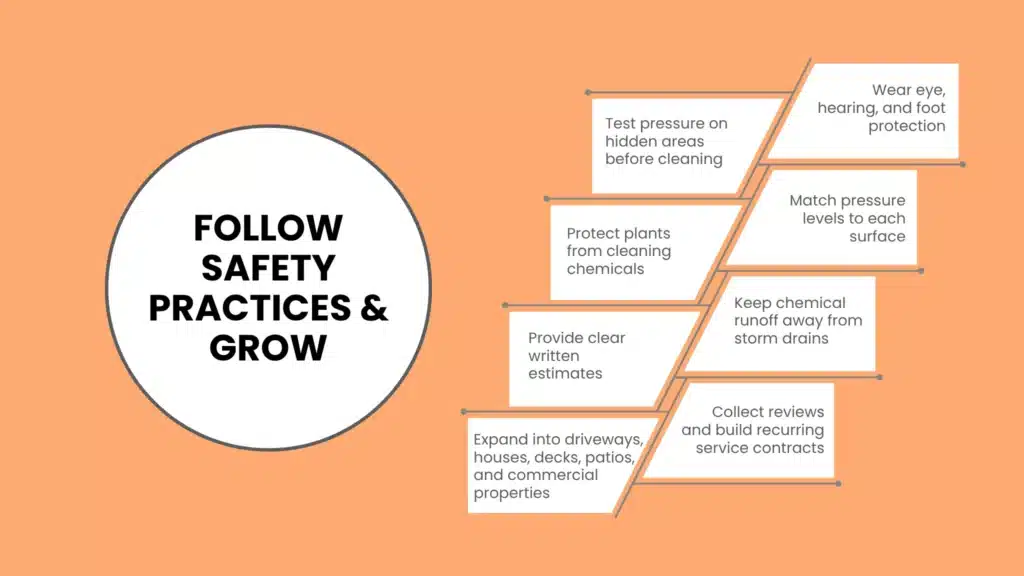
Always test your nozzle patterns on small, hidden areas before washing an entire surface. High pressure can carve lines into soft wood or pop sealants off old brickwork.
Wear eye protection, ear covers, and steel-toe boots every single time you start your machine. Safety gear should be treated as non-negotiable uniform essentials.
Keep chemical runoff away from delicate garden beds and local storm drains. Rinsing surrounding plants with fresh water before and after chemical application protects homeowner landscaping.
Learning proper technique keeps your jobs safe, efficient, and profitable every season. Guidance from reliablestartup can help you establish reliable site safety checklists for your daily routines.
Conclusion
Starting your own pressure washing business is a practical way to build a reliable local income. With a reasonable equipment budget, clear pricing structures, and consistent local outreach, you can build a strong service brand that grows year after year. Focus on quality work, treat every property with respect, and watch your new business thrive.
Frequently Asked Questions
Is starting a pressure washing business profitable?
Yes, service margins generally range from 60% to 80% after accounting for fuel, chemical supplies, and basic equipment maintenance costs.
What insurance do I need for pressure washing?
You generally need a general liability insurance policy to cover potential property damage or personal injury claims during active job operations.
How much pressure do I need to wash houses?
Most house siding requires low-pressure soft washing techniques around 500 to 1,000 PSI paired with specialized cleaning solutions to avoid surface damage.
Can I run a pressure washing business full time?
Yes, many operators start part-time on weekends and transition into full-time operations as local customer referrals and repeat commercial contracts grow.