Do You Need a Business License to Start a Rental Business?
Starting a rental venture is one of the most reliable paths to creating predictable cash flow and long-term asset growth. However, before purchasing inventory or accepting your first client payment, every founder must address a fundamental question: do you need a license for a rental business?
In almost every jurisdiction, the short answer is yes. Most city, county, and state governments require rental operations to obtain a general business license, a local rental permit, or specialized safety certificates before opening to the public.
Whether you plan to rent out residential real estate, commercial equipment, heavy machinery, or short-term vacation homes, operating with the proper permits protects your assets and keeps you compliant with local laws. In this comprehensive guide, we cover everything you need to know about licensing obligations, setup costs, structural requirements, and profit expectations.
Why Licensing Is Mandatory for Rental Operations
Rental businesses differ from standard retail shops because you retain ownership of high-value physical assets while transferring temporary control to third parties. This creates unique public safety, zoning, and tax implications for local municipalities.
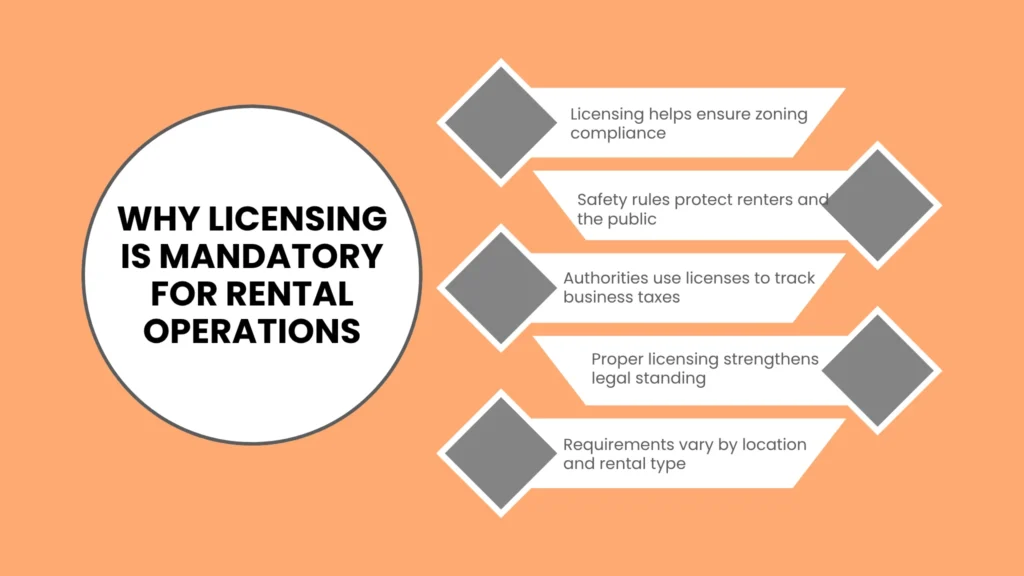
Local authorities enforce licensing rules primarily to protect consumers, preserve community standards, and ensure accurate tax collection.
Key Reasons Governments Require Rental Licenses
Zoning Compliance: Cities use permits to prevent industrial equipment yards or noisy party rental businesses from operating inside quiet residential neighborhoods.
Public Health and Safety: Residential properties must pass safety inspections, while heavy machinery rentals must meet strict maintenance standards.
Revenue and Tax Collection: Local councils collect occupational license fees and track sales or occupancy taxes generated by commercial activity.
Legal Enforcement: Holding a valid license gives you legal standing to enforce contracts, collect debts, or initiate eviction proceedings in court if a tenant breaches an agreement.
Types of Rental Businesses and Their Specific Rules
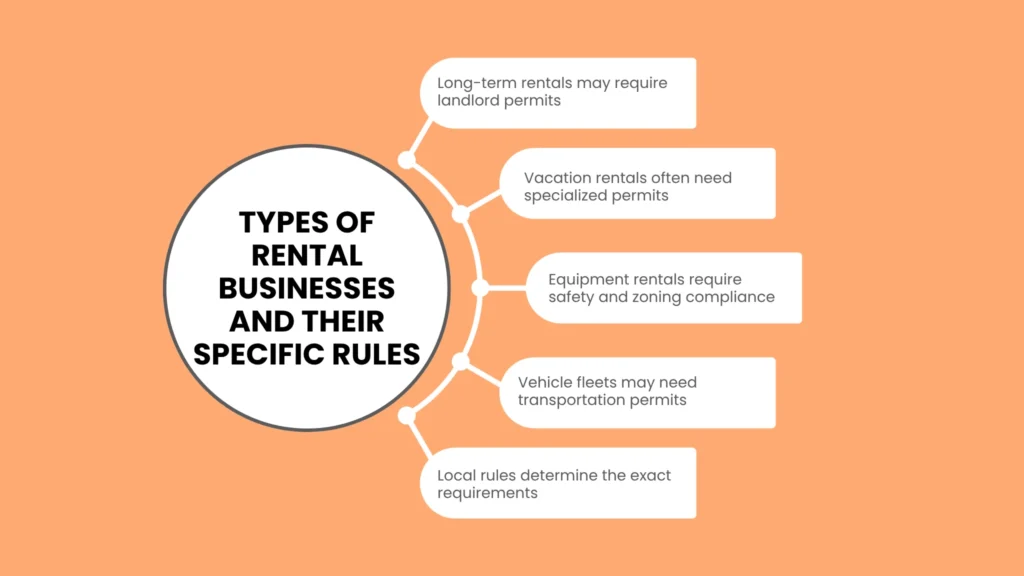
The exact license you need depends heavily on the specific inventory or real estate you offer. Understanding these categories allows you to prepare the right application materials.
1. Residential Long-Term Property Rentals
If you own single-family homes, apartments, or multi-family units that you lease to long-term tenants, many cities require a housing business license or a landlord registration certificate.
Municipalities often inspect properties for working smoke detectors, adequate emergency exits, and proper plumbing before issuing these permits.
2. Short-Term Vacation Rentals
Platforms like Airbnb and VRBO have led many cities to enact strict short-term rental regulations.
In many popular travel destinations, hosts must secure a specialized short-term rental permit alongside a standard local business license. Some cities also enforce total caps on short-term rental licenses or restrict hosting to primary residences.
3. Equipment, Tool, and Heavy Machinery Rentals
Renting out construction gear, power tools, or industrial equipment usually requires a standard commercial business license along with environmental and safety compliance permits. For a deeper look at this specific niche, see our breakdown of the pros and cons of an equipment rental business.
If your business stores heavy equipment on site, local zoning departments may inspect your facility to ensure adequate drainage, noise isolation, and secure storage.
4. Vehicle and Mobility Fleet Rentals
Operating a car, scooter, trailer, or boat rental company requires additional state-level transportation permits and commercial fleet insurance clearance.
States often inspect commercial vehicle fleets regularly to ensure public roadway safety.
Navigating Rental Business Licensing Requirements
Before submitting your application to your local city hall or state portal, you must gather essential business and legal documentation. Meeting all rental business licensing requirements early accelerates the approval timeframe.
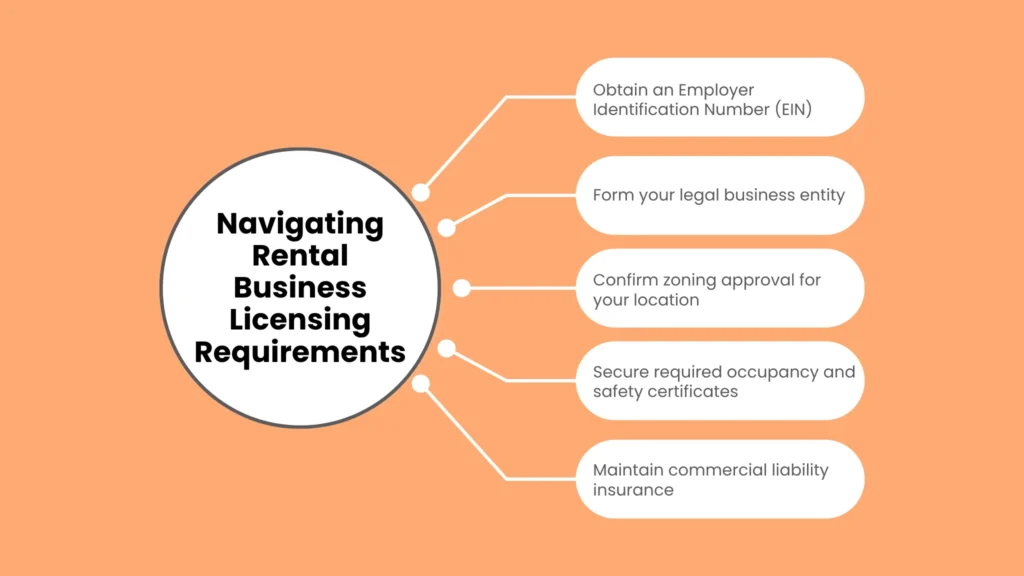
Essential Documentation and Prerequisites
Federal Employer Identification Number (EIN): A unique tax identification number issued by the IRS to manage payroll and tax filings.
Business Entity Formation: Official incorporation documents, such as Articles of Organization for an LLC or Articles of Incorporation for a C-Corp.
Zoning Clearance Certificate: Formal confirmation from your local planning department showing that your property is approved for rental activities.
Certificate of Occupancy: A legal document verifying that your commercial building or residential rental unit meets all building codes and safety regulations.
State Sales and Occupancy Tax Registration: A state tax permit allowing you to collect and remit applicable sales tax or local lodging tax.
Proof of Commercial Liability Insurance: Active insurance coverage that protects against property damage, personal injury claims, and equipment loss. If you’re operating a fleet-based rental model, our boat rental business insurance guide walks through coverage specifics for that category.
Overview Table: Licensing Requirements Across Rental Sectors
The table below provides an estimated overview of typical licensing types, issuing authorities, and primary regulatory objectives across major rental business categories.
| Rental Business Type | Primary License / Permit Required | Approving Authority | Core Purpose |
| Residential Real Estate | Landlord License / Housing Permit | Municipal Housing Authority | Ensures habitability and safety standards |
| Short-Term Rentals (Airbnb) | Short-Term Rental Permit | City Planning Board | Regulates neighborhood density and lodging tax |
| Commercial Equipment | General Business & Environmental Permit | County / City Clerk | Verifies zoning, noise, and environmental safety |
| Vehicle & Mobility Fleet | Fleet Operator License & Sales Tax ID | State Department of Motor Vehicles | Ensures road safety and transit compliance |
| Event & Party Supplies | General Business License | Local City Hall | Tracks local commercial activity and sales tax |
Costs, Requirements, and Financial Profit Margins
Founders must carefully budget for regulatory fees and compliance expenses when drafting their business plan. Below is an in-depth breakdown of how licensing impacts your startup budget and long-term earnings.
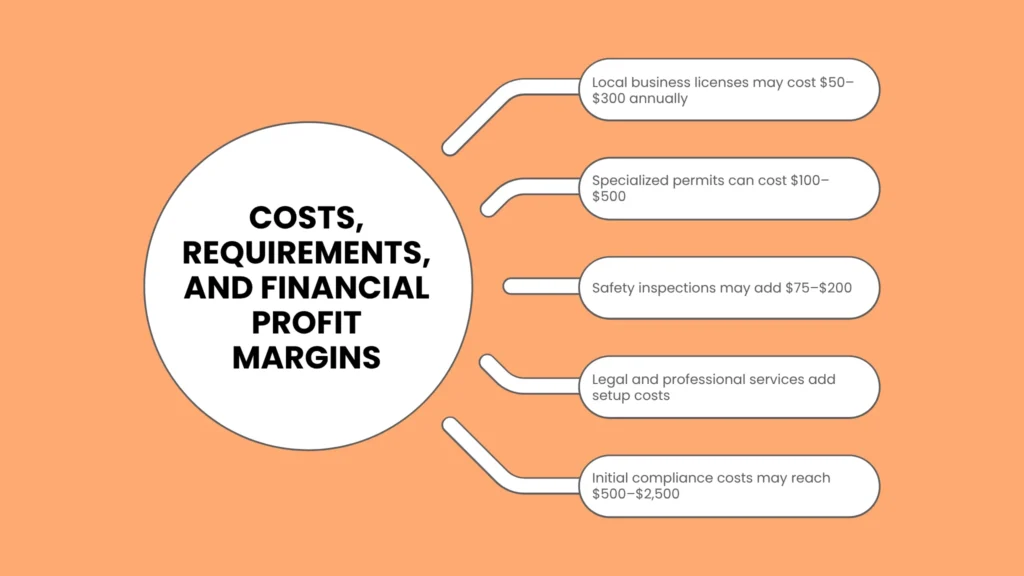
Breaking Down Do You Need a License for a Rental Business Cost
Securing your permits involves both direct application fees and secondary setup expenditures. Based on available industry data, the total do you need a license for a rental business cost structure generally includes the following items:
Basic Local Business License: Municipalities charge between $50 and $300 for an annual general business license.
Specialized Rental Permits: Housing permits or short-term rental licenses typically cost between $100 and $500 per property or unit annually.
Safety Inspections: Fire marshal or building inspector visits range from $75 to $200 per inspection.
Legal and Professional Services: Working with an attorney or corporate service provider to handle paperwork costs an estimated $300 to $1,500.
In total, most founders should budget an estimated $500 to $2,500 for total initial licensing, legal registration, and regulatory compliance fees.
Fulfilling Do You Need a License for a Rental Business Requirements
To maintain your license in good standing, you must adhere to ongoing operational obligations. Meeting these do you need a license for a rental business requirements prevents unexpected license suspensions or costly fines.
Annual Renewal Submissions: Most municipal business licenses expire after 12 months and require timely renewal payments.
Regular Safety Inspections: Residential and heavy equipment rentals often require scheduled annual or biennial reinspections.
Accurate Tax Remittance: You must file monthly or quarterly sales and occupancy tax reports with state and local tax authorities.
Updated Policy Documentation: Keep updated tenant leases, customer waiver forms, and maintenance logs readily accessible for regulatory reviews.
Calculating the Do You Need a License for a Rental Business Profit Margin
While licensing fees represent a fixed operating expense, they are minor compared to the overall earning capacity of a well-run rental operation.
Gross Margin Metrics: Equipment and tool rental businesses typically achieve high gross margins ranging between 60% and 80%, while long-term real estate investments generally deliver net cash-on-cash margins between 15% and 35%.
Cost Protection Benefits: Operating legally protects your do you need a license for a rental business profit margin by avoiding administrative fines. Unlicensed operators often face civil penalties ranging from $500 to $5,000 per day, which can eliminate net profits rapidly.
Asset Appreciation: Licensed rental businesses can scale sustainably, build tangible enterprise equity, and attract higher valuation multiples if sold to institutional investors.
Is Do You Need a License for a Rental Business Profitable in the Long Run?
A frequent question among first-time entrepreneurs is whether the administrative hassle of licensing pays off. So, is do you need a license for a rental business profitable over time?
Yes. Operating fully licensed establishes immediate credibility with lenders, insurance carriers, commercial clients, and high-quality tenants. Lenders rarely extend commercial mortgages or business line of credit facilities to unlicensed operations. By completing all regulatory requirements up front, you secure access to lower interest rates, better insurance coverage, and corporate enterprise clients, ultimately making your business far more profitable.
Step-by-Step Process to Formally License Your Venture
Following a systematic setup sequence saves time and prevents repeated visits to government offices.
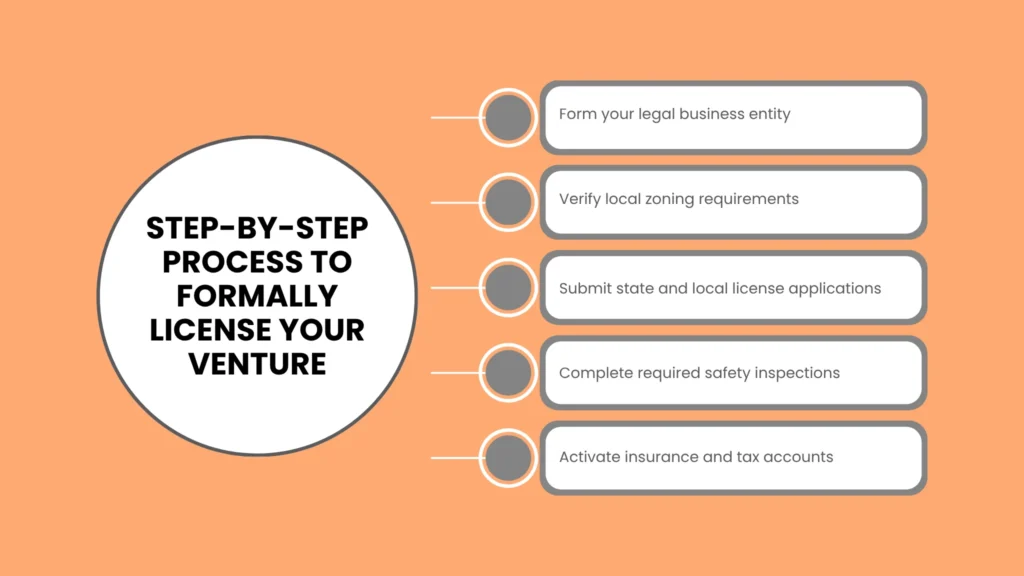
Step 1: Form Your Legal Business Entity
Register your business entity with your state authority. Setting up a Limited Liability Company (LLC) or C-Corporation isolates your personal savings from company liabilities and provides a clear entity name for licensing forms.
Step 2: Request Local Zoning Verification
Visit your local city hall or municipal planning department. Confirm that your physical store location, warehouse facility, or residential property is correctly zoned for commercial rental activities.
Step 3: Complete State and Local Applications
Submit your general business license application along with any category-specific permits. Include all required attachments, such as your EIN confirmation letter, building floor plans, and corporate filing receipts.
Step 4: Schedule Required Building or Fire Inspections
If your permit requires a physical inspection, schedule it several weeks before your intended opening date. Ensure all safety equipment, fire extinguishers, emergency exits, and handicap accesses meet local building codes.
Step 5: Activate Insurance and Tax Accounts
Register for a state tax account to collect sales or lodging taxes. Provide your certificate of liability insurance to your local licensing board to finalize your approval.
Common Pitfalls to Avoid During Licensing
Avoiding common setup mistakes ensures your business launches smoothly without administrative delays.
Assuming Online Platforms Handle Licensing: Platforms like Airbnb, Turo, or Neighbor do not license your business for you. You remain personally responsible for meeting local municipal requirements.
Ignoring Local Zoning Restrictions: Buying rental inventory before checking local land-use laws can leave you with expensive assets you cannot legally rent in your area.
Operating Under a Personal Name Without a DBA: If you trade under a brand name different from your legal entity, you must register a Doing Business As (DBA) certificate with your county or state.
Failing to Renew Permits on Time: Lapsed licenses can result in automatic late penalties, temporary stop-work orders, or loss of grand-fathered zoning rights.
Conclusion
Knowing whether do you need a license for a rental business is the essential starting point for any successful founder in the rental sector. While regulatory requirements vary based on location and inventory type, securing the proper local, state, and safety licenses is a mandatory step that protects your brand and assets.
By budgeting for permit costs, completing your paperwork early, and maintaining full compliance, you build a resilient enterprise capable of generating strong, predictable cash flow for years to come.
For more expert guides on startup planning, business incorporation, licensing frameworks, and scaling strategies, explore our comprehensive founder guides at reliablestartup.
Frequently Asked Questions
What happens if you run a rental business without a business license?
Operating without a valid license can lead to severe civil fines, forced closure orders, loss of corporate liability protection, and difficulty enforcing lease agreements in court. In severe cases, local authorities can place tax liens on your rental properties.
How long does it usually take to get a rental business license approved?
Approval timelines vary depending on your location and rental type. Basic general business licenses take 1 to 2 weeks, while permits requiring physical property or safety inspections typically take 3 to 6 weeks.
Do you need a separate license for every rental property you own?
In many municipalities, yes. Cities often require a separate landlord registration or housing permit for each individual residential address or short-term vacation rental, even if all properties operate under a single master LLC.
Is a general liability insurance policy required to get a business license?
Most municipal licensing offices require proof of commercial general liability insurance before issuing a business license. Insurance protects both your business and the public against accidents or property damage.