Micro SaaS Ideas You Can Build in a Weekend

The golden era of the massive, multi-million dollar software enterprise is facing a new type of competitor. Today, smart independent developers and lean creators are turning away from complex platforms. Instead, they are focusing on tiny, laser-focused software utilities known as micro software-as-a-service applications. If you want to break into the tech space, brainstorming high-intent micro saas ideas is the absolute fastest way to build a reliable stream of recurring revenue.
The beauty of this model lies entirely in its simplicity. You do not need a massive team, millions of dollars in venture backing, or years of open-ended engineering to launch. By building hyper-focused weekend micro saas projects, you can solve one specific problem for a highly targeted niche audience and ship a profitable product by Monday morning. This detailed guide breaks down the absolute best micro-software opportunities, essential validation setups, operational expenses, and the realistic profit margins waiting for solo founders.
The Power of the Micro SaaS Business Model
A micro SaaS is a small software tool designed to solve a very specific pain point for a distinct niche audience. Unlike standard platforms that try to serve thousands of industries simultaneously, a micro utility dominates one tiny workflow. For example, instead of building a massive social media dashboard, you might build a simple tool that only formats testimonials specifically for dental practices.
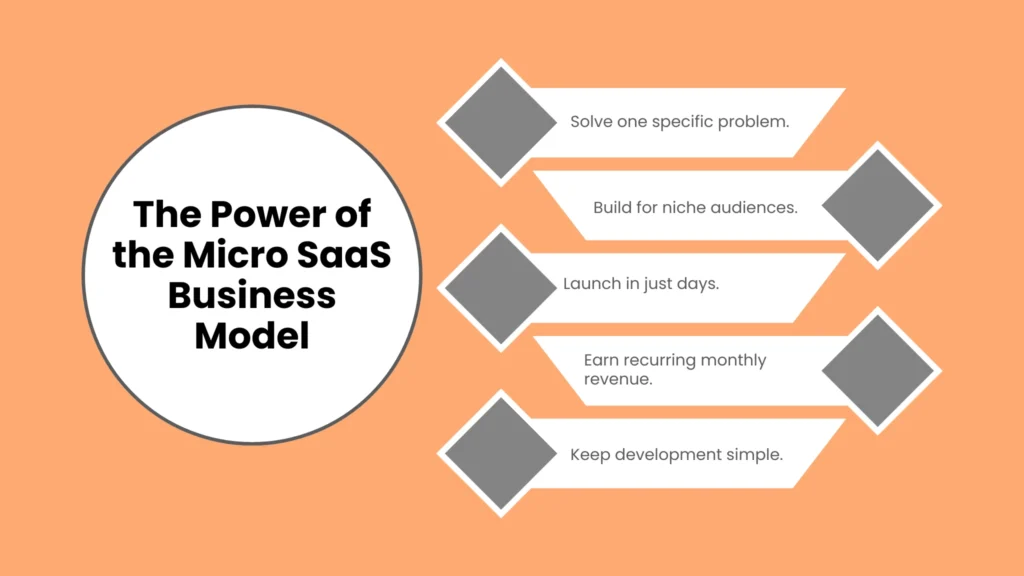
This hyper-focused approach gives solo creators an incredible competitive advantage. Because your software is simple, you can write the code or build the visual workflow in a matter of days. You completely bypass the long development timelines that destroy traditional tech startups.
Furthermore, niche audiences are exceptionally loyal. When a small business owner finds a tool that solves their exact daily frustration perfectly, they will gladly pay a monthly subscription fee for years. You do not need tens of thousands of users to build a meaningful company. Finding just 100 dedicated users who pay a modest monthly fee can easily generate a life-changing personal revenue stream.
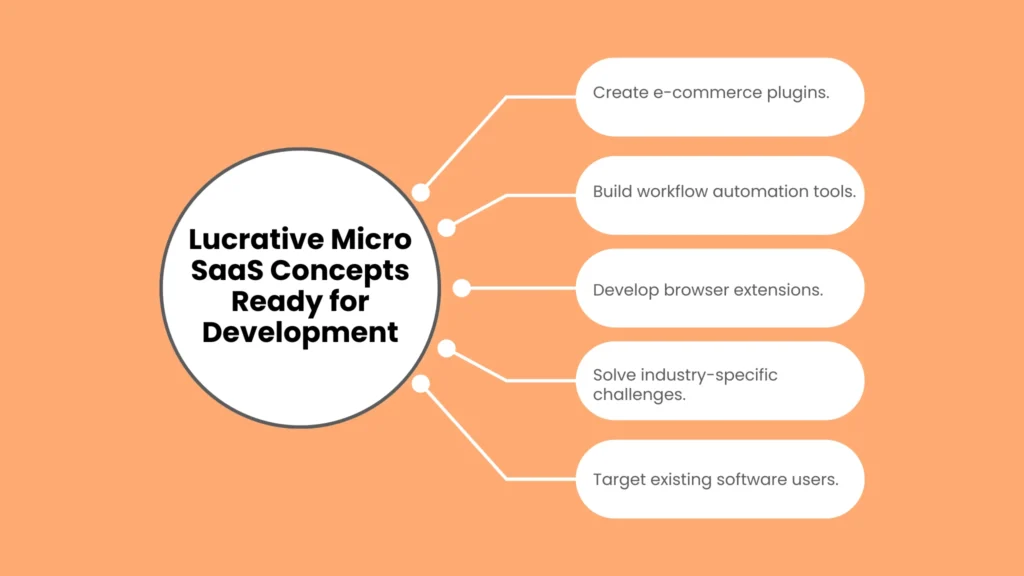
Lucrative Micro SaaS Concepts Ready for Development
The most successful micro utilities live inside existing software ecosystems. By building add-ons, extensions, or dedicated plugins for popular platforms, you can market your product directly to a built-in user base.
1. E-Commerce Platform Utility Extensions
Online store owners constantly look for tiny optimizations to increase their checkout rates. You can build a single-purpose plugin for platforms like Shopify or WooCommerce. For instance, create a micro app that automatically calculates and displays real-time shipping carbon offsets at checkout, or a tool that generates beautiful, printable order packing slips tailored for luxury boutique brands.
2. Specialized Database Templates and Automation Connectors
Millions of companies use tools like Notion, Airtable, and Monday to run their daily internal operations. However, setting up advanced workflows remains incredibly difficult for the average business owner. You can build a packaged micro SaaS that serves as a dedicated portal for a specific industry. For example, create an automated legal intake pipeline that maps web forms directly into a secure Airtable database for family law practitioners.
3. Visual Browser Extensions for Content Creators
Digital marketers and content creators spend hours repeating tedious manual tasks every single week. You can build a lightweight Google Chrome or Safari browser extension that automates these specific actions. A great concept is a browser utility that strips metadata from images and resizes them perfectly for individual platform upload specs with a single click.
Core Micro SaaS Ideas Requirements
To successfully take a software concept from a weekend idea to a live production environment, you must keep your infrastructure light, secure, and fully automated.
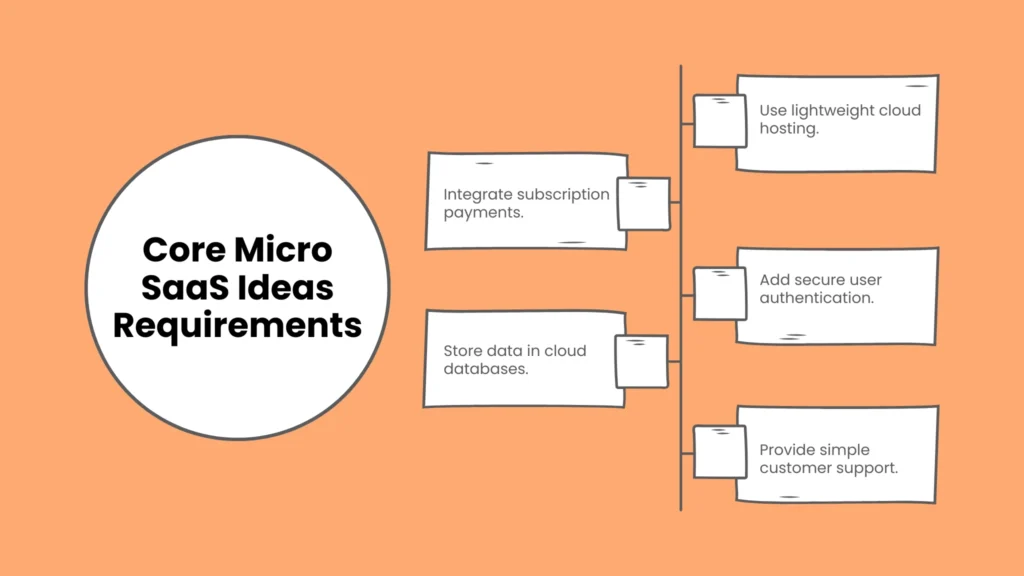
Review these essential micro saas ideas requirements to build your lean development framework:
Lightweight Application Hosting: Use fast cloud deployment platforms like Vercel, Netlify, or visual builders like Bubble to launch your code instantly.
Embedded Digital Payment Gateways: Integrate developer-friendly subscription portals like Stripe or Paddle to handle automated recurring billing and global tax compliance.
Automated User Authentication: Utilize pre-built authentication services like Clerk or Auth0 to manage user sign-ins securely without writing custom security logic.
Lightweight Relational Databases: Use nimble cloud databases like Supabase or neon.tech to store user profiles and operational logs safely.
Direct Customer Support Channels: Set up a simple, embeddable chat widget like Crisp or a shared inbox to handle user feedback and feature requests directly.
By relying completely on these modern, modular infrastructure blocks, you can easily finish your core software architecture within your two-day time limit.
Analyzing the Financials: Weekend Costs vs. Monthly Cash Flow
The low barrier to entry makes this business model uniquely attractive for independent operators. Because you are keeping the product scope small, your financial risk is practically non-existent.
The upfront micro saas ideas cost is incredibly low when you handle the initial building phase yourself. If you utilize free developer tiers for hosting, authentication, and database storage, your launch expenses are literally limited to your domain name purchase, which costs an estimated $10 to $15. Even when your application starts scaling and you upgrade to paid infrastructure tiers, your total monthly operational expenses will typically hover between an estimated $30 to $100.
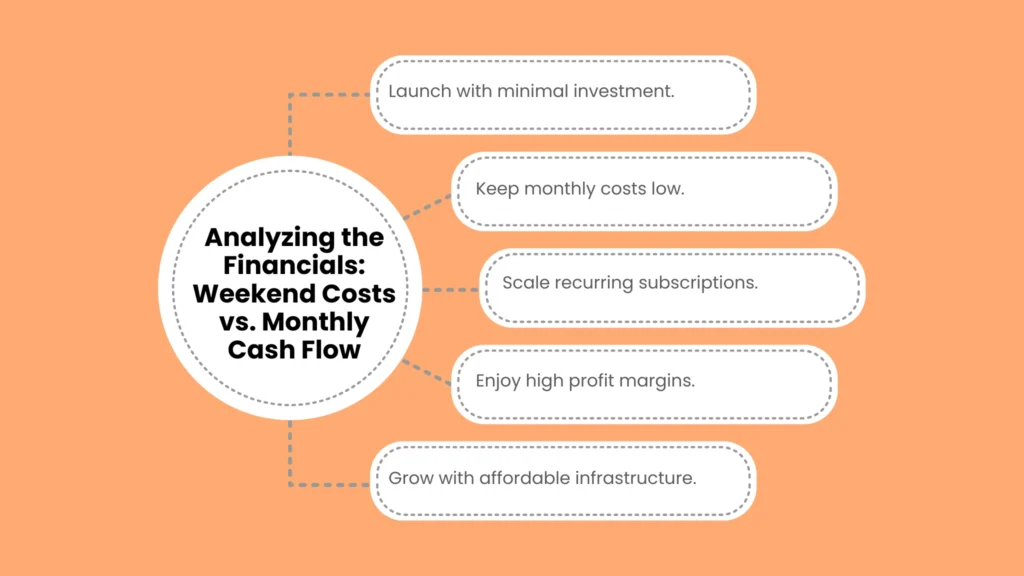
Once your application goes live, the financial returns become incredibly efficient. The standard micro saas ideas profit margin sits between 85% and 95%. Because the software operates autonomously over the web and requires very little manual intervention, almost every single dollar of subscription revenue flows directly into your pocket. Your only major variable cost is the small payment processing fee subtracted from each transaction.
So, is micro saas ideas profitable as a long-term strategy? Based on available industry data, the micro software model is exceptionally profitable for solo founders. Consider a simple tool that costs $20 per month. Sourcing just 150 active business subscribers generates a highly predictable $3,000 in monthly recurring revenue. Because your overhead expenses are practically negligible, this tiny project effectively functions as a high-yield asset that runs smoothly in the background.
Solo Founder Micro SaaS Financial Projections
| Operational Growth Stage | Average Monthly Cost | Target Subscriber Base | Projected Net Monthly Profit |
| Weekend MVP Launch | $0 to $15 | 0 to 10 Early Betas | $0 (Focus entirely on user feedback) |
| Initial Traction Phase | $30 to $50 | 50 Active Subscribers | $750 to $1,000 |
| Stable Micro Scale | $80 to $150 | 250 Active Subscribers | $4,500 to $5,000 |
The Strategic Weekend Development Framework
To successfully ship an application in less than 48 hours, you must ruthlessly cut out any unnecessary features. If a feature does not directly solve the primary customer problem, do not build it over the weekend.
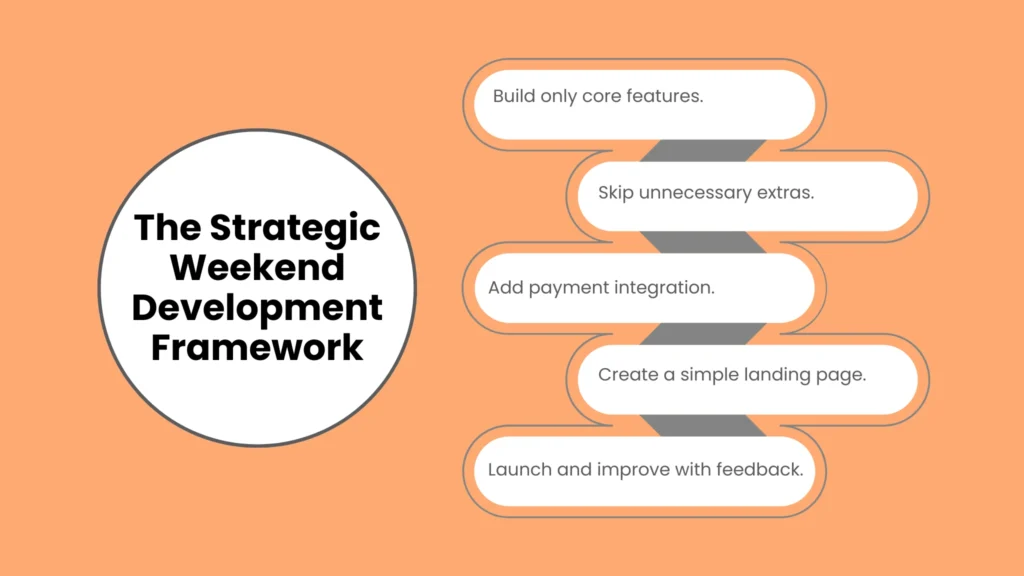
Spend your Saturday morning building the absolute simplest version of the core utility. If your tool removes image backgrounds, the user interface should only feature a drag-and-drop box and a download button. Avoid spending precious hours building complex team permission settings, custom color themes, or advanced profile settings during this phase.
Dedicate your Sunday to integrating your payment links and setting up your basic landing page. Your landing page only needs a powerful headline, three bullet points explaining the core benefit, a short video demo showing the tool in action, and a prominent buy button. Launching a simple, working tool early beats shipping a complex, delayed application every single time.
Conclusion
Building a portfolio of small, highly targeted software tools is the ultimate path to financial independence for modern digital creators. By keeping your scope small, picking clear niche problems, and executing fast weekend builds, you can systematically create reliable streams of recurring internet income. If you are looking for more step-by-step launch blueprints, no-code templates, and founder margin calculators, visit our website at reliablestartup to build and scale your next software venture today.
Frequently Asked Questions
Can I build a micro SaaS using visual no-code tools?
Yes, you absolutely can. Modern visual development platforms allow you to construct complete databases, handle user log-ins, and build complex workflow logic without writing traditional lines of software code over a single weekend.
How do I market my micro SaaS to niche audiences?
The best strategy is to show up where your users already gather. Post helpful content and quick video demos inside specialized subreddits, dedicated Facebook groups, indie developer forums, and niche Discord servers where your target clients discuss their daily tech struggles.
What should I do if a competitor copies my micro SaaS idea?
Do not worry about competitors copying your basic functionality. Instead, focus entirely on delivering exceptional customer service, building highly requested features faster, and establishing personal relationships with your core user base.
How do I know when a micro SaaS project is ready to launch?
Your project is ready to launch the exact moment it can successfully perform its primary function once without crashing. Do not wait for perfection. Put the tool in front of real users immediately to let their feedback guide your updates.