How to Hire Your First Employee as a Startup Founder
Transitioning from a solo founder to a team leader is one of the most exciting milestones in your entrepreneurial journey. Knowing when and how to hire first employee startup team members can transform your business from a bottlenecked project into a scalable venture. On average, bringing on your first full-time team member takes anywhere from 30 to 60 days, requiring careful planning around legal compliance, financial budgeting, and onboarding.
By making a strategic first hire, you delegate operational tasks, focus on strategic growth, and accelerate revenue generation. In this complete guide, we walk you through every step, expense, requirement, and long-term financial outcome of hiring your first full-time employee.
When Is the Right Time to Make Your First Hire?
Many early-stage founders make the mistake of waiting until they are completely overwhelmed before looking for help. Running a business in constant reaction mode often leads to rushed hiring decisions and costly mistakes.
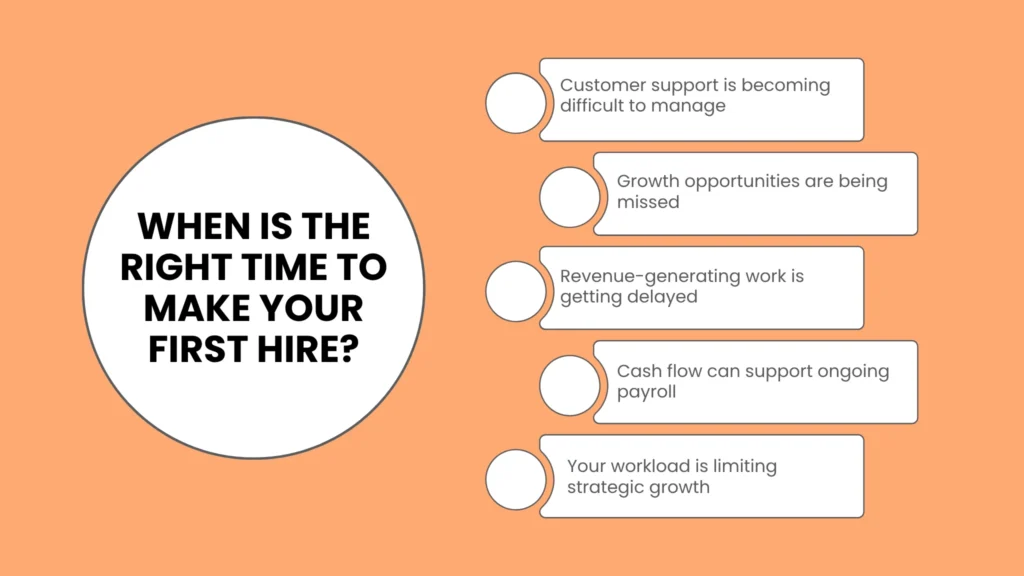
Recognizing early operational signals helps you initiate the search before burnout affects your product quality or customer satisfaction.
Key Indicators It Is Time to Scale
Customer Support Delays: You are spending hours responding to user inquiries rather than improving core products or selling.
Missed Growth Opportunities: You turn down new clients, product line expansions, or partnership opportunities due to limited time.
Revenue Bottlenecks: Core tasks that directly drive income, such as sales demos or product development, are delayed by administrative tasks.
Positive Cash Flow: Your startup generates consistent cash flow or holds enough cash reserves to cover salary, benefits, and taxes for at least 6 to 12 months. Before committing to this expense, it’s worth confirming your numbers by learning how to calculate startup burn rate and runway, so you know exactly how much cash cushion you actually have.
The Essential First Hire Startup Checklist
To ensure a smooth recruitment process and avoid legal compliance issues, follow this structured roadmap before posting your job listing.
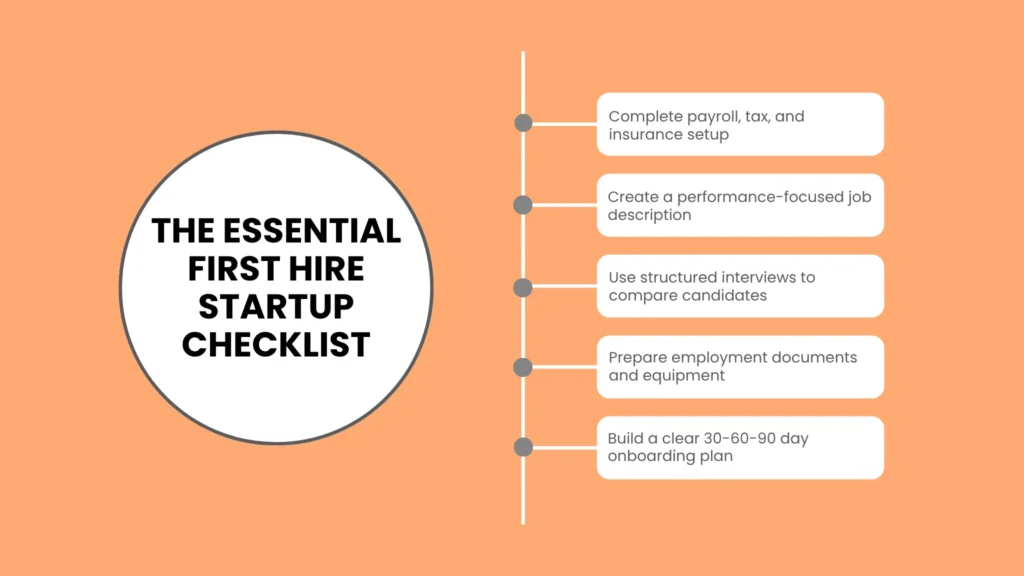
Phase 1: Legal and Tax Preparation
Obtain an EIN: Obtain an EIN: Secure an Employer Identification Number from the IRS for payroll processing and tax filings.
Register with State Labor Offices: Register your business with state employment agencies for unemployment insurance taxes and withholding.
Purchase Workers Compensation Insurance: Set up mandatory insurance policies to protect against workplace injuries and meet state requirements.
Establish Worker Classification: Determine whether the role is exempt or non-exempt under federal wage laws to prevent worker misclassification penalties. Getting these legal basics right early also helps you avoid the broader pitfalls covered in our guide on common legal mistakes startup founders make.
Phase 2: Sourcing and Selection
Draft a Performance-Based Job Description: Outline clear 30-day, 60-day, and 90-day deliverables rather than just listing background requirements.
Set Up an Applicant Tracking System: Utilize modern hiring tools to manage candidate resumes, schedule interviews, and organize feedback.
Conduct Structured Interviews: Use standardized interview questions across candidates to evaluate skills, problem-solving abilities, and culture alignment objectively.
Phase 3: Onboarding and Setup
Issue an Official Offer Letter: Send a formal written offer outlining base salary, equity compensation, benefits, and start dates.
Collect Employment Forms: Gather required forms including tax withholdings (Form W-4) and employment eligibility verification (Form I-9) on or before day one.
Prepare Tech Hardware and Access: Order work equipment and set up software licenses prior to their start date to eliminate productivity delays.
Startup First Hire Budgeting and Cost Summary Table
The table below breaks down the primary costs associated with making your first full-time hire beyond basic base salary.
| Expense Category | Typical Cost Range | Frequency | Key Details |
| Base Salary | Varies by Role ($50,000 to $120,000+) | Annual / Recurring | Market rate salary based on candidate experience level. |
| Payroll Taxes | 7.65% to 10% of Base Salary | Recurring per Payroll | Covers FICA (Social Security, Medicare) and state unemployment taxes. |
| Employee Benefits | 10% to 20% of Base Salary | Monthly / Recurring | Health insurance, retirement match, and paid time off. |
| Hardware & Equipment | $1,200 to $3,000 | One-Time Setup | Laptop, monitors, peripherals, and workstation equipment. |
| Software Licenses | $1,000 to $4,500 per Year | Recurring Annual | SaaS tools, company email, project management software, and security. |
| Recruitment & Legal | $500 to $3,000 | One-Time Fee | Job board postings, background checks, and legal agreement drafting. |
Evaluating Costs, Requirements, and Financial Margins
Bringing on team members alters your financial structure and operational workflow. Understanding these parameters ensures your business remains solvent and structured for long-term growth.
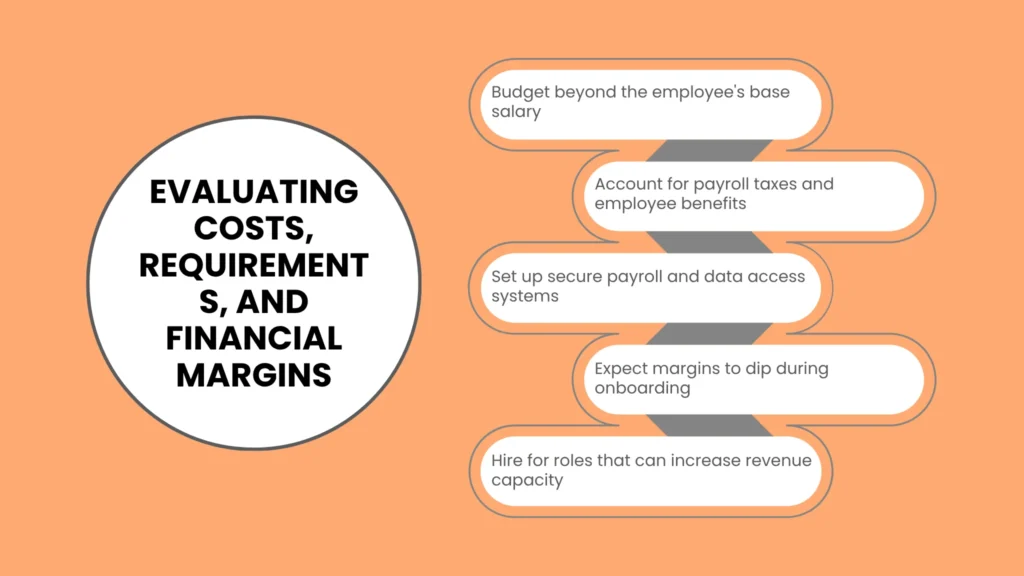
Breakdown of the Hire First Employee Startup Cost
The true expense of bringing on a new team member goes well beyond their base salary. Based on available industry data, the total hire first employee startup cost typically ranges from 1.25 to 1.4 times the employee base salary.
For example, if you offer an annual base salary of $80,000, your actual annual expenditure will likely fall between $100,000 and $112,000 once payroll taxes, worker insurance, software licenses, and basic health benefits are included. Additionally, initial recruitment and setup costs add an estimated $3,000 to $8,000 in upfront one-time expenses.
Core Hire First Employee Startup Requirements
Before welcoming your new hire on their first day, you must meet several legal, administrative, and technological prerequisites.
Automated Payroll System: Integrate a dedicated payroll provider to handle automated tax withholdings, state reporting, and direct deposits seamlessly.
Employee Handbook and Workplace Policies: Establish clear ground rules covering work hours, paid time off, remote work expectations, and non-disclosure agreements.
Structured 30-60-90 Day Plan: Create a clear written onboarding plan with specific milestones so your new hire understands what success looks like in their first quarter.
Secure Data Access Controls: Set up password managers, role-based access permissions, and corporate email accounts to protect company IP.
Operational Impact on Hire First Employee Startup Profit Margin
Adding fixed payroll expenses directly increases your monthly overhead, temporarily compressing your net profit margins. However, the strategic objective of a first hire is to create revenue capacity that outweighs their cost.
Short-Term Margin Shift: In the first 60 to 90 days, your hire first employee startup profit margin may temporarily decline as you invest time in training and onboarding.
Long-Term Margin Expansion: If your first hire focuses on sales, product delivery, or customer retention, productivity output increases. Over time, this efficiency boosts gross revenue, expanding overall margins beyond original solo levels.
Is Hire First Employee Startup Profitable for Early Businesses?
A common concern for first-time founders is determining whether adding payroll liability helps or hurts business survival. So, is hire first employee startup profitable over the long run? This decision often ties back to your overall growth philosophy — our comparison of bootstrapped vs VC-funded startups covers how funding strategy affects hiring pace.
The answer depends entirely on the nature of the role you hire for. Hiring for direct revenue-generating roles (such as sales representatives or lead account managers) or core leverage roles (such as senior developers who complete your product) yields high return on investment. Conversely, hiring for administrative support too early increases burn rate without driving top-line growth. When aligned with clear revenue outcomes, making your first hire is one of the most profitable decisions a founder can make.
Common Mistakes Founders Make During Their First Hire
Avoiding common hiring traps saves thousands of dollars and prevents team friction down the road.
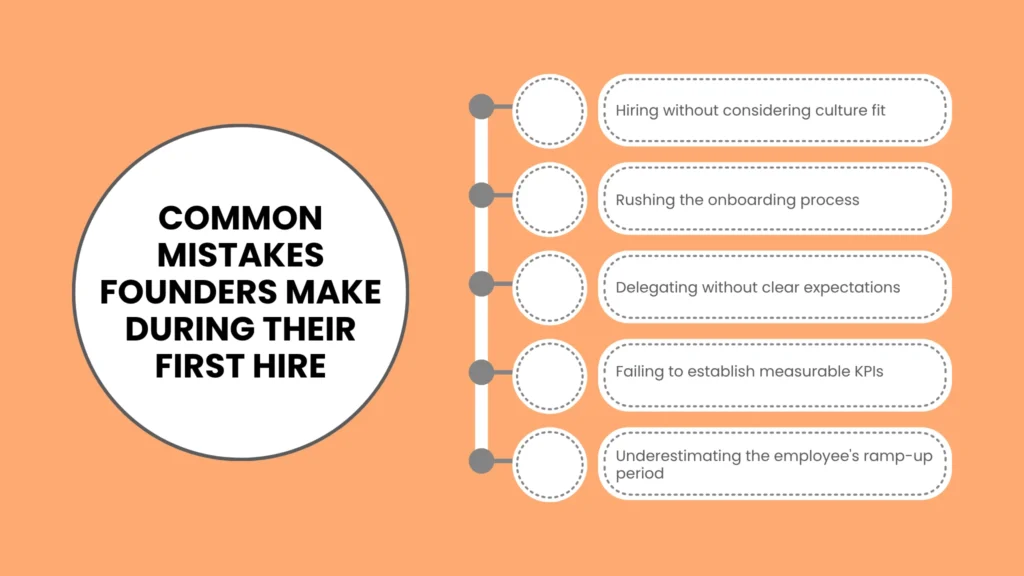
Hiring for Equity Instead of Culture Fit: Relying solely on equity offers can attract talent seeking quick payouts rather than long-term mission alignment.
Rushing the Onboarding Process: Throwing a new employee into daily work without proper documentation or clear goals leads to confusion and high employee turnover.
Delegating Without Clear Oversight: Handing off major responsibilities without scheduled check-ins or key performance indicators (KPIs) can result in misaligned priorities.
Failing to Budget for Ramp-Up Time: Expecting full productivity on day one is unrealistic. Budget for 30 to 60 days of onboarding time before seeing full operational output.
Practical Strategies to Accelerate Employee Productivity
To ensure your new hire becomes productive as quickly as possible, implement these actionable steps:
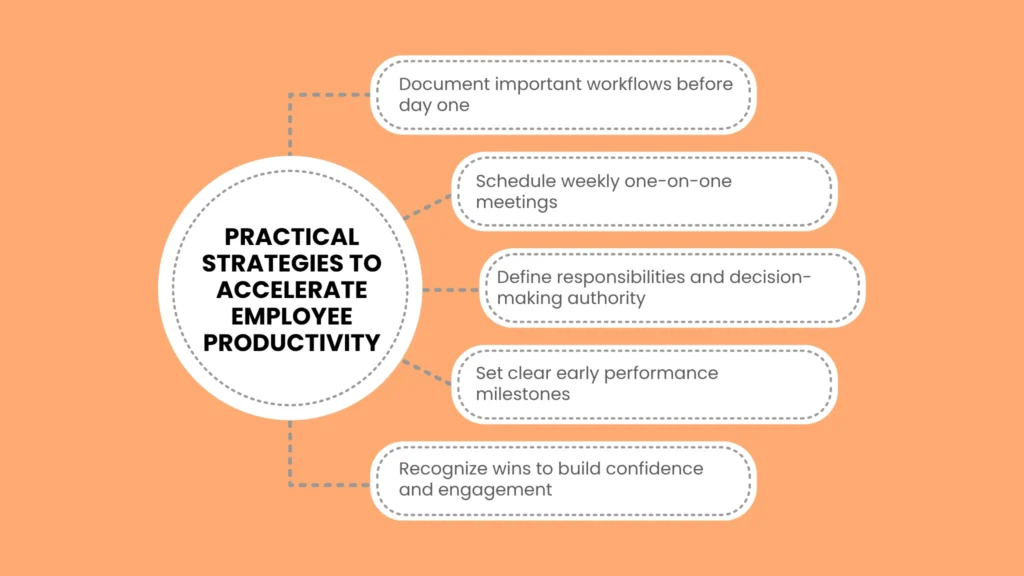
Document Standard Operating Procedures (SOPs): Record short video walkthroughs or write step-by-step guides for everyday tools and workflows prior to day one.
Set Weekly 1-on-1 Meetings: Maintain consistent communication to align priorities, answer questions, and address operational friction early.
Provide Role Clarity: Clearly define where their responsibilities begin and end to avoid overlapping tasks with existing founders or contract teams.
Celebrate Early Wins: Acknowledge initial accomplishments during their first month to build confidence and reinforce company values.
Conclusion
Knowing how to hire first employee startup team members effectively sets the foundation for sustainable business scaling. By following a structured recruitment process, understanding the full financial commitments, and establishing strong onboarding systems, you transform your company from a solo effort into a collaborative enterprise.
Focus on selecting high-impact talent, setting clear performance expectations, and managing cash flow wisely to ensure your first hire accelerates growth.
For more detailed tactical guides on business formation, legal frameworks, financial planning, and startup execution, explore our latest founder resources at reliablestartup.
Frequently Asked Questions
How long does it take to complete the entire process when you hire first employee startup team members?
The typical recruiting, interviewing, and onboarding cycle takes between 30 and 60 days. This includes two to three weeks for sourcing and interviewing candidates, two weeks for notice periods, and two weeks for initial onboarding setup.
Should my first startup hire be a full-time employee or a contractor?
If you need flexible, project-based help without fixed payroll overhead, start with an independent contractor. However, if you need dedicated focus, long-term commitment, and direct operational control over how work is executed, a full-time employee is the better choice.
What legal forms must be completed when hiring an employee in the US?
Founders must collect Form W-4 for federal tax withholdings and Form I-9 to verify employment eligibility. Additionally, you should provide an official offer letter, a non-disclosure agreement (NDA), and applicable state tax setup forms.
How much cash runway should a startup have before making a first hire?
It is recommended to have at least 6 to 12 months of cash runway available to cover the new hire’s total compensation, benefits, and operational costs. This safety net protects your business if revenue fluctuates during the onboarding phase.