Common Legal Mistakes New Startup Founders Make
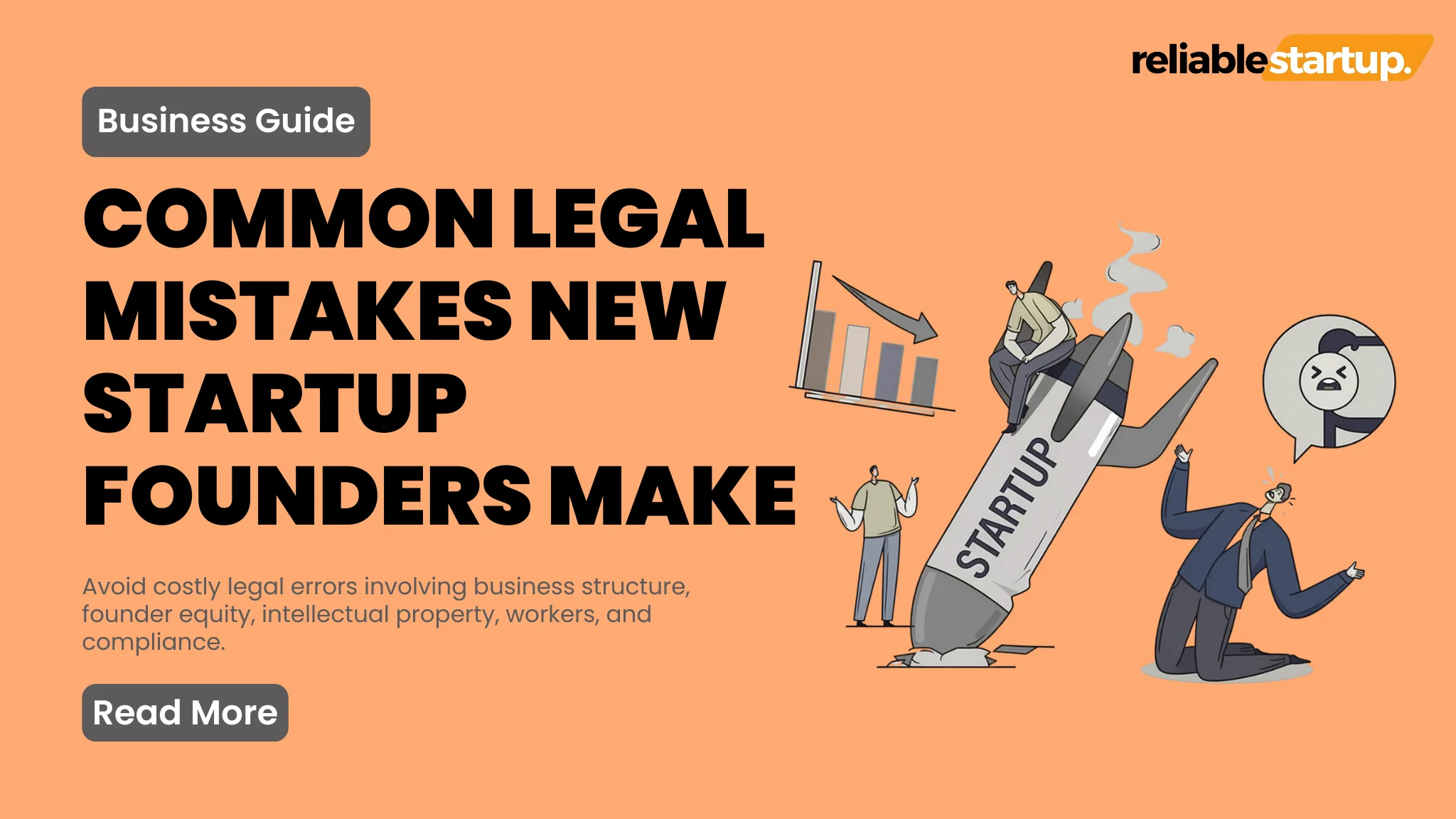
Starting a new business is an exciting journey. However, simple legal errors can ruin a promising venture very quickly. Many entrepreneurs focus solely on product development and digital marketing. Consequently, they treat legal compliance as an afterthought. Understanding the primary legal mistakes startup founders make protects your assets and ensures long-term business stability.
Here at reliablestartup, we focus on helping entrepreneurs build scalable, legally sound, and highly profitable businesses. This comprehensive guide examines the most frequent legal errors, their financial impacts, and how to protect your startup from day one.
What Are the Most Critical Legal Mistakes Startup Founders Make?
Early structural decisions determine how your company handles taxes, raises venture capital, and resolves internal conflicts. Skipping formal agreements or ignoring state compliance creates massive operational risks.
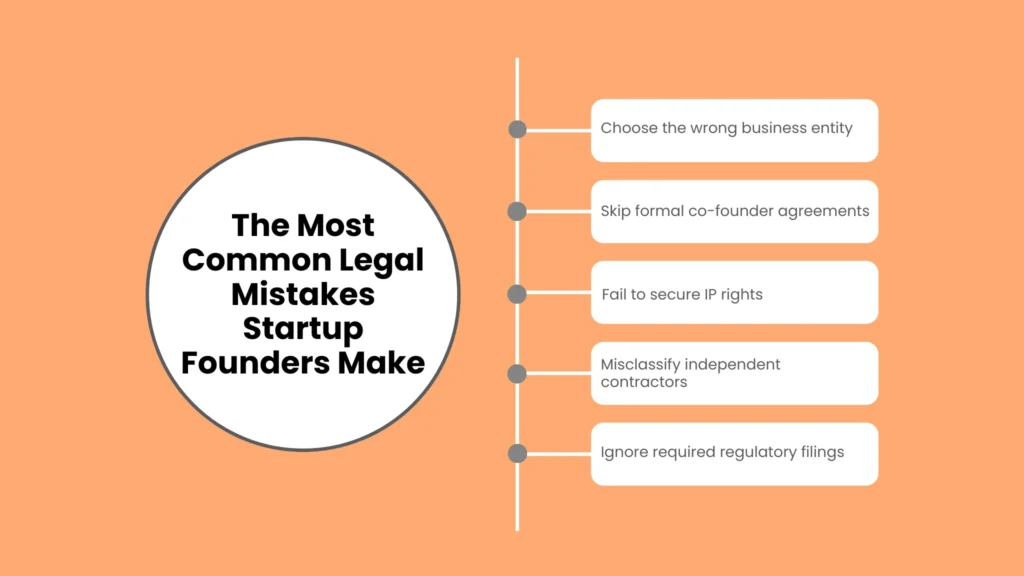
1. Choosing the Wrong Business Entity
Operating as a sole proprietorship to save money is a common trap. Sole proprietorships leave your personal savings exposed to business debts and lawsuits. Instead, forming a Limited Liability Company (LLC) or a C-Corporation creates a protective corporate shield. Furthermore, institutional investors generally require a C-Corporation structure before offering capital. Your entity choice also shapes how much capital you can realistically raise see our comparison of bootstrapped vs VC-funded startups before deciding.
2. Neglecting Formal Co-Founder Agreements
Verbal agreements with business partners often lead to severe disputes down the road. A clear co-founder agreement outlines equity splits, roles, and voting rights. Additionally, you must implement a four-year equity vesting schedule with a one-year cliff. Vesting prevents a departing founder from walking away with a huge equity stake without contributing long-term value.
3. Failing to Secure Intellectual Property (IP) Rights
Intellectual property is often the most valuable asset of a modern company. Every developer, contractor, and employee must sign a Proprietary Information and Inventions Agreement (PIIA). Without signed IP assignments, third-party contractors can claim ownership of your core software code or brand logos.
4. Misclassifying Workers as Independent Contractors
Classifying full-time workers as independent contractors to avoid payroll taxes triggers severe penalties. Regulatory agencies enforce strict classification standards. Therefore, you must use employment contracts that comply with local labor laws from day one.
Essential Startup Legal Checklist
Using a structured startup legal checklist keeps your company compliant and ready for venture funding. Complete these fundamental steps before launching products or signing corporate clients:
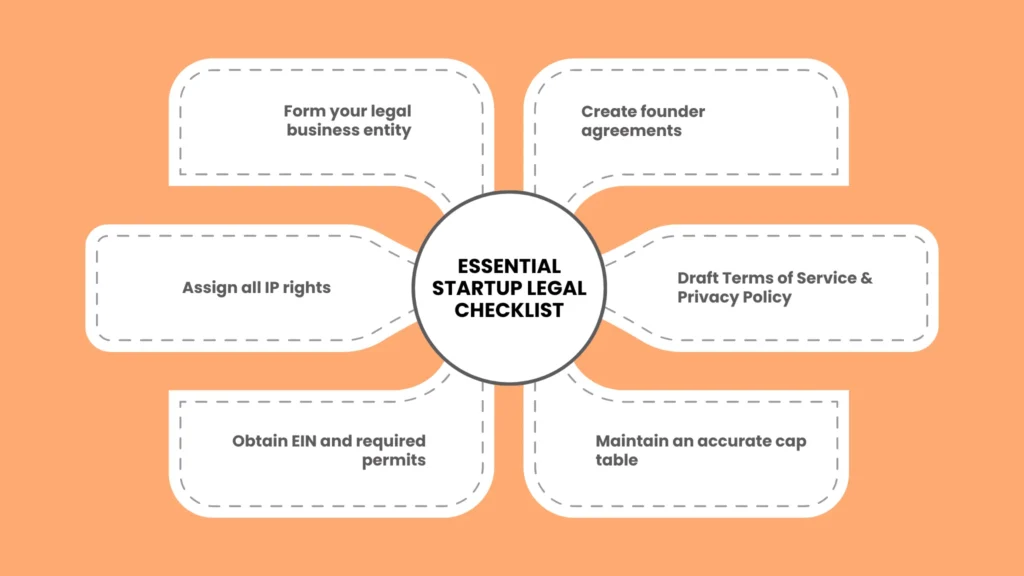
[ ] Formal Incorporation: File Articles of Incorporation and establish corporate bylaws.
[ ] Founder Agreements: Define equity distribution, roles, and four-year vesting schedules.
[ ] IP Assignment Agreements: Ensure all founders, workers, and agencies assign creation rights to the corporate entity.
[ ] Commercial Web Terms: Draft customized Terms of Service and Privacy Policies for online platforms.
[ ] Regulatory Filings: Obtain an Employer Identification Number (EIN) and register local business permits.
[ ] Cap Table Management: Maintain accurate digital records of issued stock options and ownership shares.
Calculating the Real Cost: Legal Mistakes Startup Founders Make Cost
Ignoring legal compliance does not save money; it simply delays a much higher bill. The legal mistakes startup founders make cost significantly more to fix reactively than to prevent proactively.
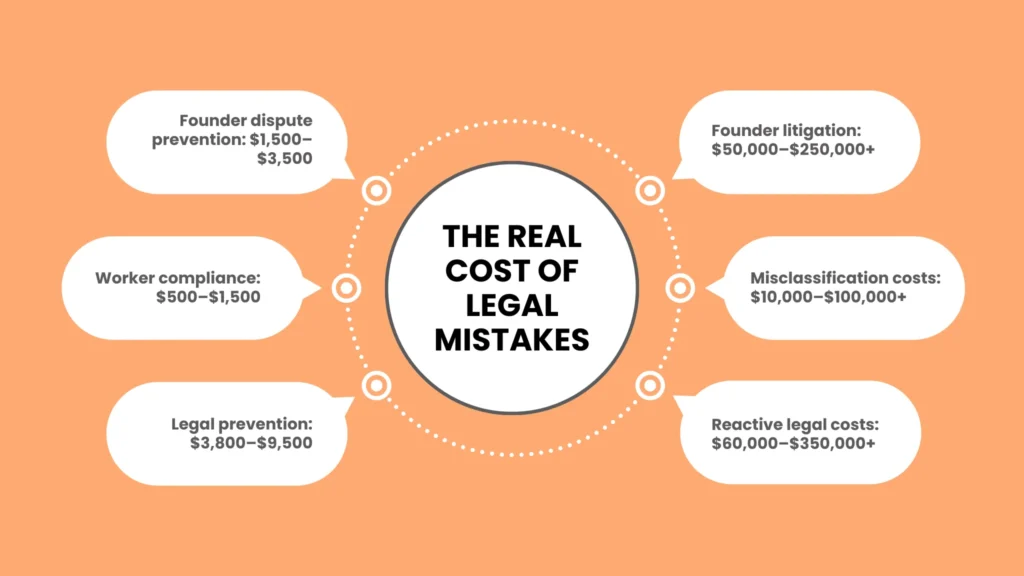
| Legal Mistake Area | Upfront Prevention Cost | Cost to Fix or Litigate Later |
| Co-Founder Equity Dispute | $1,500 – $3,500 (Founder Agreement) | $50,000 – $250,000+ (Court Litigation) |
| Worker Misclassification | $500 – $1,500 (Employment Contract) | $10,000 – $100,000+ (Tax Penalties & Back Pay) |
| Unassigned IP Rights | $1,000 – $2,500 (PIIA Agreements) | Complete Loss of Venture Deal / Re-buying Code |
| Non-Compliant Data Privacy | $800 – $2,000 (Privacy Policy & Audit) | Up to 4% of Global Annual Turnover (GDPR Fines) |
Financial Impact: Legal Mistakes Startup Founders Make Profit Margin
Legal oversights directly damage your bottom line. How exactly do legal mistakes startup founders make profit margin performance suffer?
Regulatory Fines and Back Taxes: Unplanned statutory penalties reduce gross profits immediately.
Litigation Defense Expenses: Paying hourly legal fees burns liquid capital that should fund product development or customer acquisition.
Delayed Revenue Generation: Contract disputes halt product launches and commercial distribution deals.
Restructuring Expenses: Re-architecting messy corporate capital tables consumes significant advisory fees during fundraising rounds.
By proactively handling legal compliance, you protect your operational cash flow and keep net profit margins healthy.
Core Operational Compliance: Legal Mistakes Startup Founders Make Requirements
Meeting mandatory compliance guidelines protects your business from administrative shutdowns. What key legal mistakes startup founders make requirements should you prioritize?
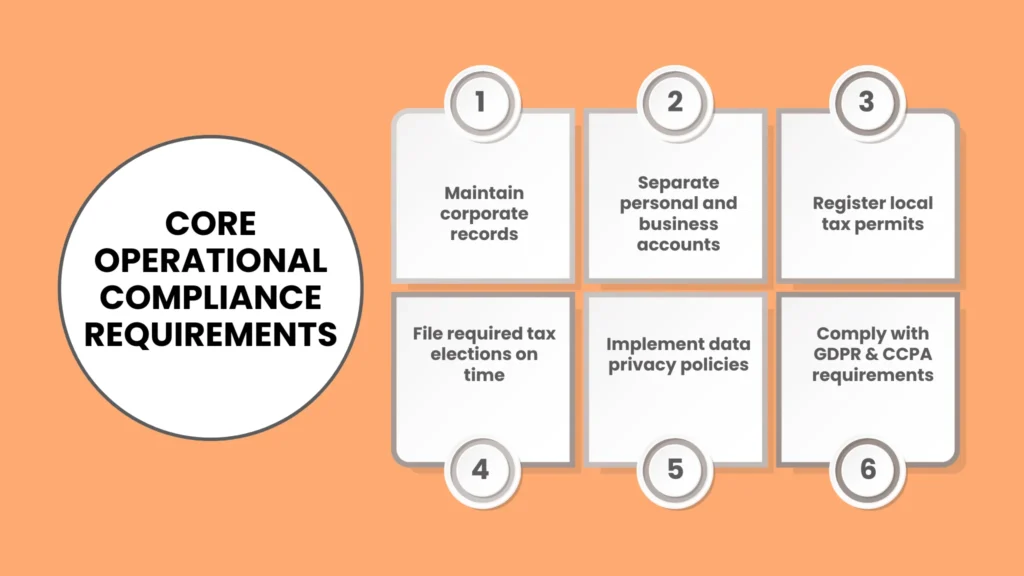
Mandatory Governance Requirements
Maintain Corporate Records: Document annual shareholder meetings, director appointments, and major operational resolutions.
Separate Financial Accounts: Keep personal accounts strictly separate from business banking. Commingling funds destroys liability protection.
Register Local Tax Permits: File state sales tax permits and comply with federal tax elections like Section 83(b) within 30 days of stock issuance.
Implement Data Privacy Compliance: Display clear terms and data protection policies on consumer-facing websites. Modern platforms must handle user data transparently under GDPR and CCPA standards.
Commercial Viability: Is Legal Mistakes Startup Founders Make Profitable?
Addressing legal risks early may seem like an added expense, but is legal mistakes startup founders make profitable as a strategy to prevent? Absolutely. Legal risk management is a high-return investment for several key reasons:
Higher Valuation Limits: Investors pay a premium for clean, legally sound startups with zero title or IP liabilities.
Faster Due Diligence: Well-organized legal documentation accelerates venture funding deals. Consequently, you close funding rounds weeks faster than competitors.
Enterprise Contract Readiness: B2B buyers require strict indemnification and security terms. Clear legal foundations let you land large enterprise accounts without delay.
Detailed Breakdown of Early Legal Execution
To ensure your startup operates smoothly, you must execute administrative tasks with precision. Let’s explore the core legal phases in detail.
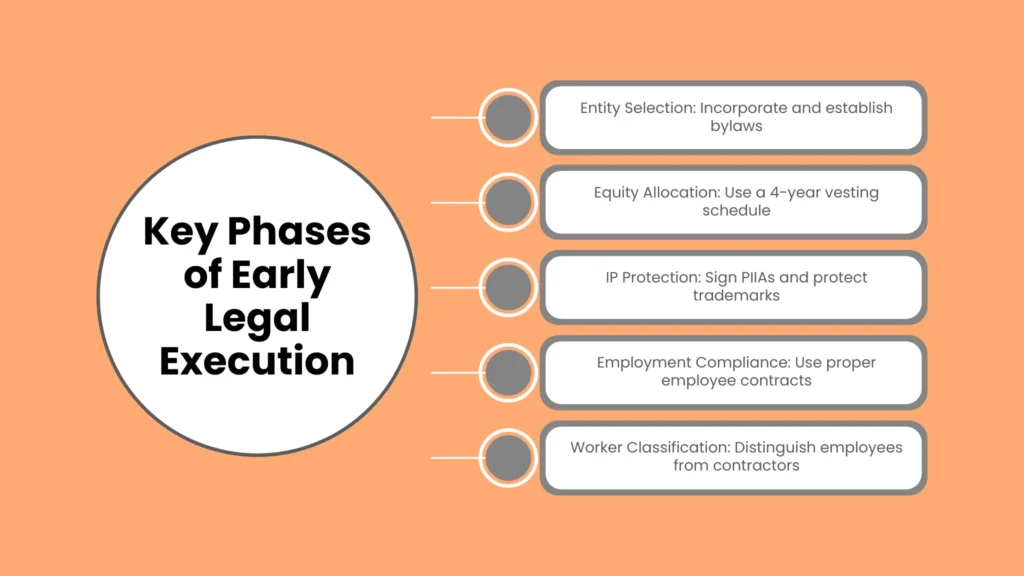
Phase 1: Entity Selection and Incorporation
Choosing where and how to incorporate sets your foundation. Delaware remains the industry standard for venture-backed startups. Delaware offers clear business laws and established chancery courts. However, incorporating in your home state can work well if you plan to remain a bootstrapped business.
When incorporating, issue your common stock with clear par value. Next, establish your initial board of directors and record your corporate bylaws. These early steps ensure your corporate shield remains intact.
Phase 2: Equity Allocation and Vesting Schedules
Distributing equity among founders is a delicate conversation. Equal splits are common, but they should reflect future contributions rather than past ideas.
Always tie equity to a formal vesting schedule. A standard schedule spans four years with a one-year cliff. The one-year cliff means no equity is earned until the founder completes 12 full months of continuous work. After the first year, equity vests incrementally every month. Vesting protects the remaining founders if someone leaves the company early.
Phase 3: Intellectual Property (IP) Protection
Your code, trademarks, and design assets constitute your primary enterprise value. You must ensure that every contributor assigns their rights to the company entity.
Use standard Proprietary Information and Inventions Agreements (PIIAs) for all employees and independent contractors. Furthermore, file trademark applications early for your brand name and primary logos. Securing your trademarks prevents costly rebranding efforts later.
Phase 4: Employment and Regulatory Compliance
Hiring your first employees requires strict compliance with federal and state labor laws. Create standardized employment agreements that outline job responsibilities, compensation, and termination policies.
Additionally, maintain clean accounting records. Differentiate between employees (W-2) and independent contractors (1099). Misclassifying workers can result in substantial back-tax liabilities and statutory penalties.
Final Thoughts on Startup Legal Health
Building a successful company requires both innovation and legal discipline. Addressing the primary legal mistakes startup founders make ensures your business remains resilient. Complete your startup legal checklist early, protect your intellectual property, and maintain clean financial records.
By investing in proper legal foundations today, you safeguard your company’s growth, profit margins, and future value. For more calculators, legal frameworks, and operational startup guides, explore the resources available at reliablestartup.
Frequently Asked Questions
What is the most common legal error made by first-time entrepreneurs?
Failing to put founder equity agreements in writing is the most frequent error. Without formal vesting and ownership agreements, internal disputes can easily destroy a business.
Can I use online template contracts for my startup?
Generic online templates often omit critical protective clauses. While templates work for basic references, customized legal agreements drafted by an experienced attorney prevent costly litigation.
How do legal mistakes impact fundraising efforts?
Investors conduct thorough due diligence before releasing funds. Messy equity allocations, unassigned IP rights, or ongoing litigation will pause or completely cancel an investment deal.