How to Start a Spice Business: Your Step-by-Step Guide
Key Takeaways
Low starting cost with high profit potential
Blending unique flavors creates strong customer loyalty
Simple setup with e-commerce and local farmers’ markets
Smart branding builds a standout spice line fast
Ever wondered why home cooking feels so satisfying? It almost always comes down to the perfect pinch of seasoning. If you love experimenting with flavors, learning how to start a spice business might be your best next move.
Starting a spice business lets you turn simple kitchen experiments into a profitable brand. You can source raw ingredients, create custom blends, and sell online or at local markets. With low upfront costs and high profit margins, it is a great venture for ambitious food lovers.
At reliablestartup, we help aspiring entrepreneurs turn creative ideas into real profits. Let us walk through everything you need to know to launch your custom seasoning line today.
Starting a spice business involves finding high-quality ingredients, creating custom blends, and selling online or locally. Beginners can launch with minimal capital by sourcing spices from reputable wholesalers, setting up a compliant kitchen, and launching a digital store. Success relies on unique packaging, clear niche targeting, and solid digital marketing strategies.
Why Starting a Seasoning Line Is a Smart Move
Food trends change fast, but flavor never goes out of style. People love cooking quick, delicious meals at home without spending hours prepping ingredients. That is where a spice blend business startup shines. You do not need millions of dollars to begin. Starting small from your own kitchen or a commercial setup gives you total control over production costs.
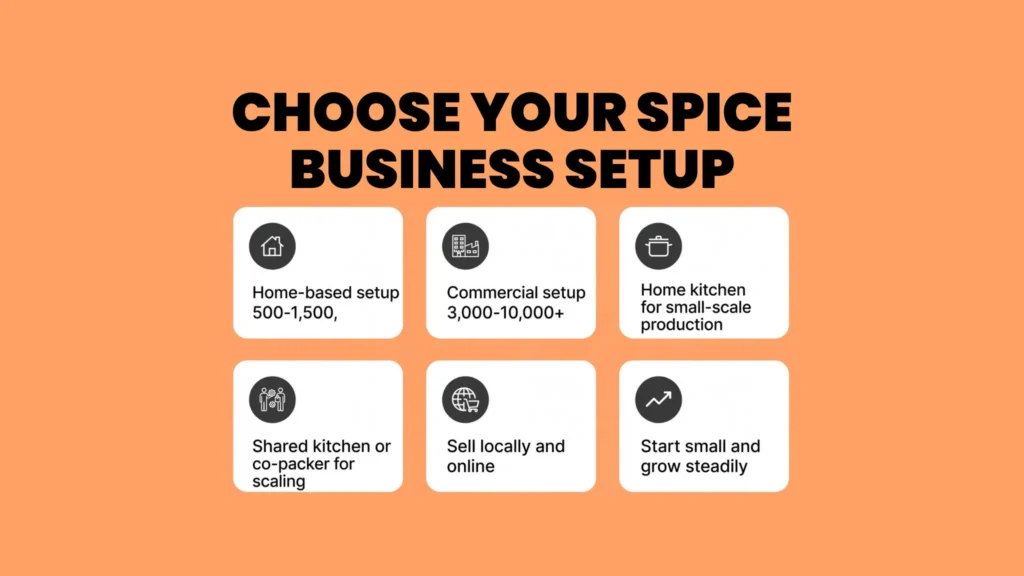
| Startup Aspect | Home-Based Setup | Commercial Setup |
| Upfront Capital | Low ($500 – $1,500) | Moderate ($3,000 – $10,000+) |
| Production Space | Cottage Food Compliant Kitchen | Shared Commercial / Co-Packer |
| Distribution | Local Markets & Online Direct | Wholesale, Retail & Online Direct |
| Growth Speed | Steady, Organic Growth | Rapid Scaling Capabilities |
Another reason to jump into this market is repeat customers. When someone loves your signature BBQ rub or taco mix, they come back for more.
Step 1: Find Your Niche and Spice Brand Ideas
Before mixing ingredients, think about who you want to serve. The seasoning market is huge, so having clear spice brand ideas sets you apart from massive grocery store names. Are you making organic rubs for backyard grillers? Or maybe salt-free herb blends for health-conscious cooks?
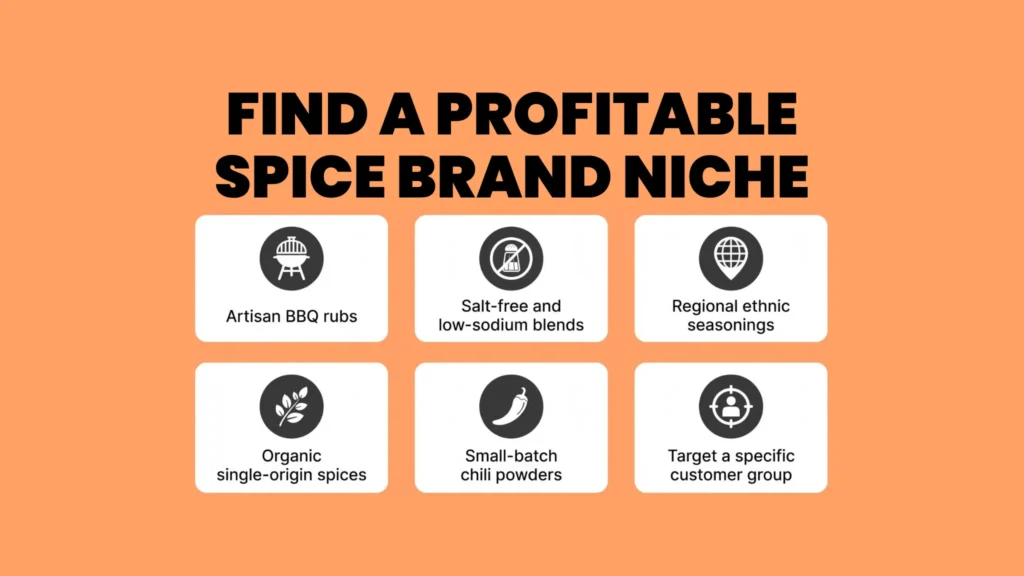
Focusing on a specific culinary niche helps you stand out immediately. It makes your marketing much sharper and builds a loyal audience fast. To help you brainstorm, here are a few proven angles for your spice brand ideas:
Artisan BBQ rubs crafted for slow-smoking enthusiasts
Salt-free and low-sodium seasoning lines for healthy living
Regional ethnic blends like authentic Ethiopian berbere or Jamaican jerk
Organic, single-origin single-spice lines for gourmet cooks
Small-batch spicy chili powders for heat lovers
Step 2: Source Quality Ingredients and Wholesalers
Your product is only as good as what goes inside the jar. Finding reliable suppliers is a major step when launching a spice blend business startup. Look for certified importers or wholesale suppliers who provide fresh, high-grade ingredients. Always request samples to taste and test before buying bulk packages.
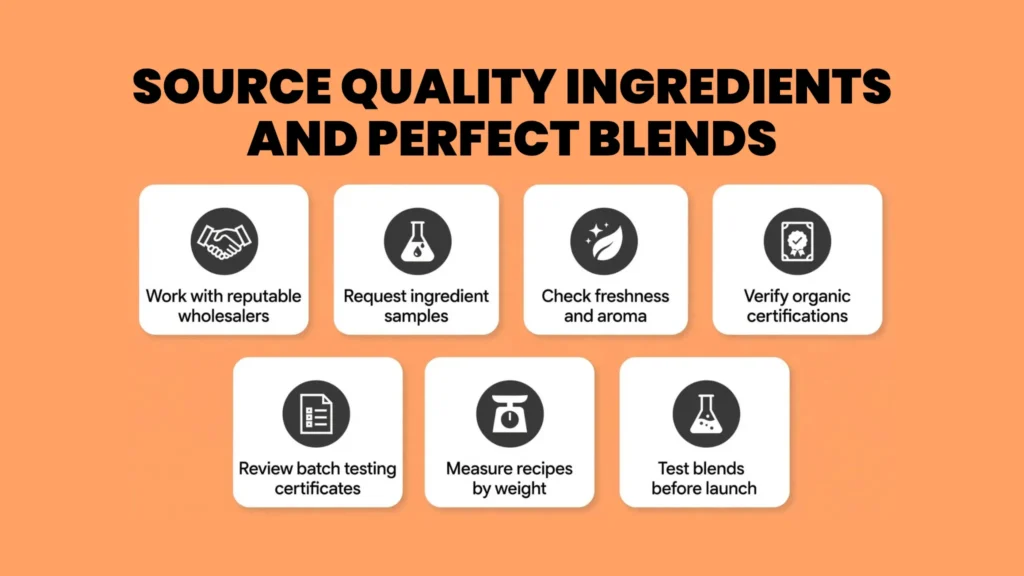
Freshness directly impacts flavor strength and aroma. Check for proper organic certifications, fair-trade practices, and batch testing certificates to guarantee food safety.
Step 3: Master Your Blends and Recipe Formulations
Now comes the fun part: working in the kitchen! Developing signature recipes takes patience, testing, and precise measurements. Always measure every single ingredient by weight, not volume. This ensures every batch tastes identical every time a customer re-orders.
Get feedback from friends, family, and local foodies before finalizing your lineup. Honest taste tests prevent costly mistakes down the line. At reliablestartup, we always remind founders that consistency builds trust faster than fancy packaging ever will.
Step 4: Handle Food Regulations and Permits
Selling edible items requires strict attention to food safety laws. Depending on your region, you may operate under local cottage food laws or require commercial licensing.
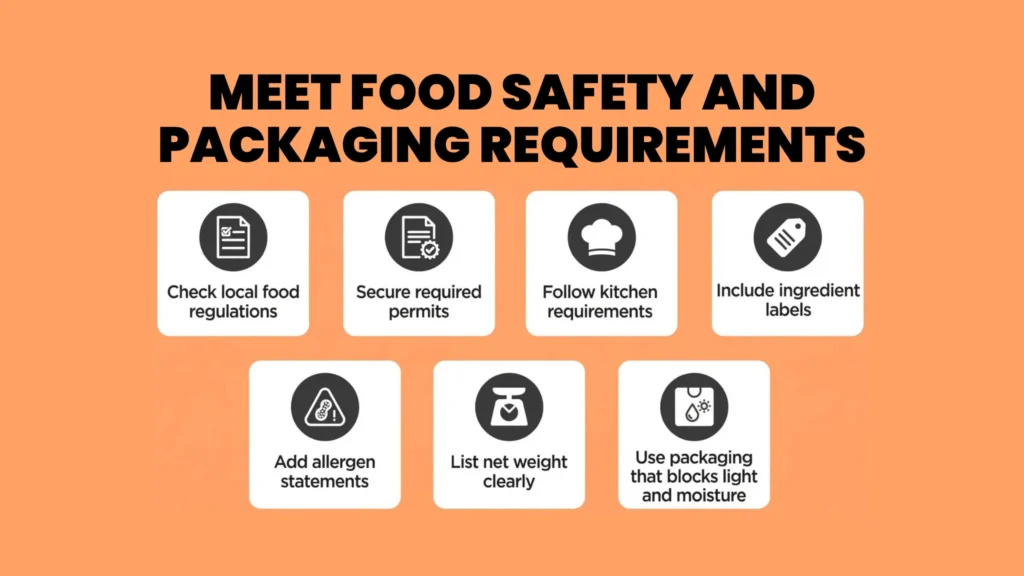
Check your local health department guidelines for proper food handler permits, kitchen inspections, and packaging label rules. Clear ingredient labels, allergen statements, and net weight listings keep you compliant and safe.
Step 5: Package and Brand Your Seasonings
Your product packaging serves as your silent salesperson on retail shelves and online photos. Choose jars or pouches that preserve freshness and shield contents from light and moisture. Clear glass jars look premium, while resealable foil pouches offer lower shipping costs and modern aesthetic appeal.
Ensure your visual brand identity matches your target audience. Sleek, minimalist labels work well for gourmet shops, while vibrant graphics grab attention at weekend markets.
Step 6: Master Selling Spices Online
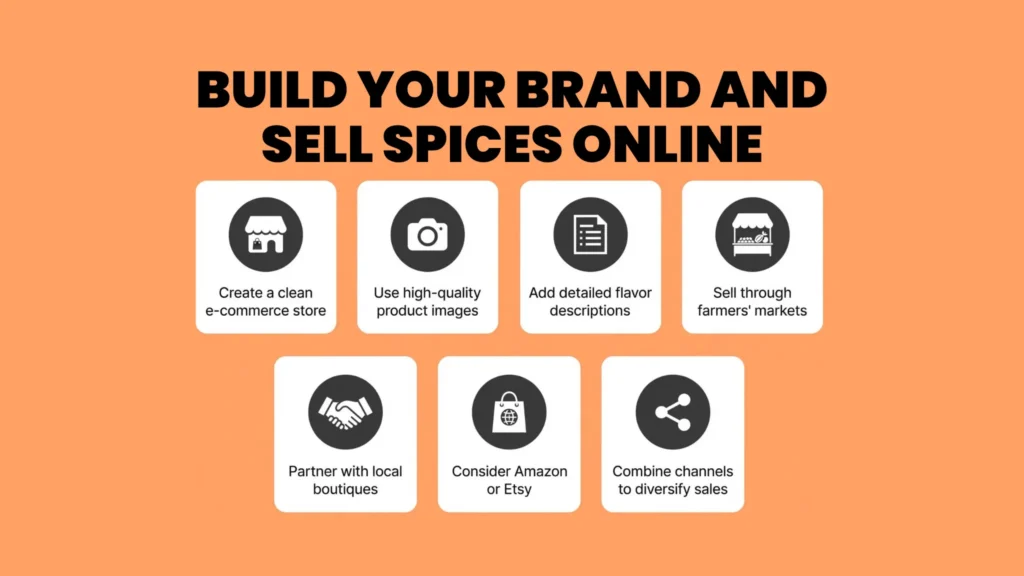
Building a storefront is easier than ever. Selling spices online gives you direct access to customers worldwide without massive overhead costs. Build a clean website using modern e-commerce platforms. High-quality imagery and detailed flavor notes help shoppers virtually experience your product.
| Channel | Pros | Cons |
| Custom Online Store | Full brand control, high margins | Requires self-driven traffic |
| Farmers’ Markets | Instant feedback, direct sales | Weather dependent, high manual labor |
| Local Boutiques | Great local exposure | Lower margins due to wholesale pricing |
| Amazon / Etsy | Built-in customer search volume | High competition and marketplace fees |
Combine multiple sales channels to diversify your income streams. Selling at weekend pop-up events drives direct visitors to your website for automated repeat orders.
Step 7: Scale Your Spice Business Operations
As orders grow, manually mixing, filling, and labeling jars will consume all your time. Plan ahead for production upgrades to keep pace with demand. You can rent space in a certified commercial kitchen or partner with a co-packer who handles blending and bottling based on your proprietary recipes.
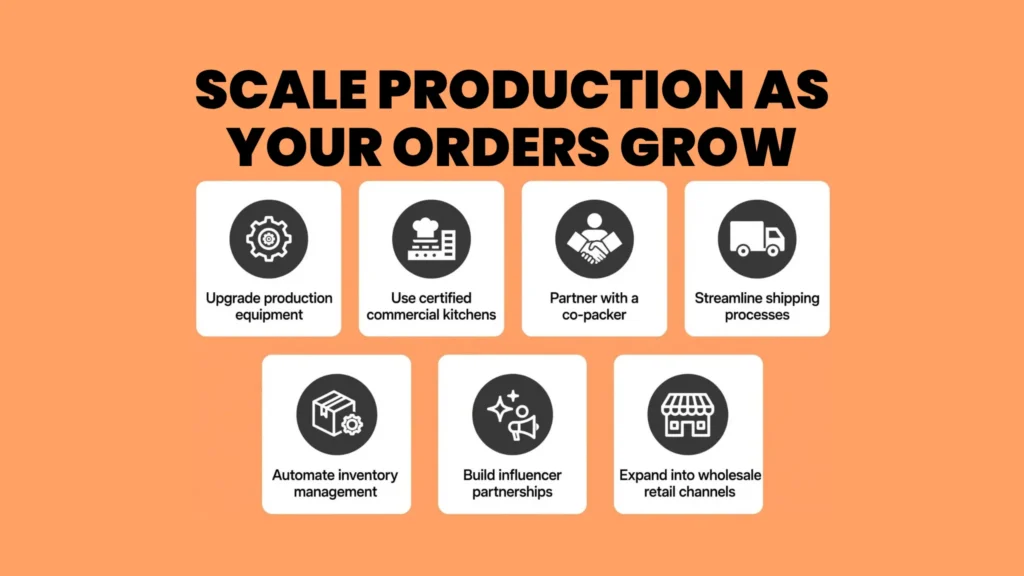
Streamlined shipping processes guarantee fast order deliveries. Happy customers share their positive purchases, which naturally drives organic traffic to your spice business. Using simple automated software tools from sites like reliablestartup can help streamline order processing and inventory control as you expand.
When you master selling spices online, your focus naturally pivots from manual production to brand storytelling, influencer collaborations, and wholesale retail partnerships.
Conclusion
Learning how to start a spice business opens doors to a flexible, rewarding venture. By creating unique recipes, focusing on clear spice brand ideas, and selling spices online, you can turn small flavor experiments into a thriving brand. Start small, maintain high quality, and build genuine connections with your customer base to grow your new venture with confidence.
Frequently Asked Questions
How much money do you need to start a spice business?
In most cases, you can launch a small home-based startup with $500 to $1,500 for initial ingredients, packaging, labels, and basic equipment.
Can you make and sell spice blends from home?
Yes, generally you can under local cottage food laws, provided your jurisdiction permits non-perishable dry seasonings to be produced in home kitchens.
How do you keep custom spice blends fresh longer?
Store completed inventory in airtight containers away from heat, light, and humidity, which generally preserves peak aroma and flavor profile for up to 12 months.
Is running a spice company profitable?
Yes, estimated gross profit margins for custom seasonings frequently range between 60% and 80%, making it a highly lucrative food niche.