Honey Business Guide: How to Start, Sell and Scale
Key Takeaways
Low start-up costs of a honey business with high growth potential
Hands-on apiary setup and hive management
Strategic honey brand packaging that stands out
E-commerce channels for selling honey online
Sustainable scaling strategies for long-term profit
Ever wondered if you could turn that sweet golden jar on your kitchen table into a profitable side hustle? Starting a honey business is actually one of the most rewarding ways to step into entrepreneurship. You do not need thousands of dollars or a massive farm to begin. With a handful of healthy hives, a clear plan, and the right branding, you can turn a passion for nature into a buzzing, sustainable enterprise.
If you want to start a honey business, you need to combine basic apiary care with a solid business strategy. Begin by learning essential hive management, securing local permits, and setting up clean extraction equipment. Next, design eye-catching custom jars, define your target market, and build an online store to reach local buyers and digital customers alike.
Starting a honey business combines sustainable beekeeping with smart online retail and distinct product packaging. To build a successful brand, aspiring entrepreneurs must source quality hives, register their business, and create clear, food-safe labels. By leveraging direct-to-consumer digital channels alongside local markets, you can build a profitable, scalable business that delivers raw, natural products directly to consumers.
Is Honey Business Really Such a Sweet Opportunity?
Have you noticed how many people are ditching refined sugar for natural sweeteners lately? The demand for local, raw, and organic products has skyrocketed over the past few years. People want pure, unadulterated food and are becoming more conscious of their healthy food choices. Real raw honey fits that bill perfectly.
Starting a beekeeping business allows you to tap right into this growing market. It gives you complete control over your production quality while helping support local plant pollination and environmental health.
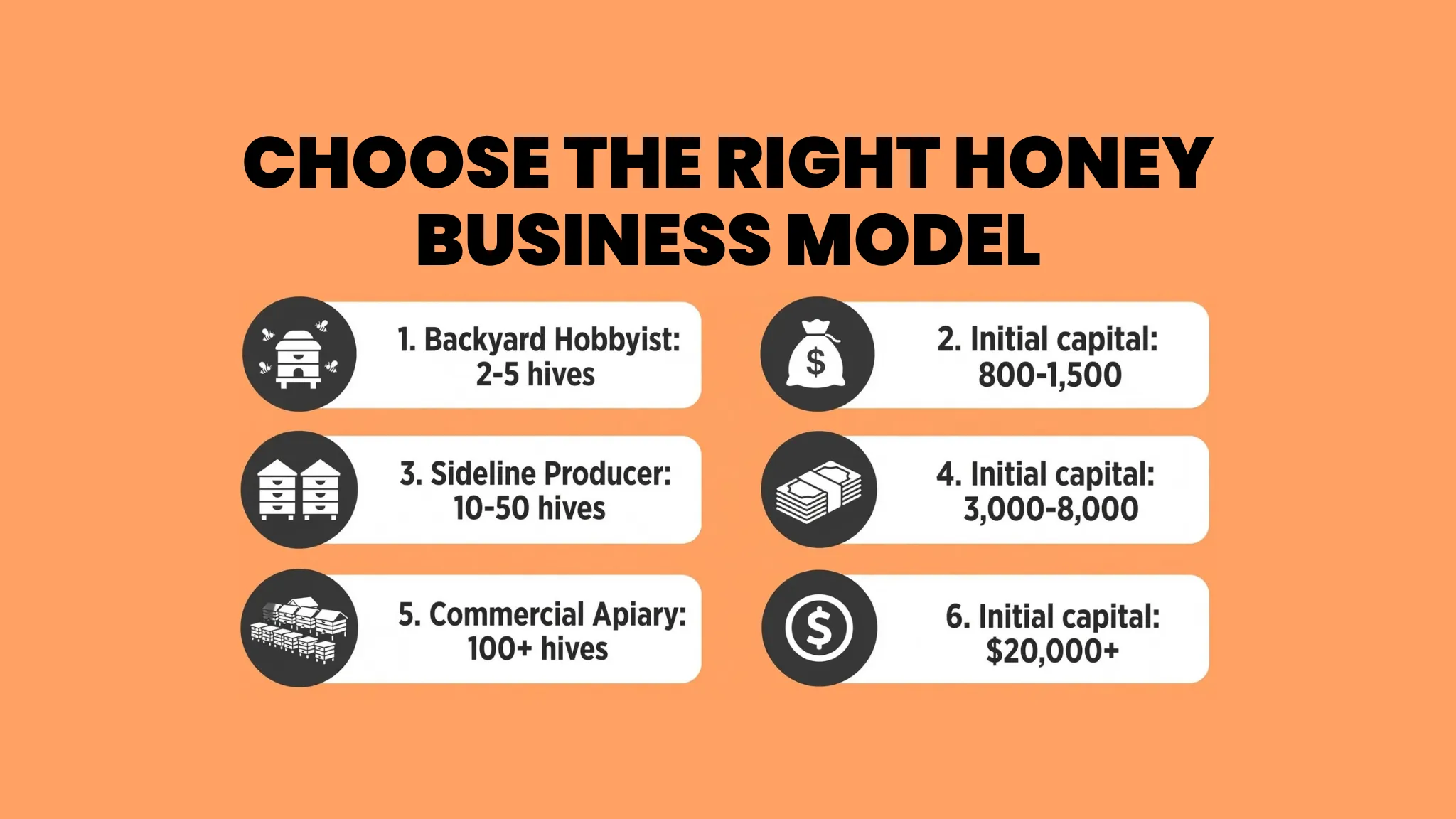
| Business Model Phase | Primary Focus Area | Typical Initial Capital Required | Key Success Factor |
| Backyard Hobbyist | 2 to 5 hives for local supply | $800 – $1,500 | Hive health & local word-of-mouth |
| Sideline Producer | 10 to 50 hives with mixed distribution | $3,000 – $8,000 | Distinct branding & store stockists |
| Commercial Apiary | 100+ hives with bulk processing | $20,000+ | Efficient harvesting & automated line |
In most cases, you can start small right in your own backyard or on leased agricultural land. You do not need to quit your day job on day one. You can grow your hive count gradually as your customer base expands.
Phase 1: Mastering Your Beekeeping Business Startup
Before you sell your first jar, you need to understand the creatures making the product. Bees are fascinating, but they need proper care, shelter, and seasonal maintenance to thrive.
Getting the Right Gear and Bees: Honey Business
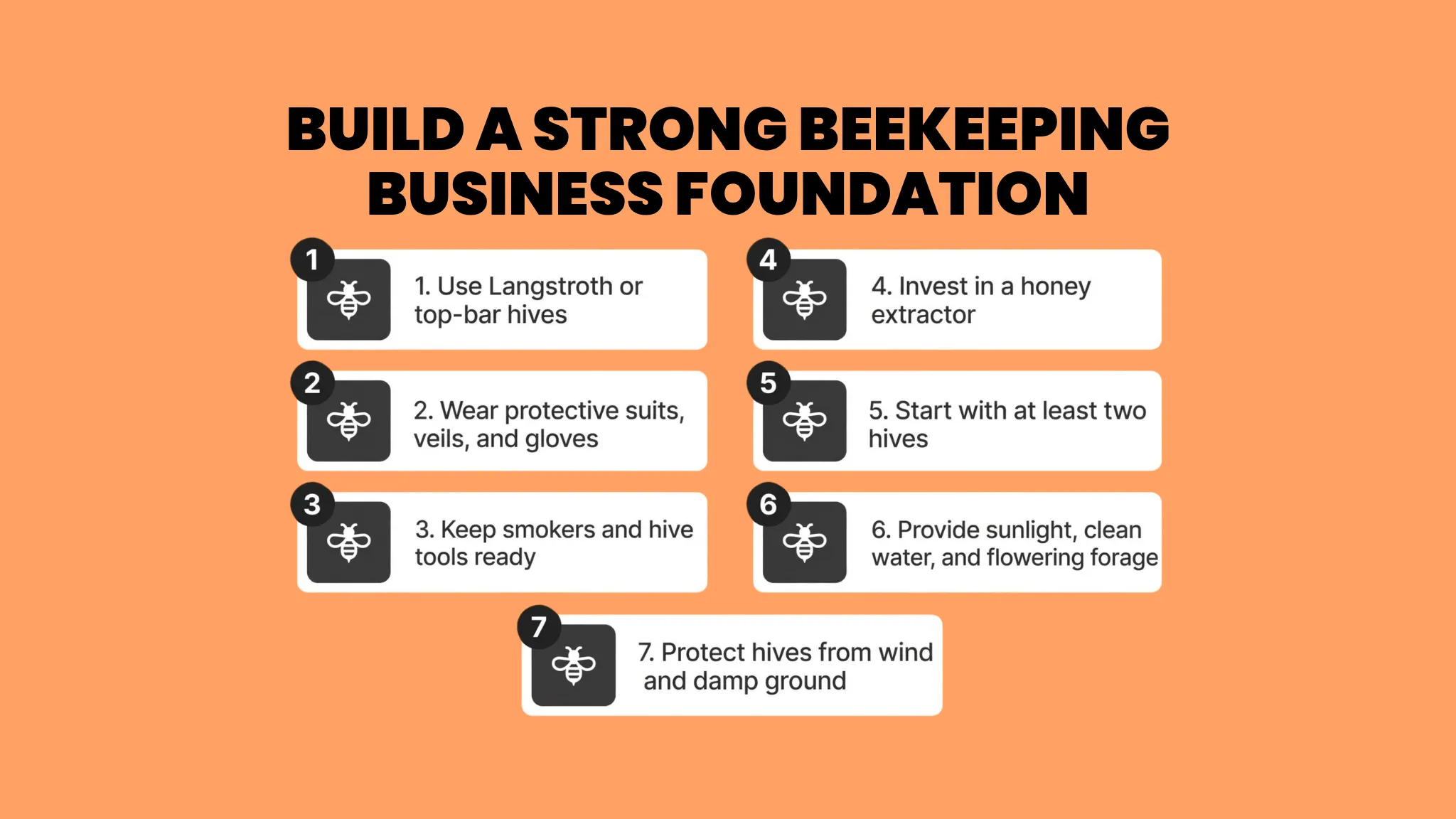
To launch a successful beekeeping business startup, you need basic equipment:
Wooden Langstroth or top-bar hives
Protective suits, veil, and heavy-duty gloves
Smoker and hive tools for gentle hive inspections
Honey extractor and food-grade settling buckets
You can purchase package bees or “nucs” (nucleus colonies) from reputable local breeders. Starting with at least two hives is generally recommended because it lets you compare colony growth and share resources if one hive struggles.
Finding the Ideal Location
Where should you put your hives?
Bees need access to early morning sunlight, clean water, and plenty of flowering forage within a two-mile radius. Keep them sheltered from high winds and elevated off damp ground to prevent pests.
If you lack space at home, ask local farmers or suburban landowners. Many are thrilled to host hives in exchange for free pollination and a couple of jars of fresh honey every season.
For step-by-step guidance on setting up your infrastructure and evaluating land options, practical resources on reliable startup can help you plan your initial operations smoothly.
Phase 2: Harvesting and Processing Golden Honey
Harvesting day is easily the most exciting time of the year for any beekeeper. However, handling food items requires strict cleanliness and patience.
The Uncapping and Centrifugal Extraction Step
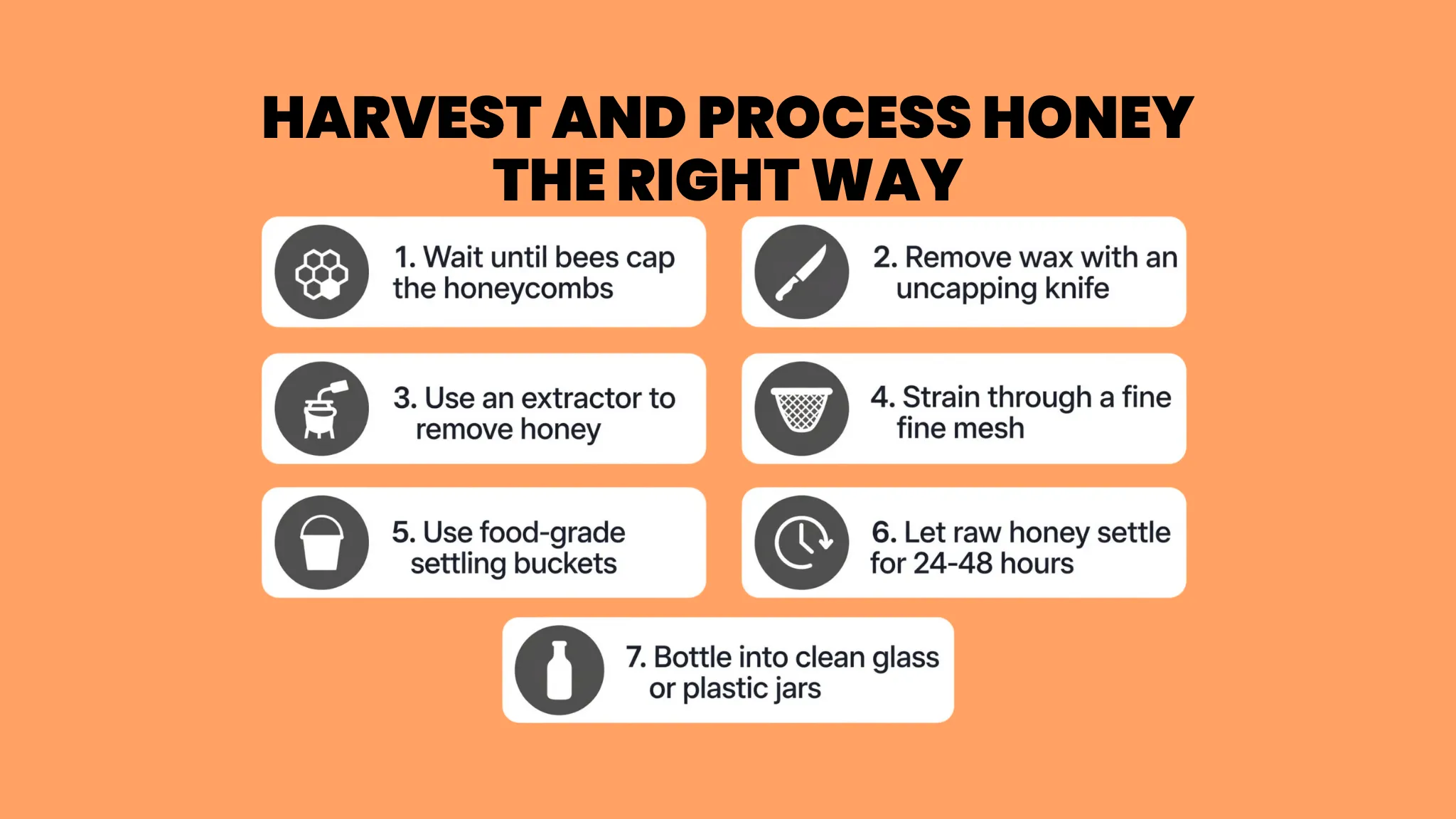
Once your bees cap the honeycombs with white wax, the honey is ripe and ready. You remove the wax cappings using a special uncapping knife or scratching fork. Place the frames into a mechanical or electric honey extractor, which spins them rapidly to force the honey out without destroying the wax comb underneath.
Straining and Bottling: Honey Business
Pass the raw extracted liquid through a fine mesh strainer into a food-grade settling bucket. Avoid heating or micro-filtering your honey if you plan to sell it as raw and natural. High heat destroys beneficial enzymes and delicate floral aromas that customers love. Let the raw liquid settle for 24 to 48 hours so air bubbles rise to the top before you fill your glass or plastic jars.
Phase 3: Crafting Standout Honey Brand Packaging
How do you make your jar grab attention on a crowded store shelf or digital feed? Your honey brand packaging tells your brand story before the customer even tastes the product.
| Packaging Aspect | Glass Jars | Plastic Squeeze Bottles |
| Visual Appeal | Premium, artisanal, eco-friendly look | Casual, family-friendly, convenient use |
| Shipping & Handling | Heavy, fragile, higher freight cost | Lightweight, shatterproof, lower shipping cost |
| Customer Preference | Gourmet buyers & gift shoppers | Daily kitchen use & kids’ snacks |
| Granulation Handling | Easy to warm in water baths | Harder to warm without warping the bottle |
Labeling Requirements and Design Aesthetics
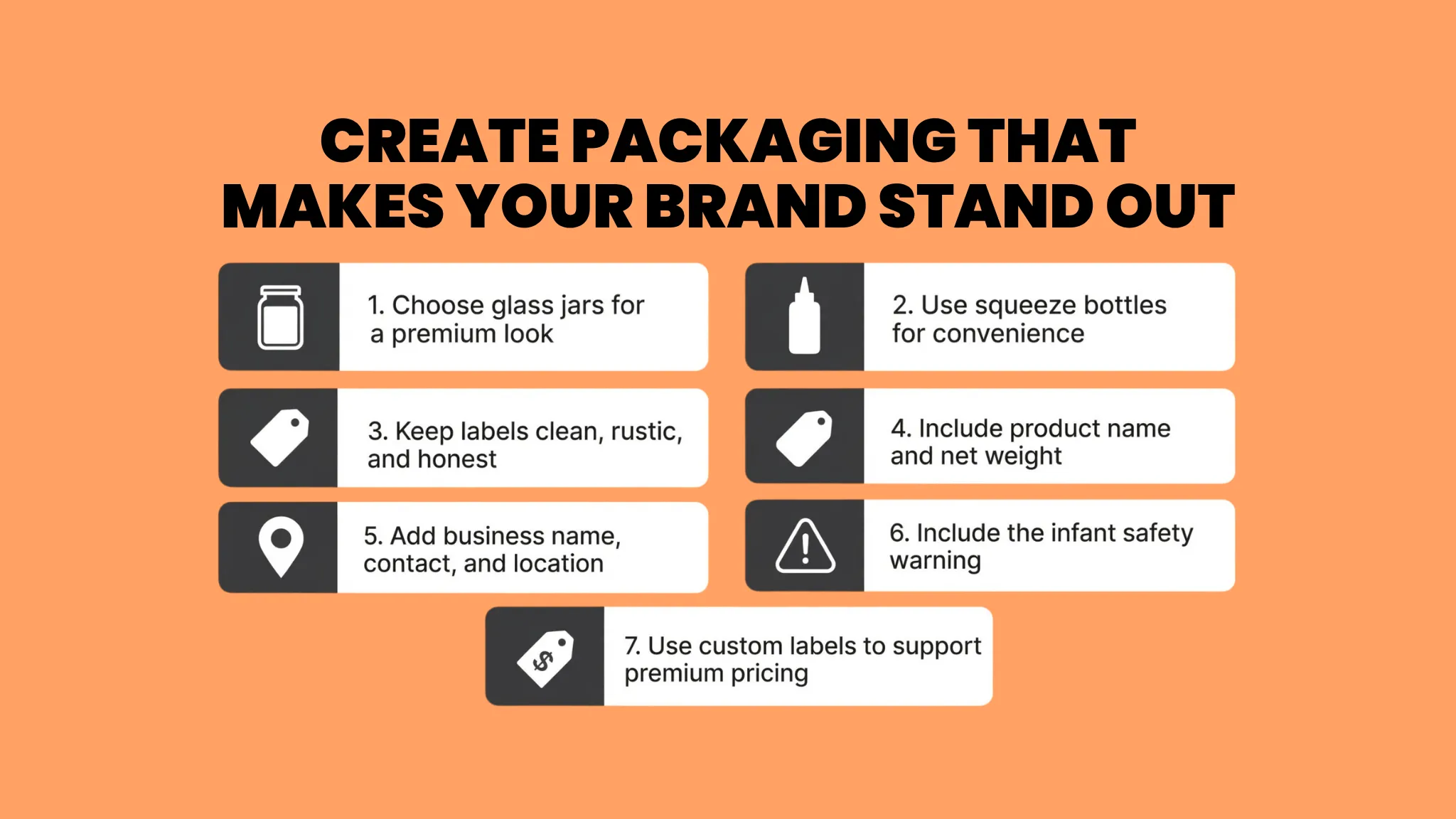
Keep your design clean, rustic, and honest. Your label should clearly state:
Product name (e.g., Raw Wildflower Honey)
Net weight in both ounces and grams
Your business name, contact info, and location
An allergen warning stating not to feed honey to infants under one year old
Using premium glass jars with custom printed labels creates an instant high-end impression that justifies higher price points. If you need help creating business plans, designing logos, or organizing your brand assets, Reliablestartup offers helpful tools tailored for early-stage founders.
Phase 4: Selling Honey Online and Locally
Relying solely on local roadside stands limits your reach. To build a thriving business, you should embrace multi-channel sales.
Setting Up Your E-Commerce Store: Honey Business
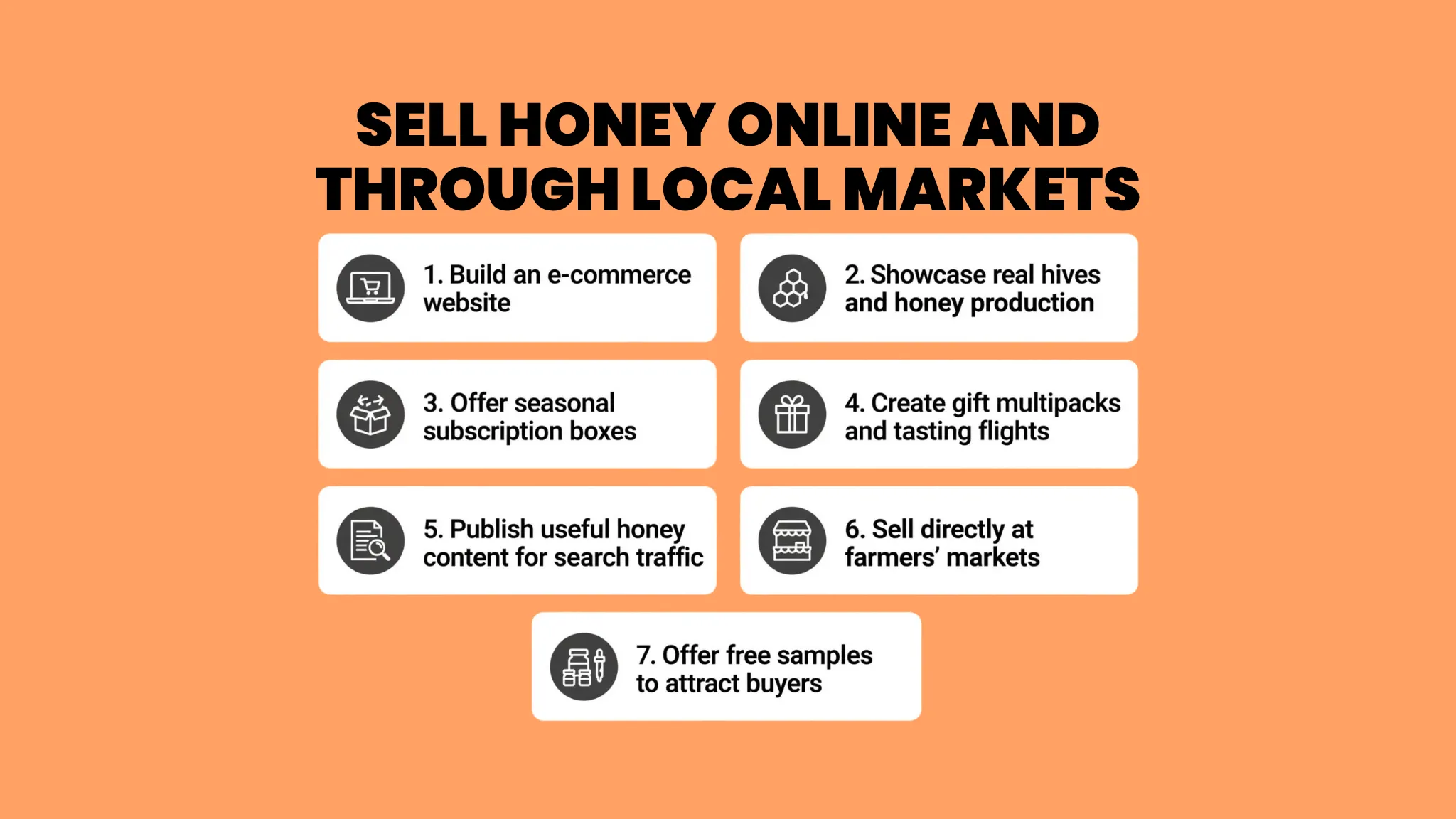
Selling honey online opens your business to customers across the country. Build a clean website using platforms like Shopify, WooCommerce, or Squarespace. Show off high-resolution photos of your apiary, the extraction process, and close-up shots of your golden jars.
To boost your sales when selling honey online, share your brand story clearly:
Share photos of your actual hives and local fields
Offer subscription boxes for seasonal honey harvests
Package multi-packs or tasting flights for holiday gifts
Write clear blog posts about raw honey benefits to attract search traffic
Winning at Local Farmers’ Markets: Honey Business
Farmers’ markets offer instant feedback from real customers. Set up an inviting, clean booth decorated with wooden crates, fresh flowers, and honeycombs. Offer free sample tastes on small wooden sticks. Once people taste real, raw local honey, they rarely go back to factory-processed supermarket brands.
Phase 5: Navigating Legal and Food Safety Rules
Selling food items means taking safety seriously. While pure honey naturally resists spoilage, you still need to follow local regulations.
Cottage Food Laws vs. Commercial Kitchens
In many states and regions, raw honey falls under Cottage Food Laws. These rules often allow small-scale beekeepers to extract and sell honey directly to consumers from home without expensive commercial kitchen licenses.
However, if you plan to sell through grocery stores or across state lines, you will generally need to register your facility with your local Department of Agriculture and follow strict food-handling guidelines.
Business Registration and Insurance: Honey Business
Protect your enterprise by setting up a formal business entity, such as an LLC. Make sure to get general liability insurance that covers food products and stings, especially if you host farm tours or sell at public events.
Phase 6: Scaling Your Honey Empire
Once your hives are healthy and your jars are selling out, how do you keep growing your honey business? You do not have to rely only on liquid honey jars to grow your revenue.
Expanding into Value-Added Products
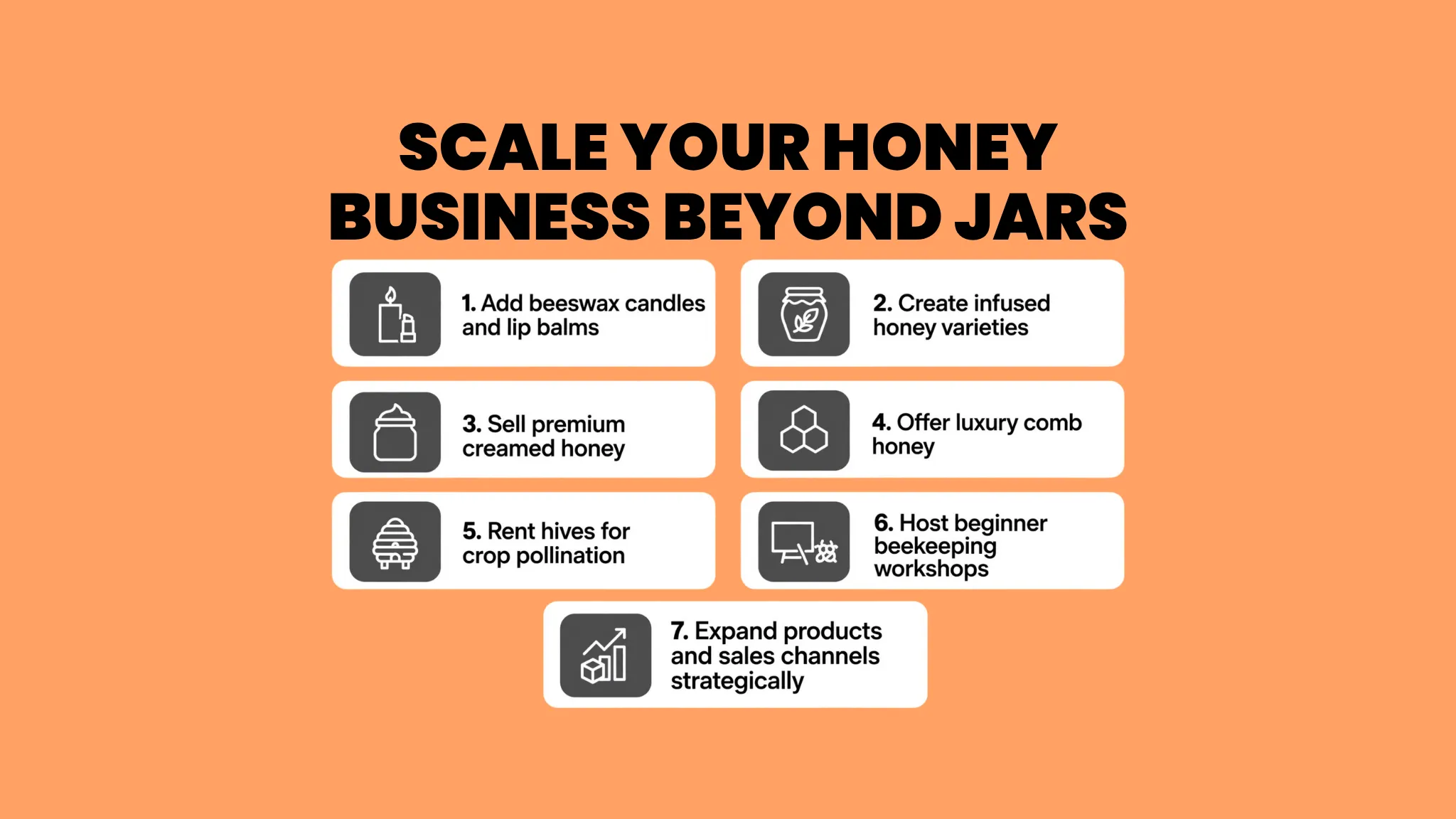
Beeswax Goods: Render leftover hive wax into clean candles, lip balms, or natural leather conditioners.
Infused Honeys: Steep hot peppers, lavender, or cinnamon in warm honey to create specialty gourmet offerings.
Creamed Honey: Control crystallization to craft smooth, spreadable honey that commands premium prices.
Comb Honey: Sell fresh cut honeycomb chunks directly inside jars for a visual, luxury presentation.
Offering Services Beyond the Jar
You can also offer hive rental services to local farmers who need crop pollination. Alternatively, teach weekend workshops for beginners who want to learn how to launch their own beekeeping business.
When expanding your product lines and marketing channels, checking out strategic templates on Reliablestartup can help you streamline operations without burning out.
Conclusion: Honey Business
Starting a honey business is a wonderful journey that combines outdoor work, environmental stewardship, and rewarding small business ownership. By focusing on colony health, crafting unique honey brand packaging, and actively selling honey online, you can build a memorable brand that customers love. Step by step, your local ingredient sourcing can become an important part of building a flourishing honey enterprise that yields sweet rewards for years to come.
Frequently Asked Questions
How much money do I need to start a honey business?
Based on available data, most beginners start with $1,000 to $2,000 for hives, tools, protective suits, and initial bees.
Is a honey business profitable in the first year?
In most cases, hives focus on colony growth during year one, so profits generally pick up during the second season.
How do I set prices when selling honey online?
Research competitor pricing, calculate your packaging and shipping costs, and price your artisanal honey to cover expenses while earning a healthy margin.
What makes honey brand packaging effective?
Eye-catching labels, eco-friendly glass jars, clear origin details, and authentic brand storytelling help your product stand out on store shelves.