15 Easy Businesses to Start in 2026 With Low Startup Costs and Simple Operations
Launching a new venture no longer requires massive capital, physical storefronts, or complex supply chains. In today’s digital economy, the threshold for starting a business is lower than ever. Aspiring entrepreneurs can launch a venture using skills they already possess, zero-inventory fulfillment models, or simple home-based operations.
Whether you are looking for easy businesses to start to achieve full-time financial independence or simply seeking a high-margin side hustle, choosing the right model is critical. The ideal business balances low upfront investment with operational simplicity and consistent market demand.
Below is a curated breakdown of 15 of the easiest businesses to start this year, categorized by home-based models, digital operations, and local service opportunities.
Low Cost Business Ideas: Key Evaluation Matrix
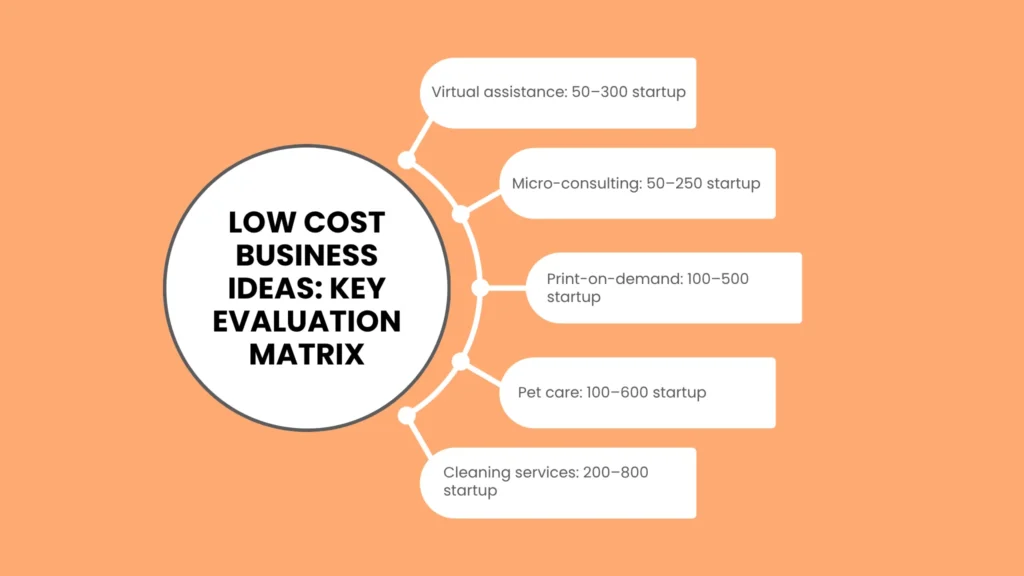
Before selecting a model, compare how these simple business ideas measure up in terms of initial investment, skill requirements, and earning potential.
| Business Category | Startup Cost Range | Key Operational Focus | Primary Advantage |
| Virtual Assistance & Admin | $50 – $300 | Executive calendar & email organization | Instant launch; immediate cash flow. |
| Print-on-Demand (POD) Store | $100 – $500 | Design curation & digital ad management | Zero inventory risk; automated fulfillment. |
| Local Mobile Pet Grooming/Care | $100 – $600 | Client scheduling & pet safety | High repeat customer retention rate. |
| Micro-Consulting & Coaching | $50 – $250 | Specialized knowledge distribution | Industry-leading profit margins (80%+). |
| Residential Cleaning Services | $200 – $800 | Quality assurance & local routing | Constant demand; predictable recurring revenue. |
Top 5 Easy Businesses to Start From Home
If you want to avoid commercial leases and commute times, starting a service or digital product venture directly from your living room offers the fastest path to profitability.
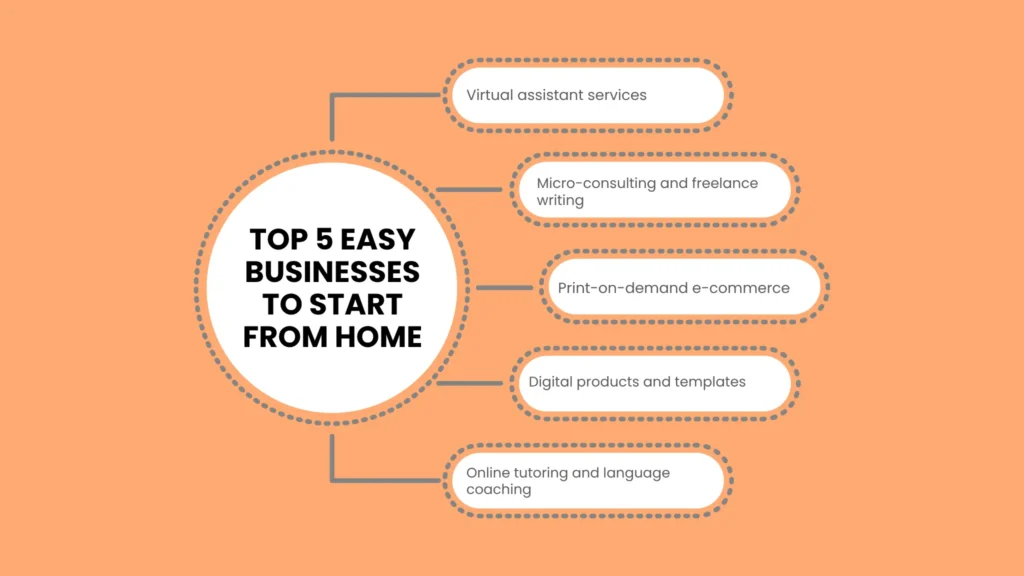
1. Fractional Virtual Assistant (VA) Services
Small business owners, startup founders, and executives routinely outsource administrative bottlenecks. As a virtual assistant, you manage schedules, handle customer service emails, coordinate travel, or organize digital files.
Startup Cost: Under $100 (laptop and internet connection).
Why It’s Simple: You use existing software tools (Slack, Google Workspace, Notion) without needing technical certifications.
2. Micro-Consulting and Freelance Writing
If you have experience in marketing, finance, human resources, or technical fields, selling your expertise on a project basis is one of the lowest-risk models available. You can package your skills into defined consulting audits or ongoing advisory retainers.
Startup Cost: $50 – $200 (domain name, professional email, and video calling software).
Why It’s Simple: You trade expertise directly for revenue without managing physical inventory or shipping logistics.
3. Print-on-Demand (POD) E-Commerce
Unlike traditional retail that requires purchasing inventory upfront, Print-on-Demand allows you to sell custom-designed apparel, mugs, totes, and wall art without holding stock. When a customer places an order on your store, a third-party supplier prints, packages, and ships the item directly to the buyer.
Startup Cost: $100 – $300 (Shopify storefront setup and basic design software).
Why It’s Simple: Zero risk of unsold stock; production and logistics are entirely outsourced. If e-commerce interests you but POD feels too generic, our guide on low-cost business ideas covers more specialized niche retail options.
4. Digital Product Creation (Templates & Toolkits)
Creating downloadable digital assets—such as Excel financial models, Notion productivity hubs, social media templates, or specialized industry checklists—allows you to build an asset once and sell it infinitely.
Startup Cost: $0 – $100 (Etsy or Gumroad store hosting).
Why It’s Simple: Completely passive fulfillment after the initial creation phase; 90%+ net profit margins.
5. Online Tutoring and Language Coaching
Global demand for specialized tutoring, language practice, and professional test prep continues to grow. Platforms like Preply, iTalki, or your own video conferencing setup allow you to teach students worldwide from home.
Startup Cost: $50 – $150 (webcam and noise-canceling headset).
Why It’s Simple: Structured curriculum allows for immediate startup with minimal preparation.
5 Simple Digital & Online Business Models
Digital service agencies require minimal startup overhead while capturing strong, recurring monthly retainers from B2B clients.
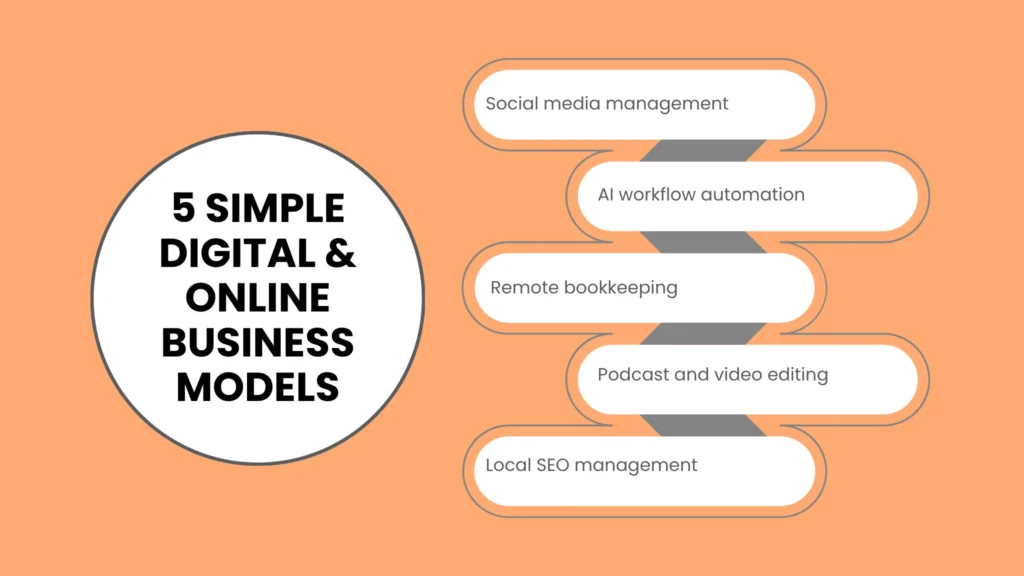
6. Social Media Management for Local Businesses
Many local service providers—plumbers, roofers, dentists, and restaurants—struggle to keep their social media channels updated. By creating content calendars, publishing updates, and replying to customer inquiries, you solve a direct pain point for local business owners.
Startup Cost: $100 – $300 (social scheduling software and design tools).
Why It’s Simple: Relies on basic content scheduling tools and straightforward communication workflows.
7. AI Prompt Engineering & Workflow Automation
Businesses are eager to adopt productivity tools but often lack the internal knowledge to set up custom automated workflows. Helping small companies automate email sorting, lead intake forms, or customer support responses provides immediate, measurable ROI.
Startup Cost: $100 – $200 (subscription to automation platforms like Zapier or Make).
Why It’s Simple: Uses no-code, drag-and-drop integration builders instead of complex custom software development.
8. Bookkeeping and Remote Financial Admin
If you have a knack for numbers, providing basic remote bookkeeping—categorizing expenses, reconciling monthly bank statements, and issuing invoices—is a highly stable model.
Startup Cost: $200 – $500 (accounting certification courses and software access).
Why It’s Simple: Clear, repeatable monthly routines; high client retention because businesses rarely switch bookkeepers.
9. Podcast & Video Editing Services
Content creators and corporate marketing departments record vast amounts of audio and video but often lack the time to edit, trim, and polish raw footage. Offering audio cleanup, short-form reel clipping, and basic color grading creates steady work.
Startup Cost: $200 – $600 (editing software and mid-tier processing computer).
Why It’s Simple: Clear project briefs with standardized turnaround expectations.
10. Local Search Engine Optimization (SEO) Management
Local service contractors rely heavily on ranking in Google’s “Local Map Pack.” Helping local businesses claim their business profiles, manage customer reviews, and update local directory listings requires zero coding knowledge while delivering tangible client leads.
Startup Cost: $100 – $300 (SEO auditing and rank tracking software).
Why It’s Simple: Standardized checklist execution that generates high monthly retainer income.
5 High-Demand Local & Hands-On Service Businesses
If you prefer offline operations, local service businesses provide instant cash flow, strong local brand recognition, and protection against changing technology trends.
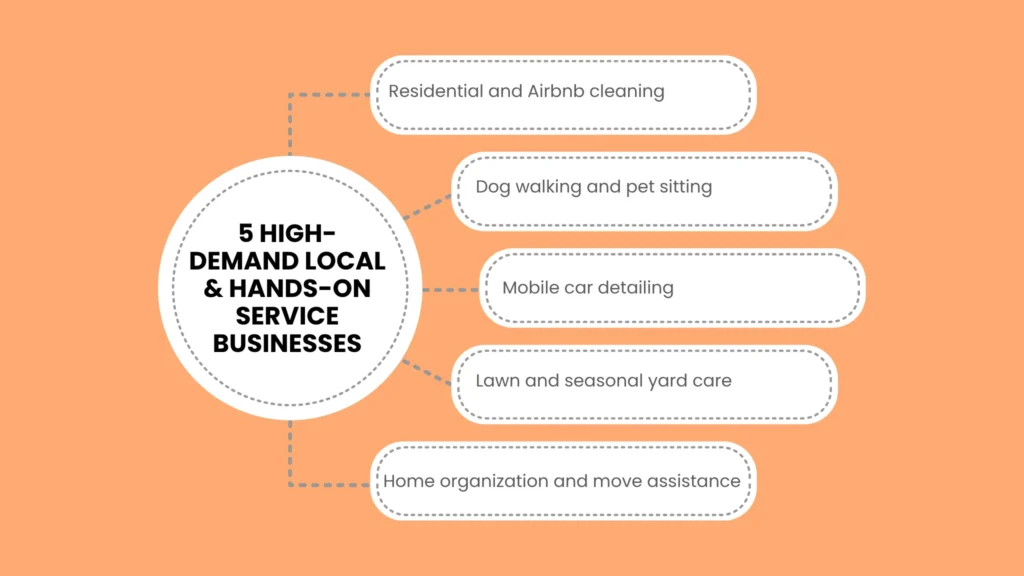
11. Residential & Airbnb Turnover Cleaning
Cleaning services remain one of the most reliable low cost business ideas. Managing residential house cleanings or short-term vacation rental turnovers offers fast payment cycles and high word-of-mouth referral rates.
Startup Cost: $200 – $500 (commercial cleaning supplies, vacuum, and microfiber kit).
Why It’s Simple: Immediate market demand, zero specialized equipment needed to launch, and predictable hourly or flat-rate billing. Ready to launch this specific model? Our step-by-step guide on how to start a cleaning business covers licensing, supplies, and client acquisition.
12. Professional Dog Walking and Pet Sitting
The pet care industry continues to see record spending. Offering daily dog walking, drop-in feeding, or overnight pet sitting for busy professionals requires minimal infrastructure while building a regular, recurring customer base.
Startup Cost: Under $100 (leashes, treats, waste bags, and basic insurance).
Why It’s Simple: Low overhead, immediate local demand, and easy client acquisition via neighborhood apps.
13. Mobile Car Detailing
Unlike traditional auto body shops, a mobile detailing operation brings cleaning equipment directly to the client’s driveway or workplace parking lot.
Startup Cost: $300 – $800 (pressure washer, shop vac, polishers, and detailing chemicals).
Why It’s Simple: High perceived value allows for strong package pricing ($150–$350 per vehicle) with minimal ongoing material costs.
14. Lawn Maintenance and Seasonal Yard Care
Offering basic residential lawn mowing, edging, leaf clearing, and garden weeding requires basic outdoor tools but produces steady weekly or bi-weekly recurring revenue.
Startup Cost: $400 – $1,200 (lawnmower, string trimmer, and leaf blower).
Why It’s Simple: Highly visible work that naturally markets itself to neighboring homeowners.
15. Home Organization and Move Assistance
Helping homeowners declutter closets, organize garages, or pack and unpack during residential moves caters directly to busy families and downsizing seniors.
Startup Cost: $50 – $200 (label maker, organization planners, and basic storage totes).
Why It’s Simple: Relies on personal organizational skills rather than heavy machinery or complex supply chains.
Step-by-Step Blueprint: Launching Your Business in 30 Days
To turn these simple business ideas into an active income stream, follow this 4-week execution framework:
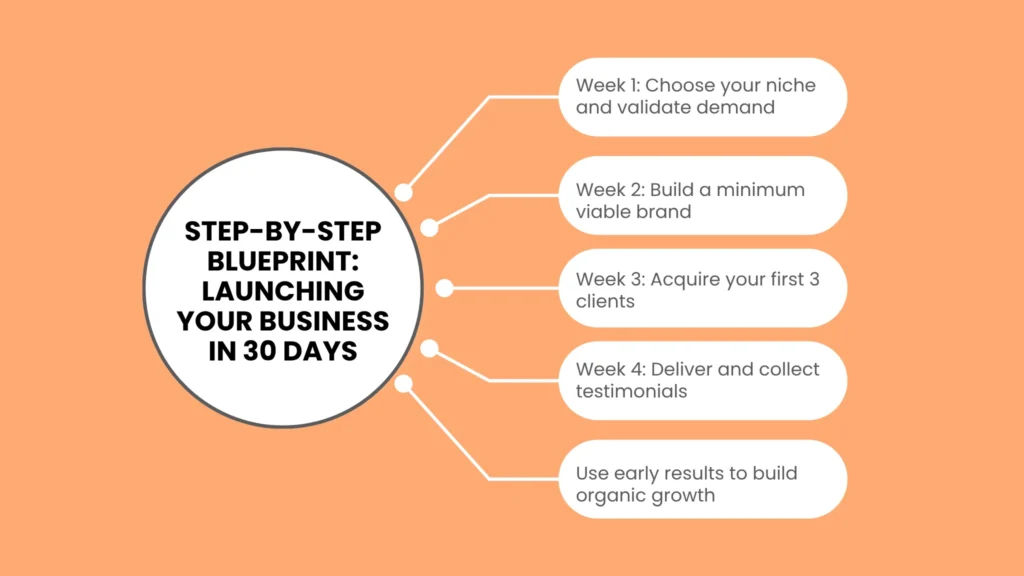
Week 1: Pick Your Niche & Validate Demand: Choose a model that aligns with your core strengths. Identify 10 ideal prospects or local competitors to confirm pricing benchmarks.
Week 2: Set Up a Minimum Viable Brand: Register your business structure (such as an LLC), launch a simple one-page website or booking page, and secure basic liability insurance.
Week 3: Acquire Your First 3 Clients: Reach out directly to your personal network, join local community forums, or send personalized direct mail or outreach to business owners.
Week 4: Deliver & Build a Review Engine: Focus on delivering exceptional initial service. Collect written testimonials and video reviews to convert early success into long-term organic client growth.
Conclusion
The key to entrepreneurial success this year isn’t having a revolutionary, venture-backed idea it’s executing a proven, high-demand business model with consistency and attention to customer service. Whether you choose a digital service, an e-commerce model, or a local hands-on offering, starting small keeps risk low while giving you room to scale. For detailed startup guides, operational templates, and step-by-step business planning frameworks, visit reliablestartup to access practical resources built for growing entrepreneurs.
Frequently Asked Questions
What is the easiest business to start with no money?
Service-based businesses—such as virtual assistance, freelance writing, consulting, or pet sitting—are the easiest to start with no money. Because you are selling your skills and time directly, your initial costs are virtually zero.
How do I choose between a product or service business?
Service businesses offer faster startup times, lower initial investment, and immediate cash flow. Product businesses (like e-commerce or digital downloads) require more upfront setup time but offer greater scalability long-term because fulfillment isn’t strictly tied to your hours worked.
Do I need an LLC to start a simple low-cost business?
While you can operate as a sole proprietorship initially, establishing a Limited Liability Company (LLC) separates your personal bank accounts and assets from your business liabilities, offering valuable protection as your client volume grows. The U.S. Small Business Administration’s guide to choosing a business structure outlines the legal and tax differences between sole proprietorships, LLCs, and corporations in more detail.