Sales Tax Nexus Small Business: When to Register in Another State
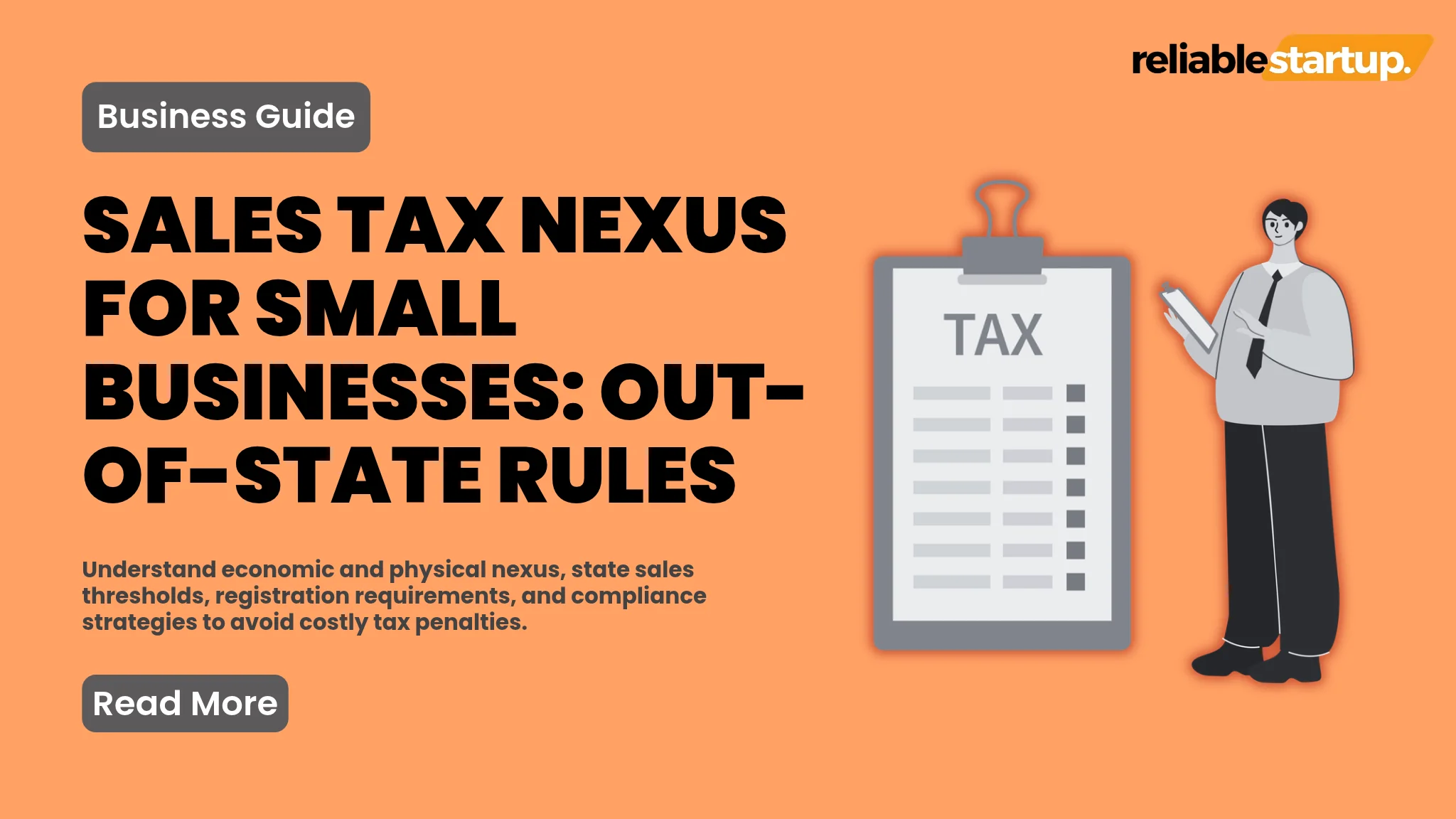
Running an online store or selling across state lines is an exciting milestone for any growing company. But then comes that confusing letter or news article about out-of-state sales tax obligations. Suddenly, you’re asking yourself whether selling a few products to customers in another state means you have to collect their local taxes. Understanding sales tax nexus for small business operations can help you determine when these tax collection responsibilities begin.
Understanding sales tax nexus small business rules is essential if you want to protect your hard-earned revenue from unexpected penalties. In simple terms, a nexus is a legal connection between your company and a state that requires you to collect and remit local sales tax. If your revenue or transaction count crosses a state’s threshold, you must register and start collecting tax from buyers in that area.
Sales tax nexus is the legal connection between a seller and a state that requires the business to collect and pay local sales tax. For a growing business, crossing specific economic thresholds through online sales, shipping products, or hiring remote workers in another state creates this obligation. Once created, owners must register with state tax agencies, collect tax at checkout, and file returns on time.
Key Takeaways
Economic thresholds trigger out-of-state collection obligations
Physical presence isn’t required to owe sales tax
Multi-state tracking prevents unexpected back taxes and fees
Timely registration protects your growing e-commerce profit margins
What Is Sales Tax Nexus and Why Does It Matter?
Have you ever wondered why an online invoice suddenly includes sales tax from a state hundreds of miles away? That happens because the seller has established what tax boards call a nexus.
For years, physical locations were the only triggers for local tax collection. If you didn’t have an office, warehouse, or employee in a state, you didn’t need to collect tax there. However, your business structure can also influence how your company handles tax reporting and compliance requirements.
Everything changed after a landmark Supreme Court decision allowed states to tax remote sellers. Now, making sales to residents in other states can trigger tax duties even if you never set foot there. Failing to recognize these connections leads to severe audit risks and back taxes. Knowing your responsibilities helps you set fair prices, protect cash flow, and run your operations with total peace of mind.
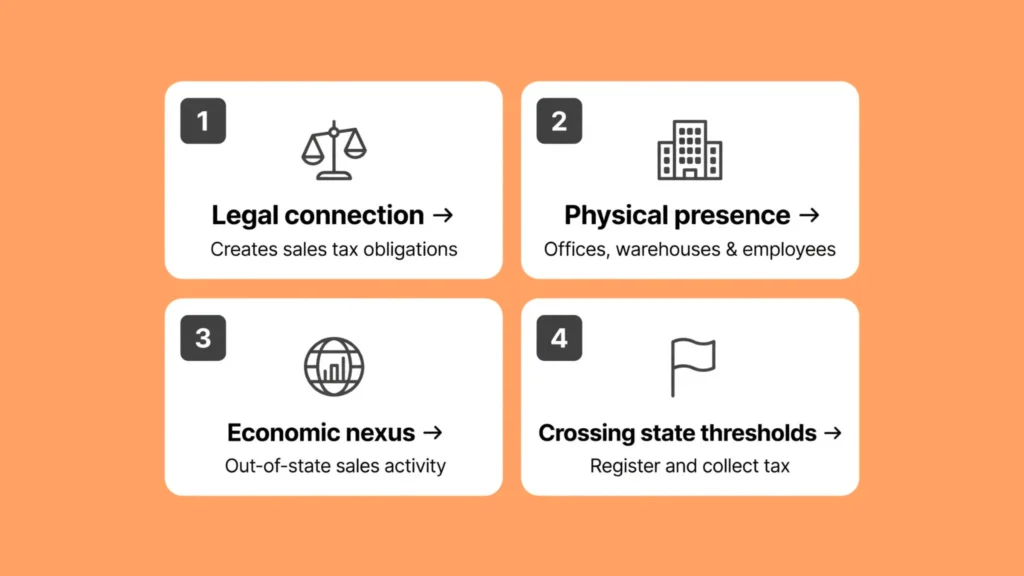
To understand the journey, think of how sales expansion leads to new duties. First comes out-of-state sales growth. Once you reach a state’s revenue or order limit, a sales tax nexus is established. From that moment, you must register with the state and collect local sales tax from your customers.
Physical vs. Economic Nexus: What Triggers the Requirement?
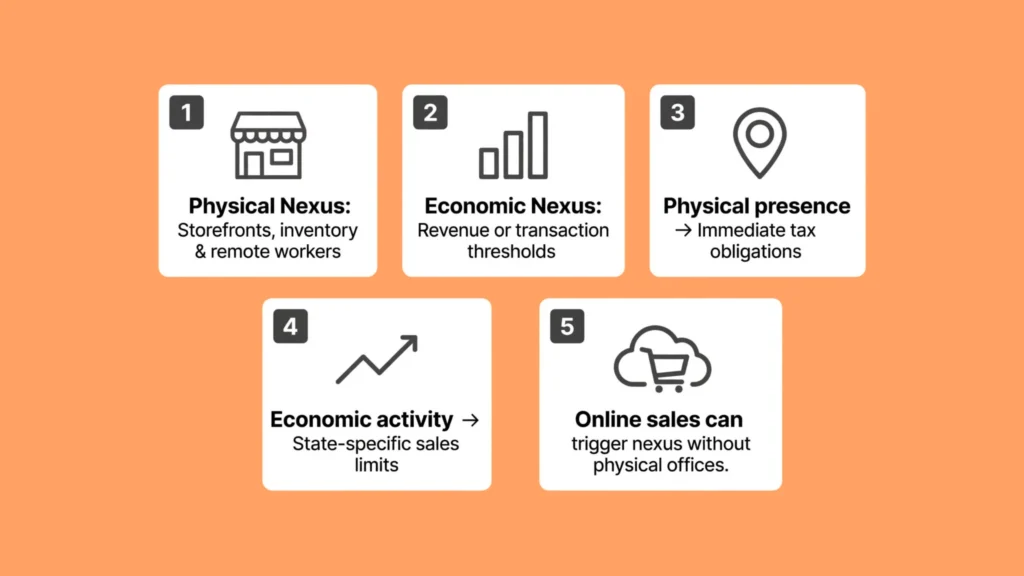
Understanding what triggers a legal tax obligation starts with knowing the two main types of connections. Physical presence remains an active trigger, but economic activity is now the primary driver for online businesses.
Physical presence includes offices, storefronts, inventory stored in third-party fulfillment centers, or employees working remotely. If you store goods in an out-of-state warehouse, you generally have a physical connection to that state.
Economic presence relies entirely on sales volume or total transactions within a calendar year. You don’t need physical property to trigger these rules; crossing a sales threshold automatically creates a legal responsibility.
| Nexus Type | Key Triggers | Primary Impact |
| Physical | Storefronts, warehouses, inventory, remote workers, tradeshow visits | Triggered immediately upon establishing physical presence or inventory |
| Economic | Gross revenue totals, individual transaction counts | Triggered after crossing state-specific annual sales or order thresholds |
Understanding Economic Nexus Thresholds Across States
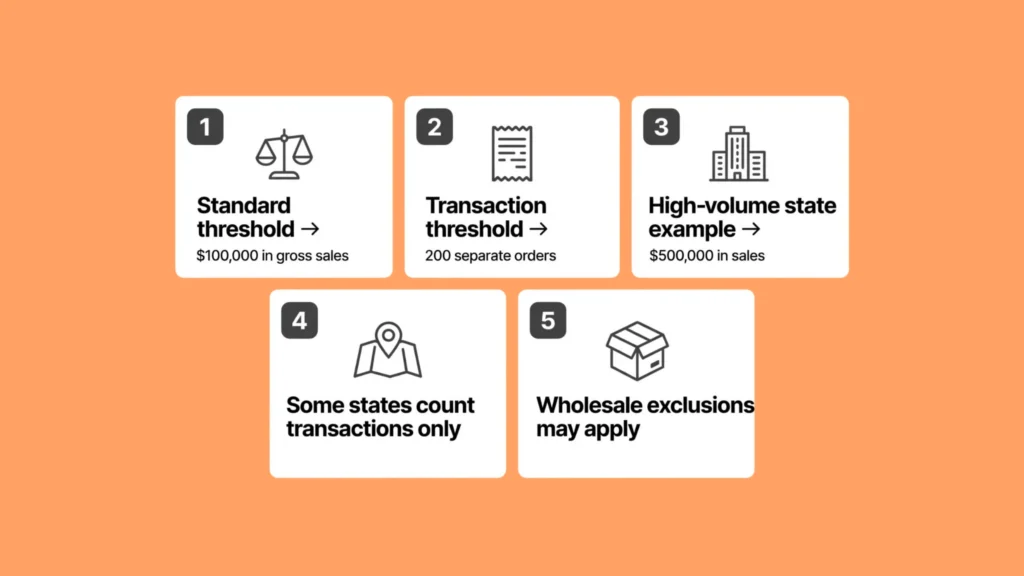
Every state sets its own rules regarding economic nexus thresholds for remote merchants. While many states use a standard baseline, others set higher limits or base rules on transaction numbers alone. Most states look at gross revenue generated over the current or previous calendar year. Some states also look at the total count of individual sales transactions made to local buyers.
Keeping track of these varying thresholds requires continuous monitoring of your sales data by destination state. Crossing a threshold means you must register before collecting a single dollar of tax from customers.
Standard State Limit: $100,000 in gross sales OR 200 separate transactions within a calendar year.
High-Volume State Limit: $500,000 in gross sales with no minimum transaction count required.
Strict Transaction States: Thresholds triggered solely by reaching a specific number of individual orders.
Wholesale Exclusions: States that exclude non-taxable wholesale transactions from calculated economic totals.
Managing Multistate Sales Tax as Your Business Grows
Expanding into new territories is a huge win, but managing multistate sales tax requires clear processes. Each state has different tax rates, filing frequencies, and exemptions. Understanding applicable business tax deductions and maintaining accurate accounting records can also help businesses manage their overall tax responsibilities.
Services like reliablestartup.com help expanding companies manage registration requirements and establish solid tracking routines. Having structured systems ensures you never miss critical filing dates as your sales scale up nationwide. Calculating the correct local rate requires accurate address validation down to the street level. Many states feature thousands of local tax jurisdictions with unique local add-on rates.
Where to Register for Sales Tax and How to Get Started?
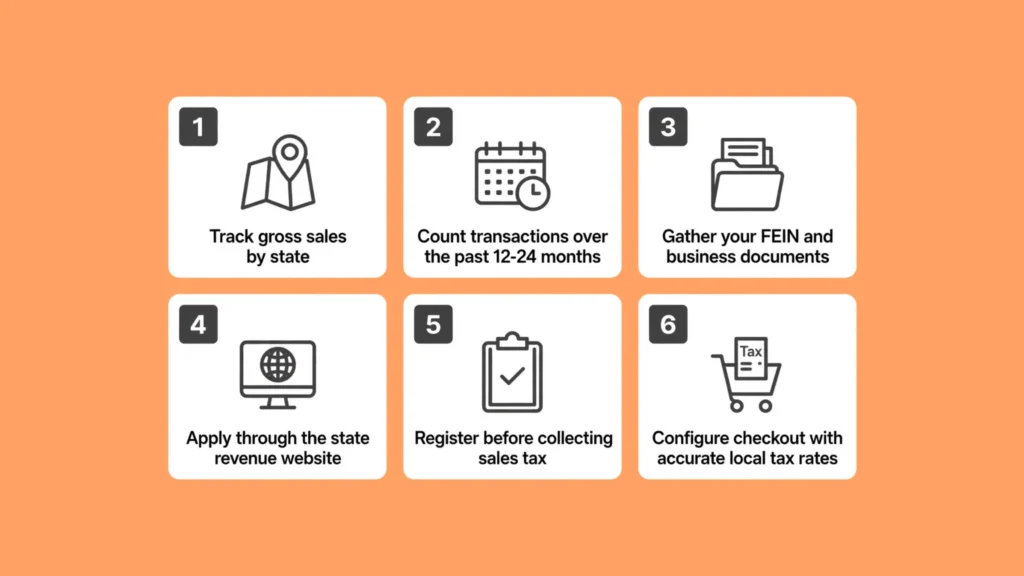
Knowing where to register for sales tax depends entirely on where your sales activity creates a legal obligation. You should never collect tax in a state until your business is fully registered with its department of revenue.
Collecting tax without a permit is illegal in almost every jurisdiction. Once registered, you’ll receive a state sales tax permit that allows you to collect and remit funds legally.
Gather your Federal Employer Identification Number (FEIN), business entity details, and state formation documents.
Calculate exact gross sales and transaction numbers for every state over the past 12 to 24 months.
Visit the state revenue website or use a registration service to complete your application.
Update your e-commerce checkout software to apply accurate state and local tax rates immediately.
Step-by-Step Guide to Managing Out-of-State Sales Tax
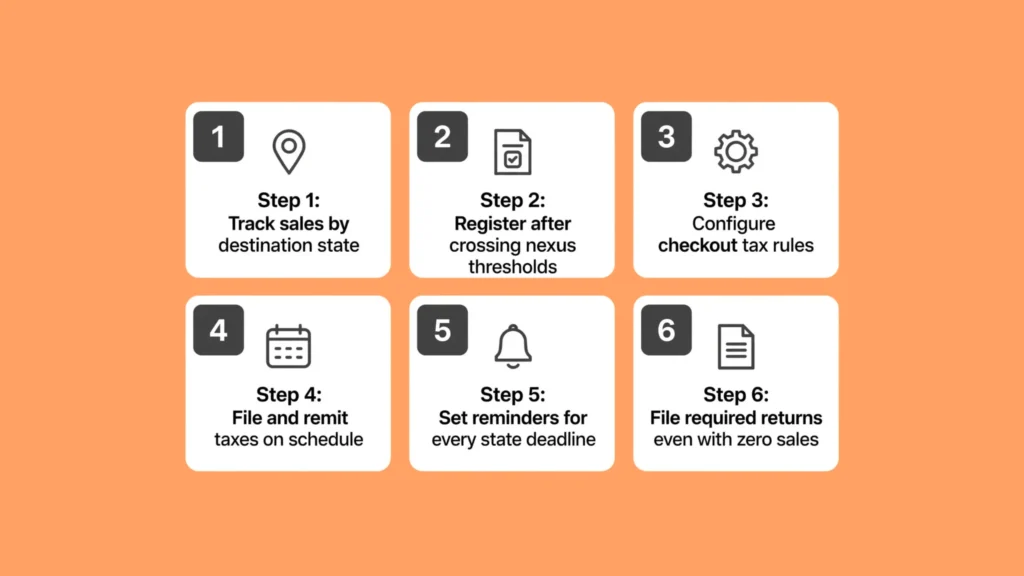
Handling out-of-state duties doesn’t have to ruin your daily operations. Following a consistent routine keeps your store fully compliant while you focus on attracting new customers.
Step 1: Track Sales by Destination State
Set up monthly reporting in your store software to break down gross revenue and order counts by shipping destination. Maintaining accurate financial records also makes it easier to monitor taxable sales and identify potential compliance issues.
Step 2: Register Before Collecting Tax
Complete state registrations as soon as you cross economic nexus thresholds. Utilizing automated guidance from reliablestartup.com streamlines filing setup across multiple states at once.
Step 3: Configure Checkout Tax Rules
Update your shopping cart settings to apply local rates based on customer delivery addresses. Ensure taxable items and exempt products are categorized accurately in your store database.
Step 4: Remit Taxes on Schedule
Set calendar reminders for every active state filing deadline. File returns on time even during periods with zero taxable sales to avoid automated late filing fees.
Common Sales Tax Mistakes Small Businesses Make
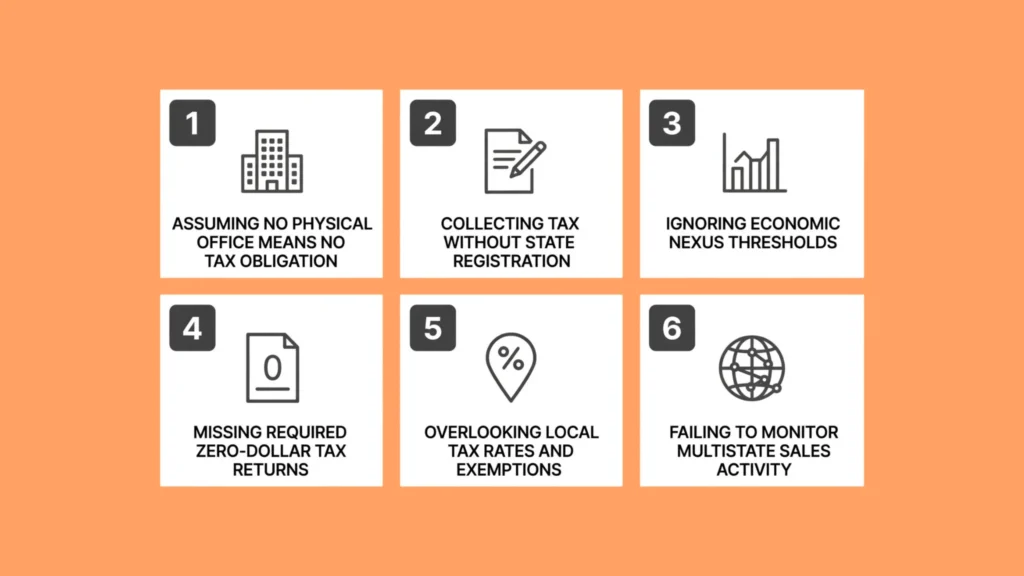
Many business owners inadvertently make costly errors when navigating out-of-state tax obligations. Recognizing these common pitfalls early helps protect your hard-earned profits. Assuming you don’t owe tax because you lack a physical office is a frequent and expensive mistake. Economic thresholds apply to online sellers regardless of physical location.
Another widespread error is collecting sales tax before receiving an official state registration certificate. States treat unpermitted tax collection severely, leading to hefty financial fines. Lastly, ignoring zero-dollar filing requirements causes unnecessary administrative headaches. Most tax authorities require registered sellers to submit returns on schedule even when no sales were made.
How Technology Simplifies Multistate Sales Tax Compliance?
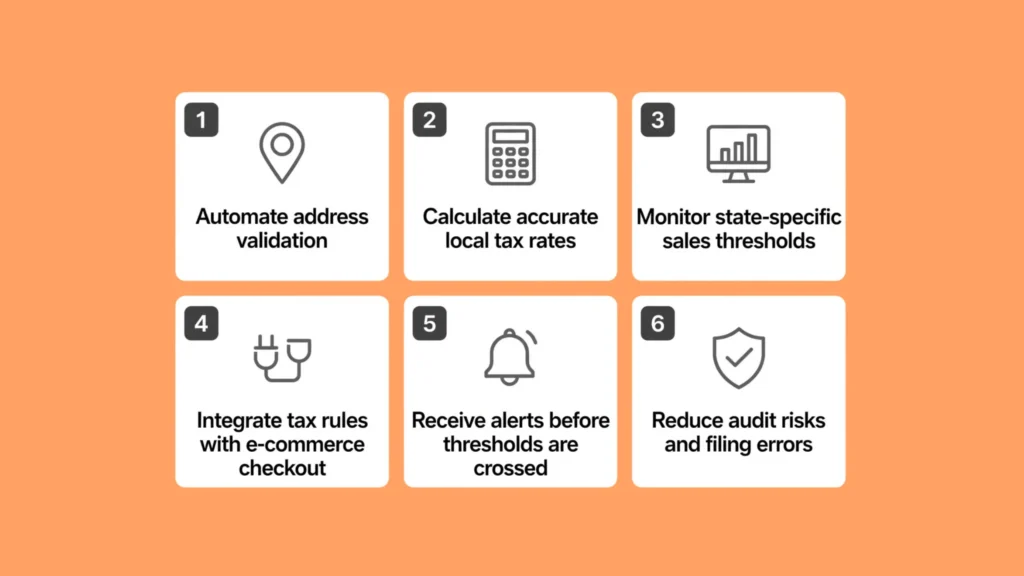
Trying to track thousands of local tax rates manually is nearly impossible for growing businesses. Modern cloud platforms automate address validation, rate calculations, and filing processes effortlessly. E-commerce integrations calculate precise tax rates at checkout based on destination addresses. These systems track cumulative sales against state limits to alert you before thresholds are crossed.
Partnering with specialized tools and advisors like reliablestartup.com keeps your business fully compliant across every region. Automating these workflows lets you spend time growing your product line instead of filing paperwork. Investing in software early protects your business from costly audit adjustments later. Simple technology setups turn complex multistate compliance into a seamless, background process.
Frequently Asked Questions
What happens if I cross an economic threshold in a state?
You must register for a sales tax permit with that state’s tax agency and begin collecting local sales tax from customers on future orders.
Do I need to register for sales tax if I sell on marketplaces like Amazon?
Most states have marketplace facilitator laws requiring platforms like Amazon or Etsy to collect and remit sales tax on your behalf, though registration requirements vary.
Can I collect sales tax before getting a state permit?
No, collecting sales tax without an active state registration permit is illegal and can lead to severe penalties from state revenue agencies.
How often do I need to file sales tax returns?
Filing frequencies depend on your total sales volume in each state and are typically assigned as monthly, quarterly, or annual reporting schedules.
Conclusion
Navigating out-of-state compliance rules is a natural part of growing a successful retail brand. By monitoring sales activity across state lines, understanding regional thresholds, and using automation tools, you can manage tax duties with complete confidence. Staying proactive protects your bottom line and leaves you free to focus on reaching customers nationwide.
About The Author