How to Buy a Tyre Recycling Plant: A Buyer Checklist for First-Time Owners
The Landscape: Sourcing Your Waste Processing Framework
The global demand for processed rubber commodities is rising fast. First-time buyers must choose a processing path before shopping for equipment. Your chosen path dictates your initial costs and real-world revenue potential.
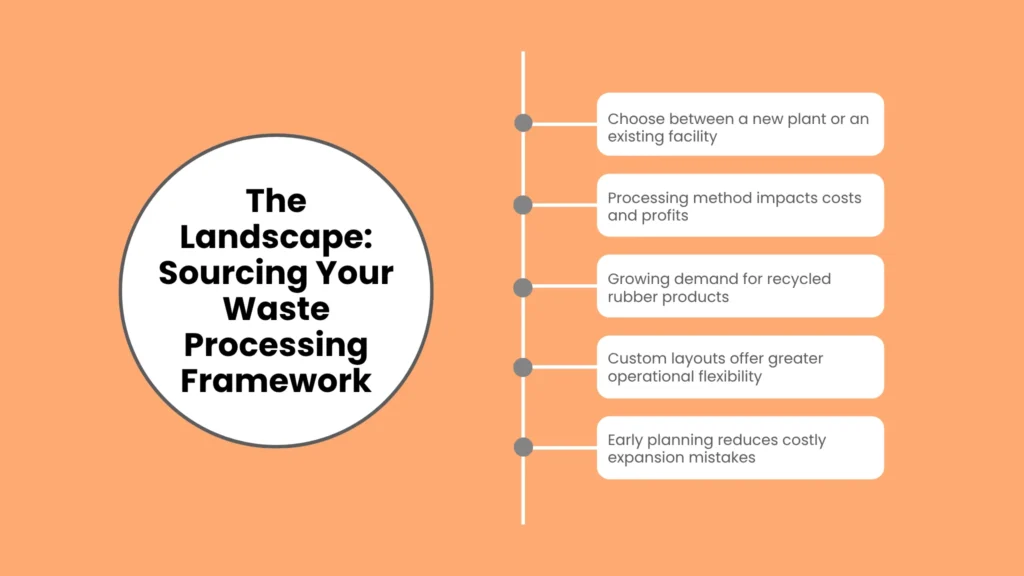
The market offers two entry strategies. You can either construct a brand-new processing line or pursue a tyre recycling business acquisition of an existing yard. Buying an operational facility saves massive setup time. However, setting up a fresh plant lets you customize the layout to fit exact commercial goals.
Evaluating a Tire Recycling Plant for Sale
When browsing a tire recycling plant for sale, do not just focus on the price tag. Look deeply at the machine run hours and operational histories. A low entry price can quickly become a financial trap if the primary shredders require a total rebuild.
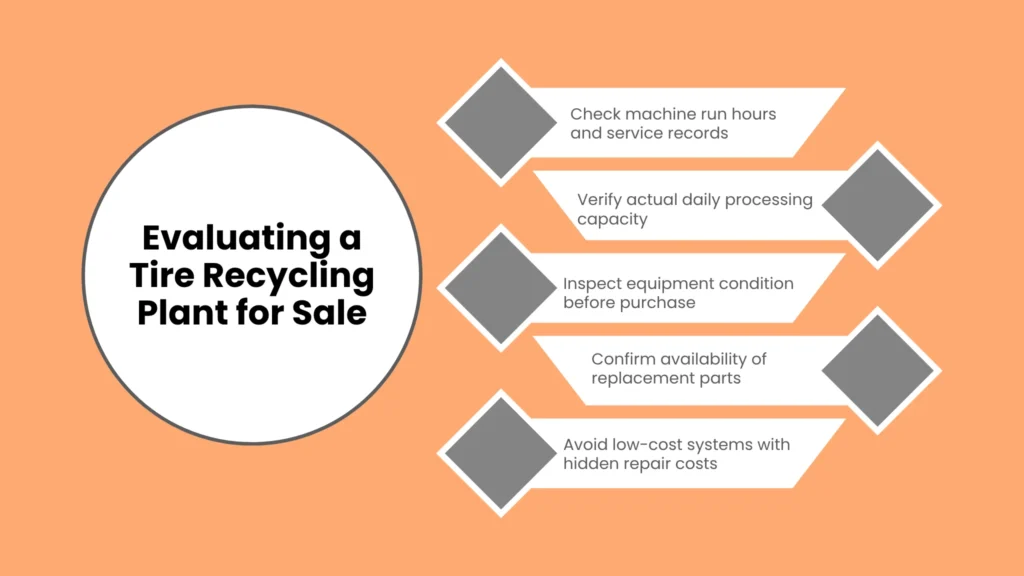
Make sure to confirm the exact source of the original equipment. Sourcing replacement parts for unbranded, generic machinery can cripple production schedules. Secure a clear verification of the daily processing capacity from the seller before moving forward.
Market Landscape: Acquisition Budgets and Tech Specifications
The scale of your initial capital investment dictates the technological ceiling of your waste facility. Processing rubber requires balancing mechanical power with emission control. The table below breaks down estimated acquisition costs across popular production lines based on current industrial market data.
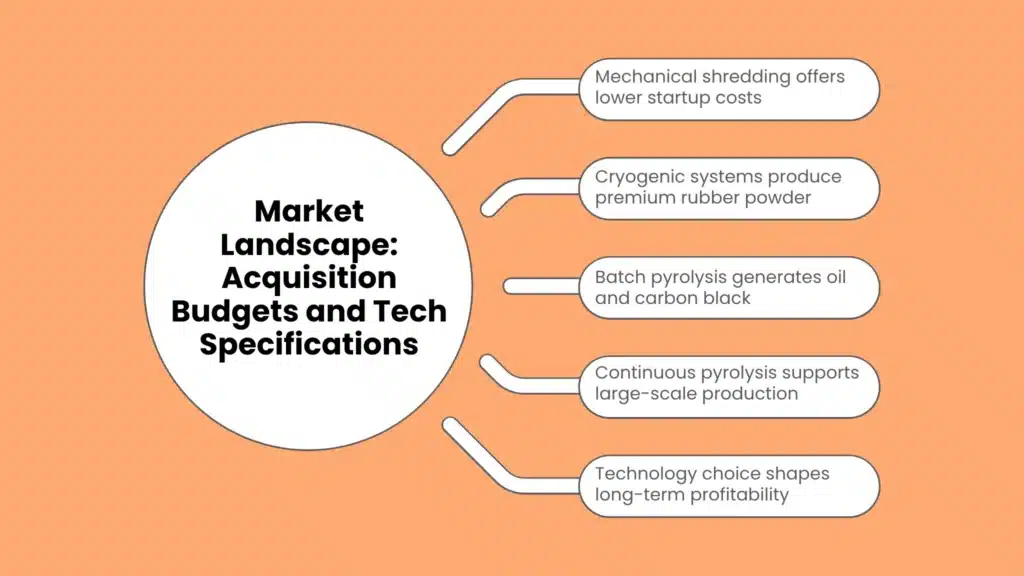
| Equipment Type | Processing Mechanism | Typical Cost Range (New) | Primary Market Application | Output Focus |
| Mechanical Ambient Shredd | High-torque rotary blades | $150,000 – $450,000 | Sports tracks, asphalt additive | Crumb rubber, steel wire |
| Cryogenic Freezing Line | Liquid nitrogen embrittlement | $600,000 – $1,200,000 | Premium injection molding | High-purity rubber powder |
| Batch Pyrolysis Reactor | Thermal oxygen-free baking | $300,000 – $750,000 | Industrial fuel supplementation | Pyrolysis oil, carbon black |
| Continuous Pyrolysis System | Automated non-stop feeding | $1,500,000 – $3,000,000 | Utility power grid supply | High-grade fuel oil, carbon |
As demonstrated by current asset data, choosing between mechanical reduction and chemical transformation alters your financial plan. For maximum chemical yield, checking out a used pyrolysis plant for sale usa dealer can cut machinery overhead by up to 40%. Lowering this hardware hurdle makes it easier for newer projects to reach profitability early.
Navigating a Used Pyrolysis Plant for Sale USA
Sourcing high-voltage chemical systems from secondary markets requires serious technical due diligence. A used pyrolysis plant for sale usa asset must clear strict environmental safety checks before it can be legally fired up.
Examine the main reactor walls for micro-fractures or stress thinning from repeated heat cycles. Replacing a warped thermal vessel can easily wipe out any initial savings from buying used hardware.
Step-by-Step Acquisition Checklist
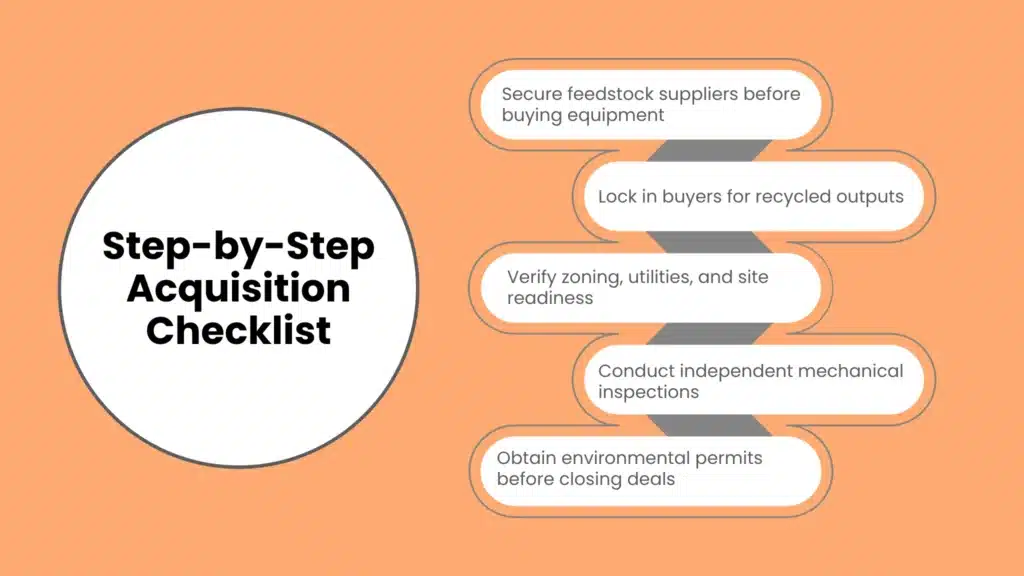
Purchasing heavy machinery requires a careful, methodical process. Skipping engineering checks or buying gear without long-term supply deals can trap your capital in a non-functional facility.
Optimizing the Operation for Steady Cash Flow
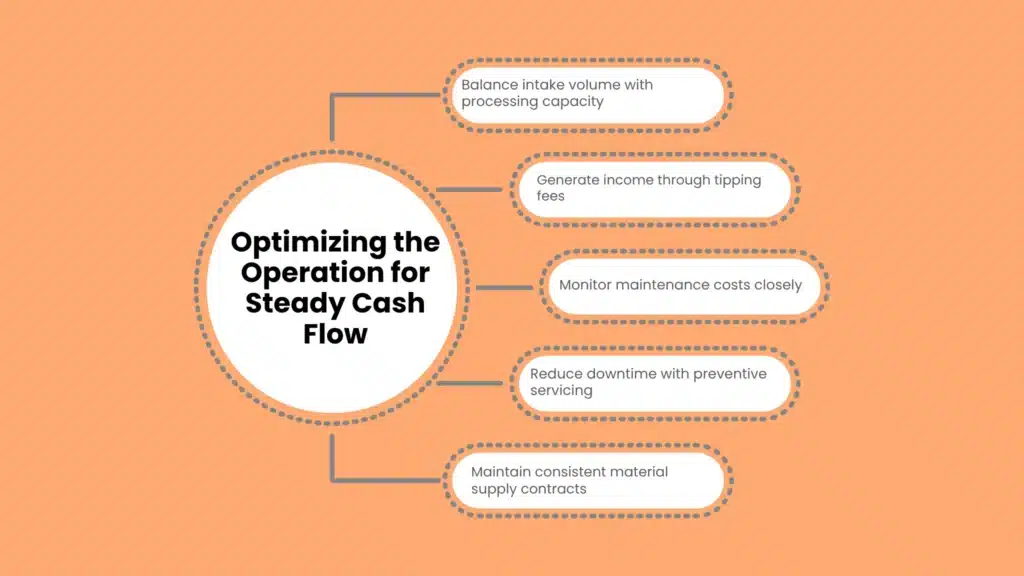
Successfully launching a buy tyre recycling plant strategy requires maintaining a healthy operational cash flow. Long-term profitability relies on balancing your daily intake with efficient machinery upkeep.
Securing Local Tipping Revenue
A profitable waste yard does not just rely on selling finished materials. A large chunk of steady revenue comes from charging collection fees to businesses dropping off scrap rubber. According to recycling policy reports by the U.S. Environmental Protection Agency, tipping fees serve as a critical stabilization cushion during commodity market fluctuations. By positioning your facility as an authorized processing hub, you earn upfront fees the moment raw waste arrives at your gate. This initial cash infusion offsets your daily utility costs and helps pay down your original machine investments faster.
Minimizing Downtime and Maintenance Traps
Tires are intentionally engineered to resist mechanical destruction. Processing this tough material dulls high-alloy blades incredibly fast, which drives up production costs.
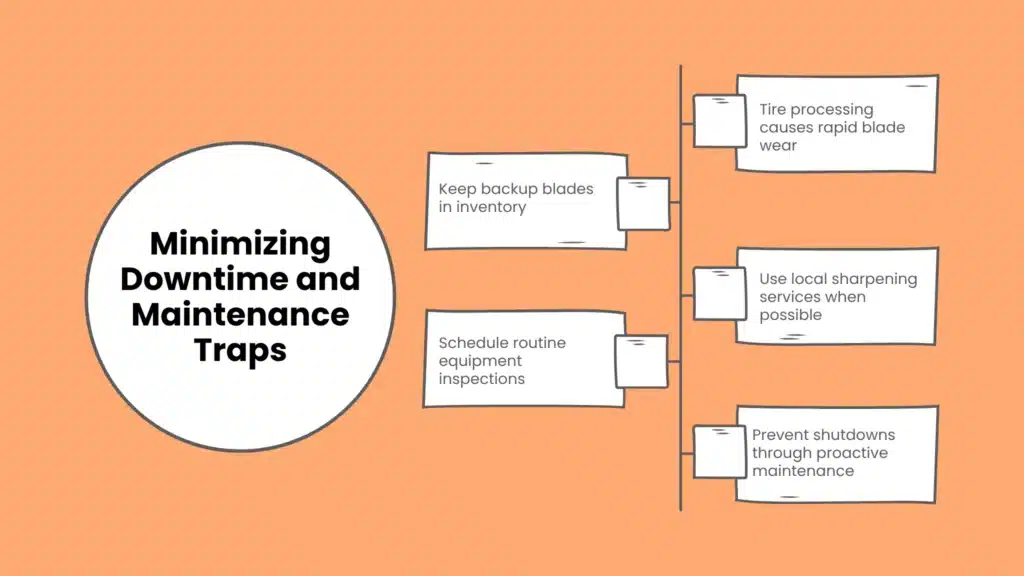
When finalizing a tire recycling plant for sale, always verify the availability of local blade sharpening services. Keeping a fresh set of backup blades in stock helps prevent long, expensive plant shutdowns. Tracking these operational details is a core theme for industrial projects looking to scale smoothly.
Final Thoughts on Plant Procurement
Purchasing an industrial rubber plant is a major milestone that requires balancing mechanical reality with smart market timing. By verifying structural integrity, securing utility power, and lock-stepping your contracts early, you turn a complex recycling venture into an efficient, predictable business. To find deeper breakdowns on factory procurement strategies and early-stage capital management, dive into the master guides at Reliablestartup.
Frequently Asked Questions
What is the main structural difference when looking to buy tyre recycling plant machinery?
Mechanical shredding lines use physical force to break rubber down into crumb granules and separate the steel. Pyrolysis plants use intense chemical heat to decompose tires into valuable fuel oil and raw carbon black.
Is it wiser to buy a new system or find a used pyrolysis plant for sale usa model?
New machinery offers strong manufacturer warranties and modern automation controls. Used options offer massive upfront savings but require rigorous testing of the reactor vessels to guarantee safety.
How much land area does a typical tire recycling plant for sale require?
A small mechanical system needs at least 15,000 square feet of indoor warehouse space. Larger operations require an acre or more of open, secure outdoor space to store bulk tires and organize transport trailers safely.
How do I protect my tyre recycling business acquisition from feedstock shortages?
Never count on random drop-offs to keep your machinery fed. Secure long-term supply contracts with regional auto networks, city bus fleets, and municipal dumps to guarantee a steady flow of materials.