Costume Rental Business Startup Guide: Launching Your Shop
AI Overview
Starting a costume rental business requires smart inventory choices, clear rental agreements, and an eye for quality maintenance. Success relies on balancing seasonal demands with steady local events like theater shows, school functions, and corporate parties. By offering flexible rental terms and using online booking tools, owners can turn wardrobe pieces into recurring revenue while serving their community.
Ever thought about turning a love for wardrobe design into a profitable venture? Starting a costume rental business is a brilliant way to build a steady income while bringing local events, theater productions, and themed parties to life.
To launch a successful costume rental business, source high-demand inventory, secure an easy-to-use booking system, set up clear deposit rules, and build a pricing structure that covers wear and tear.
With proper inventory management and a solid local marketing plan, your shop can generate steady year-round revenue. Let us break down everything you need to know about setting up your costume rental shop startup without losing your sanity.
Why Starting a Costume Rental Business Makes Sense
Running a rental shop lets you sell the same product dozens of times over. Instead of buying a garment once and letting it collect dust, your inventory keeps earning money for years. People prefer renting because high-end outfits are expensive to buy for a single weekend.
Based on available data, niche rental shops often see stronger profit margins than standard retail stores. You do not need thousands of items on day one. Start small with popular themes and expand your collection as revenue comes in.
To get your logistics organized early, checking resources on reliablestartup can help you streamline legal setups and business plans.
Understanding Your Local Market Demand
Before purchasing your first sewing kit or rack of outfits, you need to understand who will actually pay for your service. Different cities have vastly different demands when it comes to wardrobe rentals. A college town might need budget-friendly theme party outfits every single weekend.
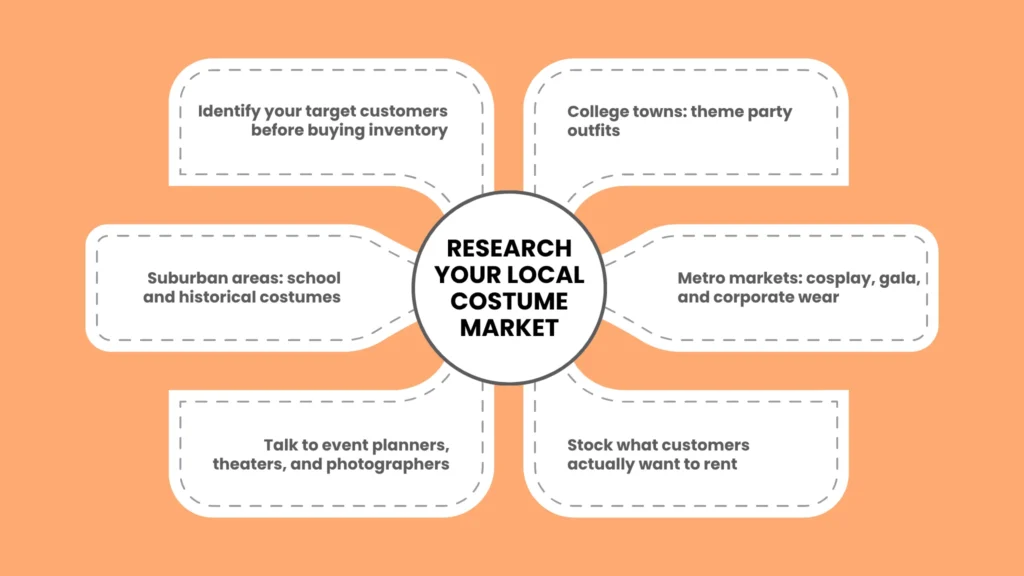
A suburban area with active school districts will have a high demand for historical outfits and theatrical costumes. Metropolitan regions often see a high demand for high-end cosplay, gala wear, and corporate event wardrobes.
Spend time reaching out to local event organizers, community theaters, and photography studios before spending a dollar.
Ask them what pieces they struggle to find locally and what prices they currently pay to order items online. Building relationships with these buyers early gives you guaranteed customers from the moment you open your doors. It also prevents you from stocking items that nobody in your immediate area actually wants to rent.
Planning Your Costume Rental Shop Startup Inventory
Building the right inventory is the heart of your venture. Buying random outfits leads to wasted budget and clutter. Focus on what people actually search for in your local area. A solid costume rental shop startup balances daily event needs with seasonal rushes.
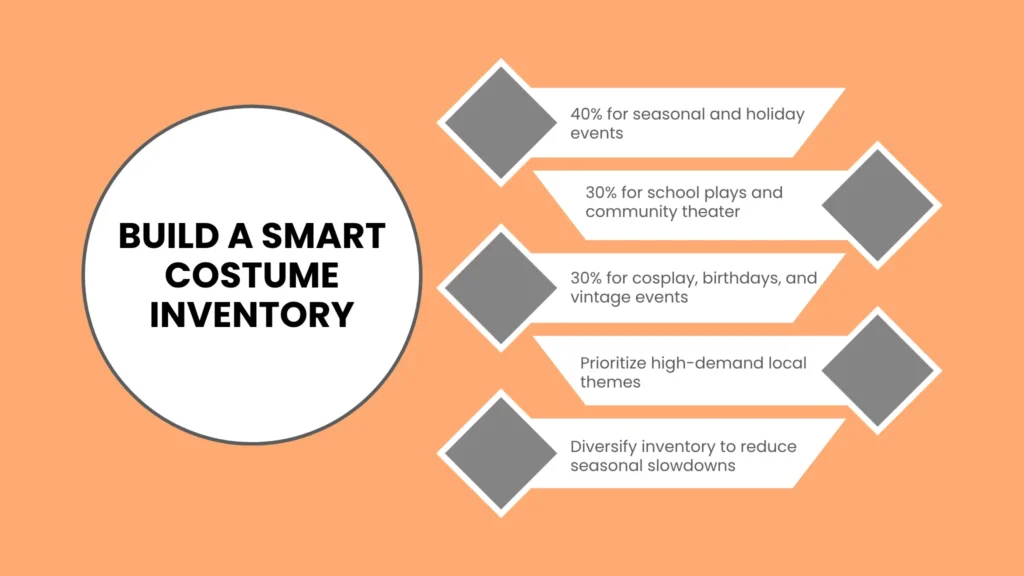
Aim to divide your initial inventory budget intentionally across different usage categories. Allocate roughly forty percent of your stock to peak seasonal events like fall holidays and winter celebrations.
Reserve thirty percent for school plays, drama clubs, and community theater productions. Set aside the final thirty percent for cosplay conventions, milestone birthday parties, and vintage dress events.
Navigating Seasonal Demand and Year-Round Revenue
The halloween costume rental surge is usually the largest revenue driver of the entire year. During October, your halloween costume rental demand will surge rapidly. Planning your halloween costume rental stock six months in advance prevents last-minute inventory shortages.
However, relying solely on a halloween costume rental rush creates long dry spells during spring and summer. Balance seasonal spikes by catering to school plays, cosplay conventions, and historical reenactments. Holiday seasons bring massive foot traffic, but consistent local partnerships keep the lights on during quiet months.
Reach out to local schools in early winter to review their spring musical selections. By stocking the specific outfits those plays require, you convert seasonal quiet periods into predictable revenue streams.
Inventory Comparison Across Key Categories
Understanding how different garment types perform helps you spend your purchasing budget wisely. Seasonal and holiday outfits carry high demand during October through December, targeting the general public and partygoers, though they face high wear and tear.
Theater and stage garments maintain steady year-round demand, serving schools and local drama groups with moderate wear and tear risk. Cosplay and pop culture pieces peak during spring and summer, attracting convention attendees and youth audiences with moderate wear and tear.
Vintage and formal attire sees regular demand from spring through autumn, catering to gala guests and themed galas with relatively low wear and tear.
Setting Up Your Costume Rental Pricing Strategy
Getting your costume rental pricing right determines how quickly you turn a profit. Price too high, and customers buy cheap fast fashion online. Price too low, and repair costs eat up your margins. Your costume rental pricing should factor in garment cost, dry cleaning, and replacement value.
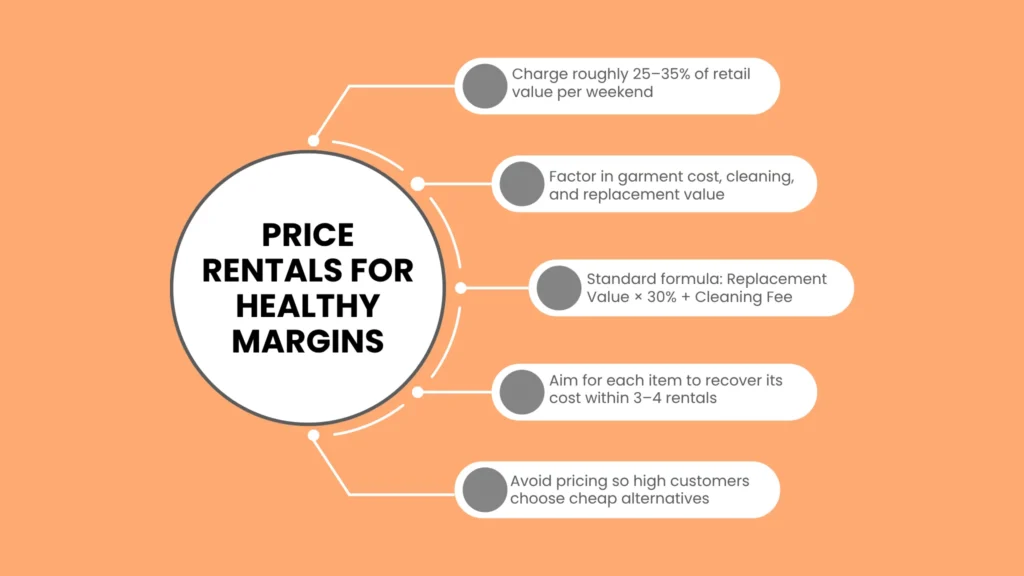
A practical baseline for costume rental pricing is charging twenty-five to thirty-five percent of the outfit’s retail value per weekend. For high-end items, structured costume rental pricing models help cover normal wear while keeping rentals accessible.
To calculate your standard rental fee, multiply the replacement value of the item by thirty percent, then add your flat cleaning fee on top. This covers the garment’s depreciation while ensuring every item earns back its original purchasing cost after three or four rentals.
Managing Cleaning, Maintenance, and Repairs
Garments will return with missing buttons, sticky spills, and minor seam splits. If you cannot handle basic sewing and spot cleaning yourself, repair costs will eat your profit margins quickly. Set up a dedicated processing area in your shop or home workspace equipped for washing, steaming, and mending.
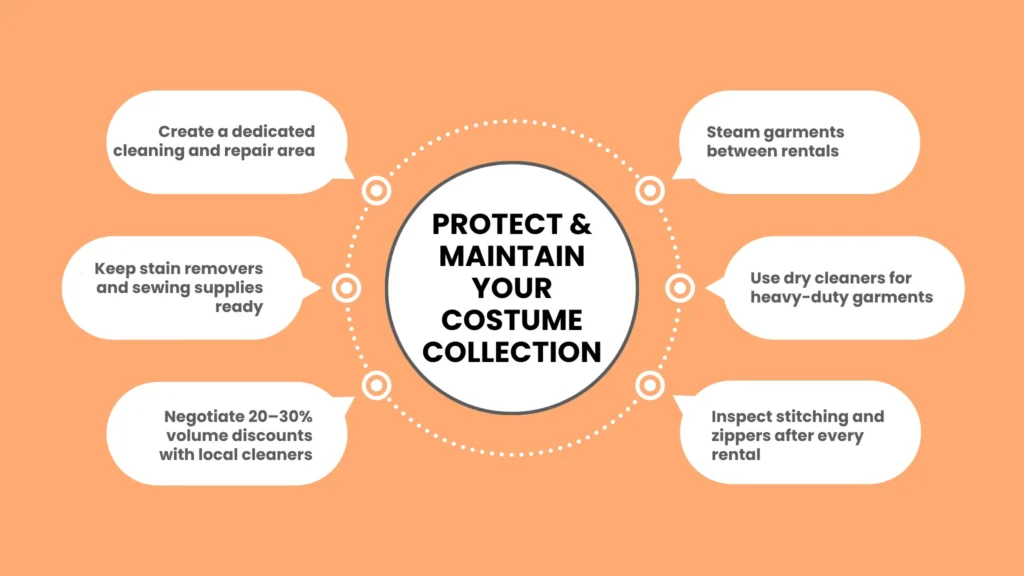
Invest in a commercial-grade garment steamer and specialized stain removal solutions right from the start. Steaming between rentals sanitizes garments quickly without putting delicate fabrics through harsh chemical cleaning cycles.
For heavy-duty items like formal suits or heavy velvet gowns, negotiate a commercial discount with a nearby dry cleaner. Offering them consistent monthly volume usually lands you twenty to thirty percent off regular retail cleaning rates.
Sourcing Your Costume Collection
Where you get your garments dictates your initial overhead costs. Estate sales, closing theater groups, and wholesale liquidators are goldmines for unique pieces.
Source vintage pieces at estate auctions and thrift outlets.
Partner with local theater departments liquidating old wardrobes.
Buy high-end accessories in bulk during off-peak months.
Build custom outfits for niche cosplay markets.
Inspect stitching and zips after every single rental run.
Keeping items clean is just as crucial as buying them. Partnering with a local dry cleaner can net you volume discounts. For step-by-step guidance on setting up supplier agreements, reliablestartup.com offers simple templates to protect your business assets.
Legal Considerations and Insurance Coverage
Protecting your business against loss, theft, and injury is essential in the rental industry. Standard retail business insurance often does not cover items once they leave your physical premises. You need a specialized commercial property policy that explicitly covers inventory out on lease or rental.
Draft a standard rental contract with an attorney to clearly define customer liability. Your contract must state clear policies regarding late fees, non-return penalties, and irreversible damage fees.
Require every customer to sign this agreement and provide a valid photo identity card before taking items home. Keeping a credit card pre-authorization on file acts as a strong deterrent against unreturned inventory.
Essential Operations and Booking Systems
You need a reliable system to track what is in stock and what is out on rent. Using basic spreadsheets quickly becomes a nightmare once order volume rises. Dedicated rental software helps track return dates, security deposits, and cleaning schedules automatically.
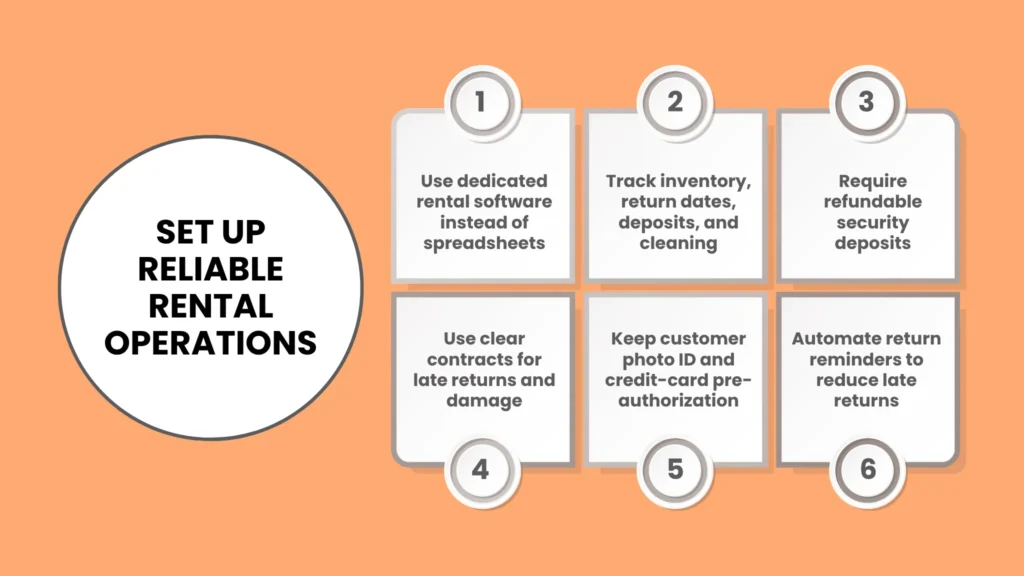
Always require a refundable security deposit to cover minor damages or late returns. Clear rental terms protect your investment and keep expectations transparent for every customer. Good software will automatically send text reminders to clients the day before their rental item is due back.
This simple automated step reduces late returns significantly and keeps your inventory moving smoothly.
Location, Storage, and Showroom Setup
Deciding where to operate depends heavily on your target market and startup funding. A physical retail shop in a high-traffic area attracts walk-in business, but comes with high monthly overhead. A web-only or appointment-only model reduces fixed costs significantly while you build your brand.
If operating from a warehouse or home studio, ensure your space is climate-controlled and free from excess humidity. Moisture, dust, and direct sunlight ruin delicate vintage fabrics and foam cosplay pieces over time.
Organize your storage space logically using clear labels, sturdy hanging racks, and protective garment bags. Group items by size and theme rather than color so staff can locate order pieces within minutes.
Marketing Your Costume Rental Shop
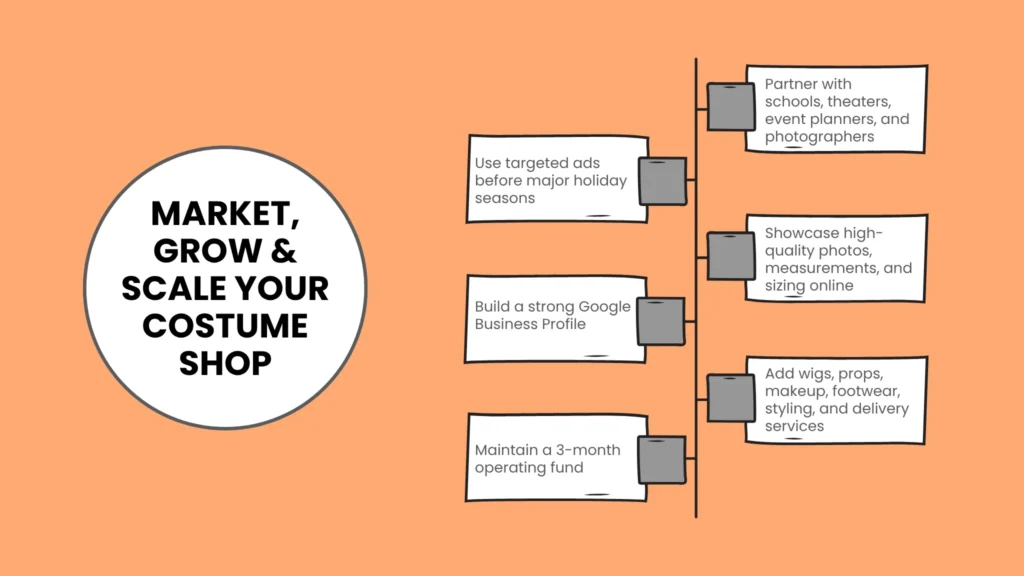
Having great inventory means nothing if local organizers do not know you exist. Build relationships with drama teachers, event planners, and local photographers early on.
Partner with local school theater groups for discounted bulk rentals.
Run targeted social media ads ahead of festival and holiday seasons.
Host a launch showcase targeting local party planners and event hosts.
Claim your Google Business Profile to attract nearby walk-in traffic.
Digital presence matters immensely for local service businesses. Publishing clear photos of your collection online makes booking effortless for busy event planners. Insights on digital promotion available on reliablestartup can help you optimize your local web footprint effectively.
Building a Strong Digital Presence
In today’s market, most customers start their search for an outfit online using their mobile phones. Your website needs clear, high-resolution photographs showing every angle of your featured outfits. Include detailed sizing charts and measurements so online bookers know exactly how an item will fit.
Encourage happy customers to post photos tagging your business on social platforms after their events. User-generated content serves as powerful social proof that reassures new clients about garment quality.
Run hyper-local social media ads starting in late August to capture early holiday rental inquiries. Video content showing quick outfit transitions or behind-the-scenes mending works exceptionally well on creative channels.
Financial Projections and Cash Flow Management
Managing cash flow in a business driven by seasonal peaks requires discipline. October may generate thirty to forty percent of your total annual revenue in a single month. Resist the urge to spend all October profits immediately on new inventory or personal draws.
Divide your annual revenue into operating reserves that carry your business through quiet winter and summer months. Set aside fixed monthly amounts for insurance premiums, software subscriptions, and storage leases.
Reinvest a portion of off-season profits into purchasing high-demand items for the upcoming fall surge. Keeping a three-month operating fund untouched ensures your shop remains stable during unexpected downturns.
Scaling Your Rental Business
Once your core shop operates smoothly, look for ways to expand your revenue channels. Consider offering accessory packages, including wigs, props, makeup kits, and footwear. Accessory add-ons carry high profit margins and increase your average transaction value significantly.
Offer wardrobe styling services for corporate photo shoots, music videos, and commercial film sets. Film producers often prefer renting complete curated wardrobes over sourcing individual pieces themselves.
You can also offer tailored delivery and pickup services for local theater groups with large order volumes. Convenience services like these justify premium pricing and set your business apart from basic retail stores.
Building a Sustainable Rental Business
Launching a costume rental business offers a rewarding blend of creativity and steady commercial income. By starting with a focused inventory, setting fair policies, and keeping your pieces maintained, you create a service that local event organizers rely on year after year. Focus on customer experience and consistent maintenance, and your inventory will pay for itself many times over.
Frequently Asked Questions
How much capital is required to start a costume rental business?
Initial startup costs generally range from $5,000 to $25,000 depending on location, initial inventory size, storage facilities, and website booking software.
How do costume rental stores handle damaged or lost items?
Shops charge security deposits and require signed agreements holding customers liable for replacement costs if garments are destroyed, lost, or returned late.
Is a costume rental business profitable year-round?
Yes, while autumn offers seasonal spikes, partnering with schools, theaters, and event planners ensures steady cash flow throughout the spring and summer months.
How should I price costume rentals for maximum profit?
Generally, set rental prices between 25% and 35% of the costume’s full retail value for a standard two-to-three-day rental period.