How to Start a Home Catering Business: Complete Guide
AI Overview
Launching a home catering business requires researching local food safety rules, securing valid permissions, and crafting a long-term commercial strategy. Beginners should carefully navigate catering license requirements, acquire basic prep equipment, and calculate clear pricing models to cover raw ingredients and overhead. By managing menu sizes and promoting services locally, you can launch a rewarding culinary enterprise directly from your home kitchen space.
Key Takeaways
Research local cottage food regulations and safety permissions
Build a focused high margin signature catering menu
Draft a clear catering business plan early on
Master local word of mouth and digital channels
Have you ever had friends tell you that your home cooking is so incredible you should actually start charging for it?
Starting a home catering business is truly one of the most rewarding ways to turn your genuine passion for food into a steady stream of income. To get this venture off the ground successfully, you need to clear local health permits, define a tightly focused menu, draft a practical catering business plan, and organize a safe domestic kitchen setup.
Why Starting a Catering Business from Home Makes Sense Today
Taking the leap into launching a food enterprise directly out of your house dramatically lowers your initial capital risk. You simply do not need to take on a massive commercial dining room lease, hire a big front of house serving team, or purchase expensive property right out of the gate.
Instead, you can start comfortably with small weekend gatherings and expand your operational volume at your own personal pace. If you are currently evaluating practical startup ideas, browsing detailed guides on reliablestartup.com can give you added confidence in setting up your new corporate structure smoothly.
Navigating Legal Requirements and Catering License Rules
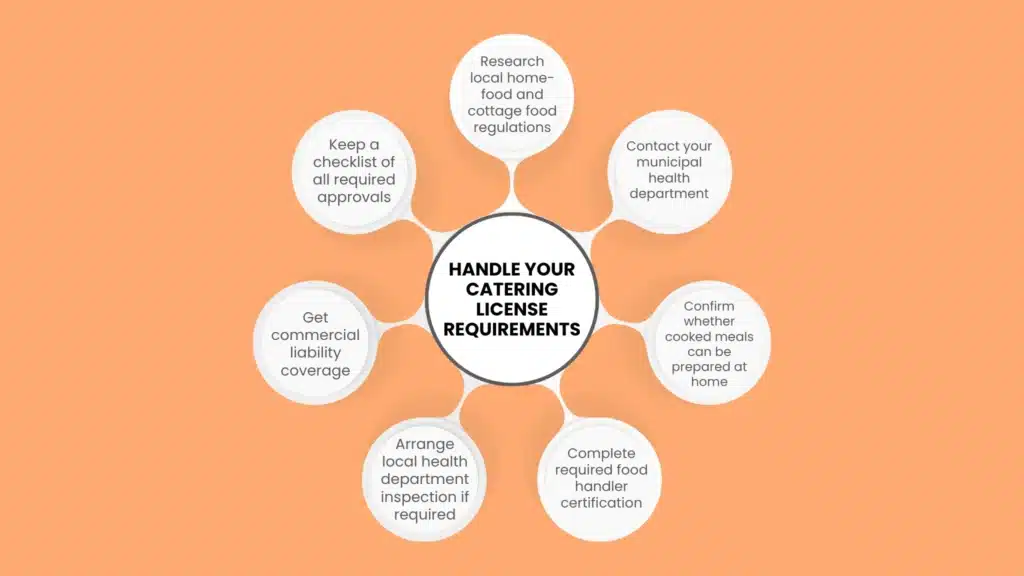
Before you go out and buy bulk food supplies, you must tackle the local administrative requirements governing food operations. Every municipality enforces its own specific regulations regarding food prepared in residential settings for paying clients.
Understanding Permits and Zoning Clearances
You will want to reach out to your municipal health department to ask about home kitchen inspections and cottage food laws.
Certain jurisdictions permit you to prepare baked goods at home, whereas hot cooked meals might require renting space in a certified commercial kitchen. In most cases, acquiring general liability protection safeguards your family assets against unforeseen incidents during catering events.
Overview of Essential Startup Documentation
| Clearances | What It Covers | Relative Complexity |
| Standard Business License | Official municipal permission to conduct enterprise in your town | Low |
| Food Handler Certification | Proof of knowledge regarding safe prep standards and storage conditions | Low |
| Local Health Department Inspection | Verification of kitchen hygiene standards, sink capacity, and sanitation | Moderate |
| Commercial Liability Coverage | Protection against illness claims and accidental event property damage | Low |
Getting a clear grip on catering license requirements early on prevents costly administrative roadblocks or unexpected delays later. Always keep a simple running checklist of municipal steps so you can move forward with complete peace of mind.
Building a Clear Catering Business Plan
A well thought out roadmap keeps your finances healthy when food orders start piling up quickly. Your comprehensive catering business plan ought to outline your target demographics, dish costings, and projected operational margins.
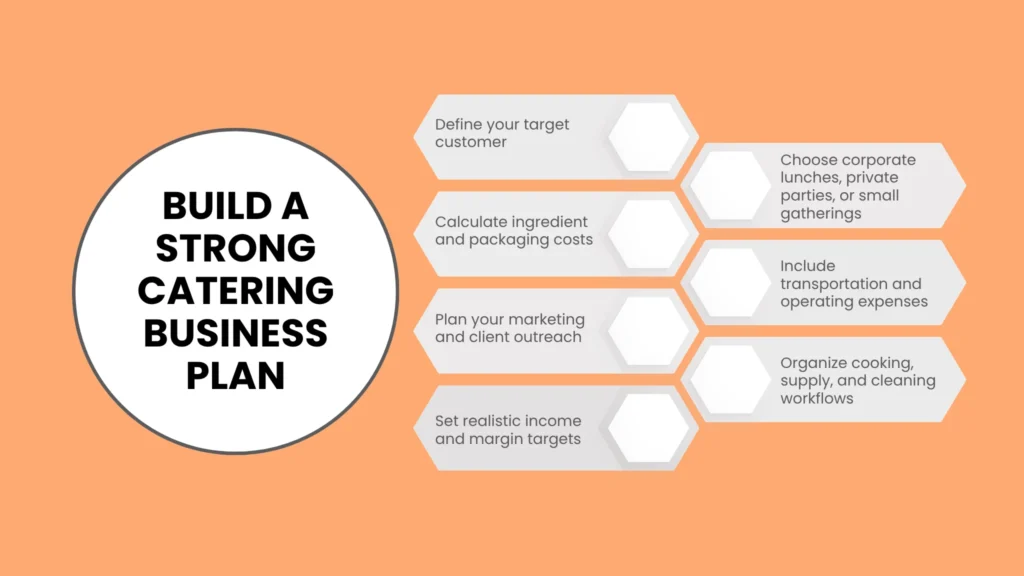
Here are the key elements your strategy should address:
Target Audience: Focus on corporate luncheons, small backyard gatherings, or family birthday parties.
Financial Margins: Calculate ingredient costs, packaging materials, and transport fees with precision.
Marketing Outreach: Plan how community networking and direct sampling will attract initial clients.
Operational Workflows: Organize cooking timetables, grocery supply routes, and post event cleaning.
Having a proper strategy prevents premature spending on commercial gear before your core revenue model is proven.
Designing a High Margin Catering Menu
A frequent pitfall for new home caterers is offering an excessively large collection of dishes. Overly broad menus inevitably lead to higher ingredient waste, inflated grocery bills, and stressful prep schedules. Focus your energy on five to eight signature items that hold heat well and survive transport effortlessly.
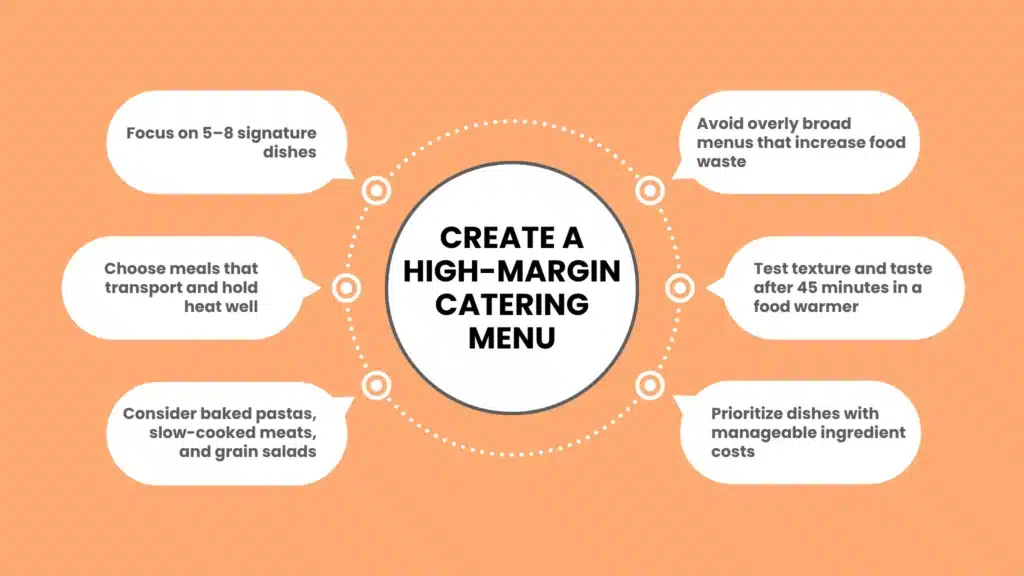
When trying out new recipes, always evaluate whether the dish retains its texture and taste after forty five minutes in a food warmer. Dishes like baked pastas, slow cooked meats, and grain salads generally hold up beautifully during transit.
Essential Roadmap for Your Catering Business Startup
Following a systematic step-by-step approach keeps your launch on track without feeling overwhelming.
Adhering to a clear schedule turns your catering business startup goals into manageable daily achievements.
Optimizing Your Kitchen Space for High Volume Prep
Operating out of a residential workspace calls for exceptional organization and clean habits. You must establish a firm boundary between family groceries and professional catering inventory.
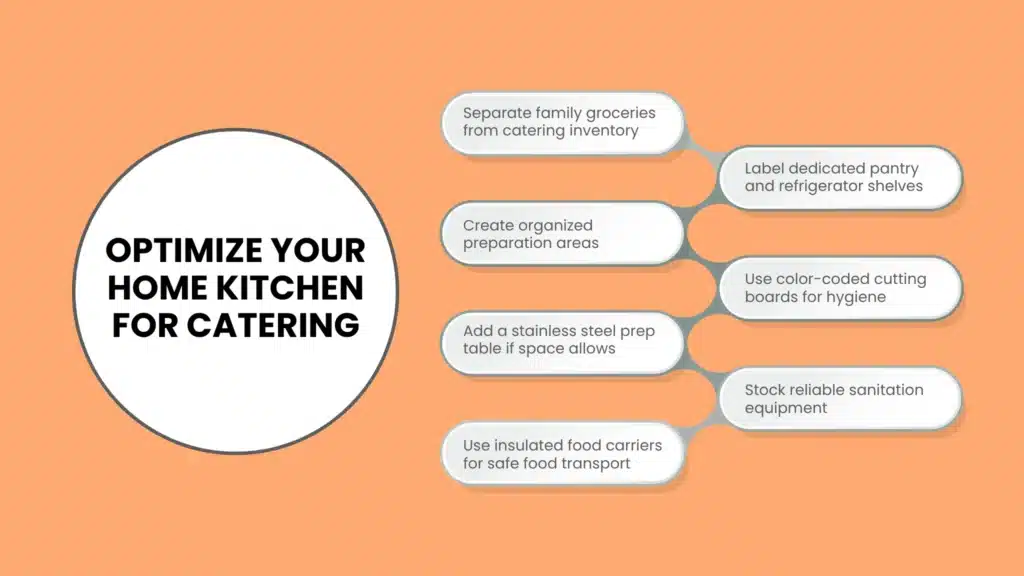
Label separate shelves in your pantries and coolers to maintain complete sanitation and order. If your kitchen layout permits, install a stainless steel prep table or stock color coded cutting boards to keep tasks hygienic.
Investing in reliable insulated food carriers ensures your hot dishes reach client venues at safe serving temperatures.
Smart Pricing Strategies for Maximum Profitability
Setting appropriate prices can feel challenging when you are embarking on your very first catered job. Beginner caterers frequently undercharge by overlooking utility usage, transportation expenses, and their personal labor hours. A solid benchmark is keeping total raw ingredient expenses between twenty eight and thirty five percent of your overall quote.
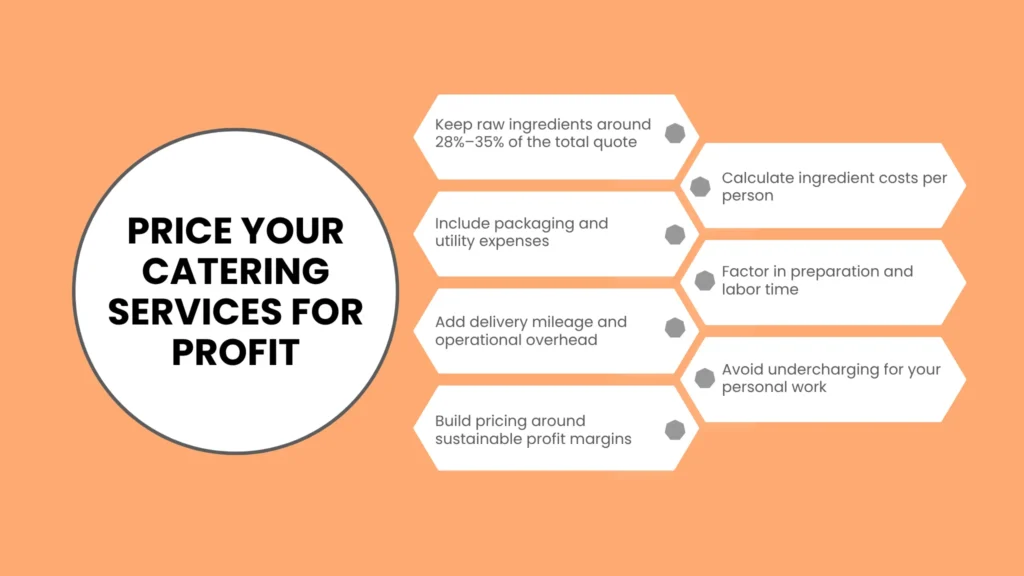
Factor in prep time, delivery mileage, and general operational overhead before presenting a final per person price. The operational resources on reliablestartup.com provide practical frameworks for calculating sustainable profit margins across small business models.
Marketing Your Food Services Within the Community
With your permits secured and your kitchen organized, how do you secure those crucial first orders?
Start by connecting with your immediate circle of friends, family members, and community groups.
Host a Tasting Event: Invite local wedding planners, neighbors, and business managers to taste your signature dishes.
Utilize Social Media Channels: Share brief videos showcasing kitchen prep work and finished platters on local feeds.
Partner with Nearby Venues: Connect with community halls and event spaces that lack in house food services.
Distribute Corporate Samples: Drop off mini lunch boxes at neighborhood offices or real estate agencies.
Direct local connections and genuine recommendations remain the most dependable source for booking regular events. Consistent networking across your town will gradually create a steady flow of returning clients.
Managing Event Day Operations Smoothly
Executing a catering order smoothly requires careful time management from early morning prep to final delivery. Write down a detailed timeline for event days, mapping out exact hours for chopping, cooking, packing, and driving.
Always build in a buffer of at least thirty to forty five minutes to handle unexpected traffic or minor prep delays. Pack extra serving utensils, clean aprons, paper towels, and basic food safety gear in a dedicated event kit.
Arriving calm and fully prepared reassures your event hosts and leaves a great impression on every guest present.
Expanding Your Home Based Enterprise
Once your home operation is running smoothly and earning positive reviews, you can explore scaling up. You might consider renting space in a commercial shared kitchen to take on larger corporate banquets or weddings.
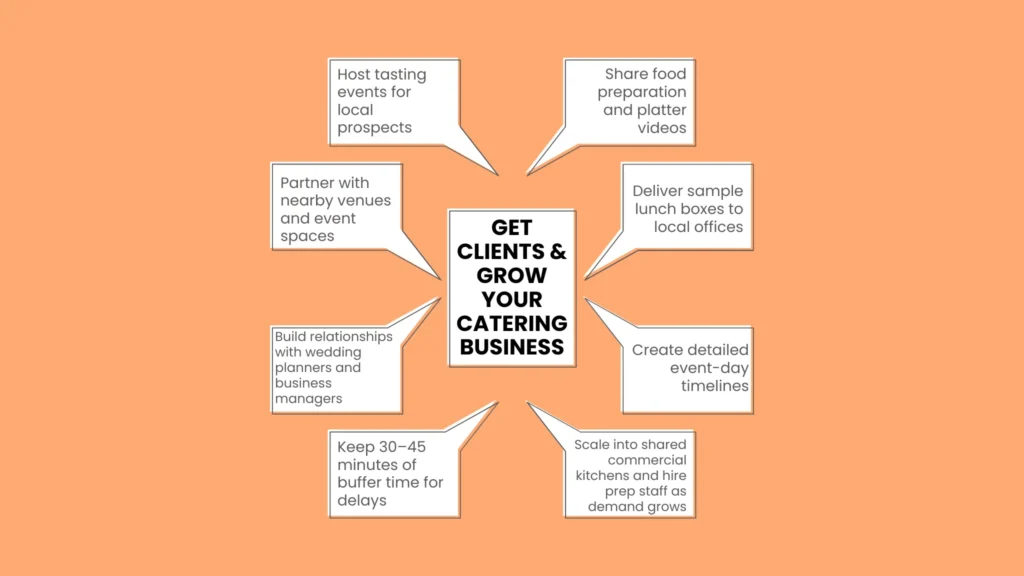
Hiring part-time kitchen prep assistants or professional service staff can also help you manage larger headcount events.
Keep tracking your food costs and labor hours diligently so your profit margins remain strong as volume grows. Taking measured growth steps ensures your service quality stays exceptionally high as your reputation expands.
Conclusion
Embarking on a home catering business is a practical, deeply fulfilling way to build a profitable enterprise around your culinary talents. By taking time to meet catering license requirements, creating a realistic catering business plan, and curating a refined menu, you build a sturdy foundation for long term success. Focus on maintaining impeccable hygiene standards, delivering delicious dishes, and letting local client satisfaction drive your word of mouth growth. For more expert guidance on growing your business, check out the resources available on reliablestartup.
FAQs Section
Do I need a commercial kitchen for a home catering business?
In most cases, rules depend on local health department regulations and the specific foods you plan to prepare.
What is the most profitable food to cater?
Pasta dishes, taco bars, and specialty rice bowls generally yield high profit margins due to low ingredient costs.
How do I price my home catering menu?
Calculate raw ingredient costs per person, multiply by three, and add extra charges for delivery and custom setup.
How do I get my first catering client?
Host a tasting event for friends, family, and local business owners while actively sharing high-quality photos on social media.