Unique Food Business Ideas That Went Viral in the USA (2026)
The American food landscape is shifting rapidly. In 2026, the most successful entrepreneurs aren’t just opening restaurants; they are launching viral movements. If you are looking for unique food business ideas, the secret lies in the intersection of Instagrammability, convenience, and niche health trends. From AI-powered snack kiosks to zero-waste meal kits, the businesses winning today are those that solve a modern problem with a creative twist.
To help you navigate this competitive market, we have analyzed the most innovative food startups and viral food trends in the USA to find concepts that actually have the legs to last beyond a single TikTok cycle.
Why Unique Food Business Ideas Are Dominating the 2026 Market
The days of the “generic diner” are fading. According to recent industry shifts, American consumers now prioritize Experience when choosing where to spend their food dollars.
A trending food business in today’s economy usually succeeds by hitting at least two of these three pillars:
Sustainability: Zero-waste packaging or carbon-neutral sourcing.
Personalization: Food tailored to specific dietary needs like GLP-1 companion diets.
Novelty: A “first-of-its-kind” delivery or presentation style.
1. High-Protein GLP-1 Companion Meal Prep
One of the most unique food business ideas to explode in early 2026 is meal preparation specifically designed for people on GLP-1 medications (like Ozempic or Wegovy).
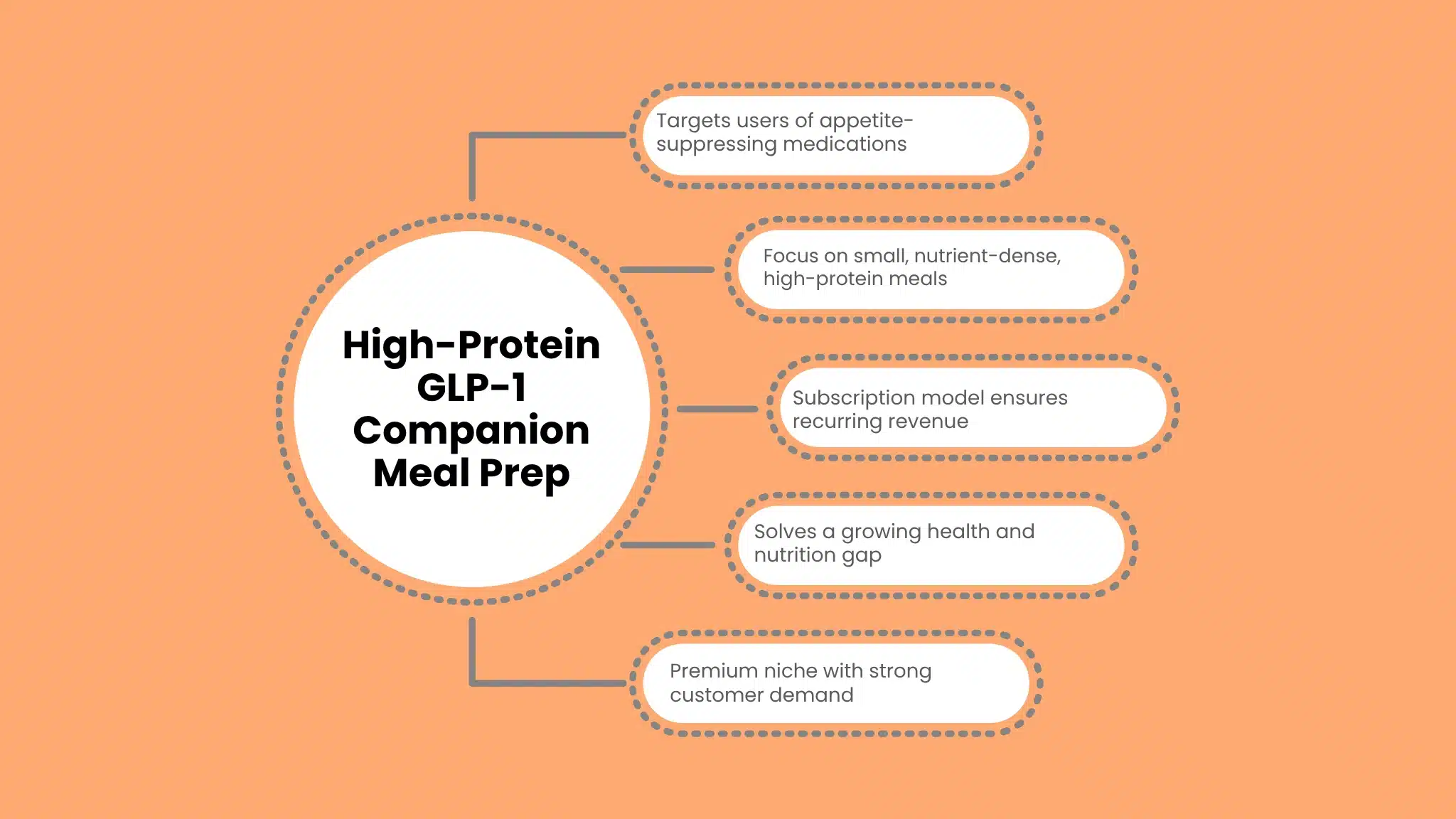
Because these medications significantly reduce appetite, users often struggle to get enough protein and micronutrients in small portions. Innovative food startups are filling this gap by offering Nutrient-Dense Mini-Meals.
The Viral Factor: It addresses a massive, underserved demographic with high purchasing power.
Business Model: Subscription-based delivery focusing on 400-calorie, 30g-protein portions.
Operational Detail: Success in this niche requires precision. Using vacuum-sealed skin packs ensures freshness for high-protein seafood or lean meats without the need for preservatives.
2. Zero-Proof Mood Bars and Botanical Kits
Alcohol-free living is no longer a dry January trend; it’s a lifestyle. However, people still want the social ritual of a cocktail. Creative food ideas in this space involve Euphoric or Adaptogenic drinks beverages that use ingredients like Lion’s Mane or Ashwagandha to provide a relaxed feeling without the hangover.
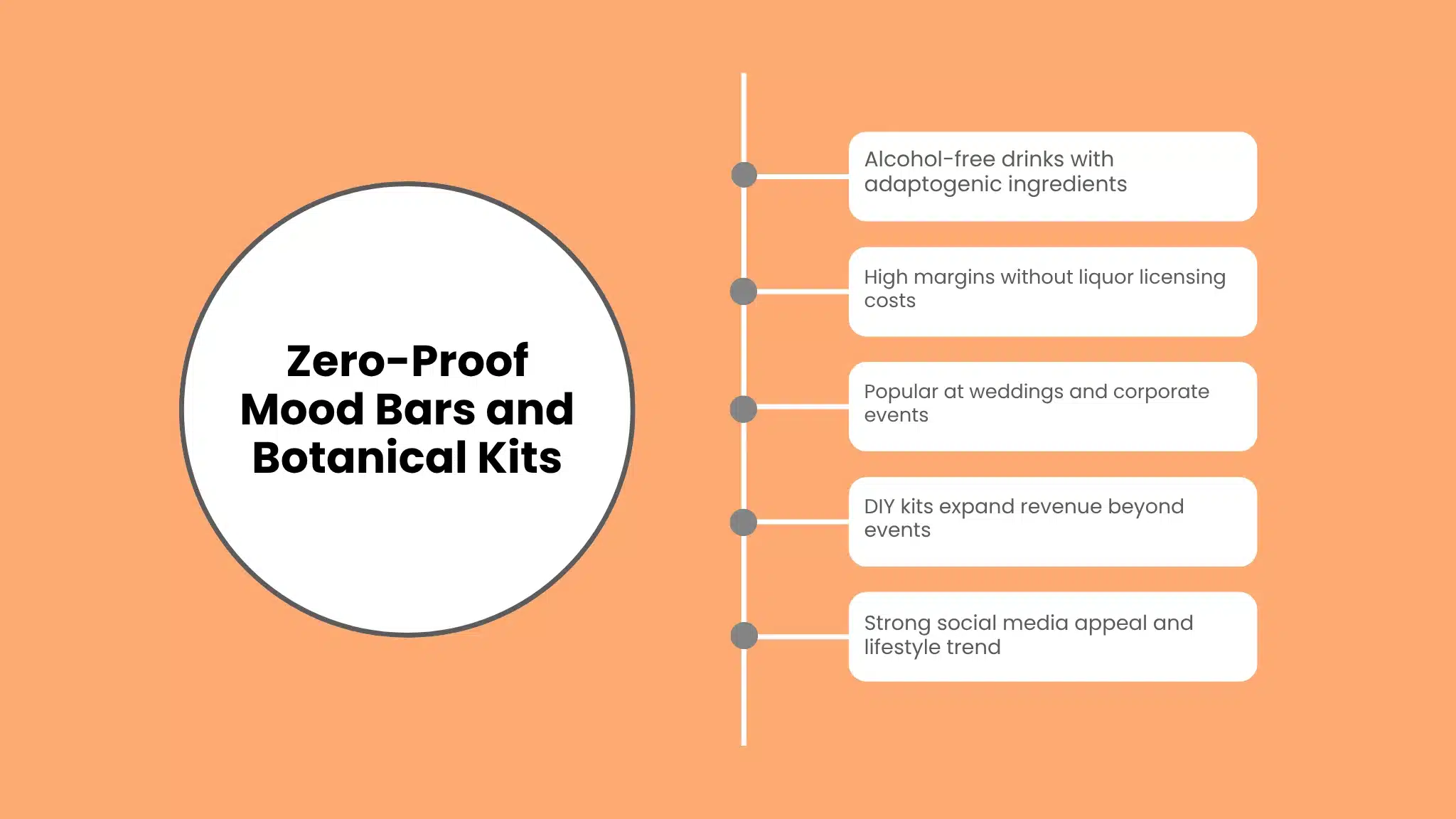
The Concept: Mobile Zero-Proof bars for weddings and corporate events.
Why it Works: High profit margins on syrups and botanicals compared to expensive liquor licenses.
Expansion Idea: Create DIY Botanical Infusion kits for home use, which currently hold a strong presence in viral food trends in the USA due to their aesthetic appeal on social media.
3. The Micro-Vibe Micro-Bakery
The viral food trends in the USA have moved away from massive industrial bakeries toward Micro-Bakeries. These are often home-based (under Cottage Food Laws) or small-scale operations that focus on one hyper-specific item, such as Sourdough Croissants with Regional Grains.
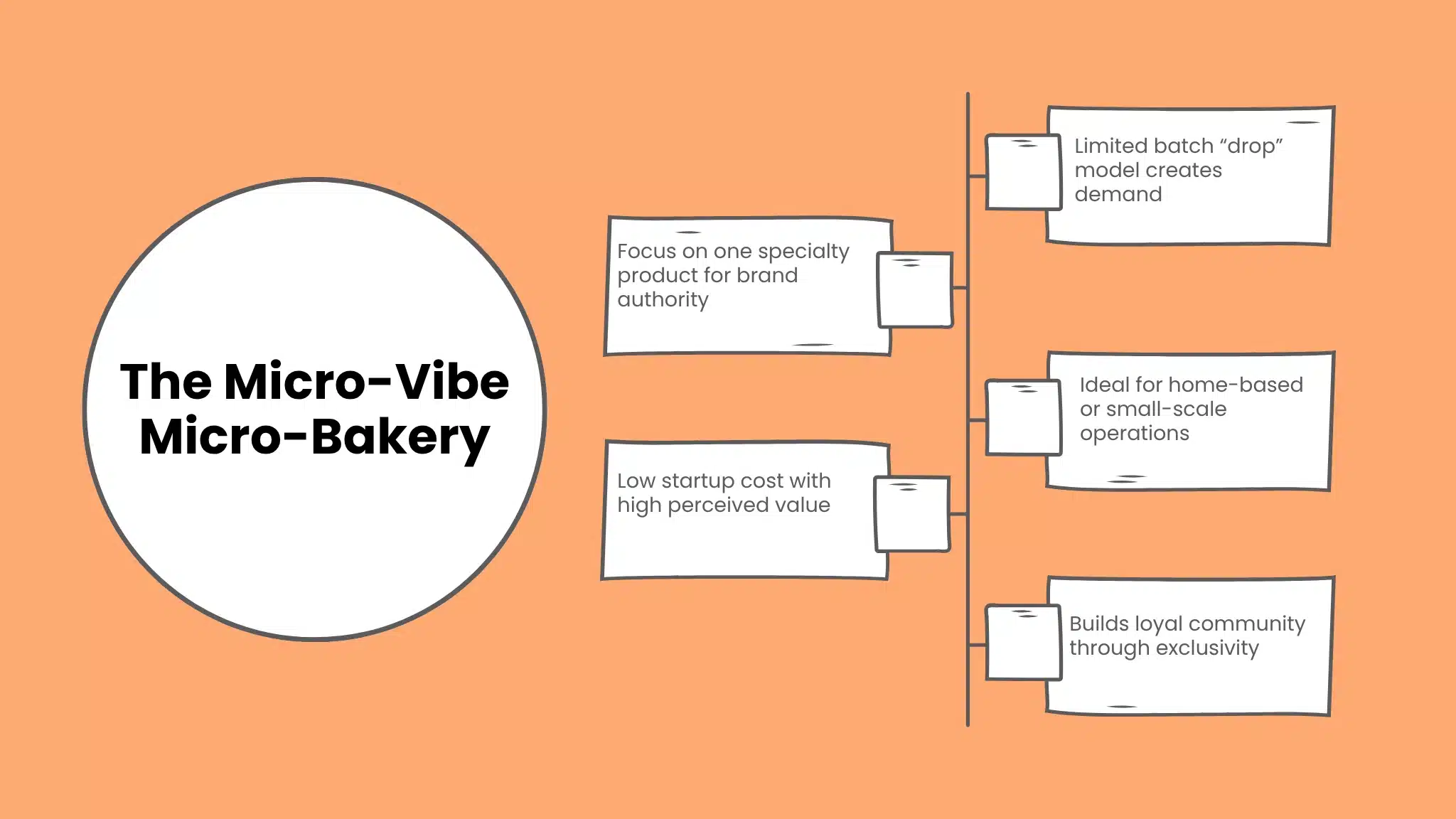
The Strategy: Use “Drop” culture. Announce a limited batch on Instagram, and watch it sell out in minutes.
Expert Insight: This builds “Expertise” and “Authoritativeness” by showing mastery over a single, difficult craft. By focusing on ancient grains or local milling, you differentiate your brand from mass-market frozen dough products.
4. AI-Driven Smart Vending Health Hubs
Vending machines are getting a makeover. Instead of stale chips, innovative food startups are placing refrigerated, AI-powered kiosks in gyms and transit hubs that offer fresh poké bowls, overnight oats, and cold-pressed juices.
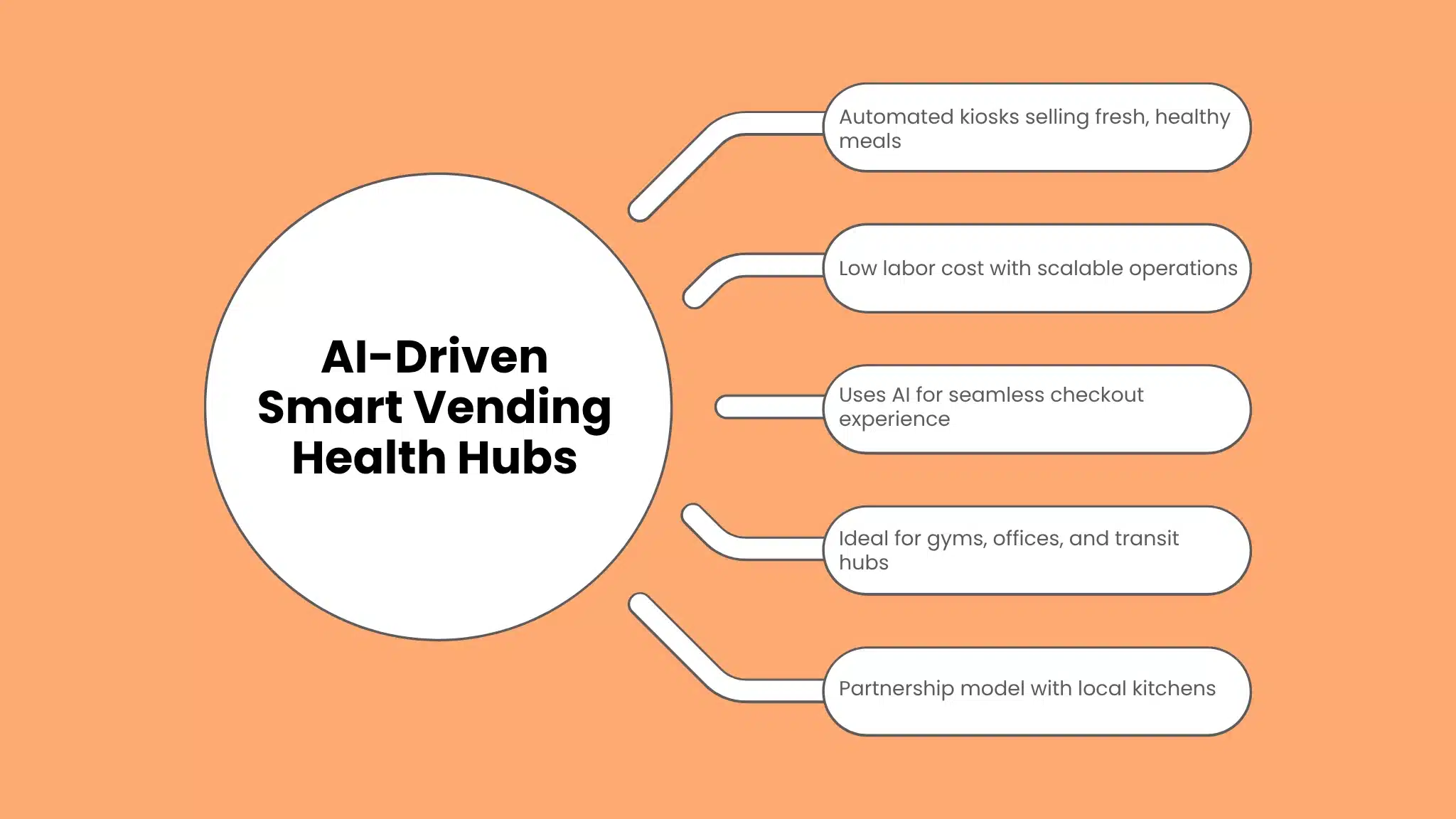
The Tech: These machines use weight sensors and AI vision to charge the customer only for what they take, making it a frictionless Grab and Go experience.
Estimated Startup Cost: $10,000–$15,000 per machine, with low labor costs. In 2026, many entrepreneurs are scaling this by partnering with local restaurants to stock the machines, creating a low-overhead distribution channel for existing kitchens.
5. Edible Packaging and Zero-Waste Dining
With 2026 environmental regulations tightening, a trending food business that eliminates plastic is a winner. Startups are now creating Edible Cutlery or seaweed-based water pods for athletes.
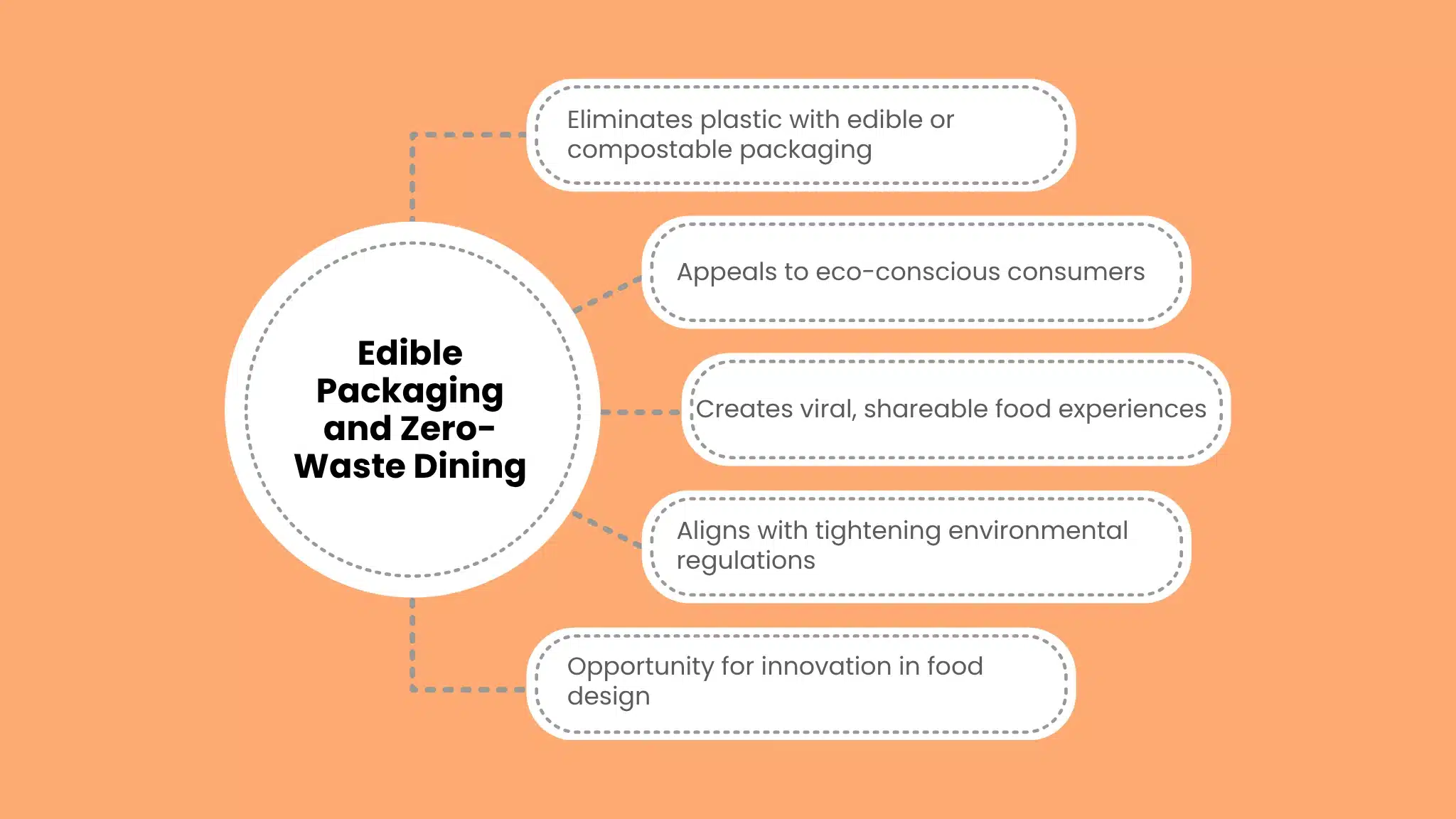
The Viral Angle: I ate my spoon! is the kind of organic content that generates millions of views on social media.
Experience Factor: It gives the customer a story to tell while they eat. Brands like Loliware have pioneered this, but there is still massive room for local competitors to offer edible coffee cups or biscuit-based takeaway containers.
6. Functional Mushroom Cafes and Bakeries
The Shroom Boom has officially moved from supplements to the plate. Consumers are increasingly seeking out creative food ideas that offer cognitive benefits. Coffee shops and bakeries are now infusing Reishi, Chaga, and Cordyceps into everything from lattes to sourdough bread.
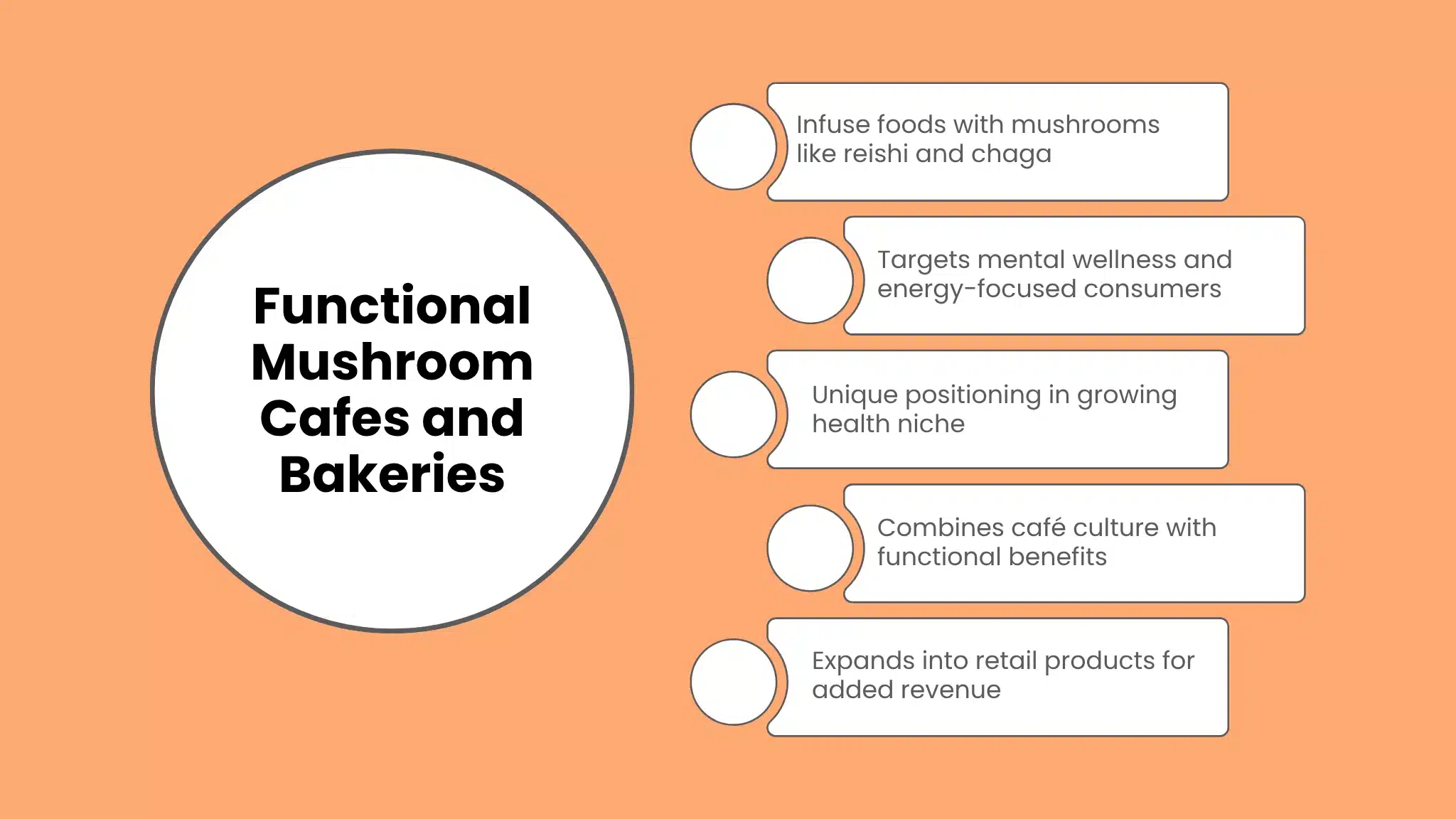
The USP (Unique Selling Proposition): Focus on Mental Balance. 2026 consumers are highly stressed and gravitate toward products that promise focus and energy without the jitters.
Revenue Stream: Selling proprietary mushroom-infused coffee grounds alongside fresh pastries can diversify your income.
7. Hyper-Local Online Farmers Markets
Digital discovery is the new standard. One of the most innovative food startups models involves acting as a digital aggregator for local farmers. Instead of a physical market once a week, you provide a 24/7 app where customers can buy local eggs, honey, and produce for next-day delivery.
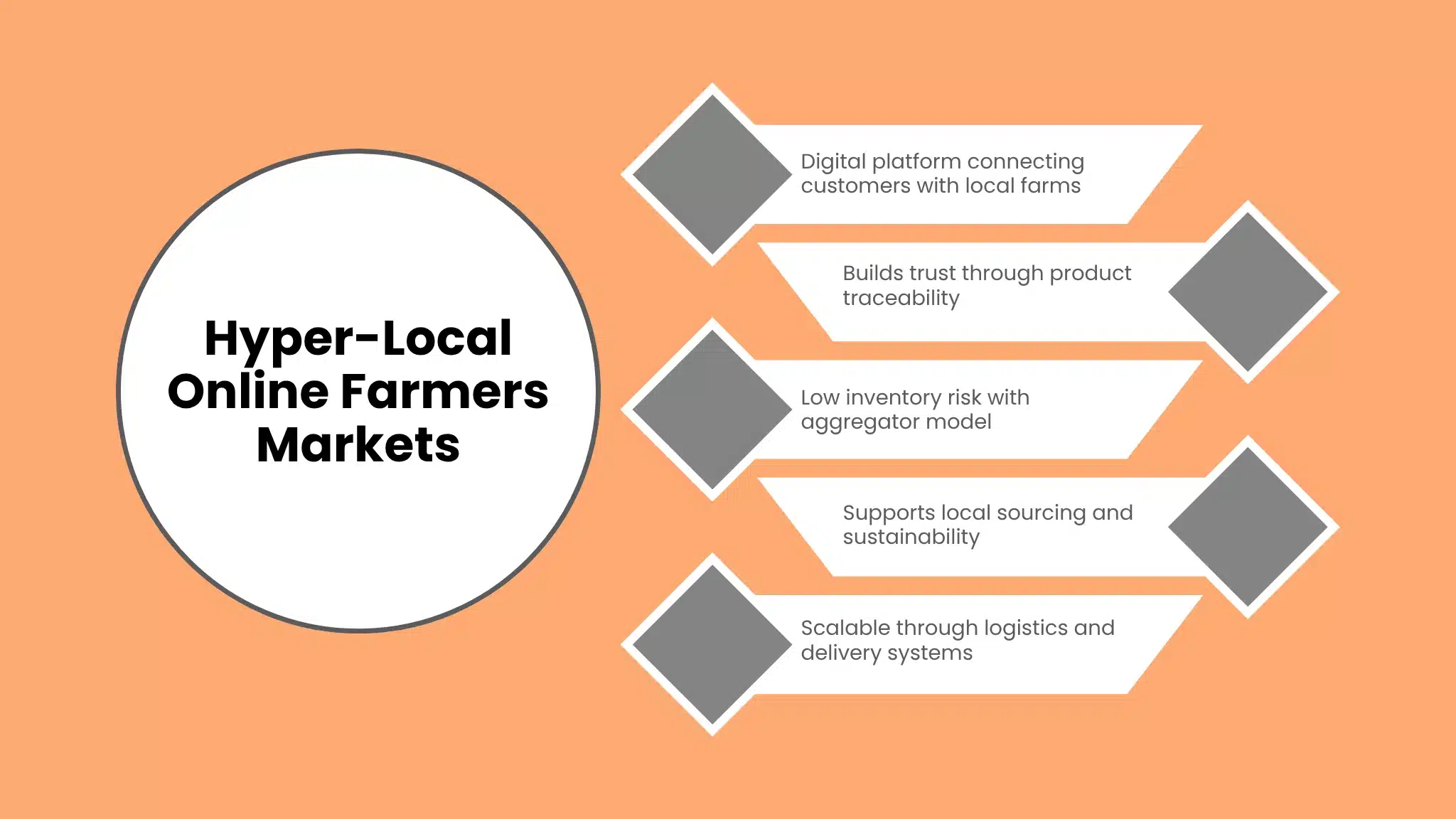
Trustworthiness: By providing Traceability (letting customers see exactly which farm their food came from), you hit the highest levels of Google’s EEAT requirements.
Scalability: You don’t need to own the land; you just need to own the logistics and the platform.
Comparison of Top Trending Food Business Models
To help you decide which path to take, here is a breakdown of estimated performance for these unique food business ideas based on current 2026 market data.
| Business Model | Ease of Entry | Viral Potential | Est. Time to Profit | Startup Capital |
| GLP-1 Meal Prep | Medium | High | 3–6 Months | $5,000 – $15k |
| Micro-Bakery | Very High | Medium | 1–2 Months | $500 – $2k |
| Zero-Proof Bar | Medium | High | 4–8 Months | $3,000 – $7k |
| Smart Vending | Low | Medium | 10–14 Months | $10k – $25k |
| Edible Packaging | Low | Very High | 18+ Months | $50k+ |
Critical Steps for Launching in the USA
Check Local Cottage Laws: Many unique food business ideas can start in a home kitchen, saving you thousands in rent. States like Texas, California, and Florida have specific caps on earnings for home-based businesses, but they are great starting points.
FDA Registration & Labeling: If you plan to sell packaged goods across state lines, you must follow FDA guidelines. Accurate nutritional labeling especially for allergen-friendly products is non-negotiable for building customer trust.
Micro-Influencer Partnerships: Don’t chase the million-follower accounts. Find the local foodie in your city with 5,000 engaged followers. Their recommendation often results in a higher conversion rate for a local startup.
Conclusion: The Future of Food is Niche
The most successful unique food business ideas of 2026 all have one thing in common: they don’t try to please everyone. By focusing on a specific need whether it’s health-conscious meal kits for medication users or eco-friendly dining you build a loyal community that does your marketing for you.
To succeed in this landscape, you need a balance of culinary creativity and business reliability. For entrepreneurs looking to turn their passion into a sustainable company, platforms like ReliableStartup.com provide the necessary frameworks and resources to launch effectively in the USA market. Start small, focus on quality, and be transparent about your sourcing. Your viral moment is just one creative idea away.
Frequently Asked Questions
What is the most profitable unique food business in 2026?
Currently, specialty meal prep (like GLP-1 diets) and zero-proof botanical kits show the highest profit margins due to high demand and lower ingredient costs compared to traditional meat-heavy restaurant menus.
How much money do I need to start a viral food business?
You can start a micro-bakery for as little as $500–$1,000. However, tech-heavy ideas like smart vending or edible packaging may require $15,000 to $50,000 in initial capital to handle equipment and R&D.
How do I make my food business go viral?
Focus on a Visual Hook. Whether it’s the way the food is packaged, a unique color (like ube or charcoal), or a transformation (like a melting chocolate dome), the product must be shareable by nature.
Do I need a professional kitchen for these ideas?
Not always. Many states in the USA have expanded Cottage Food Laws, allowing you to sell non-perishable items like baked goods or jams directly from your home. For perishable items like meal kits, you can rent Ghost Kitchens or shared commissary spaces for a fraction of the cost of a full restaurant.