Non Medical Senior Home Care Business: Licensing and Staffing
Key Takeaways
Licensing requirements for senior home care startups
Effective caregiver staffing and recruitment strategies
Navigating state regulations for non-medical care
Building trust and retaining quality home care staff
Simple startup registration steps by location
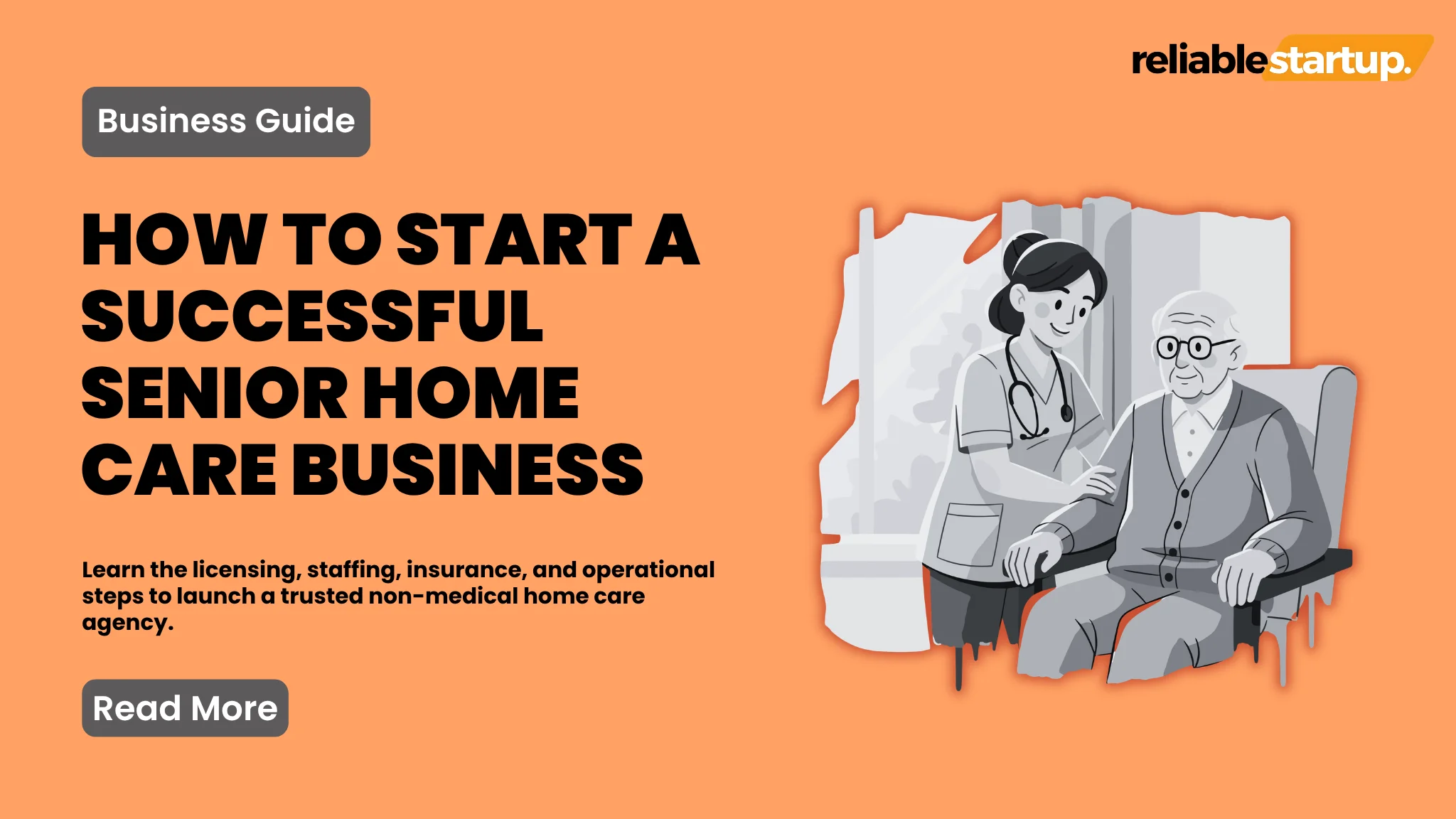
Starting a senior home care business is one of the most rewarding ventures you can launch today. Millions of aging adults want to stay in the comfort of their own homes, but they need help with daily routines like meal preparation, light housekeeping, running errands, and basic personal care. Launching a non medical home care startup allows you to meet this huge demand without needing a clinical medical degree or expensive healthcare facilities.
Setting up your business structure properly from day one ensures long-term stability and shields your personal assets. When you need help with business filings, entity registration, or setting up your initial corporate paperwork, turning to platforms like reliablestartup.com can make the whole process fast and stress-free.
Launching a non medical home care startup involves obtaining local home care licensing, setting up liability coverage, and establishing strong caregiver staffing procedures. Non-medical agencies provide non-clinical support like mobility help, companionship, and medication reminders. By meeting state standards and screening empathetic caregivers, you can build a respected senior home care business in your local community.
Understanding Non-Medical Senior Home Care Services
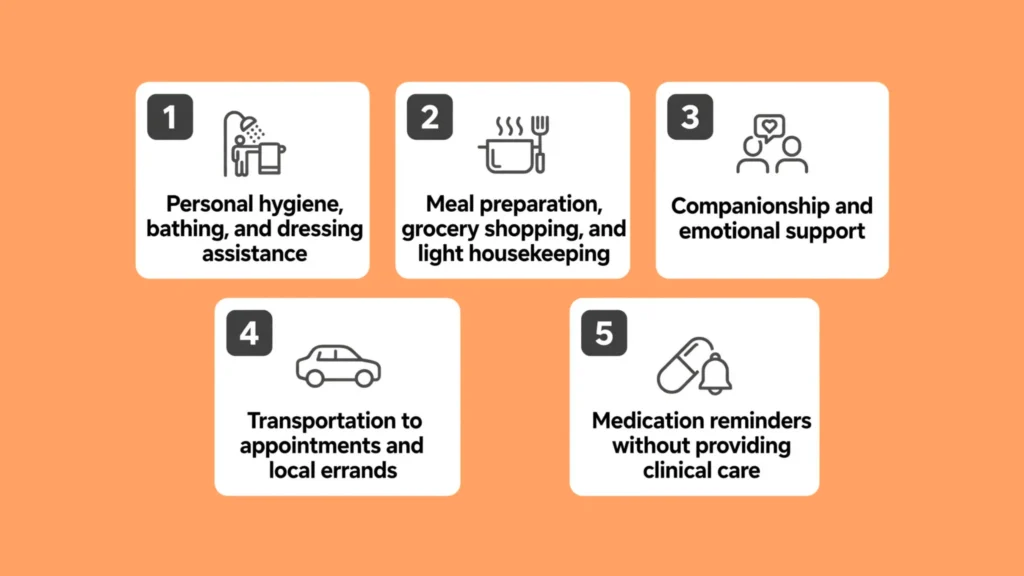
Before applying for permits or hiring caregivers, it helps to understand what a non-medical agency actually does. Unlike home health agencies that employ nurses to administer injections or manage wound care, non-medical senior home care focuses entirely on assistance with activities of daily living. Keeping this distinction crystal clear is essential because offering clinical medical tasks without a medical health license can lead to immediate shutdown and heavy state fines.
What Non-Medical Care Includes
Bathing, dressing, grooming, and personal hygiene assistance.
Meal planning, grocery shopping, and daily cooking.
Friendly companionship, social support, and mental stimulation.
Transportation to doctor appointments and neighborhood errands.
Light housekeeping, laundry, and organizing living spaces.
Medication reminders to help seniors take prescribed doses on schedule.
Why Non-Medical Home Care Is Growing Fast
Thousands of adults turn 65 every day, and the vast majority prefer aging in place over moving into senior living facilities. Families are actively looking for compassionate, trustworthy professionals to support their loved ones.
Because startup costs remain relatively low compared to medical facilities, a non medical home care startup ranks among the best low-cost business ideas for ambitious entrepreneurs who want to make a real community impact.
Navigating Home Care Licensing Requirements
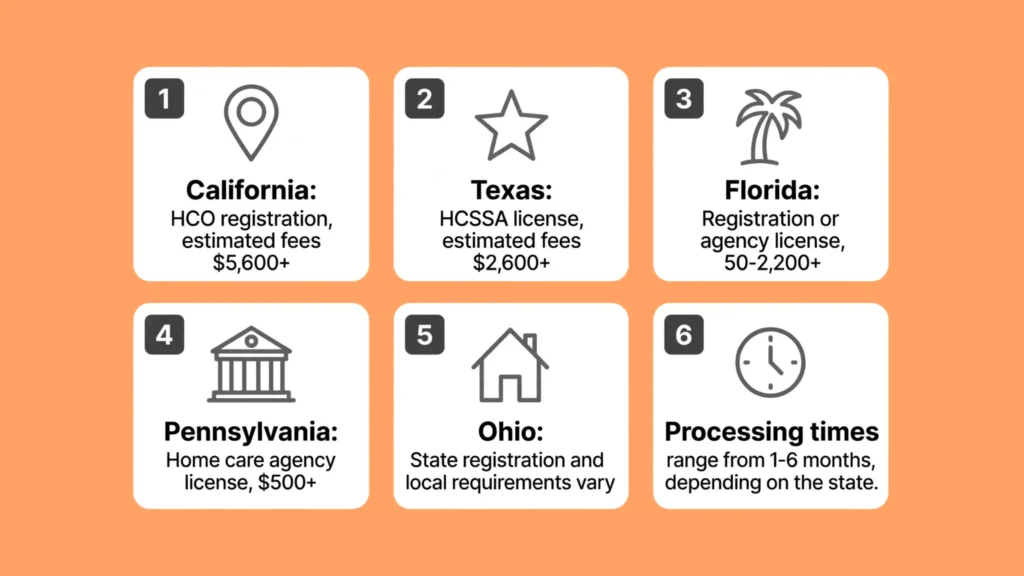
State agencies regulate home care closely to ensure senior safety, but the actual home care licensing process varies significantly depending on where your office is located. Some states require a detailed application, personal background checks, and an on-site office inspection, while others only ask for basic business registrations.
| State | Non-Medical Home Care License Needed? | Estimated License Fees | Typical Processing Time |
| California | Yes (HCO Registration) | $5,600+ | 3 to 6 months |
| Texas | Yes (HCSSA License) | $2,600+ (3 years) | 2 to 4 months |
| Florida | Yes (Registration / Agency License) | $50 – $2,200+ | 1 to 3 months |
| Pennsylvania | Yes (Home Care Agency License) | $500+ | 2 to 4 months |
| Ohio | State registration and local rules | Varies by municipality | 1 to 2 months |
Key Requirements for Application Approval
Most state health departments require you to submit an official policy and procedures manual along with your initial application fee. This manual outlines your policies for client rights, emergency situations, infection control, and staff training.
You will also need to show proof of active business insurance, including general liability, professional liability, and workers’ compensation coverage. Passing criminal background checks for both the business owners and key agency administrators is almost always mandatory.
Mastering Caregiver Staffing and Recruitment
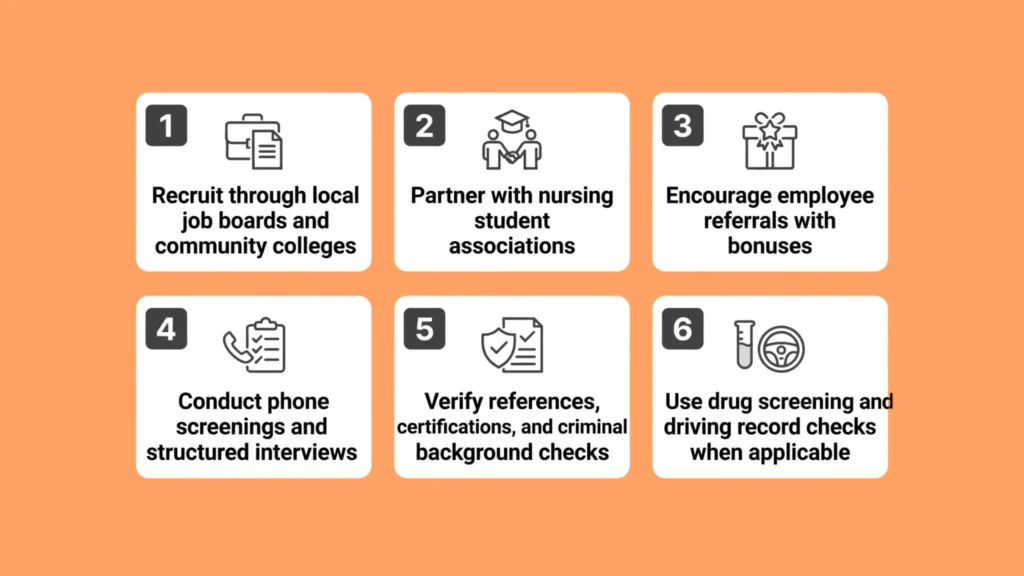
Your senior home care business is only as good as the team representing you inside client homes. Finding, vetting, and retaining top-tier talent is the most critical operational task you will manage every day. A strong caregiver staffing system prevents last-minute shift cancellations and builds long-term client trust.
Where to Source Great Caregivers
Local job boards and community employment centers.
Nursing student associations and local community college programs.
Recommendations and referral bonuses from current high-performing employees.
Specialized healthcare recruiting platforms and senior care job forums.
Effective Vetting and Screening Steps
Conduct initial phone screenings to assess empathy, communication skills, and work history.
Run comprehensive federal and state criminal background checks.
Check previous employment references and verify any caregiving certifications.
Require pre-employment drug screening and motor vehicle record checks if driving clients.
Conduct structured face-to-face interviews focused on real-life caregiving scenarios.
Step-by-Step Guide to Launching Your Non Medical Home Care Startup
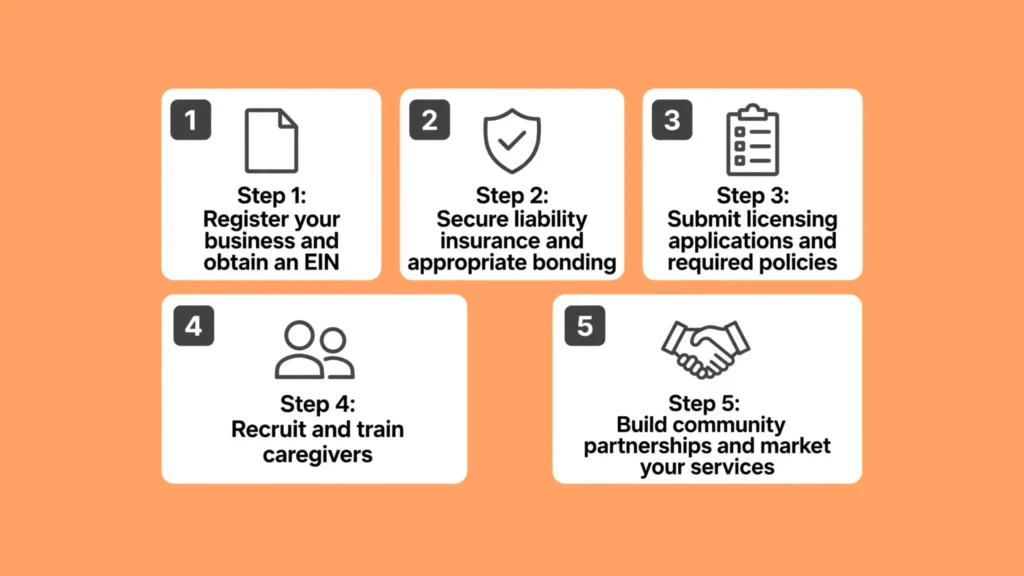
Taking a structured approach keeps your launch organized and prevents costly compliance mistakes. Following these essential steps will get your senior home care business off to a smooth start. Start by building a financial model for a startup so you know your licensing, insurance, and payroll costs before you commit. Using services at reliablestartup.com can streamline your legal filings, state registrations, and business structure decisions so you stay compliant from day one.
Step 1: Form Your Legal Entity
Select a suitable legal entity such as a Limited Liability Company (LLC) or C-Corporation to protect your personal assets. If this is your first company, this guide to starting a business step by step walks through the basics. Register your business name with the Secretary of State and request a federal Employer Identification Number (EIN) from the IRS. Having an official entity setup makes opening dedicated business bank accounts simple and keeps your corporate records clean.
Step 2: Obtain Business Insurance and Bonding
Secure appropriate general liability insurance, professional liability coverage, and workers’ compensation insurance before taking on clients. Adding a dishonesty bond gives clients extra peace of mind by covering potential theft or property loss. Most state home care licensing divisions will not issue an operational permit without written proof of active policies.
Step 3: Complete Home Care Licensing Filings
Gather required documents, draft your state-compliant operational policies, and pay your application fees to your state oversight agency. Review every form thoroughly to avoid approval delays. Allow several months for processing depending on state agency backlogs in your local area.
Step 4: Build Your Caregiver Staffing Team
Begin recruiting caregivers before your official license approval so you are ready to serve clients on day one. Establish a comprehensive orientation program covering safety protocols, client dignity, and agency communication expectations. Providing ongoing skill training helps lower turnover rates and raises overall care quality.
Step 5: Market Your Services to the Community
Connect with local hospital discharge planners, rehabilitation centers, assisted living directors, and senior centers, using LinkedIn social selling to start those conversations. Building direct referral relationships with local medical professionals is the fastest way to get your first clients. Create an informative local website that clearly explains your non-medical services, rates, and caregiver screening standards.
Operational Best Practices for Long-Term Growth
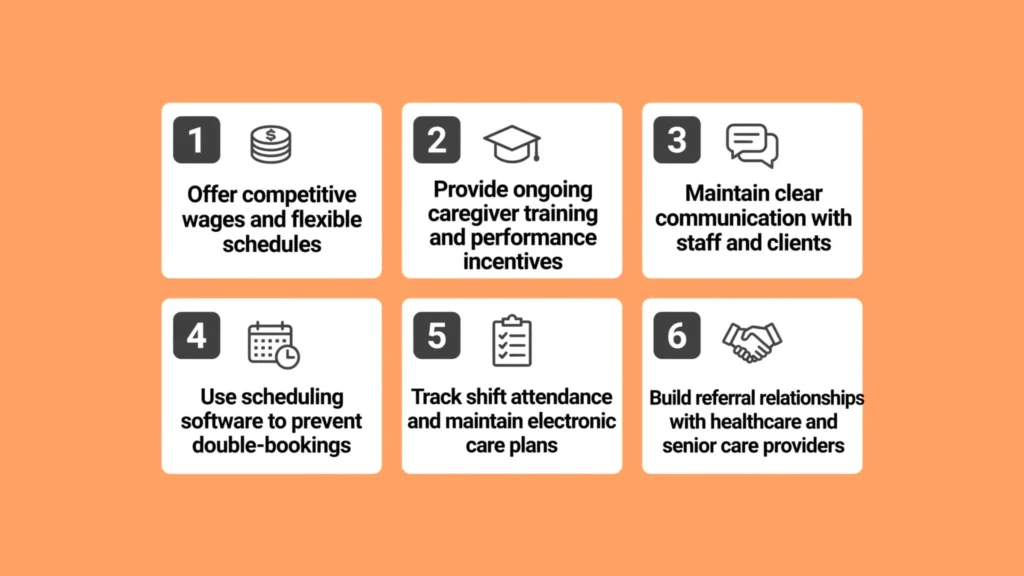
Running a successful senior home care business requires ongoing attention to care quality, scheduling efficiency, and employee satisfaction. Focusing on these daily operational habits keeps clients happy and turns caregivers into long-term team members.
Prioritizing Caregiver Retention
High employee turnover is a huge challenge in the home care sector, and replacing staff costs significant time and money. Offering competitive hourly wages, flexible shift scheduling, clear communication, and monthly performance bonuses encourages your best staff to stick around. Agencies that treat caregivers with genuine respect and support consistently enjoy lower turnover and higher client satisfaction.
Leveraging Technology and Scheduling Software
Modern home care management software simplifies caregiver scheduling, tracks shift clock-ins using GPS verification, and maintains client care plans electronically. Automated scheduling tools stop double-booking errors and make shift handoffs seamless. Using smart operations software cuts down administrative overhead so you can focus on building local referral partnerships.
Conclusion
Starting a senior home care business gives you the chance to run a profitable venture with a good profit margin while making a real difference for families in your community. By mastering home care licensing rules, establishing effective caregiver staffing methods, and building solid community relationships, your non medical home care startup can thrive.
Taking time to lay down a strong legal and operational foundation today ensures long-term client trust and sets your company up for steady growth. Focus on providing compassionate care, supporting your staff, and building a brand your community can rely on every single day.
Frequently Asked Questions
What is a senior home care business?
It is an agency that provides daily non-medical assistance like personal care, cooking, and companionship to elderly adults at home.
Do I need a medical license to start non-medical care?
No, non-medical agencies provide non-clinical support and do not require a medical degree or clinical nursing background.
How long does home care licensing usually take?
In most states, obtaining a home care license takes anywhere from 1 to 6 months depending on local health department timelines.
How do I find staff for caregiver staffing?
Recruit through local job boards, community colleges, healthcare career fairs, and referral programs from active employees.
What insurance is needed for a non medical home care startup?
You typically need general liability, professional liability, workers’ compensation, and a employee dishonesty bond.
About The Author