Best Solar Generators For Home Backup Power Reviewed
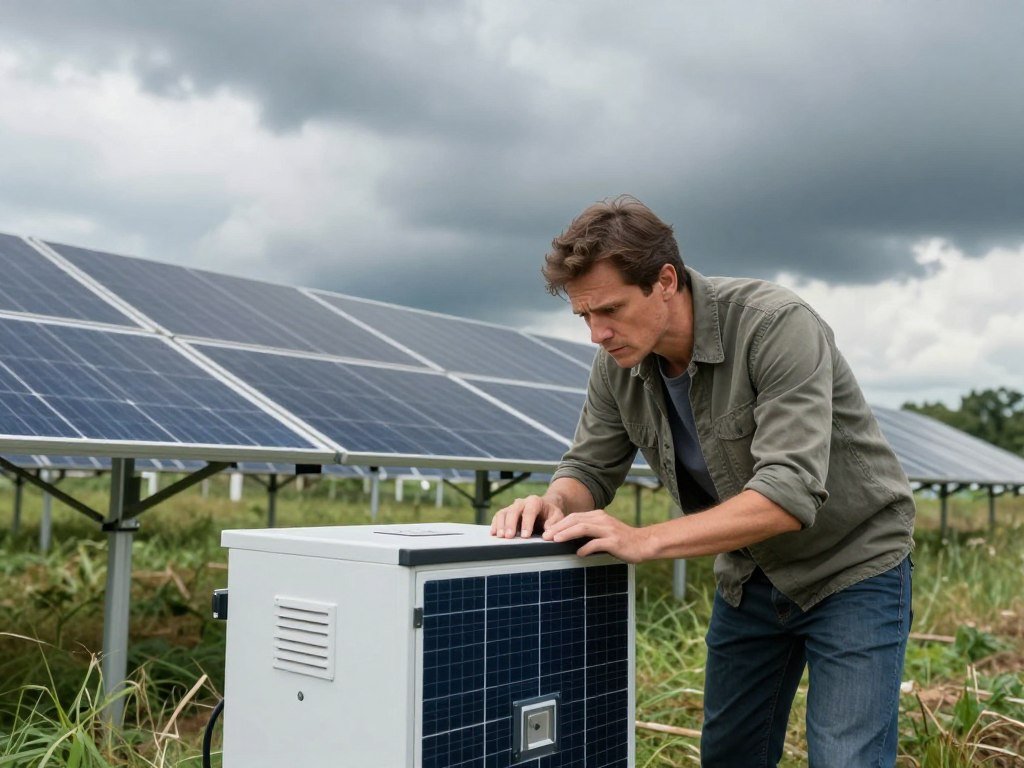
For most households, a solar generator is best treated as backup for selected essentials, not an automatic replacement for grid power. A mid-size power station can keep a refrigerator, lights, and Wi-Fi running for a while, depending on their energy use.
A solar generator is a battery power station that stores electricity and can recharge from solar panels. It can help during an emergency outage, especially when severe weather knocks out grid power, but stored energy is limited. Longer outages and 240 V appliances need more capacity, stronger output, and careful planning.
This roundup covers options for high output, home integration, expandable storage, rugged portability, and 240 V or RV connections. The right fit depends on which loads matter most and how you plan to power them. Start by deciding which appliances must stay on and how many hours you need to cover.
Key Takeaways
- A power station stores electricity; a solar generator pairs it with solar panels.
- Capacity, measured in watt-hours, affects how long stored energy lasts.
- Output, measured in watts, limits how many appliances can run together.
- Some 240 V appliances need a split-phase system and compatible home connections.
- Solar charging depends on sunlight, panel placement, and the station’s input limit.
- A battery backup covers chosen loads, not every home indefinitely.
How a Solar Generator Works During an Outage
A solar generator stores electricity in a battery, then an inverter converts that stored energy into power your appliances can use. The battery holds energy, while the inverter supplies alternating current, or AC, to compatible outlets and devices.
A typical U.S. household outlet supplies 120 V AC. Larger appliances, such as some electric dryers and central air systems, need 240 V output and a compatible connection. The station’s charge controller manages incoming power from solar panels, which turn sunlight into electricity.

A grid-tied rooftop solar system may shut down during a blackout unless it has backup equipment. That safety feature helps prevent electricity from flowing onto power lines while utility crews work. Rooftop panels alone do not mean your home can use their power during an outage.
A solar generator is a battery-based backup option, not a promise of indefinite whole-home power.
A power station can sit indoors because it does not burn fuel or produce exhaust. Fuel-burning generators need outdoor placement, away from doors, windows, and other openings. Battery stations still need a dry, suitable location and clear access to their ports.
Plugging an appliance into the station is different from powering a home circuit. A direct connection serves equipment near the station, while a transfer switch can connect selected circuits through approved equipment. Check whether the appliance plugs directly into the station or needs a compatible 240 V connection.
How to Choose the Best Solar Generators for Home Backup Power
Make a list of the appliances you need at the same time, then size the station for the largest combined running load and the surge it must start. Start with the loads you cannot comfortably lose, rather than the biggest station you can find.
Output sets the maximum simultaneous power, while capacity sets the stored energy available over time. Output is measured in watts; capacity is measured in watt-hours. A larger inverter can support more appliances together, while more battery capacity can extend runtime.

Use this checklist to compare appliances with a power station:
- List each appliance you need during an outage.
- Write down its running wattage from the label or manual.
- Check its extra startup draw, also called surge power.
- Note whether it needs 120 V or 240 V power.
- Estimate how many hours you expect to use it.
Match the unit’s output to the appliances you will run together
Add the running watts for appliances that may operate at once. The total must stay below the station’s maximum output. Motors in refrigerators, pumps, and tools can draw extra surge power when they start, so the inverter needs enough headroom for that brief demand.
A unit’s output rating does not show how long it can run a load. A larger inverter supports more simultaneous demand, but it does not add stored energy. Check the appliance’s voltage too, since many 240 V loads need a 120 V/240 V split-phase system.
Choose enough capacity for the outage hours you want to cover
Capacity is measured in watt-hours and gives you a way to compare stored energy with appliance use. More capacity can extend runtime, though inverter losses and appliance cycles affect the result. A refrigerator cycles on and off, so its energy use differs from a steady load.
A plug-in backup serves appliances connected by their own cords. A circuit-connected system routes power through a compatible transfer switch to selected home circuits. Those options differ in setup and reach, even when they use the same station. Leave a margin between the combined running wattage and the station’s maximum output.
What Can a 3,000-Watt Solar Generator Run?
A 3,000 W unit can power essentials such as a refrigerator, lights, and Wi-Fi, but it is not a whole-house solution. The 3,000 W rating describes maximum power delivered at once, not the amount of stored energy.
A 3,000 Wh battery running a 3,000 W load lasts about one hour before inverter losses. Watt-hours measure capacity; watts measure output. For a refrigerator using about 1.2-1.5 kWh per day, a 3,000 Wh battery could last about two days under the stated estimate.

That estimate changes with actual use. A refrigerator cycles rather than drawing full power every minute, and inverter losses reduce the energy available to appliances. Lights, Wi-Fi equipment, and phone charging add smaller loads, though their total use still matters over many hours.
A 3,600 Wh EcoFlow Delta with a 700 W refrigerator ran for more than five hours in one example. At its full 3,600 W output, that same capacity lasts about one hour before losses. The contrast shows why a high wattage rating alone cannot predict runtime.
High-demand loads such as space heaters or large kitchen appliances can use stored energy quickly. Refrigerator motors also need surge power when they start, so leave output headroom rather than matching the rating exactly. A 3,000 W and 3,000 Wh comparison helps show why output and capacity answer different questions.
Use watt-hours and the appliance’s daily energy use to estimate runtime, then allow for losses and startup surges.
How Many Solar Panels Do You Need to Recharge a Power Station?
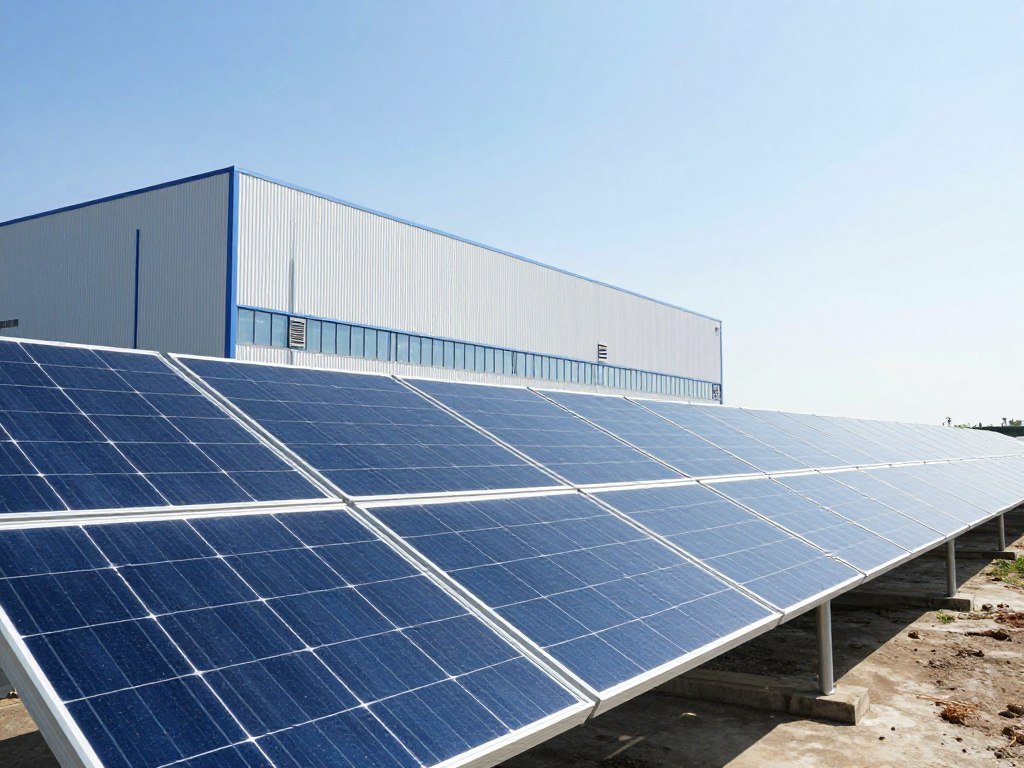
A 3,000 Wh station needs a substantial panel array to refill in a single sunny day, not just one small panel. About 600-900 W of solar panels is a general estimate for recharging that battery in about five peak sun hours.
One small panel may take 15-20 hours to recharge a 3,000 Wh station. Actual charging changes with shade, clouds, season, and panel angle, so peak sun hours do not mean the panels deliver full power all day.
Size the panel array for your battery and sunlight
Compare the solar panel array’s rated power with the station’s maximum solar input. The EcoFlow Delta Pro accepts up to 1,600 W, as does the DELTA 3 Ultra Plus. The DELTA 3 Max Plus accepts up to 1,000 W.
The DELTA 3 Ultra Plus has 3,072 Wh capacity and 3,600 W output, with expandable capacity up to 11 kWh. The DELTA 3 Max Plus reaches 80% charge in 96 minutes with its recommended solar kit. These figures describe different battery sizes and charging setups.
Treat solar as a way to extend runtime, not a guaranteed refill
Before buying solar panels, check a few details:
- Place panels where they receive the strongest available sunlight.
- Check that panel voltage and connectors match the station’s input.
- Confirm the array’s combined wattage stays within the input limit.
- Allow for cloud cover, shade, and changing sun angles.
Several panels can add energy during an outage, even when conditions prevent a full recharge. The number of useful charging hours and the station’s input ceiling both shape the result. Confirm the station’s maximum solar input before buying panels, since extra panel wattage beyond that limit will not increase its charging rate.
Best Solar Generators Compared at a Glance
The shortlist spans compact stations for essentials and heavier systems built to handle larger simultaneous loads. Capacity and output are useful starting points, but solar input and weight can also shape your choice.
The best solar generators for home backup power in the USA should match household voltage and the loads to be covered. A station with strong output may still have limited stored energy, while a large battery may not power every appliance at once.
| Model | Claimed capacity in Wh | Claimed output in W | Maximum solar input in W | Weight in lb |
|---|---|---|---|---|
| Bluetti Apex 300 | 2,764.8 | 3,840 | 2,400 | 84 |
| EcoFlow Delta Pro | 3,600 | 3,600 | 1,600 | 99 |
| Goal Zero Yeti 1500 | 1,505 | 2,000 | 900 | 53 |
| Jackery Explorer 1500 Ultra | 1,536 | 1,800 | 800 | 38.6 |
| Bluetti Elite 300 | 3,014 | 2,400 | 1,200 | 59 |
The EcoFlow DELTA Pro is listed at 3,600 Wh and 3,600 W. Bluetti Elite 300 is listed at 3,014 Wh and 2,400 W, while Anker Solix S2000 offers 2,010 Wh and 1,500 W.
For smaller loads, the EcoFlow DELTA 3 Classic has 1,024 Wh capacity and 1,800 W output. Jackery Explorer 1500 Ultra has 1,536 Wh and 1,800 W, while Goal Zero Yeti 1500 has 1,505 Wh and 2,000 W.
Six station-and-panel packages were tested in 2026 and earned top marks for power quality. Testing compares recharge speed, power delivery, power quality, portability, and ease of use. Treat claimed capacity and output as starting points, then prioritize the feature that matters most in your home.
Best High-Output Pick: Bluetti Apex 300
Choose the Bluetti Apex 300 when high output and a large solar-input ceiling matter more than easy carrying. Its 3,840 W output and 2,400 W maximum solar input suit a home setup that can stay in one place.
The Apex 300 weighs 84 lb, so it is a poor fit for frequent carrying. Its 2,764.8 Wh capacity stores energy, while its 7,680 W surge power supports brief startup demands beyond its regular output.
Surge capacity matters for appliances with motors, such as refrigerators and pumps. These appliances may briefly draw more power as they start than they use while running. A station needs enough surge power for that moment, along with enough continuous output for the other loads.
The Apex 300 has two solar ports, each of which can accept up to 1,200 W. That gives you room to connect a substantial panel array, within the station’s overall solar input limit. Panel output still changes with sunlight and placement.
The unit’s weight makes location part of the buying decision. Moving it between rooms can be difficult, especially when the station is connected to panels or other equipment. A fixed position near the appliances or home connection you plan to use can make setup simpler.
Strong output does not make the Apex 300 an automatic whole-home solution. Your circuit needs and the station’s stored capacity still determine which appliances it can support and for how long. Plan a fixed place for the 84 lb station before an outage rather than expecting to move it room to room.
Best for Home Integration: EcoFlow Delta Pro
For home integration, choose an EcoFlow Delta Pro configuration that matches both the circuits you want to back up and the runtime you need. The Delta Pro family includes options with different capacity and expansion limits.
A transfer switch can connect the station to selected home circuits. That arrangement can serve chosen loads without suggesting that every circuit will run at once. The exact station and transfer equipment must work together.
EcoFlow Delta Pro 3 for expandable backup
The EcoFlow Delta Pro 3 has 4,096 Wh capacity, 4,000 W output, and 2,600 W solar input. Its capacity can expand to 12 kWh, adding stored energy for longer backup.
More capacity can stretch runtime, but it does not raise the home’s circuit limits by itself. Output and connection equipment still shape which loads can run together. Plan the circuits you want powered before choosing an expandable setup.
EcoFlow Delta Pro tested on a full-size refrigerator
The tested EcoFlow Delta Pro has 3,600 Wh capacity and 3,600 W output. It powered a 25-cubic-foot refrigerator for 51 hours and 24 minutes in a test. It recharged from a standard outlet in 2 hours and 36 minutes.
That refrigerator result describes one test, not a promise for every home. Fridge models, settings, room conditions, and other connected loads affect runtime. A transfer switch also changes how power reaches the refrigerator and other selected circuits.
Check the specific model and its connection equipment, since the Delta Pro and Delta Pro 3 have different ratings. Confirm the exact model and connection method before planning around a tested refrigerator runtime.
Best for Maximum Expandable Capacity: EcoFlow DELTA Pro Ultra
The DELTA Pro Ultra is the stronger fit when expandable storage and high continuous output are priorities for extended backup. Its listed configuration has 6,144 Wh capacity, 7,200 W output, and 5,600 W solar input.
Capacity can expand to 30 kWh, adding stored energy and runtime. That does not prove the system can power every load at once. Output and the home’s circuit needs still set the limits.
When the larger storage system makes sense
A larger battery system can suit a household preparing for longer outages or backing up more essential equipment. It gives you more stored energy than a single portable station. The value depends on which appliances you plan to use and how long they need power.
Essential-circuit backup is different from a whole-home promise. A house may have loads that exceed the system’s output or need connections it does not support. Adding batteries increases capacity, but it does not remove those limits.
What to check before planning whole-home coverage
Review these items before you decide:
- List the loads you want available during an outage.
- Check whether those appliances need 120 V or 240 V.
- Choose enough battery storage for the expected outage hours.
- Estimate whether solar can recharge the system in local conditions.
Household wiring and transfer equipment also affect how backup power reaches your appliances. Have an electrician confirm circuit compatibility and transfer equipment before treating a portable station as a home backup system.
Best for Rugged Portability: Jackery Explorer 1500 Ultra
Pick the Explorer 1500 Ultra when rugged construction and a manageable carry weight matter more than multi-day capacity. At 38.6 lb, it is easier to move than many larger home backup stations.
The Jackery Explorer 1500 Ultra has 1,536 Wh capacity, 1,800 W output, and 3,600 W surge output. Its IP65 rating and sealed covers make it better suited to dusty or wet conditions than a station without that protection.
Its weather protection does not add stored energy. The 800 W maximum solar input and modest capacity make it a portable backup option, not a guarantee of extended appliance coverage. Keep its limits in mind when choosing which devices to connect.
The Jackery HomePower 3000 offers 3,072 Wh capacity, 3,600 W output, and 7,200 W surge output. It stores more energy and supports a larger load, but it is a different choice from the lighter Explorer 1500 Ultra.
The HomePower 3000 was listed at $1,349 in October 2026. That is a dated listing, not a universal current price. Prices can depend on the seller and the package being offered.
Use a station’s rating as a guide to covered conditions, not as permission to leave it exposed to every kind of weather. Keep the station within its stated weather limits and shelter it from conditions its rating does not cover.
Best for Weather-Exposed Use: Goal Zero Yeti 1500
The Goal Zero Yeti 1500 suits buyers who want protected ports and useful emergency outputs in a weather-resistant station. Its IPX4 rating covers water splashes, not unrestricted exposure to rain or other wet conditions.
The station has 1,505 Wh capacity, 2,000 W output, and 3,600 W surge output. It weighs 53 lb and accepts up to 900 W of solar input.
The Yeti’s range of outputs can help you connect different emergency devices. Its battery capacity still sets how much energy is available, while output limits how much power appliances can draw together.
A 200 W solar panel produced 125-145 W in a sunny test. The panel did not deliver its full rated wattage under those conditions. A recharge from 5% was estimated to take at least 10.5 hours in that test.
You can add solar panels up to the station’s 900 W input limit, but real charging still depends on sunlight and panel conditions. A panel’s label wattage is not the same as its steady output throughout the day. Set charging expectations using the panel’s real conditions, not its label wattage alone.
Which 240-Volt and RV Backup Options Fit Your Loads?
Choose the Anker SOLIX F3800 for a 240 V load, and the Bluetti Elite 300 for a 120 V, 30 A RV connection. The connection type matters as much as the station’s capacity and output.
An appliance must match the station’s voltage and have a startup demand the unit can handle. A plug or voltage label alone does not confirm that the appliance will start or run.
| Model | Voltage or connection | Key use |
|---|---|---|
| Anker SOLIX F3800 | 120 V/240 V split-phase | Larger 240 V loads |
| Bluetti Elite 300 | 120 V/30 A RV connection | Small RV and selected appliances |
The Anker SOLIX F3800 has 3,840 Wh starting capacity and 6,000 W output. Its 120 V/240 V split-phase power can suit compatible larger appliances, subject to the appliance’s demand and setup.
The Bluetti Elite 300 has 3,014 Wh capacity, 2,400 W output, and 4,800 W surge power. It offers up to 1,200 W of solar input and a 30 A, 120 V RV connection.
The RV connection can serve compatible equipment, but it does not make every RV appliance a match. Read the appliance nameplate for voltage and power needs, including startup draw. Check the appliance nameplate and startup demand before relying on either connection.
What Are the Downsides of Solar Generators?
The biggest drawback is finite stored energy: once the battery is depleted, the station needs time and a power source to recharge. That limit can matter during a long outage when sunlight is poor or the grid remains down.
Portable power stations are most useful for outages lasting hours rather than days. Solar charging can take a long time in weak sun, and panels cannot produce power without sunlight. A wall outlet is often the fastest recharge method, but it is unavailable during a blackout.
Some stations are heavy and hard to move, especially larger models with more battery capacity. Their upfront price can also be high. Think about where the unit will sit and whether you can move it safely before buying one.
Quiet use indoors and no fuel handling are useful advantages, but neither adds runtime. A battery station does not need gasoline, and it does not produce the exhaust created by fuel-burning generators. You still need a way to restore its capacity after use.
EcoFlow states that its solar generators use LFP batteries, come with a five-year warranty, and operate below 30 dB. Those details apply to EcoFlow products, not every battery station on the market.
Choose a fuel-free station for quiet, short-duration backup, but do not rely on it alone for an outage that may last several days.
How to Set Up Backup Power for Essential Home Circuits
For a few portable appliances, plug them directly into the station; for selected home circuits, use compatible transfer equipment. The direct-plug option is simpler, but it limits appliances to cord reach and available outlets.
A transfer switch connects selected circuits, not every circuit in the house. Goal Zero describes a home backup system as a portable station, an integration kit, and optional expansion batteries. Cited configurations back up as many as four essential circuits.
Plug appliances directly into the station
A direct connection works well for portable devices that can reach the station. The setup avoids a home circuit connection, though long cords can be awkward and may limit where equipment sits. Check the appliance plug and the station’s available outlets.
Use a transfer switch for selected home circuits
A transfer switch routes power from the station to compatible circuits. An installed connection needs compatible equipment and proper wiring, so have an electrician handle the work. Use this checklist before setup:
- Confirm which appliances can plug directly into the station.
- Identify the essential home circuits you want backed up.
- Verify that the transfer switch matches the station and circuits.
- Have an electrician handle installed connections.
- Keep fuel-burning generators outdoors and away from openings.
Never connect a power station to household wiring through a wall outlet or an improvised backfeed cable.
What Does a Home Backup Solar Generator Cost?
In 2026, tested station-and-panel packages ranged from about $500 to more than $2,500, with larger systems generally costing more. The package contents matter, since some prices include solar panels and others cover the station alone.
Capacity, output, and included equipment help explain why backup setups have different prices. A larger battery stores more energy, while a stronger inverter can support larger simultaneous loads. Bundled panels and home integration equipment also affect the total.
A conventional generator can cost less upfront in some cases. A 3,900 W inverter generator was listed at about $1,000, compared with more than $2,500 for the 3,600 W EcoFlow Delta Pro. Fuel and maintenance needs differ, so compare those costs without assuming one setup will save money over time.
Check these price drivers when comparing packages:
- Battery capacity, which affects stored energy.
- Inverter output, which affects simultaneous loads.
- Solar panels included with the station.
- Expansion batteries for added storage.
- Home integration equipment for selected circuits.
A headline price can hide a smaller battery or a panel kit that does not fit your needs. Compare the included equipment and usable capacity, not the headline price alone.
How to Choose Between Jackery, EcoFlow, and Other Brands
Choose by the loads, voltage, and portability you need, not by brand name alone. EcoFlow is the stronger fit among these picks for expandable home backup; Jackery suits buyers who want rugged or lighter portable models.
Anker fits when its 240 V options or port mix match your loads. The Jackery Explorer 1000 V2 has 1,070 Wh capacity, 1,500 W output, and weighs 23.8 lb.
- Jackery Explorer 1000 V2 recharges in 5.5 hours from a wall outlet, 6.5 hours with solar, or 11.5 hours from a car outlet.
- Anker Solix F2000 has 2,048 Wh capacity, 2,400 W output, 1,000 W solar input, 12 ports, and weighs 67 lb.
- Anker Solix C2000 has 2,048 Wh capacity, 2,400 W output, and weighs 41.7 lb.
The Explorer 1000 V2’s smaller capacity suits devices and modest loads, not extended appliance backup. Verify the exact model’s output, battery capacity, and included charging equipment before ordering.
Conclusion
A good home backup choice is the smallest system that reliably covers the loads you refuse to lose. Your needs depend on essential appliances, the hours you need them, and whether they require 120 V or 240 V power.
A power station can help during an emergency, but its battery has a limit. More capacity can extend backup time, while output and connection needs decide which appliances can run together.
Write down those loads and their startup demands, then compare the list with the station’s continuous output and capacity.
FAQ
Which solar generator is best rated by Consumer Reports?
The EcoFlow DELTA Pro was the top model in the cited 2026 ratings, with 3,600 Wh capacity and 3,600 W output. Those ratings reflect tested criteria, not a promise of runtime in every home. Your refrigerator, other connected appliances, and usage patterns can change how long the station lasts. Check your own loads before treating a rating as a backup plan.
What will a 3000 watt solar generator run?
A 3,000 W solar generator can run essentials such as a refrigerator, lights, and Wi-Fi, but it cannot power a whole house by that rating alone. The 3,000 W figure describes output, or maximum simultaneous power. Stored energy is measured in watt-hours, and that capacity determines how long appliances can run. Startup surges and inverter losses also affect performance.
Are solar generators powerful?
Yes, solar generators range from modest device-charging units to stations with several thousand watts of output. A higher output can support more appliances at once, but it does not mean the battery will last longer. Check continuous output for the combined running load. For appliances with motors, such as refrigerators, compare surge power with their startup demand.
What size solar generator will power a home?
A few kilowatt-hours of storage can support selected essentials, while whole-home coverage needs more storage, higher output, and careful circuit planning. Many homes also need compatible 120 V/240 V connections for larger appliances. A station’s output limits what can run at once, even when extra batteries add capacity. Decide which circuits matter before choosing a system.
What are the downsides of solar generators?
The main downsides are limited stored energy, slow solar charging in poor conditions, heavy units, and high upfront prices. After the battery runs out, you need another recharge source and enough time to refill it. Solar panels may produce little power under cloud or shade. A wall outlet can charge a station faster, but it may not work during a blackout.
What is the best solar generator for home backup?
The EcoFlow Delta Pro 3 fits expandable home backup, while the Bluetti Apex 300 suits buyers who value high output and solar input. The Jackery Explorer 1500 Ultra is a better match when rugged portability matters most. Each serves a different kind of backup plan. Compare your appliance loads, voltage needs, and desired outage hours before choosing.
What is the best brand for a solar generator?
No single brand is best for every backup need. EcoFlow fits buyers planning an expandable home system, while Jackery offers portable and rugged options. Anker or Bluetti may fit better when a particular output rating, voltage, or port connection matches your equipment. Compare exact model specifications, since products within one brand can differ widely.
Which one is better, Jackery or EcoFlow?
EcoFlow is the better fit for expandable home backup, while Jackery suits buyers who need a lighter or more rugged portable station. The right choice still depends on the loads you plan to run. Compare capacity for runtime and output for appliances used together. Check the charging equipment included with each model, especially if you plan to recharge from solar panels.
About The Author