Best Caldereta de Cordero Near Me: Top 10 Restaurants
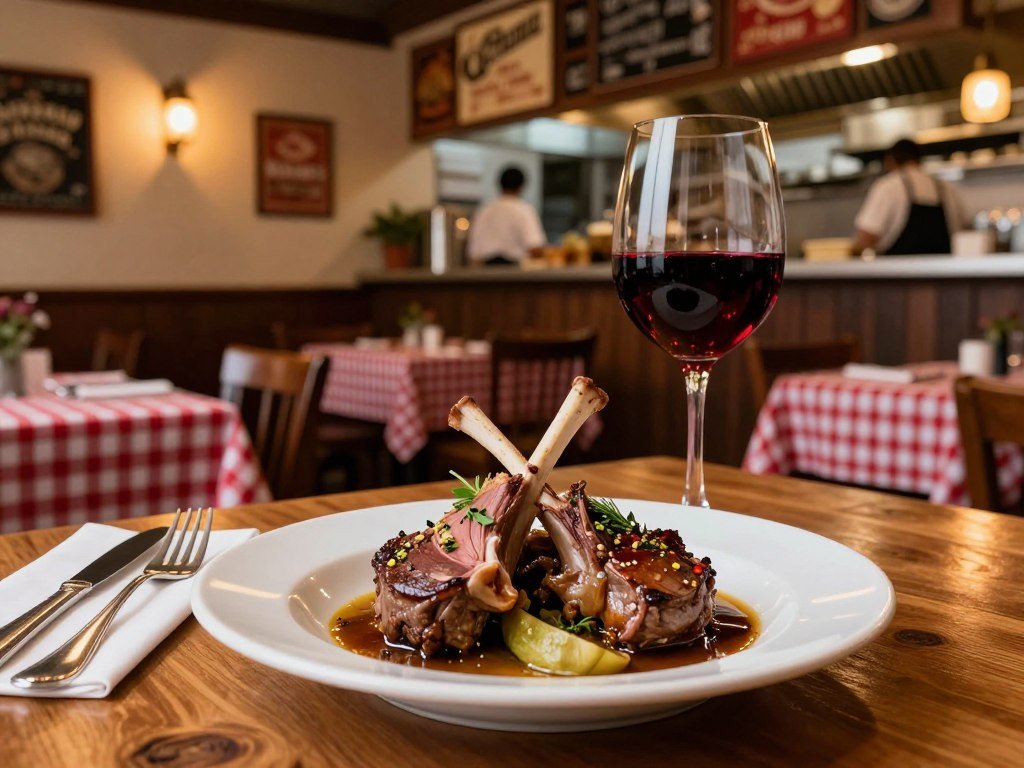
A restaurant that serves caldereta de cordero can be hard to identify from a broad “near me” search alone. Your results depend on where you are, and a cuisine label does not prove that a restaurant serves this meal. Menu verification means checking a restaurant’s current menu and confirming the dish details directly before you make the trip.
You can build a useful shortlist without treating an unconfirmed restaurant as a sure pick. Check the menu, note the meat and preparation, then decide whether the food fits your plans. A glass of wine may pair well with a rich lamb dish, but first you need a restaurant that actually offers it.
Key Takeaways
- Search with your city or ZIP code.
- Treat cuisine labels as leads, not proof.
- Check the current menu and stated meat.
- Call about availability before making a trip.
- Keep similar lamb dishes separate from confirmed caldereta.
Start with your city or ZIP code so every search result is local to you.
Why Is Caldereta de Cordero Hard to Find on U.S. Menus?
A search for the exact Spanish name can miss a restaurant that describes the dish more generally. The term caldereta cordero may not appear on a menu, even when a kitchen serves a related lamb stew. Do not assume a dedicated dish listing is common on a standard menu.
A restaurant might use a short English description, list the dish as a special, or group it under a broad menu heading. A menu may say “Spanish lamb” or “lamb stew” instead of naming the preparation. Some listings also show an old menu, so a search result alone cannot confirm current availability.
The dish name can be easy to miss
Caldereta de cordero is a Spanish lamb stew, but restaurant menus do not always use that full name. A shorter title may leave out the meat or the cooking style. A broad English phrase can help you spot a possible match, though it cannot confirm that the kitchen follows a Spanish recipe.
Read the description for a named cut, sauce, or stew detail. If the menu only says “specialty stew,” you have little evidence about its ingredients. A dish with the right name can also use a different meat, so the word alone does not settle the question.
Search beyond one cuisine label
Treat a related cuisine result as a lead to verify, not proof that the dish is on the menu.
When an exact-name search comes up short, try a second path through Spanish, Filipino, and broader Latin American cuisine. Those categories can help surface restaurants whose menu language differs from your first search. They are separate routes, not a claim that the same dish appears in every cuisine.
Search results can also show restaurants with relevant food but no matching lamb dish. A nearby listing is useful only after you inspect its menu details. Keep possible leads apart from restaurants whose current menu names the dish and meat.
Where to Find the Best Caldereta de Cordero Near Me
Add your city or ZIP code to the dish name before opening a map or search result. That simple change makes the best caldereta de cordero near me search more local and useful. Start with the exact name, then compare broader results if needed.
Google Maps can help you spot nearby restaurants and confirm where they are located. Use its listing as a starting point, then check the restaurant’s own current menu. A restaurant website can show menu wording that a map listing leaves out.

| Search route | Example search | What to inspect |
|---|---|---|
| Exact dish search | “caldereta de cordero” plus city or ZIP | Menu item wording |
| Broader Spanish search | Spanish restaurant plus city or ZIP | Lamb dishes and stew descriptions |
| Filipino search | Filipino restaurant plus city or ZIP | Kaldereta listing and stated meat |
For example, add “Chicago” or your ZIP code to an exact-name search, then open a restaurant’s menu rather than relying on a map summary. The wording can help you tell whether the lamb and stew details appear together. That makes it easier to compare a close match with a general lamb dish.
If your first location-based search is too narrow, include nearby neighborhoods. Keep the search area practical for your plans, since a promising menu across town may not suit a quick meal. Save the menu page or its date if the restaurant lists one.
Check that the menu belongs to the same location you plan to visit. A restaurant group may use different menus across its branches, and menu sections can change. A restaurant’s own current menu is a stronger check than a general cuisine label.
Which Restaurant Types Should You Search First?
Start with Spanish restaurants, then broaden to Filipino and Latin American menus if you need more local leads. Spanish menus are a natural first route for Spanish lamb, while the other cuisines may reveal different versions or related dishes. None of these categories guarantees that a restaurant serves caldereta.
Use the categories below to shape a local search, not to rank likely sellers. Restaurants within the same cuisine can have very different menus, and seasonal specials may not appear online. Look at the actual menu before choosing a place for your meal.

- Spanish restaurants
- Spanish tapas bars
- Filipino restaurants
- Latin American restaurants
- Restaurants describing their food as Iberian or regional Spanish
A Spanish tapas bar may list smaller plates and use a short dish title. Regional Iberian restaurants may describe food by place or cooking style instead of using a familiar English name. Both are useful search leads, but a category alone does not establish that lamb appears in the dish.
Filipino restaurants are a distinct route because Filipino kaldereta can be listed under its own name. Latin American menus are also separate search territory, not a substitute label for Spanish cooking. Use each category to find possible menus, then compare the words the kitchen actually uses.
Restaurant names can be misleading, too. A place with “Spanish” in its name may serve a broad range of food, while a restaurant with another identity might offer a Spanish special. A cuisine label narrows the search, but the menu item itself still needs confirmation.
What Should You Confirm Before You Go?
A quick call can prevent a wasted trip when the online menu is unclear. Ask about the current dish and its preparation, then note the answer before you leave. Three quick checks can clarify whether the restaurant has the meal you want. Menus and specials can change, and a dish name alone does not establish its recipe.
Use this short checklist when you call or message the restaurant. Keep the questions direct, especially if you have a food allergy or need a specific meat. A staff member may be able to check with the kitchen.

- Confirm that the dish is currently available.
- Confirm that the meat is lamb.
- Ask whether it is a regular menu item or a special.
- Disclose allergies and ask about ingredients and cross-contact.
Cross-contact happens when an allergen reaches food through shared tools, surfaces, or cooking areas. FDA guidance can help you understand why ingredient questions matter, but restaurant staff must answer for their own kitchen. Garlic, salt, or a sauce base may matter for taste or dietary needs.
A menu description can name a dish without showing every ingredient. Ask whether the listed preparation meets your needs, and be clear about which ingredient or allergen concerns you. If the answer is uncertain, do not treat silence as confirmation.
For a serious allergy, get a clear answer from the restaurant before ordering.
How Do Spanish and Filipino Caldereta Differ?
The clearest difference to look for is the menu’s cuisine style and stated meat, not the shared word “caldereta.” Spanish and Filipino versions can use different sauces and ingredient cues. The name alone does not confirm the protein.
Recipes vary from kitchen to kitchen, so menu wording is more useful than assuming every version follows one fixed formula. This comparison shows common clues, not a required ingredient list. Notice what the menu says and what it leaves out.
| Menu style | Sauce or base | Ingredient cues | What to confirm |
|---|---|---|---|
| Spanish-style caldereta | Broth or tomato-based sauce | Paprika, herbs, garlic, and sometimes wine | Whether the menu specifies lamb |
| Traditional Spanish lamb stew | Oil, stock, and wine | Onions, garlic, bread, and herbs | Whether liver is included |
| Filipino-style kaldereta | Tomato sauce | Vegetables, olives, potatoes, liver spread, cheese, or chili | Which meat the kitchen uses |
Spanish caldereta de cordero
A Spanish lamb stew may use tomatoes, onions, garlic, peppers, paprika, herbs, broth, and sometimes wine. The sauce can be broth-based or tomato-based, depending on the recipe. A menu that names lamb and a Spanish style gives a clearer match than the dish name alone.
Traditional recipes may also include liver, bread, or herbs. Those details can shape the sauce and flavor, but menus do not always list them all. Ask about any ingredient that matters to you rather than assuming it appears in every version.
Filipino kaldereta
Filipino kaldereta often points to a tomato-sauce preparation, with possible vegetables, olives, potatoes, liver spread, cheese, or chili. The kitchen may use beef, goat, or another meat rather than lamb. These are possible recipe cues, not a guarantee for every restaurant.
That difference matters if you want lamb rather than simply a dish called kaldereta. Menus may name the style but omit the meat, especially in a short listing. Ask which meat the kitchen uses whenever the menu leaves it unstated.
What Can You Order If the Menu Has No Caldereta?
If the named dish is missing, a slow-cooked lamb option is the closest menu direction to explore. Start with the cut that matches how you like to eat. These choices are alternatives, not proof that the kitchen serves caldereta.
Lamb shanks and lamb stew meat both appear in slow-cooked dishes, while neck can be cut into pieces for a stew. Lamb cuts used for working muscles often suit moist-heat cooking, and the American Lamb Board guide to lamb cuts notes that foreshank is commonly braised.
- Lamb shank
- Lamb neck stew
- Lamb stew meat braised in sauce
A lamb shank can suit you if you want a larger, bone-in piece. Lamb neck stew may be a good fit when you prefer pieces served in a bowl with sauce. Lamb stew meat braised in sauce offers a familiar lamb-stew texture, though the menu may not name the cut.
Think about whether bone-in meat is welcome at the table, or whether you would rather have a thicker sauce with smaller pieces. Crusty bread can help soak up a stew sauce, while rice may work better for a thinner preparation. These details can make a similar dish feel like a better fit.
Ask whether the alternative is braised until tender before choosing it.
How Can You Judge a Lamb Stew From Its Menu Description?
A menu that names the cut and sauce gives you more to judge than one that relies on broad flavor claims. Specific details can tell you more about the kind of stew you may receive. A word like “rich” or “tender” by itself does not prove quality.
Look for a cut, a cooking method, and ingredients that describe the sauce. A menu might name tomato, garlic, thyme, and roasted red peppers in a lamb-neck stew. That kind of detail gives you a clearer sense of the dish than a string of praise words.
Look for useful cooking and sauce details
“Braised” tells you the kitchen cooks meat slowly with liquid, while “red wine sauce” gives a clue about flavor. A description that names broth, tomato, or herbs lets you picture the sauce more clearly. These signs do not guarantee one exact texture, but they give you concrete points to compare.
The cut can matter as much as the sauce. Some lamb cuts have more connective tissue and suit moist cooking better than quick cooking. A menu that says “slow-braised shoulder” tells you more than “tender lamb,” though it still cannot show portion size or seasoning.
Separate specific clues from vague claims
“Slow-cooked” does not tell you whether the meat is bone-in, and “house sauce” does not explain its ingredients. Menu descriptions may also leave out how spicy or thick the sauce is. A brief question can fill in one detail that would change your choice.
Match the words to your preferences: choose a named cut if that matters, a clear sauce description if flavor is your priority, and a stated cooking method if texture matters. You can also consider whether wine, tomato, or garlic fits your taste. If bone-in meat matters to you, ask before ordering rather than inferring it from “slow-cooked.”
Which Spanish Menu Words Can Help You Spot It?
One Spanish word can answer the most important menu question: “cordero” means lamb. That word is a useful clue when an English description is missing. It does not confirm the full dish by itself.
Spanish menu words can help you scan a short listing, but the terms may appear alone or as part of a longer name. Look for the following three terms and read the rest of the description around them.
- Cordero: lamb.
- Caldereta: a stew-style dish.
- Guiso: a broader Spanish term for a stew.
The word “cordero” signals lamb, while “caldereta” points to a stew or cauldron-style preparation. “Guiso” can describe many kinds of stew, so it is less specific. Together, the terms may narrow down what a menu means.
A dish called “guiso de cordero” may be lamb stew without being caldereta de cordero. The same care applies when a menu uses “caldereta” but leaves out the meat. Finding one of these words is a clue, not confirmation that the restaurant serves the named lamb dish.
Use the full dish name when you ask the restaurant to confirm what is being served.
What Goes Into a Traditional Caldereta de Cordero?
A traditional version builds flavor from lamb, liver, olive oil, bread, garlic, herbs, and wine. The cooking starts with browning, then brings the ingredients together in a simmer. One traditional recipe uses 250 grams of lamb and one lamb’s liver.
That recipe also calls for 200 milliliters of Spanish olive oil, two onions, pimentón, one slice of white bread, four garlic cloves, thyme, oregano, 200 milliliters of Spanish red wine, salt, pepper, water, and meat stock. The exact list belongs to that recipe, not every kitchen’s version.
The traditional ingredient pattern
Lamb and liver provide the meat base, while onions, garlic, and pimentón build savory flavor. Bread can help give the sauce body, and thyme and oregano bring herbal notes. Wine, water, and meat stock add liquid for the simmer.
Recipes can change the amounts or leave out ingredients to suit a cook’s taste. A menu may not mention liver or bread even if the kitchen uses them. That is one reason the full dish name does not tell you every detail of the preparation.
How the cooking builds the stew
In this recipe, the lamb and liver are fried in olive oil before they simmer with the other ingredients and meat stock for 45 minutes. Chopped onions, pepper, bread, and two garlic cloves are fried for 5-10 minutes, then added to the lamb. The simmer brings the pieces and sauce together.
The recipe lists nutrition of 564 kcal, 2,360 kJ, 31.3 grams of protein, 44.9 grams of fat, and 4.7 grams of carbohydrates. It also lists 3.6 milligrams of iron, 0.3 milligrams of thiamine, and 3.4 milligrams of zinc.
Treat the listed nutrition as recipe-specific, not as a guarantee for a restaurant portion.
How Long Does Caldereta Take to Cook at Home?
Home recipes range from a 2-hour covered simmer to an 8-hour low slow-cooker method, depending on the recipe. The cooking method matters because a covered pot and a slow cooker use different heat settings. Use each recipe’s timing with its stated cut and appliance.
One lamb-neck recipe simmers for two hours. Another recipe simmers one kilogram of lamb for at least two hours, then adds potatoes during the last 20 minutes. Those times describe those recipes, not a fixed rule for every stew.
Stovetop and covered-pot versions
A covered pot holds heat and moisture as the lamb cooks, helping the pieces soften in liquid. The lamb-neck recipe uses a two-hour simmer, while the recipe with one kilogram of lamb calls for at least two hours. A larger or tougher cut may need more time to reach the texture the recipe describes.
Check the meat as the recipe directs rather than relying on the clock alone. Cut size affects how quickly pieces soften, and a pot’s heat can vary. Some recipes add quick-cooking vegetables near the end, so they keep their shape instead of turning soft.
Slow-cooker versions
One slow-cooker recipe cooks on low for eight hours and adds peas during the final 30 minutes. A different slow-cooker recipe uses a two-hour high setting for four servings. Those methods cannot be treated as interchangeable, since the settings and recipe conditions differ.
Slow cooking can suit a schedule when the recipe calls for a long, low setting. A high setting shortens the stated time in that particular recipe, but it does not mean every cut will become tender in two hours. Follow the timing for the specific cut and cooking method rather than combining durations from different recipes.
How Do You Build a Reliable Top 10 for Your Area?
A trustworthy local top ten begins with confirmed menu details, not star ratings or cuisine labels alone. Your location matters because local picks depend on a city or ZIP code. Rank only places whose current menu or staff confirms the relevant dish.
Use three routes to find candidates, then compare what each restaurant says about the dish. A city or ZIP code is needed to check local picks, so a general list cannot confirm which places are near you. Keep your own shortlist tied to the area you can visit.
| Shortlist route | Query to try | Evidence to keep |
|---|---|---|
| Exact-name search | Caldereta de cordero plus city or ZIP | Current menu names the dish |
| Spanish menu search | Spanish restaurant plus city or ZIP | Current menu names lamb and stew |
| Filipino menu search | Filipino restaurant plus city or ZIP | Current menu identifies kaldereta and its meat |
Save ten local leads from those searches, then remove duplicate locations and duplicate listings. Write down the exact menu wording and the stated meat beside each name. A restaurant with several locations can appear more than once, so compare the street addresses before counting it.
Keep possible substitutes outside the ranked list unless the restaurant confirms the relevant dish.
Rank confirmed options by practical needs such as distance, hours, and the menu details you prefer. A high star rating cannot tell you whether lamb caldereta is available that day. If staff confirms only a similar lamb stew, save it in a separate group of alternatives.
Restaurant menus can differ by branch and specials can change. Record when staff confirmed availability, especially if you plan to travel later. Share your city or ZIP code when asking for tailored restaurant recommendations.
Conclusion
The best local lead is the one that confirms both the dish and the lamb. Search with your city or ZIP code, then check current availability before traveling. A menu name can point you in the right direction, but the stated meat helps show whether the meal fits your plan.
Keep a confirmed dish separate from a similar lamb stew when you compare local choices. Send your city or ZIP code to narrow the search to restaurants near you.
FAQ
Is caldereta always made with lamb?
No, caldereta is not always made with lamb because the name alone does not confirm the protein. Filipino kaldereta, for example, may use meat other than lamb, and restaurant recipes can differ. Check the menu’s stated meat or ask the kitchen which meat it uses. If the meat is not listed, do not assume the dish contains lamb.
What is the difference between caldereta and a general lamb stew?
Caldereta is a named Spanish or Filipino preparation, while a general lamb stew may not share its regional ingredients or method. A menu might describe lamb, sauce, and slow cooking without using the caldereta name. That can still be a satisfying meal, but the description does not make it the same named dish.
What should I search if “caldereta de cordero” gets no results?
Try “Spanish lamb stew,” “Spanish restaurant,” and “Filipino kaldereta” with your city or ZIP code. The wider terms can find menus that use a different name or cuisine label. Treat those restaurants as leads until a current menu or staff member confirms the dish and meat. A related result does not prove availability.
Can I order lamb shank instead if a restaurant does not serve caldereta?
Yes, lamb shank can be a lamb-based alternative, but it is not the same named dish. A menu may serve the shank braised with sauce or vegetables, which can suit you if you want a slow-cooked lamb meal. Check whether it comes bone-in and how the kitchen prepares it before choosing.
Does Spanish caldereta always contain potatoes?
No, Spanish caldereta does not always contain potatoes because ingredient choices vary by recipe. Some versions use potatoes, while others focus on lamb, sauce, herbs, and other ingredients. Read the menu description or ask the restaurant if potatoes matter to your meal. Do not assume the ingredient is present from the dish name alone.
Can a restaurant make caldereta if it is not on the menu?
Possibly, but an off-menu or special preparation depends on the kitchen and its ingredient supply. Ask in advance rather than expecting the restaurant to make it during your visit. The kitchen may offer a related lamb stew instead, or it may not have the ingredients available. Confirm the meat and preparation before traveling.
About The Author