Best Pet Reptile for Beginners Low Maintenance: 5 Picks
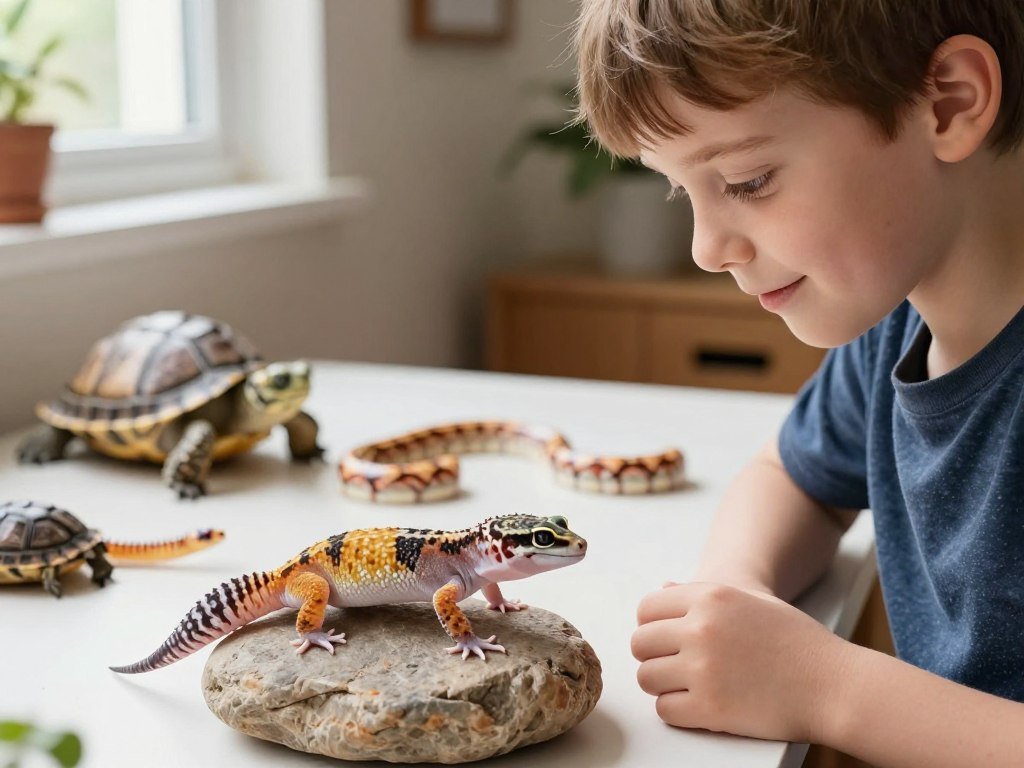
A leopard gecko is a strong starting choice for a beginner who wants a quiet, manageable pet and can commit to consistent care. Low maintenance means a routine you can manage, not an animal that can go without monitoring. Crepuscular means active mainly around dawn and dusk.
Every reptile needs regular, species-specific care. This guide compares five choices, with one strong general fit and options for different preferences. Before you choose, consider the animal’s adult needs, your household, and the years of care ahead.
Key Takeaways
- Leopard geckos suit many first-time owners who can provide consistent care.
- Crested geckos and corn snakes fit different feeding and handling preferences.
- Bearded dragons need a large enclosure and species-specific equipment.
- Russian tortoises can live for decades and need a lasting commitment.
- Plan the setup and veterinary care before bringing an animal home.
Choose an animal only after you can meet its adult needs for its whole life.
Which Is the Best Pet Reptile for Beginners Low Maintenance?
For most first-time keepers, a leopard gecko is the best all-around choice, while the other four suit more specific preferences or commitments. The best reptile pets for beginners still need thoughtful care, a safe home, and an owner who can keep up with daily checks.
Leopard geckos are solitary animals and should live alone. Your time, space, and comfort with live insects can help narrow the choice.
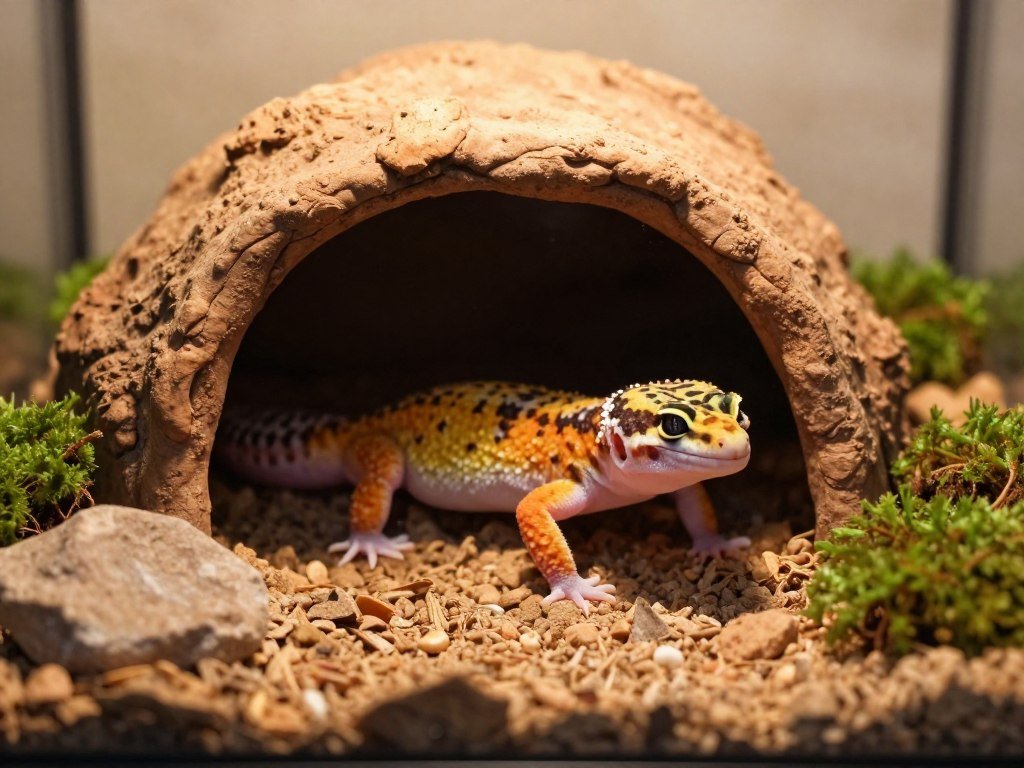
Leopard gecko
A leopard gecko grows to around 25 centimeters and can live up to 20 years. It is crepuscular, so you are more likely to see it active around dawn and dusk than in the middle of the day. Its calm behavior and manageable adult size make it a strong match for a quiet home.
Leopard geckos are solitary and can become territorial, particularly males. The leopard gecko’s adult size and lifespan make it important to plan for a long-term pet, not a short trial. This species may suit you if you want a small lizard and can maintain a regular routine.
Crested gecko
Crested geckos typically grow to about 7-9 inches, including the tail. They climb, so their space should support that behavior rather than focus only on floor area. A crested gecko may suit you if you enjoy watching an active climber and can manage its needs.
Some keepers prefer this species because prepared gecko diet is available, though live insects may also be part of its diet. That does not make the animal hands-off. Crested geckos still need a suitable environment, routine checks, and gentle care throughout their lives.
Corn snake
Corn snakes typically grow to about 4-6 feet and can live up to 20 years with proper care. They are a better fit if you feel comfortable caring for a snake and providing appropriately sized rodents. Their long, slender bodies also need secure housing.
A corn snake may suit an owner who prefers less frequent meals over daily insect care. Its ability to escape makes secure latches important. Think carefully about your comfort with rodents and a large adult snake before choosing one.
Bearded dragon
Bearded dragons can grow up to 24 inches, so their adult size calls for more room than a small gecko needs. Many owners value their alert behavior and the chance to build trust through calm handling. They may suit you if you have enough space and time for a larger lizard.
Bearded dragons need a well-planned enclosure and more than a quick daily check. Their size and care needs may be a poor match for a small home or an owner seeking the least demanding option. Learn what adult care involves before bringing one home.
Russian tortoise
Russian tortoises reach about 6-10 inches and may live 40-50 years. They need a long-term home, and their slow pace should not be mistaken for low effort. This species may suit you if you are ready to plan for care that could span much of your life.
A Russian tortoise is a decades-long commitment, not a shortcut to less care. It needs an appropriate diet, a safe space, and regular attention. Choose one only if you can plan for its needs over many years.
A Russian tortoise is not a low-care shortcut; its long life makes it a decades-long commitment.
People comparing the best beginner reptiles and amphibians should know that frogs and toads are amphibians, not reptiles. An American green tree frog can grow up to 2.5 inches, while an Oriental fire-bellied toad grows to about 2 inches. Both have care needs of their own.
Those seeking the best amphibian pets for beginners might research those two examples separately. For a “top 10” list, other candidates include ball python, blue-tongued skink, green anole, king snake, and African fat-tailed gecko. They are not all equally low-effort, so research each species’ needs before choosing.
Keep males of solitary leopard gecko species housed alone to avoid territorial conflict.
What Do These Beginner-Friendly Pets Eat, and Which Suit Your Routine?
A corn snake can fit a keeper who prefers scheduled rodent meals, while a gecko suits someone comfortable managing insects or prepared gecko food. The right diet depends on the species, so choose a routine you can maintain.
Adult leopard geckos should eat every other day, while juveniles should eat daily. Their live insects need supplement dusting. The table compares common food and routine needs.

| Species | Main food | Routine or handling fit |
|---|---|---|
| Leopard gecko | Live insects, such as crickets, locusts, Dubia roaches, and mealworms | Adults every other day; juveniles daily; dust food with supplements |
| Crested gecko | Prepared diet powder mixed with water; live insects such as crickets | Prepared food plus regular insect feedings |
| Corn snake | Appropriately sized rodents | Usually fed every 7-10 days |
| Bearded dragon | Insects and vegetables | Needs both food types as part of its diet |
| Russian tortoise | Grasses, weeds, and leafy greens | Needs fresh water available |
Corn snakes usually eat every 7-10 days, while geckos call for insects or prepared food, depending on species. Bearded dragons need vegetables as well as insects, and tortoises need fresh water. Plan for the food you can store and serve safely.
For the best reptile pets for handling, bearded dragons are a common choice for gentle handling. Tolerance varies between animals, so keep handling calm and brief. A reptile that tolerates contact still needs you to watch its behavior and give it space.
Choose the diet you can provide consistently, rather than relying on a feeding routine you may struggle to keep.
What Setup Keeps a Beginner Reptile Healthy?
Set up and test the enclosure before the animal arrives, since reptiles rely on their surroundings to stay within a healthy temperature range. A species-matched setup helps you control heat, humidity, light, and security.
Use a compatible thermostat with all heating equipment. The right enclosure and settings differ by species, so treat each animal’s needs as its own plan.
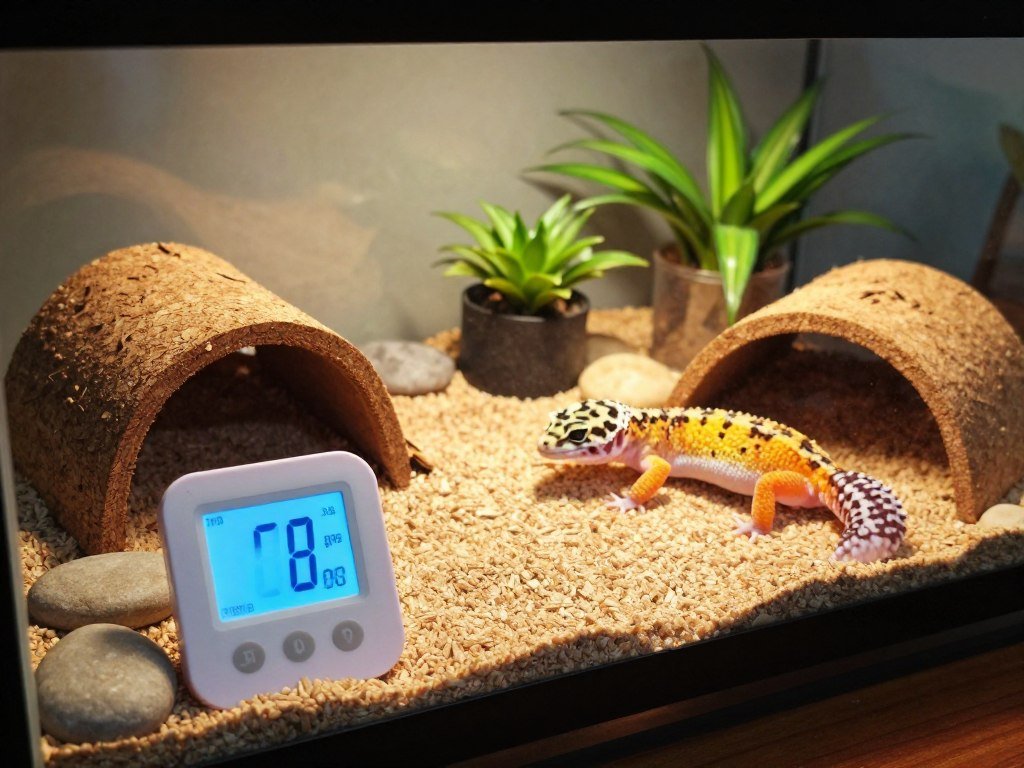
Size, hides and security
Plan around the animal’s adult size, not the size you see at the pet store. The RSPCA recommends a leopard gecko enclosure at least 60 centimeters long, 40 centimeters high, and 30 centimeters deep, and says larger is better.
Leopard geckos need several hides, including a humid hide with damp moss. Corn snakes are adept at escaping, so their enclosure needs secure latches. Check the full setup before the animal arrives, including doors and gaps.
Heat, light and cleaning
For a leopard gecko, aim for a basking zone of 28-30°C and a cool end of 24-26°C. Keep humidity at 30-40 percent at the cool end. The RSPCA leopard gecko care advice also recommends a UVB gradient from UVI 0.7 in the basking zone to zero in the shade.
Use a 12-hour-on, 12-hour-off light cycle. Room temperature determines whether you need extra heat at night: add supplementary heat if the room drops below 18°C. A thermostat helps keep heating equipment within its set range.
A bearded dragon needs an enclosure at least 4 x 4 x 2 feet, along with UVB and heating. Those needs differ from a leopard gecko’s, so one species’ settings cannot guide another’s setup. Check the enclosure’s heat and humidity with suitable measuring tools.
- Choose a secure, species-appropriate enclosure.
- Measure the heat gradient and use a thermostat.
- Provide suitable UVB and a steady light cycle.
- Prepare hides, water, and cleaning supplies.
Spot-clean waste as soon as it appears, then fully clean the enclosure and equipment once a month. Arrange an initial health check with a reptile-experienced veterinarian, and seek prompt assessment for illness or injury.
Check the thermostat probe is secure and reading correctly as part of routine enclosure checks.
How Can You Keep Reptiles and People Safe?
A reptile can carry Salmonella without looking sick, so household safety needs to be part of the decision before adoption. You can reduce exposure by keeping animal care separate from food and daily household activity.
Children younger than 5 and people with weakened immune systems should not handle reptiles or their environments. Follow these steps to lower the risk for everyone in your home.

Reduce Salmonella exposure at home
Reptiles and amphibians can carry Salmonella even when healthy. People may be exposed through contact with the animal or its living area. Use these everyday safety steps:
- Wash your hands with soap and warm water after contact.
- Keep animals and their equipment away from food areas.
- Do not let reptiles or amphibians roam freely in the home.
- Use a dedicated plastic tub for bathing or habitat cleaning.
- Do not kiss or snuggle reptiles or amphibians.
Salmonella testing cannot guarantee an animal is free of the bacteria. Antibiotics should not be used on healthy reptiles or amphibians to try to remove Salmonella. The FDA’s turtle sales rule bans the sale of turtles with shells smaller than 4 inches, a rule in place since 1975.
Choose a pet that fits your household
Reptiles are not a good fit for homes with children younger than 5 or people with weakened immune systems under FDA guidance. The FDA identifies infants, children younger than 5, adults 65 or older, and people with weakened immune systems as highest risk from Salmonella linked to turtles.
The Association of Reptile and Amphibian Veterinarians advises that children younger than 5, adults over 65, and people with weakened immune systems avoid handling reptiles and amphibians or touching their environments. Older children need careful adult oversight whenever they handle an animal.
Keep animal care away from food preparation, eating, and shared household spaces.
A reptile may seem calm, but it remains an animal with specific health and handling needs. Adults should manage care and make sure children follow the household rules.
Keep every reptile and its supplies out of kitchens and other places where people prepare, serve or eat food.
Conclusion
A good first reptile is the one whose needs fit your home and habits, not simply the one that looks easiest. A leopard gecko is a sensible starting choice for many beginners, but your best match depends on the routine you can sustain.
Think beyond the first few weeks. A pet needs steady care as it grows and ages, and veterinary support should be part of your plan. Your daily schedule, available space, and comfort with its needs all matter.
Before bringing one home, write down its daily and weekly care tasks and locate a reptile-experienced veterinarian.
FAQ
What pet reptile has the shortest lifespan?
Small lizards such as green anoles often have shorter captive lifespans, commonly around 4-8 years. Lifespan varies by species and husbandry, so that range is not a promise for every animal. Before choosing a pet, ask how long its species may live and whether you can provide care throughout that period.
What reptiles like to be cuddled?
Reptiles should not be cuddled. Some, including bearded dragons, may tolerate calm, brief handling, but each animal has its own limits. Cuddling can cause stress or place the animal in an unsafe position. Watch for signs of discomfort, keep contact gentle, and return the reptile to its enclosure when handling ends.
What is the friendliest reptile to have as a pet?
Bearded dragons are often chosen for gentle handling, while leopard geckos are a calm, smaller option. Personality and handling tolerance vary between animals, even within one species. Choose a reptile whose needs fit your home, then let it adjust before you handle it. Calm, brief contact is safer than forcing interaction.
Is it okay to sleep with a lizard in my room?
Yes, a lizard can stay in your room if it remains in a secure enclosure and you follow hygiene rules. Do not share a bed with a lizard or let it roam while you sleep. Check that the enclosure closes securely, and keep its supplies away from food and eating areas.
Will a lizard crawl in my bed?
A lizard kept in a properly secured enclosure cannot crawl into your bed. The risk comes from letting it roam freely or leaving the enclosure unsecured. Check doors and latches as part of your regular care routine. Keep the animal inside its enclosure when you are not directly supervising it.
Can lizards hear you talk to them?
Lizards can hear sounds, but they do not understand human speech. A lizard may react to your voice or movement without understanding your words. Use a calm voice around your pet, and do not treat a movement or pause as proof that it understands you. Give it room to retreat when it wants.
About The Author