Best Parks Near Me: 15 Family-Friendly Places to Explore
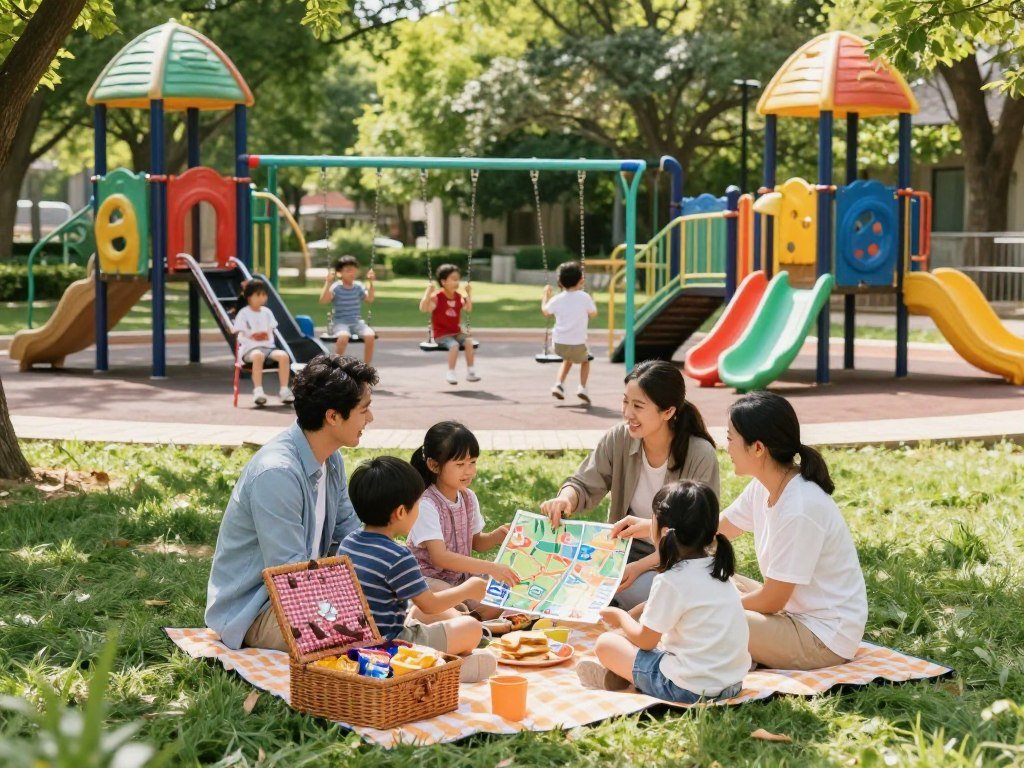
A good family outing starts with a park that fits your location, your kids’ ages, and the kind of time you want outdoors. A nearby playground might suit a quick stop, while a larger park can fill a full day with walking, a picnic, and room to explore. The best fit depends on where you live and what your family wants to do.
This list shares 15 examples across Thornton, Salt Lake County, Seattle, Nashville, and Philadelphia. An all-abilities playground is a play space with features intended to support children with different abilities. Each region offers its own mix of play areas, views, trails, and other family-friendly features, so use the examples as ideas rather than assuming every pick is close to home.
Key Takeaways
- Start with parks your family can reach with ease.
- Match the play area to your children’s abilities and interests.
- Check restrooms, shade, paths, and facility access before leaving.
- Pick one main activity and leave room for a slower break.
- Confirm current hours and schedules on the local park page.
- Keep a second nearby option ready in case plans change.
Pick the closest regional section first, then use its park features to narrow your outing.
How to Find the Best Parks Near Me for My Family
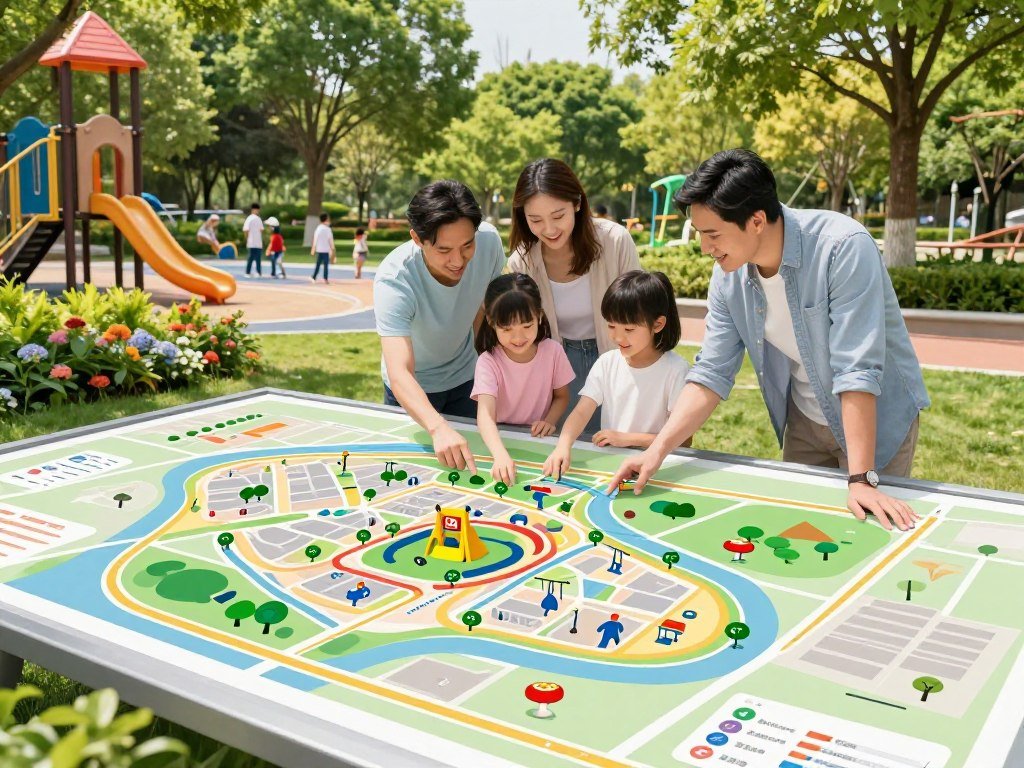
Start with the public park map for your city or county, then narrow the results to places your family can reach comfortably. A useful shortlist balances distance, facilities, and the kind of visit you want. Locals often know which neighborhood park works for a short visit, while a destination park may offer more activities for a longer outing.
Start with nearby options
A city parks map gives you a clear starting point for nearby public spaces. The National Recreation and Park Association is a national organization focused on parks and recreation. Its poll of 1,000 U.S. residents found that parents value playgrounds most, while adults also value shade, seating, open green space, and trails.
Explore the NRPA poll on park amenities for more about those preferences. Then check the managing city or county’s park page, since a map pin may not show every facility or access detail.
Filter by the kind of outing
Use this checklist to compare parks in your area. A close neighborhood option can be more useful than a large city park if you only have time for a quick play break.
- Distance from home and usual travel time.
- Play area suited to the outing you have in mind.
- Restrooms listed for public use.
- Shade near the spaces where your family will spend time.
- Walking paths that fit your group’s pace.
Save two nearby options so a busy or closed lot does not end the outing.
Check the local park page for current facility details, including whether restrooms or other features have limited access. A clear shortlist makes it easier to choose a park that fits both the day and your family’s needs.
Save two nearby options so a busy or closed lot does not end the outing.
Which Parks Work Best for Toddlers and Older Kids?
A toddler usually does best in a manageable play area with equipment they can use comfortably and an adult’s clear sightline. Choose the playground for your child’s current ability, not just their age. The best parks near me for kids may have separate zones, but equipment and layout matter more than a label on a sign.

Toddlers and preschoolers
Look for low structures, easy steps, and slides that match your child’s comfort level. A smaller play area can help you keep track of a toddler without rushing between distant equipment. For the best parks near me for toddlers, consider how easily your child can move through the space.
Age-appropriate playground choices depend on each child’s abilities and the equipment available. Some toddlers enjoy swings or climbing, while others prefer open ground and simple play. Stay close enough to help when a new feature feels challenging.
School-age kids and mixed-age groups
Older kids may enjoy varied climbing routes, taller structures, and longer slides. A larger playground can keep them engaged, but it may be harder to watch younger siblings across several play zones. Choose a spot where you can see the main structures from one place.
An all-abilities playground can make play more inclusive with features intended to support children with different abilities. Its equipment may offer more than one way to move, explore, or join a game. No single feature will suit every child, so think about what your group enjoys.
- Check whether the play area has a clear view across its main zones.
- Look for a mix of equipment and open space.
- Choose structures that match each child’s confidence and ability.
- Give siblings room to play in different ways without losing sight of them.
Ask kids what they want to try, then compare their choices with the actual equipment. Check the equipment in person before letting a child try a feature that looks beyond their current ability.
What Playground Safety Features Should Families Check?
A quick equipment and ground check matters because more than 200,000 children in the United States are treated in emergency rooms for playground-related injuries each year. Guardrail and barrier rules depend on the child’s age group and structure height. Check the structures your child plans to use before play begins.

Height rules for guardrails and barriers
Guardrails and barriers help protect children on raised playground structures. The required feature changes at set heights for preschool-age and elementary-age children. Use the age group and height conditions in this table as a quick reference.
| Age group | Structure height condition | Required feature |
|---|---|---|
| Preschool | More than 20 inches tall | Guardrail |
| Preschool | 30 inches tall | Barrier |
| Elementary-age | Taller than 30 inches | Guardrail |
| Elementary-age | 48 inches tall | Barrier |
These thresholds apply to the listed age groups and conditions. A structure can still need attention if parts are broken or barriers appear loose.
Surfacing and a quick pre-play check
Safety surfacing is a fall-absorbing playground base. Options include engineered wood fiber, recycled loose-fill rubber, poured-in-place rubber, recycled bonded rubber, recycled rubber tiles, and synthetic turf.
Walk around the play area and look for damaged equipment, loose hardware, and displaced or worn safety surfacing. Check beneath swings and around the ends of slides, where children land or step down. A problem near one feature does not mean every part of the park is unsafe.
For a short check, focus on the equipment your child will use first. If a structure or landing area looks damaged, choose another part of the play space and alert the park operator.
Which Family-Friendly Parks Stand Out in Thornton, Colorado?
Thornton has options for a big climbing challenge, a more inclusive play setup, and a quieter-feeling stop. Amber Creek, Carpenter, and Cherry parks each offer a different kind of play. Use this short list to match the day’s plan to your family’s interests.

- Amber Creek Park, 6745 E 134th Ave, Thornton, CO 80602: Side-by-side ziplines, a curved climber, and a steep slide make this a high-energy choice. Mountain views add to the setting, though the park has little shade.
- Carpenter Park, 3498 E 112th Ave, Thornton, CO 80233: A large inclusive playground has accessible features and rubber surfacing. It suits families looking for equipment that supports different ways to join in.
- Cherry Park, 11500 Birch Dr, Thornton, CO 80233: A multi-level play structure and rolling bar slide offer varied play in a compact-feeling setting.
Amber Creek’s ziplines and steep slide may appeal to kids seeking a more active challenge. The mountain views give caregivers a pleasant backdrop, but limited shade can shape how long you want to stay.
Carpenter Park offers a different mix, with accessible features built into its large playground. Cherry Park feels more contained, which can make its multi-level structure easier to keep in view during a shorter visit.
The best choice depends on what your family wants from this outing. A child excited by climbing may favor Amber Creek, while a group seeking varied access may prefer Carpenter. Match the choice to the day’s priority, not just the most dramatic piece of equipment.
Which Salt Lake County Parks Suit a Family Outing?
For a mix of climbing, farm animals, and inclusive play, these three Salt Lake County stops offer distinctly different outings. Brookside adds a creek, Wheeler Farm adds a working farm, and Day Ranch has an all-abilities playground.
| Park | Location | Standout play | Extra outing feature |
|---|---|---|---|
| Brookside Park | Daybreak | Climbing and large slides | Creek for wading |
| Wheeler Farm | Murray | Nearby playground | Working farm grounds |
| Day Ranch Park | Bluffdale | All-abilities bug-themed play | Shade sails |
Brookside Park has climbing pyramids, large slides, and a creek where children can wade. The creek is a water feature, not a substitute for checking conditions or keeping children under close supervision.
The official Daybreak parks page lists local amenities and park-use details. Check it for Brookside information before building a visit around the creek or playground.
Wheeler Farm offers free access to walk around its grounds, with tractor-pulled wagon rides available for a few dollars. A playground nearby gives children another place to play during a farm visit.
Day Ranch Park’s bug theme gives its all-abilities playground a distinct look. Climbing features, ziplines, and swings add several kinds of play, while shade sails offer cover. Check the creek conditions and supervise children closely anywhere water is part of the play.
Which Seattle Parks Have the Best Family Views?
Ella Bailey Park is the clearest fit for a playground outing with both Mount Rainier and downtown views. For a city skyline, Gas Works Park is the stronger pick. Green Lake suits families who want a loop and several lakeside activities.
| Park | Setting | Family feature | View |
|---|---|---|---|
| Green Lake | Lake and paved loop | Playgrounds and water activities | Lake setting |
| Gas Works Park | Northlake | Play barn and grassy knolls | Seattle skyline |
| Ella Bailey Park | Magnolia | Playground and picnic facilities | Mount Rainier and downtown |
Green Lake has several playgrounds and multiple places for swimming or paddleboarding. Its paved loop runs about three miles, offering families a longer walk alongside the water.
Gas Works Park pairs a play barn with grassy knolls and a view of the Seattle skyline. The city backdrop is its main draw, making it a good pick when the view matters as much as outdoor space.
Ella Bailey Park has a playground, picnic tables, barbecues, and walking paths. Its outlook reaches Mount Rainier and downtown Seattle, giving it the broadest view of the three parks.
The choice comes down to the kind of scenery and activity you want to share. Ella Bailey brings the mountain and city together, while Gas Works focuses on the skyline. Choose Green Lake when a paved loop and varied lakeside activities matter more than a single viewpoint.
Which Nashville Parks Offer the Most for Families?
Shelby Park and Shelby Bottoms are the broadest choice for families who want both structured recreation and a large natural area. Centennial Park centers on a landmark, while Two Rivers Park groups several activities in one place.
- Shelby Park and Shelby Bottoms: The property covers more than 900 acres and includes a nature center, trails, a boat ramp, and a duck pond. It suits families who want room for nature walks and outdoor recreation.
- Centennial Park: Toddler and big-kid playground structures sit alongside accessible swings, a Parthenon replica, and the Lake Watauga walking loop. It blends play with a well-known landmark.
- Two Rivers Park: Two playgrounds join an 18-hole disc golf course, a skate park, and a two-mile paved walking loop. The playgrounds are separate from its sports and walking facilities.
Shelby Park and Shelby Bottoms offer a wide range of ways to spend time outside. A nature center and duck pond provide a slower stop between trails and other recreation, while the boat ramp adds another option.
Centennial Park can work well for a family with children who want different playground structures. Its accessible swings add another play choice, and the replica gives the outing a clear landmark to visit.
At Two Rivers Park, families can choose between two playgrounds, disc golf, skating, or a paved walk. Those options make it easier for a group to split its time across different interests.
For a shorter stop with a recognizable landmark, choose Centennial Park and keep the walk focused on the playground and Parthenon.
Which Philadelphia Parks Make an Easy Family Day Out?
Franklin Square is the strongest compact choice when a playground visit can include a carousel or mini-golf. FDR Park offers varied outdoor recreation, while Clark Park adds neighborhood activities.
- Franklin Square, 200 N. 6th Street: A playground, carousel, Philly-themed mini-golf, and seasonal water-and-light show make it easy to pair play with another attraction.
- FDR Park: Fields, trails, a lagoon, a creek, and lakes offer several ways to spend time outdoors.
- Clark Park: The nine-acre park has playgrounds, basketball courts, and a year-round farmers’ market.
Franklin Square fits families who want several attractions close together. The carousel and mini-golf can extend a playground visit, while its seasonal show adds a feature that depends on the time of year.
FDR Park gives families more room to choose among water, walking, and open fields. Its mix of trails and water features makes it a good fit when the group wants outdoor recreation beyond a play structure.
Clark Park can anchor a neighborhood outing with playgrounds, basketball courts, and market activity across the year. Events and attractions can have separate schedules or costs, so do not assume admission or activities are always free.
Choose the park based on whether your family wants a compact attraction stop, a broad outdoor area, or local activity. Confirm current event and attraction schedules before building a full day around them.
How Should You Match Park Activities to the Day?
A visit with one main activity and one slower break is often easier to enjoy than trying to use every feature in a large park. Plan about 1-3 hours for one playground-and-picnic outing as a flexible rule of thumb. A park with several activity areas may call for more time.
Choose one main activity
Pick the activity your family most wants to do, such as using the playground, walking a trail, or exploring open space. A clear focus helps you enjoy the visit without trying to cross a large park from one feature to another.
For a longer visit, choose a park with more than one activity area and leave room between them. Kids may want to linger at a play structure or stop to watch what is happening nearby. Keep the schedule loose enough to allow that.
Add a slower second stop
Pair active play with a slower break, such as a picnic or an easy walk. FDR Park has a picnic gazebo as well as fields, trails, and water features, so families can combine recreation with a meal in one place.
If the group starts to tire, a meal or quiet walk can make the day feel less rushed. You do not need to fill every gap with another attraction; some time to sit can be part of the outing.
- Main activity: Choose one feature your group most wants to use.
- Quieter break: Set aside time for a picnic or an easy walk.
- Backup option: Pick a nearby activity in case the first plan changes.
Use the time range as a starting point, not a promise about how long children will want to stay. Leave room in the plan for a child-led pause rather than scheduling every minute.
How Can You Make Parking and Arrival Easier?
A park can have several lots, so choose the entrance closest to the activity your family plans to use. Check the official park map for the lot nearest your intended play area or trailhead. Municipal park parking may use a dedicated lot or nearby street spaces.
Check the lot and access point
Two Rivers Park has paved parking near both playgrounds and the greenway lot. Multiple paved lots can make it easier to choose an access point near the activity your family has planned.
Before leaving, compare the official map with your destination inside the park. A lot on the opposite side may add an unwanted walk, especially when children are ready to play or carrying picnic items.
Adjust for busy times
Have another entrance or nearby park in mind for a busy day. This gives your family a practical option if the first lot is full or the route you expected does not lead to the right area.
Street parking can be part of a municipal park visit, but access depends on the specific location. Check the city’s map or park page for the right lot and entrance rather than relying on a general map pin.
If your group plans to use a trail, choose an entrance close to its starting point. Before driving, confirm the lot location and whether your intended entrance serves the playground or trailhead.
When Is Water Play Worth Building Into the Visit?
A splash pad is a good choice when children want water play without making swimming the focus of the outing. Natural water needs close supervision, while a splash pad offers a different kind of play stop. Consider what your family wants before making water the main event.
A creek or lake visit brings natural water into the plan, with conditions that can change by location. Brookside Park’s creek, for example, is a wading feature. Keep children close around natural water and do not treat a creek visit like a splash-pad stop.
A splash pad can make a warm-day outing feel active without centering it on swimming. Carpenter Park’s splash pad is a favorite with local families, and its shaded seating is easier to claim by arriving early.
The weekend carousel at Carpenter Park can add another activity to the same visit. Check its operating hours, along with the splash pad’s current schedule, before building the day around either feature.
Some families may also enjoy a calm paddle or a guided trip on suitable water. For ideas beyond playground water features, compare kayak rental locations around the country and consider whether that kind of outing fits your plans.
Water play can take up more time than expected, especially when children want another turn or need a change afterward. Pack a change of clothes and check the local water-feature schedule before leaving home.
What Should You Verify Before Leaving Home?
Verify the official local park page on the day you plan to visit, especially if the outing depends on a specific facility. Check hours, closures, facility access, and the rules for your planned activity. City and county park pages give details for the places they manage.
Use the municipality or county that manages your chosen park, rather than relying only on a map listing. A listing may show where a park is, but the official page is the better place to confirm local details.
Some facilities follow different schedules from the park itself. Water features, bathrooms, and attractions may open or close at different times, so a park’s general hours do not confirm every amenity is available.
Use this four-point check before setting out:
- Park hours for the planned visit.
- Closures that could affect access.
- Facility access, including restrooms and activity areas.
- Rules for the activity you plan to do.
Current conditions and operating schedules can change by park. Check the page for the specific location so the details match the place your family intends to visit.
Keep a second nearby option saved in case the main destination is closed or its key feature is unavailable.
That backup can keep the day flexible when a facility schedule changes. Choose one close enough to make a quick change of plan practical.
Conclusion
The best family outing is the one that fits your children, your location, and the time you have. A nearby place with an activity your kids enjoy and practical facilities can make outdoor fun easier to plan.
Choose a regional example that suits your plans, or search your municipal park map for a closer option. Then confirm current hours and facility details on the page for the city or county that manages the park.
Save one nearby park and one backup on your map, then plan your next outdoor day.
FAQ
How long should a family plan to stay at a playground park?
About 1-3 hours is a practical rule of thumb for one playground-and-picnic activity. Add time if your visit includes a second activity or a larger park. Children may spend longer at a favorite play area, while a quick stop can take less time. Treat the range as a planning aid, not a fixed schedule.
Are city parks usually free to visit?
Many municipal parks are free to enter, but some activities can have separate costs. Rides, special attractions, parking, and programmed events may charge fees. Franklin Square, for example, has a carousel and mini-golf alongside its playground. Check the local park page for current costs before planning around an attraction.
How can I find a park with restrooms and parking?
Use the official city or county park map to find places with restrooms and parking, then confirm details for the specific location. A map may show a lot without clarifying which entrance is closest to the play area. Check restroom access and the lot location before leaving, especially when your visit depends on those facilities.
Can toddlers use the same playground as older children?
Yes, toddlers may share a playground with older children, but caregivers should choose equipment that fits each child’s ability. A large structure or fast slide may suit one child and feel too difficult for another. Look for a manageable play area, stay close, and supervise based on the toddler’s comfort and skills.
What should I check before letting my child play?
Look for damaged equipment, loose hardware, and worn or displaced safety surfacing before play. Check the landing areas beneath swings and around slides, too. If a structure or ground surface looks unsafe, choose another part of the playground and alert the park operator. A quick walk-through can help you spot a clear problem early.
Are splash pads open throughout the year?
Splash pad schedules vary by park, so they are not guaranteed to operate throughout the year. A water feature may follow a different schedule from the park or nearby facilities. Check the managing city or county’s current schedule before planning around a splash pad. Confirm any linked attractions separately if they are part of the same visit.
Are dogs allowed in every park?
No, dog rules vary by park, and not every location has the same leash or access rules. Check posted signs and the rules set by the managing city or county before bringing a dog. Some areas may limit where pets can go, even when dogs are allowed elsewhere in the park. Keep your plans flexible if access is restricted.
About The Author