Best Mattress for Back and Hip Pain: Top Rated Picks
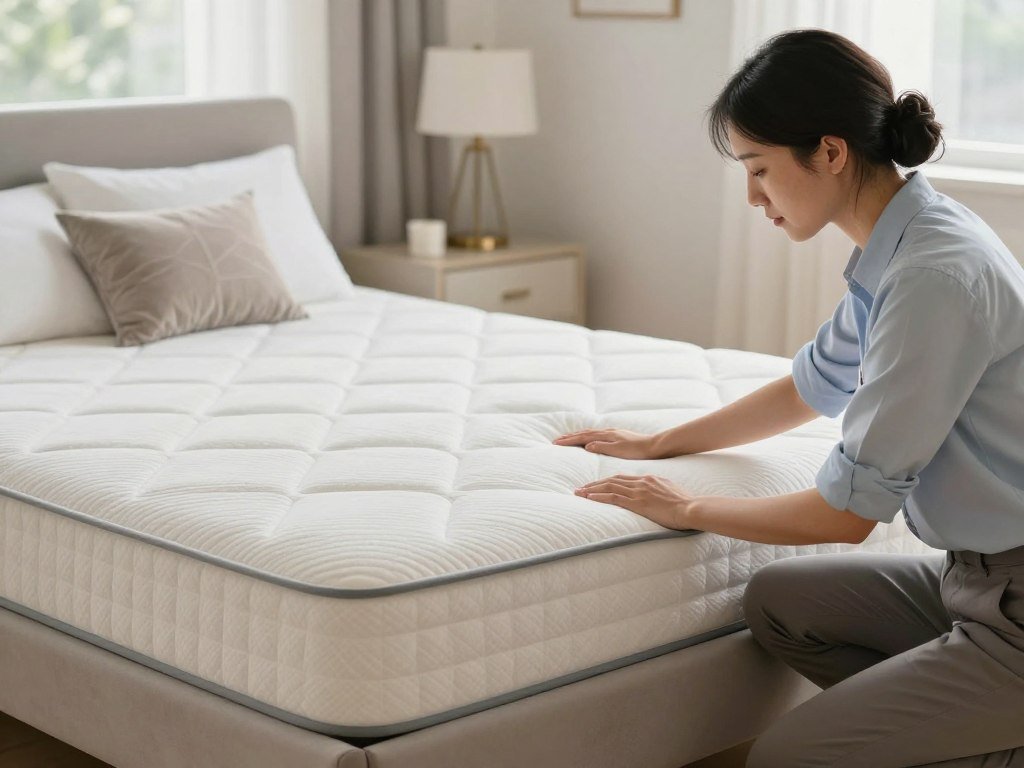
A mattress that lets your hips sink too far or presses hard against them can make an already uncomfortable night harder. The best mattress for back and hip pain balances cushioning with enough support to keep your spine and hips aligned. Comfort is personal, though, and your main sleep position can change how a bed feels.
Here, you’ll find practical mattress picks and simple ways to compare firmness, support, and feel. Zoned support means a mattress design that varies support across areas of the bed to help keep the body aligned. The best starting point is a bed that cushions pressure points without letting your lower back sag.
Key Takeaways
- Helix Midnight Luxe is the lead pick for combined back and hip discomfort.
- Saatva Classic is the strongest overall hip-pain pick.
- Medium-firm can be a useful starting point, not a rule for every sleeper.
- Your sleep position helps narrow the firmness and support you need.
- At-home sleep trial terms and return rules matter before you buy.
Which Is the Best Mattress for Back and Hip Pain?
For combined back and hip discomfort, the Helix Midnight Luxe is the most directly targeted pick, while the Saatva Classic leads for hip pain overall. Best fit depends on your sleep position and pressure needs, not only a score.
NCOA’s hip-pain comparison gives the Saatva Classic a 9.4/10 overall score and a 5/5 pain-relief score. Saatva Rx earned 9.5/10 overall and 4.5/5 for pain relief. The Helix Midnight Luxe scored 9/10 overall and 4/5 for pain relief.
The highest overall score and the best match for a particular sleeper are not always the same choice. The table shows where each tested option may fit best.
| Mattress | Mattress type | Overall score | Pain-relief score | Strongest fit |
|---|---|---|---|---|
| Saatva Classic | Hybrid | 9.4/10 | 5/5 | Overall hip-pain pick |
| Helix Midnight Luxe | Hybrid | 9/10 | 4/5 | Combined back-and-hip-pain pick |
| Saatva Rx | Hybrid | 9.5/10 | 4.5/5 | Side sleepers with hip pain |
| WinkBed Plus | Hybrid | 8.4/10 | 5/5 | Back sleepers with hip pain |
| Brooklyn Bedding Signature Hybrid | Hybrid | 8.4/10 | 3.5/5 | Hybrid option |
Use the sleep-position and pressure-relief fit, not the overall score alone, to narrow the shortlist.
The Saatva Classic and WinkBed Plus share a 5/5 pain-relief score, yet they suit different sleepers. Saatva Rx has the highest overall score, but its best fit may depend on how its feel works for you.
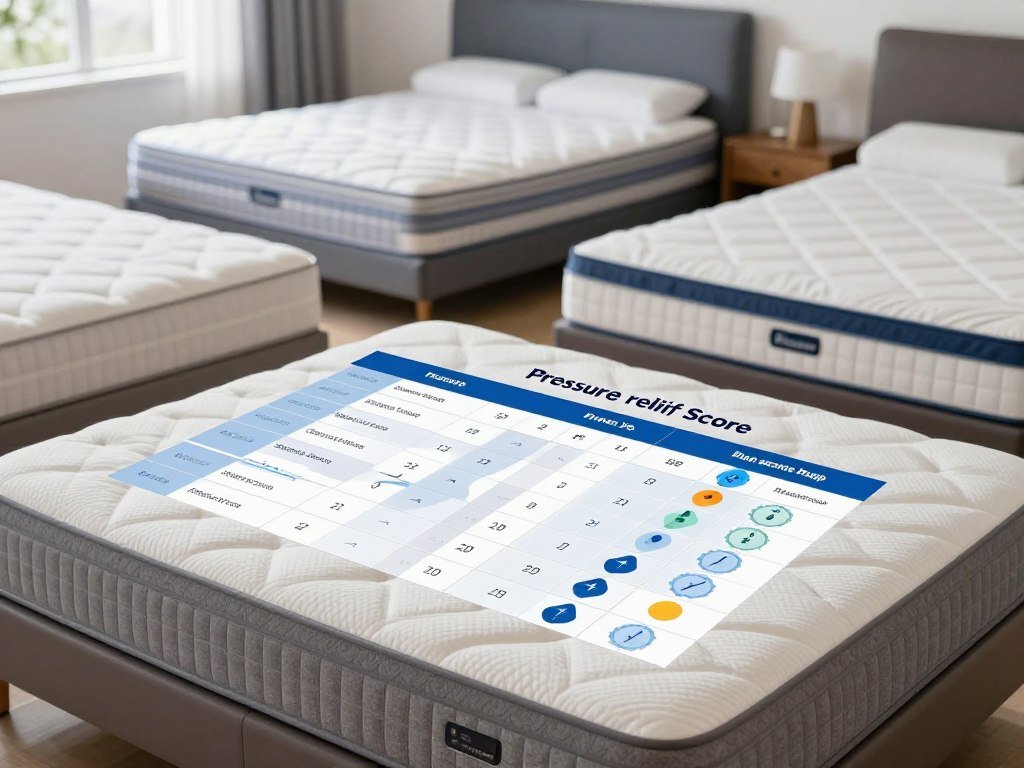
How Were the Mattresses Tested?
A useful mattress test checks more than whether a bed feels soft during a quick showroom visit. Hands-on tests can compare pressure relief, body alignment, heat, and ease of movement.
NCOA tested 30 mattresses with pressure-sensing devices, heat-measurement guns, and feedback from older adults with pain. Those tools can show where a bed builds pressure and how it handles heat during a test.
A test score helps compare beds, but it cannot diagnose pain or guarantee pain relief. Personal fit still matters.
AARP narrowed a market review to more than 50 beds, then paired controlled lab tests with feedback from more than 15 testers age 50 and older. This mix can reveal differences that a fast in-store tryout may miss.
For example, lab measures can capture how much a tester sinks near the edge. Testers can also report whether turning feels easy or pressure builds at the hip. Neither result predicts exactly how your body will respond at home.
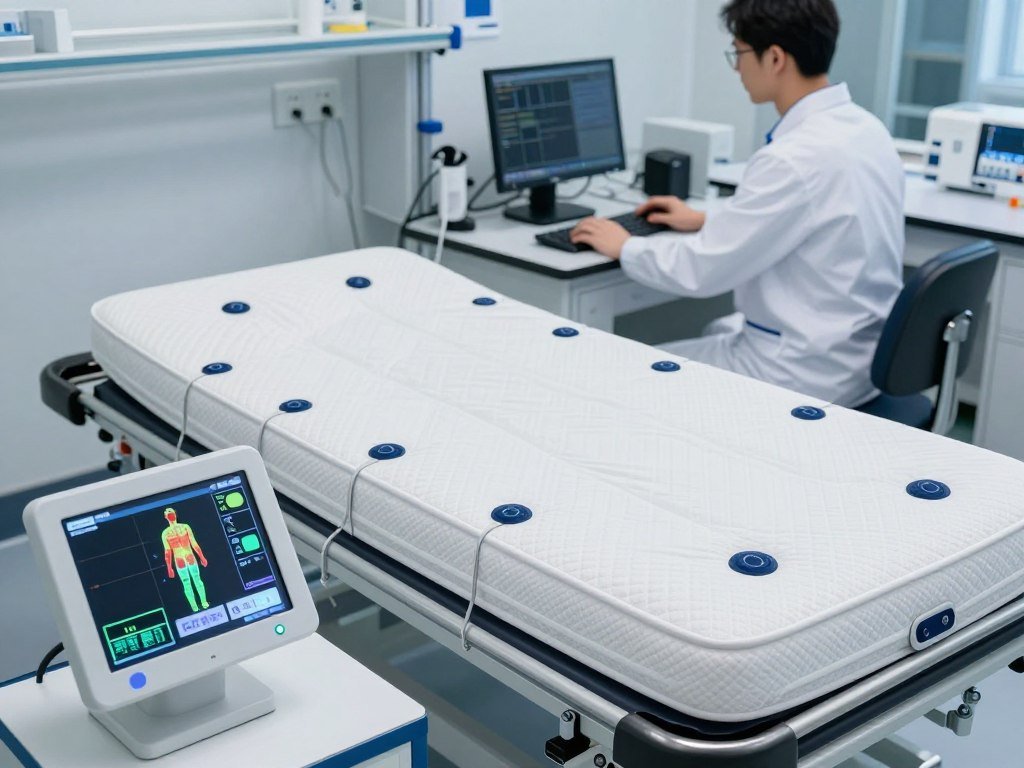
Use test results as a comparison aid, then weigh them against your usual position and pressure needs. Treat a score as one piece of evidence and judge it against your own sleep position and pressure needs.
Is Medium-Firm Best for Back Pain?
Medium-firm is an evidence-based starting point for many people with chronic nonspecific low back pain, but it is not a rule every sleeper must follow. Medium-firm usually means 5-7 on a 1-to-10 firmness scale.
A landmark trial of 313 adults found that medium-firm mattresses reduced back pain by 48% and improved sleep quality by 55% after 28 days. The benefits remained at the 5-6-month follow-up.
Those results support medium-firm as a useful baseline, not a doctor-approved brand or a cure. A doctor-recommended mattress for back pain should reflect your diagnosis and comfort, rather than a universal product endorsement.
The Arthritis Society’s mattress and pillow advice also stresses a balance between comfort and body alignment. A firm mattress may feel stable but press too hard against your hips or shoulders.
What medium-firm means on the firmness scale
Mattress makers do not use one perfectly shared firmness rating. A bed rated 6 by one brand might feel different from another brand’s 6, so the number works best as a rough guide.
On the 1-to-10 firmness scale, a 5-7 feel usually lands between soft cushioning and a firm surface. It may let your hips settle while keeping your lower back from dropping too far.
How pressure relief and support work together
Pressure relief means less force against spots such as the hips and shoulders. Support means the mattress holds your body in a position that feels balanced.
Good pressure relief without enough support can let your waist sag. Strong support without enough cushioning can leave your hip compressed, especially when you sleep on your side.
When a softer or firmer feel may suit you better
Try a softer feel if your joints feel pressed or you struggle to settle into the surface. Consider a firmer option if your middle sinks and your lower back feels strained.
Use this short check after lying down:
- Does the mattress support your waist?
- Do your hips or shoulders feel compressed?
- Can you change position without a struggle?

Judge the bed after several nights in your normal position, since a brief first impression cannot show how your body responds over time.
How Should Sleep Position Guide Firmness?
A side sleeper and a stomach sleeper can need very different amounts of give, even when both have back pain. Your main position gives you a sensible starting range.
Back sleepers with back pain may find a medium to medium-firm bed helps maintain the natural lumbar curve. Side sleepers may need more give at the shoulder and hip, while stomach sleepers need to limit pelvic sink.
Body shape and comfort can shift the best feel within each range. Use the alignment goal, not the rating alone, to judge a mattress.
| Sleep position | Suggested firmness range | Alignment goal |
|---|---|---|
| Back | 5-7 | Maintain the natural lumbar curve |
| Side | 4-6 | Let shoulders and hips sink while keeping the spine straight |
| Stomach | 6-8 | Prevent pelvic sink and lower-back hyperextension |
Side sleeping: cushion the shoulder and hip
Side sleeping puts pressure on the hip and shoulder that press into the mattress. A medium to medium-soft feel may let those areas settle without bending the spine out of line.
Check whether your waist feels held up between your ribs and pelvis. If that space feels unsupported, the surface may be too soft for your body.
Back sleeping: support the lumbar curve
Back sleepers may start with a medium to medium-firm feel. The goal is to support the lower back’s natural curve without pushing the pelvis upward.
A bed that feels too soft may let the hips drop. A very firm surface may leave a gap beneath the lower back.
Stomach sleeping: keep the pelvis from sinking
Stomach sleeping puts extra strain on the spine because it works against the spine’s natural curves and requires the neck to turn. A medium-firm to firm bed may help prevent the pelvis from sinking.
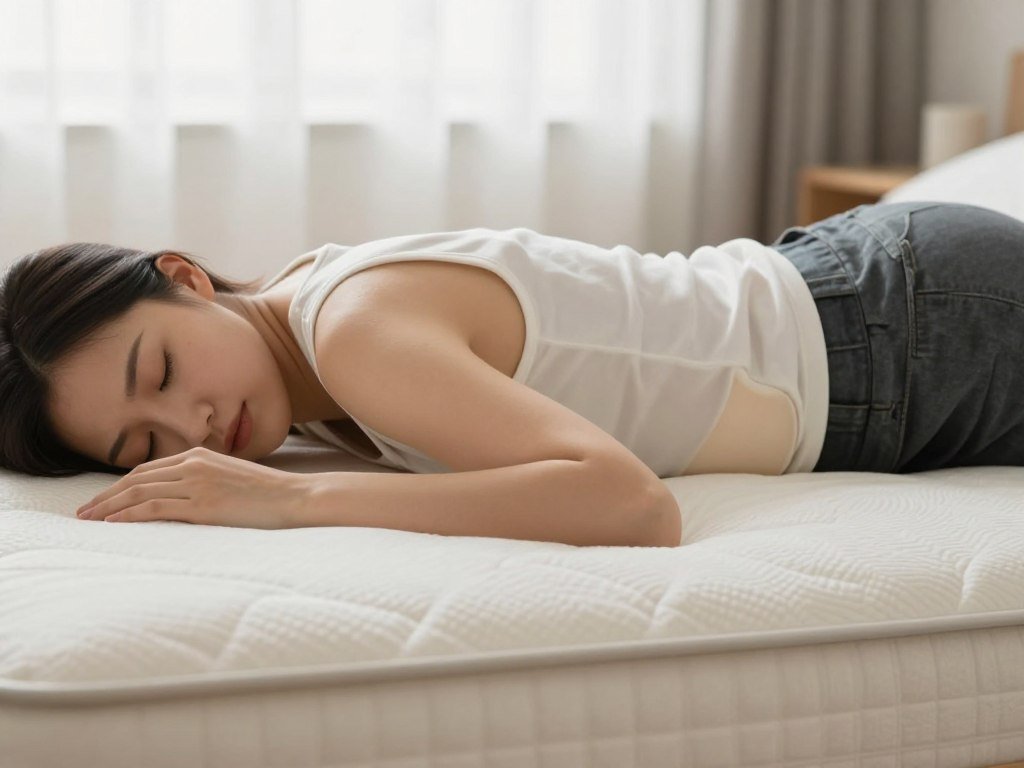
Start with the range for your most common position, then check whether your hips and shoulders feel cushioned without letting your middle sag.
Which Mattress Type Supports Hips and the Lower Back?
A mattress type changes how pressure relief and support feel, but the material name alone cannot predict whether your back will be comfortable. Construction affects contouring, bounce, airflow, and movement.
For lower back pain and sciatica, choose a bed that cushions pressure while maintaining alignment. The best type depends on your symptoms and sleep position.
No material alone is medically recommended for back pain or sciatica. Compare how the mattress feels under your hips and waist, not just what it is made from.
| Mattress type | Pressure-relief feel | Support or movement feel | Likely fit |
|---|---|---|---|
| Memory foam | Close contouring | Less bounce; softer foams may support less | Sleepers who want a close hug |
| Hybrid | Foam cushioning over coils | Coils add bounce and support | People who want cushioning and easier movement |
| Latex | Less close contouring | Responsive with airflow | Sleepers who want a buoyant, airy feel |
| Innerspring | Depends on the top layer | Springy surface led by coils | People who like a firmer, springier bed |
Memory foam for close contouring
Memory foam follows the body closely and can ease pressure at the hips and shoulders. That close contour may feel comfortable, but softer foams can offer less support for the spine.
Some sleepers find deep sinkage makes it harder to turn. That matters if you change positions often or have trouble getting out of bed.
Hybrids for cushioning with coil support
A hybrid pairs foam comfort layers with a coil base. The foam cushions pressure, while coils add support and bounce.
Many shoppers see a hybrid as a middle ground between the slow hug of foam and the spring of an innerspring bed. The feel still changes with the foam layers and coil design.
Latex for a responsive, airy feel
Latex responds quickly when you move and allows airflow. It usually contours less closely than memory foam, so the surface can feel more buoyant.
Innerspring for a firmer, springier surface
Innerspring mattresses rely mainly on coils. A cushioned top layer may help reduce joint pressure, while a thin top can feel firm under the hips.
If you are unsure between foam and coils, compare how easily you can turn while your waist stays supported.
Is the Saatva Classic a Strong Pick for Hip Pain?
The Saatva Classic is a strong overall hip-pain pick for sleepers who want cushioning without giving up a supported, lifted feel. Its hybrid build combines coils with a cushioned pillow-top.
The maker rates it 7/10 for firmness, and it earned a 5/5 pain-relief score in NCOA’s hip-pain testing. Testers found hip-pressure relief while sleeping on their backs, stomachs, and sides.
The Saatva Classic may suit you if you prefer support over deep memory-foam sinkage. Its responsive surface can feel easier to move across than a close-contouring foam bed.
That lifted feel may appeal to people who want the mattress to cushion the hips without wrapping tightly around them. Your own comfort still depends on how the pillow-top and coil support feel in your main position.
Consider whether the bed’s responsive surface suits you better than the close hug of an all-foam mattress.
Does the Helix Midnight Luxe Support Back and Hip Pain?
The Helix Midnight Luxe is a compelling match for side and back sleepers who want hip cushioning alongside lower-back support. Its medium-firm feel is rated 6/10.
The hybrid has targeted support zones, a design intended to help side and back sleepers stay aligned. Testers found pressure relief at the hips and shoulders for side sleepers, plus lumbar support for back sleepers.
The queen costs over $2,000 before discounts. The coil base allows airflow, which may appeal to hot sleepers, though no mattress stays cool for everyone.
The optional ErgoAlign contour layer adds lower-back support and costs $259. It is a separate feature, so include it when comparing the full setup.
The Helix Midnight Luxe has a 365-night trial and limited lifetime warranty. Those terms give you time to test the bed at home, but return conditions still matter.
Check whether the optional contour layer is worth considering for your own lower-back comfort before comparing the final purchase total.
What Other Tested Mattresses Are Worth Considering?
A different construction can be a better fit if you need a specific firmness, responsive movement, or organic materials. These options offer distinct trade-offs beyond the two lead picks.
Nolah Evolution comes in plush, luxury-firm, and firm versions. The luxury-firm model tested rates between 6 and 7 on its maker’s scale.
The tested Nolah Evolution scored 4.3/5 for pressure relief and 4.3/5 for spinal alignment. Here are the main differences to weigh:
- Nolah Evolution offers three firmness versions and a luxury-firm tested model.
- Avocado Eco Organic uses certified organic materials and individually wrapped coils.
- WinkBed EcoCloud combines latex with center-zoned support.
- Brooklyn Bedding Signature Hybrid offers several firmness choices.
Nolah Evolution for adjustable firmness choices
Having three firmness versions gives you more ways to match the mattress to your comfort needs. The luxury-firm test results offer a point of comparison, but they cannot tell you exactly how the plush or firm versions will feel.
The Nolah Evolution is 14 inches tall. That height may affect how it fits your bed frame and how easy it feels to climb into bed.
Avocado Eco Organic for certified organic materials
The Avocado Eco Organic uses certified organic Dunlop latex, certified organic wool and cotton, and individually wrapped coils. It scored 4.83/5 for both pressure relief and spinal alignment.
The queen costs $1,599. Its latex feel may suit sleepers who want a responsive surface rather than deep memory foam contouring.
WinkBed EcoCloud and Brooklyn Bedding Signature Hybrid for responsive support
WinkBed EcoCloud is a medium latex hybrid rated 5/10 by its maker. Its center-zoned support showed good alignment for side and back sleepers, but pressure relief was weaker for stomach sleepers.
Brooklyn Bedding Signature Hybrid offers multiple firmness options. Testers found pressure relief and motion isolation to be standouts, which may help if you share the bed.
Choose the construction and feel that meet your own comfort needs, rather than assuming that a material label guarantees relief.
Which Mattress Fits Side Sleepers With Hip Pain?
Side sleepers with hip pain should look first for cushioning that does not let the waist and pelvis sink out of line. Among these three, the Leesa Sapira Chill has the highest pressure-relief score.
The Helix Midnight Luxe rates 5.5/10 for firmness and 4/5 for pressure relief in NCOA’s side-sleeper comparison. The Leesa Sapira Chill rates 5-7/10 and 4.5/5.
The Brooklyn Bedding Aurora Luxe rates 5/10 for firmness and 4/5 for pressure relief. The Leesa leads on pressure relief among these models, while Helix may suit shoppers focused on combined back-and-hip support.
The best mattress for lower back pain and side sleepers should cushion the hip while keeping the middle supported. Your waist should not drop into a noticeable dip as the hip settles.
If your hip feels compressed on your side, try a softer feel before assuming that a firmer bed will solve the problem.
What About Back and Stomach Sleepers?
Back and stomach sleepers usually need a mattress that keeps the pelvis and lower back from dropping too far. Midsection support matters most when your weight sinks into the middle of the bed.
The WinkBed Plus is a hybrid rated 8.5/10 by its maker. It earned a 5/5 pain-relief score in NCOA’s hip-pain testing, making it a firmer option to consider.
The Saatva Rx is a contrasting softer choice, rated 3.5/10 by its maker and 4.5/5 for pain relief. Helix Midnight, a different model from Midnight Luxe, scored 5/5 for support and pressure relief and rates 6/10.
Body weight can change how much a mattress compresses under the pelvis. Nectar Classic Memory Foam may suit many side sleepers, but it may not support most stomach sleepers or higher-weight people enough.
If your midsection sinks or your lower back feels strained, test a firmer option that still lets pressure points settle comfortably.
Do Cooling, Movement, and Edge Support Matter?
Temperature control, easy movement, and a steady edge can matter as much as contouring when pain makes sleep uncomfortable. Everyday features can affect whether a mattress feels practical beyond bedtime.
Nolah Evolution is 14 inches tall and retained 13.3 degrees of heat in a cooling test. Bear Elite Hybrid limited heat buildup better than other mattresses in its comparison.
Test results cannot promise that either mattress will stay cool for every sleeper. Your room, bedding, and personal comfort affect how warm a bed feels.
Cooling for people who sleep hot
Hot sleepers may notice warmth more when a mattress holds heat close to the body. The Nolah measurement offers a comparison point, while the Bear result shows stronger cooling performance within its test group.
Consider your own nighttime pattern. If you wake warm, heat handling may matter more than extra contouring.
Responsiveness and motion isolation for easier movement
Motion isolation limits how much movement travels across the bed. AARP gave the Leesa Original a middle-of-the-road rating in its motion-isolation test.
A responsive surface can make it easier to roll from your back to your side. That may matter if stiffness makes each position change feel like work.
For couples, strong motion isolation can help limit disturbances when one person shifts. A mattress can feel responsive to you while still absorbing some movement from the other side.
Edge support for getting in and out of bed
A firm perimeter can make sitting down and getting out of bed feel steadier. This may help if you use the edge to sit while dressing or putting on shoes.
The Brooklyn Bedding Aurora Luxe earned a 10/10 edge-support score. Under a 150-pound sandbag, it showed 2.5 inches of sinkage.
Prioritize the feature that addresses your own disruption, whether that is overheating, motion, or an unstable edge.
How Much Should You Budget for a Mattress?
Queen mattresses in NCOA’s hip-pain comparison range from $1,399 to $3,499. That range gives you a starting point for comparing the cost of a full-size setup.
The Avocado Eco Organic queen costs $1,599, while the Helix Midnight Luxe queen costs over $2,000 before discounts. Mattress size, firmness version, optional comfort layers, delivery, and current promotions can change the final price.
Compare the same size and configuration across options. A base model and a version with an added comfort layer are not equal price comparisons.
If you need a best mattress for back pain on a budget, start by setting a total limit. Then compare the features and delivery terms included at that price, rather than choosing by an advertised starting figure.
Set a maximum for the full configuration you plan to buy, not just the advertised base model.
Which Trial and Warranty Terms Should You Check?
A long trial gives you more time to assess comfort at home, but it does not replace checking the return conditions. Trial period means the time you can try a mattress at home.
The Helix Midnight Luxe and Brooklyn Bedding Signature Hybrid each offer a 365-night trial and a limited lifetime warranty. The Helix Midnight has a shorter trial, while Nectar Classic offers a lifetime warranty.
Trial and warranty are separate terms. A trial governs trying and returning a bed; a warranty covers defects under stated conditions.
| Model | Firmness | Trial period | Warranty |
|---|---|---|---|
| Helix Midnight | 6/10 | 100 nights | 10 years |
| Nectar Classic | 6/10 | 365 nights | Lifetime |
| Brooklyn Bedding Signature Hybrid | Multiple firmness options | 365 nights | Limited lifetime |
| Helix Midnight Luxe | 6/10 | 365 nights | Limited lifetime |
Return rules can include a minimum break-in period, pickup charges, or limits on the mattress’s condition. Warranty coverage may also exclude damage from stains, poor support, or normal wear.
A lifetime warranty does not mean every comfort change qualifies for repair or replacement. Read the exact terms for the model you plan to buy.
Read the return window and warranty exclusions before purchase, and save the terms that apply to your exact model.
How Can You Test a Mattress Before Buying?
A useful mattress test recreates the movements and positions you use at home, not just a quick sit on the edge. A short test should include the way you sleep and move.
The Brooklyn Bedding Aurora Luxe has a 120-night trial. Saatva Classic offers free in-room delivery and setup, which can help if moving a mattress is difficult.
Test the mattress in the setup you plan to use. The Aurora Luxe felt awkwardly tilted and sloped to testers when its head and foot were raised on an adjustable base.
- Lie in your usual position long enough to notice hip and shoulder pressure.
- Check whether your lower back feels supported.
- Roll between positions and notice how much effort it takes.
- Test the mattress on your adjustable base if you plan to use one.
A showroom visit can reveal pressure spots, but your normal sleep routine may feel different after several hours. An at-home sleep trial gives you a chance to assess comfort in your own room.
Confirm that your bed frame and adjustable base are compatible with the exact mattress before ordering.
What Helps Lower Back and Hip Pain While Sleeping?
A pillow adjustment can change how your hips and lower back rest even when you are not ready to replace your mattress. Small changes may make your usual position feel more comfortable.
Back sleepers can try a pillow behind the knees to reduce lower-back stress. Side sleepers can place a pillow between the knees to help balance the hips.
Adults should aim for 7 to 9 hours of sleep each night. A regular sleep schedule can also help make rest more consistent.
- Back sleepers can test a pillow behind the knees.
- Side sleepers can try a pillow between the knees.
- Keep a regular sleep schedule and aim for 7 to 9 hours.
Stomach sleeping can work against the spine’s natural curves. If it feels comfortable, trying another position may reduce strain, but change only one part of your setup at a time.
Keep the setup that feels comfortable and does not increase pain, and change one adjustment at a time.
When Should Back and Hip Pain Be Checked by a Clinician?
A mattress can aggravate discomfort, but pain that persists or limits movement deserves more than a bedding change. Persistent pain can have causes beyond mattress fit.
Hip pain can stem from arthritis, bursitis, spinal changes, or other hip and lower-back conditions. A worn or sagging mattress can also contribute to discomfort.
Pain on the outside of the hip while lying on that side may relate to pressure against the bed. Groin pain is a common symptom of hip osteoarthritis, but neither symptom alone proves a diagnosis.
Contact a health care professional promptly if pain comes with numbness, tingling, or a meaningful loss of movement.
Arrange a clinician check for:
- Pain that does not ease or keeps returning.
- Numbness or tingling.
- Pain that limits movement.
Doctor-recommended mattress advice for back pain and sciatica should account for the diagnosed cause. A mattress lifespan is often about 7 years, but construction, use, and wear affect replacement timing.
Seek care promptly if pain comes with numbness, tingling, or a meaningful loss of movement.
Conclusion
A supportive, pressure-relieving fit is a better decision guide than choosing the softest or firmest mattress by default. Your sleep position and comfort needs should shape the choice.
Look for a surface that cushions pressure points while keeping your middle supported. Product labels alone cannot tell you how a bed will feel after a full night.
Before buying, write down your main sleep position and the two comfort problems you want the mattress to address, then use them to test your top choice.
FAQ
Can a bad mattress cause back and hip pain?
Yes, an old, sagging, overly soft, or overly firm mattress can contribute to back and hip pain. A worn surface may let your body sink unevenly, while a very firm bed can press hard against your hips. Either problem can affect comfort and alignment. Pain can also have medical causes, so mattress changes may not solve ongoing symptoms.
What is the best pillow for back pain?
There is no single pillow that works best for every sleeper with back pain. Back sleepers can try placing a pillow behind their knees to reduce stress on the lower back. Side sleepers may feel better with a pillow between their knees to help balance their hips. Keep the option that feels comfortable and does not increase pain.
How often should you replace your mattress?
About 7 years is a general rule of thumb for mattress life, not a fixed deadline. The mattress may wear sooner with heavy use or poor support, while some beds last longer. Look for sagging, lasting dips, and comfort changes that affect sleep. Your body’s comfort and the bed’s condition matter more than age alone.
What helps lower back and hip pain while sleeping?
Matching mattress support to your sleep position and trying a knee pillow may help you rest more comfortably. Back sleepers can place a pillow behind their knees, while side sleepers can try one between their knees. A steady sleep schedule also supports regular rest. Consult a clinician if pain persists, worsens, or limits movement.
Why do my hips hurt so bad at night in bed?
Pressure from side sleeping or a sagging mattress can contribute to hip pain at night. The outside of the hip may feel sore when it presses into the bed, but arthritis, bursitis, and other conditions can also cause pain. Notice where the discomfort occurs and whether it continues during the day. Ongoing pain deserves a clinical assessment.
What could be causing pain in both my hips and lower back?
Possible causes include mattress-related alignment problems, arthritis, bursitis, or spinal conditions. Symptoms can overlap, so pain in both areas does not point to one cause by itself. Note when the pain starts, where it spreads, and what movements change it. A clinician can assess those details and help identify the cause.
How do I get my lower back and hips to stop hurting?
Try a sleep-position or pillow adjustment for comfort, and avoid any setup that makes pain worse. A supportive mattress may help if sagging or pressure contributes to your discomfort. Persistent, worsening, or movement-limiting pain needs medical advice. A clinician can assess causes that a mattress change cannot address.
How do you tell if hip pain is from the hip or back?
Pain location can offer clues, but hip and back symptoms often overlap. Outside-hip pressure during side sleeping may relate to the bed pressing on that area, while groin pain is common with hip osteoarthritis. Neither sign confirms a diagnosis. If pain persists or affects movement, a clinician can assess whether the hip, back, or both are involved.
About The Author