Best Sushi: 15 Top-Rated Spots to Try Across the US
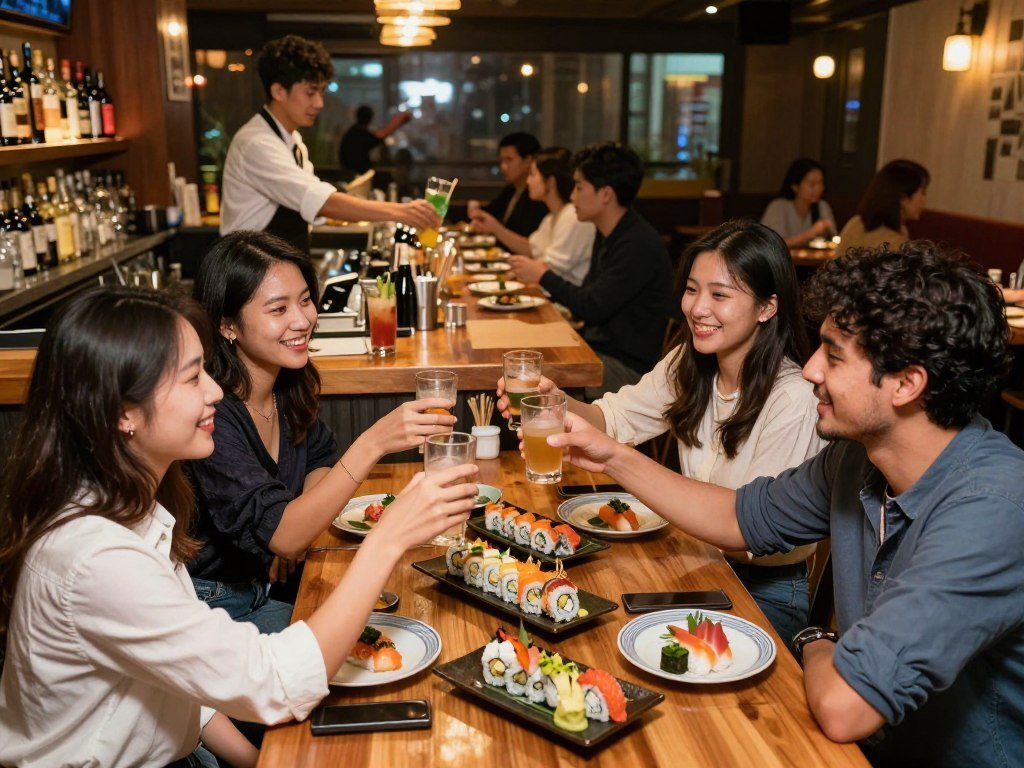
A memorable sushi dinner can mean a quick roll, a chef-led tasting or a lively night at the bar. These 15 editorial picks span Chicago, Dallas and the Kansas City area, with options for different plans, tastes and budgets. Omakase is a chef-selected meal in which the chef chooses what to serve.
The list is organized by city, not ranked from first to fifteenth. The restaurants also serve different kinds of meals, so choose based on your occasion, preferred style and location. A casual meal with friends calls for a different setting than a special night at a small counter.
Check the current menu and reservation options before you set your plans. Some places suit walk-in meals, while a small tasting counter may need advance booking. Choose the city that fits your plans, then use its five picks to narrow down a place and make a reservation if needed.
Key Takeaways
- Chicago has casual choices and special-occasion counters.
- Dallas pairs focused omakase with broader menus.
- Kansas City offers varied settings and signature rolls.
- Menu styles range from cooked options to raw fish.
- Check current menus and booking details before dinner.
Best Sushi in Chicago for a Sushi Bar or Special Dinner
For a special-occasion counter meal, The Omakase Room at Sushi-san offers a 10-seat, 18-course omakase experience. This is the most focused pick for a long tasting, while other restaurants suit a relaxed meal built around rolls or sashimi. Think about the kind of night you want before booking.
The best sushi restaurant for a celebratory tasting differs from a place for rolls with friends. Chicago’s choices include lively dining rooms, a compact counter and restaurants with broad menus. River North is home to Sushi-san and RPM Seafood, while the list also includes spots in other parts of town.

Choose a tasting counter when the meal itself is the event; choose a wider menu when the group wants to share and order at its own pace.
- Sushi-san has locations in River North and Lincoln Park. Order handrolls or Chef Kaze Chan’s nigiri and sashimi selections. The menu works for a casual meal, too.
- Shaw’s Crab House serves traditional and modern maki, plus sushi and sashimi. Its range gives a group room to mix familiar choices with different preparations.
- The Omakase Room at Sushi-san seats just 10 guests for 18 courses. Book it when you want the chef to lead the meal from start to finish.
- RPM Seafood’s signature rolls include Spicy Ebi Shrimp, King Crab California, Japanese Yellowtail, and Bluefin Tuna and Avocado. The named options make sharing easy.
- Miru at the St. Regis Chicago serves signature nigiri, maki and hosomaki. Its menu offers several formats for a special dinner or a more flexible order.
Check each restaurant’s current menu and reservation details, since seating and booking needs differ. For a group meal, Sushi-san’s catering trays are listed for gatherings of 6-25 people.
Where to Eat Sushi in Dallas
Tatsu Dallas is the most focused choice here for a compact, chef-led meal, with just 10 seats. The restaurant centers on edomae-style sushi, a traditional approach, and sustainable fish. Its small counter creates a different pace from the wider menus around Dallas.
Dallas, Texas, is the Texas-area option in this guide, with choices for readers comparing the best sushi near Texas. You can find a quiet counter meal, modern dishes and menus that reach beyond sushi. Compare the format and dishes before choosing a reservation.

- Tatsu Dallas serves a focused omakase at a 10-seat counter. Its edomae-style sushi and sustainable fish suit diners who want the chef to shape the meal.
- Zen Sushi features Chef Michelle Carpenter’s modern sushi and Japanese dishes. Zen Bruschetta and a jalapeño roll with octopus add distinct flavors to the menu.
- Tei-An pairs sushi with soba, sake and other Japanese drinks. It is a useful pick when the table wants noodles and drinks alongside sushi.
- Namo works with ingredients sourced primarily from Japan and old-school Tokyo recipes. Its daily Toyosu Selection gives diners a changing choice of fish.
- Uchi Dallas offers chef tastings and creative dishes, including madai crudo and wagyu tataki. Those options suit a group that wants more than classic sushi formats.
The broader menus give you room to compare different dishes in one sitting. Zen Sushi and Uchi Dallas lean into creative preparations, while Namo highlights Japanese ingredients. Reservations make sense when you have a set dinner time or a larger group.
For a broader menu that includes more than sushi, Tei-An pairs sushi with soba.
Five Kansas City Sushi Spots for Different Nights
Blue Sushi is a flexible pick when a group wants raw fish, cooked choices and plant-based options on one menu. It serves sashimi, nigiri and maki, with vegan and gluten-free choices as well. The Cherry Bomb includes bigeye tuna.
Jun’s is the pick for a sushi-bar setting, while the other spots bring different rolls and dining rooms. Together, these Kansas City options can suit a casual meal, a night out or a table with mixed tastes. Check the menu for the style your group prefers.

- Blue Sushi in Westwood has cooked, vegan and gluten-free options beside sashimi, nigiri and maki. Its Cherry Bomb features bigeye tuna.
- Jun’s has sushi-bar seating and serves the Ocean roll. Take a seat at the bar if watching the sushi chef prepare food is part of the fun.
- Sushi Karma’s Negi Hamachi roll makes the menu easy to remember when you want a named specialty. Look through its other options for a full meal.
- Kabuki Sushi is a small Kansas City restaurant with a warm atmosphere. Its intimate feel can work well for a quieter dinner.
- Sushi UNI serves the Hulk roll with spicy yellowtail, avocado, jalapeño, green soy paper, honey wasabi sauce and eel sauce.
A warm welcome can make a small room feel inviting. Strong service can also build customer loyalty and bring diners back. Check opening hours and the current menu before you head out, especially when your group has a specific food preference.
For a boldly flavored signature roll, Sushi UNI’s Hulk combines spicy yellowtail, avocado and jalapeño with two sauces.
How to Choose a Sushi Style for Your Meal
A roll, nigiri and sashimi give you three different ways to order fish, rice and other fillings. Traditional Japanese sushi often centers on rice, fish, nori and seasoning, while Western-style versions may add richer toppings. Your choice can shape the meal’s texture and flavor.
Raw fish is not the only option, and common rolls can include cooked or plant-based ingredients. Knowing how nori, rice and fish fit together helps you read a menu with more confidence. It also makes it easier to compare traditional and creative dishes.

Traditional Japanese and Western-Style Sushi
Traditional nori rolls usually keep the seaweed on the outside. Western-style rolls often put rice outside and may add tempura, mayonnaise, avocado or cream cheese. Japanese sushi rice can include varieties such as koshihikari and emi no kizuna.
A California roll commonly has cucumber, avocado and cooked imitation crab wrapped in nori. Imitation crab is surimi, processed whitefish shaped to resemble crab. Rolls often come in 6-8 pieces, depending on type, while nigiri is fish over rice and sashimi is thinly sliced raw fish without rice.
Ahi is a name that groups yellowfin and bigeye tuna, and it is described as the world’s most popular sushi species. Farmed Atlantic salmon is common in raw preparations because it is fattier than most wild salmon. It is also available year-round with consistent quality and price.
Raw-Fish Handling and Menu Advisories
Under the 2022 FDA Food Code, fish served raw must be frozen to kill parasites unless an exemption applies. The freezing-record rule calls for records kept for 90 days, unless the restaurant has a written statement from its supplier.
Rice held at room temperature needs health-department permission and a HACCP plan, a written food-safety plan. The Food Code example sets the rice pH below 4.2. Menus or labels must also give a consumer advisory for raw or undercooked fish.
A map using your current location can narrow the best sushi near me to nearby choices. Checking each menu and location can make sushi near me options easier to compare. For raw or undercooked fish, check for the required consumer advisory on the menu or label.
What Sushi Costs and How Much to Order
Across the surveyed menus, the median roll cost was $10.99, a useful starting point before tax, add-ons or delivery. That median came from 61 sushi rolls with a listed piece count on two menus, as of October 14, 2026. Prices at other shops and counters can differ.
At the $10.99 median, $30 covers about two rolls before tax or add-ons. The median was $1.31 per piece. At a small sushi caterer, raw-fish rolls had a $2.00 median per piece, compared with $1.25 for rolls without raw fish, as of October 14, 2026.
Roll Prices and the $30 Order
An 8-piece California or vegetable roll starts at about $10, while an 8-piece raw salmon or tuna roll starts around $15-$16. A small sushi caterer charged $8-$11 for California, imitation-crab and vegetable rolls as of October 14, 2026.
| Order type | Price | Condition |
|---|---|---|
| Median roll | $10.99 | 61 rolls with piece counts on two menus, October 14, 2026 |
| Small-shop roll | $8-$18 | Small sushi shops, October 14, 2026 |
| Grocery-counter roll | $6.49-$13.99 | One grocery-store sushi counter, October 14, 2026 |
| 56-piece party platter | $60-$90 | Small sushi caterer, October 14, 2026 |
Those figures show why the roll type matters as much as the count. Two rolls at the median price fit within a $30 order before extras. A raw-fish roll can cost more per piece than a roll without raw fish.
Nigiri and Sharing Platters
At the small caterer, nigiri cost about $3 per piece. It is priced by the piece, unlike a roll sold as a set. A 56-piece party platter cost $60-$90 there, making it a larger shared order.
Rolls commonly come in 6-8 pieces, so two rolls usually give you 12-16 pieces. Appetite and the size or richness of each roll affect how much to order. A lunch dinner plan may call for fewer pieces than a long meal with several people.
Check the piece count as well as the roll price when comparing orders for a group.
Which Grocery Store Sushi Is Worth Trying?
Sam’s Club took the top score in this taste test, earning 8/10. Its tiger roll was the favorite among four sampled rolls. That makes it the strongest-rated option in this comparison.
Sam’s Club led the five-store test, while Walmart followed at 7.5/10. The other ratings ranged from 6/10 to 7/10. Preferred rolls differed by store, so the highest score does not mean every item will suit every taste.
A taste-test score reflects the sampled rolls, not every sushi item sold at that store.
| Store | Rating | Preferred roll or finding | Note |
|---|---|---|---|
| Sam’s Club | 8/10 | Tiger roll | Favorite of four sampled rolls |
| Walmart | 7.5/10 | California roll | Preferred over spicy crab roll |
| Aldi | 7/10 | California roll | Preferred over shrimp-and-avocado roll |
| Albertsons | 6/10 | Vegetable roll | Preferred over spicy tuna roll |
| Kroger | 6/10 | Salmon nigiri | Noted for a firm, silky texture |
Grocery counters can be handy when a restaurant meal or delivery does not fit your plans. Compare the package with the menu details and choose a store with a fresh, well-kept display. Treat the results as a guide to these sampled options, then check the package date and condition before buying.
Conclusion
The right pick is the one that fits the meal you want, whether that means a quick roll or a longer tasting. Match the restaurant to the occasion and the sushi style you enjoy. A relaxed dinner and a chef-led meal call for different settings.
Use the city sections to narrow your choices, then check the selected restaurant’s current menu and reservation availability before setting a dinner time. A quick look can help you plan around the dishes, hours and seating you want. Choose one place from the city that fits your plans and check its current menu before booking.
FAQ
What type of sushi is most popular?
The California roll is a familiar, widely ordered sushi option in the United States. It often combines cucumber, avocado and cooked imitation crab, making it approachable for diners who prefer cooked seafood. Preferences still differ by restaurant and region. A menu may feature local favorites or house rolls that draw more interest than this familiar choice.
What does authentic Japanese sushi look like?
Traditional Japanese sushi often pairs seasoned rice with fish and nori. Nigiri places fish over rice, while a traditional nori roll usually keeps the seaweed on the outside. The exact look depends on the style and ingredients. Sushi can be simple, with rice and fish at the center, or include more seasonings and fillings.
Which grocery store sushi is the best?
Sam’s Club led this taste test with a score of 8/10. Its tiger roll was the favorite among four sampled rolls. Walmart followed with 7.5/10, while Aldi scored 7/10. These results can help you choose among the tested options, but the store’s full range may include items that were not sampled.
What is the most expensive sushi?
High-end omakase is often the priciest sushi format, especially when it features premium seasonal fish and drink pairings. The chef selects the courses, and rare or prized ingredients can raise the total. Your final bill also depends on the menu and drinks. Check what the tasting includes before you reserve a seat.
How much sushi is $30?
At the $10.99 median roll price, $30 covers about two rolls before tax or add-ons. That is a starting estimate, not a fixed restaurant price. A roll with raw fish may cost more than a vegetable or imitation-crab roll. Delivery, drinks and extra sides can also change how much your budget covers.
Is 2 sushi rolls a lot?
Two rolls usually amount to 12-16 pieces when each roll contains 6-8 pieces. That can be enough for some diners and light for others. Appetite, roll size and rich fillings all affect how filling the order feels. If you are sharing, the number of people and extra dishes matter as well.
What do Japanese people say when you enter a restaurant?
Staff commonly greet arriving guests with “irasshaimase,” a welcoming phrase used in Japanese restaurants. You can simply return a greeting or say thank you. There is no need to answer with a special phrase. A smile or polite nod is also a friendly response while you enter and find your table.
Why is sushi so expensive in the USA?
Sushi prices reflect fish sourcing, freshness, skilled preparation, labor and restaurant overhead. Fish may need careful handling, and a sushi chef’s work takes training and time. Restaurants also pay for rent, equipment and staff. Premium fish, chef-selected meals and drink pairings can add more to the bill than a simple roll order.
About The Author