Best Dog Nail Clippers: 10 Top Picks for Easy Trims
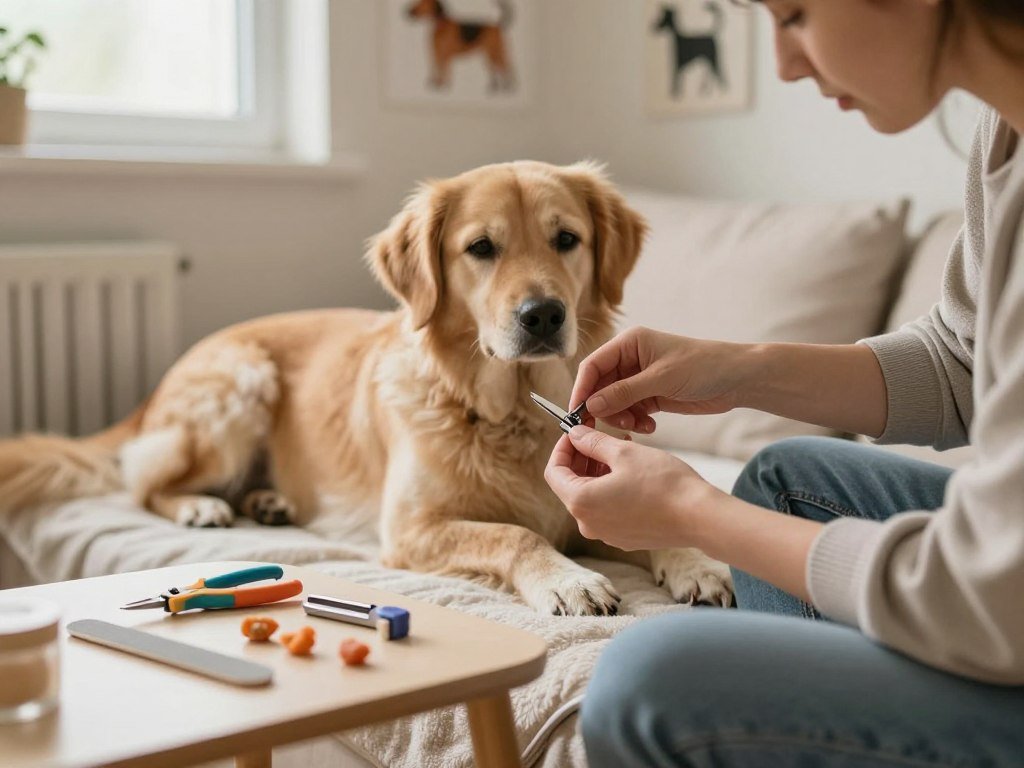
A well-matched tool can make routine nail care easier for both ends of the leash. Your dog’s size, nail color, and comfort can all change which tool works best. The quick is the blood vessel and nerve inside a dog’s nail.
Good nail care supports your pet’s health, yet each dog brings a different grooming experience. A tool that suits a small puppy may not fit a large dog’s thick nails. Your dog’s comfort matters just as much as the tool’s size.
This roundup helps you compare ten options by dog size, nail type, and comfort level. You can use those details to narrow your choice without rushing the process. The goal is a useful fit, not a promise of a pain-free trim.
A calm, small-step approach is more useful than trying to finish every nail at once.
Key Takeaways
- Match the tool opening to your dog’s nail size and thickness.
- Choose a small scissor clipper for puppies and toy breeds.
- A guard can limit cutting depth, but cannot locate the quick.
- Dark nails need a clear view of the cut surface.
- Take breaks if your dog becomes anxious or hard to handle.
How to Choose the Best Dog Nail Clippers for Your Dog
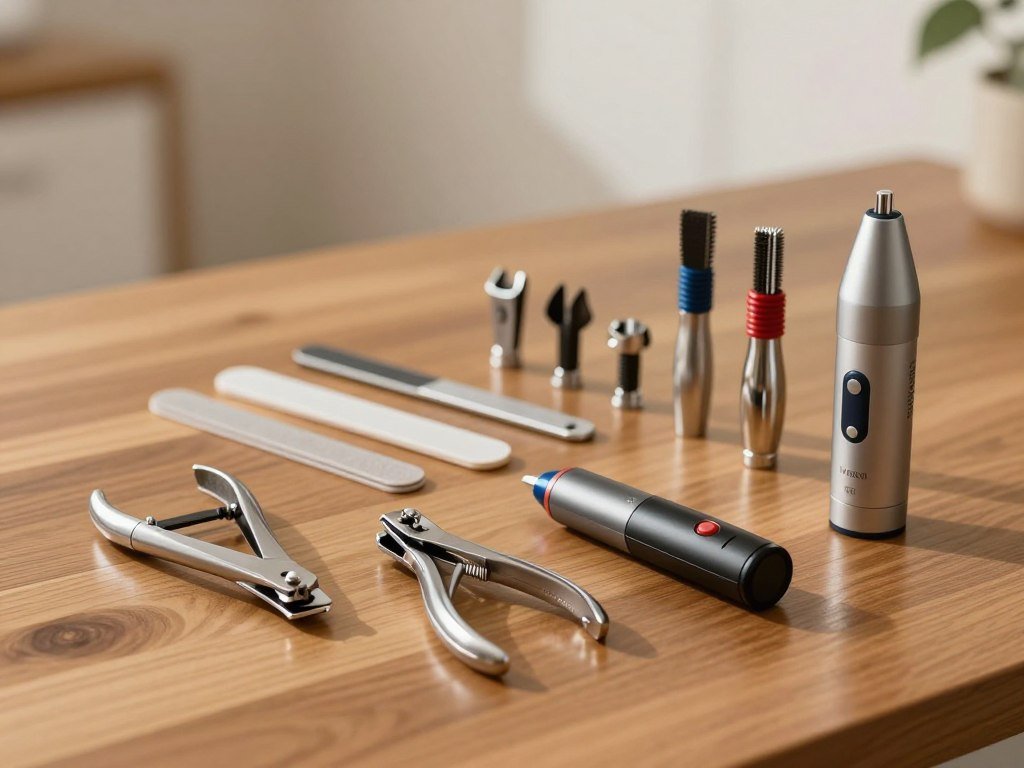
For most medium and large dogs, start with a plier clipper and safety stop; choose a small scissor clipper for puppies and toy breeds. For especially thick nails, the Safari Professional Nail Trimmer has a double-bladed steel cutter and tension spring. The best dog nail clippers fit the nail, not only the breed name.
Millers Forge suits many medium and large dogs, while Safari handles especially thick nails. Frisco fits puppies and toy breeds, Boshel gives owners an adjustable guard, and Casfuy is a quieter grinder choice for dogs that tolerate grinding. Each tool has tradeoffs, so consider nail thickness and how your dog reacts.
Pick a tool that fits the nail and your dog’s comfort level. A safety feature can help, but it cannot remove the need for a clear view.
| Product | Style | Best fit | Useful feature | Tradeoff |
|---|---|---|---|---|
| Millers Forge Nail Clipper with Safety Stop | Plier clipper | Medium and large dogs | Adjustable stop bar | May feel large for small paws |
| Safari Professional Nail Trimmer | Double-bladed clipper | Large dogs, thick nails | Tension spring | No safety guard |
| Boshel Dog Nail Clipper for Large Dogs | Plier clipper | Large dogs | Guard and built-in file | Guard can block dark nail views |
| Frisco Nail Clippers for Cats and Small Dogs | Scissor-style | Puppies, toy breeds, thin nails | Small cutting head | Less suited to thick nails |
| JW GripSoft Deluxe Nail Clipper | Guillotine-style | Large dogs | Cutting guard and non-slip handle | Blade needs replacing when dull |
For thick nails, the Safari’s lack of a guard means you need to judge each cut carefully. Boshel’s guard can help limit depth, but dark nails may hide behind it. The JW GripSoft’s blade must stay sharp for a clean cut.
| Product | Style | Best fit | Useful feature | Tradeoff |
|---|---|---|---|---|
| Gonicc Pet Nail Trimmer | Manual clipper | Dogs needing quiet handling | Rear guard, non-slip handles | Less cutting force |
| LuckyTail Professional Pet Nail Clippers | Plier clipper | Smaller dogs | Sliding guard, contoured grip | Smaller-dog focus |
| Dremel 7350-PT | Single-speed grinder | Dogs that accept grinding | Cordless design | Noise, vibration, heat, slower work |
| Dremel PawControl Dog Nail Grinder and Trimmer | Grinder | More professional-style grinding | Depth window and dust-catching coupling | Louder; takes several passes |
| Casfuy Dog Nail Grinder | Two-speed grinder | Dogs sensitive to louder tools | Three sizing ports | Longer trim and more cleanup |
The Gonicc’s quiet manual action offers less force than a stronger clipper. Dremel 7350-PT can take longer because grinding brings noise, vibration, and friction heat. PawControl is the more professional-style grinder, while Casfuy runs quieter than Dremel but takes longer and leaves more cleanup.
Choose a grinder only if your dog can handle its sound and feel. A small opening or port can also slow the job if the nail barely fits. Match the blade opening or grinding port to the nail, not just to the dog’s breed label.
Which Clipper Style Works Best for Your Dog?
The mechanism that fits the nail matters more than the label on the package. For many adult dogs, plier-style clippers give useful leverage, while scissor-style tools suit smaller, thinner nails. The best professional dog nail clippers are often the ones you can control steadily.
Choose by nail thickness and handling comfort, not by the word “professional.” Scissor-style clippers, guillotine-style clippers, and electric nail grinders all work for some dogs. Dog size, nail type, nail color, and preference shape the choice.
Plier and scissor clippers
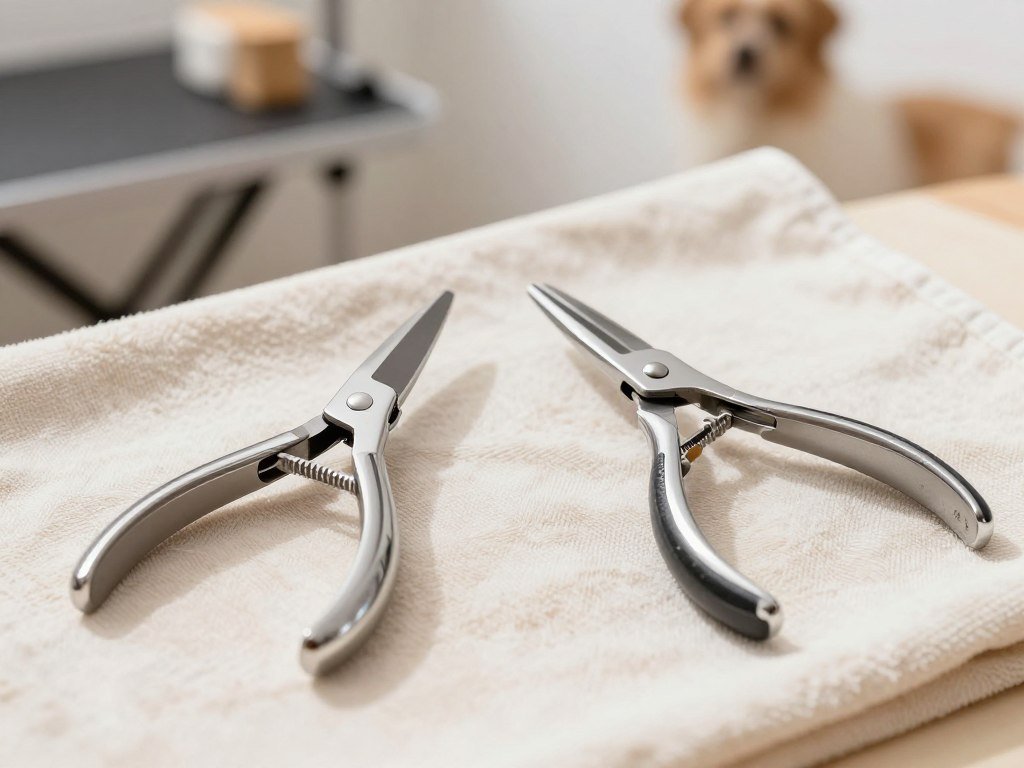
Plier clippers use two handles to press a cutting edge through the nail. That leverage can help with thick nails on adult dogs. Scissor-style clippers feel more precise on small paws and thin nails, such as those of puppies and toy breeds.
Sharp stainless-steel blades help make a clean cut. A safety stop or guide can limit how much nail reaches the blade, though it does not show where the quick ends. These features matter most when the tool fits your hand and the nail.
Veterinarian Julie Buzby usually chooses the orange-handled large Millers Forge trimmer, while her sister prefers its smaller version. Buzby recommends scissor-style tools for dog owners. That advice reflects control and fit, not a rule that every dog needs the same tool.
Guillotine clippers
A guillotine clipper works by placing the nail through a loop, then pressing a blade across it. The loop can make placement feel simple, yet the design gives you less control over the cutting angle. That can matter when a nail curves or is hard to position.
For many adult dogs, plier-style clippers are a practical professional tool; small scissor-style clippers suit smaller nails. Your own comfort still counts. A clipper that crushes instead of making a clean cut is a poor fit, whatever its style.
What Makes a Clipper Safer for Black Nails?
A guard can limit a slice, but it cannot show where an individual dog’s quick ends. No consumer quick sensor can identify living tissue inside a nail. A light helps you see, while a guard acts only as a depth aid.
For black nails, prioritize a clear view of the cut surface instead of trusting a sensor label. The quick’s position varies between dogs, so a safety guard cannot guarantee that you will avoid it. Some guards also block the view of a dark nail’s cut surface.
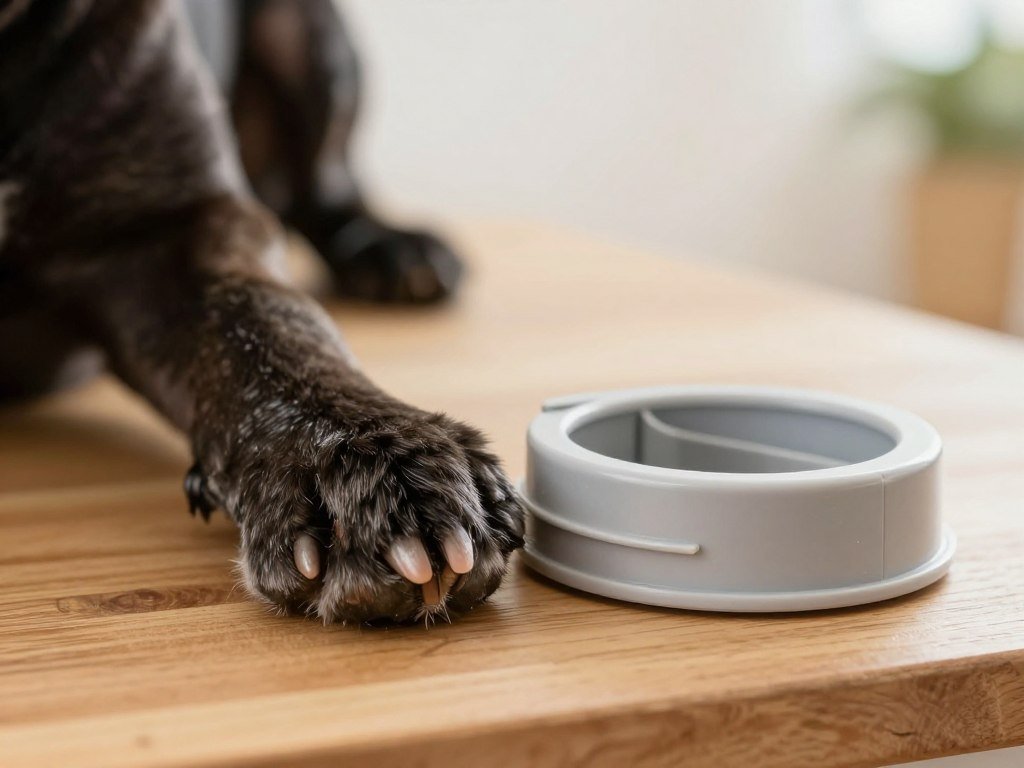
A light or guard may still be useful when it does not block your view. Check these details before choosing a tool:
- Confirm that the nail remains visible.
- Check whether the guard blocks the cut surface.
- Use a stop or guide only as a depth aid.
- Make sure the blade is sharp and stainless steel.
A sensor claim does not replace sight or careful handling. If a feature hides the cut surface, move it out of the way rather than cutting blind.
How Can You Trim Dog Nails Safely at Home?
A trim is usually due every three to four weeks, but clicking on a hard floor or nails extending past the toe pads are useful checks. Regular checks help you spot growth before the nails become very long. The right pace depends on how quickly your dog’s nails grow.
Take small cuts and stop before reaching the quick. Very long nails need tiny amounts removed regularly because the quick grows farther toward the tip as the nail lengthens. A few careful cuts are better than trying to shorten an overgrown nail at once.
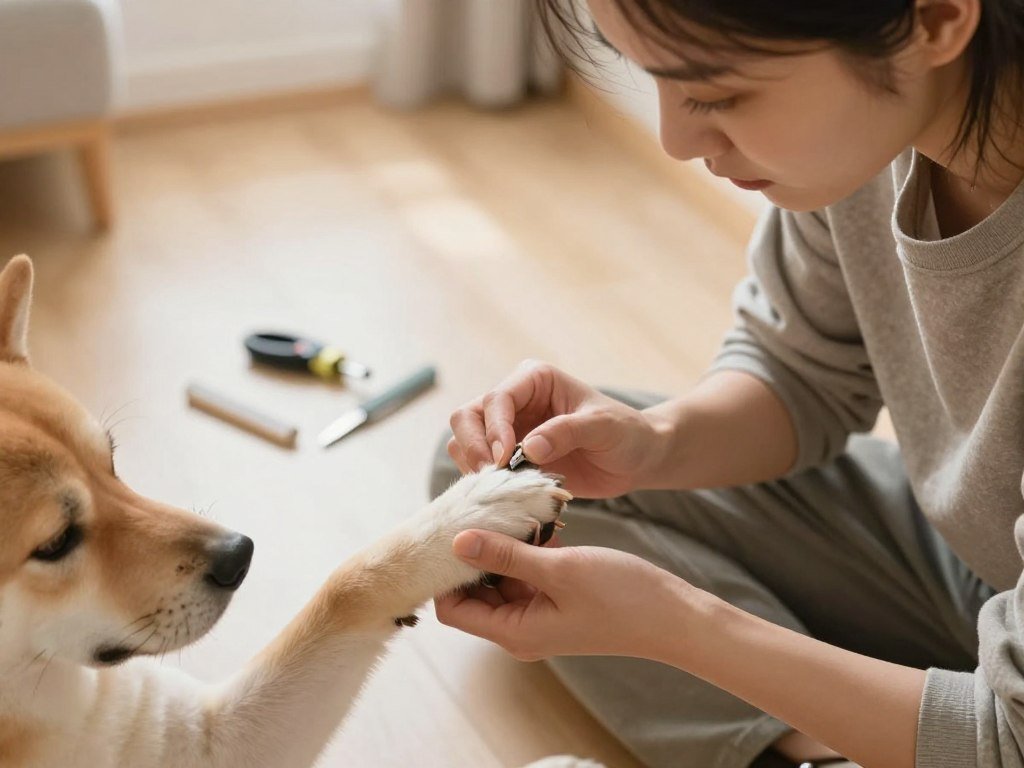
Know when a trim is due
Check the nails while your dog stands on a flat surface. They should not grow past the toe pads. Clicking sounds on hard floors can also signal that a trim is due, though growth rates differ from dog to dog.
Routine nail care is one part of safe dog grooming. A quick look at the paws during regular care can help you notice long nails before they catch or curl.
Read the quick on light and dark nails
On light-colored nails, the quick appears pink. On black nails, remove small amounts and stop when a black dot appears in the center of the cut surface. A sensor does not replace your view of that surface.
The Washington State University nail-trimming advice also stresses taking dark nails in small increments. A cautious pace gives you a chance to check the nail between cuts.
Position the paw and take a small cut
Keep the paw close to its resting surface instead of lifting the leg beyond its natural range. Cut vertically along the nail’s angle, at about 45 degrees. This position helps you keep the cut controlled.
If your dog feels anxious, trim only a few nails during that session. Keep styptic powder nearby in case you nick the quick. If it is unavailable, powdered flour can go on the nail bed to help stop bleeding.
Keep styptic powder within reach before the first cut, not after a nick.
Are Clippers or Grinders Better for Anxious Dogs?
Clippers usually remove length faster, while a grinder offers smaller, gradual changes and a rounded edge. For black nails, grinding may help you remove length in small steps, but it is not automatically safer. Noise and vibration can frighten a dog that has not met the tool before.
Touch a grinder to one nail for no more than a second or two at a time. Pull it away before grinding again to limit friction heat. A grinder can smooth rough edges, while clippers may suit dogs that dislike the sound.
The American Kennel Club’s nail-trimming guidance recommends gradual practice with the tool. Try these steps at your dog’s pace:
- Introduce the sound at a comfortable distance.
- Pair brief exposure with treats.
- Progress to a brief touch on one nail.
- Pause and reward before trying again.
If your dog’s stress makes safe handling difficult, stop the session. A groomer can use breaks or divide the trim across visits.
Gradual acclimation, treats, and breaks may help an anxious dog accept nail care. A groomer should stop when continuing is unsafe. A veterinarian must decide whether calming medication is suitable.
Conclusion
The right tool is the one that fits the nail and lets you work calmly. A sharp tool in the right size matters more than a feature that promises certainty. Comfort and a clear view can make home grooming easier to manage.
Check your dog’s nail thickness and color, then choose one suitable tool. Keep styptic powder nearby before you begin. If your dog resists, a short session can still be useful.
Start with a single comfortable session and stop before either of you feels rushed.
FAQ
How much does it cost to get a dog’s nails cut?
A basic dog nail trim at a U.S. groomer typically costs about $10-$25. The fee can change with your location, the provider, add-on services, and your dog’s needs. A dog that needs extra time or careful handling may cost more. Ask what the basic trim includes before booking, especially if your dog needs other grooming services.
What do professional dog groomers use for clippers?
Many groomers use plier-style clippers for adult dogs, while small scissor-style tools suit puppies and thin nails. The best choice depends on the nail’s thickness and the handler’s control. A sharp stainless-steel blade helps make a clean cut. A stop or guide can limit depth, but it cannot show exactly where the quick ends.
What’s the safest way to cut a dog’s toenails?
Take small vertical cuts along the nail’s angle, check the cut surface often, and keep styptic powder within reach. On light nails, the quick appears pink; dark nails need more gradual trimming. Keep your dog’s paw in a natural position and stop if the dog becomes too stressed to handle safely.
Are nail grinders better than nail clippers for dogs?
Grinders remove nail gradually and round the edges, while clippers remove length faster. A grinder may suit dark nails because you can make small changes, but its sound and vibration can upset some dogs. Introduce it slowly, and keep contact brief to limit heat. The better tool is the one your dog can tolerate safely.
What is the best tool for clipping dogs’ nails?
A plier clipper with a safety stop fits many medium and large dogs. Small scissor-style clippers suit puppies and toy breeds with thin nails. Match the tool opening to the nail rather than relying on the breed label alone. A stop can help limit depth, but you still need to watch the nail as you cut.
Which nail clippers do vets recommend?
Vets may favor sharp stainless-steel blades, a suitable tool size, and a safety stop or guide. Plier-style clippers work well for many adult dogs, while smaller nails may call for a scissor-style tool. No guard guarantees that the quick will not be cut, so choose a design that keeps the nail visible.
How do groomers cut dog’s nails that won’t let you?
Groomers may use gradual practice, treats, and breaks to help a dog accept nail care. They can also split the trim across visits rather than forcing a long session. If handling becomes unsafe, they should stop. A veterinarian, not a groomer or owner, must decide whether calming medication is appropriate.
Should dog nails be cut vertically or horizontally?
Cut vertically along the nail’s angle, at about 45 degrees, rather than cutting sideways. Use small cuts and check the nail often, especially when it is dark. Keep the paw close to its resting surface so you do not pull the leg beyond its natural range. Stop if your dog cannot stay calm enough for safe handling.
About The Author