Best Time to Visit Portugal: A Month-by-Month Guide
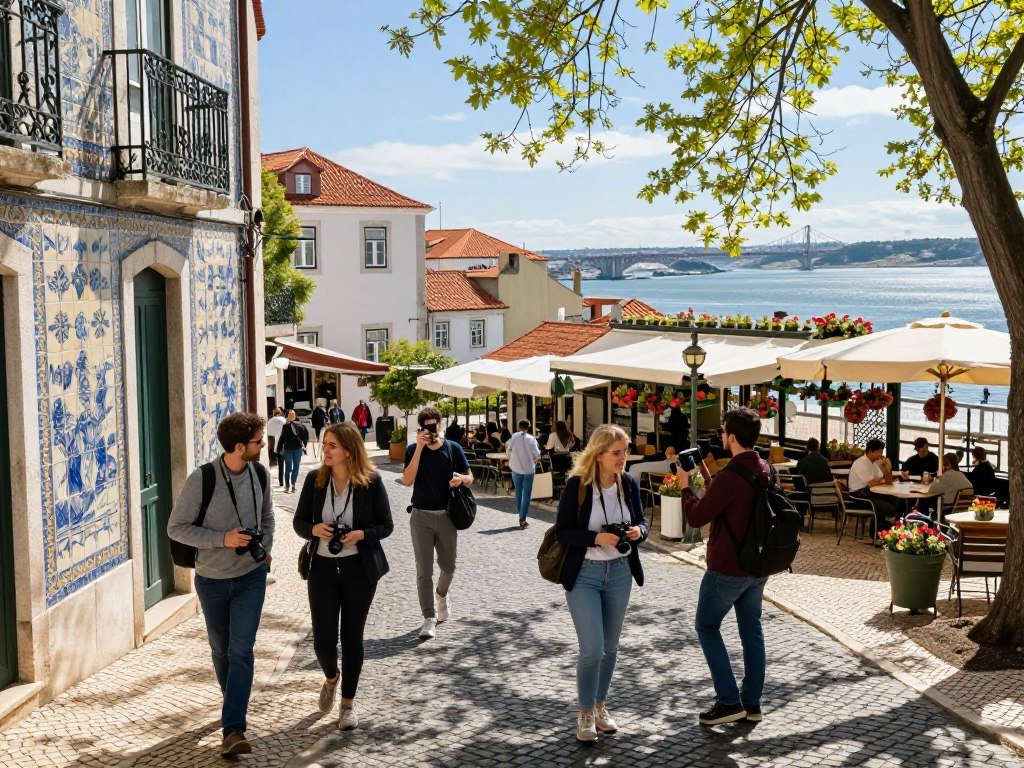
May and September are strong all-around choices for a Portugal trip, but the best dates depend on what you want to do. City walks, beach days, harvest visits, and quiet streets each favor different travel windows. One term helps make weather averages easier to read: a climatological normal is a 30-year average of climate measurements used to describe typical conditions.
This guide compares seasons and months, while showing how conditions change between the coast, inland towns, and islands. You can use it to match your dates to the kind of days you want, not just a forecast. Small timing choices matter, since summer crowds and regional weather can shape the pace of a trip.
Key Takeaways
- May and September work well for many first-time travelers.
- Choose summer or early fall for Algarve beach time.
- Spring and fall suit city walks and historic towns.
- November through March brings fewer visitors and lower-season rates.
- Weather varies across the mainland, Madeira, and the Azores.
- Match your dates to your main reason for travel.
Decide first whether your priority is city sightseeing, beach time, or a quieter trip, then use that choice to narrow your dates.
When Is the Best Time to Visit Portugal?
Travelers focused on city walking usually get the best balance in spring or fall, while beach-focused trips favor the Algarve in summer or early fall. For most visitors, May and September pair comfortable days with a little more breathing room than peak summer.
Spring or early fall is a practical shared window for a Portugal-and-Spain trip. Beach plans call for warm-season travel and time in the Algarve, while city plans benefit from milder walking weather.
For City Sightseeing and Walking
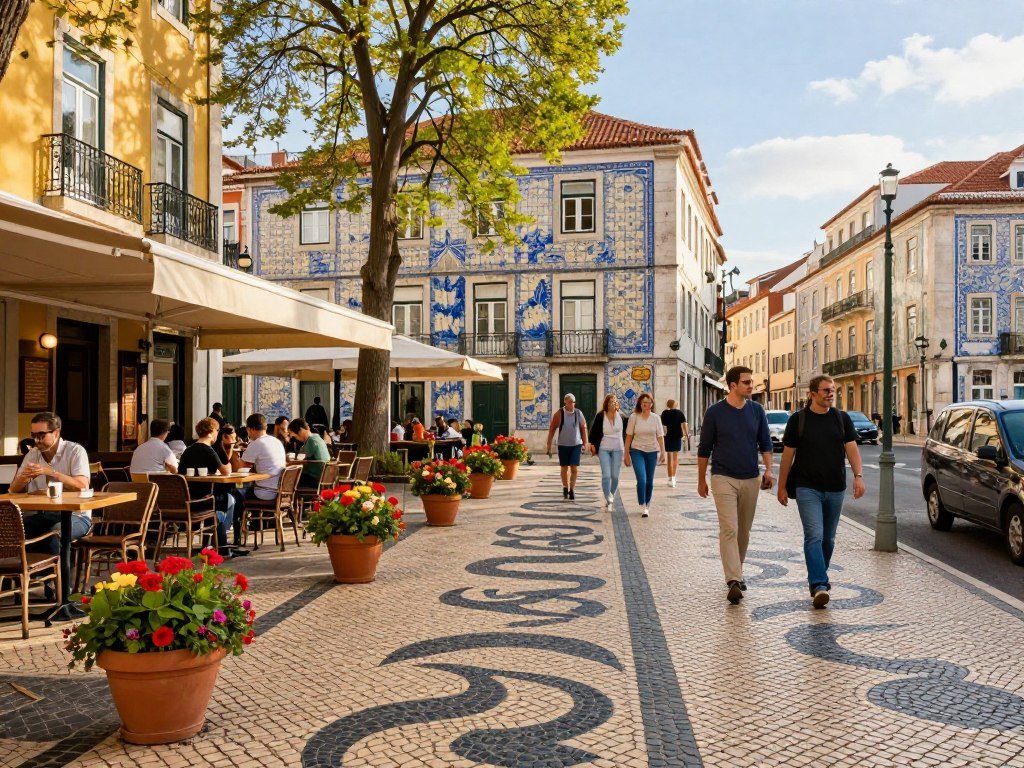
Spring and fall are usually the best time to visit Lisbon, Porto, and historic towns on foot. March offers mild weather before most tourist crowds arrive. February and early April also tend to stay mild, though winter brings shorter daylight and more rain.
May adds longer days without the full summer heat, making it easier to spend hours outdoors. October is another shoulder-season choice. You can plan a full day of sightseeing without building every stop around the hottest part of the afternoon.
For Beach Days and a Portugal-Spain Trip
The Algarve is a beach option from July through October, but those months attract many tourists. July and August are especially popular there and can be very hot. For beach time, the best time to visit Portugal favors warm-season travel over the cooler dates that work well for city walks.
Spring or early fall is a useful shared window for a Portugal-and-Spain itinerary. It gives you milder weather for cities in both countries. If swimming and beach days lead your plans, give the Algarve more weight and travel during its warmer season.
For Lower Costs and Fewer Crowds
The cheapest time to go to Portugal is generally the low season, from November through March, rather than one uniquely cheapest month. Hotels offer low-season rates from November 1 through March 31. You can expect fewer visitors, but also shorter days and more rain.
| Season | Best fit | Main tradeoff |
|---|---|---|
| Spring | Walking and sightseeing | Some rain and cool days |
| Summer | Beach trips | Heat and crowds |
| Fall | City visits and harvest | Rain rises later |
| Winter | Quiet, lower-season travel | Short days and rain |
Book peak-season lodging and popular guided visits early, especially in coastal areas during July and August.
Douro Valley winery visits peak in September and October, when harvest activity draws wine travelers. Madeira stays mild year-round, so it can suit a visit outside the mainland’s beach season.
Portugal Weather by Month: What to Expect
April is a good time to visit Portugal if you want spring weather for sightseeing before the summer peak. It is a comfortable month for outdoor plans, with daytime temperatures regularly around 19°C and a national holiday on April 25.
Month-by-month conditions shift from winter rain to summer heat, then back toward wetter weather. Celebrations and harvest events also affect what you may see during the year.
January, February, and March
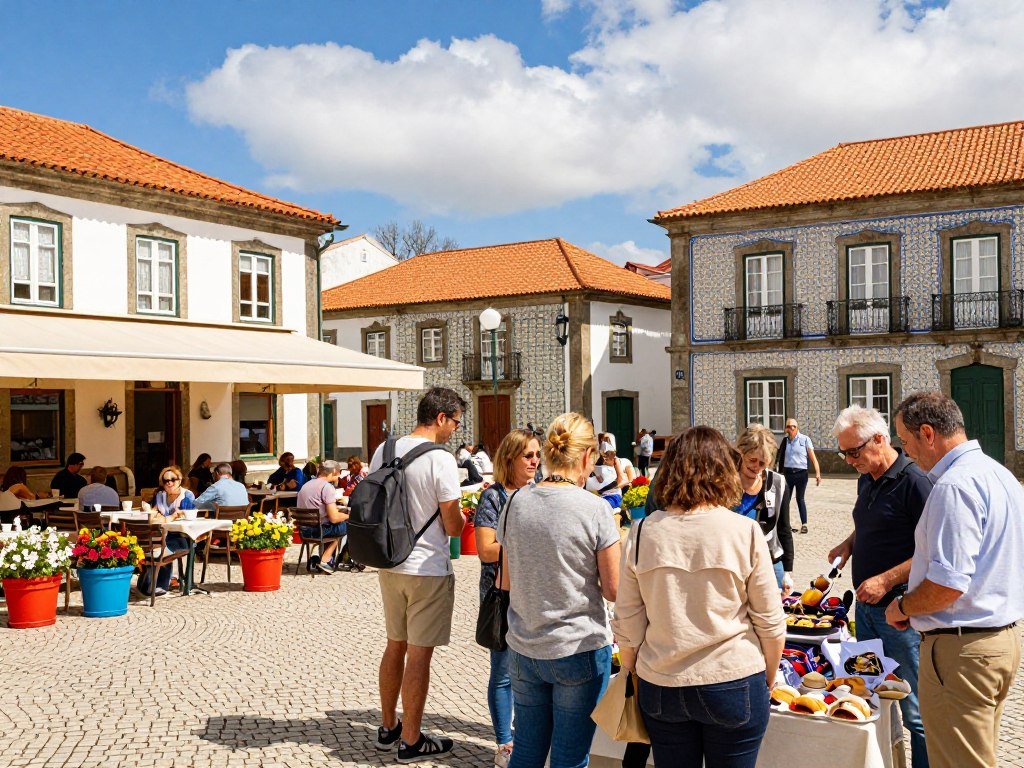
January is chilly and wet, with daytime temperatures reaching an average high of 15°C. Expect shorter days and a slower pace outdoors. February remains a mild-weather option in many areas, with Carnival taking place in February or March.
Almond blossom appears in the Alentejo and Algarve during February. The flowers add color to countryside drives and walks. March marks the start of spring, bringing a gradual lift in daylight and comfortable conditions before most tourist crowds arrive.
April, May, and June
April’s regular daytime temperatures near 19°C suit sightseeing and walks. Freedom Day falls on April 25, with public events and celebrations. It is a good month if you want time outdoors without midsummer heat.
May temperatures climb to 22°C and beyond, while days grow longer. The Fátima pilgrimage takes place May 11-13, bringing visitors to the town. Plan around those dates if the pilgrimage is part of your visit or you prefer a quieter stay nearby.
Portugal Day is June 10. The Feast of Saint John follows on June 23, with celebrations in several places. June also brings the start of hotter, busier summer travel, so reserve popular stays before arriving.
July, August, and September
July and August are hot and busy, especially at the beaches. August is the busiest tourist month, and summer accommodation prices can increase by 30% or more. Some family-run businesses may close for part of August, so check opening days before planning around a small restaurant or shop.
September brings warm days and harvest activity. The grape harvest begins in September, making it a strong month for winery visits. The coast remains appealing, while inland areas can still feel hot during the day.
October, November, and December
October can still work for swimming and surfing, especially when warm days hold on along the coast. It also marks a key period for harvest visits in the Douro Valley. Conditions can change quickly, so keep a flexible plan for outdoor activities.
November starts the rainy season, and daylight continues to shrink. December is wetter and cooler, with shorter days, but Christmas markets and decorations bring a festive feel to towns and cities. The south is generally milder than the north.
For the Douro Valley harvest, plan around September or October and book any harvest experience in advance.
How Weather Changes Across Portugal
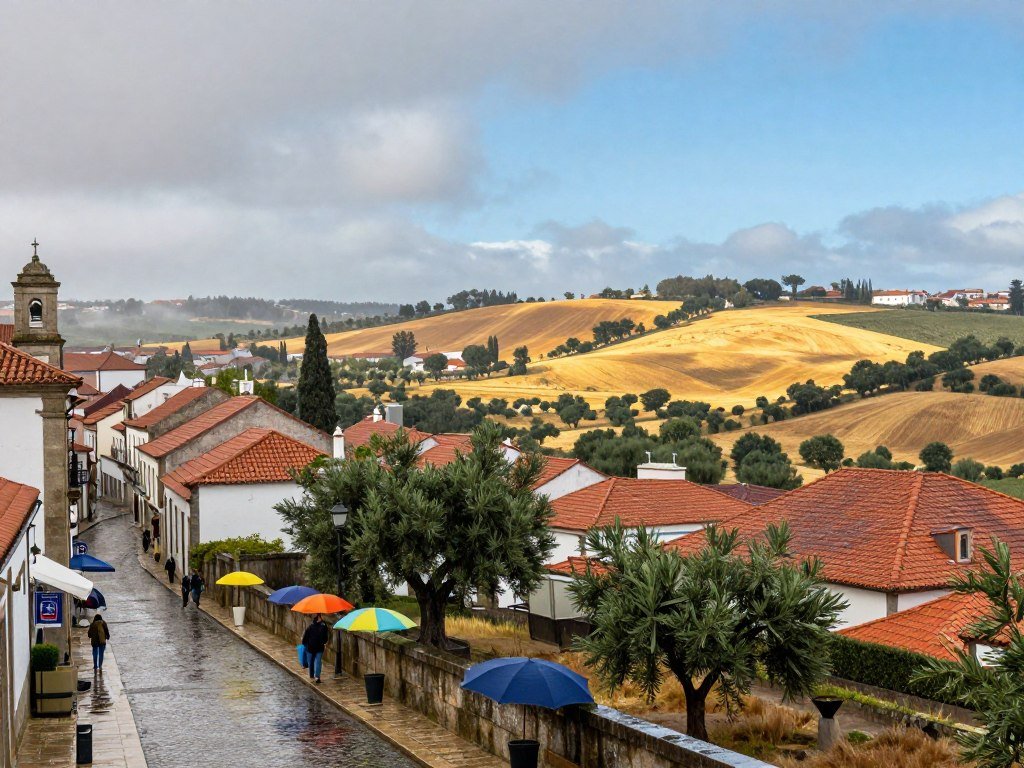
A July day in Évora averages a 92°F high, while Porto averages 77°F, so a single national forecast can mislead. Local patterns matter: the north is wetter, inland areas can be hot, and the south is generally drier.
Check conditions for each region on your route, not just the country as a whole. Mainland Portugal mostly has a temperate climate with dry summers. Northern mountain areas and the west coast of the Alentejo and Algarve generally have mild, dry summers.
Mainland Regions Have Different Rain and Heat Patterns
IPMA lists climatological normals for 1971-2000, 1981-2010, and 1991-2020. Portugal’s climate classification uses 1971-2000 normals, the latest available on IPMA’s climate-normals page in 2026. The figures below show how much temperature and rain can vary.
| Destination | January average high | July average high | January rainfall | July rainfall |
|---|---|---|---|---|
| Lisbon | 59°F | 82°F | 4 inches | 0 inches |
| Porto | 57°F | 77°F | 7 inches | 1 inch |
| Douro Valley | 48°F | 77°F | 8 inches | 1 inch |
| Évora | 57°F | 92°F | 2.0 inches | 0.1 inches |
| Algarve | 59°F | 84°F | 4 inches | 0 inches |
Porto and the Douro Valley have more January rain than Lisbon or the Algarve. Évora’s July average high is much hotter than Porto’s, while the Algarve stays dry in July. Those contrasts can shape what you pack and how much time you spend outside.
Madeira and the Azores Need Flexible Plans
Madeira is mild throughout the year, making it a good time to visit Madeira in any season if you want temperate days. The Azores have more changeable weather. Conditions there can affect internal flights between islands.
Build flexible travel time into an Azores visit because changing weather can affect inter-island flights.
How Many Days Do You Need for a Portugal Trip?
Three days is enough for a focused Lisbon-and-Sintra visit, while a two-week trip can link the Algarve, Évora, Nazaré, Coimbra, the Douro Valley, and Porto. Choose the route that fits your available days, rather than rushing through every region.
Lisbon, Sintra, and Porto suit a first trip centered on city and historic sights. Choose the Algarve for beaches, or the Douro Valley for wine-country scenery.
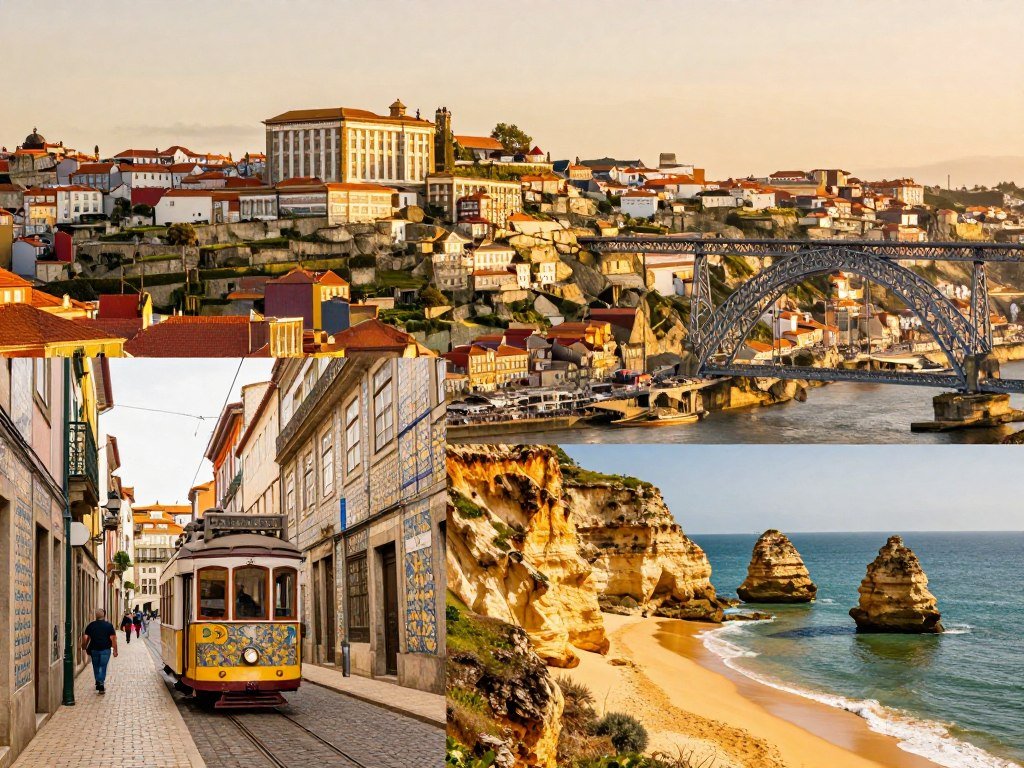
- 3 days: Lisbon and Sintra.
- 6 days: Add the Algarve, including Salema, Lagos, and Cape Sagres.
- 8 days: Add Coimbra to the Lisbon, Sintra, and Algarve route.
- 10 days: Add Nazaré and nearby sights, including Óbidos, Alcobaça, Batalha, and Fátima.
- 12 days: Add Porto.
- 14 days: Add Évora and the Douro Valley.
Rick Steves’ two-week road itinerary starts in Lisbon and ends in Porto. Stops include the Algarve, Évora, Nazaré, Coimbra, and the Douro Valley. That route gives you cities, historic towns, and countryside, though it also means several days on the road.
Estimated drive times help set a realistic pace. Lisbon to the Algarve takes about 3 hours, while Lagos to Évora takes about 3 hours. Évora to Nazaré via Óbidos is about 3 hours, and Nazaré to Coimbra is about 2 hours.
Coimbra to the Douro Valley takes about 2.5 hours. The Douro Valley to Porto takes about 2 hours. Add time for meals, stops, and changing plans, especially when visiting smaller towns along the way.
Allow time for stops and rest on long driving days instead of treating estimated drive times as full-day itineraries.
Flights, Safety, and Practical Travel Checks
Most nonstop flights from the United States land in Lisbon, so start by checking direct options from your home airport. Direct flights to Porto depend on the season. Your best airline choice depends on your departure city, nonstop routes, and flight times.
Compare schedules from your home airport rather than choosing one airline for every U.S. departure. Portugal’s terrorism threat level is 3, significant, on a five-level scale.
Portugal’s terrorism threat level is 3, significant, on a five-level scale.
- Watch bags on Lisbon and Porto transit, especially trams 15, 25, and 28, where pickpocketing and bag snatching are common.
- Check for demonstrations or strikes, which can disrupt traffic and public transportation.
- Follow beach warning flags because currents and rip currents are dangerous, and disobeying flags could lead to a fine.
Tourists are often targeted for petty theft in Lisbon and Porto. At the coast, follow the posted warning flags even when the water looks calm.
Conclusion
For a balanced first trip, start by considering May or September. Either month can suit comfortable sightseeing, while summer favors beach days and winter tends to bring fewer visitors.
Let your main priority guide the final choice: cities, beaches, or lower crowds. Then check flight availability and reserve lodging in the places on your route. Those two steps can help you settle dates before you commit to a detailed plan.
Choose your dates and check flights and lodging before locking in the route.
FAQ
Is it a good time to go to Portugal?
May and September are strong all-around choices for mild sightseeing weather. Summer suits travelers who want beach time, though popular coastal areas get crowded and hot. Winter is quieter and rainier, with shorter daylight hours. Your best dates depend on whether you value warm water, city walks, or fewer visitors most.
What is Rick Steves’ recommended itinerary for Portugal?
Rick Steves’ two-week road itinerary starts in Lisbon and ends in Porto. It links the Algarve, Évora, Nazaré, Coimbra, and the Douro Valley. That route combines major cities with beaches, historic towns, and wine-country scenery. Give yourself enough time between stops, since the driving legs can take several hours.
What is the nicest part of Portugal to visit?
Lisbon and Porto are strong choices for cities, the Algarve suits beaches, and the Douro Valley offers vineyard scenery. For a first visit, choose the area that matches the days you want most. City travelers may prefer Lisbon, while a beach-focused trip calls for more time in the south.
What is it like to visit Portugal in December?
December brings cooler, wetter days and shorter daylight, along with Christmas markets and decorations. The south is generally milder than the north. You can still enjoy city visits and holiday events, but outdoor plans may need a rain backup. Pack layers and leave room to adjust each day’s schedule.
Is it safe for US citizens to travel to Portugal now?
Portugal’s listed terrorism threat level is 3, significant, on a five-level scale. Travelers should also account for common petty theft in Lisbon and Porto, plus dangerous currents and rip currents at beaches. Keep bags close on transit, check local transport updates, and obey beach warning flags throughout your visit.
What is the cheapest month to go to Portugal?
November through March is generally the low-cost season, but no single cheapest month is established. Hotels offer low-season rates during that period, and fewer tourists visit. Winter is cooler and rainier, with shorter daylight. Compare dates across the whole season if you can travel flexibly.
What is the rainy month in Portugal?
December is identified as the rainiest month, and northern areas receive more rain than the south. The rainy season generally spans October through April. Conditions still vary by region, so a wet forecast for Porto does not mean the Algarve will have the same weather. Check each stop on your route.
About The Author