Best Cooling Mattress for Hot Sleepers Top Picks 2026
If you wake up overheated, the mattress beneath you may be one part of the problem. Heat can build up around your body, and a cool-feeling cover alone may not solve it. You also need a bed that feels right and supports your sleep position.
This guide compares mattresses with different cooling designs, plus mattress topper options if you want to change your bed’s surface. It can help you weigh temperature regulation against comfort, support, and the sleep products already in your room. The goal is a practical choice, not a promise that one bed will feel cool to everyone.
Key Takeaways
- Cooling claims matter, but comfort and support still shape your sleep.
- Hybrid mattresses use coils that can help air move through the bed.
- Foam, grid, and active climate designs manage heat in different ways.
- A mattress topper can change surface feel, but cannot restore worn support.
- Sleep position, bedding, and room temperature affect how warm a bed feels.
- A cooler-feeling bed is useful only if it also suits your sleeping position and comfort needs.
How We Evaluated Cooling Performance
A brief surface-temperature test can show how a bed responds to heat, but it cannot tell you whether its feel will suit you all night. A useful review looks at both the first touch and the way a mattress may let heat move away during sleep. Those are different questions.
Phase-change material (PCM) is designed to absorb or release heat as it changes state, which can help moderate temperature. A cooling feature is one part of a mattress, not proof that every sleeper will stay cool. Body heat, room conditions, and bedding can change how the same bed feels.
Use temperature readings to compare beds, not to predict exactly how cool your own bed will feel overnight.
Surface heat and airflow
A temperature reading after brief contact records a surface response at one point in time. It does not show how much air moves through the full bed or how heat shifts during hours of sleep. Some cooling mattresses use covers or foam designed to draw heat away, while coil cores can leave more room for airflow.
Test methods also differ. Mattress Clarity’s 2026 topper process included resting on each topper to assess warming, and sometimes used a thermal gun to measure surface-temperature increase. These checks can help compare products under similar conditions, but your bedroom and bedding are not a lab.
Comfort, support, and usefulness
The best cooling mattresses also need to cushion pressure points and support your body. Side sleepers may need more room around the shoulders and hips. Back and stomach sleepers may need a steadier surface to help keep the spine in a comfortable position.
Movement and edge stability matter, too. Motion isolation can limit how much a partner’s movements disturb you, while a stable edge gives you more usable space when sitting or sleeping near the side. Judge cooling features alongside comfort, support, motion, and edge feel.
A test result can guide comparisons, but personal comfort remains the final check. Treat a cooling score as one useful comparison, not a promise that every sleeper will feel the same.

Best Cooling Mattress for Hot Sleepers
The Helix Midnight Luxe is the clearest all-around starting point, while three other picks suit more specific comfort priorities. It combines a breathable cover with coils, while the other cooling mattresses offer different firmness choices and surface feels. Start with your main comfort need.
The four options below are hybrid mattresses, but their standout uses are not the same. The Brooklyn Bedding Aurora Luxe offers a choice of firmness, while the Leesa and WinkBed also give shoppers distinct feel and support options.
| Mattress | Construction | Standout use | What distinguishes it |
|---|---|---|---|
| Helix Midnight Luxe | Hybrid | Balanced all-around fit | Breathable cover and coils |
| Brooklyn Bedding Aurora Luxe | Hybrid | Multiple firmness preferences | Cooling-focused foam and coils |
| Leesa Sapira Chill Hybrid | Hybrid | Shoppers wanting firmness choice | Three firmness levels and responsive feel |
| WinkBed | Hybrid | Support and cooling | Three firmness levels and breathable construction |
The Brooklyn Bedding Aurora Luxe in the table is the product name, not a separate product called Aurora Luxe Cooling. Its cooling-focused foam and coil design make it one option for shoppers who want to compare different firmness choices.
The Leesa Sapira Chill Hybrid suits shoppers who want a cushioned surface with a responsive feel. The WinkBed stands out for its support and breathable construction, with firmness choices that can suit different sleep positions.
These are starting points, not a ranking for every body or bedroom. Use the table to narrow the field, then check the model details against your own sleep position.

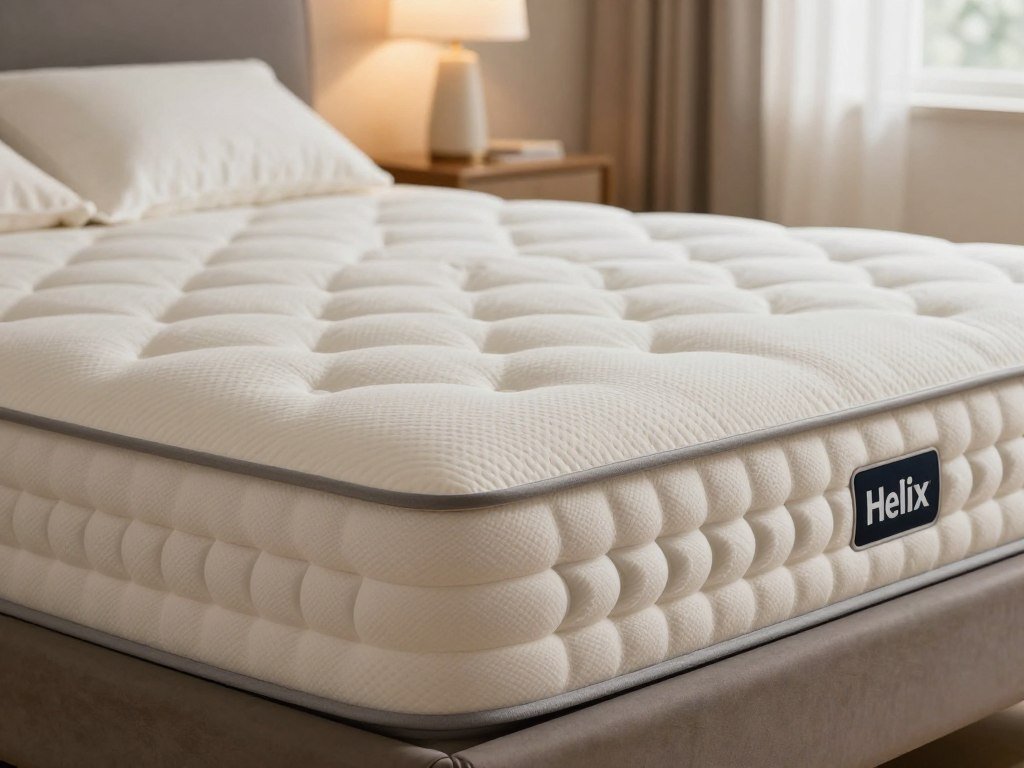
Helix Midnight Luxe
The Midnight Luxe pairs foam cushioning with pocketed coils, a combination that aims to balance contouring and airflow. The foam cushions pressure points, while the coil layer leaves space for air to move through the mattress. That balance can suit side and back sleepers.
The Helix Midnight Luxe scored 9.43 out of 10 overall and was named best cooling mattress in NapLab’s 2026 ranking. NCOA testers rated its firmness 6/10 and found that it stayed cool at night. Those ratings describe specific tests and the tested feel, not a guaranteed result for every sleeper.
The mattress uses a thick comfort surface above its coil system. That construction can feel cushioning around the shoulders and hips, but a thicker foam surface may hold some heat even as coils promote airflow. If you prefer a firmer, flatter surface, the contouring may feel like too much sink.
Consider how the feel may match your position:
- Side sleepers may like the pressure relief around their shoulders and hips.
- Back sleepers may value the mix of cushioning and support beneath the lower back.
- Heavier stomach sleepers may need a firmer option to limit hip sink.
The mattress details list a 365-night trial and limited lifetime warranty. These terms may help you assess comfort at home, though trial and warranty rules can include conditions. Check what each policy covers before you rely on it.
Motion isolation may also matter if you share a bed. Foam can absorb some movement, while the coils add support beneath the comfort layers. Your sensitivity to motion and your partner’s habits can affect whether that balance feels right.
NapLab’s 2026 ranking gave the Helix Midnight Luxe a 9.43 overall score. The bed’s cool-touch feel and pressure relief may appeal to side sleepers, but warmth and comfort depend on your full setup.
If you sleep mostly on your stomach and need firm hip support, compare a firmer option before choosing this medium-firm feel.
Brooklyn Bedding Aurora Luxe
The Aurora Luxe gives shoppers three firmness choices, but its Medium model is rated 7/10 rather than a softer, sink-in feel. The Brooklyn Bedding Aurora Luxe pairs cooling-focused foam with a hybrid coil base. Its Medium label may surprise you if you expect a softer surface.
The Medium model’s surface temperature rose about 7 degrees after five minutes in testing. That short result is one comparison point, not a measure of how the mattress will feel through a whole night. Choose by the feel you want, not by the word “Medium” alone.
The three firmness options can suit different broad preferences:
- Softer may suit you if you want more cushioning and pressure relief.
- Medium may suit you if you prefer a more balanced, less plush feel.
- Firm may suit you if you want a steadier surface with less sink.
The labels do not predict every person’s experience. Body weight, sleep position, and personal comfort can change how firm a mattress feels. A softer surface may cushion a side sleeper, while someone who sleeps on their stomach may want more resistance under the hips.
Cooling-focused foam and coils address different parts of the bed. The foam shapes the surface feel, while the coil base supports the mattress and leaves room for airflow. That does not mean every sleeper will feel cool, especially if a thick comfort layer or warm bedding holds heat close.
The Aurora Luxe is a distinct model name, so check the exact version when comparing it with other Brooklyn Bedding products. Firmness can also feel different across sizes and bodies, so think about how you sleep rather than choosing by label alone.
If you are unsure between two firmness choices, prioritize your sleeping position and how much pressure relief you want.
WinkBed
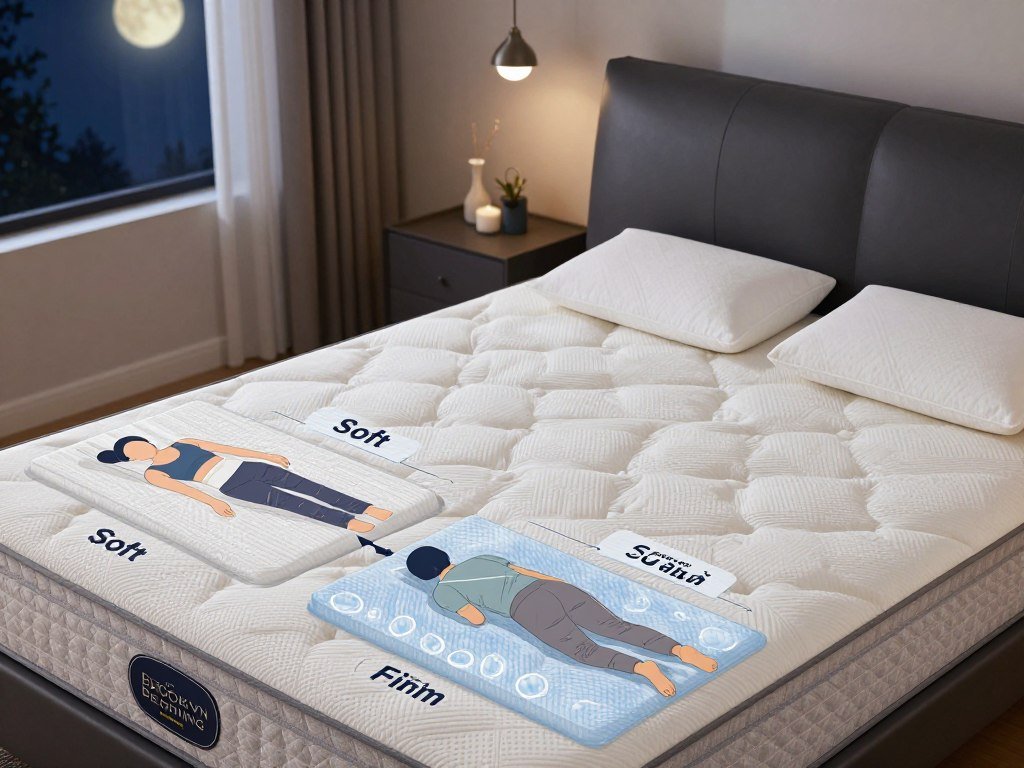
The WinkBed combines a breathable cover and coil support with three firmness choices. Its quilted Tencel cover, foam layers, and pocketed coil base each play a role in how the mattress feels and moves air. That mix may suit shoppers who want both support and cooling.
The WinkBed is 13.5 inches tall and offers Soft 4, Medium-Firm 6, and Firm 8 options. In NapLab’s testing, it scored 9.49 overall and 10/10 for cooling. Those performance figures apply to the tested Luxury Firm version, not automatically to every firmness.
The quilted cover gives the surface a cushioned feel, while the foam layers shape pressure relief. Beneath them, pocketed coils support the body and create more open space than a solid foam core. The full design matters, since a cover alone cannot show how heat moves through the mattress.
Firmness affects how deeply you settle into the surface. A softer feel may let some sleepers sink farther, which can feel warmer if more material surrounds the body. People who prefer a flatter surface may find deeper sinkage less comfortable, even if the bed feels supportive.
Support can also matter if you wake with lower back discomfort. A mattress should feel steady enough to keep your body comfortable, but a cooling score cannot tell you whether the firmness suits your shape. Try to judge support and pressure relief together.
The three choices let you compare a softer surface with firmer options. Your sleep position and preferred feel should guide that choice more than a single performance number.
Match the firmness to your preferred sleeping position rather than choosing solely for a cooling score.
Leesa Sapira Chill Hybrid
The Sapira Chill Hybrid combines a cushioned top with coils for airflow and easier movement on the surface. Its quilted pillow top and gel-infused foam add contouring, while coils sit below the comfort layers. The feel aims to balance responsiveness with cushioning.
The mattress offers three firmness levels. In a five-minute test, its temperature rose about 6 degrees, but that short test does not predict a full night in every bedroom. A brief surface reading is not an all-night cooling promise.
The quilted top adds a plush layer, while gel-infused foam shapes the feel beneath it. The coil system provides support and space for air movement. Together, those features may suit shoppers who want a cooling hybrid mattress without a slow, deeply sinking surface.
Reviewers have reported a mix of responsiveness and motion isolation. That balance can help couples who want easier movement without feeling every shift from a partner. It may still feel different if one person is especially sensitive to motion transfer.
The Sapira Chill Hybrid has a higher-end feature set, which may not fit every budget. Its three firmness levels give you room to compare feel, but the best option depends on your sleep position and comfort needs. A Plush version may feel quite different from a Firm one.
Sleep Advisor’s Leesa Sapira Chill Hybrid review describes the quilted top, foam, coils, and a balance of motion isolation and responsiveness. Couples should weigh the balance of motion isolation and responsiveness against their own sensitivity to movement.
Which TEMPUR-Breeze Mattress Fits Your Cooling Needs?
Choose between ProBreeze and LuxeBreeze by comparing their stated cooling targets, height, and the construction you prefer. Both use memory foam and cooling materials, but their advertised targets differ. “Up to” is a design claim, not a guaranteed change in your personal temperature.
The listed cooling targets do not mean your room will become 5 or 10 degrees cooler. They describe how the mattresses are designed to perform, and your sleep experience can differ. The comparison below also shows differences in height and coil setup.
ProBreeze and LuxeBreeze cooling claims
The ProBreeze is designed to feel up to 5° cooler, while the LuxeBreeze is designed to feel up to 10° cooler. A separate comparison measures the average heat-index increase over 8 hours for the LuxeBreeze and TEMPUR-PROAdapt. That eight-hour heat-index comparison is a test measure, not a personal temperature promise.
| Measure | ProBreeze | LuxeBreeze |
|---|---|---|
| Designed cooling | Up to 5° cooler | Up to 10° cooler |
| Height | 12 inches | 13 inches |
| Medium Hybrid coil construction | More than 1,000 individually wrapped coils | 1,300 double-stacked coils |
Cover, height, and hybrid construction
The TEMPUR-Breeze collection has a removable, machine-washable SmartClimate cover. Beneath it, a heat-diffusing layer works with Pure Cool or Pure Cool Plus material, designed to draw heat away from the body. These features aim to support temperature regulation, but they cannot ensure the same result for every sleeper.
The Medium Hybrid versions add coils beneath the foam. ProBreeze stands 12 inches tall and has more than 1,000 individually wrapped coils. LuxeBreeze stands 13 inches tall and has 1,300 double-stacked coils. The coil setup may appeal if you want the feel of foam with a coil support layer.
Those dimensions and constructions apply to the models listed, not every mattress in the full collection. Think about height if you have a low bed frame or fitted sheets that already fit closely. Your preferred foam feel also matters as much as the stated cooling target.
Check the care instructions for the specific cover before washing it.
What Does the TEMPUR-ActiveBreeze System Add?
The ActiveBreeze adds powered air circulation and separate climate settings for partners who want more control. The system combines a mattress, ProSmart Air Base, and controls. Unlike passive materials, it uses fans to move air through a dual-chambered distribution layer.
The mattress is a 13-inch medium hybrid. Its ProSmart Air Base circulates air through the dual-chambered layer, while controls let sleepers adjust the system. Dual-zone climate control lets partners set separate temperatures on each side.
The system offers a range of 30° cooler or warmer. It has three preset cooling levels and active warming, so it can respond to people who prefer different conditions. Remote controls and the Sleeptracker-AI app provide ways to adjust the settings.
That setup differs from a cooling cover or foam that passively manages heat. Powered circulation gives you more control, but it also adds equipment and controls to your bed. You may need to consider the base along with the mattress and how you want to manage settings.
Partners with different temperature preferences may value the separate zones. One person can choose a cooler setting while the other chooses a warmer one. Passive cooling materials do not provide that kind of independent adjustment.
The added base and powered controls make this more involved than choosing a mattress alone. Before choosing an active system, decide whether independent settings are worth adding a powered base to your bed setup.
Is the Purple Mattress Cool Enough for Hot Sleepers?
The Purple Mattress uses a flexible polymer grid above foam rather than a conventional continuous foam comfort layer. The 2-inch GelFlex Grid sits above 3.5 inches of comfort foam and 4 inches of base foam. Its open structure feels distinct from a smooth foam surface.
The mattress is 9.25 inches tall and has a medium-firm feel. The GelFlex Grid’s columns buckle under concentrated weight, which can relieve pressure while helping dissipate heat. That design does not mean every sleeper will feel cool in every room or bedding setup.
The grid responds where your body presses down, rather than compressing as one continuous foam surface. Some people may like the flexible, springy feel, while others may need time to adjust. The pressure response can feel different around the shoulders, hips, and other contact points.
Keep these three checks in mind:
- Grid feel and pressure response: decide whether the columns feel comfortable under your body.
- Medium-firm surface: consider whether you want a steady feel or deeper cushioning.
- Trial and warranty: the Purple Mattress lists a 100-night trial and a 10-year limited warranty.
The grid is an alternative to traditional memory foam for shoppers who do not want one continuous foam surface. Its heat-dissipation design is only one part of comfort, since sheets, blankets, room temperature, and personal preference affect how warm you feel.
A medium-firm feel may work for some side and back sleepers, but it will not match every body. Pay attention to pressure around your shoulders and hips during the trial, not just the first few minutes on the bed.
Use the 100-night trial to assess both the grid feel and your overnight comfort.
Does the Nectar Premier Suit Hot Sleepers?
The Nectar Premier is an all-foam option for shoppers who want deep cushioning with added cooling features. It stands 13 inches tall, has five layers, and has a medium-soft feel rated 5.5/10. That softer feel may appeal if you like a close, cushioned surface.
The cooling cover and gel foam add heat-focused features to a mattress built for deeper contouring. Foam can also provide motion isolation, which may help if a partner’s movements wake you. A softer foam feel may not suit stomach sleepers or anyone who needs a firmer surface.
In a short test, the mattress temperature changed by about 5 degrees after a few minutes. That brief result does not show how every hot sleeper will feel through a full night. Heat can build differently depending on your room, bedding, and how deeply you sink into the foam.
Foam layers can cushion the body, but that close contour may feel warm to some people. If you prefer a more buoyant surface, a hybrid design may feel easier to move on. The Nectar Premier’s softer feel can also let some sleepers settle more deeply into the mattress.
The listed trial is 365 nights, and the warranty is lifetime. These terms do not change the mattress’s feel, but they may matter while you decide whether its contour and support suit you.
Consider a firmer hybrid if you want less sink or need stronger support on your stomach.
Which Cooling Mattress Topper Should You Choose?
A topper is a lower-commitment way to change the surface feel, but it cannot rebuild a mattress that has lost its support. The Saatva, Layla, and Lucid models use different foams and thicknesses. Choose based on the surface change you want, not cooling claims alone.
A topper can adjust comfort, but it cannot repair a worn or unsupportive base. It may add cushioning or change the feel of a firm mattress, yet a sagging bed will still lack steady support beneath it.
Graphite, copper, and gel foam choices
Mattress Clarity’s 2026 topper process assessed warming after resting on each topper and sometimes used a thermal gun to measure surface-temperature increase. The roundup aimed to include toppers with at least 4/5 for cooling. Its top cooling pick was the Saatva Graphite Memory Foam Mattress Topper, with a 3.9/5 overall score.
| Model | Thickness | Material |
|---|---|---|
| Saatva Graphite Memory Foam Mattress Topper | 3 inches | Graphite-infused memory foam and breathable cover |
| Layla topper | 2 inches | Copper-infused foam |
| Lucid gel memory-foam topper | 2 or 3 inches | Gel memory foam |
The Saatva’s 3.9/5 overall score is not the same measure as the cooling-score threshold used for inclusion. It has a 180-night trial and a one-year warranty. Layla has a medium-soft 4/10 feel, while Lucid costs less than $160 in all sizes with its upgraded removable cover.
Trial and fit checks
A topper changes how your existing mattress feels at the surface. The Saatva adds three inches of graphite-infused memory foam, while the Layla adds two inches of copper-infused foam. Lucid offers two heights, so you can choose between a thinner layer and a deeper change.
Think about the mattress beneath it before adding a new layer. If the bed sags or no longer supports you, a topper may soften the surface without correcting the underlying problem. A topper cannot make an unsupportive base stable again.
Also check whether the topper stays in place on your mattress. Some designs use straps or a fitted shape, while others rely on the sheet and the weight of the layers. Check the topper’s thickness and attachment method against your fitted-sheet depth before ordering.
What Should You Look for in a Cooling Mattress?
Start with the bed’s full construction, because a cooling label on the cover does not tell you how heat moves through the support core. Coil support cores allow more airflow than solid foam cores, while dense traditional memory foam can retain more heat. Look past the surface to understand the whole design.
Cooling features still need to match your desired feel and support. Softer beds may let you sink farther, which can feel warmer for some sleepers. A cooling-infused foam may still feel wrong if its firmness or contour does not suit you.
Materials and airflow
| Design | How it can affect heat | What to check |
|---|---|---|
| Coil core | Allows more airflow than solid foam | How the comfort layers sit above the coils |
| Open-cell or ventilated foam | Creates paths for air through foam | Foam feel and layer thickness |
| Phase-change or cooling cover | Can help moderate or draw away heat | Material type and care needs |
Breathable covers, open-cell foam, ventilated latex, and phase-change materials are common design approaches. Phase-change material can absorb or release heat as it changes state. No one feature tells you how the whole mattress will feel in your bedroom.
Support, feel, and policies
Firmness affects pressure relief and how deeply you settle into the bed. Side sleepers often need cushioning around the shoulders and hips, while stomach sleepers may need a firmer surface. Body weight can also change how much a mattress compresses.
Check edge support if you sit or sleep near the side. Motion isolation matters if a partner’s movements disturb you. A mattress may do well in one area and feel less suited to you in another, so consider the features together.
Trial terms can set the time and conditions for returns. Warranty terms define what kinds of defects qualify and how a claim works. Read the trial’s return conditions before treating an at-home test as risk-free.
A cooling label cannot replace a fit check: the mattress still needs to support your body and feel comfortable in your sleep position.
Which Mattress Works for Your Sleep Position?
Your sleep position should guide the feel and support you choose, even when cooling is the reason you started shopping. Side sleepers often need pressure relief at the shoulders and hips, while stomach sleepers may need a firmer surface. Position is a useful starting point, not a fixed rule.
Body weight and personal feel can change how firm any mattress seems. The Helix Midnight Luxe is rated 6/10 and is recommended for side and back sleepers in its product details. The Leesa Sapira Chill Hybrid and Brooklyn Bedding Aurora Luxe each offer three firmness choices.
- Side sleepers should prioritize pressure relief around the shoulders and hips.
- Back sleepers should look for support that helps maintain comfortable alignment.
- Stomach sleepers may prefer a firmer surface that resists too much hip sink.
- Combination sleepers may value responsiveness and a choice of firmness.
The Helix may suit side and back sleepers who want foam cushioning over coils. The Leesa gives shoppers three feels to compare, and the Aurora has three firmness options. Neither example can fit every body, since weight and personal comfort change how a mattress responds.
If you sleep on your side, consider whether your shoulder and hip settle into the surface without uncomfortable pressure. Back sleepers may want support beneath the lower back without a hard, flat feel. Stomach sleepers should notice whether the hips sink too far.
Combination sleepers often shift positions during the night. A responsive feel may make those movements easier, but the right firmness still depends on your body and preferred pressure relief. Cooling alone cannot tell you which surface will feel supportive.
If you share a bed, compare both partners’ preferred firmness before settling on one feel.
Can Bedding Make a Cooling Mattress Work Better?
If the bed still feels warm, check the layers touching and covering your body before replacing the mattress. Sheets, blankets, and pillows can add insulation even on a breathable bed. Small changes may help you find which layer holds too much warmth.
A bedroom temperature of about 60-68°F is commonly recommended at bedtime. That range is a starting point, not a promise that everyone will sleep comfortably at the same setting. Change one bedding layer at a time so you can tell what affects your comfort.
Try these adjustments:
- Sheets: linen, 100% cotton, bamboo viscose, and Tencel are breathable options.
- Top blanket: use a lightweight blanket suited to the season instead of a heavy layer.
- Pillows: try non-foam pillows if foam adds too much insulation around your head.
Sheets sit close to your skin, so their weave and weight can affect how warm the bed feels. If you use a thick comforter, swapping that layer may make a larger difference than changing sheets. Keep the blanket warm enough for comfort without covering yourself in extra insulation.
Pillows also hold heat near your head and neck. A non-foam pillow may feel less warm for some people, though the shape still needs to support your sleep position. These changes focus on comfort, not on treating the cause of persistent night sweats.
Try changing one bedding layer at a time so you can tell which adjustment makes the biggest difference.
How Much Does a Cooling Mattress Cost?
The listed queen prices in this guide span from $1,599 for The Purple Mattress to a $4,499 starting price for the TEMPUR-Breeze collection. The Tempur-Pedic mattress price starts at $4,499 for a queen in that collection. Those figures anchor the range, but other sizes and features change the total.
A queen TEMPUR-Breeze mattress starts at $4,499. The table lists four queen prices from 2026, including two set listings and one collection starting price.
| Mattress | Queen price listed in 2026 | Price condition |
|---|---|---|
| Helix Midnight Luxe | $1,899 | Queen listing |
| The Purple Mattress | $1,599 | Queen listing |
| TEMPUR-Breeze collection | Starting at $4,499 | Queen starting price |
| WinkBed | $1,799 | Queen listing |
The final price can change with mattress size, materials, and cooling features. Added services can change it too, including delivery or setup options. Compare the same size and service level when you look at two offers.
- Mattress size affects the price, with larger sizes often costing more.
- Materials and cooling features can change the product’s listed cost.
- Delivery and setup options may add services to the order.
A queen listing does not tell you what a twin or king size costs. A collection starting price also does not mean every model has that price. Check the current size-specific total and included services before comparing two checkout prices.
Compare the same size and service level, since delivery and setup can change the amount you pay.
Conclusion
The best choice is the one that keeps you comfortable without asking you to compromise on support or feel. A cooling mattress can help manage heat, but pressure relief and a good fit matter through the night. Your comfort is the test that matters most.
Choose a surface that suits your sleep position, then weigh its cooling design against the feel you prefer. A mattress that feels supportive and comfortable is more useful than one with a cooling claim that does not fit your needs.
Pick your two strongest options, then compare their trial terms and your preferred firmness before ordering.
FAQ
Do cooling mattresses really stay cool all night?
Cooling mattresses can help reduce heat buildup, but they do not stay cool for every sleeper all night. Airflow and cooling materials affect how a bed handles heat, while room temperature, bedding, and personal comfort also matter. A surface that feels cool at first may feel different after hours of contact. Judge the full setup, not only the first touch.
Can a cooling mattress help with night sweats?
A cooler-feeling surface may help with heat discomfort, but it does not treat the cause of night sweats. Room temperature, bedding, and mattress materials can affect how warm you feel in bed. If night sweats are persistent or new, discuss them with a healthcare professional. A mattress change should not replace care for an ongoing health concern.
Is a cooling mattress cover machine-washable?
Some cooling mattress covers are machine-washable, but care rules differ by model. The TEMPUR-Breeze SmartClimate cover is removable and machine-washable. Other covers may need spot cleaning or different care, so check the product’s instructions before washing. A removable cover does not mean every layer of the mattress can go in a washer.
Can I use a cooling mattress topper on an adjustable bed?
Many flexible foam toppers can bend with an adjustable base, but check both products’ instructions first. A thick or stiff topper may bunch when the base moves, which can affect comfort and fit. Make sure the topper stays in place through the positions you use. The mattress and base should also be rated for adjustable-bed use.
Is a hybrid mattress cooler than memory foam?
A hybrid mattress can allow more airflow through its coil core than a solid foam core, but that does not make every hybrid cooler. Foam design, cover material, and comfort-layer thickness also affect heat. Dense memory foam may retain more warmth, while open-cell foam or cooling features can change its feel. Compare the full construction rather than the mattress label.
Can partners set different temperatures on a cooling mattress?
Partners can set different temperatures with the TEMPUR-ActiveBreeze system, which has dual-zone climate control. Each side can use separate settings, so one person can choose a cooler feel while the other chooses a warmer one. Passive cooling materials do not offer separate temperature controls. They can affect the surface, but they cannot create independent climate zones.
About The Author