How to Validate a Software Startup Idea Before You Build It
Imagine spending six months of your life locked in a room writing perfect code, only to launch on Product Hunt and hear absolute silence. This nightmare happens to countless brilliant engineers and founders every single year. To avoid this trap, you must learn how to validate a software startup idea before you invest a single dollar in full-scale development. By testing your core hypotheses early, you can confirm whether real human beings actually have the problem you are trying to solve.
Building a software product without early proof of demand is incredibly risky. Conversely, taking the time to discover how to test startup idea before building ensures that your future product aligns perfectly with true market needs. In this guide, we will break down the essential validation mechanics, cost expectations, potential profit margins, and step-by-step strategies to verify your concept with maximum efficiency.
Why Idea Validation Prevents Expensive Failure
The primary reason software startups fail is not poor technology. On the contrary, it is a lack of market need. Founders often fall completely in love with their own technical solutions without confirming if a painful problem truly exists for the end user.
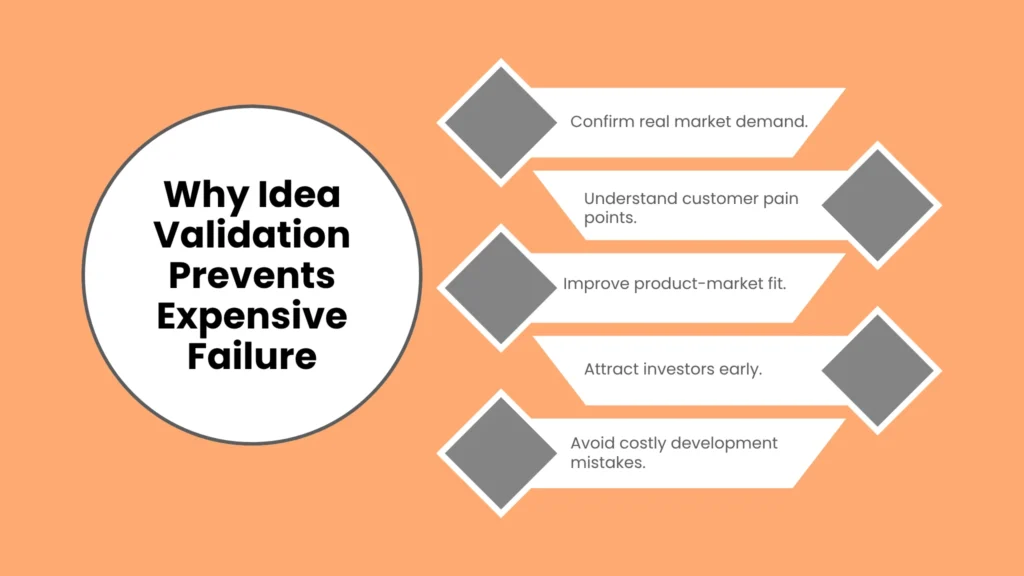
Validation shifts your focus from your product to your customer. When you interact with target users before writing code, you uncover the exact language they use to describe their frustrations. This organic feedback helps you refine your software features, adjust your target audience, and build a highly accurate product roadmap from day one.
Furthermore, early validation signals can be used to attract co-founders or secure angel investors. Investors are significantly more likely to fund a pre-product startup if you can prove that hundreds of people have already joined a waiting list for your solution.
Technical and Operational Scale a Software Startup Idea Requirements
You do not need a fully functional software engineering team to run a successful validation experiment. Instead, your primary focus should be on speed, clarity, and gathering high-quality user metrics.
Review these foundational validate a software startup idea requirements to set up a clean, reliable testing environment:
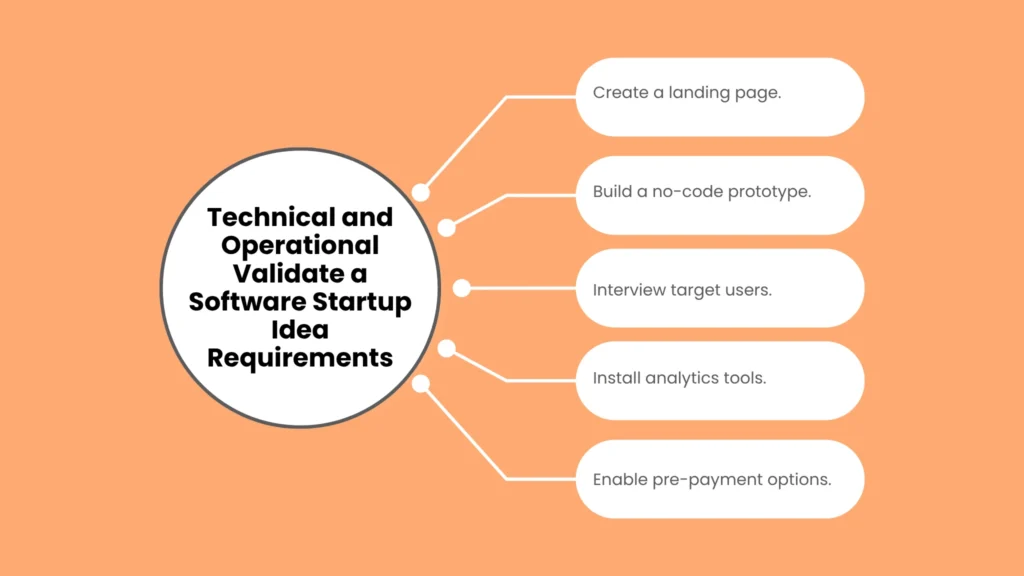
High-Converting Landing Pages: You need a simple, single-page website that clearly explains your software value proposition and includes a prominent email subscription form.
No-Code Interactive Prototypes: Use modern visual builders like Figma, Bubble, or Webflow to simulate the core software experience without writing complex backend logic. If your validated idea is lightweight and focused, explore our list of micro SaaS ideas that work well for solo founders testing small, profitable niches.
Direct Customer Interview Panels: You must source at least 15 to 20 target users who match your ideal customer profile for live video conversations.
Analytics and Tracking Tools: Install lightweight visitor tracking systems like Google Analytics or Hotjar to measure user attention and click patterns.
Pre-Payment Processing Tools: Set up a secure payment portal via Stripe to easily collect digital deposits, paid waitlists, or discounted pre-orders.
By focusing entirely on these low-fidelity assets, you can run multiple validation cycles in a fraction of the time it takes to build a traditional Minimum Viable Product (MVP). Once your idea passes validation, our guide to launching a software startup walks through the next steps for turning your MVP into a full product.
Step-by-Step System for Running Your Validation Test
To get honest data from your target market, you must use a structured framework. Avoid asking friends or family for their opinions, as they will likely give you overly polite feedback. Instead, follow this direct testing process.
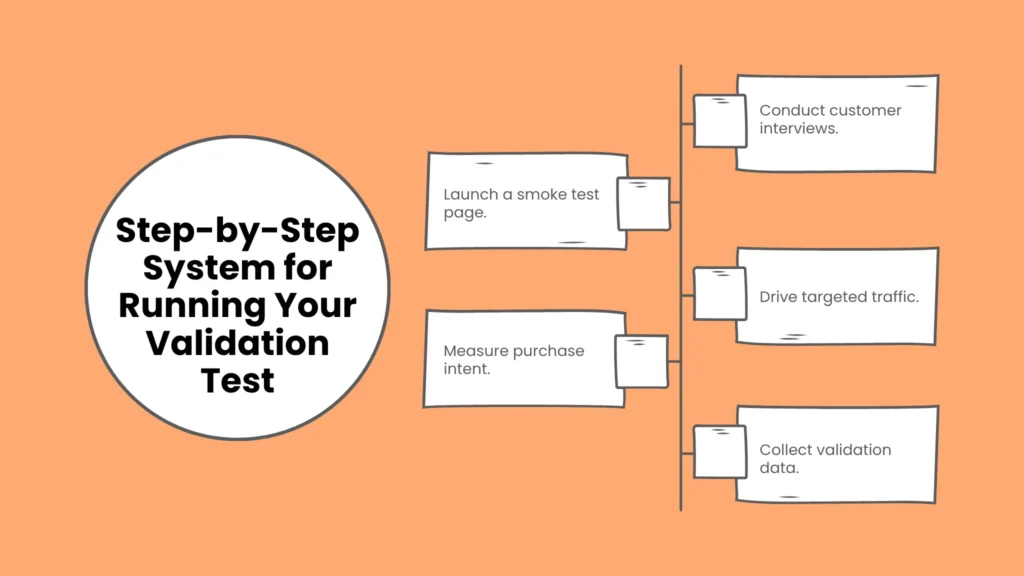
1. Conduct Unbiased Problem Interviews
Reach out to strangers who fit your exact target demographic on LinkedIn, Reddit, or specialized forums. Ask open-ended questions about their daily workflows and major obstacles. Avoid pitching your software directly. Instead, look for evidence that they are already actively spending money or time trying to patch the problem manually.
2. Launch a “Smoke Test” Landing Page
Build a landing page that reads exactly like a finished SaaS product site. Use a compelling headline, a clear list of benefits, and a call-to-action button that reads “Get Early Access” or “View Pricing.” When visitors click the button, display a polite message stating that the product is currently in private beta and invite them to leave their email address. This approach closely mirrors the Lean Startup methodology, which popularized build-measure-learn cycles as a way to validate ideas before full-scale development.
3. Drive Targeted Test Traffic
Spend a small budget on highly specific search or social media ads to bring relevant traffic to your landing page. For example, if you are validating a tool for real estate agents, run a small ad campaign targeting that specific job title on LinkedIn or Meta. This reveals whether your messaging resonates with the actual market.
4. Measure Financial Intent
The ultimate form of validation is a financial transaction. Offer an exclusive, heavily discounted lifetime deal or a small $10 deposit to secure a spot in your upcoming beta program. If users are willing to pull out their credit cards before the software is finished, you have achieved definitive proof of concept.
Analyzing the Numbers: Validation Costs vs. Software Profit Margins
Validating an idea is an investment that saves you thousands of dollars down the road. If you skip this step, the average cost to build a failed custom MVP can easily range from $30,000 to $50,000 in development fees.
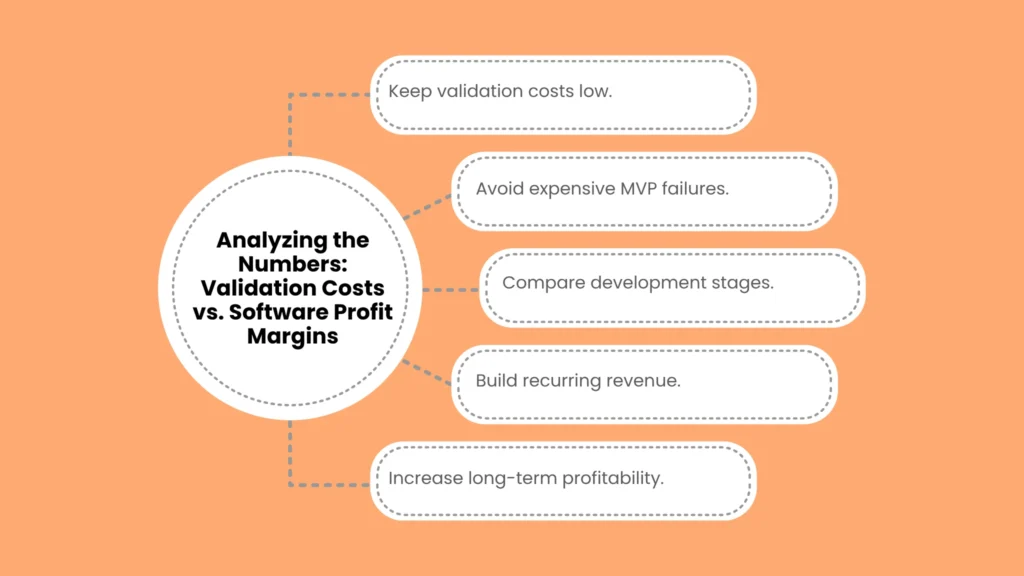
The actual validate a software startup idea cost is incredibly low when executed correctly. If you build your own landing pages and use free no-code platforms, your expenses are almost entirely limited to your domain registration, hosting software, and targeted advertising traffic. Running a robust three-week validation test typically requires an estimated budget of only $200 to $500. Even if you utilize premium AI validation research reports or professional B2B user panels, your total expenses will likely remain well under $1,000.
Once your idea is fully validated, the long-term software model becomes incredibly profitable. The typical validate a software startup idea profit margin sits between 75% and 90% at scale. Because software can be replicated infinitely over the internet with near-zero marginal costs, your primary ongoing expenses will be cloud server hosting, customer support, and growth marketing.
Therefore, is validate a software startup idea profitable over time? Based on available industry data, the validation phase itself is not a direct profit-generating center. However, it acts as the primary engine that unlocks massive software business profitability. Spending $300 to discover that an idea has zero market demand keeps your capital free to pivot toward a lucrative, validated software concept that can generate thousands of dollars in monthly recurring revenue. For a broader look at funding your next phase, our guide on bootstrapping a business startup covers how to grow without relying on outside capital.
Software Validation vs. Development Financial Benchmarks
| Project Phase Stage | Estimated Upfront Cost | Average Execution Timeline | Expected Success Signal |
| Idea Validation Phase | $200 to $500 | 2 to 3 weeks | Over 10% landing page conversion or paid pre-orders. |
| No-Code MVP Build | $1,000 to $3,000 | 4 to 6 weeks | Active weekly usage and unprompted user referrals. |
| Custom Software Development | $30,000 to $50,000+ | 3 to 6 months | Predictable monthly recurring revenue and low customer churn. |
The Subtle Signs of True Market Demand
Founders often mistake casual praise for actual validation. If an interview subject says, “Wow, that sounds like an interesting app,” they are simply being polite. Interesting is a dangerous word that often leads to pre-revenue bankruptcy.
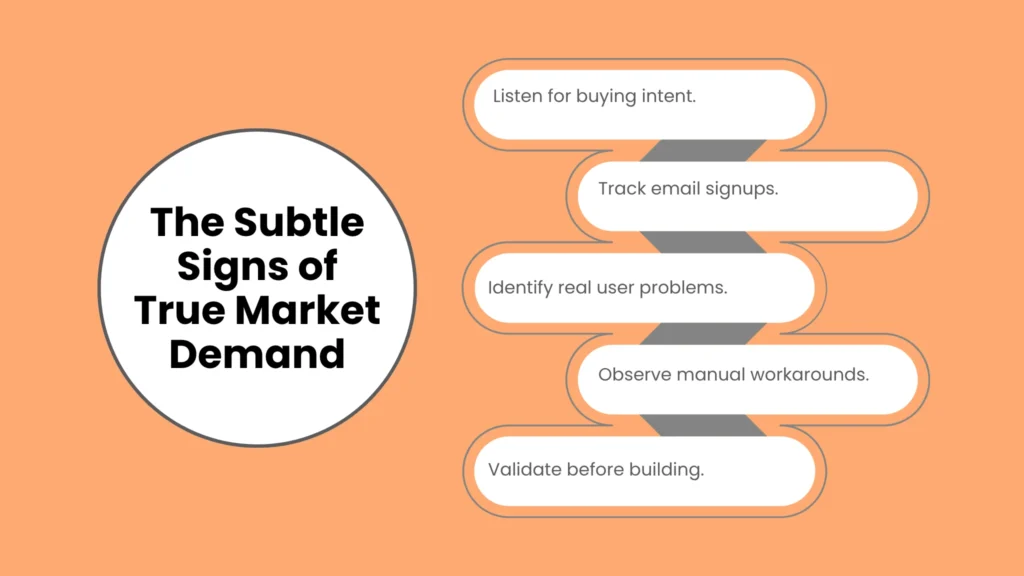
Instead, look for high-intent behavioral indicators. True validation sounds like, “Can I buy this right now?” or “Please take my money today so I can fix this issue.” Another strong sign is when a user describes a deeply frustrating problem and walks you through a complex, inefficient spreadsheet system they built themselves just to keep their business afloat. If they are already spending significant time trying to solve a pain point manually, they will happily pay for an elegant automated software alternative.
Conclusion
Validating your software concept is the ultimate bridge between a creative thought and a thriving tech business. By launching lean smoke tests, talking directly to target users, and seeking clear financial commitments early, you eliminate guesswork and build an asset that the market actually wants. If you are looking for more step-by-step business frameworks, no-code launch templates, and founder calculators, visit our website at reliablestartup to accelerate your development journey today.
Frequently Asked Questions
Can I validate a software idea without knowing how to code?
Yes, you absolutely can. Modern no-code platforms, drag-and-drop landing page templates, and click-through design prototypes allow anyone to test user demand without writing a single line of backend software code.
What should I do if my startup idea fails the validation test?
Celebrate the fact that you just saved months of your life and thousands of dollars. Look closely at the data you collected during the interviews, identify alternative adjacent problems your users complained about, and pivot your concept toward those real needs.
How many email subscribers do I need to prove a concept?
While there is no single magic number, achieving a list of 100 to 300 highly targeted, unprompted email signups from non-friends is generally considered a strong initial indicator of market interest.
How do I protect my software idea from being copied during interviews?
Do not worry too much about people stealing your early-stage idea. Ideas are cheap, and execution is everything. Furthermore, you should be asking users about their deep workflow problems rather than explaining your specific inner software logic.