How to Start a Successful Bubble Tea Business in 2026
AI Overview
Starting a bubble tea business involves strategic planning, location hunting, clear financial management, and smart branding. Owners must calculate their initial store expenses, build a menu, decide between franchising or creating an independent shop, and write a thorough roadmap. With low ingredient costs and high profit margins, starting a shop offers strong returns when approached with practical market insights.
Key Takeaways
Launching a successful boba store step-by-step
Breaking down true boba shop startup cost figures
Deciding between a bubble tea franchise or solo brand
Writing a realistic, bank-ready bubble tea business plan
Ever caught yourself holding a cup of brown sugar boba and thinking, “Hey, could I actually run one of these places?” You’re definitely not the only one asking that question! Opening a bubble tea business has become one of the most exciting moves in the food and beverage world today.
Launching a store means picking a solid location, mapping out your startup budget, picking quality ingredients, and choosing whether to build your own unique brand or buy a franchise. It takes real planning, but with the right guidance, turning those chewy tapioca pearls into daily profits is completely doable.
Why Starting a Boba Shop Makes Great Business Sense
Have you noticed how boba shops always seem to have a line out the door? That isn’t just a quick visual trend—it is a massive shift in how people hang out and treat themselves. People love customizable drinks. They want to tweak sweetness levels, swap out toppings, and choose non-dairy milks.
The margins on tea, syrups, and tapioca are surprisingly generous compared to full-service restaurants. You don’t need a full commercial kitchen, complex ovens, or a huge cooking staff to get off the ground.
When we look at startup success rates over at reliablestartup.com, beverage concepts consistently shine because of their low waste and fast turn times.
The Real Boba Shop Startup Cost Breakdown
Let’s talk money, because nobody likes hidden financial surprises down the road. How much cash do you actually need to open your doors? Your total boba shop startup cost usually lands anywhere between $75,000 for a small kiosk up to $300,000 for a sit-down cafe.
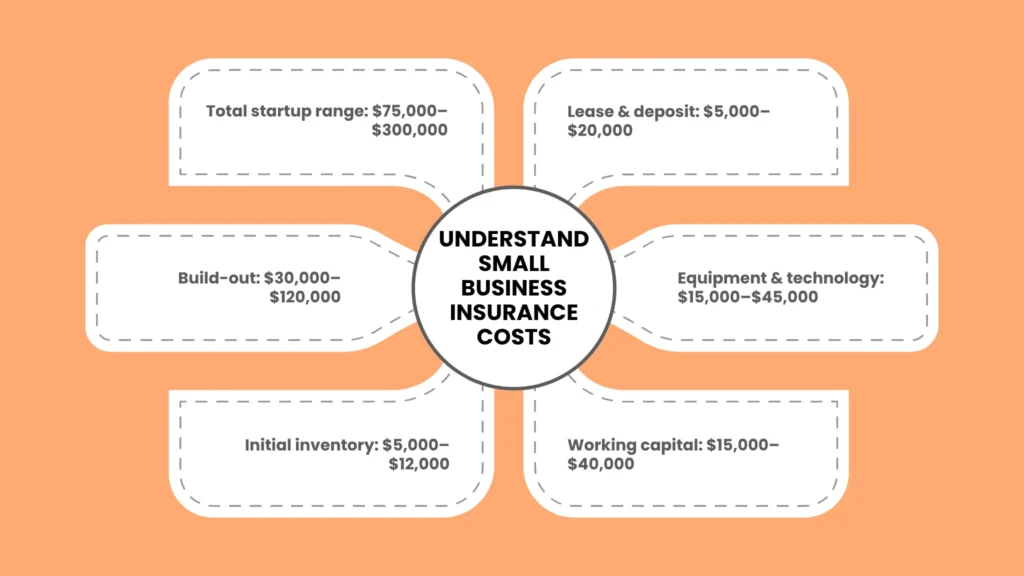
To keep things completely clear, here is a breakdown of where that money actually goes during your launch phase.
| Expense Category | Typical Cost Range | What It Covers |
| Lease & Deposit | $5,000 – $20,000 | First month, security deposit, utilities set up |
| Build-out & Renovation | $30,000 – $120,000 | Plumbing, counters, seating, lighting, signage |
| Equipment & Tech | $15,000 – $45,000 | Sealing machines, shakers, ice makers, POS |
| Initial Inventory | $5,000 – $12,000 | Tea leaves, boba, cups, straws, dairy, syrups |
| Licenses & Permits | $2,000 – $6,000 | Health department, business license, signage |
| Working Capital | $15,000 – $40,000 | Reserve cash for early payroll and unexpected bills |
Keep in mind that your location heavily impacts these numbers. A high-traffic mall spot usually demands higher lease fees upfront, while a suburban strip mall offers a much gentler entry point.
Bubble Tea Franchise vs. Independent Brand: Which Is Right for You?
This is usually the biggest fork in the road for new owners. Do you buy a recognized name or build your own from scratch? Going with a bubble tea franchise gives you immediate brand recognition, proven recipes, and structured training programs right away.
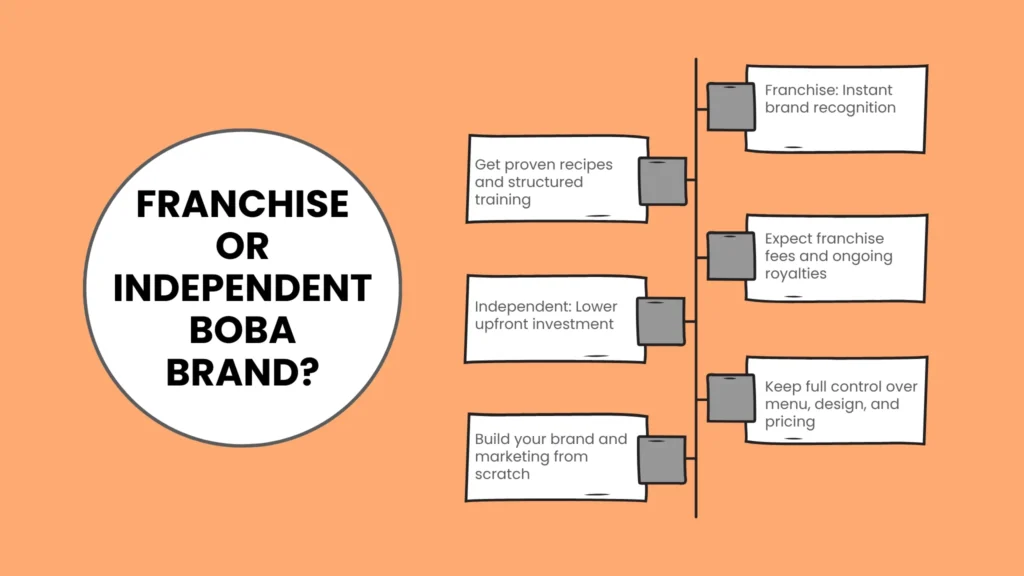
On the flip side, a bubble tea franchise comes with initial franchise fees, ongoing monthly royalties, and strict rulebooks on what ingredients you can use. Building an independent shop costs less upfront and gives you complete creative freedom over your menu, design, and pricing.
However, going solo means you have to test all your own recipes, design your own marketing, and build trust from zero. If you love structure and built-in systems, franchising makes sense; if you love creative control, go independent.
Writing a Winning Bubble Tea Business Plan
You wouldn’t drive across the country without a map, right? That is exactly what your financial and operational roadmap provides. A well-crafted bubble tea business plan serves as your master playbook and helps banks or investors take you seriously.
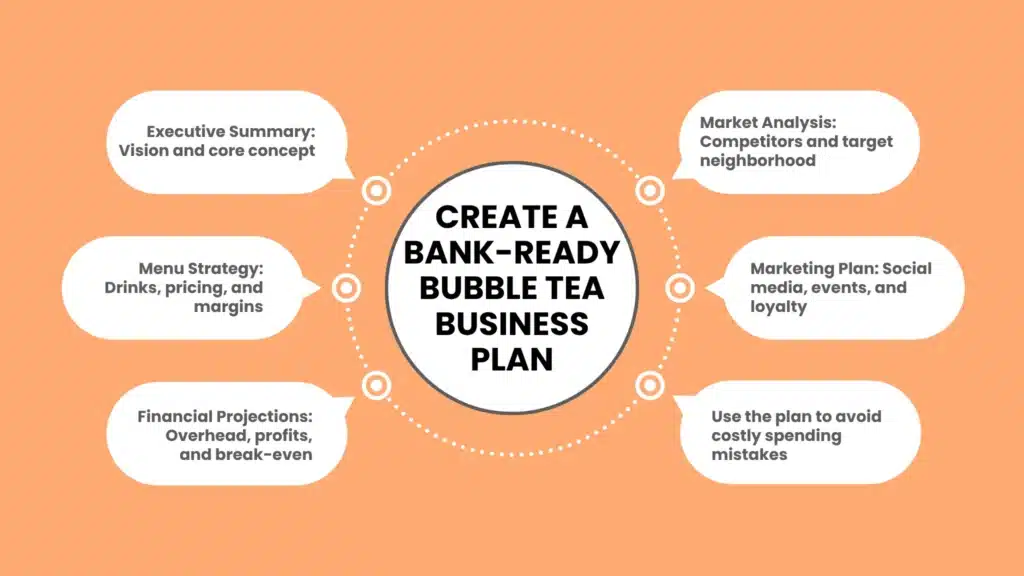
Here is what your document needs to cover to keep your venture on track:
Executive Summary: A brief snapshot of your vision, mission, and core concept.
Market Analysis: Who are your local competitors? What makes your target neighborhood special?
Menu Strategy: Your core drinks, seasonal specials, pricing logic, and profit margins.
Marketing Plan: How you will attract customers through social media, opening events, and loyalty perks.
Financial Projections: Profit expectations, monthly overhead estimates, and break-even calculations.
Having a solid bubble tea business plan mapped out beforehand prevents painful spending mistakes during construction.
If you ever need templates to structure your planning, resources at reliablestartup.com can guide you step-by-step through early drafting.
6 Steps to Launching Your Bubble Tea Store
Ready to turn your idea into a physical shop? Taking things one structured step at a time keeps the process smooth and manageable.
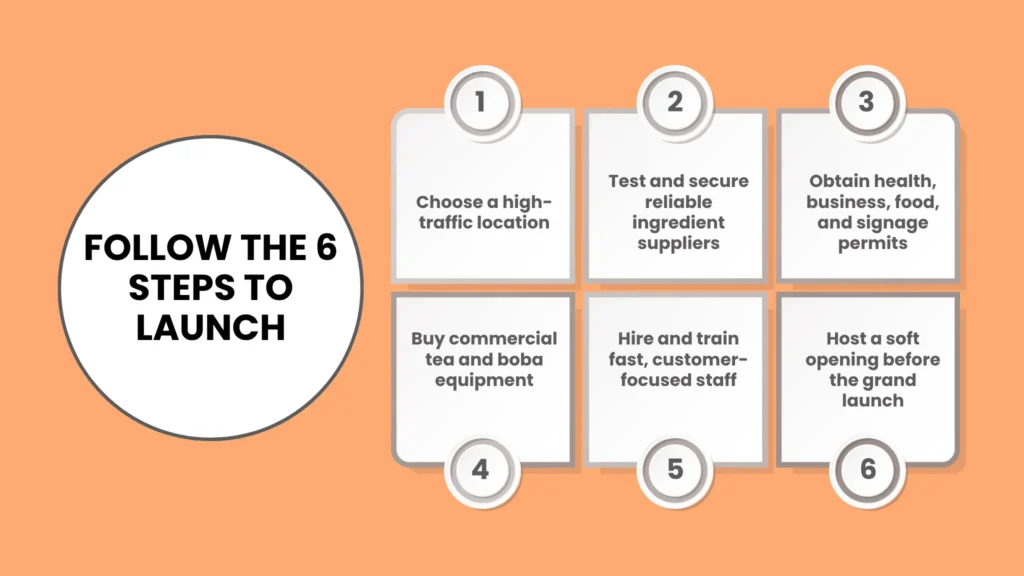
1. Secure a Great Location
Foot traffic is everything for a drink shop. Look for spots near high schools, colleges, busy shopping centers, or popular transit stops.
2. Lock In Reliable Suppliers
Your drinks are only as good as your ingredients. Test tea leaves, tapioca pearls, and flavor powders from multiple distributors before signing contracts.
3. Obtain Necessary Permits
Visit your city hall early. You will need health department permits, business licenses, food handler certifications, and sign approvals.
4. Buy the Essential Equipment
Order commercial-grade sealing machines, automatic shakers, tea brewers, ice machines, and specialized boba warmers.
5. Hire and Train Your Team
Look for friendly, fast-moving baristas. Train them thoroughly on recipe ratios, customer service, and keeping the work counters spotless.
6. Host a Soft Opening
Invite friends, family, and local influencers first. Practice under real pressure, fix service bottlenecks, and fine-tune your drinks before the big public grand opening.
Controlling Your Boba Shop Startup Cost Early On
Want to avoid overspending during construction? Small decisions made early can save you thousands of dollars down the line. Consider buying gently used refrigeration equipment or POS hardware to keep your initial boba shop startup cost manageable.
Negotiate tenant improvement allowances with your landlord so they cover a portion of your plumbing and electrical upgrades.
Start with a simple, high-performing menu rather than 50 different drinks. Fewer items mean lower initial stock costs and less inventory waste. At reliablestartup, we constantly emphasize keeping overhead lean during your first six months of operation.
Crafting a Unique Menu That Drives Repeat Sales
Why will customers choose you over the shop down the street? Your drink menu needs a balance of classic favorites and trendy signatures. Offer traditional options like Classic Black Milk Tea and Taro, but introduce fun signature specials like Brown Sugar Boba or Fruit Teas with cheese foam.
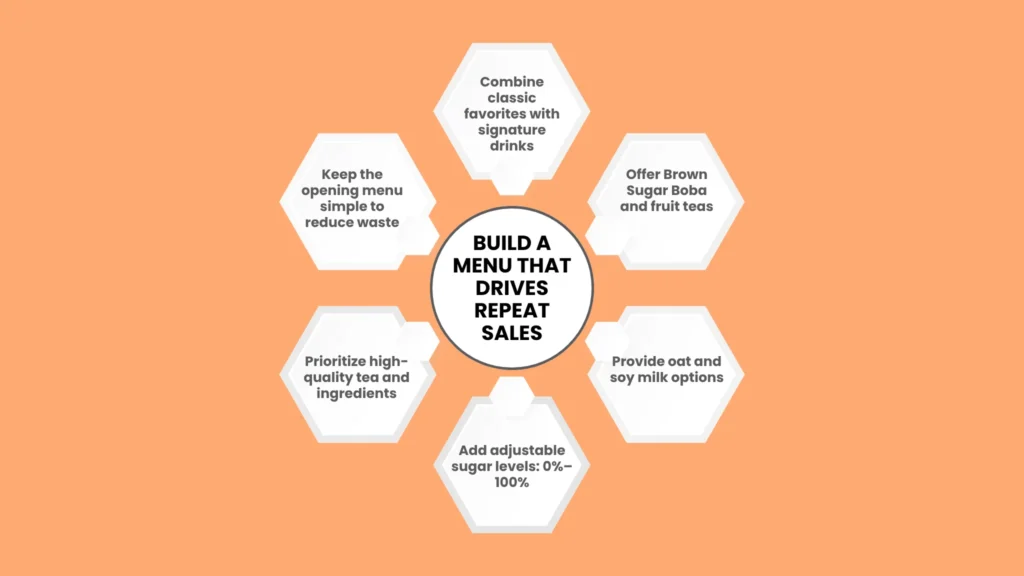
Remember to cater to dietary needs by offering oat milk, soy milk, and adjustable sugar levels (0%, 30%, 50%, 100%). High-quality ingredients keep people coming back every single week. Never cut corners on your core tea brews!
Essential Equipment Needed for a Bubble Tea Business
Setting up a functional kitchen line speeds up drink production and keeps your customers happy during rush hours.
Commercial Tea Brewers: Brew large batches of black, green, and oolong tea consistently.
Automatic Cup Sealing Machine: Seals cups with leak-proof plastic film quickly.
Automatic Boba Shakers: Blends tea, ice, and syrups uniformly in seconds.
Tapioca Pearl Cookers: Keeps boba at the perfect warm, chewy texture all day long.
Countertop Ice Machine: Produces a steady supply of fresh ice for cold drinks.
Marketing Your New Store Local Style
You built a beautiful shop and crafted amazing drinks—now how do you get people through the door? Social media is your absolute best friend here. Bubble tea is visually appealing, so share colorful photos and short videos of your drink preparation.
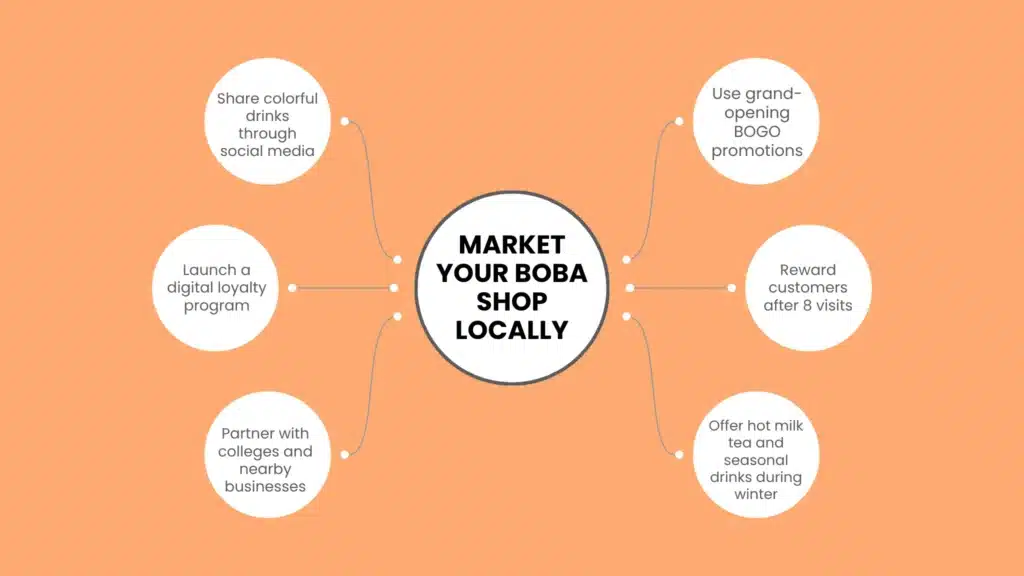
Offer “Buy One, Get One Free” deals during your grand opening weekend to generate immediate local buzz and build customer habits.
Launch a digital loyalty program using your POS system. Rewarding customers with a free drink after 8 visits builds long-term habits fast. Partner with nearby college clubs or local businesses to cross-promote drinks and sponsor local neighborhood events.
Navigating Challenges in the Drink Industry
Every business faces hurdles, and running a beverage store is no different. Knowing what to expect gives you a massive advantage. Seasonality can affect sales, as cold drink purchases sometimes dip during colder winter months.
Counter this by introducing hot milk tea options, warm desserts, or seasonal winter spices during late fall and winter. Ingredient shortages can also happen, so build relationships with secondary distributors so you never run out of boba or cups unexpectedly.
Final Thoughts on Building Your Dream Shop
Starting a bubble tea business takes dedication, careful planning, and plenty of hard work, but the rewards are fantastic. By understanding your boba shop startup cost, drafting a clear bubble tea business plan, and weighing a bubble tea franchise against an independent store, you set yourself up for lasting success.
Focus on quality, treat your guests like friends, and keep learning as you grow. Now go out there and brew something amazing!
Frequently Asked Questions
How much money does it take to open a boba shop?
Starting a shop generally costs between $75,000 and $300,000 depending on location, size, equipment, build-out needs, and initial inventory requirements.
Is owning a boba store actually profitable?
Yes, beverage shops generally yield strong profit margins between 60% and 80% per cup due to low individual ingredient expenses.
Should I buy a franchise or start my own brand?
Franchises offer proven systems and brand recognition, while independent stores cost less upfront and provide complete creative menu freedom.
How long does it take to break even?
Most successful stores reach their break-even point within 6 to 18 months, depending on lease costs and daily drink sales.