Is a Sock Business Profitable? Margins and Startup Costs Explained
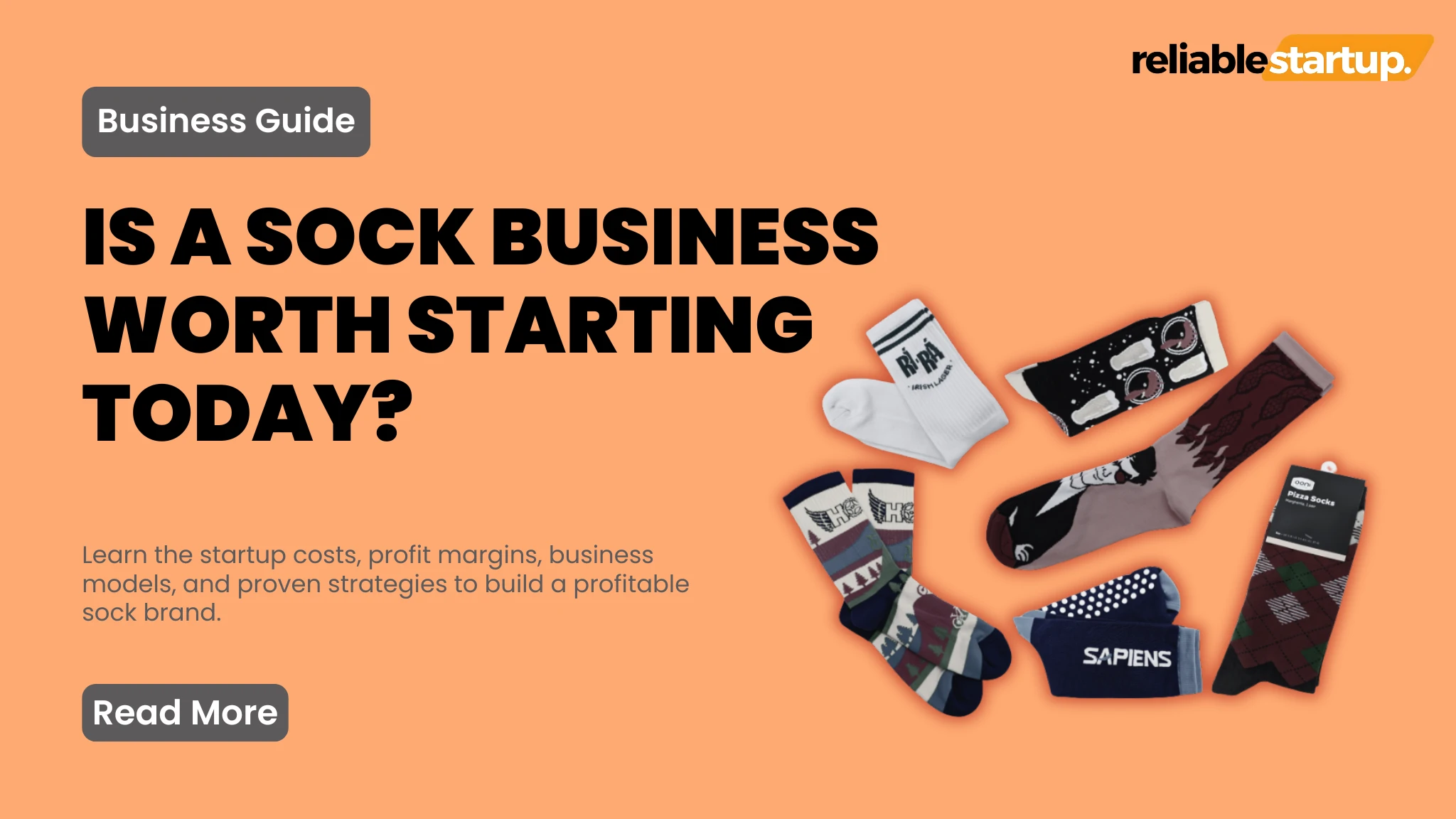
Starting a retail or direct-to-consumer enterprise requires finding products with low manufacturing costs, steady year-round demand, and manageable inventory requirements. Selling footwear accessories often surfaces as a top business idea, but entrepreneurs always land on one central question: is sock business profitable in today’s crowded apparel market?
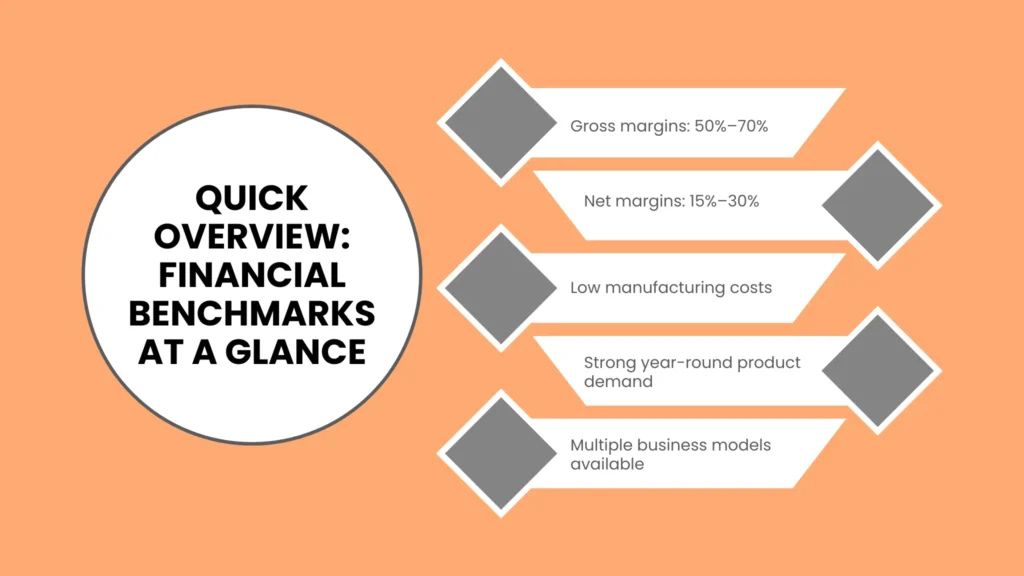
Yes, a sock business can be exceptionally lucrative. Average gross profit margins for footwear accessories range from 50% to 70%, with net profit margins typically sitting between 15% and 30%. Because initial inventory costs are low and production turnaround times are fast, launching a brand requires significantly less capital than most fashion categories.
Understanding the underlying numbers, operational expenses, and market demand helps determine whether this venture fits your financial goals. Below is a complete breakdown of startup costs, margin metrics, and fulfillment strategies needed to build a sustainable store.
Quick Overview: Financial Benchmarks at a Glance
Before examining individual expenses, it helps to review the core financial metrics associated with running a modern sock brand.
| Financial Metric | Benchmark Standard | Operational Notes |
| Gross Profit Margin | 50% – 70% | Higher for specialized bamboo, merino wool, or compression lines. |
| Net Profit Margin | 15% – 30% | Depends heavily on ad spend, return rates, and shipping logistics. |
| Print-On-Demand Startup Cost | $100 – $500 | Minimal upfront risk; best for testing designs without inventory. |
| Direct Manufacturing Startup Cost | $1,500 – $10,000 | Requires factory minimum order quantities (MOQs) but gives max margins. |
| Average Cost per Pair (Manufacturing) | $1.00 – $3.50 | Varies based on materials, custom knits, and packaging details. |
| Average Retail Selling Price | $10.00 – $22.00 | Multi-packs and subscription models increase average order value. |
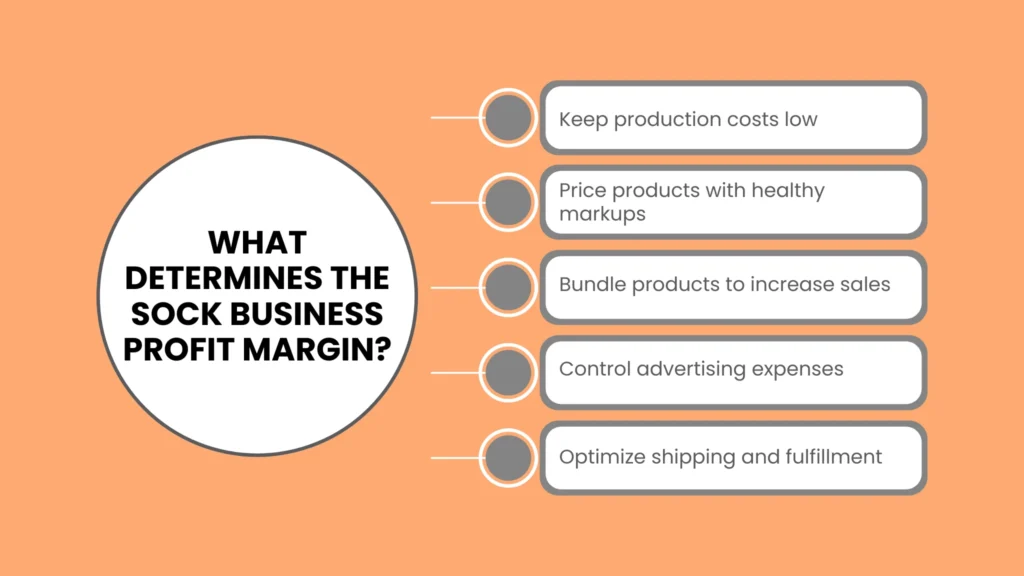
What Determines the Sock Business Profit Margin?
Evaluating the sock business profit margin requires separating your gross earnings from your net bottom line. While manufacturing costs per unit remain low, overall profitability depends on how efficiently you manage overhead and customer acquisition.
1. Cost of Goods Sold (COGS)
Your raw manufacturing expense forms the base of your gross calculations. Standard combed cotton crew socks produced in overseas facilities generally cost between $1.00 and $1.80 per pair when ordered in bulk quantities of 500 to 1,000 units. Premium materials like ethical merino wool, organic bamboo fibers, or graduated athletic compression knits raise unit costs closer to $2.50 or $3.50.
Custom packaging, woven tags, and branded poly mailers add another $0.40 to $0.80 per unit. Therefore, your total landed unit cost usually sits between $1.50 and $4.30 per pair before shipping to your end customer.
2. Retail Pricing Strategies and Markups
Successful accessory brands rarely sell single pairs at budget prices. To establish a strong sock business profitable profit margin, most DTC brands apply a 3x to 5x markup on their landed COGS.
For instance, if your landed production cost is $3.00 per pair, setting a retail price of $14.00 generates an 78.5% gross profit margin ($11.00 gross profit per pair). Selling multi-packs—such as a 3-pack for $36.00—boosts overall basket size while keeping shipping and fulfillment costs relatively flat.
3. Operating Expenses and Acquisition Costs
Net margins reflect what remains after accounting for digital ad spend, e-commerce software fees, payment gateway commissions, and order fulfillment. Digital marketing on platforms like Meta and Google usually consumes 20% to 35% of total revenue for new stores.
Payment processing takes roughly 2.9% plus $0.30 per sale. When managed carefully, healthy brands retain a 20% to 25% net profit margin on overall annual store volume.
Calculating the Sock Business Profitable Cost
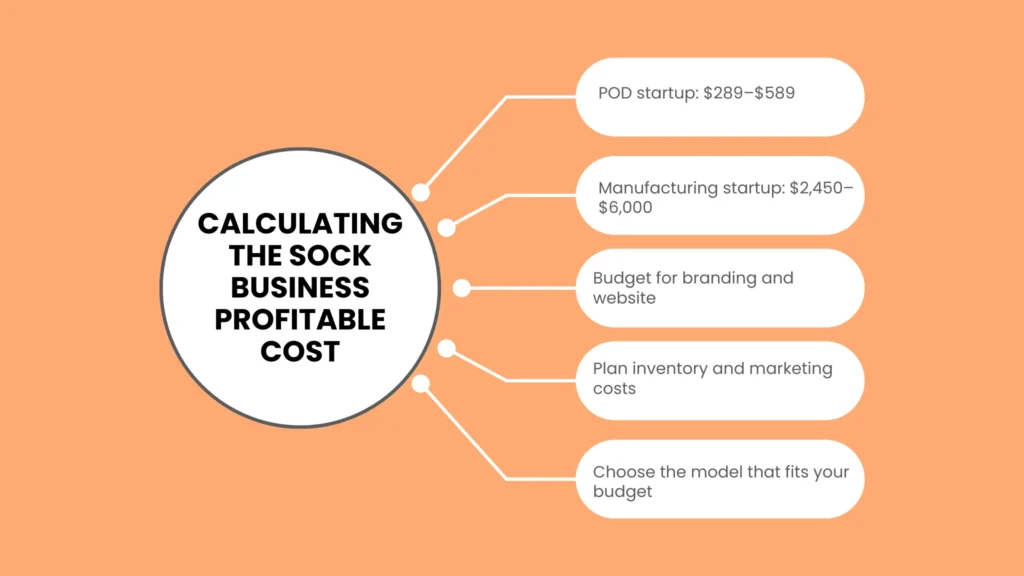
To launch without overextending your capital, you must plan for both initial setup charges and ongoing operational working capital. The total sock business profitable cost varies widely depending on the business model you choose.
Business Model 1: Print-On-Demand (POD)
If you want to enter the market with minimal risk, print-on-demand allows you to upload custom patterns to virtual mockups. The fulfillment provider prints and ships the items only after a customer places an order on your site.
E-Commerce Storefront (Shopify/WooCommerce): $39 / month
Sample Orders & Test Products: $50 – $100
Domain & Brand Identity Design: $50 – $150
Initial Digital Marketing: $150 – $300
Total Estimated Setup Cost: $289 – $589
While POD lowers financial risk, unit costs are higher (often $6.00 to $9.00 per pair), which caps your gross margins around 40% to 50%.
Business Model 2: Direct Overseas or Domestic Manufacturing
Ordering directly from specialized textile factories yields maximum profitability but requires capital upfront to satisfy Factory Minimum Order Quantities (MOQs).
Initial Bulk Inventory (500–1,000 pairs across styles): $1,200 – $3,000
Tech Packs, Samples, and Freight Shipping: $300 – $700
E-Commerce Infrastructure & Custom Domain: $100 – $200
Trademark Registration and Legal Setup: $150 – $500
Packaging, Poly Mailers, and Inserts: $200 – $400
Initial Marketing Budget & Sample Gifting: $500 – $1,200
Total Estimated Setup Cost: $2,450 – $6,000
Key Sock Business Profitable Requirements
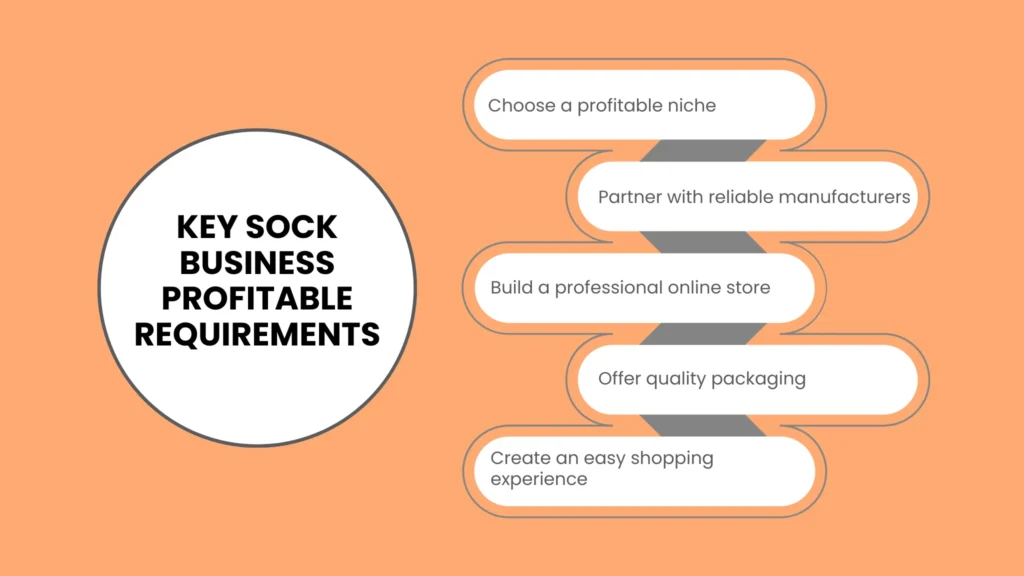
Launching a store that consistently generates revenue requires more than just attractive designs. Meeting basic structural and operational standards ensures your store scales smoothly without bottlenecking.
1. Identifying a Clear Market Niche
Broad-market white tube socks face heavy price competition from massive retail chains. Building a lucrative brand demands catering to specific customer segments that value specialized features. Key high-margin niches include:
Athletic & Performance: Moisture-wicking blister-prevention socks for runners and cyclists.
Medical & Wellness: Stylish graduated compression socks for nurses, travelers, and pregnant women.
Sustainable Fashion: Organic hemp or ethically sourced merino wool pairs marketed to eco-conscious buyers.
Novelty & Personality: Expressive, highly patterned dress socks tailored to specific professions or hobbies.
2. Reliable Manufacturing Partnerships
Partnering with vetted textile mills ensures consistent knit quality, accurate sizing, and reliable delivery timelines. When reviewing potential factory partners on platforms like Alibaba or ThomasNet, request production samples to test stitch density, heel cup reinforcement, and elasticity after repeated washing cycles. Confirm that factory MOQs align with your working capital capacity before committing.
3. Efficient E-Commerce Infrastructure
Your website must handle rapid visual browsing, bundle creation, and seamless checkout. Platforms like Shopify offer built-in cross-selling tools that suggest adding additional pairs or gift boxes during checkout. Integrating automated email sequences for abandoned cart recovery and post-purchase follow-ups helps drive repeat orders without extra advertising spend.
Why Is Is Sock Business Profitable Profitable for Modern DTC Entrepreneurs?
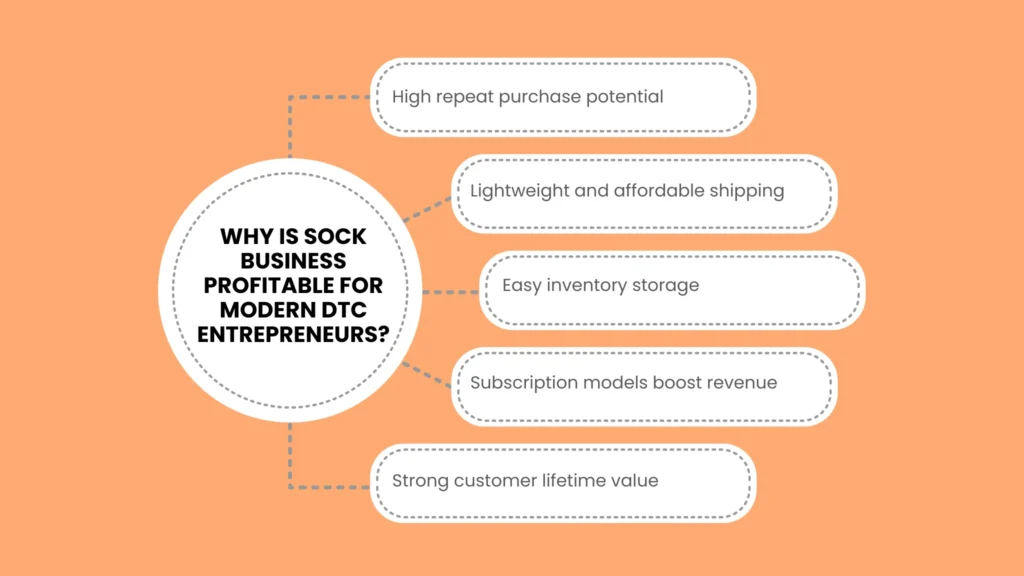
The phrase is sock business profitable profitable highlights a key question entrepreneurs ask: can this category generate repeating, long-term returns rather than just temporary one-off sales?
The answer lies in product consumption habits and shipping efficiency.
High Repeat Purchase Rates
Socks wear out over time, shrink in laundry, or mysteriously lose their matches. Unlike one-time novelty purchases, quality everyday apparel creates built-in repeat customer demand. Offering automatic quarterly subscription boxes or multi-pair bundle discounts keeps customer lifetime value (LTV) high while reducing reliance on paid ad acquisition.
Low Storage and Logistics Expenses
Socks are lightweight and compact. Storing 1,000 pairs takes up a fraction of the warehouse space required for coats or shoes. Shipping costs per unit remain low, allowing brands to offer attractive thresholds like “Free Shipping on Orders Over $40” while retaining solid profit margins. Lightweight items also reduce international air shipping expenses when sourcing from overseas manufacturers.
Operational Challenges and Risk Mitigation
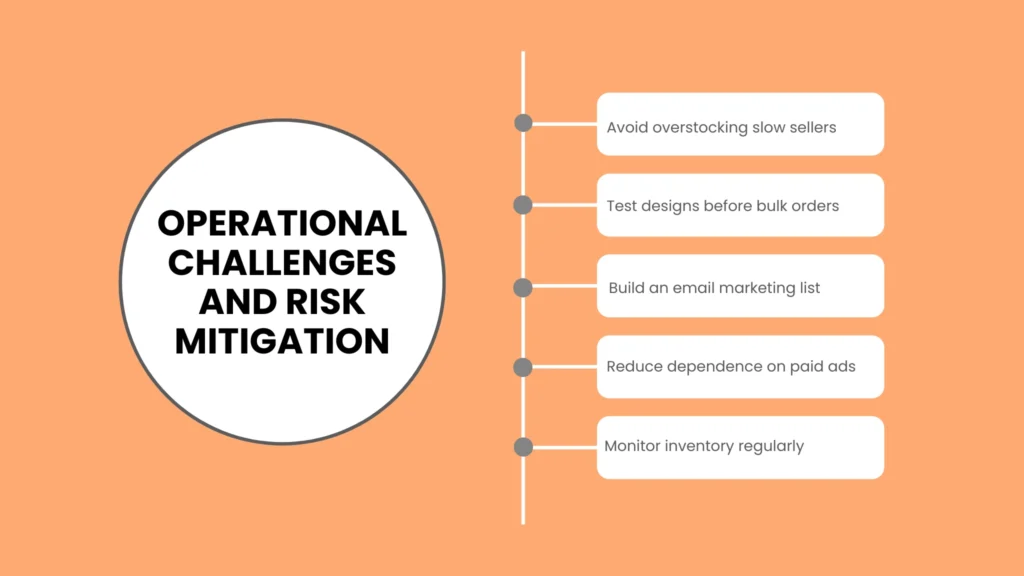
While financial returns look promising, navigating common retail pitfalls keeps your business in the black.
Managing Inventory Turnover
Ordering too many obscure sizes or unpopular patterns ties up cash flow in unsold stock. Start your catalog with standard unisex sizing or focused size brackets (Medium/Large) to simplify inventory management. Use small pre-orders or print-on-demand testing to validate new patterns before committing to large bulk manufacturing runs.
Shielding Margins Against Rising Digital Ad Costs
Relying solely on paid social media ads can shrink net profits as cost-per-click rates rise. Build owned media channels early by collecting email addresses and SMS subscribers through welcome discount popups. Launching referral incentives—such as “Give $10, Get $10″—turns existing customers into brand advocates and lowers overall acquisition expenses.
Conclusion
A well-executed footwear accessory brand offers low startup costs, strong gross margins, and consistent year-round demand. By selecting a defined niche, controlling landed manufacturing expenses, and focusing on high-converting bundle offers, entrepreneurs can build a resilient e-commerce enterprise.
Building a memorable digital presence requires clean design, intuitive store layouts, and conversion-focused branding. For custom web development, brand strategy, and high-converting store layouts tailored to your retail venture, visit reliablestartup to turn your product idea into a fully realized store.
Frequently Asked Questions
How much money do you need to start a sock business?
You can start a print-on-demand sock business for as little as $300 to $600. If you prefer bulk custom manufacturing for higher profit margins, expect an initial investment between $2,500 and $6,000 to cover inventory, sampling, packaging, and digital marketing.
What is the average profit margin on socks?
Gross profit margins typically range from 60% to 75% when sourcing bulk inventory directly from manufacturers. Net profit margins usually average between 15% and 30% after accounting for marketing, shipping fees, website hosting, and payment processing charges.
Is selling socks online better than opening a physical store?
Selling online offers lower overhead costs, global reach, and flexible fulfillment options like print-on-demand or third-party logistics (3PL). Physical retail stores carry high fixed rent and staffing expenses, though pop-up shops and local artisan markets offer great temporary channels to boost online store traffic.
How do I price my socks for maximum profit?
Calculate your total landed cost per pair (manufacturing + custom packaging + incoming freight). Multiply that number by 3x to 5x to set your single-pair retail price. Offer 3-packs or 5-packs at a slight discount to increase your average order value and cover your shipping baseline.