How to Start a Meal Prep Business in 2026: Complete Step-by-Step Guide
Busy schedules, fitness goals, and a growing demand for healthy eating have made meal delivery services more popular than ever. If you enjoy cooking and want to build a profitable food venture, learning how to start a meal prep business offers an ideal path forward. This business model allows you to operate with low overhead, predictable inventory, and recurring subscription revenue.
Whether you plan to cook out of a shared commercial kitchen or launch a dedicated facility, this guide covers everything you need to know about creating a meal prep business plan, calculating meal prep startup costs, and discovering how to sell meal prep meals effectively.
What Is a Meal Prep Business?
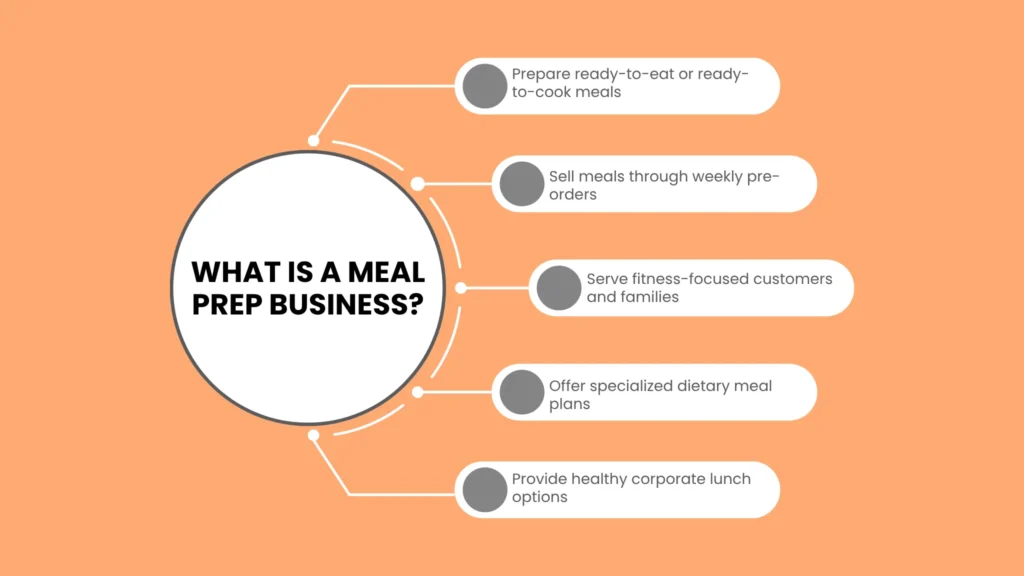
A meal prep business prepares, packages, and delivers fully cooked or ready-to-cook meals directly to clients on a recurring basis. Unlike traditional restaurants that rely on unpredictable walk-in foot traffic, meal prep companies operate on pre-orders. Customers select their menu items online by a set weekly deadline, allowing you to purchase exact ingredient quantities and eliminate food waste.
Primary Meal Prep Business Ideas
Fitness and Macro-Focused: Tailored meals for bodybuilders, athletes, or individuals following keto, low-carb, or high-protein diets.
Family-Style Portioning: Larger batch meals designed for busy working parents who want nutritious dinners without cooking.
Dietary and Medical Niche: Plant-based, gluten-free, dairy-free, or medically tailored meal plans for specific health requirements.
Corporate Lunch Services: Single-portion healthy lunches delivered directly to local offices and commercial hubs.
Market Demand and Industry Overview in 2026
The meal prep and direct-to-consumer food delivery sector continues to grow rapidly. Modern consumers prioritize convenience, nutrition, and time savings. Busy professionals, parents, and fitness enthusiasts are increasingly looking for ways to outsource meal planning, grocery shopping, cooking, and kitchen cleanup.
By focusing on local delivery and fresh ingredients, an independent meal prep business holds a major competitive edge over national frozen subscription brands. Customers prefer farm-fresh regional produce, customizable dietary options, and the ability to support local culinary entrepreneurs.
Developing Your Core Business Concept
Before spending money on kitchen space or equipment, you must define your brand position and target audience. Attempting to feed everyone often results in a weak brand presence. Choosing a specific niche allows you to tailor your menus, marketing messages, and packaging directly to buyers who are eager to subscribe.
1. Fitness and Performance Nutrition
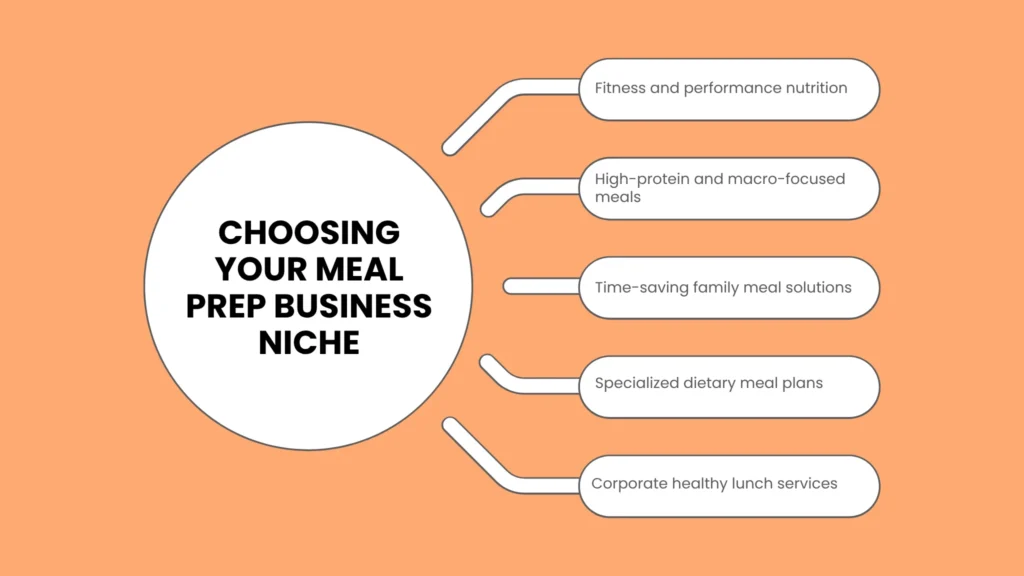
This niche targets gym members, bodybuilders, runners, and active individuals tracking macronutrients like protein, carbohydrates, and fats. Menus emphasize high-protein options, clean complex carbohydrates, and precise calorie counts on every label.
2. Time-Saving Family Solutions
Families often struggle to balance long work hours, school schedules, and evening extracurricular activities. Offering multi-portion family trays or child-friendly healthy meals relieves stress for parents who want home-style dining without spending hours over a hot stove.
3. Specialized Dietary Needs
Many consumers follow strict dietary protocols for health or personal reasons, including keto, paleo, low-sodium, gluten-free, vegan, or diabetic-friendly plans. These customers are loyal and willing to pay a premium for meals prepared in a compliant, safe environment.
Realistic Meal Prep Startup Costs
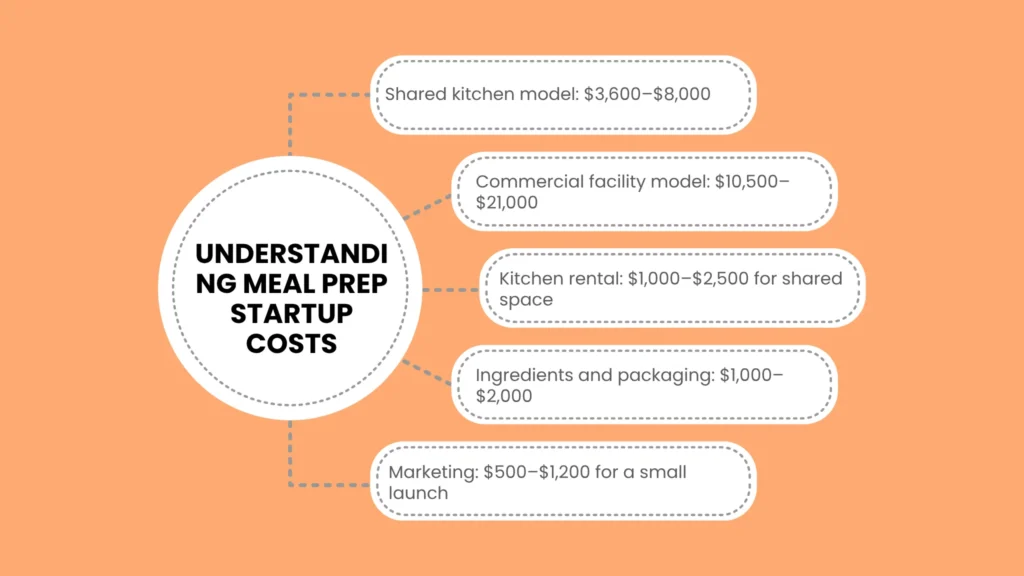
One of the biggest advantages of this model is flexibility. You can start small by renting space in a shared commercial kitchen rather than leasing a full retail storefront. Total meal prep startup costs generally range between $5,000 and $25,000 for a small-scale launch.
Initial Budget Breakdown
| Expense Category | Shared Kitchen Model | Small Commercial Facility |
| Kitchen Space Rental | $1,000 – $2,500 (Hourly Rate) | $3,000 – $7,000 (Monthly Lease) |
| Licensing, Permits & Insurance | $800 – $1,500 | $1,500 – $3,000 |
| Initial Ingredients & Packaging | $1,000 – $2,000 | $2,500 – $5,000 |
| Website & Ordering Software | $300 – $800 | $1,000 – $2,500 |
| Marketing & Initial Promotion | $500 – $1,200 | $1,500 – $3,500 |
| Estimated Total Costs | $3,600 – $8,000 | $10,500 – $21,000 |
Building a Comprehensive Meal Prep Business Plan
Creating a formal meal prep business plan helps you define your operational flow, organize financial metrics, and maintain long-term direction. It also serves as a crucial document if you plan to seek business loans, investor funding, or commercial equipment leases.
Essential Components of Your Business Plan
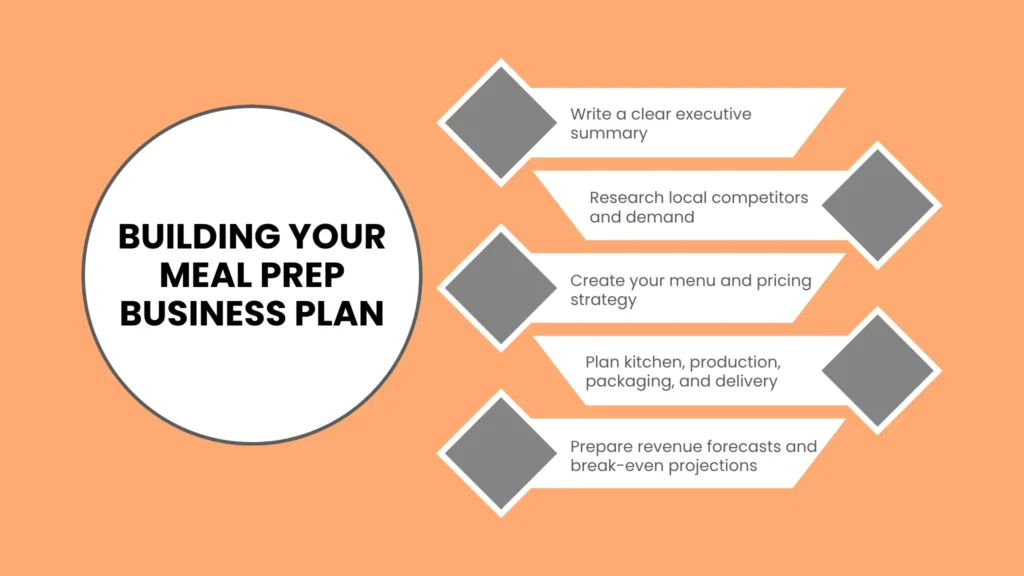
Executive Summary: A concise overview of your company mission, business structure, target audience, and growth targets.
Market Analysis: Detailed research into local competitors, demographic demand, and current food trends in your target zip codes.
Menu and Pricing Strategy: A clear breakdown of meal cost per unit, gross profit margins, menu rotation schedules, and subscription pricing tiers.
Operations Plan: Specific details on kitchen rental, ingredient sourcing, prep schedules, packaging workflows, and delivery Logistics.
Financial Projections: Twelve-month revenue forecasts, break-even analysis, cash flow statements, and operating budgets.
Step-by-Step Guide to Launching Your Business
Step 1: Secure Legal Licensing and Health Permits
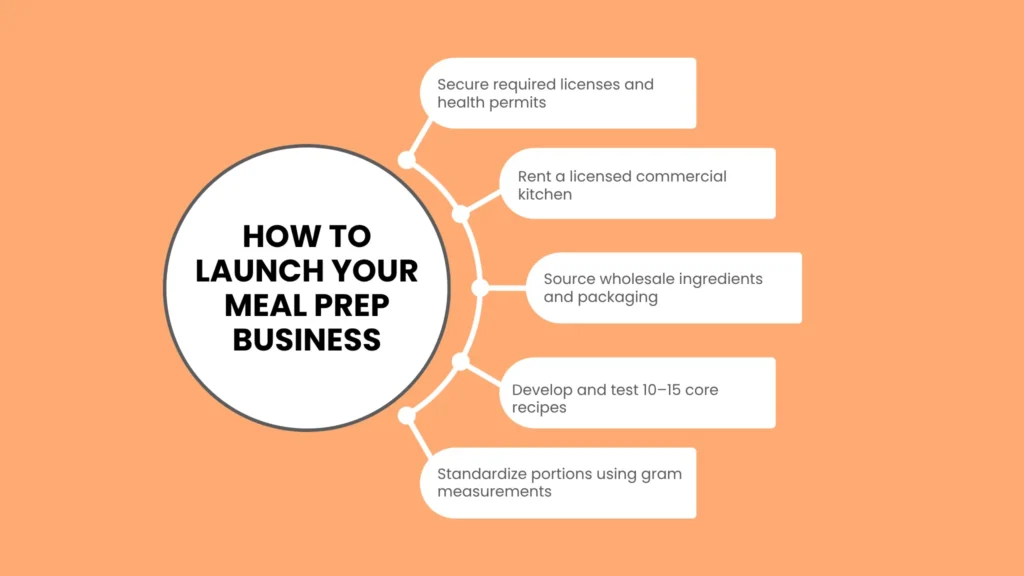
Operating a commercial food business requires strict adherence to health codes and local regulations. Register your business entity as an LLC or corporation to protect your personal assets. Contact your county health department to secure a Food Service Establishment Permit, register for state tax accounts, and ensure every kitchen operator holds a certified food handler card. Obtain comprehensive commercial general liability and product liability insurance policies before preparing your first meal.
Step 2: Source a Licensed Commercial Kitchen
Preparing commercial food inside a residential home kitchen is prohibited by health regulations in almost every jurisdiction. To comply with the law while keeping initial investment low, lease time at a local shared-use commissary kitchen. These spaces supply industrial ovens, commercial refrigeration, stainless steel prep tables, and dishwashing stations on an hourly or monthly basis.
Step 3: Establish Ingredient Distributors and Packaging Suppliers
Partner with commercial food distributors, wholesale clubs, or local agricultural co-ops to buy proteins, produce, and pantry staples at bulk wholesale pricing. Purchase leak-proof, microwave-safe, freezer-safe, and recyclable meal containers. Using branded sleeves or customized tamper-evident stickers elevates your visual presentation and protects your product during transport.
Step 4: Develop a High-Yield Menu and Recipe Testing Workflow
Develop 10 to 15 core recipes that store well, transport safely, and retain flavor when reheated. Test each dish extensively by storing it under refrigeration for 4 to 6 days before tasting. Standardize your recipes using gram measurements to ensure portion consistency, accurate nutritional labeling, and strict cost controls.
How to Sell Meal Prep Meals and Build Recurring Revenue
Knowing how to sell meal prep successfully comes down to building a simple ordering system and securing repeat customers through subscription models.
Build a Seamless E-Commerce Platform
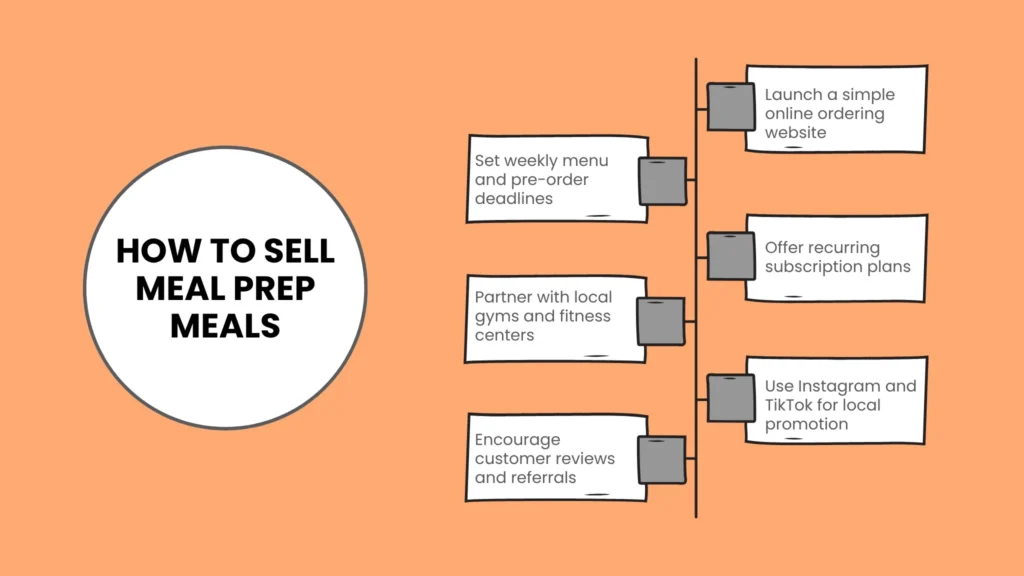
Deploy an easy-to-use ordering website using specialized software or platforms like Shopify or WooCommerce. Establish firm weekly cutoff deadlines, such as closing orders on Thursday evening for Sunday afternoon delivery. Collecting advance payments ensures you purchase only the exact ingredient quantities needed, protecting your operating cash flow.
Partner with Local Fitness Facilities and Health Clubs
Reach out to local gyms, boutique fitness studios, martial arts academies, and wellness centers. Establish official partnerships by offering gym members exclusive discount codes or setting up branded pick-up coolers inside their facilities. High-density pickup locations lower your individual home delivery costs while providing gym owners an added amenity for their members.
Execute Local Social Media and Content Marketing
Highlight your culinary process, fresh ingredients, and plated meals across platforms like Instagram and TikTok. Highlighting behind-the-scenes prep videos, customer reviews, macro breakdowns, and cooking tutorials builds brand trust and converts local viewers into paying subscribers.
Logistics, Packaging, and Last-Mile Delivery
Delivering perishable food requires careful temperature control to maintain safety and compliance. Food must remain below 40°F (4°C) from the moment it leaves your kitchen refrigeration until it reaches the customer’s refrigerator.
Last-Mile Delivery Options
In-House Courier Delivery: Use your own vehicles or hire contract drivers to complete deliveries during specific time windows. Group delivery addresses into tight geographical zones to optimize fuel efficiency and driver hours.
Designated Pick-Up Depots: Partner with local businesses, such as supplement shops or fitness centers, to serve as centralized drop-off spots where customers collect their weekly orders.
Insulated Doorstep Shipping: If delivering over larger regional distances, package meals in insulated shipping boxes lined with thermal bubble insulation and commercial gel ice packs.
Operational Best Practices for Long-Term Growth
Enforce Digital Scale Portioning: Require kitchen staff to weigh every ingredient component during assembly to maintain exact food margins and uniform nutritional profiles.
Optimize Weekly Prep Schedules: Dedicate specific days exclusively to inventory receiving, ingredient prep, cooking, tray assembly, and delivery execution to maximize labor efficiency.
Implement Customer Feedback Loops: Survey active subscribers regularly to gather insights on menu preferences, portion satisfaction, and delivery timing. Updating your menus based on real user data reduces monthly churn rates.
Summary of Key Takeaways
Launching a meal prep company provides a scalable, low-overhead path into the food and beverage industry. By drafting a clear meal prep business plan, managing your meal prep startup costs, and implementing effective strategies on how to sell meal prep online, you can cultivate a steady stream of recurring revenue. For more practical step-by-step business guides, emerging startup frameworks, and operational strategies, visit reliablestartup.com.
Frequently Asked Questions
Is a meal prep business profitable?
Yes, a well-managed meal prep business can yield net profit margins between 15% and 30%. Profitability relies heavily on controlling ingredient waste, enforcing precise portioning, maintaining wholesale vendor relationships, and streamlining last-mile delivery routes.
Do I need a commercial kitchen to start?
In almost all jurisdictions, health regulations mandate that food sold to the public must be prepared within an inspected, licensed commercial kitchen. Renting time at a shared-use commercial facility provides a cost-effective way to remain fully compliant without building out your own kitchen.
How do I keep meals fresh during transport?
Keep meals chilled below 40°F (4°C) using heavy-duty insulated delivery bags packed with commercial gel ice packs. If using courier drivers or shipping carriers, optimize delivery routes so transit times remain short and safe.
How many meals should I offer on my weekly menu?
Offering 6 to 10 distinct meal options per week strikes the right balance. This provides sufficient variety for returning customers without overwhelming your kitchen staff or increasing ingredient waste.