When Is the Best Time to Take a Pregnancy Test Guide
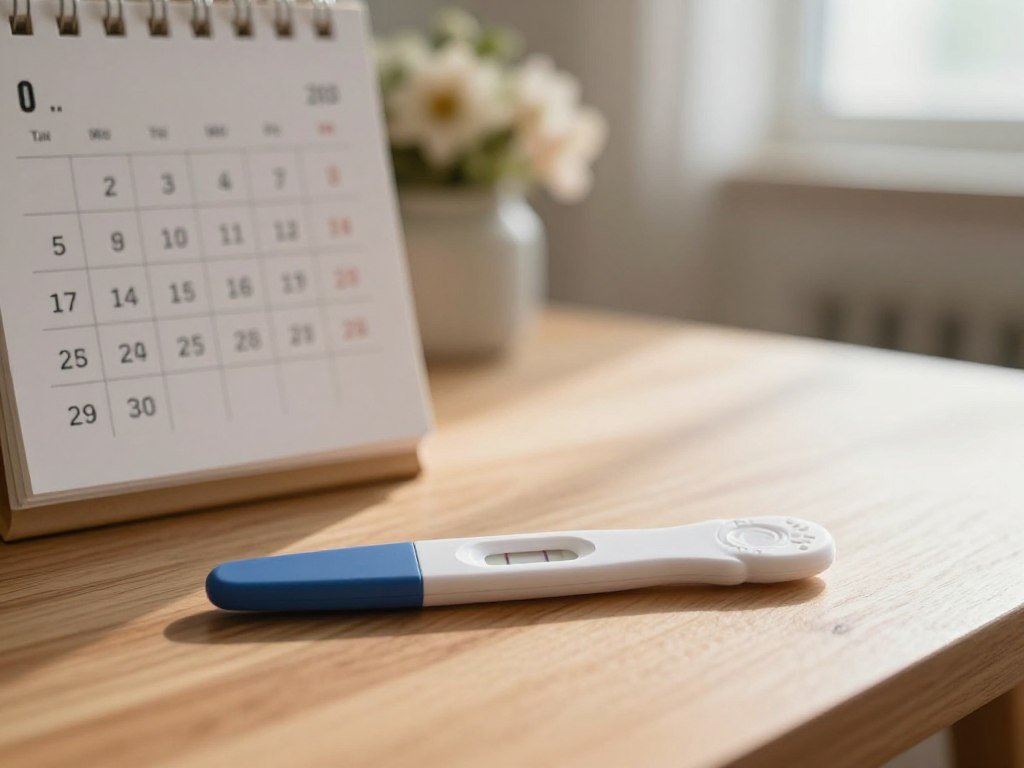
If you are waiting to find out whether you are pregnant, the day you test can affect how much you can trust the result. Human chorionic gonadotropin (hCG) is a hormone pregnancy tests detect in urine or blood. A missed period can raise the question, but it cannot confirm pregnancy because early signs can overlap with premenstrual symptoms.
Testing too early can bring an uncertain result, even when pregnancy has begun. That uncertainty can feel hard to sit with, especially when you want a clear answer. This guide will help you choose a sensible testing date and understand what to do with the result.
A test can answer the question more clearly than symptoms alone. The days around your expected period matter, and your next step can be simple. A steady plan can help you avoid guessing while you wait.
Key Takeaways
- Testing on or after a missed period is more reliable.
- Use a date-based rule if your cycle is hard to predict.
- Early testing can miss a pregnancy.
- A negative result may need follow-up.
- Contact a health care provider when you need help interpreting results.
When Is the Best Time to Take a Pregnancy Test?
For the most reliable home result, wait until at least the first day your period is late. Testing on that day or later gives hCG more time to rise, so the test is less likely to miss a pregnancy. A few days can matter when you test near your expected period.
Testing before the first missed-period day is less reliable. Some sensitive tests can detect pregnancy a few days early, but an early negative may be a false negative. Urine tests are reported as 97-99% accurate when used a week or two after a missed period, according to MedlinePlus pregnancy test guidance.
An early negative result cannot rule out pregnancy if hCG has not risen enough for the test to detect.
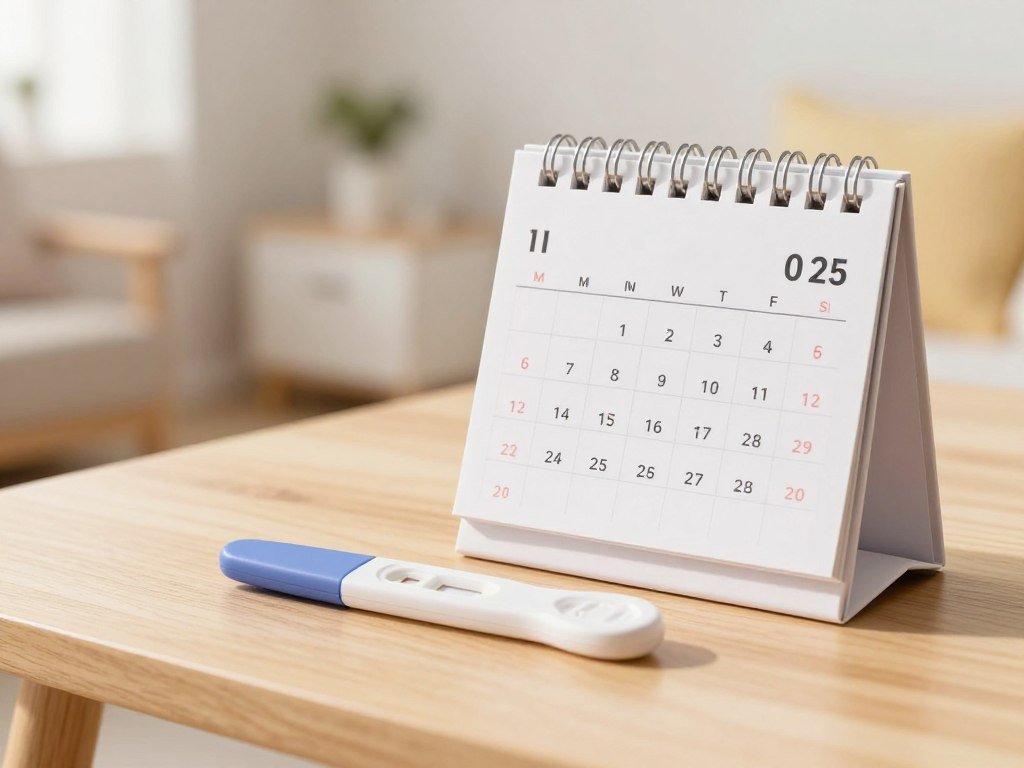
On or after the expected period
If your period usually arrives on a regular schedule, test on the first day it is late or any day after. A test taken before then may not detect enough hCG, even if you are pregnant. A test made for early testing may offer an answer sooner, but its result can be less reliable.
After sex, testing the next day cannot confirm pregnancy because hCG may not yet be present at a detectable level. For the most useful result, use the timing that fits your expected period rather than testing immediately after sex. An early result can be upsetting or confusing if it is negative.
When your cycle date is unclear
If you cannot predict your next period, count from the last unprotected sex instead. A pregnancy test calculator can estimate a period date from cycle details, but it cannot confirm pregnancy or replace a test. When to use a pregnancy test calculator depends on whether you know your usual cycle length.
Use the date-based options in this table to avoid guessing from cycle dates. The note beside each timing explains how much confidence to place in the result. A calendar can help you keep track of the relevant day.
| Scenario | When to test | Reliability note |
|---|---|---|
| Before expected period | A few days early, with an early-use test | Less reliable |
| Period due or missed | First missed-period day or later | More reliable |
| Due date unknown | 21 days after unprotected sex | Use this instead of cycle-date guesses |
If the date of your next period is unknown, count 21 days from the last unprotected sex before testing.
Is Morning or Night Better for a Pregnancy Test?
If you are testing before your period is due, first-morning urine is usually the better choice. It tends to be more concentrated and may contain more hCG than urine later in the day. That can help a home pregnancy test detect a low hormone level.
Morning is most helpful when you test early. Drinking a lot of fluid beforehand can dilute urine, making hCG harder to detect. You do not need to avoid normal drinks, but skip a large drink right before collecting a sample.

Testing before a missed period
First thing in the morning is a practical choice when you want to test before your period is due. The first urine after waking is often more concentrated because you have not been drinking overnight. This can matter when the amount of hCG is still low.
Morning refers to your first urination after sleep, not a set clock time. If you wake at an unusual hour, the sample can still be first-morning urine. Your sleep interval and fluid intake matter more than the number on the clock.
Testing after a missed period
Once your period is late, you can generally collect urine at any time of day. Many tests can detect hCG in less concentrated samples by then. Choose a time that lets you follow the instructions without rushing.
If a result is uncertain, first-morning urine remains a useful option for another test. It may give the test a more concentrated sample, especially if you have been drinking fluids through the day. A calm routine can make it easier to follow the timing window.
Avoid drinking an unusually large amount of fluid right before collecting a sample.
How Do You Use a Home Pregnancy Test Correctly?
Start by checking that the package is in date and reading its instructions from beginning to end. Home pregnancy tests use different methods, so the package directions should guide each step. Most kits use a stick and show a result after a few minutes.
Follow the stated reading window and check the control symbol. A timer helps you read the test at the right point, rather than guessing by eye. The control symbol shows that the test worked.

Before collecting urine
Use this short sequence before you collect a sample. The exact method depends on the test kit, so match each action to its directions. Do not assume all tests use the same timing or urine method.
- Check the expiration date on the package.
- Read the package directions from start to finish.
- Collect or apply urine exactly as instructed.
- Set a timer for the stated reading window.
Some kits ask you to hold the absorbent tip in your urine stream. Others ask you to dip it into a clean container. The directions explain how long to expose the test and how to place it afterward.
Reading the result
Look for the control symbol along with the test result. The control should appear whether the result is positive or negative. If it is missing, the test did not work, so the result is invalid.
Reading too early can make a faint result hard to see. Reading too late can also lead to a misread, because changes outside the stated window may not count. Use the timer rather than checking repeatedly.
Keep the test on a flat surface if the directions call for one. Read the display only during the time window listed on the package. If no control symbol appears, use a new test rather than relying on that result.
How Do Urine and Blood Pregnancy Tests Differ?
A home urine test checks for hCG, while a blood test can detect smaller amounts of the hormone. Both kinds of pregnancy tests look for human chorionic gonadotropin, which starts to be made around six days after fertilization. A blood test may show pregnancy before a missed period.
Urine tests offer quick, private testing at home, while blood tests can give earlier or more detailed information. A health care provider performs blood tests. A quantitative test measures the exact hCG amount, while a qualitative test checks whether hCG is present.
Blood tests can typically detect pregnancy about 10 days after conception. In early pregnancy, hCG levels continue to rise for 10 weeks and almost double every three days. The trend can help a provider assess hCG levels over time.
| Test type | What it detects | Result | Typical use |
|---|---|---|---|
| Home urine test | hCG in urine | Positive or negative | Private, quick home testing |
| Qualitative blood test | Whether hCG is present | Positive or negative | Clinical confirmation |
| Quantitative blood test | Exact hCG amount | A measured level | Checking hCG over time |
The best pregnancy test is the one that fits the timing and information you need, not always the most complex option. A home test may suit you when you want a quick answer in private. A blood test may be useful when early detection or measured levels matter.
Hormones in contraceptive pills do not stop a pregnancy test from working. Fertility drugs are different and can affect results, so discuss their use with a health care provider. Ask a health care provider whether a blood test is useful if you need an earlier or more detailed result.
What Should You Do After a Negative Pregnancy Test?
A negative result can mean you tested before enough hCG had built up to be detected. Testing too early is a common reason for a false negative, especially if the test date came before your expected period. A negative result is less reliable than a positive one.
If pregnancy still seems possible, repeat the test after a week. A later test gives hCG more time to rise. A negative result can also feel confusing when your body seems to be giving mixed signals.
Why a negative result can happen
Testing before enough hCG is present is the most common timing issue. Even a correctly used test can miss a pregnancy when hormone levels are too low. The result may change as hCG rises.
A less common issue involves fragments of hCG that can interfere with some urine tests. A Washington University evaluation of 11 hospital tests found that seven were somewhat susceptible when these fragments were high. Two tests were highly susceptible, while two were not susceptible.
The worst-performing hospital test gave false negatives in 5% of urine samples from pregnant women. Some urine tests can also give false-negative results five or more weeks into pregnancy when a high level of an hCG fragment interferes. Those hospital findings do not mean every home test behaves the same way; the Washington University test evaluation showed that susceptibility varied by test.
When to retest and contact a provider
Repeat a negative home test one week later if pregnancy still seems possible. A second result can give you more information, especially when the first test was early. Keep the date of each test so you can describe the timing clearly.
If two home tests are negative and you still think you may be pregnant, contact a health care provider. They can review your results and decide whether another kind of test or care makes sense. You do not need to settle the question alone.
If two home tests are negative and pregnancy still seems possible, contact a health care provider.
What Should You Do After a Positive Pregnancy Test?
A positive home result is a strong reason to contact a health care provider about what comes next. A clear next step can help you get the right care and discuss any questions about your health. A positive home test is almost certainly correct.
Tell your provider about fertility drugs if you used them to help achieve pregnancy. These drugs can affect test results, so a positive result while taking them deserves a conversation. Share the name of the medicine and when you took it.
Some symptoms during a possible pregnancy need immediate attention because they may indicate an ectopic pregnancy. This is a pregnancy outside the uterus, and urgent care matters when warning signs appear. Watch for these symptoms:
Severe pain, heavy bleeding, dizziness, or fainting during a possible pregnancy needs immediate medical attention.
- Severe abdominal pain
- Shoulder pain
- Heavy bleeding
- Dizziness
- Fainting
Shoulder pain can be easy to dismiss, especially if you do not have other symptoms. Still, it belongs on the warning list for a possible ectopic pregnancy. Do not wait for every symptom to appear before seeking help.
Contact a health care provider to arrange care and ask what to expect next. If you take fertility drugs, mention them when you call. Seek immediate medical help for severe pain, heavy bleeding, dizziness, or fainting during a possible pregnancy.
Conclusion
For the clearest home result, test on or after the first day of a missed period. Waiting until that point makes a negative result more useful. If your period date is hard to predict, use the time-based rule that fits your situation.
Persistent concern after a negative test deserves follow-up, especially after another test still leaves you unsure. Write down when you tested and what the result showed. That small detail can help your health care provider guide your next step.
Mark the date you tested and contact a health care provider if uncertainty remains after retesting.
FAQ
When is it a good time to buy a pregnancy test?
You can buy a pregnancy test whenever you want to have one ready. For the most reliable result, use it on or after the first day of a missed period. Check the expiration date when you buy it, then store the package as directed. Having a test at home can spare you a last-minute trip when you want an answer.
Is 3am considered first morning urine?
Yes, 3 a.m. urine counts as first-morning urine if it is the first urine after your longest sleep. The clock time matters less than how concentrated the urine is. If you woke several times and urinated, that sample may be less concentrated than one after a longer stretch. Follow your test’s directions for collecting it.
What is a 2 finger test in pregnancy?
A two-finger check cannot confirm pregnancy. Pregnancy is confirmed with an hCG test or by a health care provider, not by a finger check. The check may be described in different ways, but it does not replace a urine or blood test. If you need an answer, use a test at the right time.
How do I be 100% sure I’m not pregnant?
No single early home test gives absolute certainty that you are not pregnant. Test at the recommended time, and repeat the test if your first result was early or your period remains absent. A health care provider can review your timing and results if uncertainty persists. Share any symptoms or medicines that may affect your situation.
How does your stomach feel if you’re pregnant?
There is no single reliable stomach sensation that proves pregnancy. Some people notice nausea, cramps, or bloating, while others notice no change. These feelings can also overlap with premenstrual changes or other causes. A pregnancy test, used at the right time, is a better way to check than judging by stomach symptoms.
What are the signs of a false pregnancy?
Symptoms can resemble pregnancy, but a health care provider must assess the cause rather than relying on symptoms alone. A person may notice a missed period, nausea, breast changes, or a growing sense that pregnancy is possible. These signs do not confirm pregnancy. A test and a medical review can help explain what is happening.
Am I pregnant or am I overthinking?
Feelings and symptoms cannot confirm pregnancy, so a test is the clearest way to check. Use it at the recommended time and follow the package directions closely. If the result does not fit your situation, repeat the test or contact a health care provider. Worry can feel intense, but it cannot tell you what the test will show.
About The Author