Best Anti Inflammatory Foods: 15 Foods to Try Today
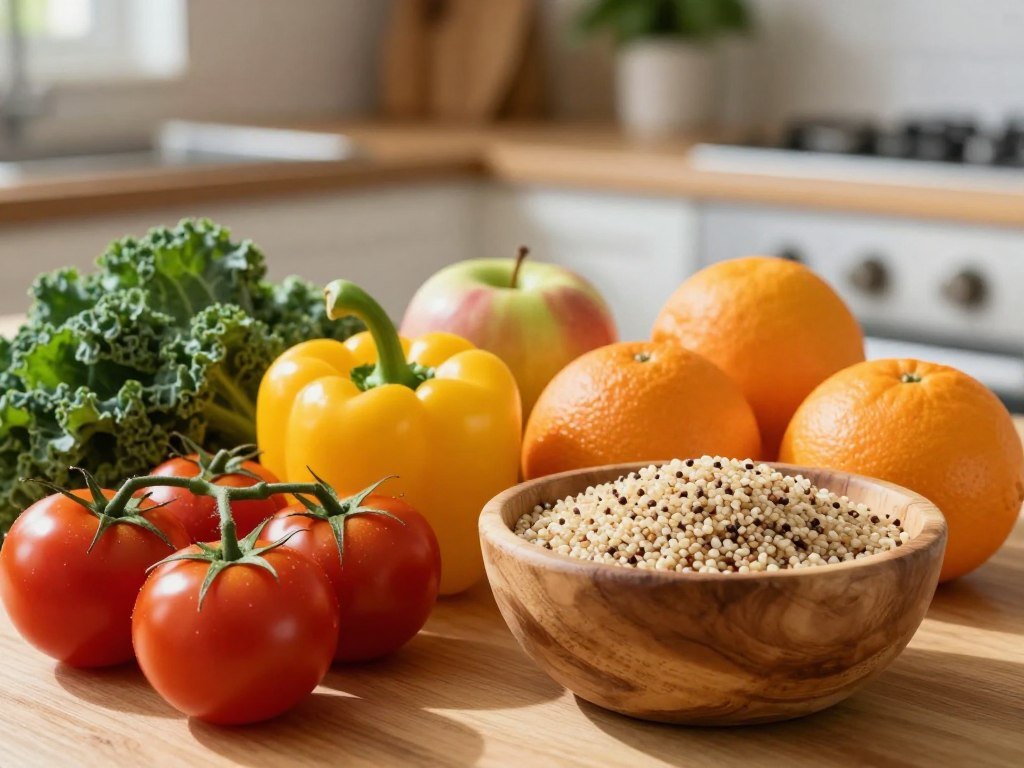
A practical starting point for the best anti inflammatory foods is to fill more meals with colorful plants, fiber-rich staples and unsaturated fats. If you are trying to eat well while managing health concerns, a steady pattern can feel more useful than chasing one perfect food.
Produce, whole grains, legumes, fatty fish, nuts, olive oil and herbs can all fit. Food choices support health, but they cannot promise to clear inflammation or cure a disease.
Acute inflammation is the body’s short-term immune response to injury or infection. Chronic inflammation is prolonged immune activity that can persist after an immediate threat.
Chronic inflammation has links with some chronic diseases, including heart disease. Weight gain and health risks can also depend on many factors, so food is only one part of the picture.
Key Takeaways
- Build meals around a mix of plant foods and fiber-rich staples.
- Choose unsaturated fats more often than less nutritious fats.
- Use food as support for health, not as a quick fix.
- Change one meal or snack at a time to make habits easier to keep.
- Talk with a healthcare professional about ongoing symptoms or treatment.
Small, repeatable food swaps are more realistic than trying to change every meal at once.
Best Anti Inflammatory Foods for a Balanced Diet
The best starting point is an overall pattern built around plants, whole grains, legumes, fish and healthy oils, not a single “superfood.” Variety matters more than any one food, and a steady diet can support health without treating a condition.
There is no scientifically ranked top 20 or top 10 list that fits everyone. These 15 practical picks are familiar foods that can form part of a balanced diet.
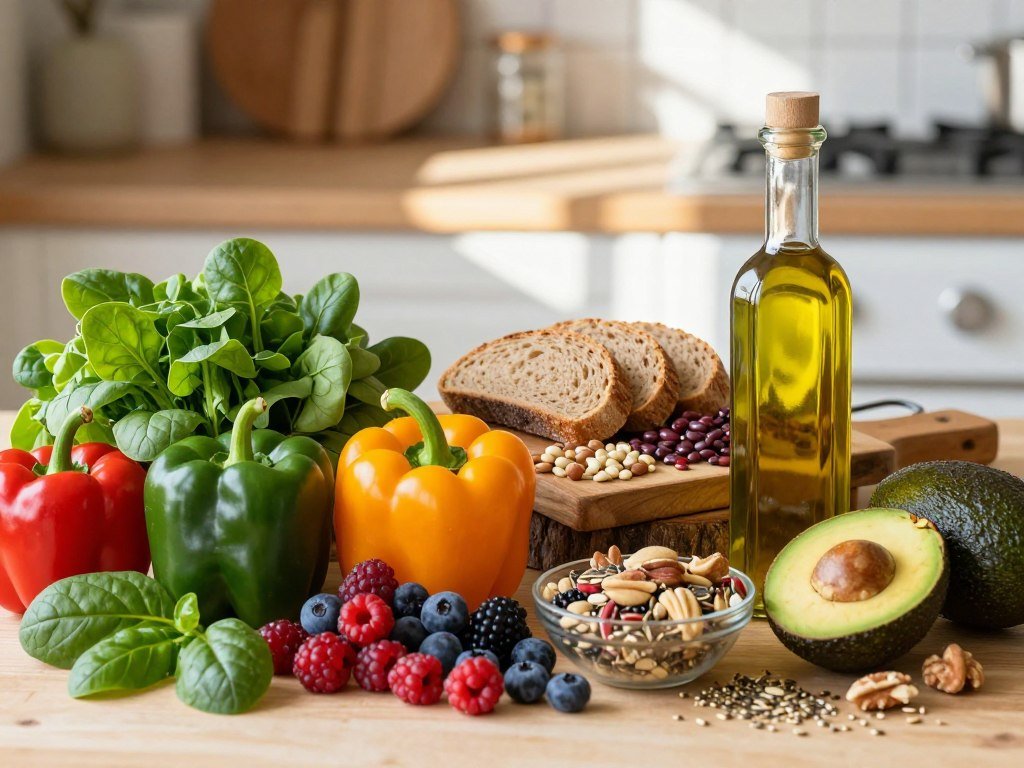
Anti-inflammatory eating patterns often emphasize fruits, vegetables, whole grains, legumes, nuts, spices, herbs and plant-based protein. They tend to limit red and processed meat, refined carbohydrates and saturated fats.
Interest in plant-forward meals has also shaped food business trends, though popularity alone does not prove a health benefit.
How a Mediterranean-Style Pattern Fits
A Mediterranean-style pattern is one practical example. It gives regular space to fruits, vegetables, nuts, whole grains, fish and healthy oils, rather than relying on a single ingredient.
The pattern can be adapted to your budget, culture and schedule. Beans can stand in for meat in a familiar stew, while frozen vegetables work well when fresh produce is hard to keep.
| Food group | Choose more often | Limit more often |
|---|---|---|
| Produce | Fruits and vegetables | None specified |
| Grains | Whole grains | Refined carbohydrates |
| Protein | Fish and legumes | Red and processed meat |
| Fats | Olive oil and nuts | Saturated fats |
What Research Says About Mood
A 2026 scoping review looked at 42 randomized controlled trials and 23 systematic evidence syntheses on anti-inflammatory diets and mental health in adults. Most trials tested Mediterranean diet-based programs.
In 28 of the 42 trials, people in a dietary program had significantly greater improvement in at least one mental health outcome than people in a control group. The 2026 review of trials found the clearest pattern for depressive symptoms.
Results for anxiety, mood, stress and quality of life were mixed. These findings do not show that food treats depression or another mental health condition, and care from a qualified professional still matters.
A balanced eating pattern can support general health, but it is not a replacement for diagnosis or treatment.
Diet research looks at groups over time, not a guaranteed result for one person. Changes in eating can happen alongside other changes in health and daily life.
Do Anti-Inflammatory Supplements Beat Food?
No. An everyday eating pattern is the first step; supplements are not a substitute for meals that provide a range of foods and nutrients.
Some supplements can affect medicines or cause side effects. A healthcare professional can help you weigh a supplement’s need and safety based on your health and medication use.
Anyone considering a supplement should check its safety with a healthcare professional, especially when taking medication.
Choose Fatty Fish for Omega-3 Fats
Salmon is an easy first choice if you want to add a fatty fish to a familiar meal. Omega-3 fatty acids are part of a heart-supportive diet, but fish is not a treatment for inflammation or heart disease.
A general serving recommendation is 3-4 ounces of fish twice a week. Salmon is the featured pick, and mackerel offers another fatty option.
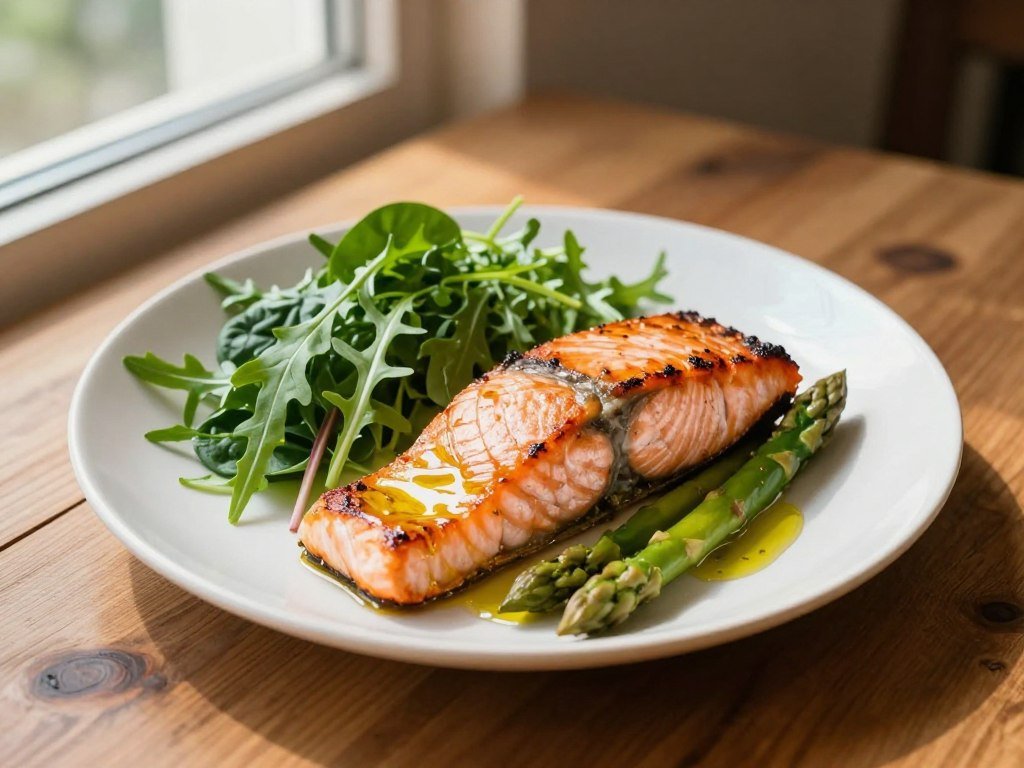
Fatty fish provide omega-3 fats, which can be one part of an eating pattern that may help reduce risk of heart disease. The benefit depends on your overall diet and health, not one serving alone.
For a basic weeknight meal, flake cooked salmon over rice with vegetables. Leftover fish can also top a salad or go into a wrap with beans and greens.
A simple salmon bowl can use cooked grains, vegetables and a spoonful of dressing. It gives you a clear way to use leftovers without making a separate dish.
Four practical fish choices include:
- Salmon
- Mackerel
- Sardines
- Tuna
For a quick lunch, mash sardines with lemon and spread them on whole-grain toast. Canned fish can make a handy pantry option when fresh fish is not available.
Fish can be fresh, frozen or canned, depending on what suits your routine. If you buy canned fish, compare labels for sodium when that matters for your health.
Choosing fish more often can fit a varied eating pattern without pushing other foods off the plate. If you do not eat fish, walnuts and chia seeds offer plant-based omega-3 fats.
Add Berries and Cherries for Color
Blueberries and cherries bring color and plant compounds to breakfast, snacks and desserts. Anthocyanins are plant compounds that give some berries their deep color and have anti-inflammatory effects.
Fresh and frozen berries are both convenient options. Frozen fruit can be kept on hand, so a missed grocery trip does not leave you without a fruit choice.
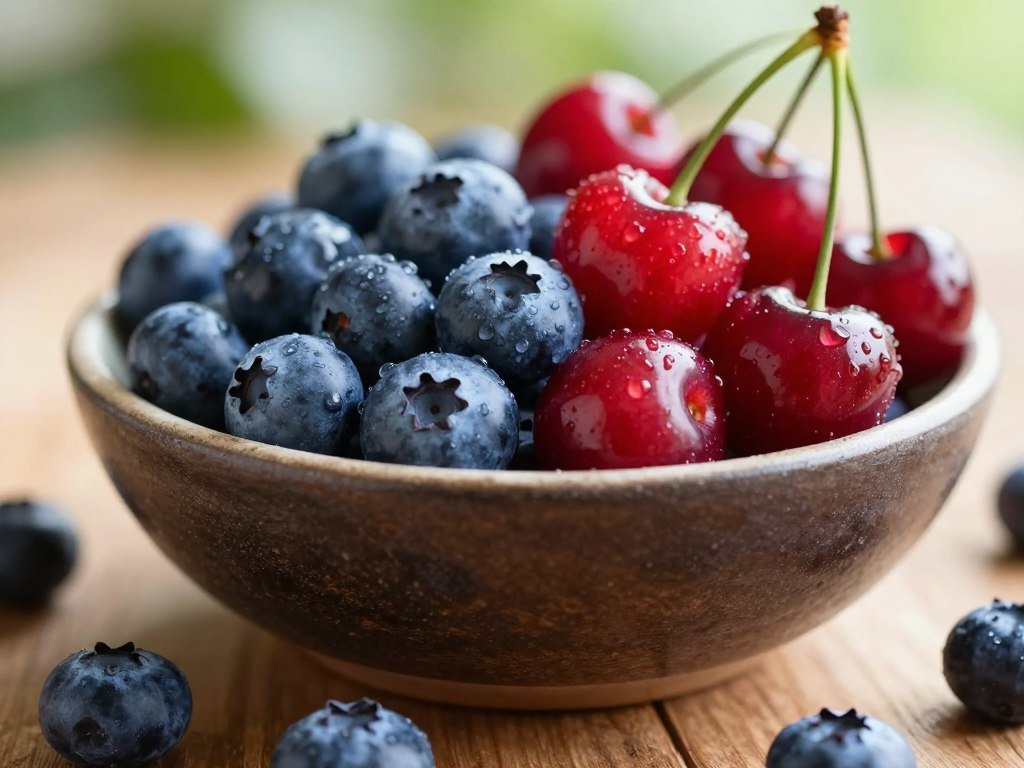
Blueberries work well in a bowl of oatmeal or blended into a smoothie. Cherries can add a sweet-tart taste to snacks and desserts without needing a special recipe.
Fruit supplies useful variety in a balanced diet, but eating berries does not prevent cancer or another disease. A food can contribute to good nutrition without acting as medicine.
Try these simple serving ideas:
- Stir berries into oatmeal before serving.
- Thaw frozen berries and spoon them over yogurt.
- Add cherries to a grain bowl for a sweet note.
- Pack a piece of fruit for a snack on the go.
Frozen berries can be thawed overnight in the refrigerator or warmed briefly for a soft topping. If they release juice, stir it into the yogurt rather than pouring it away.
Whole fruit offers more than flavor. Choose whole fruit more often than juice when you want the fiber as well as the flavor.
Make Room for Leafy Greens and Broccoli
Spinach and broccoli are two easy vegetables to add to meals you already make. Leafy greens and broccoli bring different plant nutrients and give you more variety across the week.
Vegetables can support a balanced eating pattern, but they do not cure inflammation. Kale is a simple swap for spinach when you want a sturdier green.
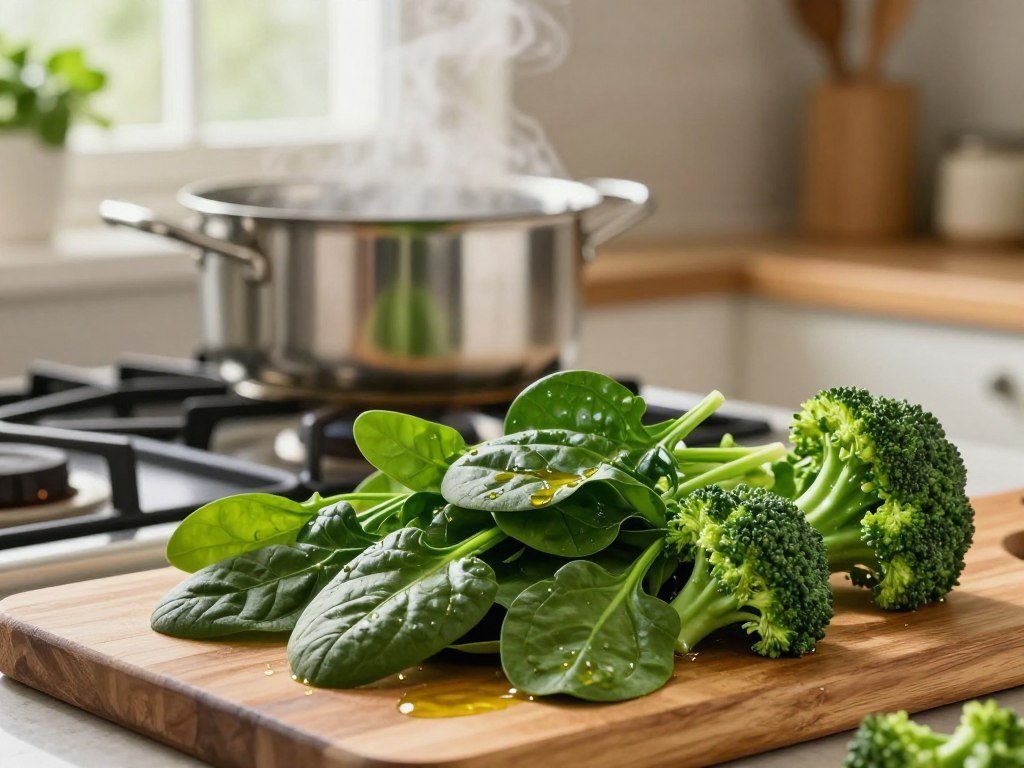
Spinach can go into eggs, pasta or a sandwich. A handful wilts quickly in a warm pan, making it an easy addition when dinner needs another vegetable.
Broccoli is a cruciferous vegetable with a firm texture that holds up well during cooking. Put florets on a sheet pan, then roast them until tender at the edges.
Raw broccoli can add crunch to a salad or snack plate. If its texture feels too firm, steam it briefly or chop it into smaller pieces.
These foods supply antioxidant-containing plant foods as part of a varied diet. Eating them may support overall health, but no single vegetable can promise to reduce risk of heart disease or other illness.
A small change can make vegetables easier to use. Add spinach to eggs before they set, or serve broccoli beside a meal you already know how to make.
Keep a frozen bag of broccoli on hand for a quick vegetable side.
Try Tomatoes and Bell Peppers
Tomatoes and bell peppers make it easy to add color to a soup, salad or skillet. Lycopene, an antioxidant found in tomatoes, is one reason this fruit gets attention in nutrition research.
Cooking tomatoes with a little olive oil can help your body absorb more lycopene. That food pairing is a cooking tip, not a claim that tomatoes prevent cancer.
Bell peppers add a crisp bite and a choice of colors to everyday meals. They can be eaten raw, cooked into a skillet or roasted until soft.
A review of tomato research discusses lycopene and other compounds in tomatoes, including their antioxidant properties. The review of tomato compounds also surveys studies on health outcomes without making one serving a cure.
Try roasted peppers as a side, or stir them into eggs and grains. For a simple chopped salad, combine tomato, bell pepper, cucumber and a light dressing.
Tomato-and-bean soup is another useful way to use pantry staples. Add cooked beans to a tomato base, then season the pot with herbs to suit your taste.
Fresh, canned and cooked tomatoes can all fit. The right choice often comes down to what you have and how you plan to use it.
Pair cooked tomatoes with olive oil when that combination suits the dish.
Build Fiber Into Meals With Whole Grains and Lentils
Oats and lentils are two easy ways to make a meal more filling while adding fiber. Fiber-rich staples can help round out a diet that also includes vegetables and sources of protein.
Whole grains and legumes are practical choices, while refined carbohydrates are best eaten less often. A slower change can make higher fiber intake easier to manage.
Why Whole Grains and Lentils Belong
Whole grains retain more of the grain than refined versions. Oats and brown rice are familiar examples, while lentils and beans bring fiber as plant-based protein.
Fiber supports digestion and can make meals more satisfying. The mix matters: a bowl of oats can work for breakfast, while lentils can anchor soup or a curry.
Anti-inflammatory eating patterns emphasize whole grains and plant-based protein, while limiting refined carbohydrates. Whole grains and plant protein can make everyday meals more filling without complex recipes.
| Staple | Type | Practical use |
|---|---|---|
| Oats | Whole grain | Breakfast or savory bowl |
| Brown basmati rice | Whole grain | Grain bowl or side |
| White basmati rice | Refined grain | Pair with vegetables and lentils |
| Lentils | Legume | Soup, salad or curry |
Is Basmati Rice Anti-Inflammatory?
Basmati rice can fit in a balanced diet. Brown basmati supplies more fiber, while white basmati is a refined grain that can still work in a meal with vegetables and legumes.
Pairing white rice with lentils and vegetables makes a more varied plate than serving rice alone. You do not need to avoid a food just because it is refined.
Fiber-rich foods can be added in small steps, such as mixing beans into a familiar soup. Increase fiber-rich foods gradually if your usual intake is low, so your body has time to adjust.
Use Walnuts and Chia Seeds for Plant-Based Fats
A spoonful of chia or a small handful of walnuts can add texture and plant-based fats to a meal. Both choices provide omega-3 fatty acids and fit easily into many eating routines.
No single nut or seed causes weight loss or guarantees a health benefit. These foods contribute fats and other nutrients as part of an overall eating pattern.
Stir chia seeds into oatmeal or yogurt, where they soften as they sit. A sprinkle over a salad adds a mild crunch without changing the whole meal.
Walnuts can go into cereal, salads or a simple snack mix. Keep a small container near your usual breakfast foods if that helps you remember to use them.
Both foods can add useful texture, but portions can grow quickly when you eat them straight from a large bag. A small handful or spoonful is often enough to add crunch.
Use chopped walnuts in a grain bowl with vegetables, or add chia to a fruit snack. These are easy ways to include plant fats without needing a new recipe.
Nuts and seeds may be a poor fit for people with certain allergies. If you have an allergy, avoid the food and follow your clinician’s safety advice.
Choose unsalted nuts and seeds when you want to keep added sodium low.
Cook With Extra-Virgin Olive Oil
Extra-virgin olive oil is a practical cooking and dressing fat that fits a Mediterranean-style pattern. Monounsaturated fat is its main type of fat, and it can replace some less nutritious cooking fats.
Use olive oil as a swap, not an extra pour added to every meal. It can dress a salad, help sauté vegetables or finish a warm dish.
A quick dressing needs only olive oil, vinegar or lemon juice, and seasonings you enjoy. Shake them in a jar, then add enough to coat the salad lightly.
For sautéing, measure oil into the pan before adding vegetables. A small amount can keep food from sticking while adding flavor.
Olive oil is one source of monounsaturated fats. Avocados, nuts, seeds and canola oil are other sources that can fit into a varied diet.
Olive oil is not a medicine and cannot erase other health risks. It may support a heart-friendly way of eating when it takes the place of a less nutritious fat.
Try it on roasted vegetables or whisk it into a simple dressing. The flavor can also help make plain cooked vegetables easier to enjoy.
Use it in place of, rather than simply on top of, a less nutritious cooking fat when that swap works for the recipe.
Season Meals With Turmeric and Other Spices
Turmeric is easiest to use when you treat it as a flavorful spice, not a medicine. Curcumin, a compound in turmeric, has anti-inflammatory properties, but culinary use does not promise a health result.
Spices can add flavor to a varied diet, but they cannot replace treatment for arthritis or another disease. A little can make a familiar dish taste different without changing its basic ingredients.
Put Turmeric to Work in Savory Dishes
Stir turmeric into lentils, soup or roasted vegetables. Start with a small amount if you are new to its earthy flavor, then adjust the seasoning to your taste.
A review of clinical trials discusses proposed effects of turmeric and curcumin, along with limits in the research. The review of turmeric trials does not mean that ordinary cooking amounts treat chronic disease.
Turmeric can give a pot of lentils a warm color and taste. Add it while the dish cooks so the spice blends with the other flavors.
Add Ginger and Herbs for More Variety
Ginger, garlic and fresh herbs can add layers of flavor to soups, beans and vegetables. Chopped herbs can brighten a dish just before serving, while garlic brings a stronger savory note.
These ingredients help you vary meals without relying on extra salt or a heavy sauce. Fresh herbs can be added at the end, while dried spices usually need time in the dish.
Food-based amounts contribute to a varied diet, but they are not a substitute for arthritis treatment or a guaranteed way to reduce symptoms. Concentrated products can differ from the amounts used in cooking.
If you have a condition or take medication, discuss concentrated spice supplements with your clinician before using them.
Sip Green Tea and Enjoy Coffee Mindfully
Unsweetened green tea is a simple drink to try if you want a polyphenol-rich option. Green tea contains antioxidant and anti-inflammatory compounds, including EGCG.
Coffee also contains polyphenols, but the drink you choose should suit your sleep and caffeine needs. Adding lots of sugar changes the drink’s overall nutrition.
Matcha is powdered green tea, so you drink the whole leaf mixed into the cup. It can taste stronger than steeped tea and may also contain caffeine.
Coffee contains polyphenols and other compounds associated with protection against inflammation. That association does not mean coffee prevents a disease or works the same way for everyone.
Try tea plain or with a small amount of milk if that suits you. For coffee, notice whether sweet syrups or large amounts of added sugar turn a simple drink into a dessert.
Caffeine sensitivity, sleep and individual health needs all affect the best choice. Some people feel jittery after a small serving, while others can drink it without trouble.
If you are unsure how caffeine affects you, pay attention to changes in sleep and how you feel afterward. A drink without caffeine can still make a comforting part of your routine.
Choose a caffeine-free drink at night if caffeine tends to disrupt your sleep.
Choose Dark Chocolate With a High Cocoa Percentage
Dark chocolate can fit as an occasional treat when you choose a bar with at least 70% cocoa. Cocoa flavanols are compounds studied for possible effects on vascular function.
Look for at least 70% cocoa on the label. That check points to a higher cocoa content, though it does not make chocolate a treatment or a required health food.
Vascular function refers to how well blood vessels work. Research on cocoa flavanols has explored possible effects, but that does not prove chocolate prevents heart disease or cancer.
Dark chocolate still counts as a treat. It cannot take the place of fruit, vegetables or medical care, even when the cocoa percentage is high.
Choose a small piece after a meal if you enjoy the taste. A bar with a higher cocoa percentage may taste more bitter, so try a small amount before buying several bars.
Check the ingredient list and serving size as well as the cocoa percentage. A higher cocoa number does not tell you how much sugar or fat is in a portion.
Keep the portion modest and focus on the eating pattern rather than trying to get a health effect from chocolate.
Limit Foods That Can Promote Inflammation and Build a Balanced Day
The most useful change is usually to reduce how often highly processed, fried and sugary foods show up, not to ban every favorite food. Frequency matters more than treating one meal as a health failure.
Chronic inflammation is linked with conditions such as heart disease, diabetes, arthritis and cancer, but one food does not cause them. Many factors shape health and disease risk.
Foods to Limit Most Often
Foods to limit more often include refined carbohydrates, fried foods and sugar-sweetened drinks. Red and processed meat, along with foods high in saturated or trans fats, also fit this group.
White bread, pastries, French fries, soda, margarine, shortening and lard are common examples. Ultra-processed foods and refined carbohydrates may be associated with higher inflammatory markers.
That does not make any food toxic or mean one serving causes disease. A flexible approach can leave room for favorites while making nourishing choices more common.
A Simple Way to Put Meals Together
Build a meal with a grain or other staple, a protein food and vegetables. A few combinations can make the idea easier to use:
- Oatmeal with fruit and walnuts
- Lentils with brown rice and vegetables
- Salmon with broccoli and olive oil
- A bean-and-tomato bowl with leafy greens
A 21-day anti-inflammatory diet is not a required medical reset. You can build a more sustainable pattern gradually, one grocery choice or meal at a time.
Headaches can occur alongside some health conditions, but a headache alone cannot show that inflammation is the cause. Seek prompt medical care for a sudden severe headache or new neurological symptoms.
| Food or drink | Common example | Practical direction |
|---|---|---|
| Refined carbohydrates | White bread or pastries | Choose whole grains more often |
| Fried foods | French fries | Keep as an occasional choice |
| Sweetened drinks | Soda | Choose water or unsweetened drinks |
| Processed meat | Hot dogs or sausage | Use beans or fish more often |
Build a pattern you can keep, rather than trying to follow a strict reset for a set number of days.
Small swaps can make a difference to your routine without making meals feel rigid. Start with one repeatable swap, such as replacing a sugary drink with water at lunch.
Conclusion
A balanced eating pattern is built from choices you can keep making, not one perfect meal. Variety and consistency matter more than any single ingredient, and your food choices can support health without replacing medical treatment.
Choose a change that suits your real week, not an ideal schedule. A frozen vegetable, a can of beans or a piece of fruit can make a practical start.
At your next grocery trip, choose one fruit, one vegetable and one fiber-rich staple to add to meals this week.
FAQ
What to eat to reduce inflammation immediately?
No single food can reduce inflammation immediately. A balanced meal with vegetables, beans or whole grains, and an unsaturated fat is a practical choice. For example, pair lentils with vegetables and a little olive oil. Food can support health over time, but it does not replace care for an infection, injury or ongoing symptoms.
What are some good sources of antioxidants?
Berries, leafy greens, tomatoes, nuts and seeds are good sources of antioxidants. These foods offer different plant compounds, so variety matters more than trying to find one “best” source. Add berries to breakfast, greens to a meal, or nuts to a snack. A varied diet supports health, but no one food can prevent disease on its own.
What drinks help reduce inflammation?
Green tea and coffee contain plant compounds, including polyphenols, that have been studied for possible health effects. Choose unsweetened versions more often to avoid adding a lot of sugar. Caffeine affects people differently, so consider how it changes your sleep or makes you feel. Neither drink works as a quick treatment for inflammation.
What to drink at night to reduce inflammation?
Water or a caffeine-free drink is a good choice at night. Herbal tea without caffeine can be soothing, while water helps you stay hydrated. No drink has a proven instant effect that clears inflammation from your body. If caffeine tends to disrupt your sleep, skip green tea and coffee in the evening.
What are 5 signs your body has inflammation?
Five common signs of acute inflammation are redness, warmth, swelling, pain and reduced function. These signs can happen around an injury or infection as the immune system responds. Chronic inflammation may not have obvious symptoms, so you cannot confirm it by checking for these signs alone. Ask a healthcare professional about persistent or worrying symptoms.
How do you flush inflammation out of your body?
You cannot flush inflammation out with a proven quick cleanse or drink. Build steady habits with varied meals, enough sleep and regular movement, and seek medical care for persistent symptoms. Inflammation can be a normal short-term response to injury or infection. A clinician can help find the cause when symptoms continue or affect daily life.
What are the 5 worst foods for inflammation?
There is no universal ranking, but examples to limit often include refined grains, sugary drinks, fried foods, processed meats and foods high in trans fats. How often you eat them matters more than one serving. You do not need to ban every favorite food. Try replacing one regular choice with water, whole grains, beans or another food that fits your needs.
What vitamins help fight inflammation?
Vitamin C and vitamin E are nutrients found in foods such as citrus, green vegetables, nuts and seeds. Getting vitamins from a varied diet is a practical starting point for most people. A supplement is not automatically needed and can affect medicines or health conditions. Check with a healthcare professional before starting one, especially if you take medication.
About The Author