15 Best Places to Study for Focus and Better Productivity

A change of setting can make it easier to begin a study session, but the best fit depends on whether the task calls for silence, background sound or fresh air. Students in New York City can choose from quiet libraries, cafés, museums and outdoor places. The right spot can help you settle into reading, writing or group work without adding extra hurdles.
Ambient noise means low-level background sound, such as café conversation, that can mask sudden distractions without creating silence. A setting that feels lively to one person may feel distracting to another. Your task, access needs and preferred sound level all matter.
Here, you’ll find options for focused work, lighter tasks and a change of scene. You’ll also get simple ways to match a space to your schedule, equipment needs and study style. A quiet room may suit a tough reading assignment, while a little background sound may help with routine review.
Choose a place that makes the next study task feel manageable, rather than one that looks impressive but does not suit the work.
Key Takeaways
- Pick a study setting based on the work you need to finish.
- Use a quiet room for demanding reading and exam practice.
- Try a café when gentle background sound helps you focus.
- Check visitor access before traveling to a campus library.
- Choose outdoor work for tasks that do not need power or stable Wi-Fi.
Best Places to Study in New York City for Quiet Focus
For a visitor who wants a quiet, well-equipped place to work, start with the New York Public Library’s Rose Main Reading Room. Its high ceilings and natural light make a striking setting, while study tables, outlets and free Wi-Fi support a longer work session. For many visitors, this is the clearest starting point.
Students looking for the best places to study near me can begin with a public library close to their route. A nearby branch can be a convenient alternative when the main reading room is busy. Students seeking university study spots should first check who may enter, since campus access rules differ.
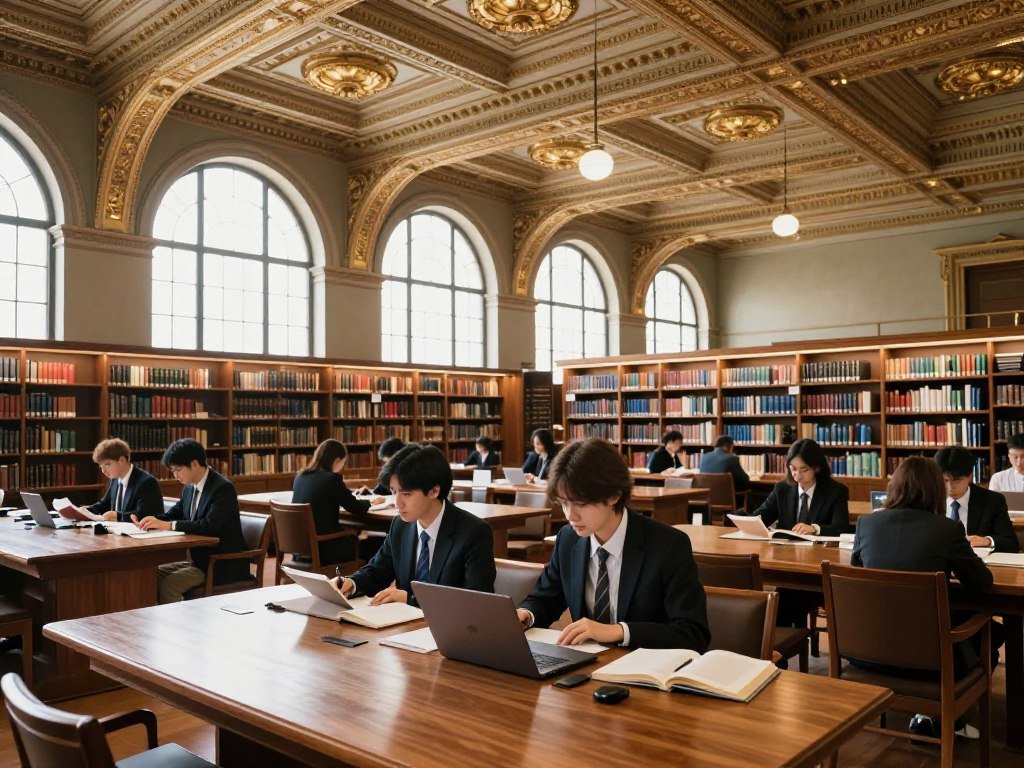
- New York Public Library, Stephen A. Schwarzman Building. The building stands at 476 Fifth Avenue. Its Rose Main Reading Room has wide tables and natural light, with outlets and free Wi-Fi for work that needs a laptop.
- Jefferson Market Library. This library sits in a former courthouse built between 1875 and 1877. Its stained glass and adult reading room create a distinctive place to read, review notes or write by hand.
- Butler Library, Columbia University. At 535 W 114th St, Butler offers quiet rooms, group areas and a silent floor. It can suit students who need different levels of quiet during one visit. University libraries may limit entry to people with an affiliation.
- Bobst Library, New York University. At 70 Washington Square S, Bobst has individual carrels and group study rooms. The mix helps when you need a solo block followed by discussion, but who may enter can depend on current rules.
Check the library’s current visitor and room-access rules before making it the anchor of a long study day.
A reading room may work well for quiet work, but each library has its own limits. University spaces can require an ID or other proof of access, and room entry may follow separate rules. Those details matter most when you plan to stay for several hours or meet a classmate.
For students asking where to study at a university, Butler and Bobst offer clear options if they can enter. If you are not affiliated, public library branches give you a simpler place to begin. Check the library’s current visitor and room-access rules before making it the anchor of a long study day.
Which New York City Cafés Suit Different Study Styles?
A café can be a useful choice when a little activity around you helps you keep working. The best fit depends on whether you want a bright setting for ideas or a steady hum for routine tasks. Seating, outlets and laptop conditions change by location and time, so no one café guarantees a perfect setup.
Think of coffee shops as flexible study spots, not fixed work rooms. A café may suit a short reading task, but peak-time crowds can change the atmosphere quickly. Keep a second location in mind for a longer session.

Cafés for Creative Momentum
These three picks can suit lighter work that benefits from a change of pace. Look for a table that fits your materials, and check the room before opening a laptop for a long block.
- Devoción. This warm, plant-filled café can offer a pleasing backdrop for brainstorming or planning. Its green interior gives you a visual break from a plain desk, though seats and outlets depend on the location.
- Maman. The bright, inviting feel suits lighter tasks, such as reading a chapter or sketching an outline. Maman has multiple locations, and many close around 4 p.m., so check the schedule that fits your stop.
- Variety Coffee Roasters. Natural light can make this a good choice for a daytime reading session. Locations include Morningside Heights, the Upper East Side, Tribeca and Park Slope, giving you several areas to consider.
Cafés for Steady Background Company
Think Coffee and Hungry Ghost fit readers who like some activity around them. Their wider location networks can make them useful choices when you want a café near class, home or a train route.
- Think Coffee. It has 11 locations, including 10 in Lower Manhattan and one in Brooklyn. Hours generally extend to 7 p.m., but the schedule changes by location and day. Seating can vary from one café to another.
- Hungry Ghost. It has 12 locations, with nine in Brooklyn and three in Manhattan. Seating options vary by location, and background music adds sound beyond nearby conversation. A quieter corner may not always be open.
Before you settle in, consider how much room your task needs. A notebook and one book can fit where a laptop, charger and several texts may feel cramped. Match the seat to the work you brought, rather than hoping the café has a spare outlet.
Hours, available seating and laptop-friendly conditions can shift with the day’s traffic. A spot that feels calm during a weekday afternoon may be full at lunch. Have a backup café or public place in mind if the seating does not suit a longer session.
Where Can You Study Among Art and Books?
Housing Works Bookstore Café is the strongest pick when you want books close at hand. It combines a bookstore setting with places to sit, making it a natural stop for reading or outlining. For book-centered work, browsing the shelves can also help you find a new angle on a topic.
The Metropolitan Museum of Art and the American Museum of Natural History offer different settings for lighter work. Treat museums as places for reading, ideas and breaks, not guaranteed all-day laptop rooms. Museum rules and access vary by space.

- Housing Works Bookstore Café. At 126 Crosby St, this spot has books and reading areas. You can browse before settling in with a novel, notes or a paper outline. Its book-filled setting makes it the most direct fit for a reading session.
- The Metropolitan Museum of Art. At 1000 Fifth Ave, the museum gives you galleries and a courtyard for brainstorming or a study break. A change in visual surroundings can help you think through a topic, even if you only carry a notebook.
- American Museum of Natural History library. The library is on the museum’s fourth floor. Its quieter feel may suit reading or outlining, but access and study rules can differ from gallery access.
These spaces work best when you keep the task simple. Read a short passage, make a few notes or sketch a plan before returning to a longer work block elsewhere. Museum visits can bring new ideas, but they may not offer the setup your laptop needs.
Confirm visitor access and any study restrictions before planning a long session inside a museum.
Which Outdoor Study Spots Offer a Reset?
On a pleasant day, Central Park is a strong choice for reading or reviewing notes without committing to a full indoor study session. Sheep Meadow gives you open space for a book, flashcards or a quiet break. For a spacious reset, it stands out among the city’s outdoor options.
Free study spots in NYC include public libraries and parks. Outdoor work is best for tasks that do not depend on stable Wi-Fi or power, since conditions can change with the weather and nearby activity. Choose work you can pause without losing your place.

- Central Park, especially Sheep Meadow. Bring a book or a short set of notes for reading and reflection. The broad lawn gives you room to take a break from indoor study, though it is not a controlled setting.
- The High Line. This elevated park runs from Gansevoort Street to West 30th Street. You can walk for a change of scene, then pause when you find a place to sit. Its route makes it easy to build movement into a study break.
- Tompkins Square Park. Benches and shaded areas make this park a fit for reading or reviewing a few pages. Nearby cafés offer another option if you want to continue indoors after your outdoor stop.
Light and open air can make a routine task feel less like another hour at the same desk. Keep the plan modest: review a set of terms, read one section or make a short list of ideas. Save work that needs a strong connection or a full computer setup for another place.
Outdoor study can also break up a long day of indoor work. A short walk may give your eyes a rest from a screen, while a bench lets you review by hand. Weather, noise and foot traffic can all affect how long you want to stay.
Pick one task that can tolerate interruptions, since changing weather and nearby activity can break concentration.
How Do You Match a Study Space to the Task?
For dense reading or exam practice, choose the quietest available setting that also gives you the resources the task needs. A group assignment may call for tables and room to talk, while a set of flashcards can travel almost anywhere. Start with the work, then choose the space.
Silence is usually the better choice for demanding work. A café’s ambient noise can suit lighter tasks if nearby talk does not pull your attention away. A useful setup can also include good light and a comfortable seat, as covered in these workspace essentials for focus.
Choose Quiet for Demanding Work
Use a library or another quiet room for close reading, long writing sessions and test preparation. You can spend less effort filtering sound and more time following a hard idea. If a quiet room feels too still, try a place with low background activity instead.
Libraries generally offer quiet or silent zones, Wi-Fi, outlets and study rooms. Check which features you need before setting out, especially if your work depends on charging a laptop or joining an online class. A space with the right setup can save time once you begin.
Choose Ambient Sound for Lighter Tasks
A café may work for light reading, outlining or routine messages. The room’s hum can mask sudden distractions without making the space silent. Move to a quieter spot if you keep rereading the same line or losing track of what you planned to do.
Campus common areas often have large tables and whiteboards, so they can support group projects. Outdoor spaces bring natural light and open air, while noise and connection quality can change by setting. Keep those limits in mind when the task needs a stable online connection.
| Environment | Typical noise | Best for | Useful amenities |
|---|---|---|---|
| Library | Silent to quiet | Deep work and test preparation | Wi-Fi, outlets, study rooms |
| Café | Moderate background sound | Light reading and casual tasks | Drinks, food, ambient noise |
| Campus common area | Low to moderate | Group projects | Large tables, whiteboards |
| Outdoors | Variable | Flashcards, brainstorming and breaks | Natural light, open space |
A survey of 199 people at Texas State University found that 85% often or always preferred working alone. Its findings describe one campus community, not every student or city. The study-space survey also found that quiet, natural light and varied seating mattered to many solo workers.
If you need dependable power or Wi-Fi, settle that requirement before choosing an outdoor or café setting.
Is Studying Alone or With a Friend More Effective?
Studying alone is usually the better choice for uninterrupted work, while a focused partner can make explaining and testing ideas more useful. The best setup depends on whether your task calls for sustained effort or active discussion. Use company with a purpose, not just because someone else is studying.
Solo study fits reading, writing and problem sets that require you to follow your own line of thought. Working with a partner is useful when you need to explain a concept, compare answers or practice recalling key points. Agree on one deliverable before you meet.
Work Alone for Uninterrupted Focus
Choose a solo block when you need to work through a difficult chapter or draft a paper. You can set your own pace, return to a confusing part and take a break without changing someone else’s plan. This approach also helps when a problem set needs several attempts.
Start by naming a finish line, such as solving five problems or drafting one page. A clear goal makes it easier to tell whether you are making progress. If the work needs discussion later, note the questions you want to bring to a partner.
Study Together to Explain and Compare
A study partner can help you find gaps in your understanding. Take turns explaining a difficult idea in plain language, then ask each other questions from memory. You can compare answers after each person has made an honest attempt.
That order matters: individual effort first, discussion second. Looking at a classmate’s answer too soon can make it harder to see what you can recall on your own. Use the conversation to explain why an answer works, not just to check whether it matches.
Group work can lose focus when no one has agreed on a task. Set a start time, a clear goal and a limit for the session before you arrive. If conversation replaces the work, take a short break or end the meeting rather than letting it drift.
Agree on the session’s task and end time before you meet so the study block does not drift into unplanned conversation.
What Helps Students Perform Better on Exams?
In a study of 354 chiropractic students, sleep the night before an exam and earlier course scores were positively related to final scores in both subjects. The survey covered five classes from January 2022 through March 2023. Those results show links, not proof that one factor caused a higher score.
Reported study time did not significantly correlate with final scores in immunology or endocrinology in this sample. That result differs from a meta-analysis of 88 studies, which found a positive association between study hours and test performance. The studies examined different groups and measures.
Sleep and Earlier Course Scores Tracked Final Results
Sleep duration the night before the exam had a positive correlation with final scores in both subjects. Total scores before the final also tracked with final results. These patterns suggest that preparation across a course can matter alongside the final stretch of study.
| Factor | Immunology final | Endocrinology final |
|---|---|---|
| Reported study time | No significant correlation, p > .05 | No significant correlation, p > .05 |
| Sleep the night before | r = .22, p < .01 | r = .26, p < .01 |
| Total score before final | r = .56, p < .01 | r = .42, p < .01 |
| Perceived course difficulty | r = -.15, p < .01 | r = -.32, p < .01 |
For example, sleep duration showed a positive correlation with immunology scores, r = .22, p < .01. It also correlated with endocrinology scores, r = .26, p < .01. The chiropractic-student study reports these links without proving that more sleep alone raised exam scores.
Study Time and Course Difficulty Had Mixed Associations
Perceived course difficulty had a negative correlation with final scores in both subjects. The link was stronger in endocrinology, where r = -.32, than in immunology, where r = -.15. A tough class may shape how students study, but the results do not show why scores differed.
Reported hours tell only part of the story. Students may study in different ways, and a cross-sectional survey cannot show that study time caused a result. The broader review of 88 studies found a positive association between hours and test performance, but that finding does not erase the narrower study’s null result.
Correlation shows that two results move together; it does not prove that one caused the other.
Use the findings as a reminder to plan across the term, not as a formula for a certain grade. Treat one study session’s length as only one part of preparation, and protect sleep before an exam.
Can You Sit in a New York City Café and Study?
You can usually study in a café if you respect its house rules and treat the space as a business rather than a free study room. Permission comes first, and each café can set its own rules for purchases, laptop use and long visits. A small table is not a guaranteed all-day workspace.
Check posted policies when you arrive, and follow staff directions. Many cafés may expect a purchase, especially when you use a table during busy hours. Leave a busy table when you have finished and others are waiting.
Repeated café visits can add up for students managing rent, food and transit. Annual student living expenses can exceed $39,000, so make regular coffee-shop spending fit your budget. Choose a lower-cost routine if buying something each time would strain your weekly plan.
A café may be worth the cost when you need a change of setting or a place between classes. It may not work for a long session if the business limits laptop use or expects guests to free seats. Read the room and keep your visit in line with its rules.
Some readers choose to support the cafés they use, while owners must also cover ongoing costs and serve other customers. A practical guide to coffee shop costs explains the business side of rent, staff and supplies. That context helps explain why a café may set limits on tables and time.
If you need a long, no-purchase session, choose a public library or park instead.
Conclusion
A productive study day starts with one clear task and a place that supports it. Your best spot should fit the work, your access needs and the equipment you need to bring. A calm room can help with close reading, while a less formal setting may suit a quick review.
Before you leave, think through the practical details. Bring a charger only if you expect to need it, and plan around the hours and rules of the place you choose. A nearby backup can save your study block if the first spot is full or closed.
Try one location for a specific kind of work instead of judging it by appearance alone. After the session, note whether the sound, seat and setup helped you finish. That quick check can guide your next choice.
Pick one spot for your next session, set a goal you can finish, and notice whether the environment helped you stay with the work.
FAQ
Where do most college students study?
Most college students use libraries and campus study spaces, while dorms, home and cafés fit other routines. A campus library can be handy between classes, and a dorm room may work when you need familiar materials nearby. Your best choice depends on how much quiet you need, how long you have, and whether you need room to work with classmates.
Where is the most efficient place to study?
A low-interruption setting is usually most efficient for demanding work, such as close reading or a hard problem set. A café can work for lighter tasks if its background sound helps you focus instead of pulling your attention away. Choose a place with the tools your task needs, then set one clear goal for the session so you can tell when you are done.
Is it better to study alone?
Studying alone is usually better for uninterrupted reading, writing and problem sets. A partner can help when you need to explain a concept, practice recall or compare answers after trying the work yourself. You do not have to choose one method for every class. Work alone on the parts that need deep focus, then meet when discussion can add something.
Is studying 2 hours a day good enough?
Two focused hours can cover routine coursework for some students, but it may not be enough during a heavy week. Course load, deadlines and the difficulty of the work all affect how much time you need. Try planning two hours around specific tasks, then check whether you finished them and remembered the material. Add time when the work still needs attention.
Is studying with a friend better?
Studying with a friend can help when you set a shared task and explain ideas to each other. It is less useful when conversation takes over or one person copies the other’s answers. Try solving a problem alone first, then compare your work and discuss any differences. For a long reading task, a solo session may be the better fit.
About The Author