Best Sonso Yuca Near Me: 10 Tasty Local Restaurant Picks
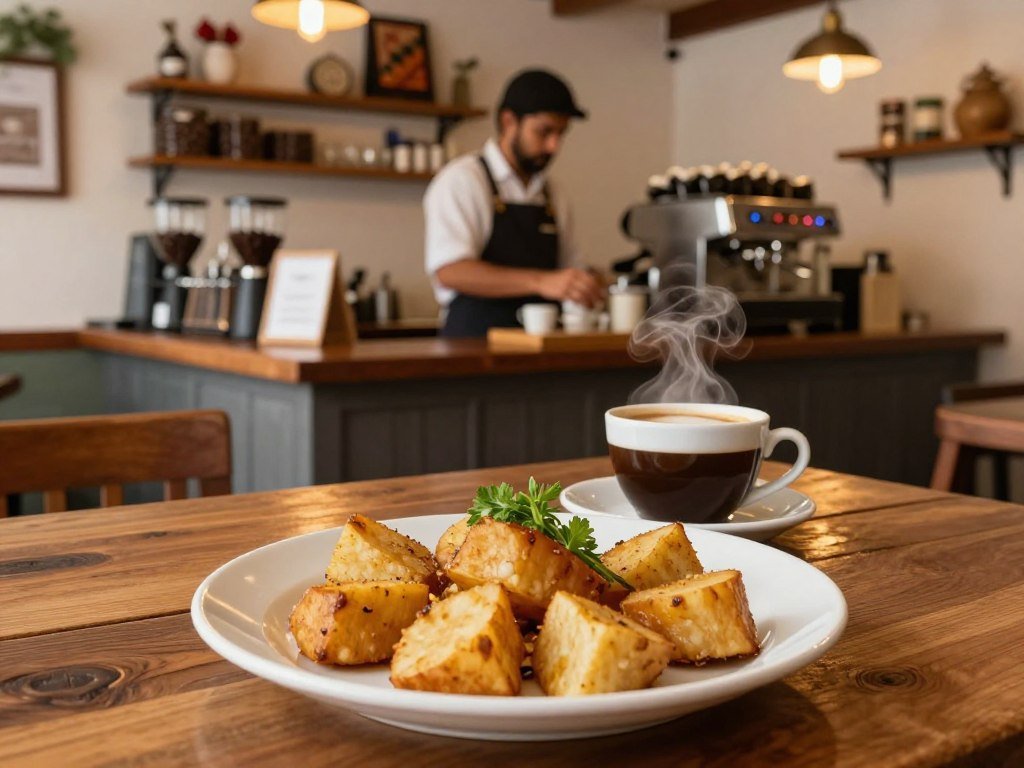
If you want sonso rather than ordinary cassava fries, begin your search with Bolivian food and confirm the exact dish before making a trip. Yuca is the starchy root also known as cassava or manioc. Sonso is especially tied to eastern Bolivia, so it can be hard to find on a general Latin American menu.
This listicle names the strongest documented U.S. restaurant lead, then gives you practical ways to find other kitchens that may serve the actual dish. A nearby café, bakery, or cultural food event may be a better lead than a restaurant with a broad regional menu. Confirm the name and preparation before you go, since a menu item with yuca and cheese may still be something else.
A quick call can distinguish a real sonso lead from a menu that simply serves yuca.
Key Takeaways
- Camba Café in Falls Church is the one documented named U.S. lead in this guide.
- Ask whether the kitchen has sonso today and combines cooked yuca with cheese.
- Bolivian cafés, bakeries, caterers, and cultural events are useful places to check.
- Sonso may be grilled, baked, or pan-fried, with a different surface for each method.
- Call before traveling, since a dish record does not promise daily availability.
Best Sonso Yuca Near Me: The Strongest U.S. Lead
For a named U.S. restaurant lead, start with Camba Café in Falls Church, Virginia. It identifies as Bolivian, and restaurant records associate it with sonso and sonso de yucca, a spelling variation. That association makes it a useful lead, not a promise of daily availability.

Camba Café in Falls Church
Camba Café is at 7177 Lee Highway, Falls Church, VA 22046. You can call the restaurant at (703) 677-1530 to ask about the dish before making the trip.
The lead was reviewed July 29, 2026. The restaurant’s Bolivian identity and its dish records make it more relevant than a place that only lists general Latin American food.
A restaurant record tied to sonso does not confirm that the dish is available every day. Ask the staff what the kitchen is serving today.
What to confirm before visiting
Keep the call short and name the preparation you want. Ask whether sonso de yuca is available today, how the kitchen cooks it, and whether you can dine in or pick it up.
You can use this simple script: “Do you have sonso de yuca today? Is it grilled, baked, or pan-fried? Can I eat here, or is it pickup only?”
The restaurant may use a spelling that differs from the one you expect. Ask whether its version combines cooked yuca and cheese, rather than serving separate yuca pieces with cheese on top.
Availability can change with the day, the kitchen’s schedule, and the batch prepared. Call before setting out and ask the staff to confirm both today’s availability and the yuca-and-cheese preparation.
What Makes a Sonso Restaurant Lead Credible?
A restaurant’s general Bolivian or Latin American label is a starting clue, not proof that sonso is on today’s menu. The strongest lead has recent, dish-specific evidence and a clear description of the preparation. Use three independent checks before trusting a search result.

- Check a current menu, or get direct confirmation from the restaurant.
- Look for a recent customer photo or review that names sonso itself.
- Confirm that the kitchen combines yuca and cheese before cooking the dish.
Each check answers a different question. A current menu or staff reply helps establish availability, while a recent photo can show the dish’s form.
A review counts only when it describes sonso itself. A comment about yuca fries, a cheese pastry, or another cassava dish does not confirm the preparation you want.
An older photo can show what a restaurant once served, but it cannot confirm today’s menu. A general cuisine label has the same limit, even when the restaurant may serve other Bolivian dishes.
A kitchen listing regional Bolivian food is a more relevant lead than one listing only broad Latin American dishes. Treat a recent, dish-specific confirmation as stronger evidence than a high search position.
Where Else Can You Look for Sonso?
A Bolivian bakery, café, or prepared-food counter can be a better next call than a broad restaurant search. These businesses may serve sonso as a snack or make it in a small batch. Look for businesses connected to the cooking of eastern Bolivia, including Santa Cruz.

Cafés, bakeries, and prepared-food counters
A Bolivian café may offer the dish with coffee as an afternoon snack. A bakery or prepared-food counter may make it only on certain days, so it may not appear on a permanent menu.
Ask the staff if they prepare sonso, whether it is made in-house, and when the next batch will be ready. A small counter may know the dish well even if its menu is short.
Cultural events and advance orders
Community events and caterers can be useful leads when a restaurant nearby does not list sonso. A cook may offer it for a cultural gathering or make it by advance order, rather than serving it every day.
Check these four places for a local lead:
- Bolivian cafés and bakeries
- Community food markets
- Bolivian or regional cultural events
- Regional caterers and home-style food businesses
These routes can take a little planning, especially when a vendor prepares only a set number of portions. Ask whether sonso is available on the date you plan to visit, especially when ordering for an event.
How to Search for Sonso in Your City
Search by Bolivian cuisine first, since a generic yuca search often leads to different cassava dishes. Use a regional phrase, then check the kind of business most likely to prepare the food. The cities below are search areas, not claims that a specific restaurant serves sonso.

| Region | First search phrase | Next business type to check | What to verify |
|---|---|---|---|
| New York City and New Jersey | “Bolivian restaurant sonso camba” | Bolivian bakeries and caterers | Ask about the yuca-and-cheese dish |
| Washington, D.C., Maryland, and Northern Virginia | “Bolivian sonso Falls Church” | Nearby Bolivian kitchens | Confirm today’s availability |
| Miami and South Florida | “Bolivian catering sonso” | Community food businesses and caterers | Verify pickup details |
| Los Angeles and the San Francisco Bay Area | “camba food sonso” | Bolivian restaurants and bakeries | Ask whether it is a special |
| Chicago, Boston, and Philadelphia | “Bolivian food festival sonso” | Cultural associations and food events | Confirm the event date and dish |
A search for yuca near you may bring up fries, boiled cassava, or other dishes. Add the cuisine and dish name to narrow the results toward Bolivian food discovery.
Try these other search phrases:
- “sonso de yuca near me”
- “sonso camba”
- “Bolivian bakery sonso”
- “sonso de yuca catering”
A result that names a restaurant is only a lead until you confirm its menu. Before traveling, make sure the result names sonso or confirms the cooked yuca-and-cheese mixture.
What Is Sonso de Yuca?
Sonso is a Bolivian yuca-and-cheese preparation built from cooked cassava, not cassava fries with cheese added afterward. The root is mashed or crushed and mixed with cheese before the final cooking. The ingredients form one mixture before cooking.
Yuca is cassava, also called manioc, a starchy root used in many foods. Sonso de yuca is especially associated with Santa Cruz and Bolivia’s eastern lowlands.
Recipes vary in the cheese they use. Some also add butter or milk to help bind the cooked yuca and cheese into a soft mixture.
The root must be cooked before it is mashed or crushed. Cooks then shape the mixture or spread it in a pan, depending on how they plan to finish the dish.
That basic construction sets sonso apart from a plate of plain cooked yuca with a cheese side. The defining clue is that the yuca and cheese are combined into one shaped or baked mixture.
How to Spot Sonso on a Menu
A restaurant may list sonso under a short name or a preparation style rather than the full phrase sonso de yuca. It may also use the spelling zonzo. Look for a name that points to the combined yuca-and-cheese dish.
Useful menu names include:
- Sonso
- Sonso de yuca
- Sonso camba
- Sonso cruceño
- Sonso al palo
- Sonso al horno
Sonso al palo points to a skewer-style preparation. Sonso al horno means baked sonso, while a menu may use “sonso” alone for another cooking style.
English menus may describe it as Bolivian cassava with cheese or a yuca-and-cheese cake. Those descriptions can help, but the wording alone does not show whether the ingredients are mixed.
A menu photo of cassava fries with cheese on top is not enough to establish that the ingredients are combined. If the menu says only “yuca con queso,” ask whether the yuca and cheese are mixed and cooked together.
Grilled, Baked, or Pan-Fried Sonso?
Choose the skewer-grilled version for toasted patches and a mild smoky note, the baked version for a soft shareable portion, or the pan-fried version for a butter-browned surface. The grilled skewer is the most visually distinctive traditional option. Baked and pan-fried sonso are also valid preparations.
Grilled sonso al palo
For sonso al palo, cooks boil and shape the mixture, then wrap it around thick wooden sticks. A recipe divides the mixture into eight portions and grills them over medium coals for 15 to 20 minutes.
The surface picks up toasted spots from the coals. The stick makes this version easy to recognize, though the center should stay tender rather than dry.
Baked sonso al horno
Sonso al horno is baked in a buttered 8-by-8-inch pan at 400°F for 25 to 30 minutes. The recipe reserves one-third of the shredded cheese for the top.
Baking makes a soft, shareable portion with a browned cheese layer. A serving cut from the pan may be easier to split than an individual skewer or patty.
Pan-fried sonso
Pan-fried sonso is shaped into half-inch patties and cooked in butter over medium heat. Cook each side for 4 to 5 minutes, until the outside browns.
A recipe guide to grilled, baked, and pan-fried sonso describes these established methods and their distinct shapes.
| Method | Shaping | Heat | Time and finish |
|---|---|---|---|
| Grilled sonso al palo | 8 portions around thick wooden sticks | Medium coals | 15 to 20 minutes, toasted patches |
| Baked sonso al horno | Buttered 8-by-8-inch pan, cheese topping | 400°F oven | 25 to 30 minutes, soft center |
| Pan-fried sonso | Half-inch patties | Butter over medium heat | 4 to 5 minutes per side, browned surface |
For a first order, ask which method is freshly cooked that day rather than assuming the menu name guarantees a particular texture.
What Should a Good Sonso Taste Like?
Good sonso tastes savory and cheesy, with the cassava still recognizable beneath the cheese. The mild yuca flavor should not disappear under heavy salt or a separate topping. Check for a browned or lightly crisp exterior and a tender, cohesive center.
Cheese adds salt and richness to the soft root. When the ingredients are well combined, you taste both parts in each bite instead of plain cassava followed by a mouthful of cheese.
Grilled, baked, and pan-fried versions can have different surfaces. A skewer may show toasted patches, a baked piece may have a browned top, and a skillet patty may brown on both sides.
Do not judge sonso like a deep-fried croquette. It is not meant to have a hard shell all around, and a soft center is part of its appeal.
If a portion feels dry or falls apart, it may have lost the tender texture that makes the mixture pleasant. A crisp edge is a welcome contrast, but a tender center is the more useful quality check.
What to Ask Before You Order
Ask whether the kitchen has sonso de yuca today, how it cooks the dish, and which cheese and dairy ingredients it uses. Say “sonso de yuca, the Bolivian yuca-and-cheese dish” so staff do not mistake it for fried yuca. Confirm the ingredients and method before placing an order.
Confirm the dish and cooking style
Start with the exact dish name and ask if it is available that day. Then ask whether the kitchen mixes cooked yuca with cheese, instead of serving the two as separate items.
Ask whether the sonso is grilled, baked, or pan-fried. The answer tells you what kind of surface and shape to expect, especially if the menu does not name its method.
Check ingredients and serving details
Ask which cheese the kitchen uses and whether the mixture contains milk or butter. Queso fresco combined with mozzarella or Monterey Jack gives a U.S. recipe both salty flavor and melt.
Check the serving format, too. The restaurant may offer a skewer, a patty, a cut square, or several small pieces.
A short script can cover the essentials: “Do you have sonso de yuca today? Is it grilled, baked, or pan-fried? Which cheese and dairy ingredients does it contain?”
If you follow a dietary restriction, name it clearly and ask about the kitchen’s preparation. If an allergy is involved, get a clear answer about ingredients and preparation before placing the order.
How Much Sonso Should You Order?
Start with one individual serving per person when sonso is offered as a snack or side. A larger baked portion may be shared if the restaurant confirms its size. Ask how many pieces count as one order.
“One order” can mean one skewer, one patty, one cut square, or several smaller pieces. Those formats do not offer the same amount of food, even when the menu lists each as a single portion.
A skewer or patty is usually an individual shape. A pan-baked sonso may come as a cut portion from a larger dish, so the size depends on how the kitchen portions it.
Ask whether the restaurant serves sonso as a snack, breakfast item, or side dish. That detail helps you decide whether to order it alone or alongside a larger meal.
For a group, count individual pieces rather than menu orders when the shapes vary. Confirm the number of pieces in an order before adding it to a shared meal.
What Goes Well With Sonso?
Coffee is the natural first pairing for a hot serving of sonso. The savory cheese and mild yuca suit a warm drink, especially for an afternoon or evening snack. Tea, hot chocolate, and grilled meat also fit well.
| Pairing | Best occasion | Why it fits |
|---|---|---|
| Coffee | Afternoon or evening snack | Traditional coffee pairing |
| Tea or hot chocolate | Warm snack | A simple drink alongside savory cheese |
| Grilled meat | Lunch or dinner side | Makes sonso part of a larger savory meal |
In Santa Cruz, sonso is popular street food and is commonly served with coffee in the evening. The evening coffee pairing works well when you want a warm snack rather than a full meal.
Some kitchens may serve sonso as a breakfast item, though breakfast service is not a given. For a meal rather than a snack, order it as a side with grilled meat.
Does Sonso Travel Well for Takeout?
Sonso can travel for a short trip, but the warm interior may steam the browned surface inside a closed container. It tastes best soon after cooking, before trapped moisture softens the exterior. Expect a softer surface after pickup or delivery.
The center should remain tender, but the contrast between a browned outside and soft middle can fade. This is most noticeable with grilled or pan-fried sonso, where the surface is part of the appeal.
Ask the restaurant for its reheating instructions. If the staff recommends it, use an oven or skillet to bring back some of the browned surface.
Move leftovers into the refrigerator within 2 hours. Store them covered, then use them within 3-4 days.
A microwave can warm the center quickly, but it will not restore a browned exterior. Put leftovers in the refrigerator within 2 hours and use them within 3-4 days.
Is Sonso Gluten-Free or Dairy-Free?
A flour-free yuca-and-cheese recipe can be gluten-free, but classic sonso is not dairy-free. Cheese is central, and recipes may also include butter or milk. A restaurant’s recipe and kitchen handling determine whether it fits your needs.
| Dietary question | Classic-recipe baseline | What to verify |
|---|---|---|
| Gluten-free | Can be gluten-free when made without flour | Added flour and cross-contact |
| Dairy-free | Not dairy-free because cheese is central | Cheese, milk, and butter |
| Vegetarian | Often meat-free in a basic version | Meat drippings, broth, or fillings |
Yuca itself does not add gluten, but a restaurant may use flour or share tools with foods that contain it. A kitchen’s cross-contact practices matter for people who must avoid even small traces.
Classic sonso contains dairy because cheese gives the dish its defining flavor and texture. Butter or milk may add more, so a dairy-free diner should not assume a basic-looking portion is safe.
For celiac disease or a serious allergy, confirm both the recipe and cross-contact controls with the restaurant.
Can You Make Sonso at Home?
A home version starts by boiling yuca until very tender, then mashing it with cheese and the chosen binders. One recipe uses 2 pounds of yuca, 8 ounces of queso fresco, 6 ounces of mozzarella or Monterey Jack, 3 tablespoons of butter, ¼ cup of whole milk, and 2 teaspoons of salt, plus more to taste. Cook the cassava fully before making the mixture.
A basic yuca-and-cheese mixture
Boil the yuca for 25 to 30 minutes, until it is very tender and starts to split. Drain it, remove any tough fibers, and mash the soft root before mixing in the cheese, butter, milk, and salt.
Shape the mixture for grilling or spread it in a pan for baking. You can refrigerate sonso dough for up to 2 days before baking or grilling.
Choose a cooking method
A separate sonso de yuca frito recipe starts with 3 cups of cassava puree, 2 cups of grated or chopped cheese, 3 tablespoons of melted butter, and 1 teaspoon of salt. It serves six and lists 414 calories per serving.
That recipe lists 5 minutes of preparation and 2 minutes of cooking. The quick fry gives you a pan-fried option distinct from baking a full pan or grilling portions on sticks.
Raw, uncooked cassava can be toxic, so it must be cooked properly before eating. Never taste raw cassava mixture before the yuca has been properly cooked.
Sonso or Another Yuca Dish?
A dish can contain yuca or sound similar to sonso without being the Bolivian yuca-and-cheese preparation. Sonso combines cooked, mashed or crushed yuca with cheese. Shared ingredients or a similar name do not make two dishes the same.
Cassava fries with cheese on top are not automatically sonso. In sonso, the cooked root and cheese form a combined mixture before the final cooking.
Ecuadorian pan de yuca and muchines de yuca are related yuca specialties, not alternate names for sonso. A menu that lists either one may offer a different texture and preparation.
Yucatecan food refers to cuisine from Mexico’s Yucatán Peninsula. The word sounds close to yuca, but it does not mean cassava sonso.
Use a short verbal check when the menu is unclear: “Is the cooked yuca mixed with cheese before it is cooked?” If the yuca stays in separate pieces or the menu names a different regional specialty, ask before ordering.
Ask whether cooked yuca and cheese are mixed into one preparation. A shared ingredient or a similar-sounding name does not confirm sonso.
Conclusion
The best lead is the one that confirms sonso itself, not just a menu item containing yuca. Start with Bolivian food, then ask whether the kitchen combines cooked yuca and cheese in the dish.
Camba Café is the strongest named U.S. lead here. You can also contact a nearby Bolivian bakery or café, where a small batch or special may not appear on a permanent menu.
Before your next outing, call a nearby Bolivian restaurant or café and ask whether sonso de yuca is available today.
FAQ
How can I ask a restaurant for real sonso de yuca?
Ask for “sonso de yuca, the Bolivian yuca-and-cheese dish,” and confirm the cooked yuca and cheese are mixed together. Then ask if the kitchen has it that day and how it prepares the portion. This helps staff distinguish sonso from fried yuca or separate yuca and cheese. If the menu uses another name, ask what ingredients and cooking method it means.
How long does sonso take to cook at home?
Grilled sonso takes 15 to 20 minutes over medium coals, baked sonso takes 25 to 30 minutes at 400°F, and pan-fried patties take 4 to 5 minutes per side. Those times apply after the yuca has been boiled and the mixture shaped or placed in a pan. Check the center for tenderness as the surface browns.
Can I refrigerate sonso dough before cooking?
Yes, sonso dough can be refrigerated for up to 2 days before baking or grilling. Cover it so the mixture does not dry out or pick up odors from other foods. Shape it before chilling if you want to save time later. Cook it fully before serving, and do not taste the uncooked cassava mixture.
Is sonso safe if the cassava is undercooked?
No, undercooked cassava should not be eaten. Raw, uncooked cassava can be toxic, so boil the root until very tender before mashing it into sonso. Follow a tested preparation method and make sure the root is cooked through before tasting the mixture. Cheese and other ingredients do not make raw cassava safe.
Can sonso be gluten-free?
Sonso can be gluten-free when made with yuca, cheese, and other suitable ingredients without flour. Restaurant recipes may differ, and kitchens may prepare the dish near foods containing gluten. Ask about added flour and cross-contact, especially if you have celiac disease. A restaurant’s answer about its recipe and handling matters more than the dish’s usual ingredients.
What is the difference between sonso and pan de yuca?
Sonso uses cooked, mashed or crushed yuca mixed with cheese before the final cooking. Ecuadorian pan de yuca is a different regional specialty, not another name for sonso. Both foods may use yuca and cheese, but shared ingredients do not make their recipes or shapes the same. Ask the restaurant which dish it serves if the menu wording is unclear.
Will sonso stay crisp during delivery?
Sonso may soften during delivery because steam trapped in a closed container moistens its browned exterior. It is best soon after cooking, when the surface and tender center have more contrast. Ask the restaurant for its reheating advice; an oven or skillet may help restore some browning. Refrigerate leftovers within 2 hours and use them within 3-4 days.
About The Author