Best Inexpensive Wines: 10 Great Bottles Under $20

A good bottle for dinner need not be the most familiar label on the shelf. If you are shopping at a grocery store for friends, family, or a quiet night at home, a lower price does not automatically mean a poor fit. These ten picks include dry reds, a sweet red, and a white, with options for different budgets and tastes.
ABV is the percentage of a beverage’s volume that is alcohol. The right choice depends on what you enjoy and what the occasion calls for, not just the number on the tag. A bottle that suits your taste can make a simple meal feel more special, without turning wine shopping into homework. Keep the occasion and your preferred sweetness level in mind as you choose.
Key Takeaways
- Choose a style that suits your taste and the meal.
- Compare grape, region, vintage, and price together.
- Scores can help, but they cannot predict your personal taste.
- Store prices and bottle selection can vary by location.
- Start with one bottle, then note what you would buy again.
Best Inexpensive Wines Under $20 for Every Occasion
For a strong all-purpose red under $20, start with the 2024 Kirkland Signature Vacqueyras at $12.99. This southern Rhône Valley wine offers a useful middle ground between a bargain bottle and a special-occasion splurge.
These ten options cover several red styles, plus an easy-drinking sweet red and a white. The 2024 Vacqueyras and Kirkland Columbia Valley blend tied for 12th place in the 2026 red-wine list.
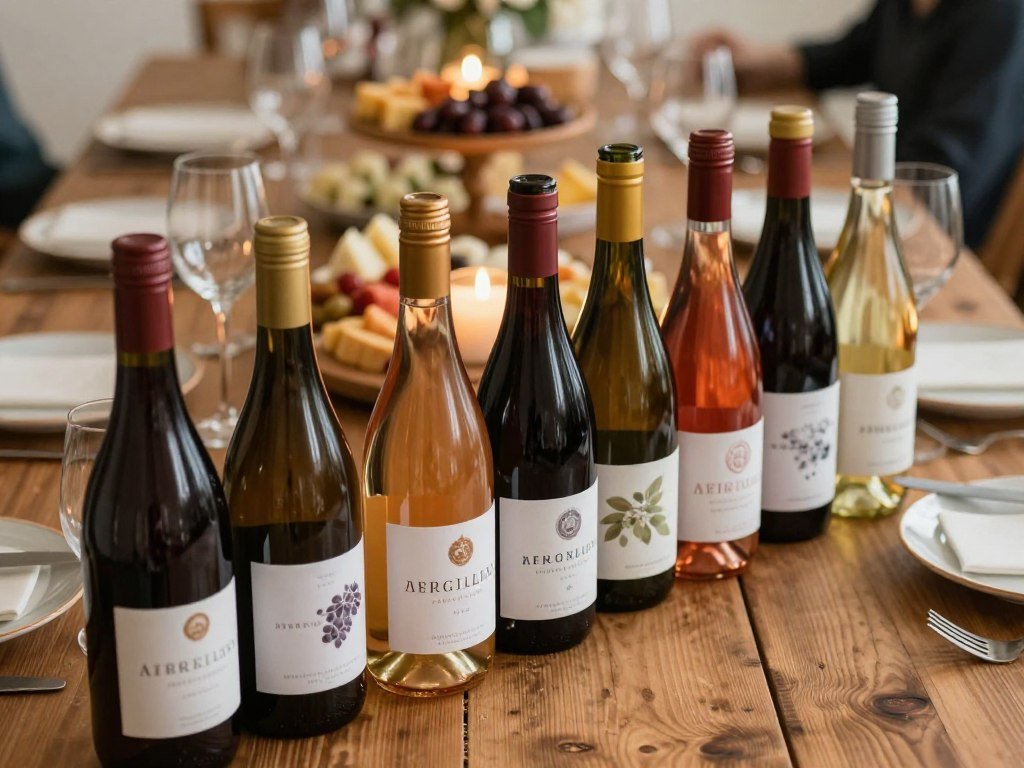
A bottle under $20 can still miss the mark if its sweetness does not suit your taste.
Rhône, Spanish, Italian, and California reds
The first six picks range from savory European reds to familiar California Cabernet Sauvignon. Each gives you a clear grape, place, or aging detail to consider.
- The 2024 Kirkland Signature Vacqueyras costs $12.99 and comes from France’s southern Rhône Valley.
- The 2024 Kirkland Signature Series Columbia Valley Red Wine costs $14.99. Its blend combines Cabernet Sauvignon, Merlot, and Syrah.
- The 2018 Viña Bujanda Rioja Reserva is 100% Tempranillo. It spends 20 months in French and American oak barriques, then 20 months in bottle, and can cost as little as $15.
- The 2022 Kirkland Signature Barolo costs $19.99 and has a reported score of 92-93 points.
- The 2022 Scrimaglio Barbera d’Asti Superiore costs $19.99 and is 100% Barbera.
- The 2024 Introvert Reserve Cabernet Sauvignon lists for $18. Wine Enthusiast gave it 92 points in October 2026, and James Suckling gave it 92 points in June 2026.
The Vacqueyras is a practical pick if you want a Rhône red without spending close to $20. The Kirkland Barolo suits shoppers who care more about a high reported score.
A Walmart Malbec, an easygoing Cabernet, a sweet red, and a Chardonnay
The other four picks offer different sweetness levels and a white option. Their styles make it easier to match the bottle to the person pouring it.
- Trapiche Oak Cask Malbec comes from Mendoza, Argentina. Its 750 ml bottle lists at $10 and has 13.5% ABV.
- Josh Cellars Cabernet Sauvignon costs $13.99 and is described as smooth, without an overly “cabby” taste. It has 14.1% ABV.
- Barefoot Sweet Red Blend costs $5.49 and has 10.5% ABV. Its sweet, fruit-forward style is approachable for people who prefer a softer red.
- California Roots Chardonnay costs $5 and has 13.5% ABV.
Among these picks, the best red wine at Walmart is the $10 Trapiche Malbec, making it a clear choice for a dry red. The best wine at Walmart depends on your taste, though the Malbec fits shoppers seeking a red. Barefoot is the cheapest selected red under $10. California Roots Chardonnay sits exactly at $5, so it does not meet a strict under-$5 ceiling.
How do you judge value beyond the price tag?
The shelf price alone is not enough to judge whether a bottle is a good buy. Check its grape, origin, and style, then treat each score as one clue among several.
A high point score cannot guarantee that you will enjoy the wine. A common mistake is choosing by score alone, without considering the grape or the kind of taste you prefer.

Compare the label, grape, and region
A label can tell you whether a wine names a grape or a place. For example, Tempranillo and Barbera name grape varieties, while Rioja and Barolo name wine regions.
A standard U.S. bottle holds 750 ml. That size gives about five standard 5 oz pours, though glass pours can differ. The National Institute on Alcohol Abuse and Alcoholism explains that a 5 oz glass of 12% wine is one example of a U.S. standard drink.
Treat scores as one clue, not a guarantee
A score can help you compare two wines, but it cannot tell you which will suit your palate. Grape and region add context that a single number leaves out.
| What to check | Useful signal | What it does not guarantee |
|---|---|---|
| Shelf price | Whether the bottle fits your budget | Final price may differ by retailer |
| Grape | Varietal names such as Tempranillo or Barbera identify the main grape | A blend can include several grapes |
| Origin | A named region gives geographic context | The region alone does not predict personal preference |
| Score | A rating offers a quick comparison point | A score cannot guarantee that a wine will suit an individual palate |
Scrimaglio Barbera d’Asti Superiore is a clear example of a grape-led label: the wine is 100% Barbera. Compare wines at similar prices before treating a higher score as proof of a better fit.
Which wine style fits dinner, a party, or a gift?
For tomato-rich pasta, a lively red such as Tempranillo or Sangiovese is a dependable match. Acidity helps wine hold its own against rich or tangy food, while the meal’s intensity helps guide the style.
Match the wine’s weight and flavor strength to the food’s intensity. A light dish can disappear beside a bold wine, while a rich meal can make a delicate glass seem faint.

Salt and fat can soften the feel of tannins, while acidity can make your mouth water. Wine structure can help explain why some pairings feel balanced rather than tiring.
- Sangiovese with tomato-rich pasta.
- Tempranillo with roast pork or tapas.
- Malbec with grilled beef.
- Sauvignon Blanc with seafood or a fresh salad.
These pairings are starting points, not strict rules. A wine that suits the meal and your friends’ tastes can work just as well at a casual party as at dinner.
For a host gift, choose a style the recipient already drinks rather than guessing from a label.
Which inexpensive red tastes smoothest?
Josh Cellars Cabernet Sauvignon is the clearest pick here for a smooth, easygoing red. Smooth describes how a wine feels, not whether it tastes sweet.
Tannin and acidity shape whether a red feels soft or drying. Cabernet Sauvignon can have a firm grip, but one bottle may feel gentler than another.

The label gives you a starting point, not a promise. Josh Cellars has 14.1% ABV, and its style is described as smooth and not too “cabby.” That makes it a sensible place to start if you enjoy red wine but want less of a heavy Cabernet feel.
After a sip, notice the finish: does your mouth feel soft, or dry and grippy? A few moments after swallowing can tell you more than a tasting note on the bottle.
Smoothness is subjective, so your own taste matters more than a fixed rule. A dry or grippy finish is a reason to try a lower-tannin style next time.
How do U.S. store prices and availability vary?
The same bottle can be easy to find in one neighborhood and absent in another. Selection and prices can vary by store and location, including at grocery stores, warehouse clubs, and wine or liquor shops.
Online availability does not guarantee local stock. A retailer’s website may show a bottle that a nearby store does not carry.
Use a simple check before you buy: compare the vintage, bottle size, and final shelf or checkout price. A sale tag or online listing may not match the amount you pay at checkout.
Wine retailers may carry different vintages under the same label. Make sure the year on the shelf matches the year you wanted, especially when a vintage is part of your choice.
Direct shipment depends on the rules for the destination state. The United States has 50 states, and shipping eligibility can change with the state where you receive the order.
Before checkout, confirm that the vintage and bottle size match the listing.
How should a beginner choose a wine style?
Start with the taste you already like, then match it to a grape style. Familiar flavors can make a first bottle feel easier to choose.
Red does not always mean dry, and white does not always mean sweet. Both color and sweetness vary by wine style.
For beginners, try one bottle at a time and notice which flavors stand out. Cabernet Sauvignon and Malbec are red grape varieties; Sauvignon Blanc is a white grape variety.
| Taste preference | Style to try | Typical cue |
|---|---|---|
| Crisp and dry | Sauvignon Blanc | Citrus and herbal notes |
| Soft, fruit-led red | Pinot Noir | Lighter tannins and red-fruit character |
| Sweeter, fruit-forward taste | Sweet red blend | Noticeable sweetness and ripe fruit |
Pinot Noir is generally lighter in tannin than Cabernet Sauvignon, which can make it a comfortable red to try. A sweet red blend offers a different path if ripe fruit and noticeable sweetness sound more appealing.
A small tasting pour helps you compare preferences before buying several bottles.
How do you serve and store an inexpensive bottle?
Serving temperature can change how a modestly priced wine tastes as much as the glass you use. Slightly cool is a good general rule for most reds, while most whites taste best colder.
Serve most reds around 55-65°F and most whites around 45-55°F. Lighter reds may benefit from more chilling than fuller-bodied reds.
Red wine should not be served too warm just because it is red. A warmer room can make a glass feel heavier, so a brief chill may help.
Recork and refrigerate opened wine, then aim to finish it within about 3-5 days.
Freshness over that time depends on the wine and its closure. A tight seal helps limit air exposure, though no closure can keep every bottle fresh in the same way.
Refrigerate an opened bottle promptly and note the day you opened it.
Conclusion
A satisfying bottle is the one that fits your budget and the way you want to drink it. Price matters, but a good value should also suit the person pouring the glass.
For your next dinner at home, choose one dry red and one white in a price range that feels comfortable. Notice which bottle your friends reach for and which one you would serve again.
Choose one dry red and one white for your next dinner, then jot down which style you would buy again.
FAQ
What is the best red wine for the price?
Kirkland Signature Vacqueyras at $12.99 is a strong value choice for a dry red. It comes from France’s southern Rhône Valley and costs less than the higher-priced Kirkland Barolo. The Barolo may suit shoppers who care more about a reported 92-93 point score. For most people, the Vacqueyras offers a practical balance of price and style.
What is the best cheap red wine under $10?
Barefoot Sweet Red Blend at $5.49 is a good under-$10 choice if you like sweet, fruit-forward reds. Its style is approachable for people who find dry reds too sharp or gripping. It has 10.5% ABV, so it also differs from several drier bottles in the selection. Choose it for its sweetness, not as a stand-in for a dry red.
What are the best wines for a budget?
The best budget choice depends on your preferred style and spending limit. California Roots Chardonnay costs $5, while Kirkland Signature Barolo costs $19.99. The first is a white option at the low end; the Barolo is a higher-priced red with a reported score of 92-93 points. Between them, you can choose by taste rather than price alone.
What is the smoothest tasting wine?
Josh Cellars Cabernet Sauvignon is the smooth, easygoing red choice in this selection. Smoothness is subjective, since tannin and acidity affect how soft or drying a wine feels. This Cabernet is described as smooth and not too “cabby,” and it has 14.1% ABV. Pay attention to the finish after a sip to see whether the texture suits you.
What are the best red wines under $20?
Three strong red options under $20 are Kirkland Signature Vacqueyras at $12.99, Trapiche Oak Cask Malbec at $10, and Kirkland Signature Barolo at $19.99. The Vacqueyras comes from the southern Rhône, while the Malbec comes from Mendoza, Argentina. The Barolo suits shoppers who want a score-focused choice. Each offers a different style and price point.
What is a good but not expensive wine?
Trapiche Oak Cask Malbec at $10 is a clear pick for a dry red, while California Roots Chardonnay at $5 offers a white option. Both give you a simple way to choose by style instead of chasing the lowest price. The Malbec comes from Mendoza, Argentina, and the Chardonnay has 13.5% ABV. Pick the one that sounds closer to your usual taste.
What is the best wine under $20 at Costco?
Kirkland Signature Barolo at $19.99 is a score-focused choice under $20, with a reported score of 92-93 points. If you would rather spend less, the Kirkland Signature Vacqueyras costs $12.99 and comes from the southern Rhône Valley. Both are reds, but a score is only one clue. Choose based on the style you want to drink.
What are the top 5 red wines?
Five good red picks are Kirkland Signature Vacqueyras for value, Trapiche Malbec for a $10 dry red, and Barefoot Sweet Red Blend for a sweet style. Add Josh Cellars Cabernet Sauvignon for an easygoing Cabernet and Kirkland Signature Barolo for a higher-priced bottle with a reported 92-93 points. Those options cover different tastes and budgets without relying on one style.
About The Author