How to Build Business Credit Separate From Your Personal Credit
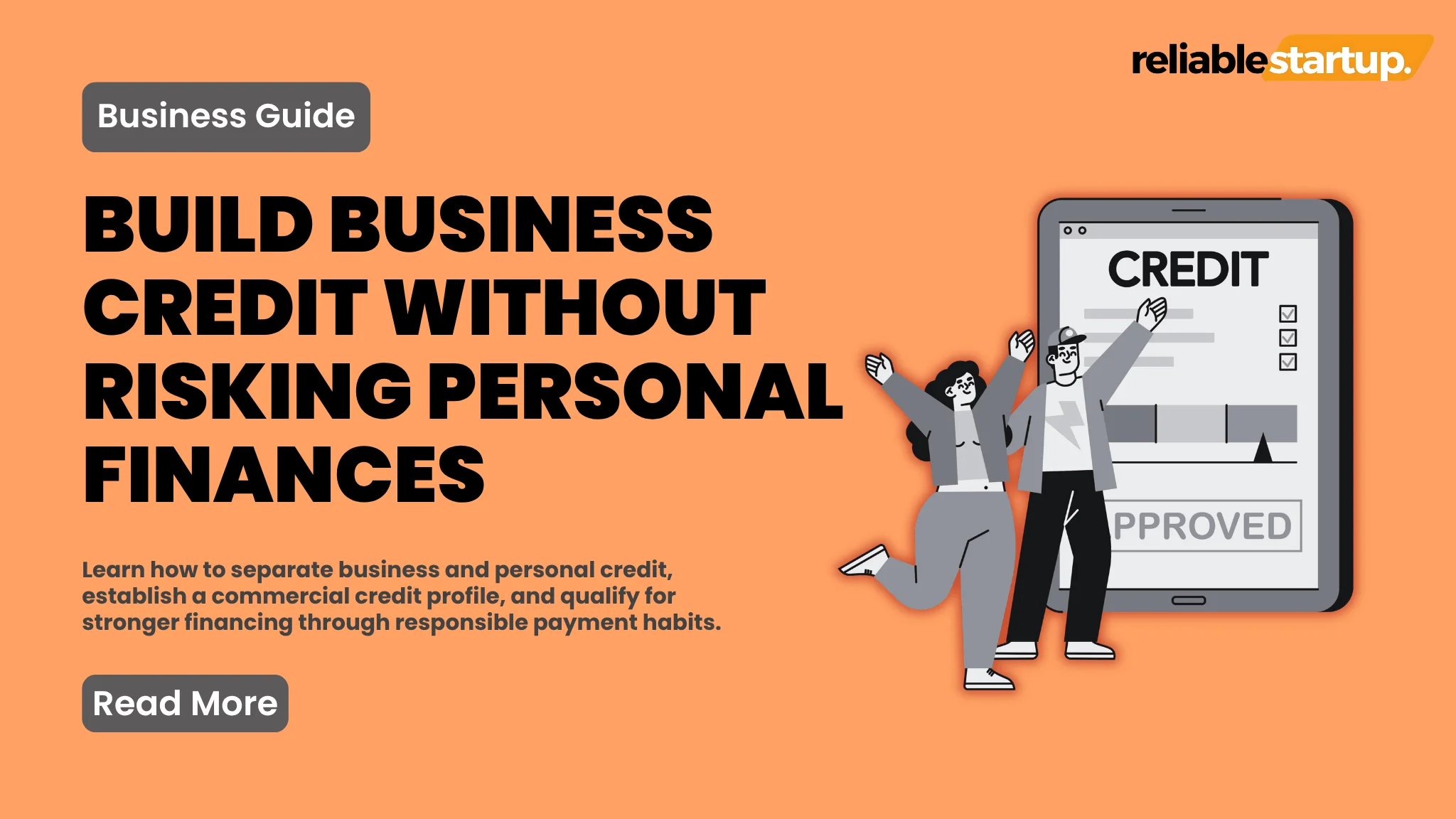
When starting a company, many entrepreneurs rely on personal credit cards or personal savings to fund early operations. Relying on personal accounts creates unnecessary financial risk and limits your long-term expansion potential. Asking yourself how to build business credit is the first step toward securing true financial independence for your company.
Understanding how to build business credit allows you to access higher credit lines, secure better supplier payment terms, and shield your personal credit score from commercial debt. Building dedicated company credit requires forming a formal business entity, setting up credit profiles with reporting agencies, and establishing accounts with vendors that report payment histories..
Building business credit separate from personal credit requires forming a distinct legal business entity, securing an Employer Identification Number (EIN), and obtaining a DUNS number. Owners establish credit profiles by working with net 30 vendors that report payment histories to commercial credit bureaus. Maintaining prompt payment schedules builds a strong business credit score, securing larger financing opportunities without personal liability.
Key Takeaways
Separate business entities protect personal financial assets
Obtaining a DUNS number establishes your official business credit file
Net 30 vendors build early payment history fast
Strong business credit scores unlock higher financing limits
Why Separate Business Credit From Personal Credit?
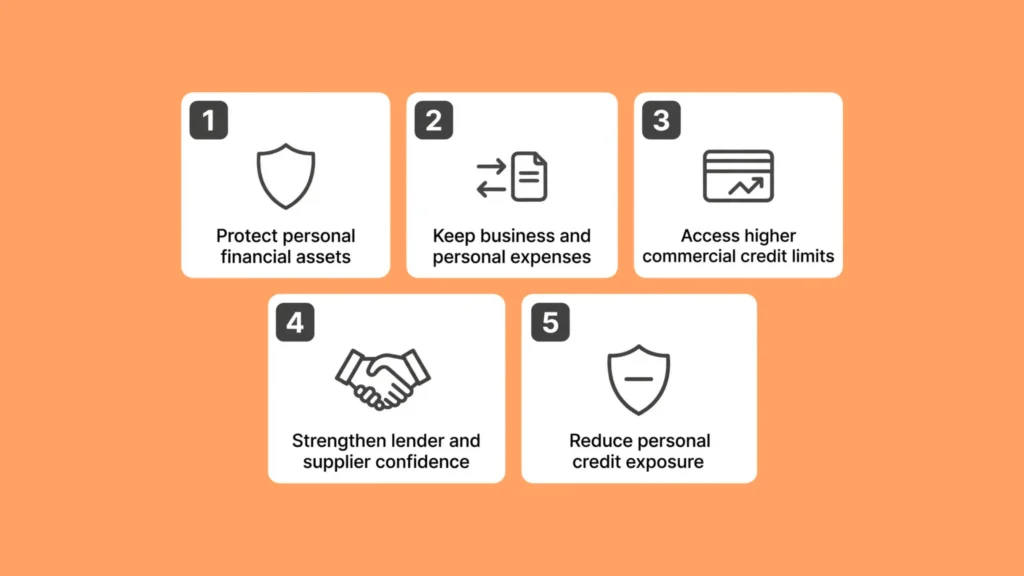
Have you ever wondered what happens if a sudden supply chain delay hits your company cash flow? Relying entirely on personal credit cards means commercial financial strains immediately impact your personal credit score. Separating these profiles protects your personal assets and ensures company expenses stay completely organized. Blending personal and business funds complicates bookkeeping and creates significant administrative stress during tax season.
Developing dedicated commercial credit opens doors to significantly larger funding limits and can strengthen your financing profile when exploring different startup funding opportunities.
Commercial credit bureaus evaluate company revenue and industry risk, often granting credit terms far exceeding personal borrowing limits. Services like reliablestartup.com help expanding brands establish proper entity structures and credit tracking systems early. Building an independent profile gives suppliers and lenders full confidence in your company’s financial health.
Essential Prerequisites Before Applying for Business Credit
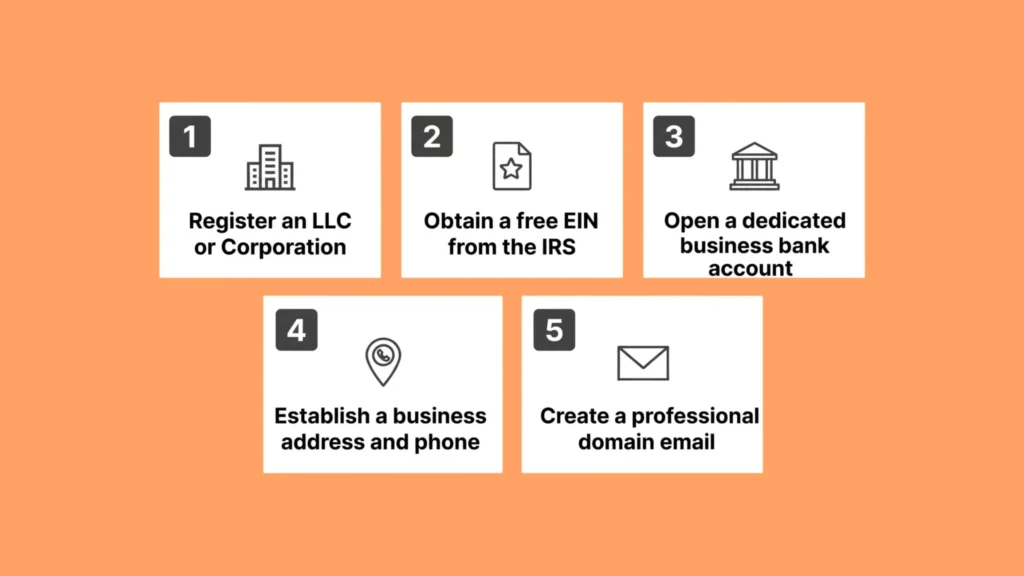
Before applying for vendor accounts or lines of credit, your company must establish a formal operational foundation. Developing a comprehensive business plan also helps organize your financial goals, business structure, and long-term funding requirements. Lenders and credit bureaus verify these details to ensure your brand operates as a legitimate business entity.
First, register your business structure as a Corporation or LLC with your state government. Operating as a sole proprietorship blends personal and business liability, making complete credit separation virtually impossible. Next, apply for a free Employer Identification Number (EIN) directly from the IRS website. This number acts as a social security number for your company, allowing you to open dedicated business bank accounts.
Legal Formation: Register an LLC or Corporation to establish legal separation from personal assets.
Federal Identification: Obtain a free EIN from the IRS to identify your business entity on official tax documents.
Dedicated Banking: Open a commercial checking account using your entity documents and EIN.
Business Presence: Set up a dedicated business address, phone line, and professional domain email.
Establishing Your Commercial Credit File
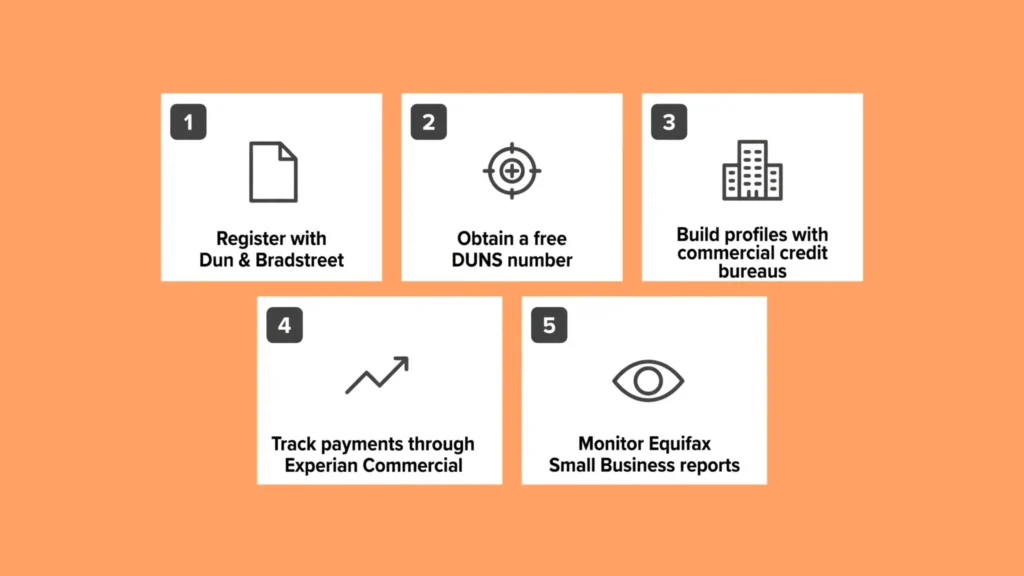
Once your business foundation is complete, you must officially activate your profile with the major business credit bureaus. Commercial agencies operate independently from consumer credit bureaus and require specific company information.
The three primary commercial credit bureaus are Experian Commercial, Equifax Small Business, and Dun & Bradstreet. Each agency calculates a distinct business credit score based on your payment track record and financial records.
To register with Dun & Bradstreet, you must request a unique duns number for your company. This nine-digit identifier creates your official business credit profile and is frequently required by government agencies and enterprise vendors. Registering for your identifier is completely free on the agency’s website. Having an active profile ensures that every vendor account and timely payment contributes directly to your commercial score.
Using Net 30 Vendors to Build Credit History Fast
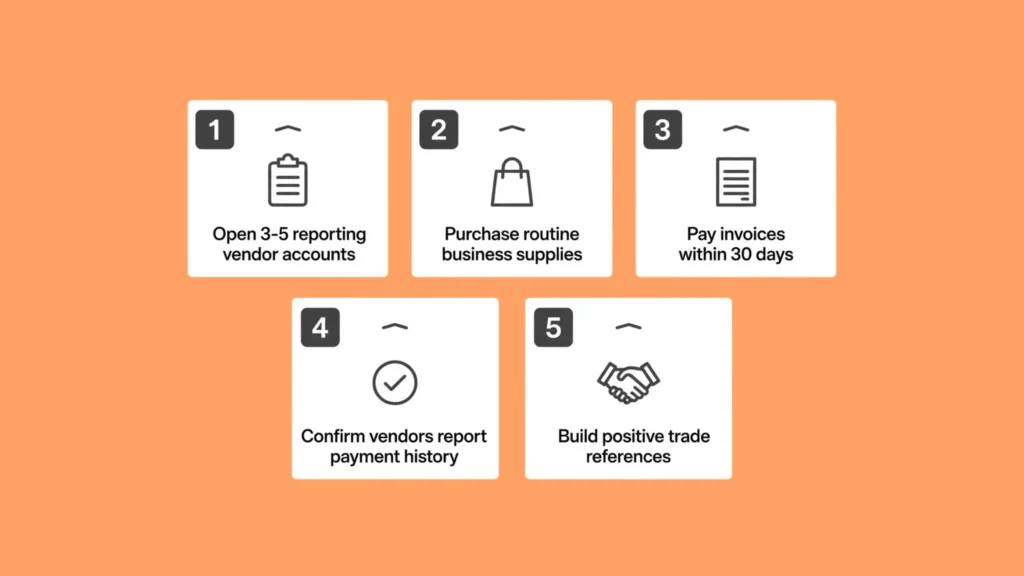
The fastest way to build credit without pre-existing credit history is by establishing trade accounts with net 30 vendors. These suppliers extend short-term financing, allowing you to buy inventory or office supplies and pay the full balance within 30 days.
Unlike consumer credit applications, many vendor accounts do not require personal credit checks or personal guarantees. As long as your legal entity and commercial checking accounts are verified, vendors will extend small starter credit lines.
| Vendor Type | Common Examples | Primary Credit Benefit |
| Office & Shipping Suppliers | Uline, Quill, Grainger | Easy approval processes; regular reporting to major commercial credit bureaus |
| Store & Marketing Vendors | Crown Office Supplies, Summa Office Supplies | Provides everyday business products while building foundational trade reference entries |
How Business Credit Scores Work?
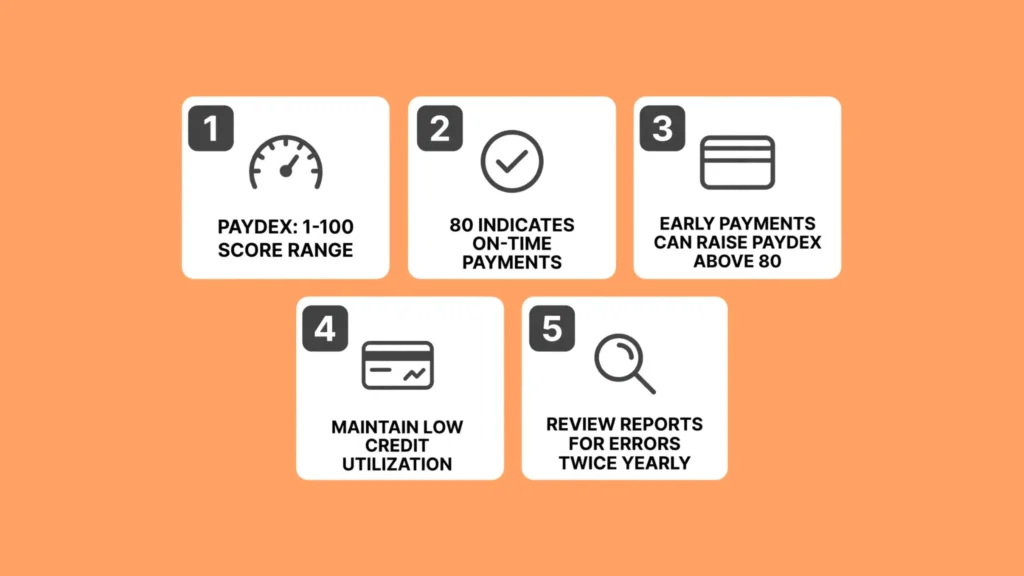
Understanding how commercial credit evaluation differs from consumer credit helps you manage your profile effectively. Consumer scores evaluate personal debt ratios and credit age, whereas commercial scores focus heavily on payment timeliness. The Dun & Bradstreet PAYDEX score ranges from 1 to 100, with a score of 80 representing prompt, on-time payments. Paying your invoices early increases your score above 80, demonstrating exceptional financial stability to potential lenders.
Experian and Equifax evaluate overall credit utilization, total accounts open, and public records like liens or judgments. Keeping low debt balances relative to your credit limits keeps your overall profile healthy and attractive. Regularly reviewing your commercial reports ensures that vendor payments are recorded accurately. Addressing reporting errors promptly prevents incorrect entries from dragging down your overall rating.
Step-by-Step Plan to Grow Your Business Credit Lines

Building strong commercial credit requires a deliberate, step-by-step approach. Following a clear schedule allows you to transition from starter vendor lines to major commercial credit cards seamlessly.
Step 1: Open Initial Net 30 Accounts
Select three to five suppliers that report payment activity to commercial credit bureaus. Place small, routine orders for products your business regularly uses, such as shipping materials or office supplies, while keeping your startup costs and monthly expenses under control.
Step 2: Pay Invoices Well Before the Due Date
Pay your trade invoices as soon as the bill arrives rather than waiting for day 30. Paying early boosts your PAYDEX rating and demonstrates outstanding reliability to trade credit managers.
Step 3: Apply for Business Retail Cards
After establishing three or four positive trade references, apply for store credit accounts with major retailers like Home Depot, Staples, or Amazon. Utilizing guidance from reliablestartup.com simplifies identifying lenders that offer non-guaranteed credit options.
Step 4: Secure Revolving Business Lines
Once your commercial score reaches a strong baseline, apply for traditional revolving business credit cards and bank lines of credit. These accounts provide flexible working capital without impacting your personal borrowing power.
Common Pitfalls to Avoid When Building Business Credit
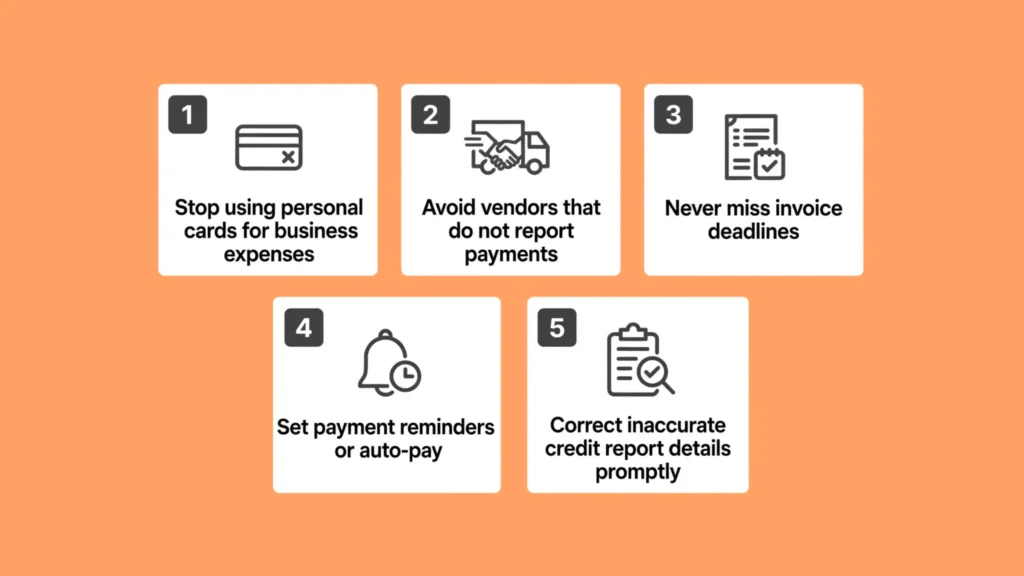
Many entrepreneurs make simple mistakes that delay their commercial credit growth. Avoiding these common traps keeps your credit strategy moving forward without unexpected setbacks. Using personal credit cards for business expenses prevents your company from building its own independent history. Always charge company expenses to dedicated business accounts to ensure your activity gets reported properly.
Another common mistake is failing to verify whether vendors report payment history to credit bureaus. Working with vendors that do not report payment data leaves your credit file completely blank despite making timely payments.
Lastly, missing payment deadlines damages commercial credit scores far faster than consumer scores. Setting up automated calendar reminders or auto-pay options prevents accidental late payments from harming your rating.
Managing and Maintaining Your Business Credit Profile
Maintaining strong commercial credit is an ongoing operational process as your brand grows. Regularly auditing your credit files ensures your business remains fully qualified for competitive financing rates. Review your commercial credit reports at least twice a year through major bureau monitoring portals. Catching misreported balances or outdated address information early protects your brand reputation.
As your revenue expands, request credit line increases from existing trade vendors and credit card issuers. Higher available limits improve your overall credit utilization ratios and strengthen your financial standing.
Partnering with resources like reliablestartup.com keeps your financial strategies aligned with evolving commercial lending requirements. Maintaining a proactive approach guarantees your company always has access to the capital required for future growth.
Frequently Asked Questions
How long does it take to build business credit from scratch?
Establishing an active commercial credit profile generally takes between one to three months after opening trade accounts and reporting timely payments.
Can I build business credit with bad personal credit?
Yes, you can build business credit independently because vendor accounts and trade credit focus primarily on company revenue and business payment history.
What is a good commercial credit score?
A Dun & Bradstreet PAYDEX score of 80 or above indicates on-time payments, while scores above 80 represent early invoice settlements.
Is a DUNS number required to get business credit cards?
While not always mandatory for store cards, having a active DUNS number helps lenders verify your business file faster and speeds up approvals.
Conclusion
Building dedicated business credit is one of the smartest investments you can make for your company’s future. By establishing a formal entity, securing a commercial registration number, and maintaining early payment habits with trade vendors, you protect your personal assets while building a strong financial foundation. Taking these proactive steps ensures your growing business always possesses the financial backing needed to capture new market opportunities.
About The Author