Furniture Rental Business: How CORT Built a Billion-Dollar Brand (Lessons for Startups)
The concept of ownership is shifting dramatically. From streaming software to ride-sharing, modern consumers and businesses are choosing flexible access over rigid ownership. This exact behavioral shift has fueled an absolute boom in the furniture rental business usa landscape, turning a once-overlooked niche into a multi-billion-dollar market. For entrepreneurs looking to capture recurring cash flow, the furniture asset class offers one of the most reliable wealth-building frameworks available today.
When analyzing the undisputed heavyweight of this industry, all roads lead to one name. The legendary cort business model has successfully scaled into a billion-dollar enterprise by mastering logistics, asset lifecycle management, and corporate contract negotiation. By studying how they systematically conquered everything from residential relocations to massive commercial operations, early-stage startups can find an actionable roadmap to launch, fund, and scale their own profitable rental ventures.
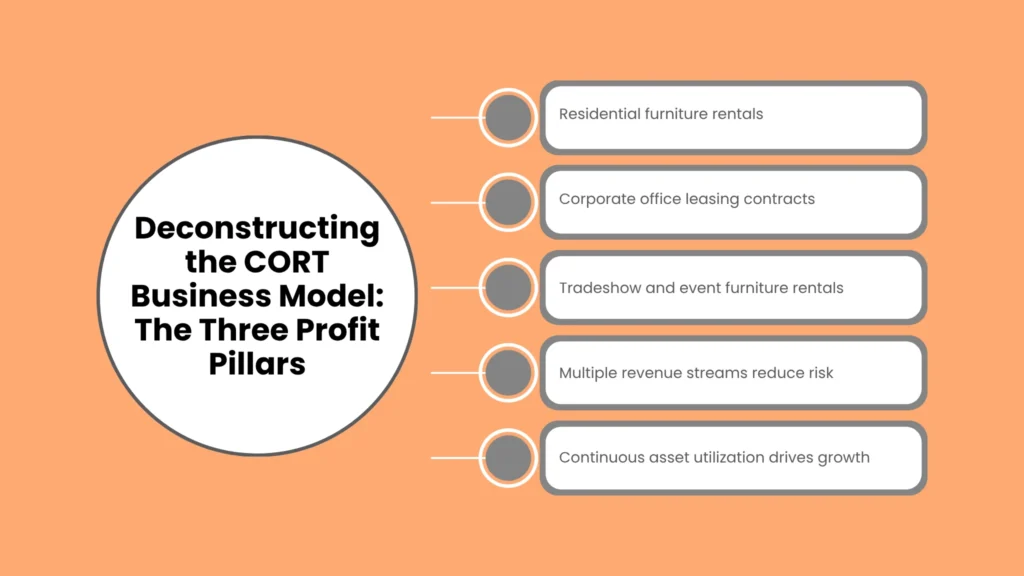
Deconstructing the CORT Business Model: The Three Profit Pillars
CORT didn’t achieve its massive valuation by simply renting out a few couches to local college students. Instead, they built a highly resilient business infrastructure by dividing their operations into three highly strategic revenue channels. This diversification protects the company from localized economic downturns and ensures their physical inventory is constantly generating maximum revenue.
1. Residential and Relocation Rentals
This B2C pillar serves individuals in active life transitions, such as traveling nurses, military families, international students, and corporate executives on temporary assignments. Instead of forcing these individuals to endure the extreme financial burden and physical hassle of buying, moving, and eventually selling furniture, CORT provides complete, move-in-ready residential packages.
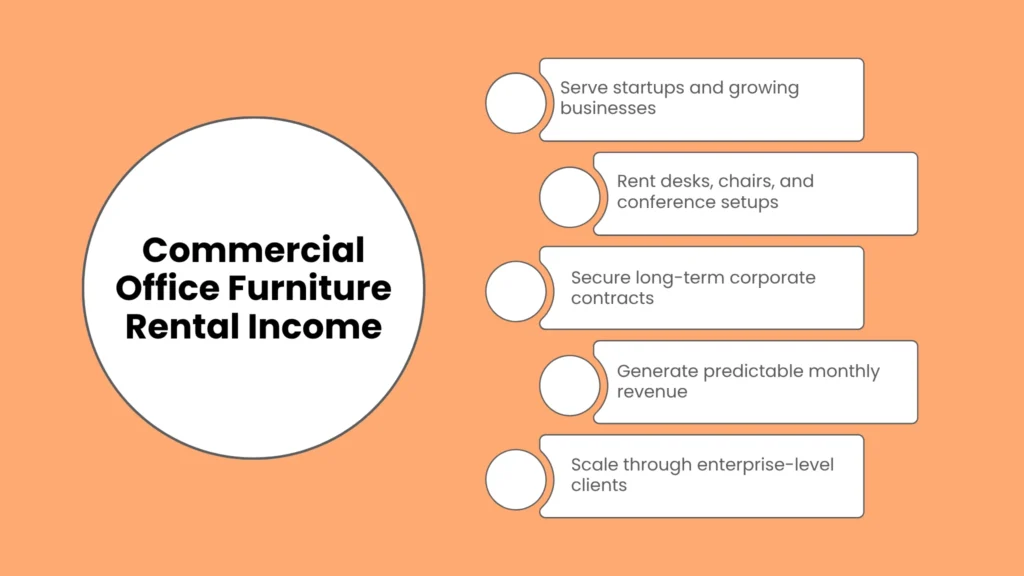
2. Commercial Office Furniture Rental Income
The commercial sector is where the business transitions from steady to highly lucrative. Startups, growing tech firms, and temporary corporate offices heavily utilize workplace leasing solutions. Generating a consistent office furniture rental income stream allows a business to capture enterprise-level contracts where clients rent hundreds of workstations, ergonomic chairs, and conference room setups simultaneously for multiple years.
3. Tradeshow and Event Infrastructure
The third pillar targets high-margin, short-term rental opportunities. Large conventions, corporate events, and trade shows require massive amounts of premium, matching furniture for just a few days at a time. Because these events operate on extreme time constraints, providers can command massive premium pricing structures that include substantial delivery, setup, and teardown fees.
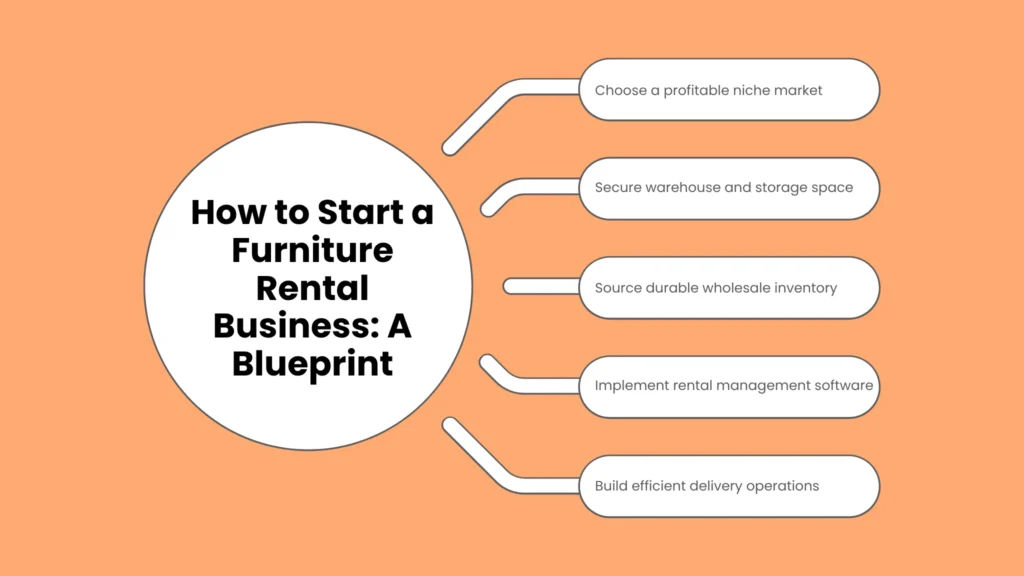
How to Start a Furniture Rental Business: A Blueprint
While the numbers behind the industry are incredibly attractive, launching a physical asset leasing operation requires careful planning and precise execution. If you want to know how to start furniture rental operations that survive the critical first year, you must build your foundation around inventory efficiency and localized market logistics.
The Asset Velocity Advantage: Home staging inventory experiences substantially less physical wear and tear compared to standard residential rentals. The furniture sits inside unoccupied, pristine homes solely for marketing photography and weekend open-house viewings.
This significantly extends the operational lifespan of your assets, allowing you to recover your initial capital expenditure within a few short months while maintaining the pieces in showroom-quality condition.
The Golden Metric: The Asset Lifecycle Strategy
The real secret to building a billion-dollar brand like CORT lies in mastering the complete lifecycle of the physical product. In a traditional retail store, a piece of furniture is bought once, sold once, and the profit margin is strictly capped. In a sophisticated asset-leasing model, a single piece of inventory generates revenue multiple times across completely separate markets over its multi-year operational lifespan.
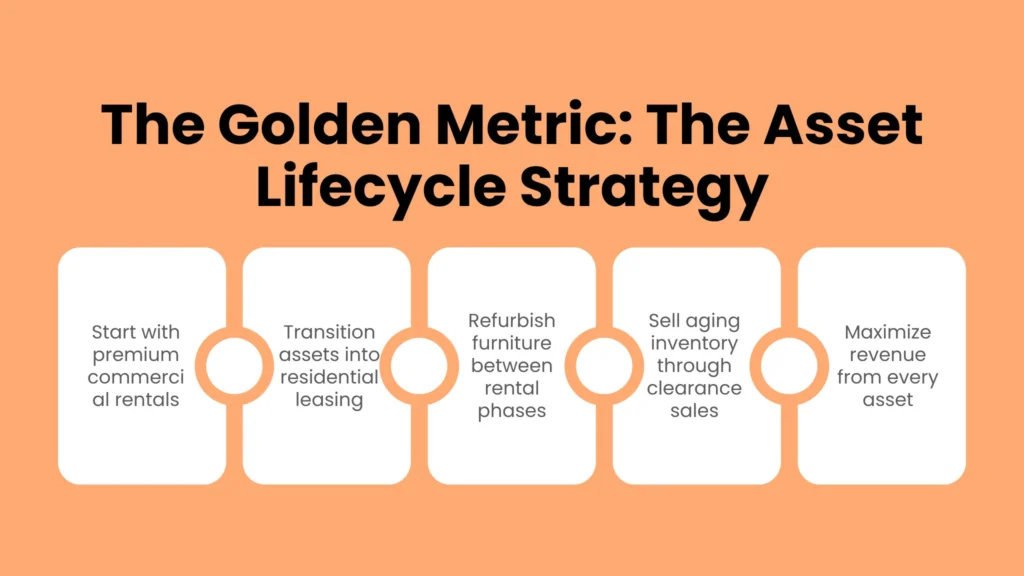
When a premier item is brand new, it is rented out at top-tier premium rates to corporate clients or high-end event planners. Once that initial long-term contract concludes and the item shows minor signs of cosmetic wear, it is meticulously refurbished and transitioned into the secondary residential or student housing pool.
Finally, when the piece reaches the end of its optimal rental lifespan, it is transferred to an outlet center and sold to consumers as a used item. This brilliant closed-loop ecosystem extracts maximum total revenue from a single asset while driving your acquisition costs down to zero over time.
Conclusion
Building a sustainable, high-growth enterprise in the modern economy requires moving past transactional sales toward predictable, recurring revenue frameworks. By examining the massive success of the luxury market, it’s clear that treating physical furniture as a scalable service rather than a one-time product unlocks incredible financial leverage.
Whether you decide to target corporate clients to capture steady office returns or partner with real estate professionals for specialized staging packages, following clean operating tenets will help you protect your working capital. Focus on asset durability, automate your backend operations with modern rental software, and design a clear lifecycle path for every item to ensure your startup builds a highly valuable, long-term brand.
To keep up with actionable asset-tracking guides, emerging business models, and step-by-step operational blueprints designed explicitly for modern founders, explore the latest investigative feature articles over at Reliablestartup to scale your business with confidence.
Frequently Asked Questions
What are the average profit margins for a furniture rental startup?
Well-managed furniture leasing operations typically experience net profit margins hovering between 40% and 60%, driven entirely by the highly predictable nature of recurring monthly contracts and strategic asset reusability.
How do rental businesses handle broken or severely damaged inventory?
Standard practice requires including a mandatory or optional monthly damage waiver fee (typically 10% to 15% of the rental cost) directly in the contract, which funds minor restoration work or completes asset replacements.
What is the typical investment recovery period for leased furniture assets?
Most commercial-grade rental pieces completely recover their original wholesale acquisition cost within 12 to 18 months of active deployment, turning all subsequent rental cycles into pure net profit.
Can a startup launch a furniture rental business from a home garage?
While you can start a highly localized boutique staging business using a large home garage, scaling to commercial or residential contracts requires a dedicated commercial warehouse space to handle volume logistics safely.
Where can I access more strategic business breakdowns for startup founders?
You can discover step-by-step industry analyses, financing strategies, and modern operational breakdowns by visiting our central repository at reliablestartup.com.