Best Espresso Beans for Home Brewing: 7 Top Picks

A satisfying home shot starts with beans that suit the way you like to drink coffee, not just a bag marked “espresso.” Your machine, drink style, and taste all shape the cup, so the label alone cannot pick the right coffee for you. The best espresso beans for home brewing might be a familiar medium roast or a bright, light coffee. Your palate comes first.
The resting period is the time after roasting when coffee releases trapped gas before brewing. This matters because freshly roasted beans may need a few days before they brew well. We’ll help you compare flavor notes, roast styles, and specific coffees, then choose a useful starting point for your setup.
Key Takeaways
- “Espresso” describes a brewing method, not a bean species.
- Choose a roast and flavor profile that suits your usual drink.
- Medium roasts offer a comfortable starting point for many home baristas.
- Super-automatic machines usually suit dry-surfaced medium or medium-dark beans.
- Rest espresso beans about 5 to 14 days after roasting.
- Use a measured shot recipe, then adjust the grind by taste.
Flavor preference matters more than a label, especially when you drink the coffee with milk or water. Start with a profile you already enjoy in another coffee drink, then adjust from there.
Best Espresso Beans for Home Brewing: How to Choose
Espresso describes how coffee is brewed, so the beans do not need a special species or label to work in a home machine. Arabica and Robusta can both make espresso, with the roast and recipe shaping the result.
Choose by taste, drink style, and equipment, not by the word “espresso” alone. A roaster’s espresso roast means its suggested roast or blend for espresso, not a separate coffee type.

Treat “espresso” on a bag as a style suggestion, then judge whether its roast and flavor fit your cup.
For a latte, look for notes that can stand up to milk. For a straight shot, consider whether you prefer a round, sweet taste or more brightness.
Your espresso machine also matters. A model with few controls may be less forgiving than one that lets you change temperature and grind settings.
Check the bag’s tasting notes and roast description, then pair them with the way you drink coffee. A roaster’s suggested espresso roast can be a helpful starting clue, but it does not guarantee a flavor you will like.
If you enjoy exploring, single-origin coffee can offer a clear regional character. Blends can give you a planned balance that suits a regular routine. Treat the word “espresso” on a bag as a style suggestion, then judge whether its roast and flavor fit your cup.
Which roast level suits your taste and experience?
Medium roast is a useful first choice if you want sweetness and body without committing to a very dark or very bright profile. It gives you room to notice the coffee’s own flavor while keeping roast notes in balance.
Start with medium roast if you are unsure, then move lighter or darker to suit your taste. Roast affects flavor, but it does not tell you everything about the coffee.

Medium roasts for a balanced starting point
Medium-roast beans often offer sweetness, body, and a mix of coffee and roast character. They can be easier to enjoy in straight shots when you are still learning what you like.
Bean Box lists 72 espresso coffees, with 43 medium roasts, 21% dark roasts, and 19% light roasts. That mix shows what the marketplace carries, not which roast tastes best.
Medium roast does not mean every bag tastes alike. One may lean toward cocoa, while another brings fruit or nuts. Read the notes before you put a bag in your cart.
Light and dark roasts for distinct flavor preferences
Light roasts can bring brighter acidity and more floral or fruit-like flavor. They may suit you if you enjoy a lively cup, though they can be less forgiving during brewing.
Dark roast brings deeper roast notes, often with a fuller, more bitter taste. It may suit you if you like cocoa, toasted flavors, or a strong roast character.
Check these three details on a bag before choosing:
- Roast level: light, medium, or dark.
- Tasting notes: flavors such as fruit, chocolate, or nuts.
- Description: whether it stresses brightness or body.
Acidity is a flavor sensation, not a sign that coffee has gone bad. A bright coffee can taste crisp, while a dark roast may feel rounder and heavier.
Personal taste matters more than a roast’s popularity or reputation. If you are new to dialing in shots, begin with the roast whose flavor notes already sound appealing.
Which beans work best for lattes and Americanos?
A latte usually needs a fuller, sweeter profile than a straight shot because steamed milk softens delicate flavors. Chocolate, nuts, and caramel can remain clear after milk enters the cup.
Choose beans for the finished drink, not just for the espresso alone. A balanced medium roast can suit many uses, while medium-dark coffees often work well with milk.
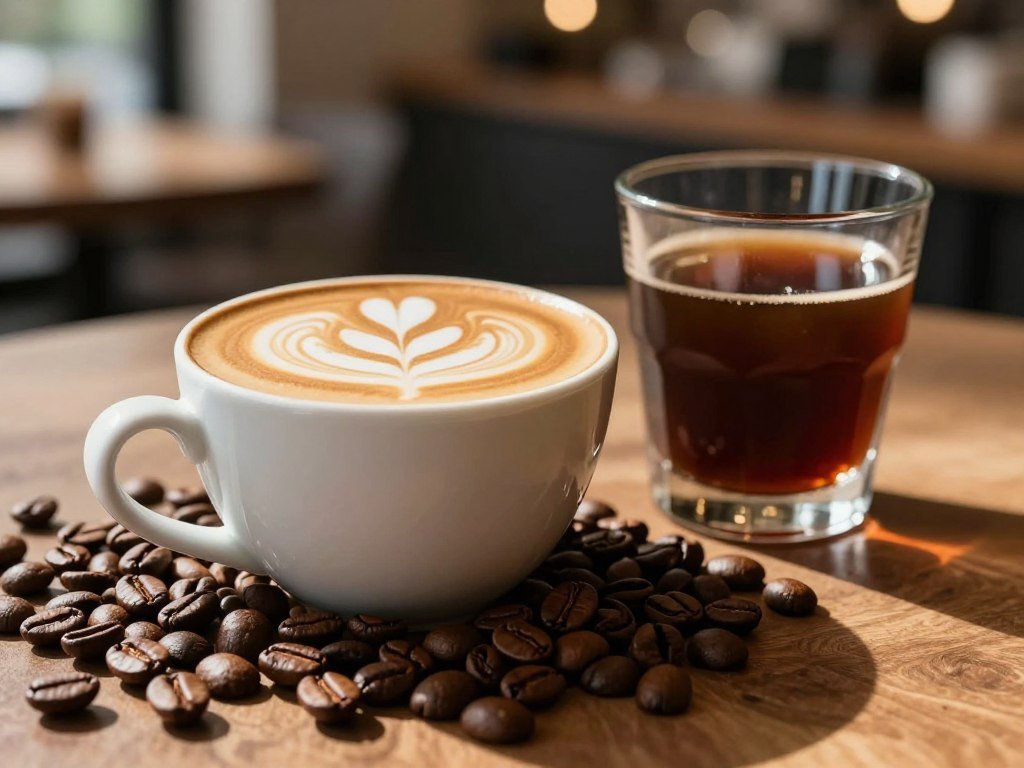
Beans for lattes and cappuccinos
For lattes and cappuccinos, look for medium to dark coffee with chocolate-, nut-, or caramel-forward notes. Those flavors can carry through steamed milk without requiring the shot to taste sharp.
A double espresso is about 2 ounces. One menu example pairs it with about 3 ounces of steamed milk for a cortado, about 6 ounces for a cappuccino or flat white, and about 10 ounces for a latte.
Those amounts are examples, not fixed recipes. Cafe recipes vary, and milk texture changes how the drink tastes as well as how it feels.
The 2026 Global Coffee Awards had separate Flat White Dairy and Flat White Alternative categories. Those categories reflect that coffee can pair differently with dairy and plant-based milk.
A coffee that tastes clear with dairy may seem more or less sweet with another milk. Choose tasting notes that suit the milk you usually pour.
Beans for Americanos and straight shots
For an Americano or straight shot, a balanced medium roast is a versatile pick. A brighter coffee can also work if you enjoy a more vivid, fruit-forward taste.
An Americano example adds about 8 ounces of hot water to a double espresso. Cafes use different recipes, so the water amount can change the drink’s strength and balance.
Water makes the espresso taste less concentrated, but it does not erase its character. Choose a coffee whose flavor you enjoy before adding water.
Use the proportions as a guide, then adjust the amount to your cup and taste. Choose the bean for the finished drink, including the kind of milk you actually use.
Should you choose a blend or a single origin?
Choose a blend for a more consistent everyday profile, or a single origin when exploring a distinct regional taste matters more. Both can make good espresso, but they offer different kinds of choice.
A blend combines coffees to build a chosen balance. A single origin highlights a more specific regional profile, which can make its flavor more distinct and its shots more variable.

A roaster may adjust a blend to keep its taste steady across batches. That can make it a practical daily option if you want a familiar cup.
Ceremony Coffee Roasters’ Thesis is a Colombian-Brazilian espresso blend with sweet, chocolate, and brown-sugar notes. It is one named example, not a standard that every blend needs to match.
Single-origin coffee lets you focus on a place’s flavor character. The result may shift more from bag to bag, and you may need to adjust your recipe as the coffee changes.
Try each style for a different reason:
- Choose a blend for repeatable everyday shots.
- Pick a single origin to explore flavor in straight espresso.
- Try a new origin when your grinder lets you make small changes.
For a first daily bag, select a blend whose tasting notes match the way you usually drink espresso. If you plan to serve it at a cafe, a guide to starting a coffee shop also covers building a core espresso blend.
Which seven coffees suit different home espresso styles?
For a chocolate-led shot, Bearded Lady offers a dark roast profile, while Kuma Coffee’s Bright Blend is the light-roast choice for fruit and floral notes. These seven bags span different cups, so compare their stated notes with the drinks you make.
Match each coffee’s listed style to your preferred flavor and brewing routine. The table names the roast or style and the kind of cup each profile may suit.
| Coffee | Roast or style | Tasting notes | Best fit |
|---|---|---|---|
| Bearded Lady | Dark roast | Cherry, vanilla, cocoa powder | Dark, cocoa-forward shots |
| Breaker One 9 | Medium roast | Stone fruit, chocolate, jasmine | Balanced, layered shots |
| Milk Money | Latte-oriented espresso | Caramel, black cherry, chocolate | Milk-based drinks |
| Gran Miscela Carmo | Medium, Brazilian-forward blend | Milk chocolate, caramel, praline | Sweet, round espresso |
| Bright Blend | Light roast | Berry, floral, citrus | Brighter, fruit-led shots |
Longshoreman’s Daughter makes Bearded Lady as a dark roast with cherry, vanilla, and cocoa-powder notes. That profile may suit you if you want roast depth with a touch of fruit and sweetness.
Broadcast Coffee Roasters’ Breaker One 9 is also called Johnson House Blend. Its medium roast brings stone-fruit, chocolate, and jasmine notes, making it a more layered choice than a simple cocoa-led profile.
Stamp Act’s Milk Money is designed for lattes and brings caramel, black-cherry, and chocolate notes. Those flavors give the coffee a clear place in milk drinks, where subtle notes can fade.
Caffe Lusso’s Gran Miscela Carmo is a medium, Brazilian-forward blend. Milk chocolate, caramel, and praline notes make it a sweet, round option for someone who prefers a softer profile.
Kuma Coffee’s Bright Blend takes a different route. The light roast has berry, floral, and citrus notes, which make it a fit for drinkers who enjoy a brighter cup.
Boon Boona’s Jebena Blend combines Ethiopian and Tanzanian beans in a medium-dark blend. Its caramel, nutmeg, and bittersweet-chocolate notes suit a cup with spice and deeper sweetness.
Ruby Coffee Roasters’ Creamery Blend is a medium roast with cherry, fig, and almond notes. Its fruit-and-nut profile may appeal if you want a cup that feels balanced but not centered on chocolate.
These descriptions point to different styles, not a single winner for every machine or palate. Match the stated flavor notes to your preferred cup before choosing a bag.
What do global coffee awards tell you?
Huracán Coffee of Lithuania took the overall 2026 World Championship title, while Stamp Act Coffee won the separate Espresso Blend category. The awards name competition winners, not a universal favorite for every home setup.
A competition result can help you find a roaster, but your machine and palate decide personal fit. The 2026 Global Coffee Awards used separate categories for different coffee styles.
The 2026 World Championship results
The World Championship placed roasters from Lithuania, Greece, and Colombia in its top three. The Global Coffee Awards describes a competition with blind judging by qualified judges.
| Place | Roaster | Country |
|---|---|---|
| First | Huracán Coffee | Lithuania |
| Second | KAFEA TERRA | Greece |
| Third | Café Cultor | Colombia |
The 2026 World Championship result gives buyers a concrete set of roasters to explore. It does not tell you whether a coffee will taste right in your own cup.
The Espresso Blend category winner
Stamp Act Coffee won the 2026 Espresso Blend category with Regina. The blend combines Heirloom, Yellow Catucai, Castillo, Caturra, and Colombia varieties.
The winner is a useful answer to “best espresso beans in 2026” when you mean the category result. The best espresso in the world for one judge may not suit your home setup or taste.
Competition coffee can be a good starting point if you want to try a recognized roaster. A highly praised flavor profile still needs to suit your recipe and the way you drink coffee.
Read awards as a signal of judged quality within a competition, not a promise of your favorite cup. Treat a competition result as a useful name to explore, then choose by the cup profile you enjoy.
What should you use in a super-automatic espresso machine?
A dry-surfaced medium or medium-dark coffee is usually the easier starting point for a super-automatic machine. These beans suit a narrower range of grind and temperature settings than many manual setups.
Choose beans with no visible oil sheen to limit residue in the grinder path and brew group. Oily beans can leave buildup on grinders, chutes, and brew groups, raising cleaning needs and affecting grind consistency.
Limited temperature and grind controls can make light, high-acidity coffees taste sour or under-extracted. Automatic machines generally handle chocolate-, nut-, and caramel-forward coffees more reliably.
Before buying, check three things:
- Look for a dry surface on the beans.
- Avoid beans with a visible oil sheen.
- Choose chocolate, nut, or caramel notes for reliable extraction.
A shiny bean is not always a poor coffee, but its surface can matter to your machine. The oil can cling to parts that move or guide the coffee through the brew process.
Keep your cleaning routine suited to the machine maker’s directions. If the beans look shiny with oil, expect more frequent cleaning of the grinder path and brew group.
How fresh should coffee beans be?
Look for the roast date and allow espresso beans a short resting period before brewing. About 5 to 14 days after roasting is a useful resting window for espresso.
Whole coffee beans generally taste best within the first month or so after roasting. Resting lets trapped gas release; waiting too long lets aroma and flavor fade.
The Specialty Coffee Association explains that carbon dioxide leaves roasted beans quickly, then more slowly. After grinding, much of that trapped gas escapes within minutes.
Buy whole bean coffee with a clear roast date, then grind only what you need for a shot. Ground coffee loses freshness faster because more of its surface meets air.
Freshly roasted coffee may need a few days to settle before brewing well. That is different from leaving a bag open until its flavor fades.
Stale coffee is not a health risk. It can taste flat and extract poorly, so your shot may lack the flavor and crema you expect.
Store beans in a closed bag or container between uses, away from heat and moisture. Buy an amount you can use within roughly the first month after roasting.
How do you dial in a home espresso shot?
Start with 18 g in and 36 g out, then use the shot time and taste to decide what to adjust. About 28 seconds is a useful starting point, not a rule for every coffee or machine.
A fast, thin, sour shot usually needs a finer grind, while a very slow, harsh shot may need a coarser grind. Espresso uses finely ground coffee brewed with hot water under pressure.
Use this four-step starting recipe:
- Weigh 18 g of whole coffee.
- Grind it fine for your espresso machine.
- Stop the shot when 36 g of espresso comes out.
- Note the time and taste before making a small grind change.
The Specialty Coffee Association’s barista skills training uses a 20- to 30-second range for its exam espresso parameters. Your machine and coffee may need a different time for a balanced cup.
A shot that runs too quickly may taste sour and thin because water moved through the coffee too fast. Move the grind finer by a small amount and pull another shot.
A shot that takes too long can taste harsh. Make the grind slightly coarser, then see whether the flow and flavor improve.
Crema can give you a quick visual clue, but it does not tell you the full story. Use taste and flow together, and change one grind setting at a time so you can tell whether the next shot improved.
Which coffee brands and bags are worth comparing?
Lavazza Classico is a practical medium-roast option to compare, while shoppers who prefer specialty profiles can start with the taste notes that match their usual drink. Brand names are a starting point, not a guarantee that a roast will suit your cup.
Compare roast, flavor, and drink style before choosing a bag. Bean Box lists espresso coffees from 35 specialty roasters, with prices that offer a marketplace snapshot.
Bean Box’s 72 listed coffees range from $17.95 to $26.45 per bag, with an average price of $21.25. Those figures describe its listed coffees, not every bag named here.
Familiar and classic packaged options
| Coffee | Roast or origin | Stated flavor or style | Useful fit |
|---|---|---|---|
| Lavazza Classico | Medium, Arabica-Robusta | Dried fruit, nuts | Packaged everyday espresso |
| Molten Caramel Coffee | Dark, 100% Arabica | Baker’s chocolate, dark toffee, caramelized sugar | Dark, sweet flavor |
| Velvet Cocoa Coffee | Medium, Colombian Arabica | Cocoa, cane sugar, soft chocolate | Gentler cocoa profile |
| Lavazza Super Crema | Italian-style blend | Crema consistency | Crema-focused blend |
| Illy Classico Espresso | Single blend | Balanced, approachable espresso | Easygoing classic style |
Lavazza Classico blends Arabica and Robusta coffees from South America and Africa. Its medium roast and dried-fruit and nut notes make it a grocery-store coffee beans option to compare.
Kaffico’s Molten Caramel Coffee is a dark-roast, 100% Arabica blend from Mexico, Guatemala, and Brazil. Baker’s chocolate, dark toffee, and caramelized sugar give it a sweeter, deeper profile.
Kaffico’s Velvet Cocoa Coffee is a medium-roast, 100% Arabica coffee from Colombia’s Huila and Cauca regions. Cocoa, cane sugar, and soft-chocolate notes give it a gentler flavor than the dark roast.
Lavazza Super Crema is listed as an Italian-style blend for crema consistency. Illy Classico Espresso is a balanced, approachable espresso made from a single blend.
Specialty profiles for different preferences
Taste of Home names Onyx Coffee Lab Monarch Blend its best coffee for espresso. It is a medium-dark Colombian and Ethiopian Arabica blend with dark-berry and chocolate notes.
Gimme! Coffee’s Leftist Espresso is certified organic and Fair Trade. It brings cherry, toffee, and chocolate notes to the cup.
Stumptown Hair Bender is a specialty espresso blend with complex, rotating origins. Intelligentsia Black Cat Espresso is a single-origin espresso option for experienced home baristas.
The best espresso coffee brand depends on your preferred roast, flavor, and drink. Lavazza Classico gives grocery shoppers a medium-roast packaged choice to compare, while specialty bags offer more varied notes.
Read the roast date and flavor description together. A familiar brand name cannot tell you whether a bag matches your usual cup.
Compare the roast date and flavor description on the bag before deciding which option fits your routine.
Conclusion
The best starting bag is the one whose flavor suits your usual drink and whose roast your machine can handle. You do not need a bag marked “espresso” to brew espresso at home.
Use tasting notes to narrow your choices, then consider how milk, hot water, or a straight shot will change the cup. A clear roast date also helps you plan when to brew the beans.
Keep your first choice simple. Pick a flavor profile you already enjoy, and use the result to guide your next bag.
Choose one fresh whole-bean bag, pull a measured test shot, and adjust the grind to your taste.
FAQ
Are espresso beans different from regular coffee beans?
No, espresso beans are regular coffee beans brewed with hot water under pressure. Arabica and Robusta can both work in an espresso machine. A roaster may use “espresso” to suggest a roast or blend for that brewing style, but the label does not name a separate bean species. The coffee’s roast, flavor, and recipe shape the result in your cup.
How long should espresso beans rest after roasting?
Let espresso beans rest about 5 to 14 days after roasting before brewing. During that time, the beans release trapped gas, which can affect how a shot flows and tastes. Resting is not the same as waiting until the coffee goes stale. Whole beans generally taste best within the first month or so after roasting, so use them while their aroma remains clear.
Can light-roast coffee work in a home espresso machine?
Yes, light-roast coffee can work in a home espresso machine, though it may take more care to brew well. Its high acidity can taste sour or under-extracted when a machine offers few temperature or grind adjustments. If your machine allows changes, small adjustments may help balance the shot. A brighter cup can be rewarding when that flavor suits you.
Should I use a blend or a single-origin coffee for espresso?
A blend is often a practical daily choice because a roaster combines coffees to create a planned balance. Single-origin coffee is a good pick when you want to explore a distinct regional flavor. Its taste may vary more, and you may need to adjust your grind as you brew. Choose the style that fits your routine and interest.
How do I know if beans are too oily for my espresso machine?
Visible oil sheen on beans is a reason for extra caution, especially with a super-automatic espresso machine. Oils can leave residue in the grinder path, chute, and brew group, which may increase cleaning needs and affect grind consistency. A dry-looking surface is a safer starting point for many automatic machines. Check the machine maker’s care guidance when choosing beans.
Can stale coffee beans make you sick?
No, stale coffee beans are generally a taste and extraction problem, not a health risk. As beans age, they can lose aroma and taste flat. The shot may also flow or extract poorly, so it may not taste like the coffee you expected. Keep an eye on the roast date and buy an amount you can use while the beans still taste fresh.
What is a good starting espresso recipe for home brewing?
Start with about 18 g of coffee in and 36 g of espresso out in about 28 seconds. Use finely ground coffee, then pay attention to both the shot’s flow and taste. A fast, thin, sour shot often calls for a finer grind, while a very slow, harsh shot may need a coarser grind. Make one small change at a time.
About The Author