Best Beaches in Thailand: 15 Top Picks for Your Trip
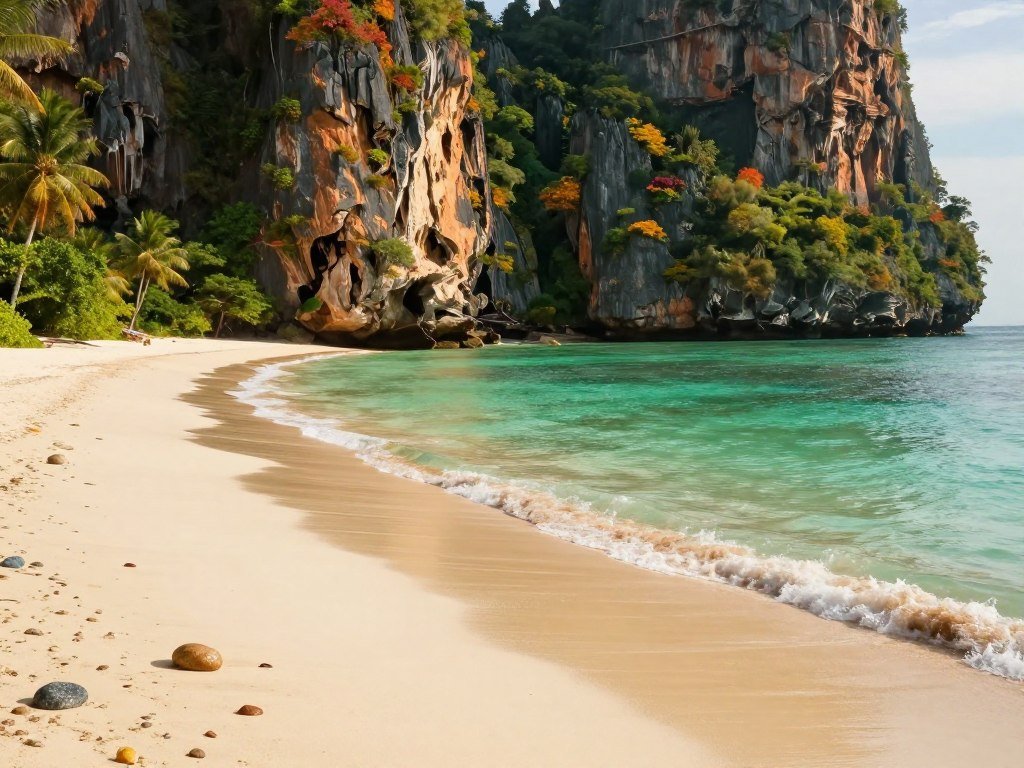
Thailand’s best-known beach images range from limestone-framed coves to long, quiet island shores. The best beaches in Thailand span the Andaman Coast, the Gulf of Thailand, and eastern islands, so your choice can shape the whole trip. A monsoon is a seasonal wind pattern that shifts rainfall and sea conditions.
Beach conditions and the feel of a stay vary by location and season. Some places suit boat trips and reef days; others are better for a slow morning near your hotel. This list offers 15 options to help you match the scenery, pace, and activities you want. Use it to narrow down your Thailand itinerary before planning trip details like transfers and overnight stops. Keep your preferred travel month and the pace you want in mind as you compare the destinations.
Key Takeaways
- Pick a region before adding islands to your route.
- Choose beaches based on the pace and activities you want.
- Protected islands may have seasonal access limits.
- Check local conditions before swimming or snorkeling.
- Allow time for ferry and road transfers.
- Travel month can affect sea conditions and visibility.
Where to Find the Best Beaches in Thailand
For dramatic karsts and island-hopping, start with the Andaman Coast; for a Gulf itinerary, compare Samui, Phangan and Tao. Your route matters as much as the view, since beach destinations can be far apart and may need extra transfers.
Choose one region first, then group nearby islands to keep travel days manageable. Thailand’s best beaches cover a wide range of settings, from cliffs and offshore reefs to long beaches with a slower pace.
Plot the islands you want to visit on one regional map before choosing how many transfers to build into your trip.
| Region | Example destinations | Signature setting | Best fit |
|---|---|---|---|
| Andaman Coast | Phuket, Krabi, Koh Lanta | Karsts and offshore islands | Cliffs and island-hopping |
| Gulf of Thailand | Koh Samui, Koh Phangan, Koh Tao | Gulf islands and bays | Snorkeling and island stays |
| Trat islands | Koh Chang, Koh Kood, Koh Kham | Eastern island shores | A slower beach trip |
On a best beaches in Thailand map, Phuket and Krabi sit on the Andaman Coast, while Samui, Phangan, and Tao lie in the Gulf of Thailand. Koh Chang, Koh Kood, and Koh Kham are farther east in Trat. This simple locator helps you see why crossing between groups can add travel time.
Phang Nga Bay lies between Phuket and Krabi. Koh Yao Yai and Koh Yao Noi sit there, offering quieter island stays for families. The quieter Koh Yao islands are distinct from Koh Phangan, where some beaches have shallow water that extends far from shore.
Andaman Coast for cliffs and island-hopping
The Andaman Coast includes Phuket, Krabi, Koh Lanta, and offshore islands. Its dramatic cliffs and many boat routes make it a natural base for day trips. Thailand’s beautiful beaches also reach inland settings: the country has more than 150 national parks, and Khao Sam Roi Yot National Park pairs beaches with caves, wetlands, marshes, and mangrove forests.
Gulf coast and Trat for a quieter pace
The Gulf region includes Koh Samui, Koh Phangan, and Koh Tao, while Trat offers eastern island stops. Travelers weighing best beaches Thailand choices for families can compare Koh Phangan’s shallow-water shores with the quieter Koh Yao islands. These locations suit different plans, so check ferry routes before adding several islands.
Thailand’s best beaches are spread across different parts of the country, not gathered around one hub. The Gulf of Thailand and Trat are separate areas, and adding both to one short stay can mean more transfers. Plot the islands you want to visit on one regional map before choosing how many transfers to build into your trip.
Which Andaman Sea Beaches Belong on Your List?
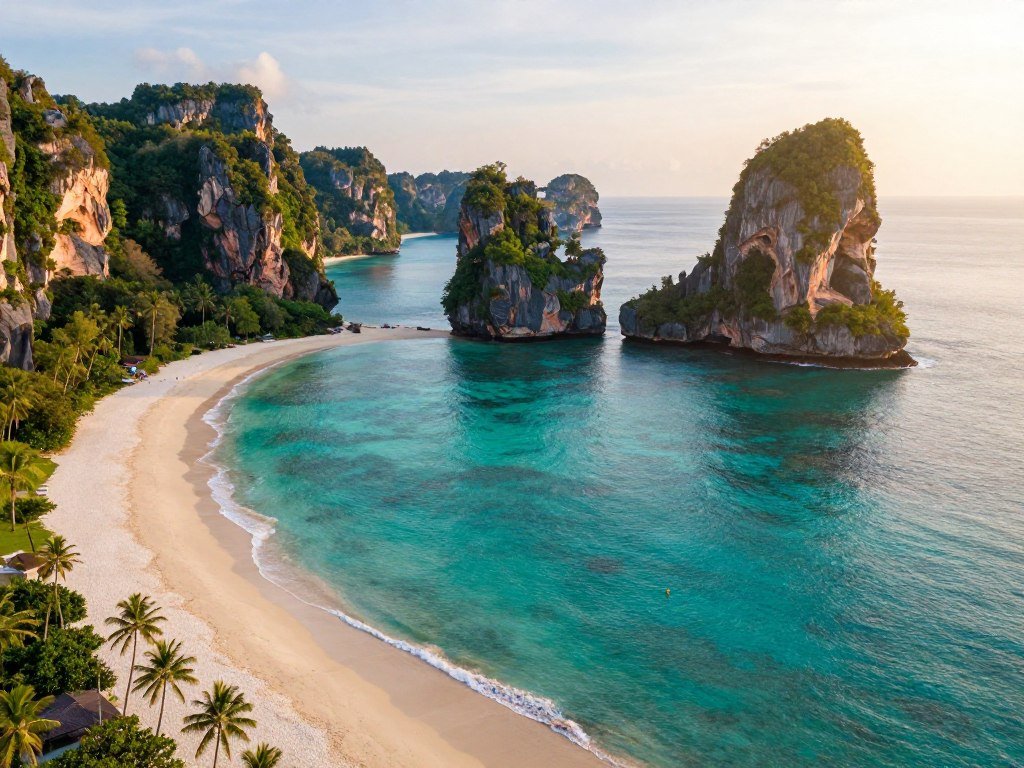
Choose Phra Nang for cliff-framed scenery, Koh Rok Yai for a reef-and-island day, or Freedom Beach for a tucked-away Phuket cove. These picks range from famous bays to more remote shores, with different access needs and activities.
Maya Bay on Phi Phi Leh allows no swimming or snorkeling inside the bay. Check park rules before booking, since protected island access can change with the season.
Famous bays and cliff-framed shores
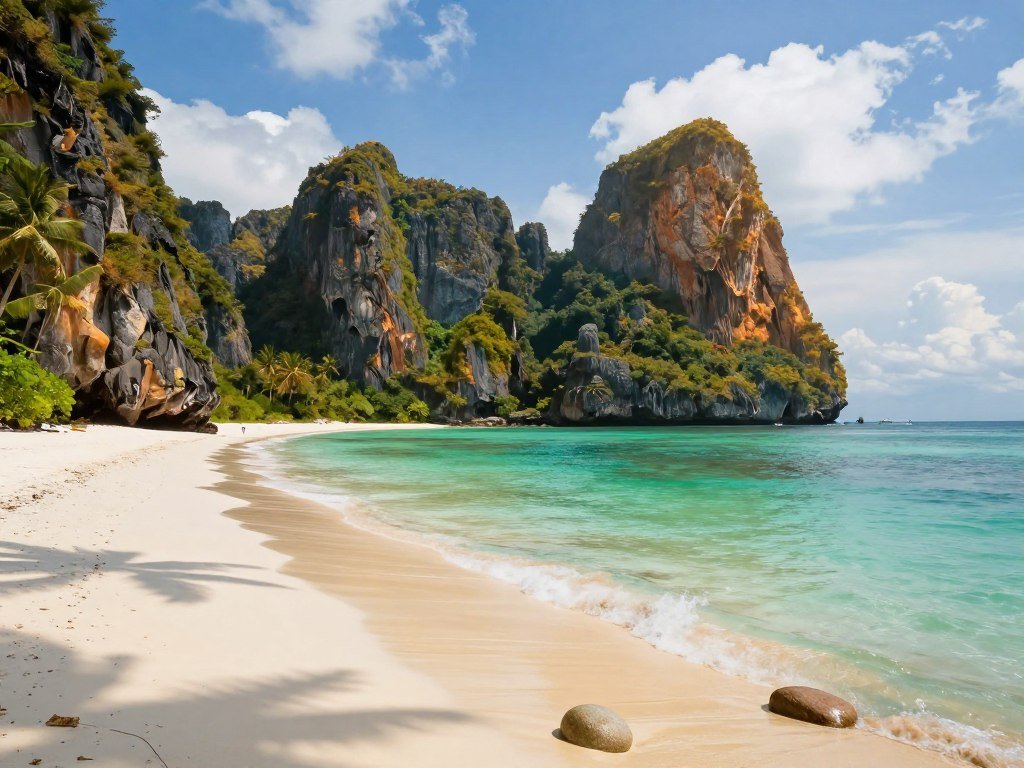
- Railay and Phra Nang: Railay is boat-access only, with limestone cliffs framing pale sand. Phra Nang is a strong choice for dramatic scenery, while Railay’s beach area suits visitors who want a boat-linked stay.
- Maya Bay: This famous cove sits on Phi Phi Leh, where swimming and snorkeling are prohibited inside the bay. Tours also stop at nearby Pileh Lagoon and Bamboo Island, making the trip worthwhile without a bay swim.
- Freedom Beach: This secluded Phuket beach offers a quieter alternative to busier beach hubs. Reach it by boat or a steep trail, so it suits travelers who are comfortable with a less direct approach.
- Kantiang Bay on Koh Lanta: The broad bay feels relaxed and works best for swimming at high tide. At low tide, rocks appear along the shore, changing the feel of a beach day.
- Main Beach on Koh Ngai: A good pick for a quiet island stay, with pale sand and a simple shoreline. It suits visitors who want to slow down rather than fill the day with town stops.
Maya Bay beach landings are closed from August 1 through September 30, 2026, with reopening scheduled for October 1, 2026. Tours continue during the closure, but they do not land at the bay. The annual closure aligns with the southwest monsoon and gives the reef, beach, and coastal plants time to recover. Visitor numbers are capped at around 4,000 people per day.
For a quick shortlist, the top 5 beaches in Thailand from this Andaman list are Phra Nang, Maya Bay, Freedom Beach, Kantiang Bay, and Main Beach on Koh Ngai. The top 10 beaches in Thailand from these picks add the five below, with a mix of reef days and quieter island shores.
Reef islands and quieter coves
- Donald Duck Bay in the Similan Islands: Its landmark rock and sheltered sand make it a memorable stop for visitors on a park boat trip. Mu Ko Similan National Park generally closes from mid-May to mid-October each year.
- Paradise Beach on Koh Kradan: Pale sand meets vivid water and reef scenery, making it a lovely choice for a relaxed island day. Visibility can change with weather and nearby runoff.
- Koh Rok Yai Beach: The clear-looking shallows and reef views make this a rewarding day trip from Koh Lanta. Trips often include Koh Rok Noi, Koh Rok Yai, and Koh Haa, where shallow reefs and a lagoon sit between the central islands.
- North Point Beach on Koh Lipe: This quieter stretch suits visitors who want time by the sea without staying in the island’s busiest area. Its open view and nearby reef make it a good base for a low-key day.
- Beaches of Koh Surin Nuea: Choose these shores for a more remote island visit with reef scenery. The Similan Islands have their strongest underwater season from December through April, while the park’s annual closure limits access at other times.
For the Phuket query, Freedom Beach is the secluded option among these picks, unlike the island’s busier beach hubs. The Andaman Sea has plenty of scenery, but protected areas have their own access rules. Check the current park access rules before booking a trip to a protected island.
Which Gulf and Eastern Islands Suit Your Trip?
Couples seeking a slower stay can compare Koh Kood and Koh Yao Yai, while Koh Chang offers an eastern-coast route that includes overland travel and a ferry. These islands suit a quieter beach break, a family stay, or an itinerary built around the Gulf.
For a Bangkok-area beach route, consider Koh Chang, but plan for both road travel and a ferry. Five picks below offer very different shorelines, from sandbars to broad beaches.

- Bang Bao Beach on Koh Kood: This sheltered horseshoe bay makes a calm-looking setting for a slow beach day. It suits couples and other travelers who want a quieter stay rather than a packed schedule.
- Koh Kham’s beaches: This small island has two beaches, with dark rocks set against pale sand. The contrast makes it a distinctive stop for visitors who want a short boat outing and time by the shore.
- Nang Yuan Island near Koh Tao: Three small islets join by sandbars, creating a striking shape from above. It is a good fit for a day visit, especially if you want to combine beach time with nearby snorkeling.
- Klong Prao Beach on Koh Chang: A wide, open beach gives you room to stroll and settle in for an easy afternoon. Koh Chang is worth considering from Bangkok, but reaching it involves overland travel and a ferry.
- Laem Haad Beach on Koh Yao Yai: At low tide, a long sandbar stretches from shore and gives the beach its distinctive look. Check the tide before planning a walk across the exposed sand.
Koh Tao offers more snorkeling choices beyond Nang Yuan. Its named spots include Tanote Bay, Hin Wong Bay, Mango Bay, Aow Leuk, Shark Bay, and Sai Daeng. A stay on Koh Tao can suit travelers who want several different bays without changing islands each day.
More Gulf island options
Koh Phangan has snorkeling beaches at Mae Haad, Salad Beach, Yao Beach, and Chao Phao Beach. Mae Haad connects to Koh Ma by a sandbank, so the two shores can feel like one outing when the tide exposes the strip.
Families can look at Koh Phangan beaches where shallow water extends far from shore. The island’s southeast corner around Haad Rin gets busiest around Full Moon events, so choose another area for a quieter stay. Koh Yao Yai and Koh Yao Noi are calmer family alternatives in Phang Nga Bay.
Koh Kood and Koh Yao Yai make strong choices for couples who prefer a slower setting. Koh Chang adds an eastern-coast option for a trip that begins near Bangkok, though the ferry and overland legs need space in your schedule. Check the tide before planning a sandbar visit, since the exposed walk depends on low water.
When Can You Swim and Snorkel Safely?
January through April is a useful broad snorkeling window, but a sheltered beach and the day’s actual conditions matter more than the calendar alone. Local conditions can shift quickly, even during a usually favorable stretch.
Swim only when local conditions and posted guidance indicate it is safe. The Marine Water Quality Index communicates whether seawater is suitable for swimming, and the index should not be below 50.

Andaman Coast seasons
The Andaman Coast’s strongest snorkeling season generally runs from December through April. June through October is more weather-dependent, with rough seas and rainfall or runoff that can reduce visibility near shore.
Reef areas around Koh Rok Yai and Koh Kradan offer vivid underwater scenery, but clear water is not guaranteed every day. Wind, rain, and runoff can affect nearshore visibility, even when an island has a strong reef setting.
Gulf of Thailand seasons
The Gulf of Thailand generally has a strong snorkeling window from January through April. June through September can also bring workable conditions, while October through December is often less predictable.
That timing differs from the Andaman Coast, so a trip that combines both regions may meet changing sea patterns. Check conditions for each stop rather than assuming one season works the same way across the country.
Day-of conditions and swimming checks
Early morning often brings lighter winds and a smoother sea surface than later in the day. A sheltered bay can feel calmer than an exposed beach nearby, but conditions can still change quickly.
Clear-looking water does not prove that seawater is safe for swimming. Follow local flags and posted guidance, and check the water-quality reading.
Thailand’s Pollution Control Department monitored 210 coastal sites in its 2025 assessment. The 2025 water quality assessment rated 31% of sites Good, 60% Fair, and 9% Polluted or Highly Polluted.
Beach cleanliness also changes by place and day, so check the shoreline and local advisories. Carry out your litter rather than leaving it on the sand. If a kayak trip is part of your plans, the operator should have life jackets and rescue gear; this kayak rental equipment checklist covers key items for operators.
For clear-water expectations, reef islands can be appealing, but weather and runoff still matter more than a beach’s usual reputation. Recheck local flags and water-quality guidance on the day you plan to enter the sea.
Conclusion
A memorable Thailand beach trip starts with choosing the coast that fits your pace. You will have a better time by matching the region and beach style to your plans than by trying to reach every famous stop.
First, pick the kind of stay you want, such as a quiet island break or a route with boat trips and reef days. Then check the travel month before booking transport, since the season can shape sea conditions and access. Pick one region and travel month, then build the rest of your itinerary around those choices.
FAQ
What is the most picturesque beach in Thailand?
Phra Nang Beach is one of Thailand’s most picturesque shores, with limestone cliffs, karst views, and pale sand. The steep rock walls give the bay a dramatic frame, while the beach remains easy to pair with a Railay visit. Railay is reached by boat, so plan your arrival around local boat service and your accommodation.
Where not to go in Thailand right now?
Maya Bay beach landings are closed from August 1 through September 30, 2026, with reopening scheduled for October 1. Treat that date as scheduled, not confirmed, and check current park access rules before you book. Tours continue during the closure without landing at the bay, so a trip may still include nearby stops.
Which Thai island is best for families with children?
Koh Phangan is a strong family choice because some beaches have shallow water that extends far from shore. Haad Rin is busiest around Full Moon events, so families seeking a quieter stay can choose another part of the island. Koh Yao Yai and Koh Yao Noi offer quieter alternatives in Phang Nga Bay.
Where is the clearest water in Thailand?
Koh Rok Yai and Koh Kradan are good places to look for vivid water and reef scenery. Visibility can change with weather, wind, and runoff, so a clear view is never guaranteed. A sheltered cove may look calmer than an exposed shore on the same day, even within one island group.
What to beware of in Thailand?
Check day-of sea conditions, local flags, and water-quality guidance before entering the water. Clear-looking seawater does not prove that it is safe for swimming. Wind and rain can shift conditions quickly, and a beach that seemed calm earlier may become rough later. Follow posted warnings at the shore.
Can I swim in the ocean in Thailand?
Yes, you can swim when local conditions and posted guidance show it is safe. The Marine Water Quality Index should not be below 50 for seawater to be suitable for swimming. Check the day’s reading and beach warnings, since a generally favorable season does not guarantee safe conditions at every shore.
Are the beaches in Thailand clean?
Cleanliness varies by beach and day, so check the shoreline and local advisories when you arrive. Some beaches may have litter or changing water conditions, while others look clear and well kept. Carry out your own waste, and do not treat clear-looking water as a water-quality reading.
About The Author