Best Roofing Contractors Near You Trusted Local Pros
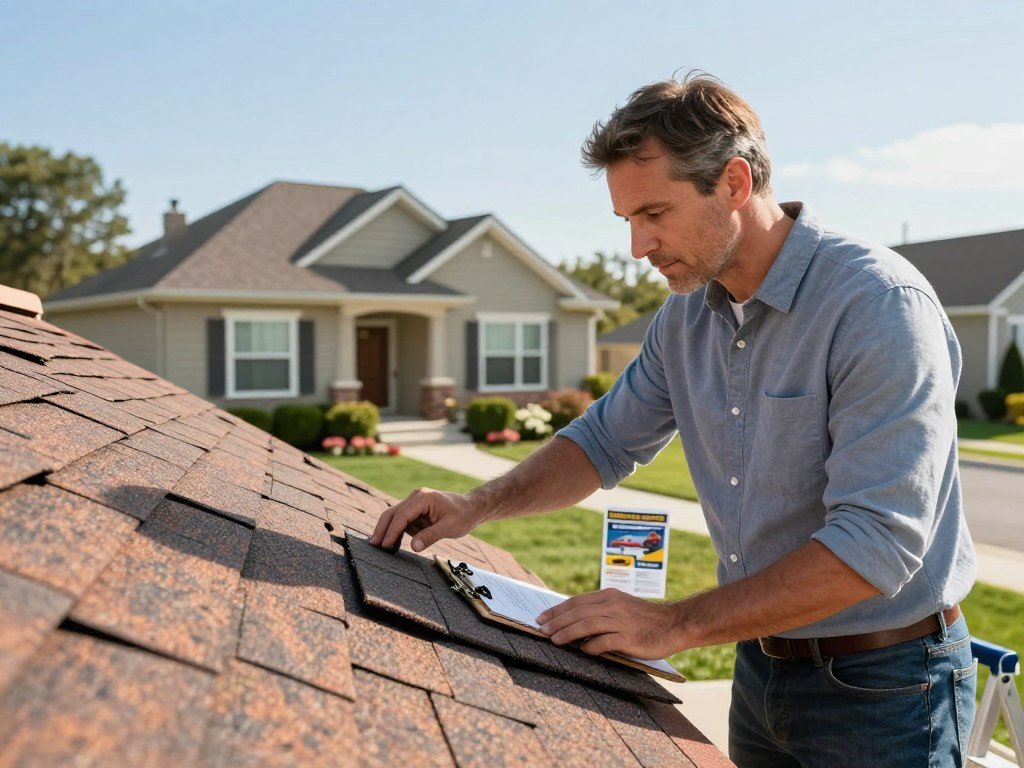
A roof leak or a few damaged shingles can quickly turn a small concern into a decision about repair or replacement. A home’s roof protects its structure, belongings, and comfort, so choosing a roofer deserves care. If you know you need new roof work, first clarify whether you need a repair or a complete reroof, which means roof replacement.
Roof pitch is the slope or steepness of a roof. Roof size, pitch, roofing materials, and installation complexity all affect a replacement. You may need new shingles after a storm, or you may be weighing a full replacement as your roof ages. Either way, the best choice depends on the work and the local provider’s experience.
Use this directory to compare local options, screen companies, and choose a sensible next step. Start by identifying the work your home needs, then compare providers who serve your address.
Key Takeaways
- Confirm a roofer’s service area before booking an inspection.
- Match the requested service to the roof’s condition and your building type.
- Compare written estimates with the same materials and work scope.
- Check credentials, insurance, references, and warranty terms.
- Keep the signed agreement and all project records.
Best Roofing Contractors to Compare First
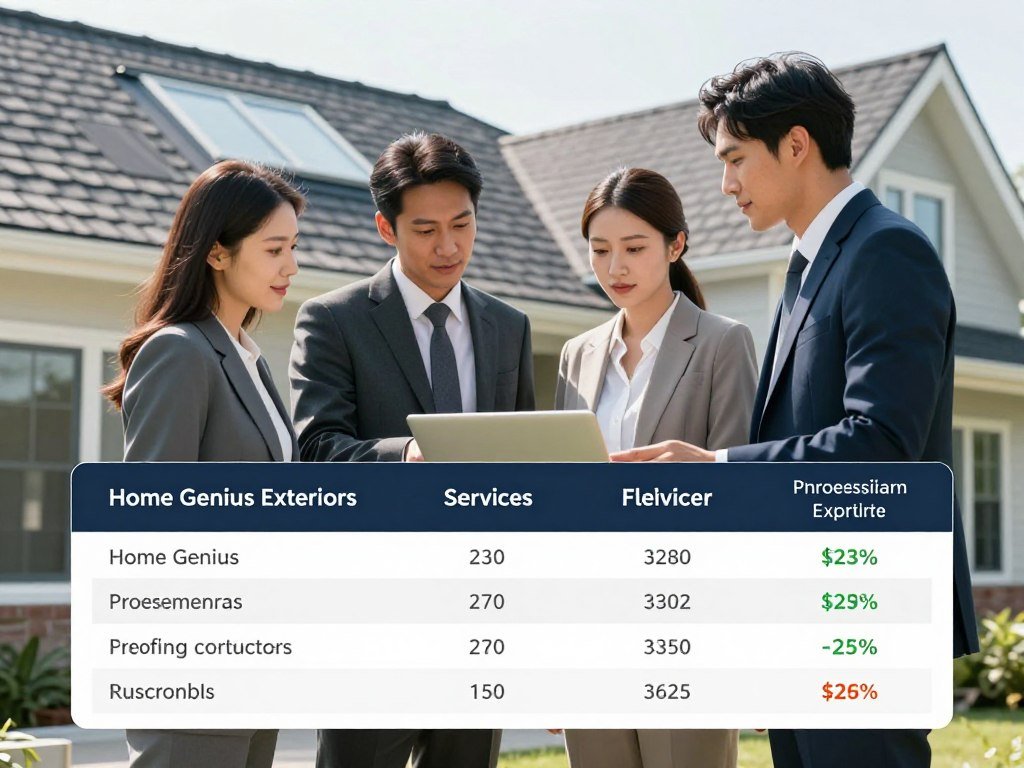
Home Genius Exteriors leads this comparison snapshot with a 9.6 score and 33 user reviews. It is a starting point, not proof that a contractor will suit your home or serve your address. The directory scores and review counts help you compare listed roofing companies, but they cannot confirm workmanship, local availability, or project fit.
Home Genius Exteriors has the highest listed score, while every option still needs a closer check. Use the company name and directory position to organize your shortlist, then look at the roof type and work you need. Local credentials and written terms matter more than a number by itself.
| Company | Overall score | User reviews | Directory position |
|---|---|---|---|
| Home Genius Exteriors | 9.6 | 33 | 1 |
| Anthony C. Leonard Roofing | 7.2 | 42 | 2 |
| Bulldog Roofing – Colorado | 7.1 | 28 | 3 |
| A&A Roofing | 7.1 | 38 | 4 |
| Munz Construction | 7.0 | 30 | 5 |
The remaining five listed contractors give you more names to check. Exterior Pros has a 6.9 score and 21 user reviews. Erie Home has a 6.6 score and 87 reviews.
Reimagine Roofing also has a 6.6 score, with 33 reviews. Advanced Roofing and Decking has a 6.1 score and 31 reviews. American Roofing Company has a 6.0 score and 35 reviews.
A directory score can help sort a shortlist, but it cannot prove workmanship or confirm the right fit for your roof.
Company names may appear across different locations, and services can differ by branch or crew. Before treating any listing as a top choice, check who will inspect your roof and who will perform the work. Ask whether the contractor has handled your material and the shape of your roof.
Then confirm the company’s service area, credentials, and written estimate. The best roofing option for your neighbor may not be right for your home if the company does not take your kind of project. Treat a high score as a starting point, then confirm that the company serves your address and roof type.
How Do You Find Roofers Near You in California or Texas?
A ZIP code and a service-area check usually make a broad roofer listing more useful than a generic citywide result. Start nearby, then confirm that a company actually works in your town. A contractor’s office location or directory listing alone does not show that crews are available where you live.
Use your ZIP code and verify the company’s stated service area directly. California and Texas are separate state markets, so local requirements can differ. A credential or license in one state does not mean the same rules apply in the other.
Finding Contractors in California and Texas
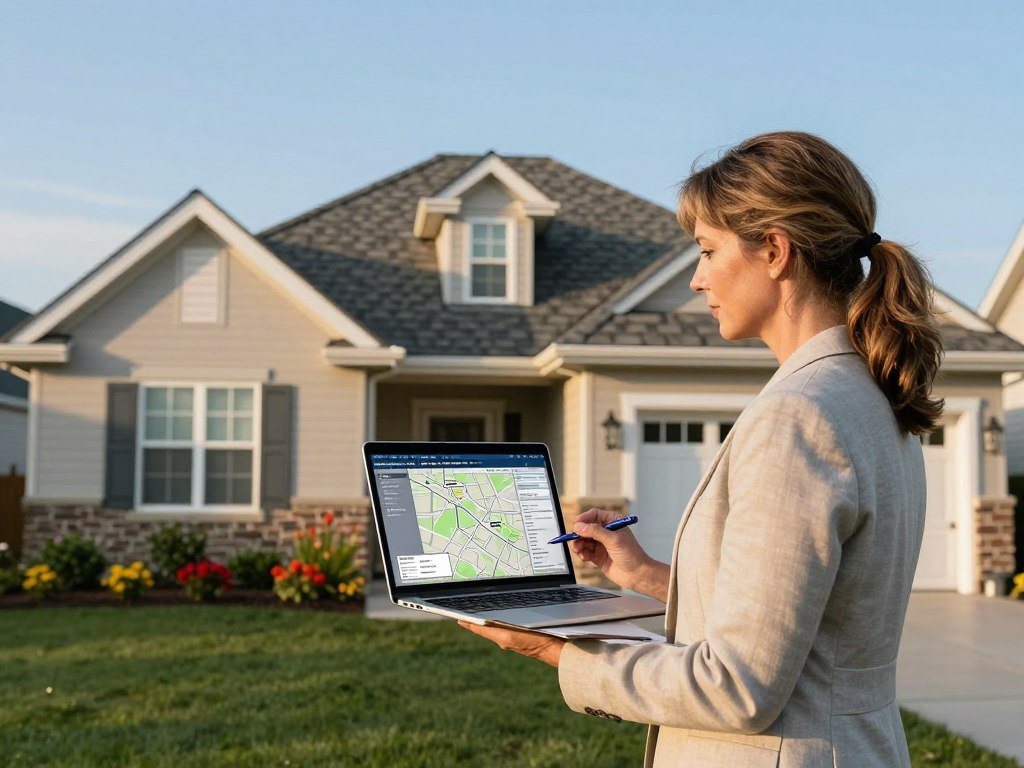
To find the best roofing contractors near you in California, set the search location to your California ZIP code. Use the same method for the best roofing contractors near you in Texas, but check Texas requirements for the location of the job.
Search results can mix contractors from nearby cities with companies that do not serve your neighborhood. Look for a specific town or ZIP code in the company’s stated service area. If the listing names only a broad region, call or send a message before arranging a visit.
Ask whether the company regularly works on homes like yours and what services its local crew handles. A firm may offer roofing in one part of a state but not another. Its office address alone does not tell you whether it can take on your project.
Setting a 20-Mile Search Radius
A search for roofing contractors within 20 miles of me can be a practical first filter. A 20-mile radius may show nearby companies without narrowing the results so much that you miss other local options.
Distance does not guarantee that a roofer accepts work at your address. Some companies cover several towns, while others limit their normal service area. Check the company’s own coverage details, then confirm that your street or ZIP code falls within its usual range.
When you compare results, keep the state and location clear in your notes. That helps you avoid mixing California and Texas requirements or contacting a contractor who cannot reach your home. Before requesting an inspection, confirm that the provider names your town or ZIP code as part of its normal service area.
How Can You Spot Reputable Roofers and Avoid Bad Ones?
A reputable roofer identifies the business, explains the work in writing, and provides clear details about credentials and insurance. Pause before signing if the contractor asks you to commit before describing the job. A contractor who demands a same-day signature before providing a written scope gives you a good reason to pause.
Three specific warning signs deserve extra care: immediate pressure, a large upfront cash request, or refusal to provide written terms. A single sales claim or online rating does not settle whether a company is reliable. Focus on the way the business handles basic questions and records.

Warning Signs of a Bad Roofer
- The contractor pressures you to sign immediately, before you can review the scope.
- The company asks for a large cash payment upfront without clear written terms.
- The contractor is reluctant to put the work, price, or business identity in writing.
Home-improvement fraud can involve pressure to act at once or a request for cash upfront. AARP’s home improvement scam guidance explains common warning signs. Take time to check the business before agreeing to work.
Checks That Support a Reputable Choice
Confirm the legal business name and contact details, then check credentials with the relevant state or local licensing office. Requirements vary by location, and not every area uses the same licensing rules. The Federal Trade Commission’s consumer guidance and the Better Business Bureau can also help you check a company’s identity and complaint history.
Ask for proof of insurance and clarify whether the company or a subcontractor will do the work. Request a written scope that names the roof areas and tasks included. Check references from past customers whose projects resemble yours, especially when the roof has an unusual pitch or material.
Reviews can help, but a rating is not proof of quality. One negative review may describe an isolated problem; repeated reports of missed calls, unfinished work, or poor cleanup deserve closer attention. Read dates and details, and compare them with the contractor’s answers.
Clear company records can also help you manage risk in other home agreements. A written agreement should identify who is responsible for the work and payment, just as clear rental agreement terms set duties between parties.
Ask who will be responsible if the named company hires another crew. Walk away from a provider who will not identify the business responsible for the work in writing.
Which Roofing Services Does Your Project Need?
A small, localized problem may need a repair, while widespread wear or sagging calls for a full assessment. Match the service to the visible condition and the building’s use. A single leak or a few damaged shingles can call for a repair, while widespread wear or sagging deserves a full assessment.
Common roofing services include four main job types:
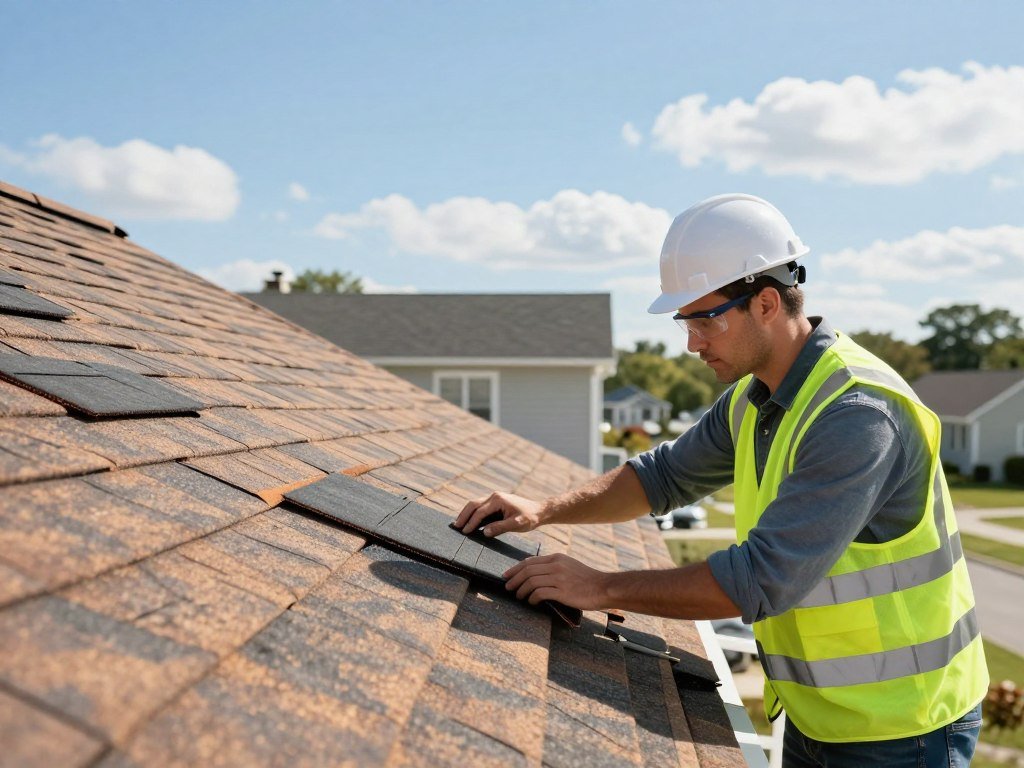
- Repair: fix a limited leak or damaged part of the roof.
- Replacement: remove and install a new roof when broader work is needed.
- Inspection: assess the roof’s condition and identify areas that need attention.
- Storm-damage work: address damage caused by a storm, from temporary protection to repairs.
Repair or Full Roof Replacement
Missing or curling shingles, persistent leaks, sagging, granule loss, and visible water damage all warrant a roof assessment. A roof nearing its expected lifespan may also need an inspection, though age alone does not prove that replacement is due.
A localized repair can address a small damaged area without replacing the whole roof. If damage is widespread, a roofer can assess whether one repair will hold or whether a complete reroof makes more sense. Ask for the reason behind the proposed scope.
A standard asphalt shingle roof replacement typically takes 1-3 days. Complex roof structures, poor weather, or specialty materials can extend the work. Slate roofs, tile, and metal roofing may call for different handling than common asphalt shingles.
Consumer Reports describes tests of asphalt and metal shingles for wind and impact resistance. Its roofing buying guide also discusses tests for asphalt nail pull-through and metal corrosion. Those product tests do not replace an assessment of your home’s roof.
Emergency and Commercial Roofing
Emergency roofing work may first secure the home against water, then return for permanent repairs. Temporary protection can limit further damage, but it is not the same as a completed repair. Clarify what the first visit covers.
Commercial roofing requires a contractor with experience on the building type and roof system involved. A flat or low-slope commercial roof can differ from a house roof in design and repair needs. Ask whether the provider regularly handles the relevant commercial roofing work.
For any job, describe what you can see and when the problem began. Share whether water appears during rain, whether damage is near a vent, or whether several rooms show stains. Ask the roofer to explain why the recommended scope fits the visible damage rather than simply proposing the largest job.
How Much Does a New Roof Cost by Material?
In 2026, U.S. asphalt-shingle replacement is estimated at $4-$10 per square foot, while standing-seam metal is estimated at $12-$30. Material matters, but the roof’s size and shape also affect your total. The estimated totals for a typical replacement range from $8,000-$18,000 for asphalt shingles to $24,000-$60,000 for standing-seam metal.
These 2026 estimates compare materials, not a guaranteed price for your address. Roof size, pitch, complexity, tear-off and disposal, labor rates, and local market conditions affect the final cost. A steep roof with many angles can need more labor than a simple roof with the same area.
| Material | Estimated cost per square foot | Typical total replacement estimate | Cost note |
|---|---|---|---|
| Asphalt shingles | $4-$10 | $8,000-$18,000 | Lowest listed range |
| Synthetic tile | $8-$15 | $16,000-$30,000 | Midrange estimate |
| Stone-coated steel | $10-$18 | $20,000-$36,000 | Steel roofing option |
| Concrete tile | $10-$27 | $21,000-$55,000 | Wide price range |
| Standing-seam metal | $12-$30 | $24,000-$60,000 | Highest listed range |
The listed totals are typical estimates for replacement, not a quote for every roof size. The 2026 per-square-foot estimates show a wide gap between asphalt shingles and standing-seam metal. Your location and the work included can shift a contractor’s estimate within or beyond a typical range.
Roof size can raise the total because more surface needs material and labor. A steep pitch or complex layout can add work, while tear-off and disposal affect the scope. Local labor rates and market conditions also shape the price of the same roofing materials.
Expected service life differs by roofing material, and no lifespan is guaranteed. In 2026, asphalt shingle roofs are estimated to last 15-30 years. Concrete tile commonly lasts 50 years or longer, and standing-seam metal commonly lasts 50-70 years or longer.
Stone-coated steel roofs typically last 40-70 years. Those estimates describe common ranges, not a promise for each roof. Installation, weather, upkeep, and the roof’s setting can affect how long its materials perform.
Compare what each contractor includes, especially removal and disposal, labor, and any changes needed beneath the old roof. A low total may reflect a smaller scope, while a higher one may include extra work. Compare written estimates for the same roof area and scope, since different assumptions can make headline totals misleading.
Which Warranties and Credentials Protect Your Project?
A manufacturer’s warranty covers roofing materials, while a workmanship warranty covers installation. The written terms explain what each one protects and what remedy applies. A warranty’s name or length matters less than the exact work, defects, exclusions, and remedy written into its terms.
Ask what defects each warranty covers and what repair or replacement it promises. Roofing workmanship warranties can range from 5 years to “lifetime” coverage, but the word alone does not define the coverage. The length does not establish which repairs the company will make.
Material Coverage and Workmanship Coverage
The manufacturer’s warranty addresses covered problems with the roofing materials. A workmanship warranty addresses covered installation defects. Read both documents to see how claims work, which costs are included, and what exclusions apply.
In 2026, GAF-certified contractors may offer extended workmanship warranties lasting 25-30 years, depending on the materials installed. The GAF extended warranty range still depends on the products used. A longer term does not, by itself, explain the remedy or covered work.
Ask whether the warranty covers labor, materials, or both for a covered problem. Find out how to report a defect and whether the warranty requires upkeep or limits coverage after changes to the roof. Keep the answers in the written terms.
Licensing, Insurance, and Roof-Type Experience
Check that the contractor meets the local licensing rules for your project. Licensing requirements vary by state and local area, so do not assume a credential transfers from another state. Ask whether the business is bonded and insured, and request current documentation.
Experience with your selected roof type matters. A contractor who mainly installs asphalt shingles may not have the same experience with slate roofs, tile, or standing-seam metal. Ask about similar completed projects and who will lead the installation.
Confirm that the company performing the work is the same business named in your warranty documents. If subcontractors will install the roof, ask who is responsible for workmanship claims. Get both warranties in writing and keep the documents with the final project records.
How Should You Compare Roofing Reviews and Estimates?
Three written estimates are easier to compare when each describes the same roof area, material, and removal work. Use matching scopes so a lower total does not hide missing tasks. Three estimates can show differences in price and work without making a high rating a complete evaluation.
Compare three written estimates with the same materials, tear-off, and labor scope. Many roofing companies offer free inspections, while some charge for detailed reports or insurance-related assessments. Ask about any fee before booking the visit.
Reading Angi Roofing Reviews for Patterns
Angi roofing reviews can reveal repeated comments about communication, installation quality, and cleanup. Look for patterns across several reviews instead of relying on one isolated comment. A repeated complaint about missed appointments may matter more than one vague rating.
Compare review patterns across Angi, Google, and the Better Business Bureau. Pay attention to the detail in each comment and whether similar concerns appear over time. Positive reviews can be useful, but a rating alone cannot confirm the quality of work at your home.
Look for comments about projects like yours, such as a shingle roof replacement or a complex installation. A reviewer may describe how the crew handled debris or explained delays. Those details can help you decide what to ask your own contractor.
Comparing Written Estimates
Check that every written estimate describes the same roof area and roofing material. Confirm whether tear-off and disposal are included, and compare the labor and installation scope. If one estimate excludes a task, its total may not be comparable to the others.
Some companies offer an inspection at no cost but charge for a detailed report or an insurance assessment. The inspection fee can depend on the service requested. Ask what the visit includes before you schedule it.
Review allowances and exclusions as closely as the total price. An allowance may set a budget for an item that could change after work begins. Ask the estimator to identify every allowance or exclusion that could change the quoted scope.
What Should Be in a Roofing Contract Before Work Starts?
Before signing, make sure the contract describes the roof work you actually agreed to, not just a total price. Clear terms tie the price to specific work, materials, and timing. A clear written agreement should identify the scope, materials, price or payment schedule, project timing, and cleanup responsibility.
Do not rely on a verbal promise to define the job. The signed terms should say who handles permits and insurance documents, and how changes to the work will be approved. Local building department rules determine whether a permit is required.
Scope, Materials, and Schedule
Use this five-part checklist before signing:
- Scope: identify the roof areas and tasks included.
- Materials: name the material brand or type, including shingles where relevant.
- Price and payment: state the total price or payment schedule.
- Timing: list the expected start and completion dates or schedule.
- Cleanup: state who removes roofing debris and leaves the work area clear.
Make sure the scope describes removal, installation, and any other work you agreed to. The contract should identify the roofing materials clearly enough to match the estimate. If the work covers only part of the roof, name that area.
Payment, Permits, and Changes
Check the payment schedule against the work stages and the agreed total. Labor rates or unexpected roof damage can affect a project only when the terms allow a change. The contract should explain how the company will price additional work.
Ask who will apply for permits and who will arrange inspections if local rules require them. The building department determines permit needs for your project. Get the responsible party named in the agreement rather than leaving it unclear.
Request insurance documentation for the business and crew handling the job. If a contractor plans to use subcontractors, the contract should make responsibility clear. Written agreements that set duties and payments can reduce disputes, much like written terms for rental risks.
Approve every change to the work or price in writing before the crew carries it out.
Keep copies of the estimate, signed agreement, permit records, payment receipts, and warranty papers together. Those records can help settle questions about the agreed work or final payment. Keep a signed copy and require written approval for any change to scope or price.
Conclusion
A confident roofing decision starts with a provider who can explain the work, the written terms, and why the proposed scope fits your home. Local fit matters, as does comparing estimates that describe the same work. That gives you a clearer basis for weighing the company and the project.
Choose a provider whose service area includes your address and whose experience matches your roof. Then review the written estimate before making a commitment. If the scope or terms are unclear, pause and get an explanation before work begins.
Request a written inspection and estimate from a local provider, then review it before authorizing work.
FAQ
How can I tell whether my roof needs repair or replacement?
A localized leak or limited shingle damage may need repair, while widespread damage, sagging, or persistent water intrusion calls for a professional assessment. Roof age can also help guide the inspection, but it does not prove replacement is needed by itself. Ask the roofer to explain which areas show damage and why the proposed work fits those findings.
Does homeowners insurance cover roof leaks?
Homeowners insurance coverage often depends on what caused the leak and the terms of your policy. Sudden storm damage may be treated differently from gradual wear or neglected upkeep. Take photos of visible damage and note when you first saw the leak. Contact your insurer to learn how your policy handles the event before assuming repairs will be covered.
Can I stay home during a roof replacement?
Many homeowners can stay home during a roof replacement, but expect loud noise and activity around the house. Keep children, pets, and vehicles clear of the work area, where crews may move tools and materials. Ask the contractor which entrances or spaces need to remain open. If noise is a concern, plan time away during the loudest work.
Can roofing work be done in winter?
Some roofing work can be done in winter, but temperature limits, material requirements, and weather can affect the schedule and installation. Cold conditions may change how roofing materials handle or seal. Ask the contractor how the chosen product should be installed in the expected weather. Rain, snow, or unsafe conditions may also lead the crew to delay work.
Should a roofing contractor handle permits?
The contract should state who handles permits, and your local building department decides whether a permit is required. Responsibility may rest with the homeowner or contractor, depending on the agreement and local rules. Ask who will file the application and arrange any required inspection. Keep copies of permits and approvals with your project records.
Can I finance a roof replacement?
Yes, roofing companies may offer loans, payment plans, or financing through a third party. Compare the written interest rate, fees, repayment period, and total amount due before agreeing. A low monthly payment can still cost more over time if the repayment term is long. Review financing terms separately from the roofing estimate, so the job price stays clear.
About The Author