Best SUV Picks for 2026: Top Models Worth Your Money

An SUV can be a daily commuter, a family car, or a weekend trail companion, so the smartest shortlist starts with how you will use it. This comparison spans compact, midsize, and large models, plus hybrid, plug-in hybrid (PHEV), and electric choices. The right vehicle depends on your passengers, driving habits, and budget, not one universal winner.
EPA combined mpg is the EPA estimate that combines city and highway driving into one fuel-economy figure. You will find direct picks for common needs, from affordable city driving to family travel and trail use. Keep your passenger, cargo, and powertrain priorities in mind as you compare the picks.
Key Takeaways
- Match vehicle size to the people and gear you carry most.
- Compare EPA combined mpg for gasoline and hybrid models.
- Check electric range alongside your regular charging access.
- Choose a budget that includes the trim and options you want.
- Use rankings to narrow choices, then test your finalists.
How should you compare SUVs before choosing one?
A useful SUV comparison begins by weighing the same practical factors you will face every day, not by choosing the highest score alone. Daily needs can make comfort or cargo room matter more than quick acceleration. Rankings are a starting point, not a substitute for matching a model to your use.
Car and Driver evaluates roughly 200 data points, including acceleration, handling, comfort, cargo space, fuel efficiency, value, and driving enjoyment. Its rankings combine instrumented testing with editors’ real-world impressions, as shown in its SUV testing criteria. Those measures help compare models, but they do not know your commute or family routine.
What ranking criteria reveal
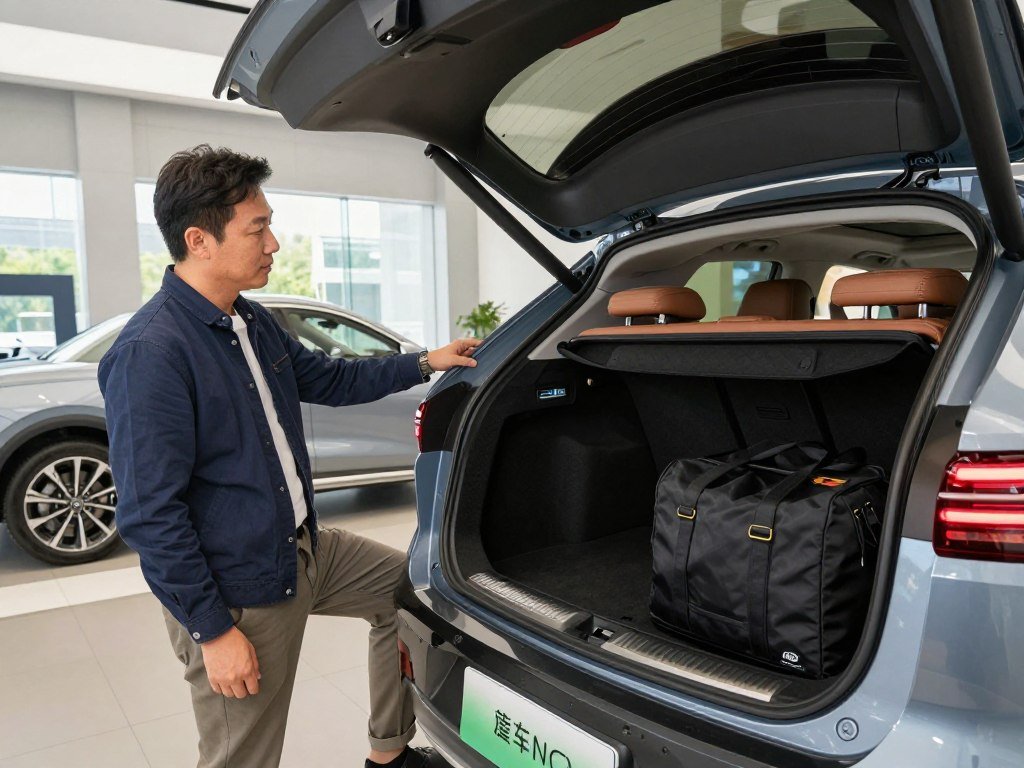
Acceleration matters when you merge or pass, while handling shapes how settled the vehicle feels on winding roads. A commuter may prize fuel efficiency and a calm cabin. A family may care more about seat comfort and usable cargo space.
Trail users should pay close attention to handling on rough ground and the vehicle’s capability. Value also depends on what the price includes, such as useful safety features. Driving enjoyment counts, but it should not outweigh a poor fit for daily tasks.
What matters most in your own use
Before you compare models, rank these five needs in order:
- Passenger count: How many people ride with you most days?
- Cargo needs: What must fit behind the seats?
- Fuel or charging access: Can you plug in at home or work?
- Road conditions: Do you face snow, rough roads, or trails?
- Budget: What starting price and monthly costs feel workable?
Choose by the needs you face most often, not by a score that treats every driver alike.
A test drive can reveal details that a list of features cannot, including seat comfort and sightlines. Pick your three non-negotiables before you schedule a test drive.
What Makes the Best SUV for Most Shoppers?
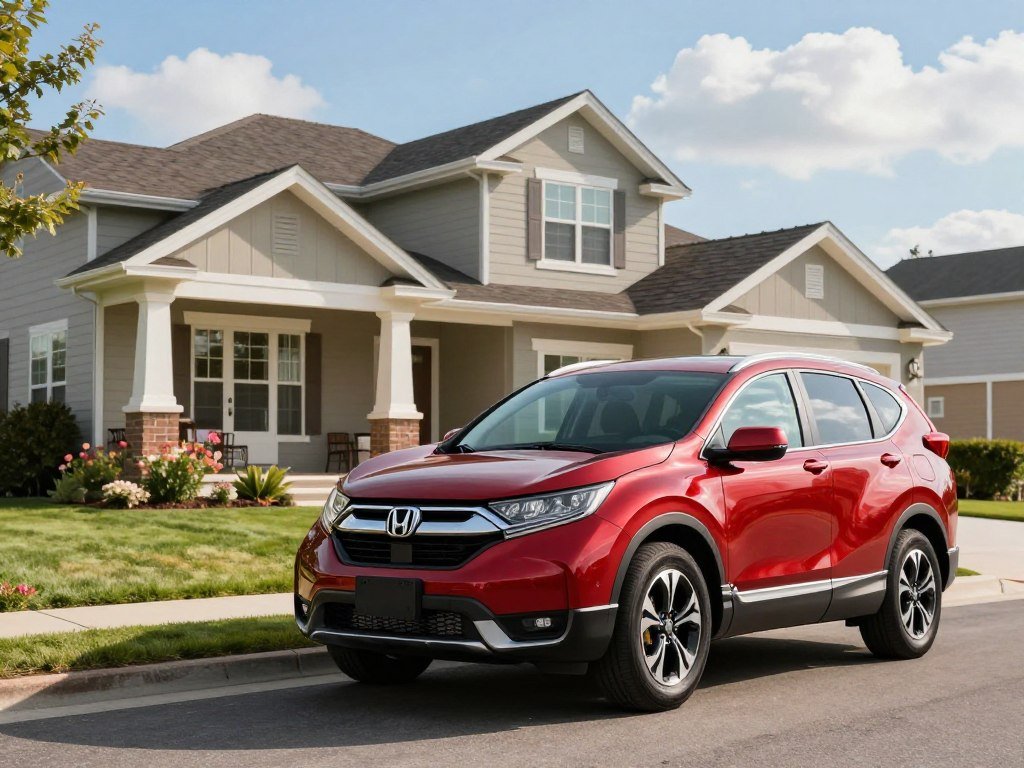
For a compact SUV that can serve as an everyday all-rounder, the 2026 Honda CR-V is the clearest starting point. It ranked first among Car and Driver’s compact SUVs and returns 29-30 mpg combined. For many drivers, its balance of everyday usefulness and few faults makes it a strong value.
The CR-V’s class rank does not make it the best choice in every size or powertrain. A compact model may work well for commuting and errands, while a larger SUV may better fit a busy household. The 2026 Honda CR-V is described as a well-equipped all-arounder with few faults.
Readers asking about the best SUV of all time need a time frame: models, roads, and family needs change across eras. This comparison names current 2026 category leaders rather than claiming one vehicle has ruled every period. A compact-class rank compares compact models, not every vehicle on sale.
The Honda CR-V’s combined fuel economy can suit drivers who want a gasoline vehicle without moving to a larger body. Its compact footprint may still feel tight if you regularly carry several adults or bulky equipment. A high score cannot tell you how the seating feels on your usual route.
Check how much room you need behind the rear seats, as well as how easily passengers can get in and out. Decide whether the CR-V’s compact footprint matches the people and cargo you carry most often.
Which compact and subcompact SUVs are worth comparing?
A smaller SUV can be easier to park, but the right size depends on how often you use the rear seat and cargo area. The Mazda CX-50 and Ford Bronco Sport offer compact versatility, while the Chevrolet Trax and Mazda CX-30 suit shoppers seeking a smaller vehicle. Think about the rear seat before choosing the shorter footprint.
A compact SUV is usually the better fit when five-adult space matters. Subcompact size can simplify parking, but it may limit rear-seat comfort and cargo usefulness. Starting prices and EPA combined mpg help show the trade-offs.
Compact models for everyday versatility
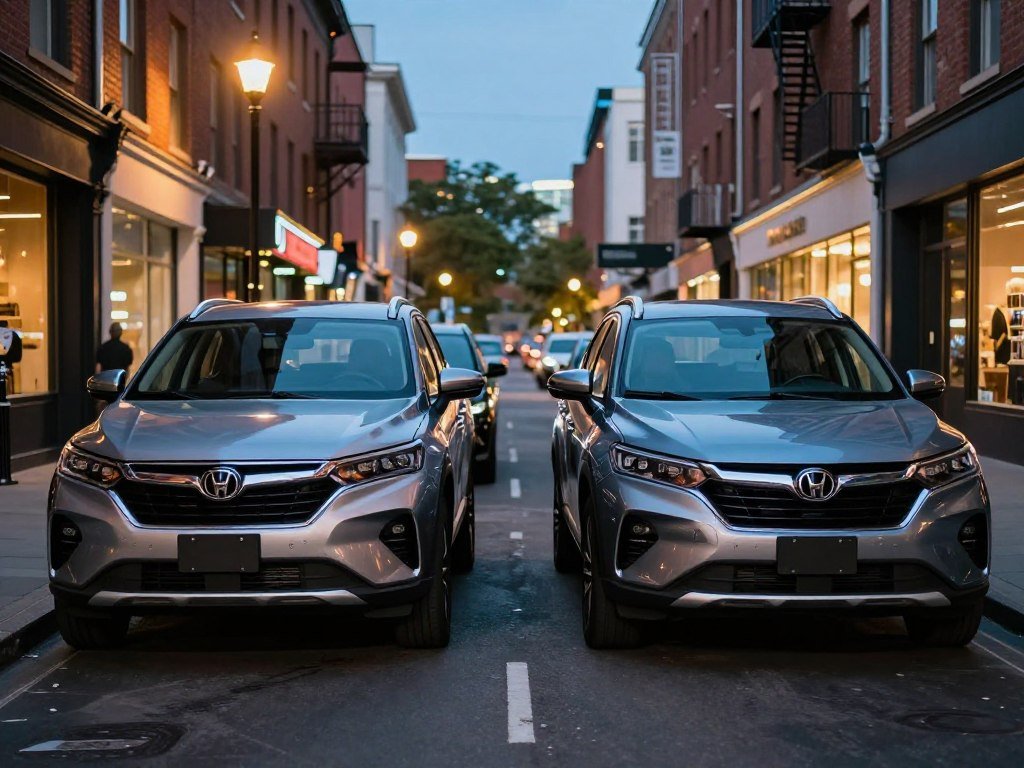
The 2026 Mazda CX-50 ranked second among Car and Driver’s compact SUVs, with a 9.5/10 rating and 25 mpg combined. The 2026 Ford Bronco Sport ranked third and returns 24-27 mpg combined. Both give you a more useful footprint than a subcompact choice.
Smaller choices for tight budgets and parking
The 2026 Chevrolet Trax pairs a $23,495 starting price with 30 mpg combined. The 2026 Mazda CX-30 starts at $27,870 and returns 25-27 mpg combined. See the full comparison below before deciding which size fits your routine.
| Model | Starting price | EPA mpg combined | Shopper fit |
|---|---|---|---|
| 2026 Mazda CX-50 | $31,395 | 25 mpg | Compact versatility |
| 2026 Ford Bronco Sport | $33,840 | 24-27 mpg | Compact, off-pavement travel |
| 2026 Chevrolet Trax | $23,495 | 30 mpg | Lower starting price |
| 2026 Mazda CX-30 | $27,870 | 25-27 mpg | Smaller city-friendly size |
These figures make the Trax a clear choice for shoppers focused on starting price and combined mpg. Your own fit also depends on how adults sit in the rear and how much gear you bring. Sit in the back seat and load your usual gear before deciding that a smaller footprint is worth the trade-off.
Which midsize SUVs lead for 2026 and 2022?
For 2026 midsize rankings, the Honda Passport takes the top position, while the Kia EV9 and Ford Bronco suit different powertrain and driving priorities. The Passport earned a 10/10 rating and returns 20-21 mpg combined. Its 2026 update brings rugged styling and an improved all-wheel-drive system.
The 2026 Kia EV9 is an electric SUV, so its miles of EPA-estimated range are not gasoline mpg. It ranked second with a 10/10 rating and 230-304 miles of EPA-estimated range. The Ford Bronco ranked third, earning 9.5/10 and returning 17-20 mpg combined.
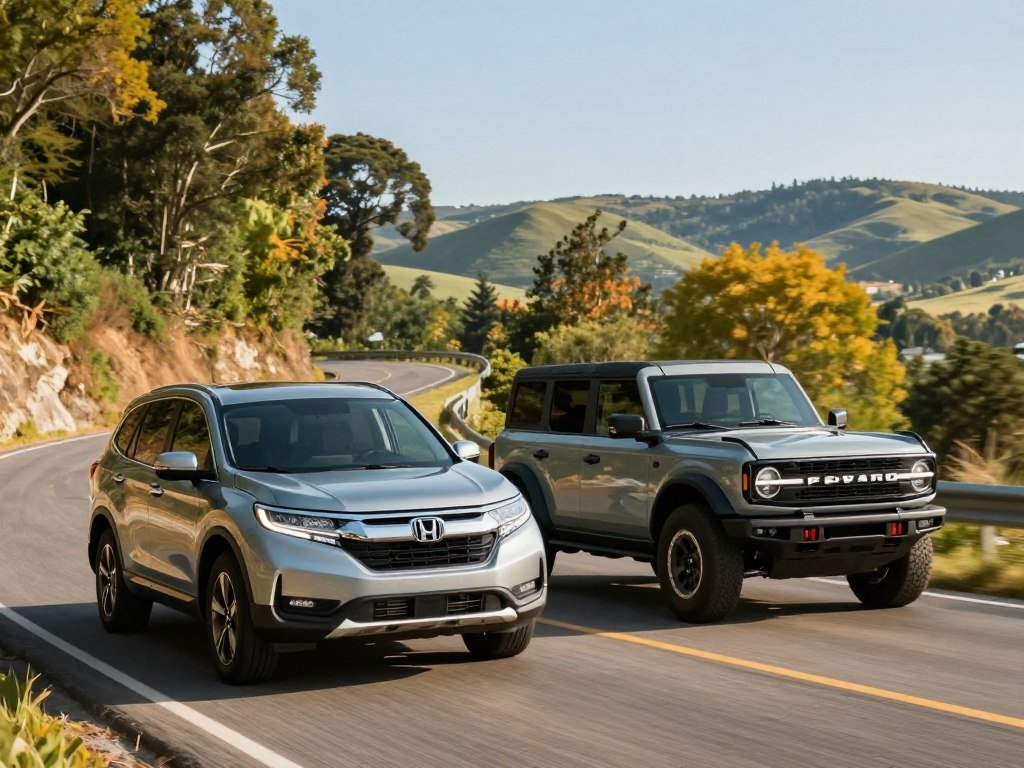
The 2026 Honda Passport starts at $46,545. Consumer Reports evaluated midsized SUVs in 50 tests covering performance, safety, fuel economy, and comfort in its May 25, 2026 article. That broad focus can help explain why a strong score may reflect more than engine power.
The 2022 midsize rankings offer a historical snapshot for used-model shoppers. The Kia Telluride led with a 10/10 rating, followed by the Ford Bronco and Hyundai Palisade, both highly rated. Their EPA combined mpg figures show how the past group compared.
| 2022 midsize SUV | Rank | Rating | EPA mpg combined |
|---|---|---|---|
| Kia Telluride | 1 | 10/10 | 21-23 mpg |
| Ford Bronco | 2 | 9.5/10 | 17-20 mpg |
| Hyundai Palisade | 3 | 9.5/10 | 21-22 mpg |
Other 2022 models included the Kia Sorento at 24-26 mpg combined, the Mazda CX-9 at 23 mpg, and the Hyundai Santa Fe at 24-34 mpg. Those figures describe those model years, not current versions. Treat 2022 rankings as a used-model-year snapshot, not a direct verdict on today’s new SUVs.
Which three-row SUV suits a family?
A three-row SUV is only a family upgrade if the people and bags you carry fit at the same time. The 2026 Hyundai Palisade starts at $41,035 and returns 20-21 mpg combined. That combination belongs in a family budget alongside seating needs and daily fuel costs.
Midsize SUV third rows mostly suit children, and cargo room behind them is limited. Adults may find the back row cramped, especially on longer trips. The Toyota Grand Highlander Hybrid is another three-row model worth testing for family seating.
Compare third-row fit before buying
Try the third row with the people who will use it, not just an empty seat. A third row adds flexibility for carpools, but raised seats can leave little room for strollers, sports bags, or groceries. Measure the trade-off with your usual passenger load.
Use this family check while comparing the cabin:
- Fit each passenger in the seat they will use.
- Install child seats in the planned positions.
- Inspect cargo space with the third row raised.
- Confirm passengers can reach the rear seats easily.
Balance passenger room with running costs
The 2026 Hyundai Palisade’s starting price gives families a clear entry point for a conventional-powertrain three-row model. Its 20-21 mpg combined estimate should be weighed against how many miles you drive. A higher seat count can help, but it does not guarantee room for everyone’s gear.
Check how the cabin works when every seat is occupied, since a showroom layout can hide tight access. Bring the actual child seats and a typical load of bags to the dealership.
Which large SUV works for towing and heavy passenger loads?
If a full passenger load, cargo, and a trailer have to travel together, the Chevrolet Suburban is the most direct match in this group. The 2026 model starts at $66,495, returns 16-17 mpg combined, and is designed to tow while carrying up to nine people and their cargo. That capacity is its defining use.
The Suburban is the clearest choice when towing and nine-person capacity matter together. The Tahoe and Yukon offer alternatives to compare for price, space, and daily maneuverability. All three are large vehicles, so their size can be a factor in busy streets and parking lots.
| Model | Starting price | EPA mpg combined | Best-fit use |
|---|---|---|---|
| 2026 Chevrolet Suburban | $66,495 | 16-17 mpg | Towing with up to nine people |
| 2026 Chevrolet Tahoe | $63,495 | 16-17 mpg | Large passenger and cargo loads |
| 2026 GMC Yukon | $72,395 | 16-17 mpg | Large SUV with a higher starting price |
The Tahoe starts below the Suburban, while the Yukon carries the highest starting price in this group. Compare how each one fits your garage, route, and passenger needs. EPA combined mpg figures are low compared with efficient hybrid options.
A large body can make urban parking and handling less convenient, even when the cabin feels roomy. Trim and powertrain can affect towing limits, so do not assume every version can pull the same load. Check the exact tow rating for the selected trim and powertrain before hitching a trailer.
Which SUVs offer the best fuel economy?
For the highest listed combined fuel economy, the 2026 Kia Niro Hybrid leads this group at 49-53 mpg. It ranks first on Car and Driver’s 2026 SUV fuel-economy list. That makes it a strong starting point for shoppers who put fuel economy first.
A combined-mpg figure does not tell you how much cargo room or passenger space a model offers. The 2026 Lexus UX ranks second at 42-43 mpg, while the Toyota RAV4 ranks third at 38-43 mpg. See the full comparison below to weigh the listed figures.
The highest combined-mpg choices
The 2026 Honda CR-V Hybrid returns 35-40 mpg combined, while the Toyota Corolla Cross Hybrid reaches 42 mpg. The Mazda CX-50 Hybrid and Toyota Crown Signia each return 38 mpg combined. These models give you different shapes and cabin layouts to consider.
| Model | EPA mpg combined | Powertrain |
|---|---|---|
| 2026 Kia Niro Hybrid | 49-53 mpg | Hybrid |
| 2026 Lexus UX | 42-43 mpg | Hybrid |
| 2026 Toyota RAV4 | 38-43 mpg | Gasoline or hybrid |
| 2026 Honda CR-V Hybrid | 35-40 mpg | Hybrid |
| 2026 Toyota Corolla Cross Hybrid | 42 mpg | Hybrid |
Choose a useful size, not just a high number
Car and Driver’s 2026 list includes mainstream hybrid, plug-in-hybrid, and gasoline-only SUVs rated above 33 mpg combined. MPGe applies only to plug-in hybrids. It is a separate energy measure, so do not treat it as ordinary gasoline mpg.
A smaller vehicle may be easier to fuel, but it can leave less space for passengers and bags. Driving character also differs, even among models with close EPA estimates. Compare the EPA combined figure with your usual passenger and cargo needs before choosing a small, efficient model.
Should you choose a hybrid or a plug-in hybrid?
Choose a standard hybrid if you want an electrified powertrain without building regular charging into your routine. A standard hybrid uses its electric motor and gasoline engine without requiring routine plug-in charging. A plug-in hybrid can drive on electricity when charged, then use gasoline on longer journeys.
A PHEV makes the most sense when home or regular destination charging is practical. Its mpg figure is not the same as its electric-only range. A driver who rarely charges may get less value from the plug-in feature.
Standard hybrids for fuel savings without plugging in
The 2026 Hyundai Palisade Hybrid returns 29-31 mpg combined and starts at $45,760. The Toyota Grand Highlander Hybrid returns 27-36 mpg combined and starts at $47,205. The 2026 Hyundai Santa Fe Hybrid returns 34-36 mpg combined.
Those three-row hybrid SUVs vary in size and fuel economy. Compare how the cabin, cargo layout, and price fit your routine, rather than choosing only by the highest figure. These are standard hybrids, so you do not need to plan regular charging.
Plug-in hybrids for drivers who can charge
The 2026 Mercedes-Benz GLC350e Hybrid returns 25 mpg combined and offers 54 miles of electric-only range. The 2026 Volvo XC60 Hybrid returns 28 mpg combined, while the 2026 Porsche Cayenne Hybrid returns 22 mpg combined. Each is a plug-in hybrid example with a different efficiency profile.
Daily trips that fit within electric range can let you use more electric driving, if you charge often. Longer trips can rely on gasoline once the battery’s electric charge runs down. Estimate how often you can charge before paying more for a plug-in model.
Which electric SUV should you shortlist?
An electric SUV works best when its expected range and your regular charging access line up. The Hyundai Ioniq 5 and Tesla Model Y are compact electric choices, while the Ioniq 9 and Kia EV9 are larger three-row options. Choose by routine, not by the biggest number alone.
The 2026 Hyundai Ioniq 5 starts at $36,650 and offers 245-318 miles of EPA-estimated range. The 2026 Tesla Model Y starts at $41,630 and offers 294-357 miles of EPA-estimated range. Range varies by configuration.
The 2026 Hyundai Ioniq 9 starts at $60,605 and offers 311-335 miles of EPA-estimated range. The 2026 Kia EV9 starts at $56,545. These larger electric SUVs may suit shoppers who need three rows.
Plan around charging access, cold-weather trips, and a buffer for detours. A route that looks easy in warm weather may feel different when temperatures drop or chargers are farther apart. Leave room for a charging stop if your usual travel path has few options.
Compare the price and seating layout along with the stated range. Check whether your routine has dependable charging before choosing a range figure on paper.
How should you judge SUV reliability and safety?
A careful reliability pick starts with model-year history, not a brand reputation or a badge. Compare predicted reliability for the exact model year, and check whether the score uses at least two years of data. Model-specific evidence gives you a better basis for a shortlist.
Reliability data should cover at least two model years among 2023, 2024, 2025, or early 2026. Consumer Reports examines 20 potential trouble areas, from brakes and interior trim to engines, transmissions, EV batteries, and EV charging systems. Its Overall Score combines predicted reliability, track-testing results, owner-satisfaction surveys, and safety data.
Read reliability history by model year
A brand can sell vehicles with different designs, engines, and systems, so one company-wide label may hide useful differences. Check the exact year and powertrain you plan to buy. That matters for electric SUVs, which add battery and charging systems to the areas being tracked.
Consumer Reports’ midsize SUV recommendations generally call for good test performance and average-or-better reliability. The recommendations also look for active safety features, unless a specific case notes otherwise. The Consumer Reports reliability summary shows why scores can differ by model.
Check active safety equipment
Use this four-point safety check when comparing a specific trim:
- Highway-speed automatic emergency braking.
- Blind spot warning.
- Rear cross traffic warning.
- The exact model-year equipment list.
These checks can help you build a cautious shortlist, but they cannot prove a vehicle will never have a problem. Features may vary by trim or year, even when model names look alike. Verify the safety equipment on the exact trim and model year you plan to buy.
Which SUV is best for road trips and camping?
The best SUV for road trips and camping is the one that fits your passengers and packed gear while matching the hardest route planned. The 2026 Ford Bronco Sport can travel farther off pavement than many rivals. For tougher trails, the Ford Bronco offers off-road ability with on-road manners.
Choose for the most demanding route you expect to drive, not the rugged look alone. A Bronco Sport may suit shoppers who want a smaller vehicle for light off-pavement travel. Drivers planning more demanding trail use should compare the Bronco.
Match the SUV to the route and camp gear
Check whether passengers and packed gear fit together, since camping equipment can fill a cargo area quickly. A vehicle that feels roomy before loading may be tight once you add coolers, tents, and sleeping bags. Pack the items you expect to bring when checking space.
Use this five-item camping check:
- Cargo space with passengers aboard.
- Ground clearance for the intended route.
- Traction system for the road surface.
- Tire suitability for the planned drive.
- Safe storage for camping equipment.
Separate light trails from serious off-roading
Light gravel roads and rough trails place different demands on an SUV. The Bronco Sport’s off-pavement ability can help with less demanding routes, while the Bronco targets more challenging trail use. A rugged appearance alone does not establish what a vehicle can safely handle.
Look at the trail’s surface and obstacles before setting out, not just the name of the SUV. Confirm that the intended trail is within the vehicle’s actual clearance and traction capability.
How much should you budget for an SUV?
Set a budget by SUV size and powertrain first, then compare the specific trims you can afford. Typical starting-price ranges run from $23,000-$32,000 for subcompact SUVs to $55,000-$80,000 for large models. Electric and luxury choices can extend the range further.
These broad ranges are shopping guides, not final purchase totals. Trim, options, and fees change what you pay. A starting price is the vehicle price before taxes and fees.
Mainstream SUV price bands
Use these typical ranges to set a first budget:
| Category | Typical price range |
|---|---|
| Subcompact SUVs | $23,000-$32,000 |
| Compact SUVs | $28,000-$38,000 |
| Midsized and large SUVs | $34,000-$80,000 |
| Small luxury SUVs | $35,000-$65,000 |
| Electric SUVs | $60,000-$100,000+ |
When a luxury SUV fits the budget
Luxury SUVs can differ in price, design, and interior feel, so one model is not best for every buyer. The 2026 Volvo XC40 starts at $41,295, the Genesis GV70 at $50,480, and the Porsche Macan at $67,650. Compare the exact trim and features you want.
Midsized and large luxury SUVs typically range from $48,000-$85,000 or more. The broad categories overlap, so treat them as guides rather than hard limits. Reserve room in the budget for taxes, fees, insurance, and the options you actually want.
What should you check before choosing a finalist?
Before settling on a finalist, test the exact version you expect to drive and carry. A model name does not tell you how a specific seat, mirror, or cargo setup will feel. Your own route can reveal comfort issues that a short look around the cabin misses.
Compare the actual trim and equipment, not just the model name. EPA fuel-economy labels list city, highway, and combined estimates, which help you compare fuel use. The NHTSA VIN Decoder can help confirm vehicle details tied to a specific VIN.
Use this five-item test-drive checklist:
- Adjust the driver’s seat and mirrors.
- Check sightlines around the vehicle.
- Try getting in and out of each seat.
- Test the cargo area with seats set as you use them.
- Drive on roads similar to your daily route.
Test the trim you expect to own, with the seat and cargo setup you will use most.
Take note of small annoyances, such as a hard-to-reach control or a rear view blocked by the cargo area. Compare those details across the finalists while the drive is fresh in your mind. Save the VIN and trim details for each finalist so you can verify the vehicle before signing.
Conclusion
The best choice is the SUV that fits your real routine, not the one with the most impressive label. A strong pick carries your passengers, handles the roads you use, and stays within your budget. The highest-ranked vehicle may not offer the right size or powertrain for your household.
Write down what matters most before comparing offers. Set your must-haves, choose two or three finalists, and book a drive in each.
FAQ
Which SUV is number 1?
The 2026 Honda CR-V leads Car and Driver’s compact SUV list, and the 2026 Honda Passport leads its midsize list. Those rankings compare vehicles within their own size classes, so neither result makes one model the top choice for every shopper. Choose based on passenger room, cargo needs, powertrain, and budget, then test the exact trim you might buy.
What’s the most reliable SUV to buy in 2026?
Compare predicted reliability for the exact model year and look for data across at least two years among 2023, 2024, 2025, or early 2026. Review the 20 trouble areas, including engines, transmissions, brakes, EV batteries, and charging systems. Reliability can differ by powertrain and year, so a brand name alone cannot settle the choice. Pair that history with safety and owner-satisfaction results.
Which car brand is the best SUV?
No car brand alone proves that its SUVs are the best fit for you. Compare the exact model’s reliability history, safety equipment, test results, and owner satisfaction. Two models from one company can differ in size, powertrain, and long-term trouble areas. Make a short list by vehicle and model year, then decide which one works best for your passengers and daily driving.
What are the best large SUVs for 2026?
The 2026 Chevrolet Suburban is the clearest match for towing while carrying up to nine people and their cargo. It starts at $66,495 and returns 16-17 mpg combined. The Chevrolet Tahoe starts at $63,495, while the GMC Yukon starts at $72,395; both return 16-17 mpg combined. Compare the three for space, price, and the way each fits your regular routes.
What SUVs to avoid in 2026?
Do not rule out a model by name without checking evidence for its exact year and trim. Screen out candidates with weak model-year reliability evidence or without key active-safety features, such as highway-speed automatic emergency braking, blind spot warning, and rear cross traffic warning. Check whether trouble-area data covers more than one model year. That approach avoids unsupported blanket claims about a whole brand or vehicle line.
About The Author