Best Hops Varieties for IPA Homebrew: 10 Top Choices
A homebrewer seeking a reliable modern IPA can start with Citra. Cascade and Centennial suit a more classic citrus profile. Nelson Sauvin and Galaxy point toward a fruit-forward beer.
The best hops varieties for IPA homebrew depend on the style you want and the flavors you enjoy. The ten varieties here give you practical starting points for brewing, not a promise of a perfect batch. You’ll also find pairing and timing tips to help shape your recipe.
Key Takeaways
- Start with Citra for a versatile modern IPA.
- Choose Cascade or Centennial for a classic citrus direction.
- Consider Chinook, Simcoe, or Amarillo for other American-style options.
- Try Mosaic, Galaxy, Nelson Sauvin, or Columbus to explore fruit-forward choices.
- Match the hop to your recipe and your target beer style.
Choosing one clear flavor direction is a more useful first step than collecting the largest number of hop varieties.
What Do Hops Add to an IPA?
Hops are the flowers of Humulus lupulus, and in an IPA they supply bitterness, flavor, and aroma. Alpha acids are compounds in hops that contribute bitterness when used in brewing.
Alpha acids add bitterness, while essential oils shape aroma and flavor. A types of hops chart is best read as a guide to use, not a promise of one exact flavor.
Alpha acids build bitterness
Brewers often add hops early in the boil to draw out bitterness. The amount you taste in the finished beer depends on the recipe and brewing process, not just the hop label.
Essential oils shape aroma and flavor
Essential oils are aromatic compounds in hops. Late-boil additions and dry hopping can help bring out their aroma and flavor.
| Hop role | Common addition point | Example | Main contribution |
|---|---|---|---|
| Bittering | Early boil | Magnum | Bitterness |
| Aroma | Late boil or dry hop | Citra | Aroma |
| Dual-purpose | Boil or dry hop | Centennial | Bitterness and aroma |
A chart of types of hops used in beer can help you compare their roles. What are hops in beer? They are flowers that brewers use to add bitterness, flavor, and aroma.
Beer’s alcohol can cause effects such as impaired judgment. If you suspect a hop allergy, avoid exposure and consult a clinician.
Questions about hops in beer side effects often mix up alcohol’s effects with hop flavor compounds. Treat the chart as a starting point, since the finished flavor also depends on when and how much of each hop you use.
Best Hops Varieties for IPA Homebrew
Citra is the best all-around starting point for a homebrewer seeking both recognizable citrus character and strong aroma. Choose by flavor first, then check the alpha acid percentage if your recipe uses the hop for bitterness.
Each hop variety can work in more than one recipe. The notes below describe common flavor cues, not a fixed result in every beer.
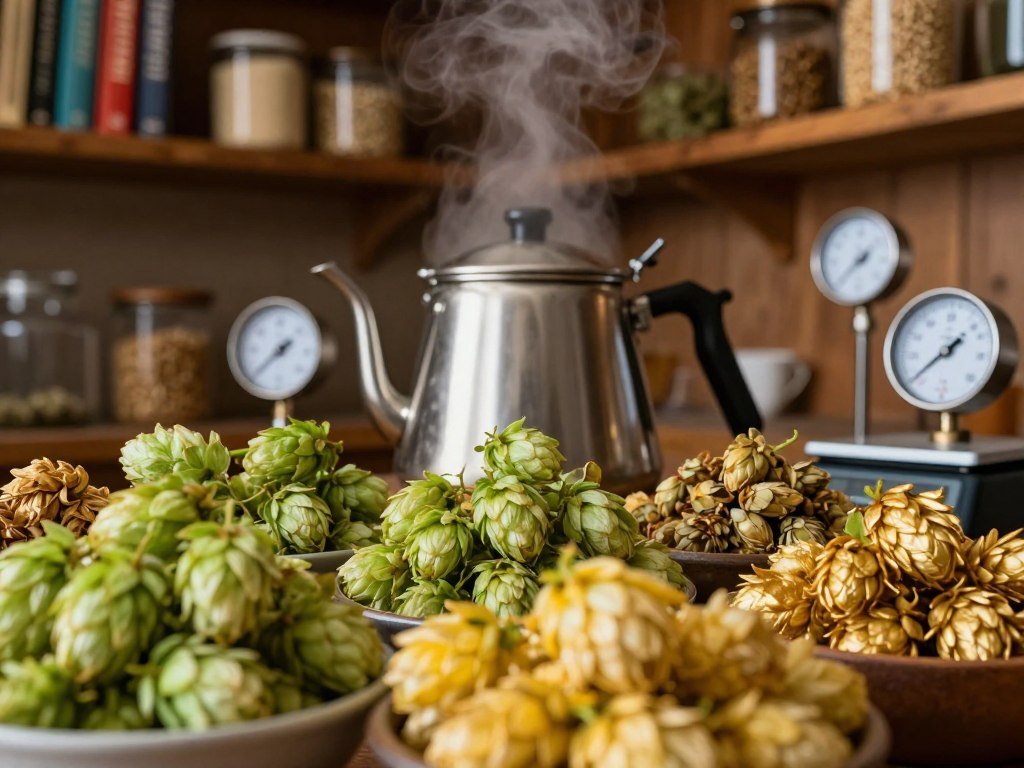
Classic American citrus and pine
- Cascade: Developed in the United States and released in 1971. It is used for bittering and aroma, with floral, citrus, pine, and grapefruit notes. Its alpha acids range from 4.5-7%.
- Centennial: Released in 1990, this dual-purpose hop can be used at any addition. It is linked with pine, citrus, floral, grapefruit, and tangerine notes. Alpha acids range from 7-12%, with a 9.5% average; beta acids range from 3.5-5.5%, averaging 4.5%. Total oils range from 1-3 mL/100g, averaging 2 mL/100g.
- Chinook: A useful option for recipes that call for a bold American hop. Its flavor can bring a more resinous edge to a citrus-focused hop bill.
- Simcoe: Known for earthy, piney, and fruity traits. Its alpha acids range from 10-15%, so check the package before using it to set bitterness.
- Amarillo: Its common notes include floral, tropical, citrus, sweet orange, and tangerine. It can add a bright citrus angle to an American IPA.
Tropical and fruit-forward choices
- Citra: High in alpha acids and prized for aromatic use in IPAs and pale ales. Common notes include lime, grapefruit, mango, and passion fruit. Its alpha acids range from 11-13%.
- Mosaic: Berry, tropical fruit, floral, and earthy notes give this hop a broad range. Its alpha acids range from 10.5-14%.
- Galaxy: Often linked with passion fruit, peach, and citrus. Those cues can support a fruit-forward recipe, though the final beer depends on its full recipe.
- Nelson Sauvin: Its wine-like, tropical fruit, and gooseberry notes stand out in many hop-forward recipes. Alpha acids range from 12-13%.
- Columbus: A common choice for assertive American-style recipes. Its broad use in hop bills makes it worth testing in a small batch before building a larger recipe around it.
Alpha acid percentage alone does not predict the finished bitterness. The amount used and when it enters the brew also shape that result. Cascade’s release history is one useful detail when comparing classic American hop varieties.
Compare the alpha acid percentage on the actual hop package with the recipe before using a variety for bittering.
Which Hop Combinations Build a Clear Flavor Profile?
Two or three varieties give a homebrewer a focused starting point for a hop bill without requiring a complicated blend. More than 74% of popular hoppy beer recipes in one analysis used two or three hops.
That analysis of 335 beer descriptions found 92 unique varieties and more than 1,050 combinations. The table shows how often each pair appeared together, along with a flavor direction based on the known traits of those hops.
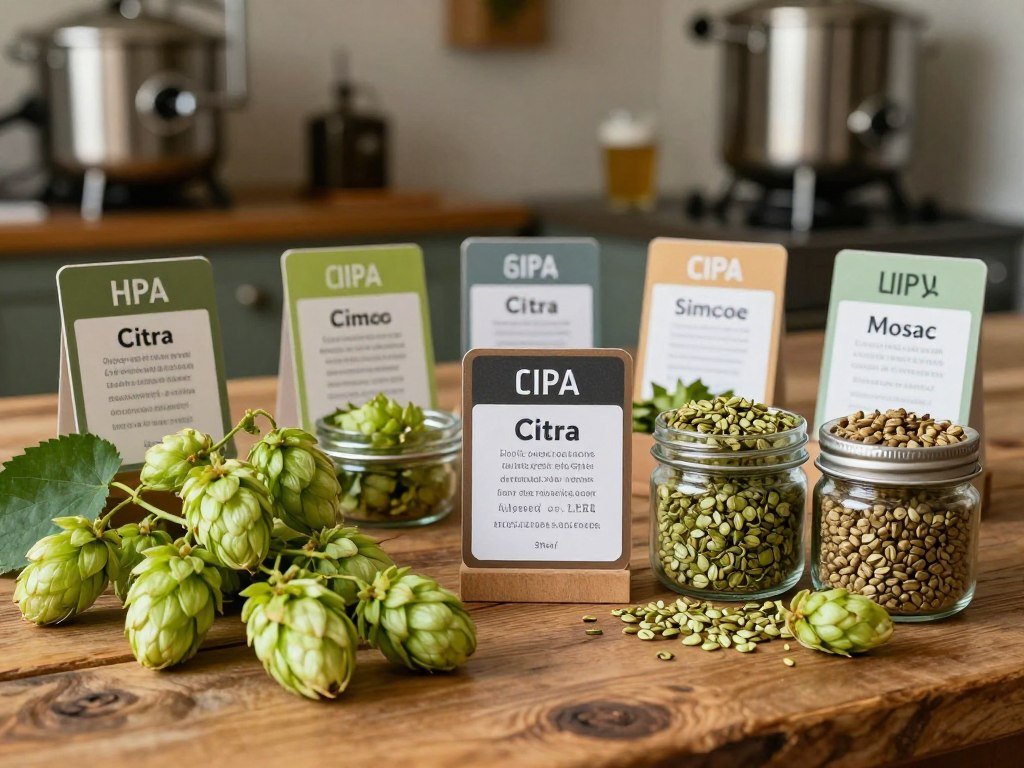
| Pair | Count | Flavor direction |
|---|---|---|
| Citra plus Mosaic | 77 | Citrus and tropical fruit |
| Citra plus Simcoe | 30 | Citrus, pine, and fruit |
| Amarillo plus Simcoe | 30 | Orange, pine, and fruit |
| Centennial plus Simcoe | 29 | Citrus, floral notes, and pine |
| Cascade plus Centennial | 20 | Grapefruit, citrus, and floral notes |
Centennial also pairs with Cascade, Columbus, Amarillo, Chinook, and Citra. Brewers often explore blends beyond Citra and Mosaic, as this report on IPA hop combinations shows.
Each count means the two varieties appeared in the same beer description; it does not mean they were the only hops in that beer. Choose a pair for a specific flavor contrast or synergy, then keep the rest of the recipe steady as you evaluate it.
When Should You Add Hops During an IPA Brew?
Use an early boil addition when the recipe needs bitterness, and reserve later additions for more flavor and aroma. Bittering hops typically go in 45-60 minutes before the boil ends.
Flavoring hops usually go in during the last 15-20 minutes of the boil. Dry hopping means adding hops to the fermenter after primary fermentation, with aroma as the main goal.
| Addition | Typical timing | Main goal |
|---|---|---|
| Bittering | 45-60 minutes before boil ends | Bitterness |
| Flavoring | Last 15-20 minutes of boil | Flavor |
| Dry hopping | After primary fermentation | Aroma |
The same hop can play a different role in each spot. A high-alpha hop used early can support bitterness, while a late addition can preserve more aroma.
Centennial is dual-purpose, so you can use it at any addition. It can fit different parts of a recipe without requiring you to change varieties.
Follow the recipe’s stated timing, since shifting a hop earlier or later changes what it contributes.
Which Hops Fit Each IPA Style?
For a clear, bitter West Coast IPA, start with a clean bittering hop and layer citrus or pine varieties later. Let the target beer style guide your hop choices, but treat each suggestion as a starting point.
Style names describe common patterns, not strict rules. The Brewers Association’s beer style guidelines draw on beer analysis, industry sources, and expert input.
West Coast and classic American IPAs
Magnum, Warrior, or Columbus are common high-alpha-acid choices for clean early bitterness. Add Cascade, Centennial, Chinook, Amarillo, or Simcoe for citrus, pine, floral, or resinous character.
Northern Brewer offers another traditional option. Developed in England in 1934, it can serve for bittering or aroma, with woody, earthy, minty, and piney notes.
Hazy, New England, and English IPAs
Citra and Mosaic make a fruit-forward pairing for hazy and New England IPAs. Galaxy or El Dorado can offer tropical alternatives when you want a different fruit direction.
An English-leaning IPA can instead use East Kent Goldings or Fuggle for an earthy, herbal character. This gives you a distinct path from the brighter fruit profiles often used in hazy IPAs.
These are style-based starting points, not rigid rules. Let the target profile decide the variety, rather than choosing a hop solely because it is popular.
What Should You Check When Buying Homebrew Hops?
Before buying, confirm the hop variety and the alpha acid information you need for your recipe. Check the label and compare the listed price with the amount and format offered.
- Check the variety and alpha acid details on the label.
- Choose pellets or whole cones to suit the recipe.
- Seal hops tightly and store them in the freezer.
- Compare price with the amount and format offered.
Yakima Valley Hops lists 2026 Citra pellets from $3, BRU-1 and Sabro from $1, Willamette, Loral, and Mt Hood from $3, and US Goldings from $4. Pellet hops are dried cones, milled and compressed into a compact form.
Keep opened hops sealed in the freezer to help preserve their aromatic qualities.
How Can You Test a Hop Before Committing a Full Batch?
A small single-hop test lets a homebrewer judge a variety’s character without committing a full batch to a blend. Change one recipe variable at a time to make the hop’s effect easier to notice.
US homebrewers can begin with US-developed Cascade or Citra, then test one variety in a small batch or a SMASH recipe. SMASH means Single Malt and Single Hop, keeping the grain bill and hop choice simple.
An informal tally ranked Citra first among single-hop beers. Simcoe, Nelson Sauvin, Mosaic, and Galaxy tied for second, but that pattern cannot predict your personal favorite.
Keep tasting notes as the beer changes from fresh to finished. Record the variety and its addition point so the next batch can change one variable at a time.
Conclusion
A clear flavor goal makes choosing an IPA hop more manageable than starting with a long list of varieties. Begin with Citra for a versatile modern IPA, or choose Cascade or Centennial for a classic citrus direction.
Pick one recipe and check the hop’s alpha acid information before brewing. Keep notes on each addition and on what you taste, so the next batch has a clear point of comparison.
One careful test can teach you more than a crowded hop bill. Pick one hop profile, brew a small test, and write down what you would adjust next time.
FAQ
How many ounces of hops should I use for a 5-gallon IPA?
A typical dry-hop starting range for a 5-gallon IPA is about 2-6 ounces. Use the lower end for a gentler aroma and the higher end for a more intense hop character. Your recipe may call for a different amount, so follow its directions when you want a specific result. Weigh the hops rather than estimating by handfuls.
How long should hops stay in the fermenter for dry hopping?
A typical homebrew dry-hop contact time is about 3-5 days. The recipe and fermentation conditions can change the schedule, so use the recipe’s timing as your guide. A clean, sealed fermenter helps limit unwanted air exposure while the hops sit in the beer. Record the contact time along with your tasting notes.
Can I use just one hop variety in an IPA?
Yes, you can use one hop variety in an IPA. Choose a dual-purpose hop, or use the same variety in separate bittering and aroma additions. A SMASH beer, meaning Single Malt and Single Hop, is a simple way to learn what one hop contributes. Keep the rest of the recipe steady so the hop stands out.
What does a hop’s alpha acid percentage tell me?
A hop’s alpha acid percentage indicates its bitterness potential, not the finished beer’s bitterness by itself. The recipe amount and addition timing also matter. An early addition usually contributes more bitterness than a late one. Compare the package percentage with your recipe when choosing a hop for bittering.
Are pellet hops better than whole-cone hops?
Pellet hops are compact and convenient to store, while whole cones are another usable format. Neither choice is always better for every homebrewer. Your recipe and handling preference should guide the decision. Keep either format sealed and cold after opening to help protect its aroma before brew day.
Can I brew an IPA without dry hopping?
Yes, you can brew an IPA without dry hopping. Late-boil additions can contribute flavor and aroma, so dry hopping is an option, not a requirement. A recipe can use boil additions alone or include both late-boil and fermenter additions. Choose the method that fits the flavor you want and the recipe you plan to brew.
About The Author