Best Cookware Set: Top Picks for Every Home Kitchen
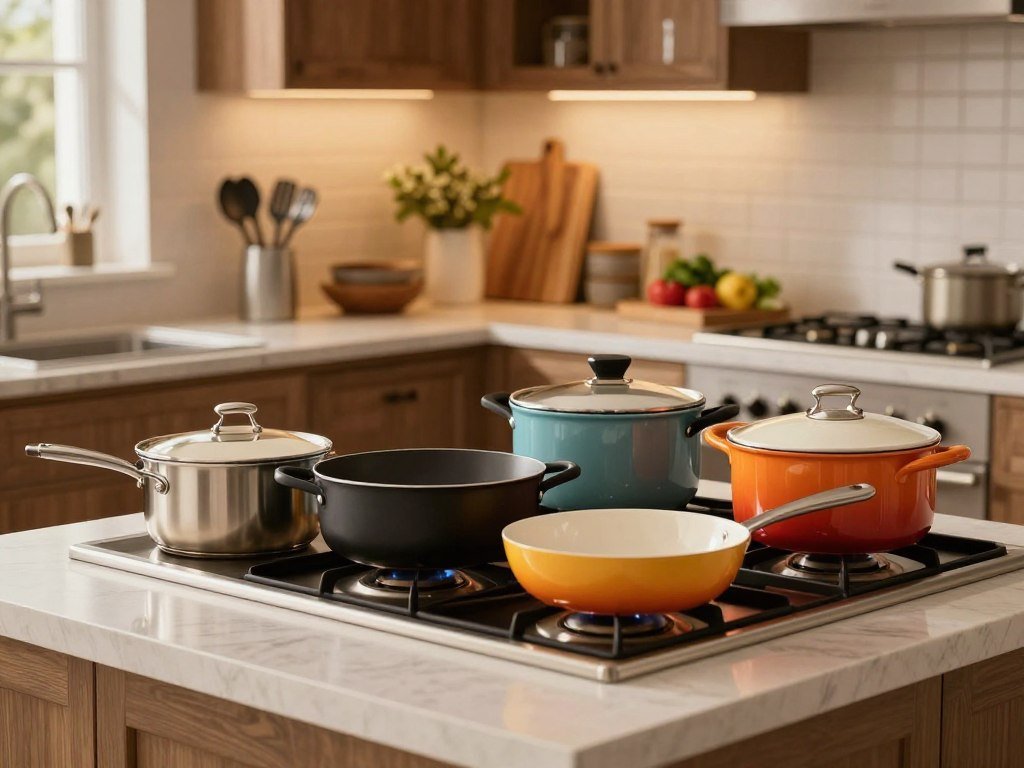
A good set earns its cabinet space by making everyday cooking easier, not by putting the most pieces in the box. The best cookware set for your home should suit the meals you make, the room you have, and the surfaces you prefer. This article compares options for different cooking styles and budgets, so you can focus on the details that matter in your kitchen.
Boxed piece count means the total number of listed components, often counting lids and accessories as separate pieces. That number can make a set look larger than its collection of pots and pans. Looking closely at the contents helps you choose cookware you will use, rather than store.
Key Takeaways
- Choose a material that suits the foods you cook most.
- Check the included pots, pans, lids, and accessories.
- Match the set to your cooktop and cabinet space.
- Compare heat, food release, handling, and care needs.
- Buy a full set only when you will use its vessels.
Start by matching the set to the meals you cook most often and the space you can give it.
Best Cookware Set Picks for Different Kitchens
Crate & Barrel EvenCook Stainless Steel is the strongest all-around choice for cooks who want a versatile stainless-steel set. It suits everyday meals, with strong results across several cooking tasks. Different kitchens call for different tradeoffs, so the best cookware depends on your priorities.
Use the table to compare each set’s main strength with its main compromise. Consumer Reports’ 2026 cookware set results answer questions about its current top choices. Shoppers comparing the best cookware set in 2024 should use current 2026 and 2025 results, not treat older recommendations as current.
| Pick | Material | Best fit | Main tradeoff |
|---|---|---|---|
| Crate & Barrel EvenCook | Stainless steel | Versatile everyday cooking | Stainless-steel cleanup |
| Figmint 12pc | Ceramic-coated aluminum | Nonstick and induction use | Middling handle sturdiness |
| Calphalon Premier | Hard-anodized nonstick | Fast, even cooking | So-so durability |
| All-Clad D5 | Stainless steel | Even cooking and easy cleaning | Premium positioning |
| Cuisinart MCP-12N | Stainless steel | Budget-minded shoppers | No listed performance detail here |
Choose the set whose main tradeoff matters least in your kitchen.
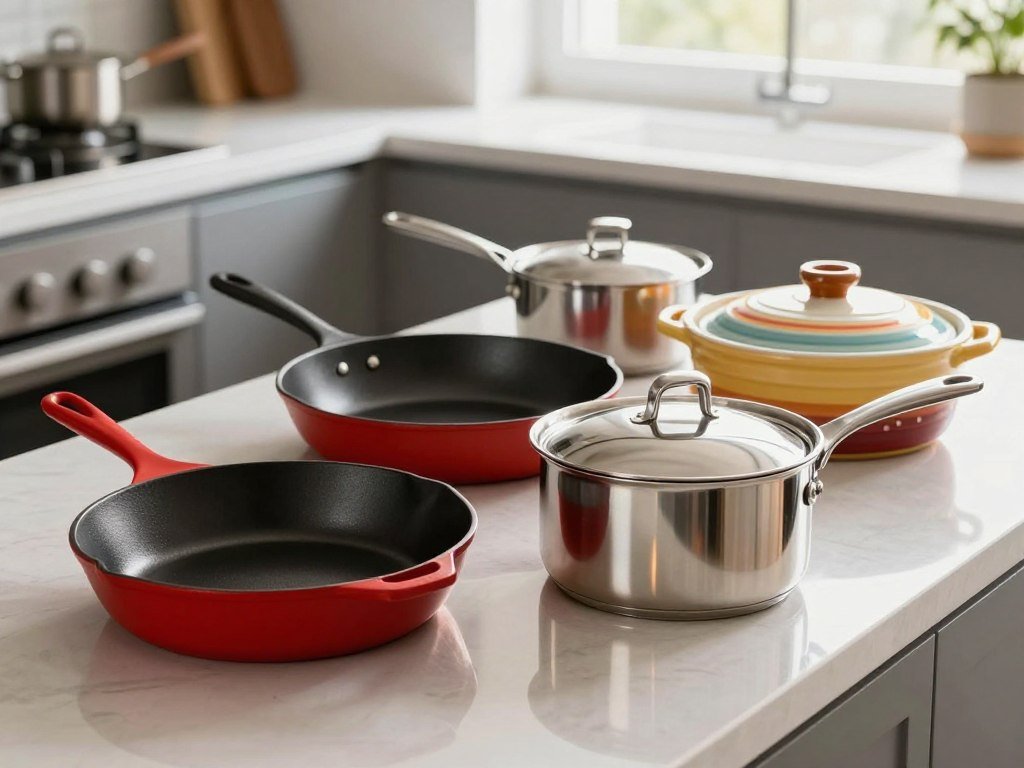
These cookware sets cover distinct needs instead of offering one product for every cook. Crate & Barrel is a broad stainless-steel choice; Figmint is a ceramic-coated option for nonstick cooking and induction use. Calphalon, All-Clad, and Cuisinart provide different alternatives for shoppers comparing cookware.
Use the table’s tradeoff column to rule out a set that conflicts with your main cooking or storage priority.
What Do Cookware Tests Measure?
A cookware test is useful when it checks both heat control and how food behaves in the pan. Tests can measure heating evenness, warm-up speed, food release, coating durability, and handle strength. Those differences help explain why a set can excel at one task and struggle at another.
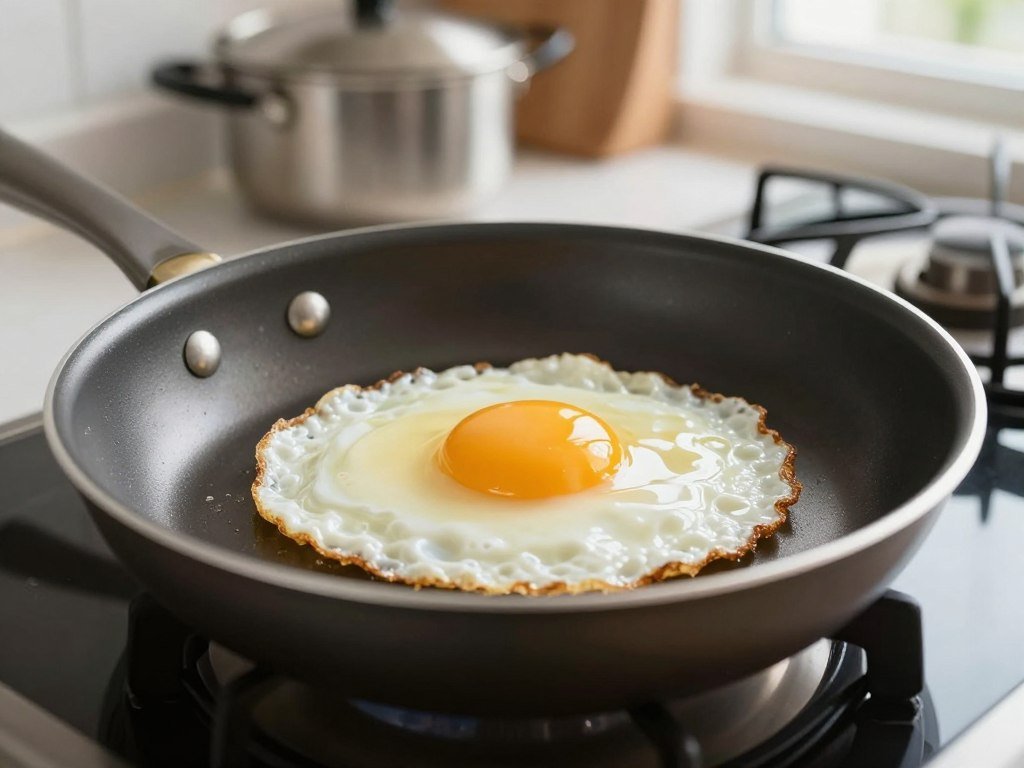
Hot spots show uneven heating, while an oil-free egg test focuses on nonstick release. In 2026, Consumer Reports rated nearly 100 cookware sets on several of these measures. Its tests included frying eggs, boiling water, and simmering tomato sauce.
Performance across heat and food release
Even heating helps food cook at a similar pace across the cooking surface. Speed tests show how long a pan takes to heat, while release tests reveal whether food sticks. Durability scores check how well a nonstick surface holds up, and handle tests assess sturdiness.
Real cooking tasks in the test kitchen
Each food gives the test kitchen a different challenge. Eggs reveal release, boiling water reveals heating speed, and simmering tomato sauce can show whether a pan holds a steady temperature.
Reviewed’s budget tests include searing chicken thighs, tossing vegetables, simmering sauces, cooking rice, and blanching vegetables. Its hot-spot checks can reveal uneven heating, while its nonstick tests fry an egg without oil. America’s Test Kitchen tests chicken in large skillets, browned butter in small skillets, mashed potatoes in large saucepans, and pasta and beef stew in stockpots.
These tasks show performance across meals, but one pan cannot represent every vessel in a set. Treat a single strong score as one clue, not a guarantee that every pan in a set will suit every meal.
Which Pieces Will You Use Most?
A practical starter collection needs a couple of saucepots, one large pot and pans sized for both quick eggs and larger meals. Core pieces should cover small jobs, big batches, and everyday frying. A cookware set with several pots and pans you never use can waste cabinet space.
Think about your usual meals before counting pieces. A small saucepan works for oatmeal or a quick sauce, while a stockpot can handle pasta, soup, or a large batch of rice.
Essentials for a first kitchen
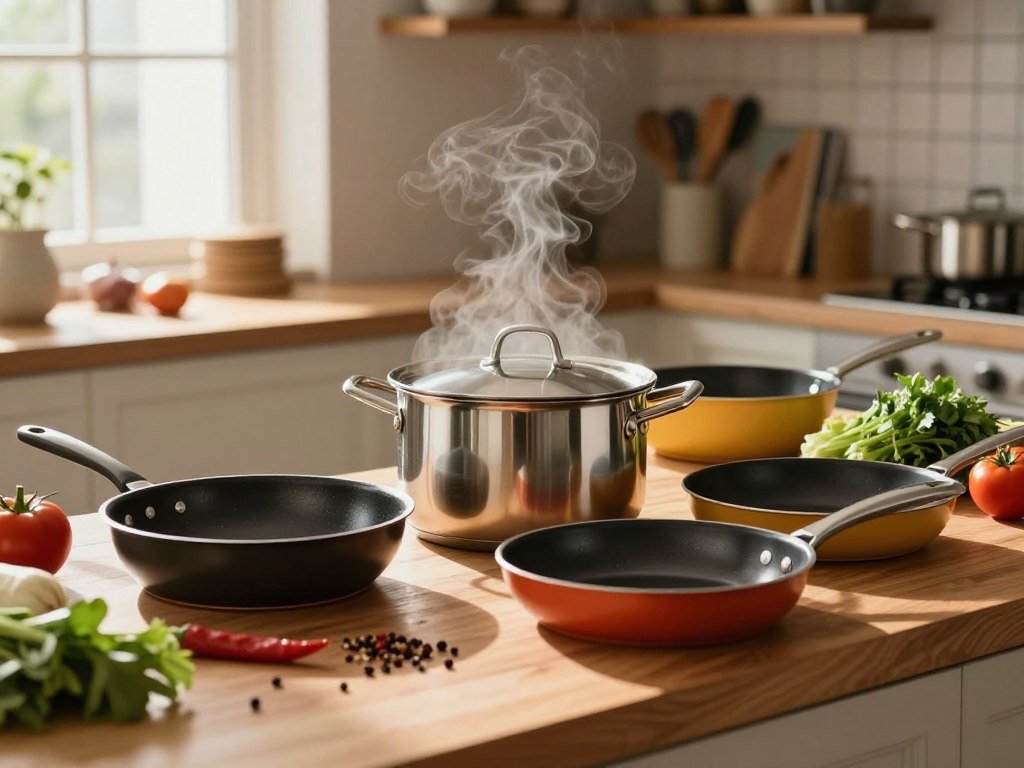
A practical set should include four kinds of cookware:
- Two small saucepots for sauces, grains, or reheating.
- One large stockpot for pasta, soup, and batch cooking.
- One small egg pan for quick breakfasts and delicate foods.
- One larger skillet or sauté pan for main dishes.
These basics answer what a useful cookware set needs for a small kitchen: enough sizes for common tasks without a crowded cupboard. A 10-inch fry pan, a 2-quart saucepan with lid, a 3-quart sauté pan with lid, and a stockpot with lid can also form a flexible collection.
Room for family-size cooking
Roomy pots and pans matter when you prepare several dishes at once. A larger skillet gives food room to brown, while a second pot lets you cook a side dish without stopping the main meal. Sets with 7 to 10 pieces can offer more flexibility for family cooking than basic 5- to 7-piece sets.
A 12-inch skillet is a useful all-purpose size. A 10-inch skillet can leave a cut-up chicken crowded, which makes even cooking harder. A Dutch oven is handy for braises and stews, but it is not a must-have for every cook.
Before buying, check that the largest skillet will fit your burner and your sink.
Stainless Steel or Nonstick: Which Fits Your Cooking?
Stainless steel is the more flexible starting point for browning and braising, while nonstick makes delicate foods and cleanup easier. Your regular meals should guide the choice. In an April 2025 survey of 2,158 U.S. adults, stainless steel and nonstick were the two most commonly used cookware types.
Stainless steel suits browning and braising; nonstick helps food release and makes cleanup easier. Ceramic-coated aluminum is a kind of nonstick cookware, not another name for stainless steel.
| Material | Food release | Heat and cooking strengths | Cleanup and care |
|---|---|---|---|
| Stainless steel | Can stick without proper use | Browning, braising, and many cooking tasks | May need more scrubbing |
| Traditional nonstick | Easy release | Delicate foods and lower-oil cooking | Often easy to clean |
| Ceramic-coated aluminum | Nonstick release | Quick response from aluminum | Follow coating care directions |
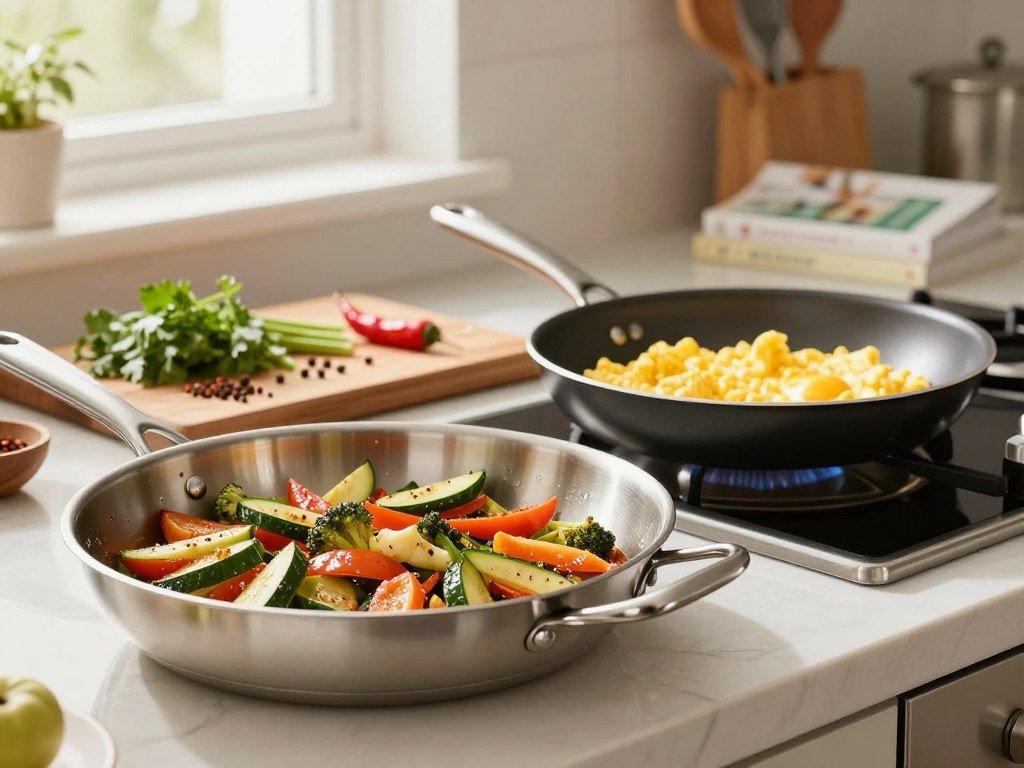
Stainless steel for browning and durability
Stainless steel cookware can brown meat and vegetables, then help you build a pan sauce from the browned bits. It also works well for braising, where food cooks slowly in liquid. These uses make stainless steel a flexible choice for people who like to cook a wide range of food.
The surface does not release every ingredient as easily as nonstick. That may mean more attention at the stove and extra cleanup after cooking.
Nonstick for easy release and cleanup
Nonstick pans make eggs and other delicate foods easier to turn or lift. They are also easy to clean after many everyday meals. Ceramic-coated aluminum has a nonstick surface over an aluminum body, so check both the coating and the pan’s construction.
Choose based on the foods you cook most, rather than assuming one surface is best at every task.
Which Nonstick Cookware Sets Perform Best?
Calphalon Premier is a strong choice for fast, even nonstick cooking, while Cuisinart GreenGourmet stands out for food release and its steamer insert. Calphalon is oven-safe to 450°F, while GreenGourmet is oven-safe to 400°F. Their different limits matter when recipes move from stovetop to oven.
Calphalon Premier Hard-Anodized Nonstick heats quickly, cooks evenly, and holds a steady sauce simmer. Its nonstick durability is only so-so. Cuisinart GreenGourmet Hard Anodized GG-12 earns an excellent food-release score and simmers sauces evenly.
Hard-anodized nonstick for speed
Hard-anodized nonstick means hard-anodized aluminum with a nonstick cooking surface. Calphalon Premier fits cooks who want speed and even cooking for daily meals. Its oven limit is higher than GreenGourmet’s, though its coating durability is not a standout.
Nonstick cookware can also help reduce the amount of oil used. In a survey, 26% of recent nonstick users named using less oil as their top reason for choosing it.
Ceramic-coated sets for release and extras
GreenGourmet adds a steamer insert, which can help you cook vegetables without buying another tool. Its 400°F oven limit is lower than Calphalon’s 450°F rating. Compare the cookware, coating performance, and useful pieces, not just the set’s color.
A nonstick cookware set should fit the way you cook as well as the recipes you make. Check what each pan can do before relying on a set for one cooking style. Match the oven limit to the recipes you make before choosing between these two sets.
Which Stainless-Steel Sets Stand Out?
Fissler Original-Profi is a notable choice for even cooking and quickly heating water, while fully clad sets offer another strong stainless-steel route. Fully clad stainless steel has bonded metal layers that extend through the pan body. That construction can support even heating across the cooking surface.
Fissler Original-Profi Collection Stainless Steel earned a top mark for cooking evenness and heated water quickly. Its handles were sturdy and stayed cool. The five picks below include tested options for different priorities.
Stainless sets with broad test strengths
Consumer Reports tested Crate & Barrel EvenCook and Fissler Original-Profi. America’s Test Kitchen chose the other three sets listed here.
- Crate & Barrel EvenCook Stainless Steel for broad test performance.
- Fissler Original-Profi for even cooking and quick water heating.
- All-Clad D3 Stainless 3-ply Bonded as a fully clad co-winner.
- Made In 10-Piece Stainless as the other fully clad co-winner.
- Goldilocks Cookware Set Plus as the Best Buy.
Fully clad standouts for even heating
America’s Test Kitchen named All-Clad D3 and Made In co-winners among fully clad stainless-steel cookware sets. It also named the 8-piece Goldilocks Cookware Set Plus its Best Buy. These distinctions give shoppers a clear reason to compare the three choices.
Stainless steel cookware can suit many meals, from browning food to simmering sauce. The picks above differ in their tested strengths and recognition, so the best cookware choice depends on which matters to you. Decide whether even heating, quick water heating or a named Best Buy distinction matters most to you.
Which Affordable Nonstick Sets Deserve a Look?
Ayesha Curry and Farberware Glide are strong budget-category choices for even heating, while Kenmore Elite Andover stands out for coating durability. These are candidates from the $100-or-less category, not sets with a guaranteed current price. Check current listings as you compare products.
Consumer Reports’ October 2025 tests found strengths across several affordable cookware sets. The table highlights their strongest results and practical details without treating any price as fixed.
| Set | Strongest test results | Main tradeoff | Practical detail |
|---|---|---|---|
| Ayesha Curry Hard-Anodized Nonstick | Excellent evenness and speed | Hand-wash only | 500°F oven limit; wooden spoon included |
| Farberware Glide Hard Anodized Ceramic | Evenness, speed, and sauce simmering | No specific tradeoff stated | Very good durability and food release |
| Kenmore Arlington | Slightly higher Overall Score than Andover | No specific tradeoff stated | 12 pieces; similarly priced to Andover |
| Kenmore Elite Andover | Durability and food release | No specific tradeoff stated | Coating withstood 2,000 steel-wool strokes |
| Red Copper Ceramic Infused | Even heating and steady simmering | Middling food release | Quick near-boiling performance |
Strong test results in the budget category
Ayesha Curry excelled in evenness and heating speed, with very good durability, food release, and handle sturdiness. It is not dishwasher-safe. Farberware Glide excelled in evenness, speed, and simmering tomato sauce, with very good durability and food-release scores.
Kenmore Arlington scored slightly higher Overall than the similarly priced Kenmore Elite Andover, and it has 12 pieces instead of 10. Andover stood out for coating durability and food release. Red Copper Ceramic Infused heated evenly and simmered sauce slowly, but its food-release score was middling.
Compare the tradeoffs, not just the label
Performance details can help you narrow a long list of budget cookware sets. Ayesha Curry’s included wooden spoon is a handy extra, while its hand-wash care may not suit every home. Kenmore Arlington and Andover both deserve a look for different reasons.
Verify a set’s current price and care instructions before adding it to your shortlist.
What Makes a Starter Set Practical?
A beginner can cover everyday meals with a skillet, a lidded saucepan, a sauté pan and a stockpot. Start with four useful vessel types, or choose a full set if you cook several dishes at once. That choice keeps a new kitchen manageable without limiting every meal.
A small core can suit a first home with little storage. The best cookware set for beginners should make common tasks feel simple, not fill cupboards with cookware that stays unused.
Start with a smaller core
An All-Clad beginner guide names four versatile starter pieces: a 10-inch fry pan, a 2-quart saucepan with lid, a 3-quart sauté pan with lid, and a stockpot with lid. These cover eggs, sauce, vegetables, pasta, and rice. You can add other cookware when your regular meals call for it.
This approach also gives you room to learn which pots and pans you reach for most. A short list can be easier to wash and store than a large matching collection.
Choose a full set for parallel cooking
A full set can help when dinner calls for a main dish, vegetables, and a sauce at the same time. Reviewed selected Cuisinart MCP-12N Multiclad Pro Stainless Steel 12-Piece Set as its best overall budget set. For shoppers who prefer nonstick, Reviewed recommends Ninja Extended Life Premium Ceramic 9-piece Cookware Set.
Both routes can work in a home kitchen, depending on space and cooking habits. Start with fewer pieces if cabinet space and cooking confidence matter more than having a matching collection.
Which Cookware Sets Work on Induction?
Figmint’s 12-piece ceramic-coated aluminum set is explicitly induction-compatible, and fully clad stainless steel is another strong option. Check the cookware or packaging for an induction mark, then test the base with a magnet if unclear. Aluminum cookware needs an induction-compatible base; not every aluminum pan works on this cooktop.
Figmint includes two frying pans, two covered saucepans, a sauté pan, and a stockpot. Fully clad stainless-steel pans bond steel and aluminum layers through the pan body. In induction-burner tests, these pans heated uniformly.
Induction cooktops heat cookware through a magnetic field, so the pan’s base matters. A steel layer can make a difference in a pan built with other metals. That is why a product name or material label alone may not tell you enough.
Aluminum can respond well to heat, but an aluminum vessel needs the right base for induction. Figmint offers a tested nonstick choice for shoppers who want ceramic-coated cookware. Fully clad stainless steel gives another sound direction for a set.
Confirm compatibility for each vessel, since a set’s materials and construction determine whether it works on induction.
What Works Best on a Gas Stove?
For a gas stove, stainless steel is the most versatile default, while a nonstick pan can handle delicate foods at lower heat. Keep the flame beneath the pan base rather than letting it climb the sides. That simple burner setting helps direct heat where the cookware can use it.
Stainless steel, hard-anodized aluminum, and ceramic-coated aluminum can all be used on gas. All-Clad D5 is a stainless-steel example, while Calphalon Premier is hard-anodized nonstick. These examples describe their materials, not a separate gas-stove test.
A flat, stable base helps a pan sit securely on the burner. Choose cookware that feels steady and suits the burner size in your home kitchen. Stainless steel is a flexible choice for tasks that move from browning to simmering.
Nonstick pans can be useful for eggs and other foods that benefit from easy release. They need not replace stainless steel if you cook many kinds of meals. A few pans with different surfaces can serve separate jobs.
Adjust the burner so flames do not reach around the sides of the cookware.
How Many Pieces Are Actually Usable?
A 14-piece set can contain only seven pots or lids, so the advertised total does not tell you how many vessels you will cook with. Count cookware vessels separately from lids, trivets, and storage accessories. Many cookware sets list between 5 and 15 counted pieces.
Half of Caraway Ceramic-Coated Non-Stick’s 14 pieces are pots or lids; the rest include racks, hooks, and other items. The contents list shows what the number alone cannot.
Count cookware, not the box label
| Set | Counted pieces | Useful vessels or extras | Standout test results |
|---|---|---|---|
| Caraway Ceramic-Coated Non-Stick | 14 | Half are pots or lids; rest include racks and hooks | Strong evenness, simmering, release, and speed |
| Crate & Barrel EvenCook Stainless Steel | 10 | Two frying pans, two saucepans, sauté pan, stockpot | Strong evenness, simmering, speed, and release |
| The Cellar (Macy’s) Stainless Steel | 11 | Two frying pans, two saucepans, sauté pan, stockpot, trivet, four lids | Strong evenness, simmering, speed, and release |
Caraway excelled in evenness, simmering, food release, and heating speed, with very good nonstick durability. Crate & Barrel EvenCook aced evenness, sauce simmering, heating speed, and food release. The Cellar also aced those four areas in testing.
Check the set’s contents and extras
Compare the included-items list with the pots and pans you actually need. America’s Test Kitchen’s 10-piece All-Clad D3 set has two skillets, two covered saucepans, a covered sauté pan, and a covered stockpot. Its lids contribute to the total, just as lids do in many sets.
Count the cookware vessels you will use before treating accessories as added value.
How Can You Compare Handles, Cleaning and Durability?
A handle can stay cool and still be less sturdy, so check strength as well as comfort. All-Clad D5 handles were sturdy and stayed fairly cool, while The Cellar’s cool handles had a mediocre sturdiness rating. Oxo Tri-Ply Stainless Mira Series performed excellently in a handle stress test.
Good handling includes grip, balance, and confidence when lifting a pan. A comfortable handle is useful only if it feels secure with food inside.
Handles and control
All-Clad D5 Brushed 5 Ply 10-Piece earned excellent scores for evenness, food release, and ease of cleaning. Its sturdy handles stayed fairly cool. Oxo Tri-Ply Stainless Mira Series excelled in evenness, heating speed, and sauce simmering, alongside its strong handle-stress result.
The Cellar shows why coolness and strength are separate qualities. Its handles stayed cool, but its sturdiness rating was mediocre. Lift a pan safely and check how the handle joins the vessel.
Cleaning and daily durability
Easy cleaning and even heating measure different things. All-Clad D5 and The Cellar both earned strong cleaning results, while Oxo’s listed strengths include heating speed and sauce simmering. Follow the care directions for each cooking surface.
Check the lid fit and handle construction before you buy. For general household cleaning ideas, this roundup of eco-friendly cleaning products covers plant-based options, not cookware-specific care advice.
Give handle balance and grip a hands-on check whenever you can.
What Should You Know About Nonstick Safety?
A PTFE-free claim is not the same as evidence that a nonstick pan has been tested for every PFAS chemical. Consumer Reports does not currently test nonstick cookware for PFAS. In a survey, 65% of home cooks were at least somewhat concerned about PFAS in nonstick cookware.
Consumer Reports identifies makers that claim their pans are PTFE-free. That claim describes a coating, but it does not prove the pan is free of all PFAS chemicals. Read the wording carefully rather than treating different claims as equal.
What a coating claim means
A spot check of a few Red Copper Ceramic Infused pans detected none of 69 types of PFAS. The check covered a few pans, not every pan or every chemical. The Ecology Center’s What’s Cooking? report tested 14 cooking pans and 10 baking pans, with limited sample and test scope.
That report found PTFE coatings on 79% of tested cooking pans and 20% of tested baking pans. Three pans had undisclosed BPA-based epoxy coatings. Its tests identified coating types, but did not test for PFOA, GenX, or other PFAS residues.
When to retire a pan
Check a coated pan before cooking, especially after rough use or a fall. Stop using it if the surface has chips or cracks. Follow the maker’s care instructions to avoid damage before the pan reaches that point.
Stop using a nonstick pan once its cooking surface has chips or cracks.
Do Cookware Sets Save Money Over Individual Pans?
Buying a set saved an average of 20% compared with buying its individual pieces. That average compares a bundle with the same components bought separately. A lower set price does not always mean better value for your home.
Sets can make sense when you need most of their cookware. One purchase may provide several pans and pots that work together, instead of requiring separate choices over time. The savings matter most when the pieces suit your meals.
Where bundled savings come from
The average 20% saving reflects the components included in the sets compared with those pieces bought one by one. It does not mean every household will save the same amount. The value depends on whether you would buy those vessels anyway.
A full set can offer a convenient way to get several compatible pieces at once. The bundle still takes up space, and you may already own some of its pans.
When individual pieces are a smarter buy
Buying individual cookware can be a better fit if you need only one or two vessels. Duplicate pans, unused accessories, and limited storage can turn a bundle into extra clutter. A smaller collection can serve you better than a discounted set that does not match your routine.
Compare the bundle against only the vessels you would actually buy on their own.
Should a Dutch Oven Come With Your Set?
A Dutch oven belongs in a set when braises and long-simmered dishes are regular parts of your cooking. A 5- to 7-quart Dutch oven suits many household meals, while 3 to 4 quarts works better for smaller batches. Choose a size that fits your usual portions.
This heavy pot holds heat for slow cooking, making it useful for stews and braising. It can be handy for dishes that start on the stove and cook for a long time. It is not essential for every kitchen.
If you mainly make pasta, rice, or quick weeknight meals, you may not need a Dutch oven in your first set. A stockpot can handle large batches of pasta or soup, while a saucepan works for rice and smaller sides.
Some home cooks use a Dutch oven often; others bring it out only for a few cold-weather meals. Consider how often you braise meat, simmer stew, or cook a large one-pot meal. Its size and weight also affect storage and handling.
Choose its capacity around the portions you cook most often, not the largest recipe you might make once.
Conclusion
The right set is the one that fits your cooking routine, not the one with the longest contents list. Choose the material and vessels that match your regular meals, then judge the set by the useful cookware inside. Stainless steel and nonstick each suit different tasks.
Take a quick inventory of the pots and pans already in your kitchen. Note which ones you use, which are missing, and what fits your cabinets. Write down the vessels you still need, then compare that list with the set you plan to buy.
Buy for the meals you cook, not for pieces that may stay in the box.
FAQ
How long does nonstick cookware usually last?
Nonstick cookware usually lasts about 3-5 years, though use, heat, and care affect the coating’s life. Frequent high heat or rough handling can wear a surface faster. Careful cleaning and storage can help limit damage, but no set lifespan fits every pan. Check the cooking surface often and stop using a pan with chips or cracks.
Can stainless-steel cookware go in the oven?
Many stainless-steel pans can go in the oven, but check the specific pan, lid, and handle ratings first. The lowest-rated component sets the safe limit for the whole cookware vessel. A metal pan may tolerate more heat than its lid or handle. Follow the maker’s stated oven limit for the exact piece you plan to use.
Can I use metal utensils on nonstick cookware?
Use metal utensils only when the maker explicitly says they are safe for that pan. Wood or silicone is the safer default for coated surfaces because it is less likely to scratch them. A coating can wear sooner if utensils scrape or cut across it. Check the care guide for the cookware you own.
How do you stop food from sticking to stainless-steel pans?
Preheat the stainless-steel pan, add cooking fat, then add the food. This order gives the pan and fat time to heat before the food touches the surface. Avoid turning the heat up excessively, since high heat can burn food and make a meal harder to control. Let food brown before trying to turn it.
Will a cookware set work on a glass-top stove?
Flat, smooth-bottomed cookware is usually suitable for a glass-top stove. Check that each pan sits steadily and has no rough edges that could scratch the surface. Lift heavy cookware instead of dragging it across the glass. That small habit helps protect the cooktop while you move pots and pans.
How often should I replace a nonstick pan?
Replace a nonstick pan when its coating has chips or cracks, rather than following a fixed calendar. A pan used gently may last longer than one exposed to rough utensils, high heat, or careless storage. Inspect the surface before cooking. Stop using the pan if the coating is damaged.
About The Author