Best Hobbies for Retirees to Stay Active: 10 Fun Ideas
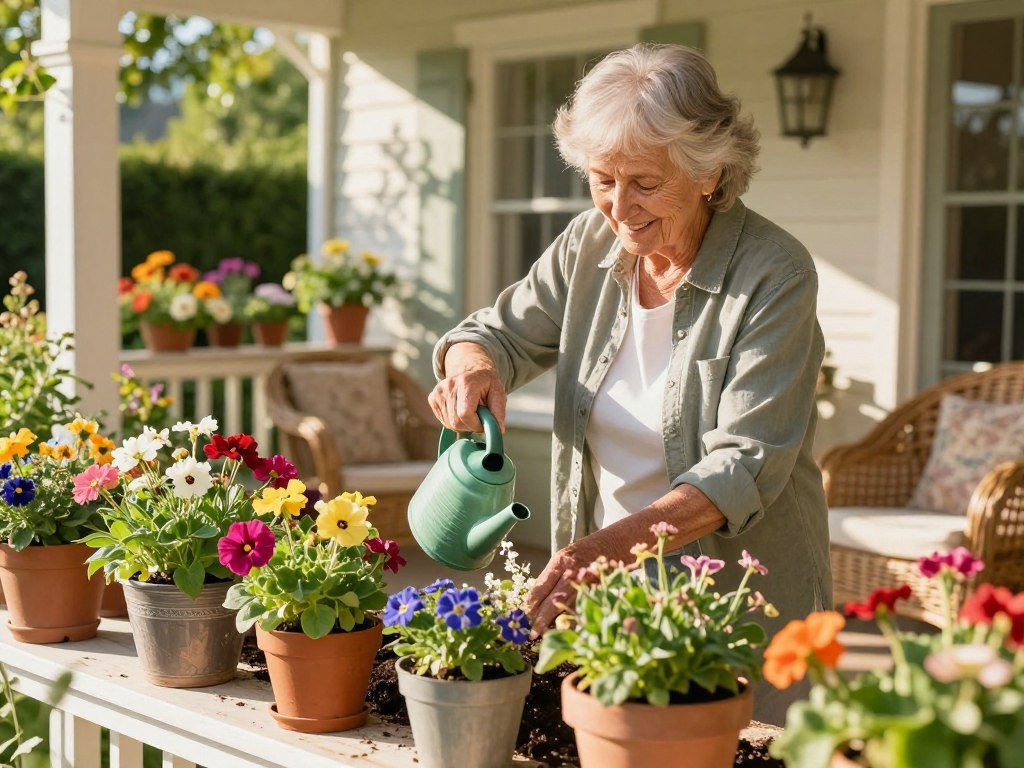
Retirement creates room to shape a daily routine around interests that work may have left on the sidelines. The best hobbies for retirees to stay active can bring movement, creativity, learning, and connection into your days. You can choose options that fit your energy, interests, and budget, then adapt them for home or community settings. A familiar activity can feel different when you have time to enjoy it at your own pace. Try walking with neighbors, tending a few plants, or learning a new song. You might also join a book club, volunteer, cook with friends, take pictures, or explore drawing. There is no need to fill every day or master a skill right away. A satisfying routine can begin with one small activity that feels enjoyable enough to try again.
Key Takeaways
- Choose an activity that suits your interests and energy.
- Try options at home or in your community.
- Shared hobbies can create chances to meet others.
- Start small, then adjust your routine as you learn what feels right.
- You do not need to be an expert to begin.
What Changes When Work Ends?
Leaving work can remove a familiar schedule, but it also creates room to build a new one. The retirement transition means moving through three phases: leaving work, adjusting to a new life, and settling into a new identity. Each phase can take its own time.
Hobbies can add structure, enjoyment, and social connection without making every day feel scheduled. You might set aside a morning for gardening, meet a friend for lunch, or keep an open afternoon. In a 2025 review, 92 percent of retired households said they were very satisfied or moderately satisfied with their lives. Retirement looks different for each person, and a new routine need not solve every challenge.
Treat the retirement transition as a gradual adjustment, not a deadline to find a perfect new identity.
Creative activities give you many ways to add interest to your week. Painting and drawing, creative writing, music and singing, cooking, gardening, crafting, creative volunteering, photography, dance, and book clubs can bring people together around shared interests.
Some activities happen at home, while others connect you with a group or a local community. You can try one for a short time, keep it if it suits you, and change course if your needs shift. The goal is not to copy your old work schedule. Give new interests room to take shape at a pace that feels natural.
What Are the Best Hobbies for Retirees to Stay Active?
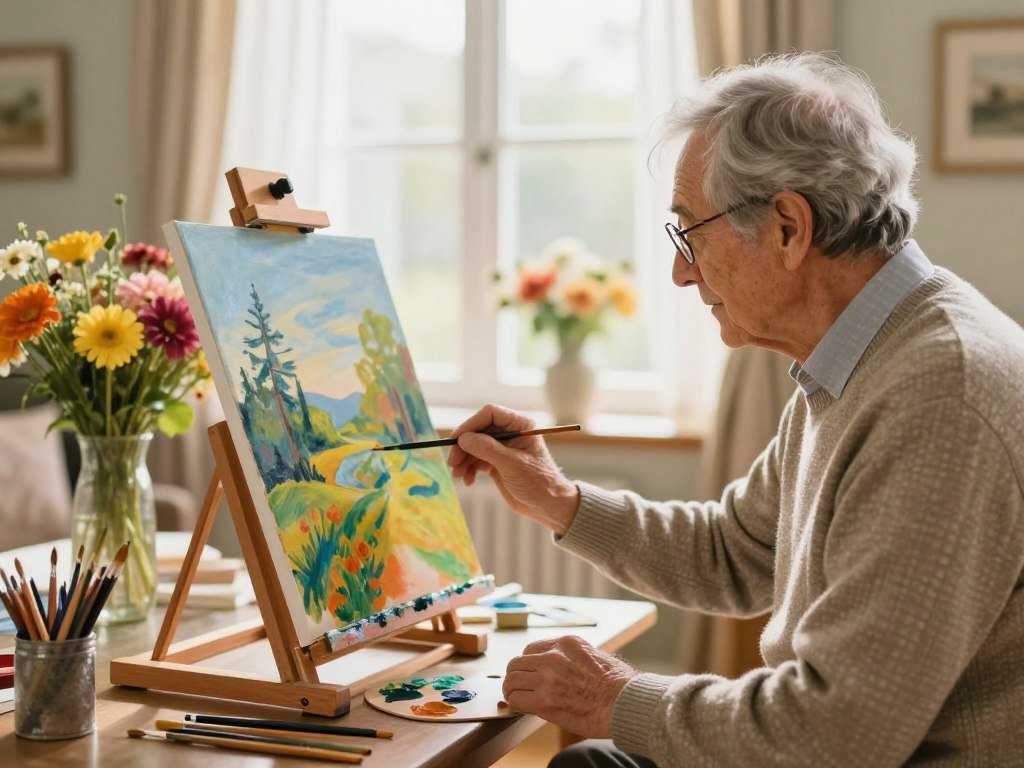
Walking groups are a practical first choice for retirees who want gentle movement and company. Walking, gardening, and dancing can fit different energy levels, and each can start with a simple first step. Moderate-intensity activity means movement that takes some effort while still allowing conversation.
Adults aged 65 and older should aim for at least 150 minutes of moderate activity each week, 75 minutes of vigorous activity, or an equivalent mix. They can build moderate activity to 300 minutes weekly for more health benefits. The World Health Organization’s activity guidance also describes benefits of regular movement for physical and mental health.
Adults aged 65 and older should also do muscle-strengthening activities that work major muscle groups on two or more days each week.
| Activity type | Weekly target | Who it applies to |
|---|---|---|
| Moderate aerobic activity | At least 150 minutes | Adults aged 65 and older |
| Vigorous aerobic activity | At least 75 minutes | Adults aged 65 and older |
| A moderate-vigorous combination | Equivalent combination | Adults aged 65 and older |
| Muscle strengthening | Two or more days | Adults aged 65 and older |
Walking Groups
Join a walking group at a nearby park or community center, or try a comfortable neighborhood route. A set meeting time can make walking easier to remember, and a companion gives you someone to talk with along the way.
Start with a route that feels manageable, such as a level loop near home. You can choose a shorter path or pause when needed. Walking can help older adults maintain strength, energy, balance, and mood.
Gardening
Try a few herbs or flowers in containers before taking on a larger garden. Raised beds and pots can reduce the need to kneel or bend, while still letting you enjoy soil, color, and nature.
Gardening offers a reason to step outside and care for something over time. Watering a small set of plants can become a satisfying part of your day without requiring a large yard.
Dancing
Play a familiar song and move at home, or look for a beginner-friendly dance class. You can choose a style and pace that feel comfortable, then take breaks as needed.
Dance combines music with movement and can be done alone or with a group. People who want active hobbies can start with an option that fits their current energy and mobility. Build activity gradually and choose a pace that feels manageable.
Which Creative Hobbies Make It Easy to Start?
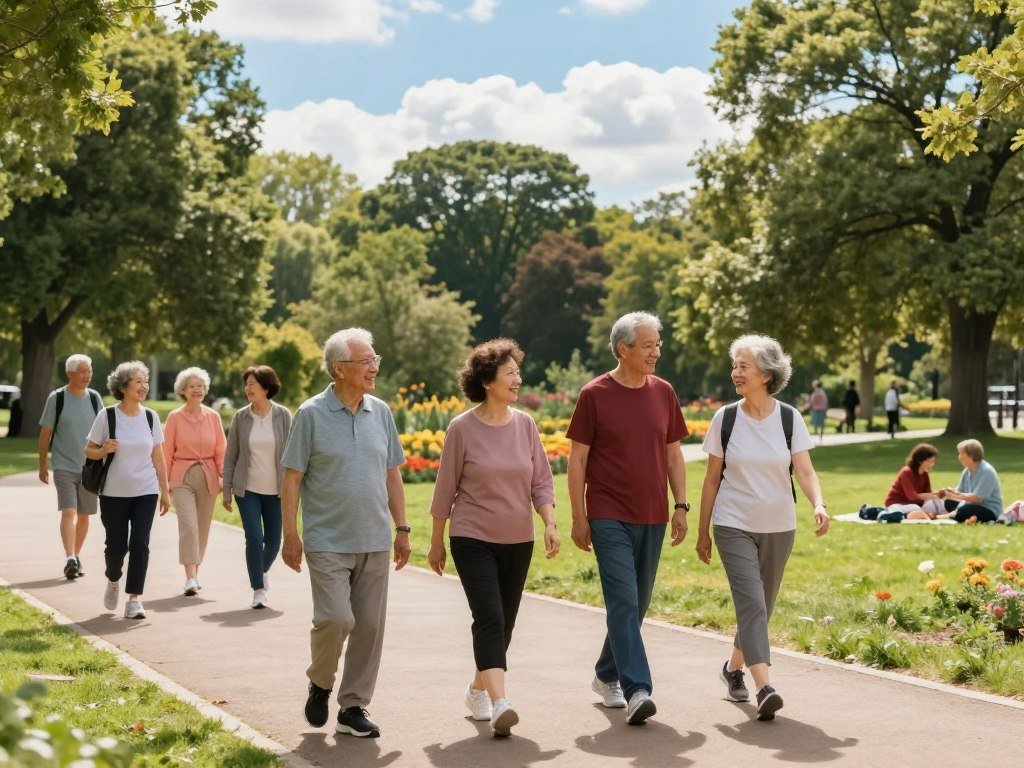
A sketchbook and a few pencils are enough to explore drawing at home. Creative hobbies give you a way to try new skills without formal training, and you can work at your own pace. A 2023 study in Aging & Mental Health linked creative activity with improved well-being and reduced loneliness in older adults.
Start with the tools you already have, then add a class or group if you want company. Painting and drawing, music and singing, and photography can offer both self-expression and chances to connect. The best hobbies for retirees to stay active for women are the same adaptable choices open to any retiree. Hobbies for women in retirement do not need separate rules.
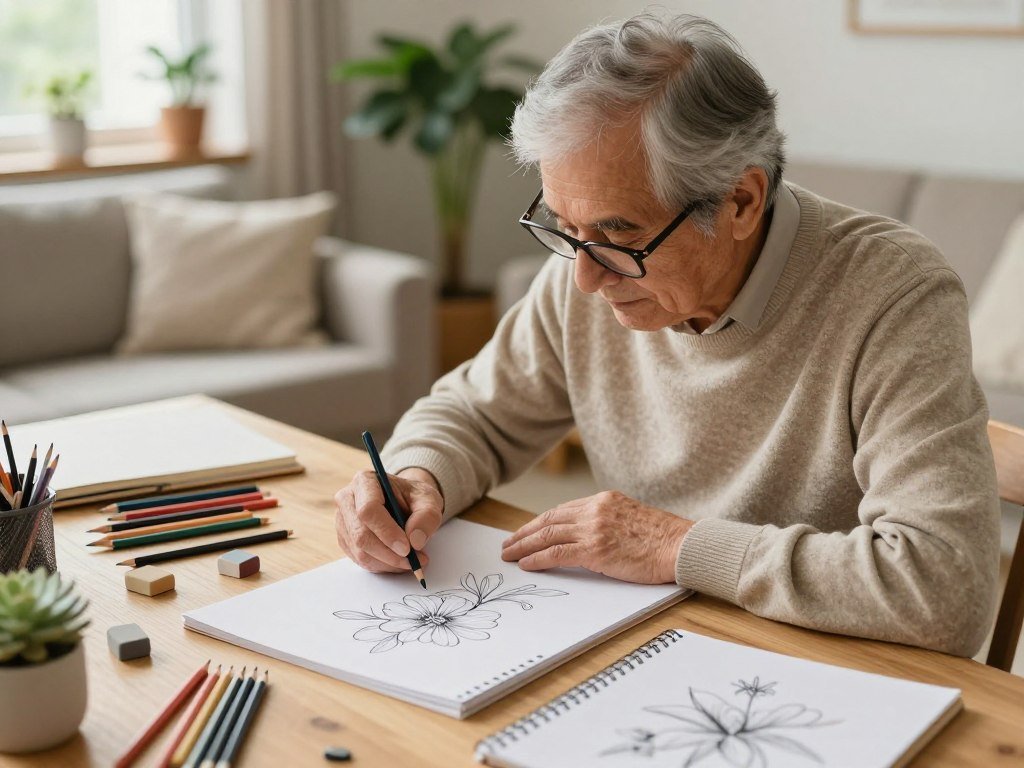
Painting and Drawing
Keep a small sketchbook near your favorite chair and draw objects you already know, such as a mug, a houseplant, or a pair of shoes. A beginner paint set can add color when you feel ready to try it.
If you enjoy sharing the process, look for a local art class. A class can offer new ideas and a regular time to make things with others, but you do not need one to begin.
Drawing also works well in brief sessions. A few lines on the page count as practice, even if the result looks rough. You can use simple supplies and still find new subjects around your home.
Music and Singing
Choose a familiar song and sing along, tap the beat, or learn a few notes on an instrument. A community choir can offer a welcoming group setting, while a beginner lesson gives you one-on-one guidance.
You do not need a trained voice or years of practice to enjoy music. A song you know can be an easy first step, and regular practice can help you build skills over time.
Choose a creative activity for the pleasure of making something, not for a polished result.
Which Social Hobbies Help You Connect With Others?
Volunteering offers retirees a regular way to contribute while meeting people through a shared purpose. Social hobbies can make it easier to spend time with others around something you care about. One-fifth of Americans aged 50 or older live alone, a circumstance linked with higher risk of social isolation and loneliness.
Choose a shared activity that feels welcoming and fits your schedule. The National Institute on Aging describes how volunteering and joining clubs can support purpose and social engagement as people age. Best retirement activities for men and hobbies for men over 50 can include these same interest-led options; hobbies do not need to be divided by gender.

Volunteering
Ask about helping at a library, food bank, school, or animal shelter. Roles can fit different schedules and energy levels, from a regular weekly shift to occasional help with a special event.
A shared task gives you a natural way to meet people while supporting a cause. The 2024 survey of US adults aged 50 to 80 found that 33.4 percent reported loneliness and 29.2 percent reported social isolation. These results are a snapshot of respondents, not a forecast for every retiree.
Book Clubs
A shared book gives a group an easy conversation starter, even if members have different views. Look for book clubs at a library or community center, or ask whether the group welcomes new members.
You can choose fiction, history, memoir, or another subject you enjoy. Some clubs meet in person, while others use online calls. Either way, a reading group can create a regular chance to talk about more than daily errands.
Cooking With Others
Make a meal with a friend, join a cooking class, or trade recipes with neighbors. You can keep the plan simple, such as preparing soup together or making a dish one person already knows well.
Cooking can turn a familiar task into shared time. If a full class feels like too much, invite one person to help prepare a meal at home. Start by asking one local organization what flexible volunteer roles are available.
How Can Learning and Photography Keep Your Mind Engaged?
A short online lesson can turn a longstanding curiosity into a regular learning habit. Lifelong learning can mean an online course, a language lesson, or a subject studied at a comfortable pace. You can learn in small sessions and return to a topic whenever it suits your routine.
Learning and photography offer ways to keep your mind engaged without needing a special setup. Research on physical activity and brain health includes an observational study linking more moderate activity with a greater increase in brain glucose metabolism among cognitively normal, late-middle-age participants. A randomized trial found that exercise increased the size of a brain structure important for memory and learning, with better spatial memory.
Lifelong Learning
Pick a topic that has held your interest, such as local history, a new language, or basic music theory. Online lessons can let you study from home, while a class can add a set time and a chance to talk with other learners.
Some research findings describe links or trial results, not proof that one hobby prevents cognitive decline. The National Institute on Aging’s guide to cognitive health reviews research on older adults and brain function.
Photography
Start with a smartphone camera and notice details you might usually pass by, such as light on a building or leaves after rain. A local photo walk can make the practice social, while editing pictures at home gives you a quiet project.
Online learning, music practice, puzzles, and photography editing are indoor hobbies for men over 50, but they are not gender-specific. If you enjoy taking pictures, you could also explore ways to earn from photography or other skills. For example, small business ideas for introverts include creative work such as photography and writing.
A smartphone camera is enough to begin noticing and capturing details in familiar surroundings.
How Do You Choose a Hobby That Fits Your Life?
The right choice is one that feels enjoyable and possible to repeat within your ordinary week. Hobbies for people over 50 and hobbies for middle-aged people can also be explored before retirement. Try to match an activity to your interests, access, energy, and available time.
- Would you rather spend time alone, with one person, or in a group?
- What energy or mobility level feels comfortable?
- Can you reach a nearby option or join online?
- How much time and money can you set aside?
| Goal | Easy first try | An adaptable option |
|---|---|---|
| More movement | A short local walk | A seated or supported movement class |
| More connection | A library book discussion | A virtual book group |
| Quiet creative time | Drawing at home | Tabletop supplies within comfortable reach |
Adults aged 65 and older with poor mobility should include balance and fall-prevention activity on three or more days per week. Ask a health professional about suitable activity if you have health or safety concerns.
Test an activity for two or three sessions before buying specialized equipment or committing to a membership.
Use that trial to notice how the activity fits your week, not just whether the first session feels easy. Try a new activity for 2 or 3 sessions before deciding whether it deserves a regular place in your routine.
Conclusion
A fulfilling retirement routine can grow from one activity that feels meaningful to you. A hobby can support enjoyment, movement, learning, or connection without needing to deliver every benefit at once. Let the activity fit your life, rather than turning it into another duty.
Choose one idea and find a nearby group, class, volunteer role, or simple at-home starting point. Pick one idea, set a first day to try it, and give yourself room to adjust.
FAQ
What are some fun things for men to do in retirement?
Men can enjoy walking groups, gardening, volunteering, book clubs, cooking with friends, or a creative class. Choose by personal interest, not gender. A first activity can be simple, such as joining a neighborhood walk or asking a library about its reading group. If you prefer quiet time, try a project at home and invite someone to join when it feels comfortable.
What is the 3 hobby rule?
The 3 hobby rule is an informal way to balance an active hobby, a social hobby, and a creative or learning hobby. It is not an official rule, and you do not need three hobbies to enjoy retirement. One activity may meet more than one goal, such as dancing with a group or learning to cook with friends. Adjust the idea to your time and energy.
What is a good side hustle for seniors?
A craft, cooking skill, photography, or tutoring can become paid work if you want to earn income. A side hustle differs from a hobby because it involves selling a service or product. Start with a small test of interest and costs, then check local rules and tax requirements before taking payment. Creative work can suit different schedules, but it still needs planning.
How to start a new life after retirement?
Build a simple weekly routine around one enjoyable activity, one chance to connect with others, and time to explore what feels right. For example, set a day for gardening, plan a coffee with a friend, and leave one afternoon open. Small routines can give your week some shape without requiring you to decide on a lasting identity right away.
What is the number one mistake retirees make?
There is no single mistake that applies to every retiree. One common risk is assuming free time will organize itself, which can leave daily routines and social plans unfilled. You can avoid that by choosing one activity to try and setting a day for it. Keep the plan flexible, and add another commitment only if it suits your life.
About The Author