How to Start a Rental Business: 2026 Step-by-Step Guide
The Ownership Era is fading, and the Access Economy is taking over. Today, people would rather rent a designer bag for a weekend or a power tool for a day than deal with the cost and clutter of owning them forever. If you are wondering how to start a rental business, the answer is simpler than you think: find an underutilized asset, identify a market that needs it, and build a reliable system to facilitate the exchange.
how to start a rental business in 2026, you must choose a profitable niche (like luxury watches, camera gear, or event furniture), secure comprehensive liability insurance, and implement automated booking software to manage inventory and payments seamlessly.
Finding Your Niche: How to Start a Rental Business with High Demand
You cannot rent everything to everyone. The most successful rental startups focus on a specific pain point. Are you helping a DIYer finish a basement, or a bride plan her dream wedding?
Identifying High-Margin Rental Niches
In 2026, certain industries are seeing record-breaking rental demand. Consider these categories:
Recreational Gear: e-Bikes, paddleboards, and high-end camping kits.
Professional Equipment: 4K cinema cameras, heavy construction tools, or 3D printers.
Luxury & Fashion: Designer clothing, high-end watches, and luxury handbags.
Event Infrastructure: Modular stages, aesthetic photo booths, and sustainable decor.
Validating Your Market Idea
Before spending a dollar on inventory, use Search Intent to your advantage. Look at local search volume for phrases like rental near me. If the competition is low but the People Also Ask section is full of queries, you’ve found a gap.
Drafting a Tactical Rental Business Plan
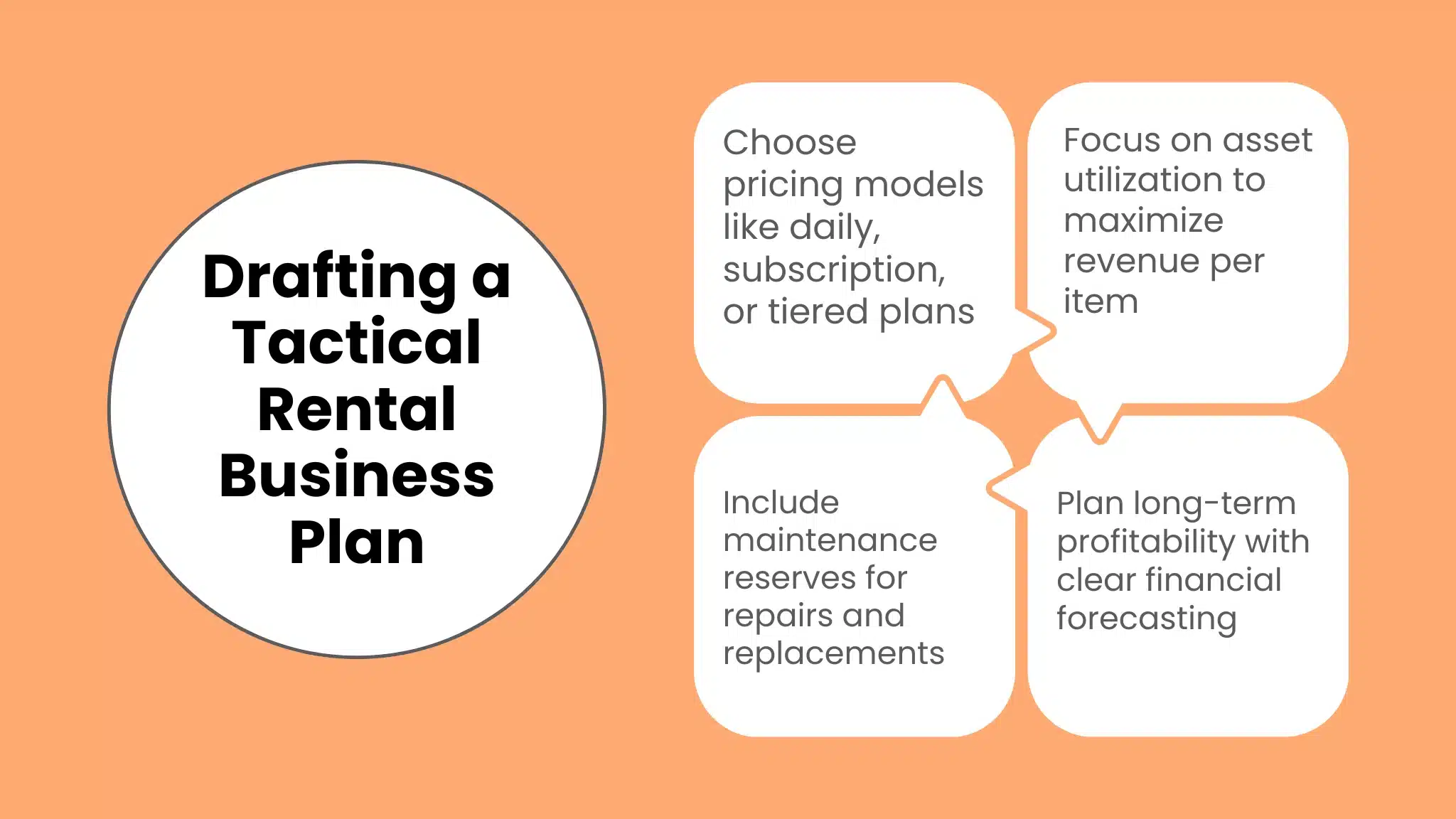
A rental business plan is not just for investors, it is your operational compass. Unlike a traditional retail store, a rental business relies on Asset Utilization how many days per month your item is out making money versus sitting on a shelf.
Defining Your Revenue Model
How will you charge?
Daily/Hourly Rates: Standard for equipment and tools.
Subscription Models: Popular for clothing or baby gear.
Tiered Pricing: Offering Basic, Pro, and Enterprise kits.
Factoring in Depreciation and Maintenance
Every time an item is rented, it loses a bit of value. Your plan must include a Maintenance Reserve a small percentage of every rental fee set aside to repair or replace the item when it eventually wears out.
Legal Essentials: Navigating Regulations and Liability
One of the most overlooked rental business tips is protecting yourself from the “what ifs.” When you give a stranger your property, you take on risk.
Crafting a Bulletproof Rental Agreement
Your contract is your strongest shield. It should clearly outline:
Late Fees: What happens when an item isn’t returned on time?
Damage Policies: Who pays for a scratch versus a total loss?
Usage Limits: For example, limiting the mileage on a rented vehicle or the hours of operation on a generator.
Securing the Right Insurance
General liability insurance is a baseline, but you also need “Inland Marine Insurance (which covers products in transit or on a customer’s site). Based on available data, niche-specific insurance can save a startup from bankruptcy following a single major equipment accident.
Inventory Sourcing: Quality Over Quantity
When considering how to start a rental business, your inventory is your biggest capital expense.
The Buy Once, Cry Once Rule
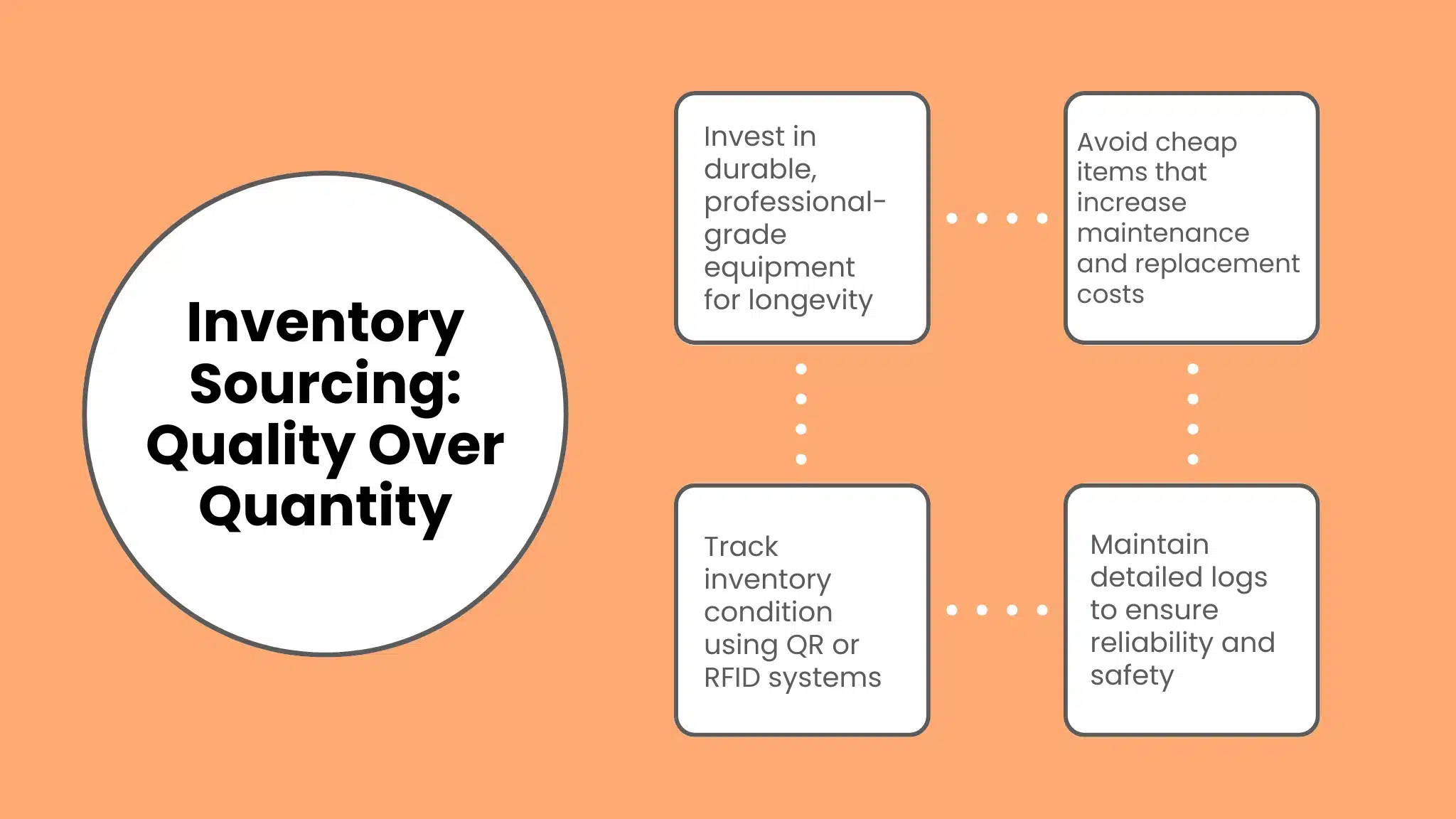
In the rental world, cheap is expensive. A consumer-grade drill will break after three rentals. A professional-grade drill will last a hundred. Focus on brands known for durability and available replacement parts.
Managing Inventory Lifecycles
Keep a detailed log of every item’s health. Use QR codes or RFID tags to scan items in and out. This prevents lost inventory and ensures you never rent out a faulty piece of equipment to an unsuspecting customer.
Setting Up Your Digital Shopfront: The Tech Stack
In 2026, customers expect to book a rental as easily as they order an Uber. If they have to call you to check availability, you’ve already lost the sale.
Implementing Real-Time Booking Software
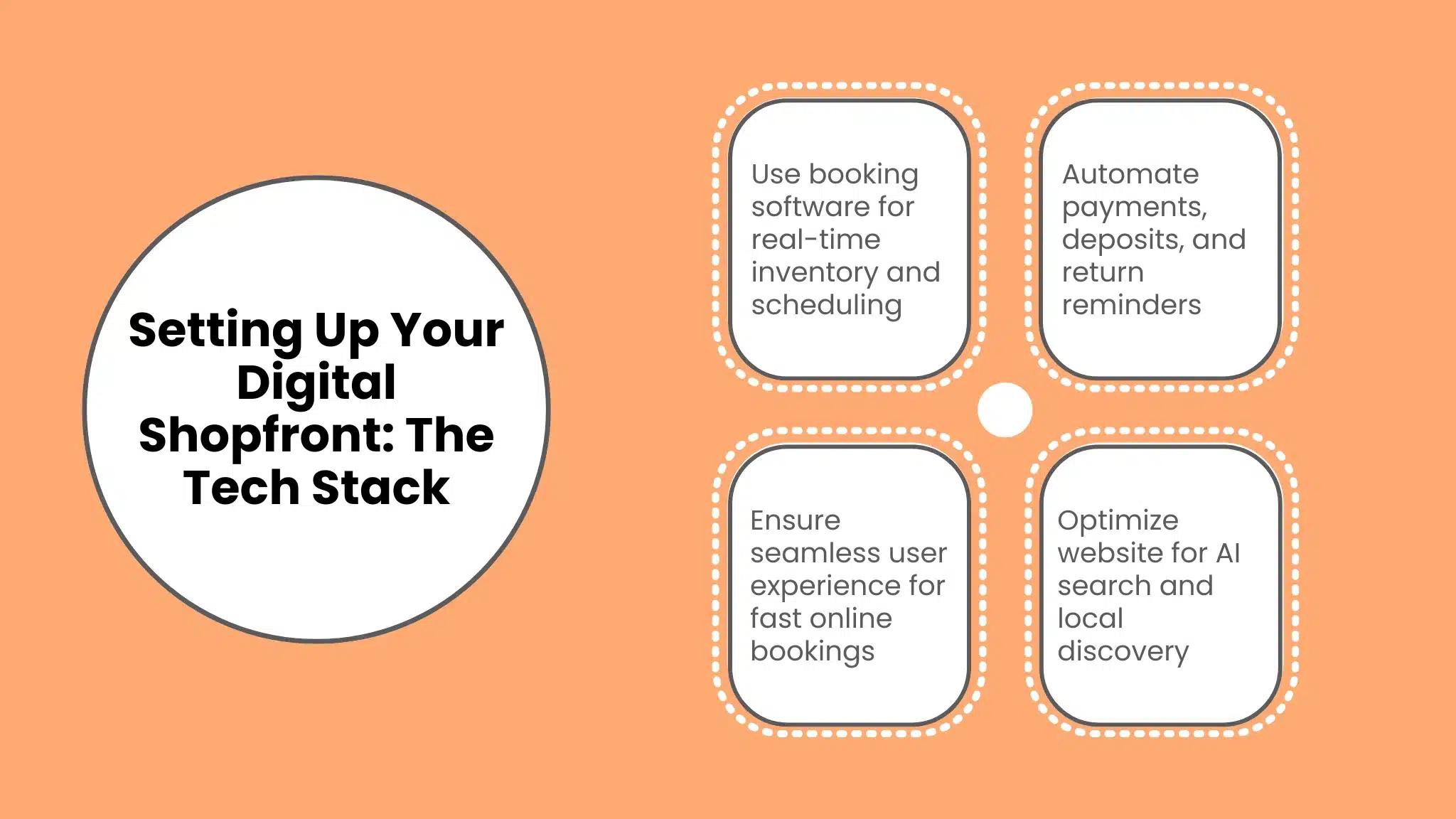
Tools like Booqable or Rentman allow you to:
Sync your website with your actual inventory levels.
Automate security deposits (holding a balance on a credit card).
Send automated SMS reminders for returns.
Optimizing for Generative Engine Optimization
As AI-driven search becomes the norm, your website needs to be structured so AI can easily find your prices, location, and availability. Use Schema markup specifically for Products and Local Business to ensure you appear in AI-generated best rental near me lists.
Marketing Your Rental Startup Guide to Success
You have the gear and the website; now you need the users.
Leveraging Social Proof and Visuals
In the rental industry, trust is everything. High-quality video of your equipment in action or unboxing style videos of your rental kits build confidence. Encourage users to tag your business in their finished project photos in exchange for a discount on their next rental.
Local SEO Strategy
Since most rental businesses are location-dependent, your Google Business Profile is your most valuable marketing asset. Collect reviews specifically mentioning your clean equipment and easy return process to boost your local ranking.
Operations: The Turnaround Process
The money in a rental business is made during the turnaround the time between one customer returning an item and the next customer taking it.
The 3-Step Return Protocol
Inspection: Check for functional damage and cosmetic wear.
Sanitization/Maintenance: Clean the item and perform any necessary predictive maintenance (sharpening blades, charging batteries).
Restock: Update the digital inventory so the item is Live again.
Scaling: From Side Hustle to Enterprise
Once you have mastered the lifecycle of one asset, scale horizontally. If you started renting out camping tents, the logical next step is renting out portable power stations or high-end coolers.
Monitoring Utilization Rates
If an item is rented out 90% of the month, buy another one. If it’s rented out 10% of the month, sell it and reinvest the capital into a high-demand niche. This data-driven approach is the secret to long-term profitability.
Conclusion
Learning how to start a rental business is an exercise in logistics, trust, and strategic asset management. By focusing on a high-demand niche, protecting your investment with bulletproof legal agreements, and leveraging modern automation tools, you can transform physical goods into a consistent stream of recurring income.
As the Access Economy continues to expand through 2026, those who provide seamless, reliable service will dominate the market. For more deep dives into business models, operational checklists, and the latest in entrepreneurial strategy, visit Reliable Startup to help turn your rental vision into a scalable reality. Start small, validate your demand, and build a business that thrives on the future of ownership.
Frequently Asked Questions
Is starting a rental business profitable in 2026?
Yes. With the shift toward sustainable living and the circular economy, more consumers prefer renting over buying. High-end equipment and niche hobby gear currently offer the best ROI.
What is the most profitable item to rent out?
Currently, luxury event decor, specialized construction tools (like mini-excavators), and high-end tech (like VR headsets or cinema cameras) provide the highest profit margins based on market trends.
Do I need a physical storefront?
Not necessarily. Many successful rental businesses operate as “delivery only” or use smart-lock pickup lockers to reduce overhead costs like rent and staffing.
How do I handle stolen or damaged items?
A combination of a signed rental agreement, a pre-authorized security deposit on the customer’s credit card, and a comprehensive insurance policy is the standard way to mitigate loss.